Top 20 Natural Monuments around Beer
Best natural monuments around Beer are characterized by the region's unique position on the Jurassic Coast, a UNESCO World Heritage Site in East Devon. This area features a coastline shaped by 185 million years of geological history, revealing diverse rock formations, cliffs, and beaches. The landscape offers a variety of natural features, including arches, pinnacles, and ancient landslips. Beer provides opportunities to explore significant geological sites and coastal environments.
Best natural monuments around Beer
- The most popular natural monuments is…
Last updated: June 15, 2026
Beer to Seaton Coastal Path
Highlight (Segment) • Viewpoint
Tip by

Seaton Beach and Cliffs
Highlight • Beach
The town itself, Devon's easternmost seaside …
Translated by Google •
Tip by

Sign up now to discover places like this
Get recommendations on the best single tracks, peaks, & plenty of other exciting outdoor places.
Sign up for free
Connaught Gardens
Highlight • Natural Monument
Translated by Google •
Tip by
The Tombstone Cliff
Highlight • Natural Monument
Tip by

Beer Quarry Caves
Highlight • Cave
Tip by
Sign up for free to discover even more natural monuments around Beer.
Sign up for free
Already have an account?
Start today with a free account
Your next adventure awaits.
Login or Signup
Other adventures around Beer

Tips from the Community

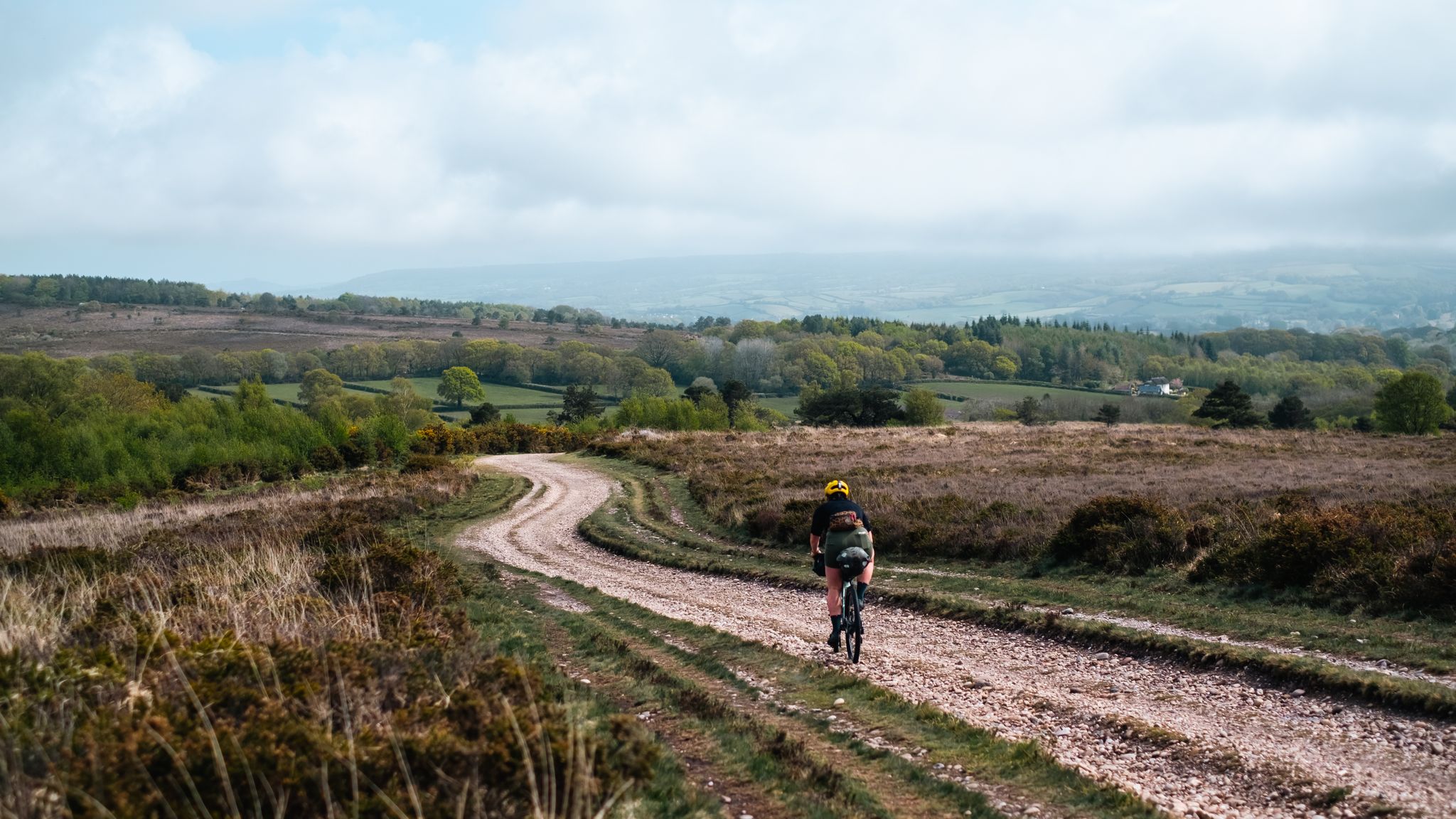
Jurassic Coast - here, as a touring cyclist, you get a nice access with wonderful views, swimming options and good restaurants.
0
0

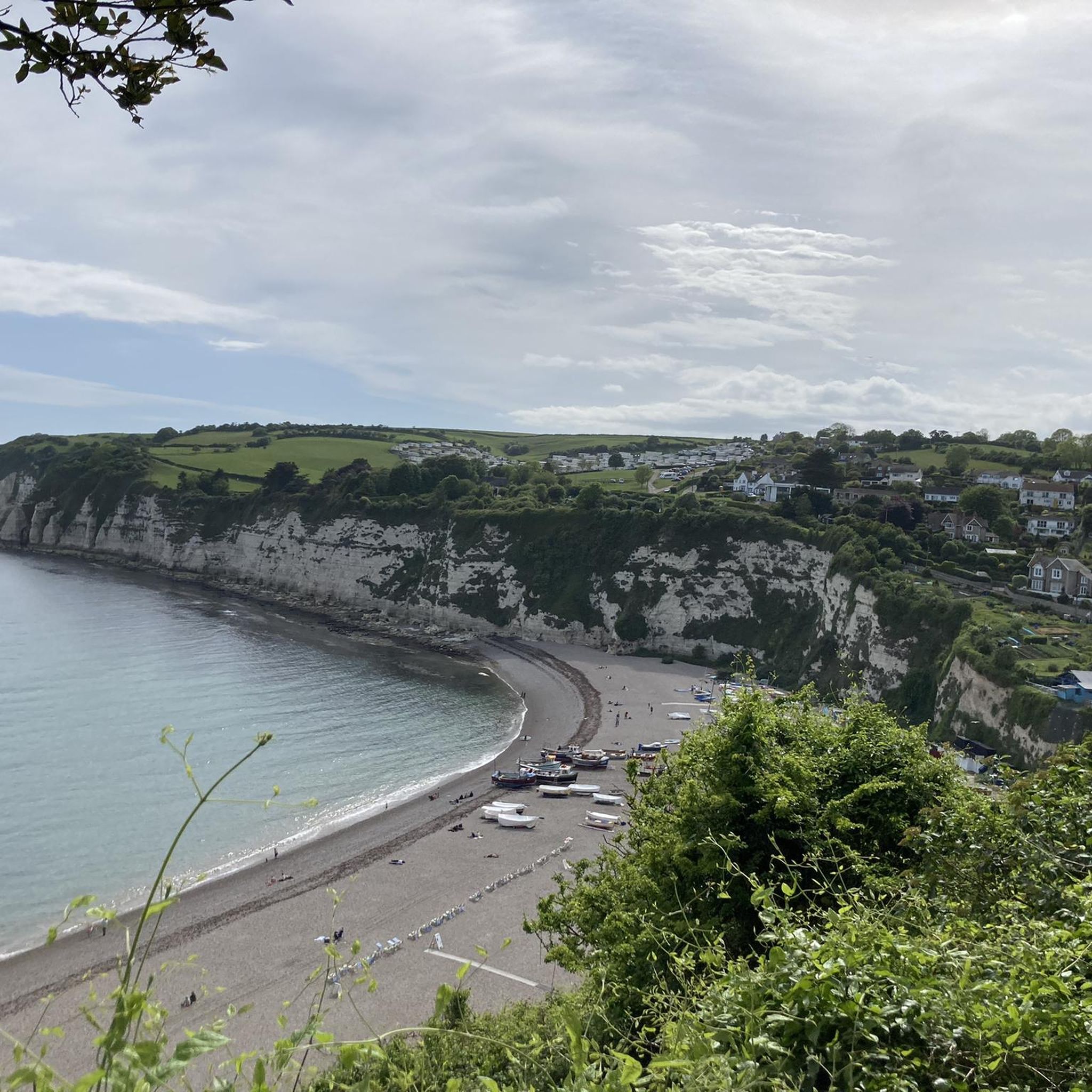
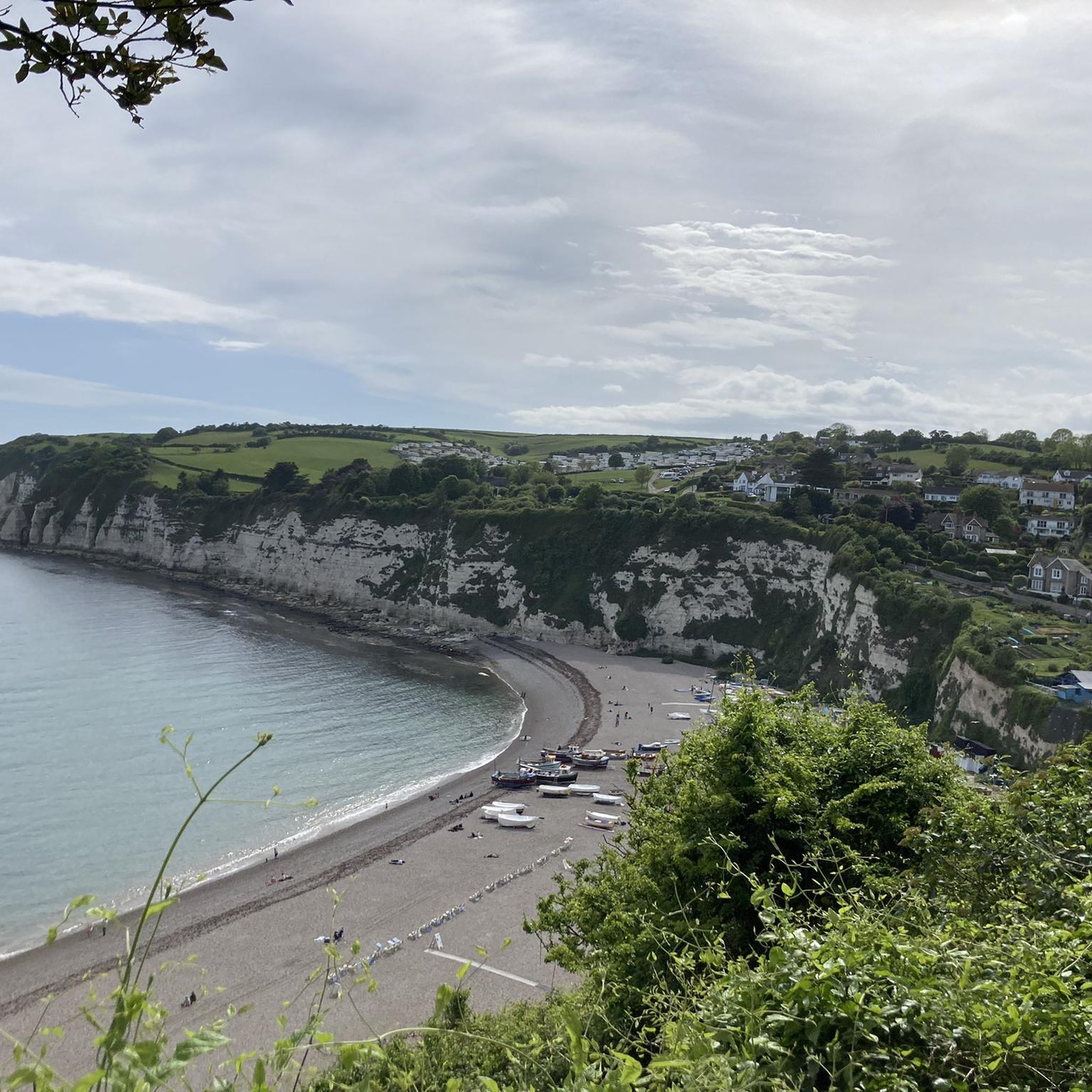
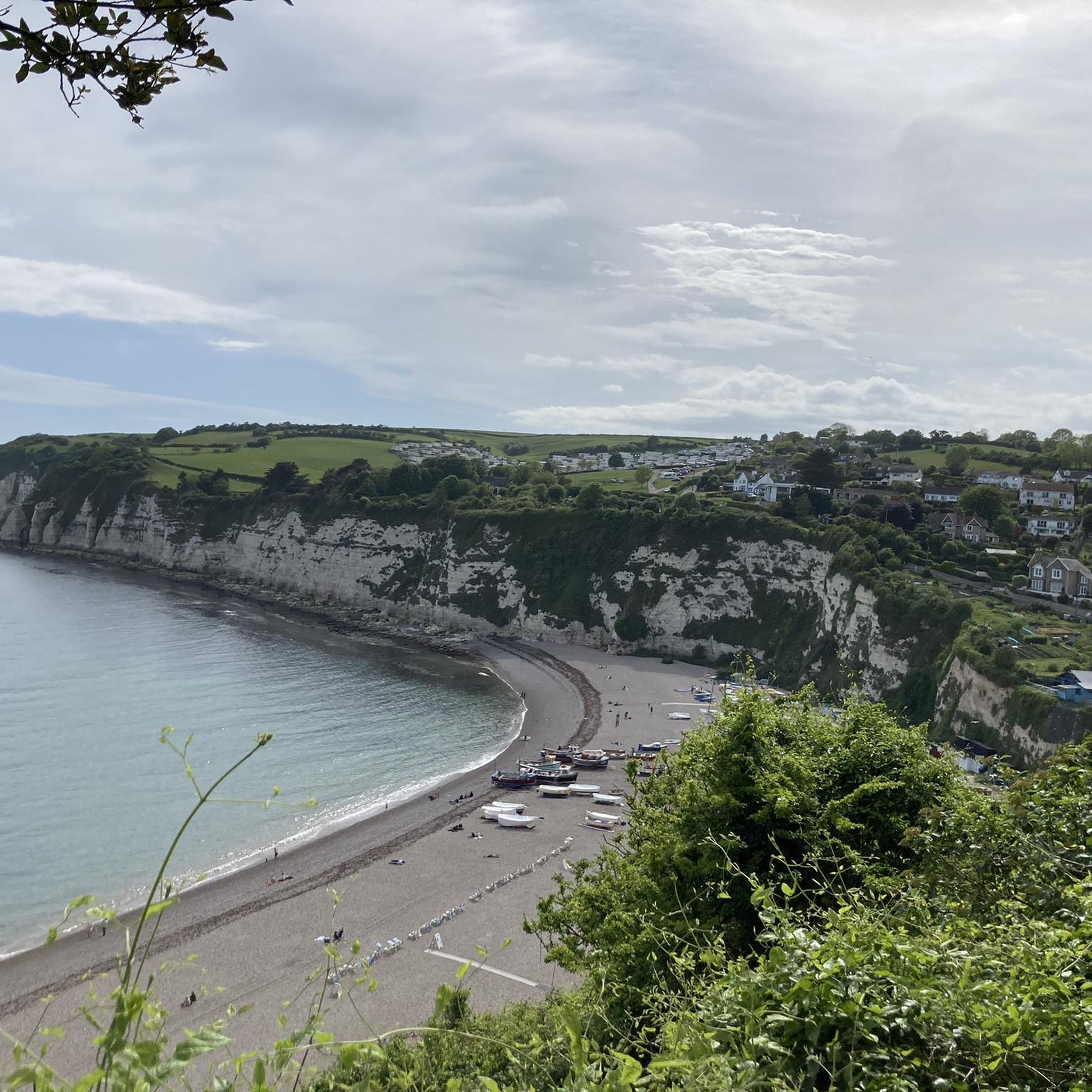
A mile-long beach with a mix of sand and shingle, clear water, and a gently sloping shore. It's a great place for swimming, water sports, and walking. The beach is surrounded by cliffs and green hillsides, and is a popular spot for photographers. A flat walking area that runs alongside the beach, with a cafe at one end and the town at the other.
1
0
I have no idea why they call it the tombstone. Maybe as it looks like one? I don't know. Anybody know?
2
0
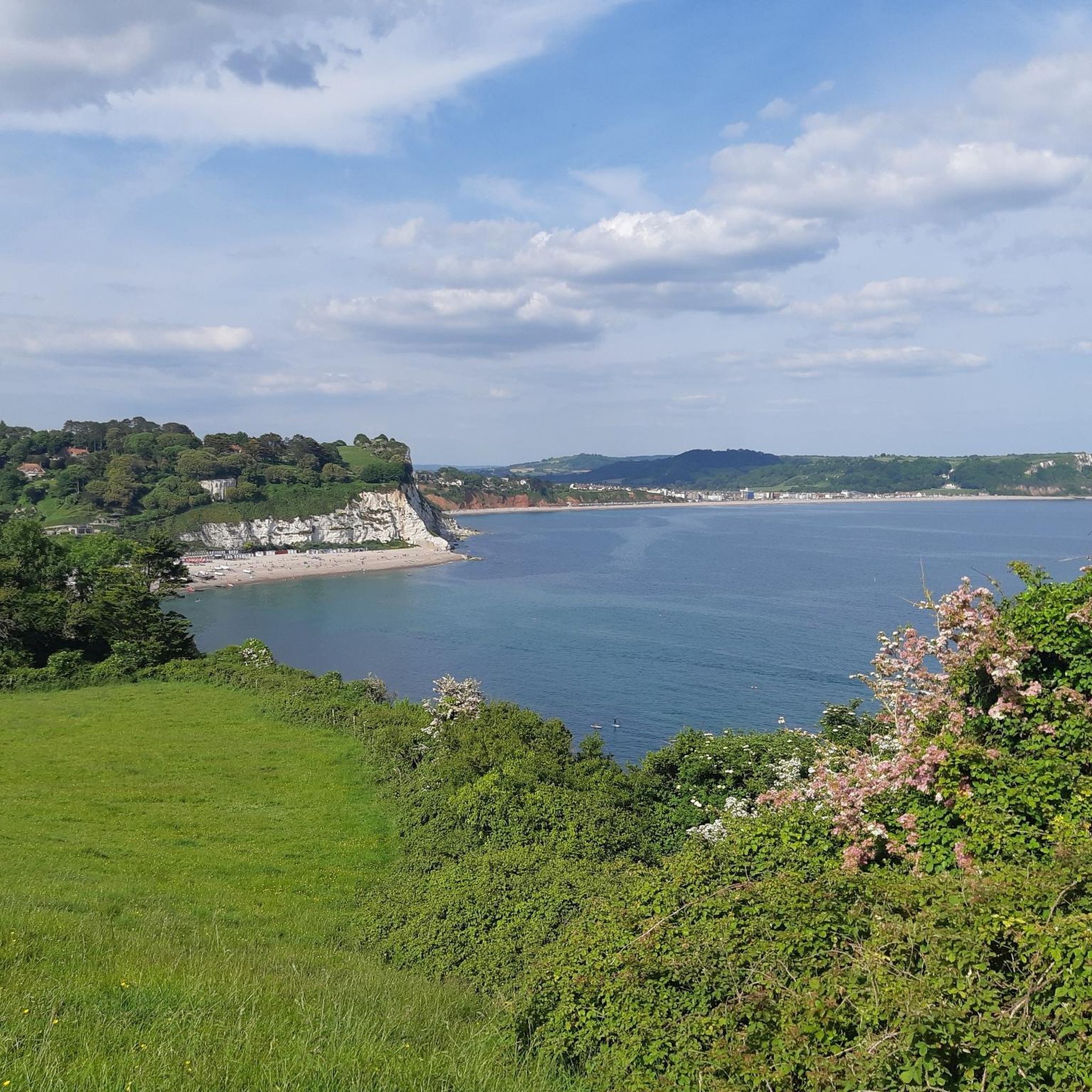
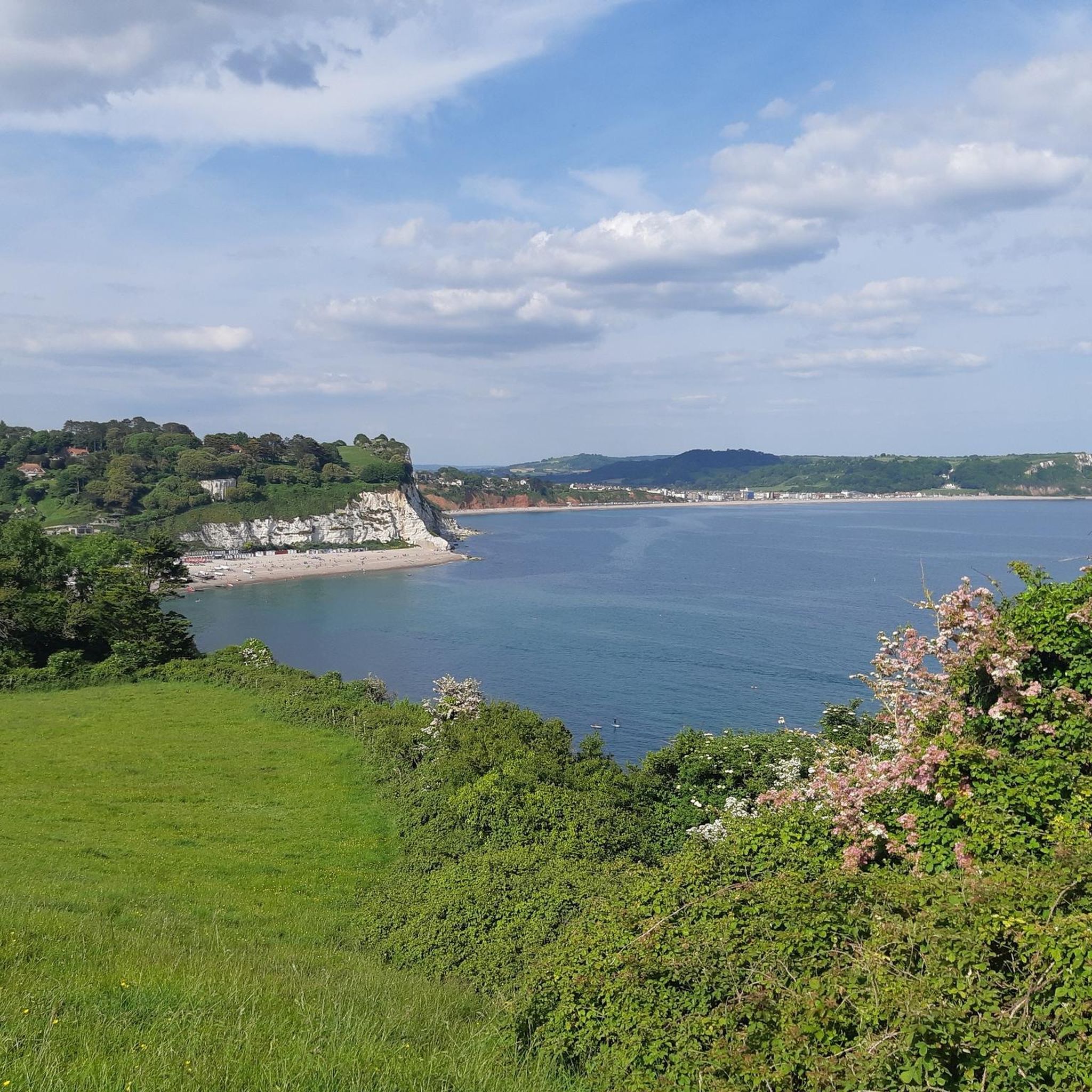
Quite the section this. Has a little bit of everything.
1
0

Gardens offer a superb view along Sidmouth beach. The clock tower within the gardens is perfect for great coffee, yummy cakes and even better sandwiches 😀
2
0
Connaught Gardens is a sheltered and in part walled garden of about 1.25 hectares, opened as a public park in 1934 and featuring mixed borders and municipal bedding. Rare and tender plants are also featured. Until the late C18, Sidmouth was a small fishing village at the mouth of the River Sid. In 1792 the lord of the manor, Thomas Jenkins, commissioned the architect Michael Novosielski, who had worked in London as a developer and theatre designer, to build Fortfield Terrace, a seafront crescent which was intended to provide accommodation for fashionable visitors; the scheme was never fully realised (Cherry and Pevsner 1989). By 1796 the Copper Plate Magazine commented that, 'the town is of late tolerably frequented in the bathing season', and a group of cottages ornés was constructed around the edge of the old town in the first two decades of the C19. These cottages were illustrated in Butcher and Haseler's Sidmouth Scenery published in 1816-17, and a collection of lithographs published by Rowe in 1826. A grand public mall 'railed and rolled in very good style' existed adjacent to the beach by 1810 (Cherry and Pevsner 1989), and in 1835-8 The Esplanade was constructed to designs by G H Julian. During the C19 the resort developed slowly, partly constrained by its location between cliffs to east and west and partly by the absence of the railway, which arrived only in 1874. Modest development continued into the early C20, with the resort generally catering for older visitors. In about 1820, Emmanuel Lousada of Peak House, Sidmouth, constructed a detached marine villa known as Cliff Cottage on a headland west of The Esplanade, overlooking Chit Rocks; this headland is shown on a panorama of Sidmouth painted by Hubert Cornish in 1814 (Sidmouth Museum). This house was occupied in the 1830s by the Kent family, who were followed by a succession of private owners, the last, Mr Jemmett, being eccentric and reclusive (Creeke 1992). The property, which from the late C19 was known as Sea View, was placed on the market in 1930; it was bought by Sidmouth Urban District Council for £3500 in order to create public gardens. The house, which was found to be in a dilapidated condition, was demolished, and some of its walls were incorporated into the layout for the public gardens. These were designed by the Gardens Department of Dartington Hall Ltd, which was based at Dartington Hall, Devon (qv). An illustrated publicity brochure published by the Dartington Gardens Department in 1935 (private collection) notes that it was responsible for the design, construction, and planting of the gardens. The gardens were opened on 3 November 1934 by Field Marshal HRH the Duke of Connaught, in whose honour they were named.
1
0

Beer Quarry Caves are former underground limestone quarries near Beer in the county of Devon on the English Channel coast. The village of Beer is about two kilometers west of Seaton and 13 kilometers east of Sidmouth. The caves can only be visited with a guide. Entrance fee 11 pounds. Afterwards, it is worth taking a walk through the village of Beer and having a coffee or tea on the beach.
0
0

Jacob's Ladder is the beach on the west side of Sidmouth and gets its name from the steep wooden steps leading down to the sand. At the top of the stairs is Connaught Gardens, a public park since 1924.
7
0
Frequently Asked Questions
What unique geological features can I explore around Beer?
The Beer area is part of the Jurassic Coast, a UNESCO World Heritage Site, offering a rich geological history spanning 185 million years. You can observe diverse rock formations, cliffs, arches, pinnacles, and ancient landslips. A prime example is the Beer to Seaton Coastal Path, which showcases a continuous sequence of these formations.
Are there any family-friendly natural monuments or activities in Beer?
Yes, Seaton Beach and Cliffs is a mile-long pebble beach ideal for swimming, paddling, and fishing, with various watersports available. It's backed by steep cliffs and offers a flat walking area. Additionally, Connaught Gardens, located on a cliff top in nearby Sidmouth, provides beautiful views, a tearoom, and access to Jacob's Ladder beach, making it a pleasant spot for families.
What kind of walking and hiking trails are available near Beer's natural monuments?
The region offers a variety of walking and hiking trails, including sections of the South West Coast Path. You can find easy hikes like the 'Beer Beach – Beer Head loop from Branscombe' or more challenging routes such as 'The East Devon Way west & South West Coast Path loop from Beer'. For a comprehensive list of options, explore the easy hikes around Beer or the general hiking around Beer guide.
Can I visit historical sites related to the natural landscape around Beer?
Absolutely. The Beer Quarry Caves are a significant historical site. This man-made underground complex, a source of 'Beer stone' for 2,000 years, was used in the construction of many cathedrals and churches across southern England. Guided tours are available to explore its vast tunnels and learn about its history.
What are the best viewpoints to experience the coastline around Beer?
The Beer to Seaton Coastal Path offers spectacular views across the coast, showcasing the dramatic geological formations. Another excellent spot is The Tombstone Cliff, which provides expansive views over Hooken Beach and the surrounding cliffs, including the South Down Common vantage point.
Are there any natural monuments that involve beaches or coastal access?
Yes, Seaton Beach and Cliffs is a prominent natural monument featuring a mile-long pebble beach perfect for coastal activities. The area around The Tombstone Cliff also leads to Hooken Beach, though it's noted as a pebble beach that can be difficult for hiking.
What is the best time of year to visit the natural monuments around Beer?
The Jurassic Coast and its natural monuments can be enjoyed year-round. Spring and summer offer warmer weather ideal for coastal walks, swimming, and watersports at places like Seaton Beach and Cliffs. Autumn and winter provide dramatic coastal scenery, though some paths might be more challenging due to weather conditions. Always check local forecasts before your visit.
Are there opportunities for mountain biking near Beer's natural monuments?
Yes, there are mountain biking trails in the wider Beer area. You can find routes like 'Colyton Town Center – View of the Blackdown Hills loop from Seaton' or 'View of the Jurassic Coast – Branscombe Forge loop from Seaton'. For detailed routes and difficulty levels, refer to the MTB Trails around Beer guide.
What kind of wildlife can I expect to see around Beer's natural monuments?
The diverse coastal and cliff environments around Beer, particularly along the Jurassic Coast, support a variety of wildlife. You might spot seabirds nesting on the cliffs, marine life in the rock pools, and various flora adapted to the coastal conditions. The geological formations themselves preserve fossilized remains, offering a glimpse into ancient life forms.
What do visitors particularly enjoy about the natural monuments in Beer?
Visitors frequently praise the stunning views along the coast, especially from the Beer to Seaton Coastal Path. The geological significance of the Jurassic Coast is a major draw, as is the opportunity for relaxation and watersports at Seaton Beach and Cliffs. The unique historical aspect of the Beer Quarry Caves also receives high appreciation.
Are there any hidden natural gems or lesser-known spots to discover?
While not entirely hidden, the wooded section around The Tombstone Cliff, which was once a landslip, offers a unique and atmospheric walk under East Cliff and Hooken Cliffs. It provides a different perspective of the coastal landscape away from the more open viewpoints.
Most popular attractions around Beer

Get inspired with the komoot mobile app


Explore more
Extend your search for the best caves by checking out these guides of the top ones around Beer:
