Top 20 Natural Monuments around Froxfield And Privett
Best natural monuments around Froxfield And Privett are characterized by chalk grasslands, diverse ecosystems, and historical significance. The region offers expansive views over Hampshire and the English Channel. Many sites are designated national nature reserves, providing opportunities to observe flora and fauna within ancient landscapes. Froxfield And Privett is a destination for exploring natural beauty and historical sites.
Best natural monuments around Froxfield And Privett
- The most popular natural monuments is Old Winchester Hill, a historical site and natural…
Last updated: October 16, 2026
Butser Hill
Highlight • Natural Monument
Tip by

Old Winchester Hill
Highlight • Climb
Tip by

Sign up now to discover places like this
Get recommendations on the best single tracks, peaks, & plenty of other exciting outdoor places.
Old Winchester Hill Iron Age Fort
Highlight • Historical Site
Tip by
Harting Down
Highlight • Natural Monument
Tip by
Beacon Hill (South Downs National Park)
Highlight • Natural Monument
Tip by
Sign up for free to discover even more natural monuments around Froxfield And Privett.
Already have an account?
Start today with a free account
Your next adventure awaits.

Tips from the Community

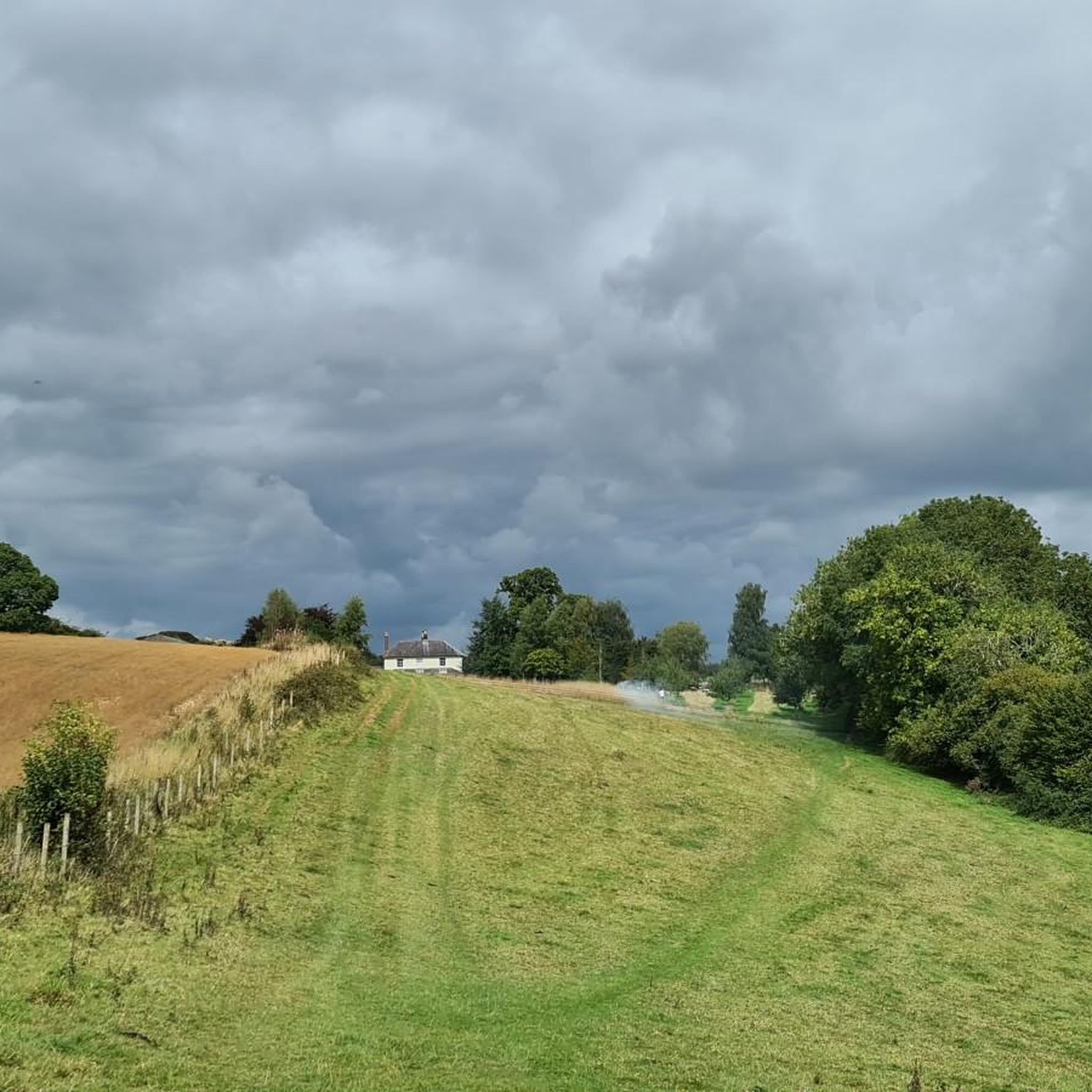
Wonderful views from this hill fort as far as the Isle of Wight.
0
0

Head south from Harting down to join bridle path heading South down to Centurion way and thence to Chichester railway station, 11 miles. Mainly a descent, Just one climb and then the joy of the recently upgraded cycle path the last 5 miles to Chichester. Winchester railway station to Chichester railway station 44 miles.
0
0

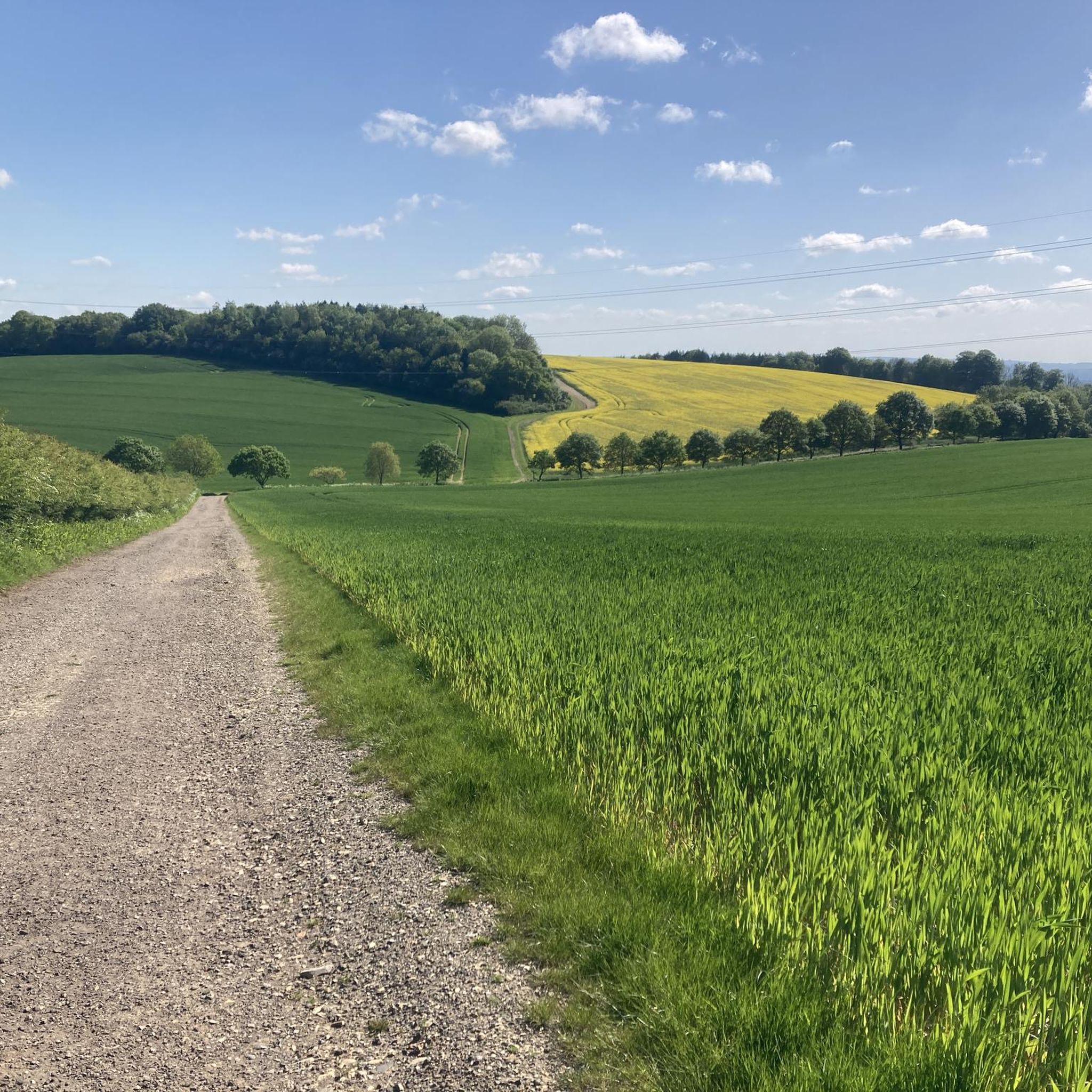
This was on the last leg of the King Alfred’s Way for me and was one of the few descents in the whole trip i walked, dry conditions but on a loaded gravel - the descent was more treacherous than i was prepared to risk / but amazing views from the top and a fast through the fields ride from the bottom.
1
0

This is a beautiful Iron Age hill fort that is now a national nature reserve, and it is a great area to bring the family to enjoy the beautiful views from the top. It has come a long way from being a mortar testing range for the British Army back in WW2.
0
0
There are two hills with the name Beacon Hill on the South Downs Way. This one is 201m, trig pointed, and closer to Winchester. It has a cool old style beacon on the top.
1
0

Trig points within the Old Winchester Hill fort.
0
0
One of the beacons built to celebrate the Diamond Jubilee in 2002. Great views over the valley below, and a leg testing climb to it.
0
0

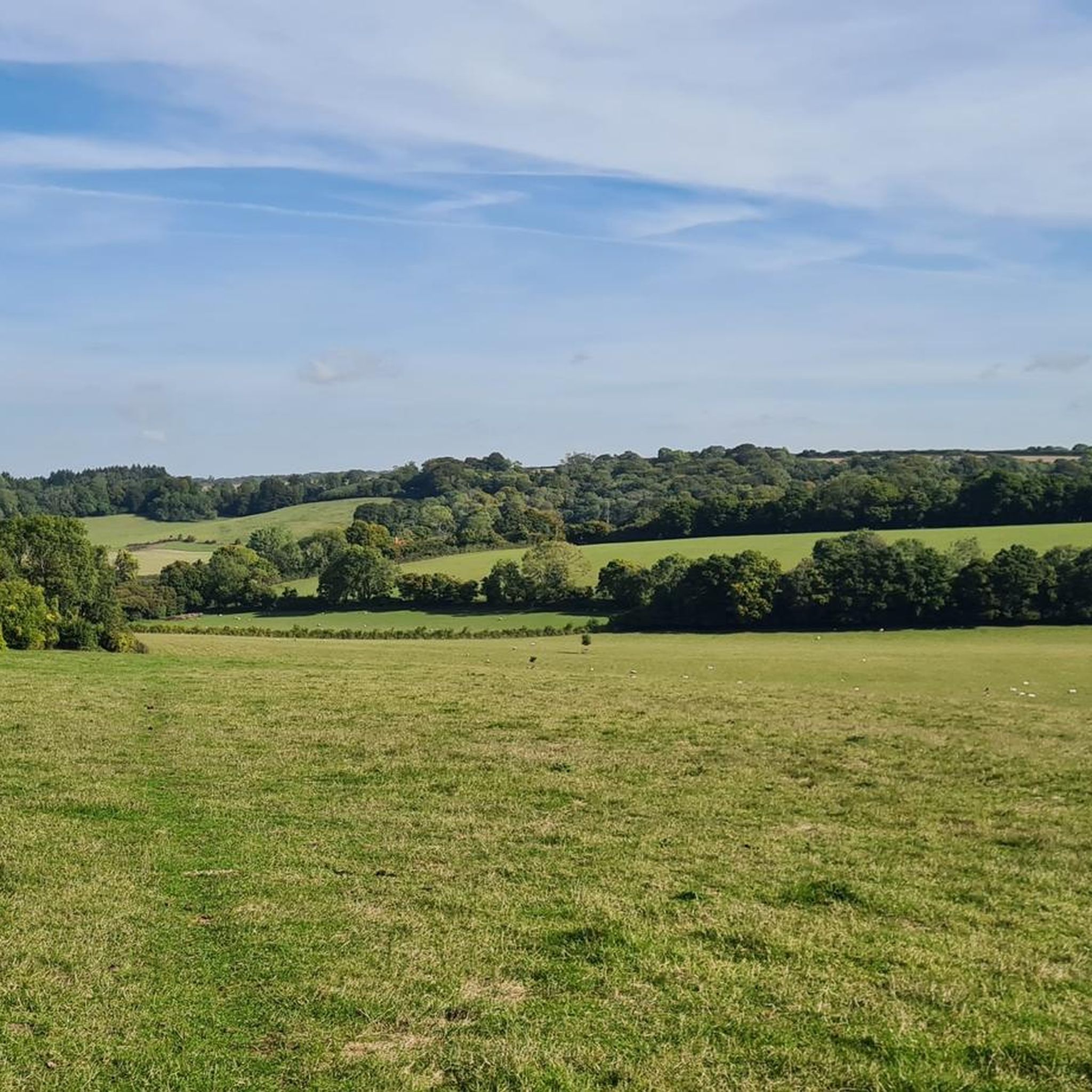
Beacon Hill is a national nature reserve on a chalk spur that supports some rare plant life. This flora in turn provides a habitat to many species of butterfly. In fact, 25 species are known to breed on the site. The reserve affords stunning views over the Hampshire Basin and the South Downs.
2
0
Frequently Asked Questions
What are some of the most notable natural monuments to visit around Froxfield And Privett?
The area boasts several significant natural monuments. Among them are Butser Hill, the highest point on the South Downs offering expansive views, and Old Winchester Hill Iron Age Fort, which combines historical intrigue with stunning landscapes. Another must-see is Harting Down, known for its ancient chalk downland and diverse wildlife.
What kind of natural features can I expect to see at these monuments?
You will primarily encounter extensive chalk grasslands, which are nationally important habitats supporting rare plant and animal species. Many sites, like Old Winchester Hill National Nature Reserve, offer panoramic views over Hampshire and the English Channel, along with diverse ecosystems rich in wild herbs, orchids, and various insect and bird species.
Are there any historical sites among the natural monuments?
Yes, several natural monuments also hold significant historical value. Old Winchester Hill Iron Age Fort is a prime example, featuring well-preserved earthen ramparts, flint excavations, and Bronze Age tumuli. Butser Hill also has a portion recognized as an ancient scheduled monument.
What do visitors enjoy most about the natural monuments in this area?
Visitors frequently highlight the breathtaking views, especially from summits like Old Winchester Hill and Butser Hill. The rich biodiversity, particularly the rare flora and numerous butterfly species, is also a major draw. Many appreciate the blend of natural beauty with historical elements, offering a rewarding experience for nature enthusiasts and hikers alike.
Are the natural monuments around Froxfield And Privett suitable for families?
Yes, many of the natural monuments are family-friendly. For instance, Old Winchester Hill Iron Age Fort and Old Winchester Hill National Nature Reserve are popular choices, offering engaging exploration opportunities and relatively easy walking routes. The open spaces are great for children to explore.
What kind of wildlife can I observe at these natural monuments?
The chalk grasslands are havens for wildlife. At Old Winchester Hill National Nature Reserve, you can spot up to 37 species of butterfly, along with birds like red kites, buzzards, kestrels, and various warblers. Harting Down is home to skylarks, many butterfly species, and rarities such as the blue carpenter bee and the cheese snail.
When is the best time of year to visit the natural monuments?
The summer months are particularly vibrant, especially at sites like Old Winchester Hill National Nature Reserve, when the chalk grassland erupts with wild thyme, squinancywort, and numerous butterfly species. However, the expansive views and historical sites can be enjoyed year-round, with winter offering crisp air and unique photographic opportunities.
What are the parking options for visiting these natural monuments?
Many natural monuments have nearby parking. For example, there is a free car park near Old Winchester Hill National Nature Reserve, though it can get busy on good weather days. Butser Hill also has a National Trust car park available.
Are there easy walking trails at these natural monuments?
Yes, many of the natural monuments offer accessible and easy walking trails suitable for various fitness levels. While some areas involve climbs to viewpoints, there are often gentler paths available, allowing visitors to enjoy the scenery without strenuous effort. For example, the walking route at Old Winchester Hill National Nature Reserve is described as good and easy.
What outdoor activities can I do near the natural monuments?
Beyond exploring the monuments themselves, the region offers excellent opportunities for various outdoor activities. You can find numerous cycling routes, including challenging mountain biking trails, and scenic running paths. For more details on routes, explore the Cycling around Froxfield And Privett, MTB Trails around Froxfield And Privett, and Running Trails around Froxfield And Privett guides.
Are there specific hiking or cycling routes that incorporate these natural monuments?
Absolutely. Many routes in the area are designed to take in these natural landmarks. For instance, mountain biking routes like the 'Petersfield, Ashford Hanger and Butser Hill loop' incorporate Butser Hill. You can find detailed routes and guides for various sports, including cycling and running, that pass through or near these natural monuments on komoot.
Can I bring my dog to the natural monuments?
Generally, dogs are welcome on leads at most natural monuments and public footpaths in the area, especially on the open downland. However, it's always advisable to check specific site regulations, particularly in nature reserves or areas with grazing livestock, to ensure a safe and enjoyable visit for everyone.
Most popular routes around Froxfield And Privett
Most popular attractions around Froxfield And Privett

Get inspired with the komoot mobile app


Explore more
Extend your search for the best caves by checking out these guides of the top ones around Froxfield And Privett:
