Top 20 Natural Monuments around Trotton With Chithurst
Best natural monuments around Trotton With Chithurst are situated within the South Downs National Park, an area characterized by its chalk downland and diverse natural features. The region offers a variety of landscapes, including significant hills, ancient heathlands, and unique ecosystems. These natural monuments provide opportunities to experience the area's geology and biodiversity.
Best natural monuments around Trotton With Chithurst
- The most popular natural monuments is Butser Hill, a natural monument and summit that stands as the highest point…
Last updated: June 29, 2026
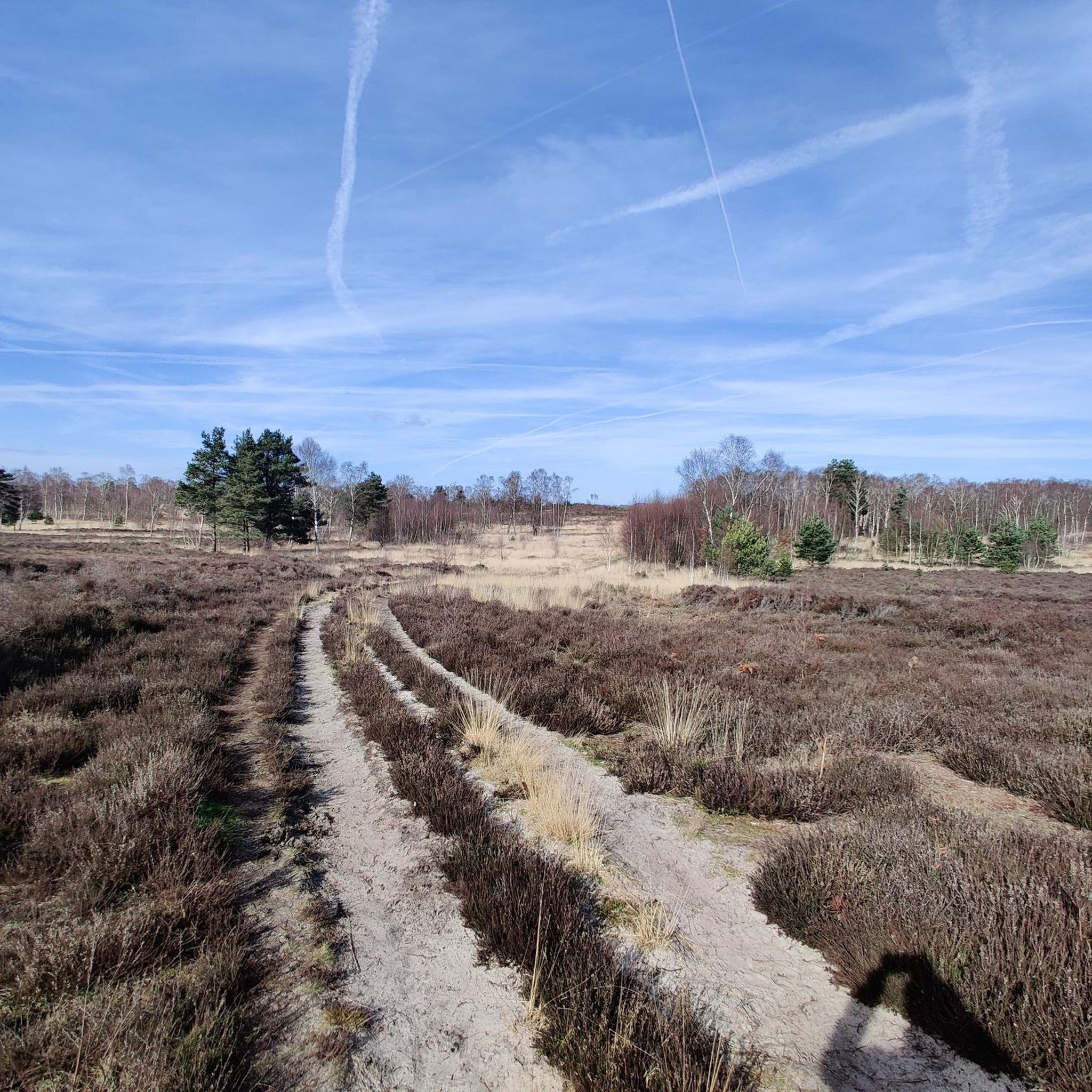
Butser Hill
Highlight • Natural Monument
Tip by

Devil's Humps (Bronze Age Barrows)
Highlight • Historical Site
Tip by

Sign up now to discover places like this
Get recommendations on the best single tracks, peaks, & plenty of other exciting outdoor places.
Sign up for free
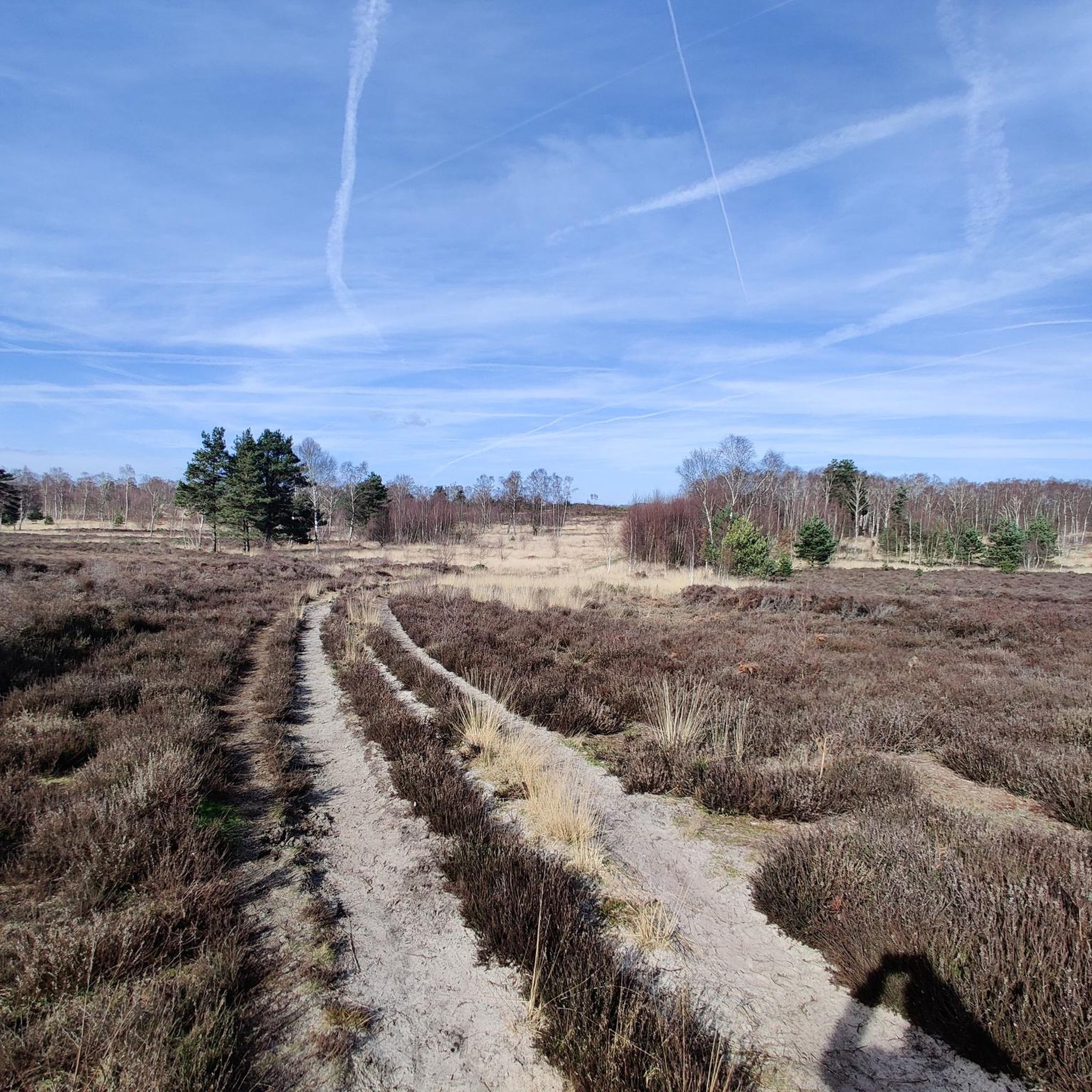
Harting Down
Highlight • Natural Monument
Tip by
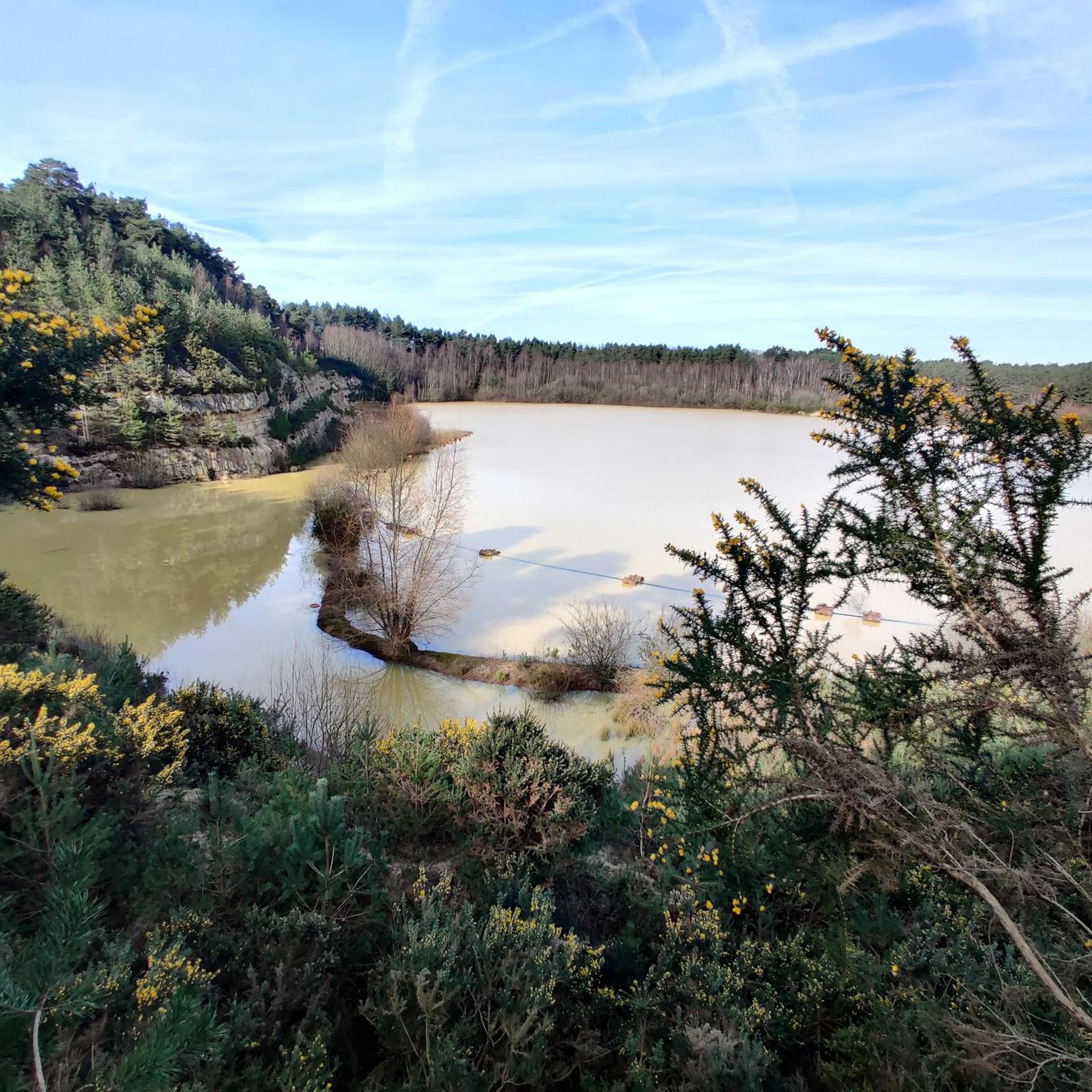
Graffham Down Nature Reserve
Highlight • Viewpoint
The …
Tip by

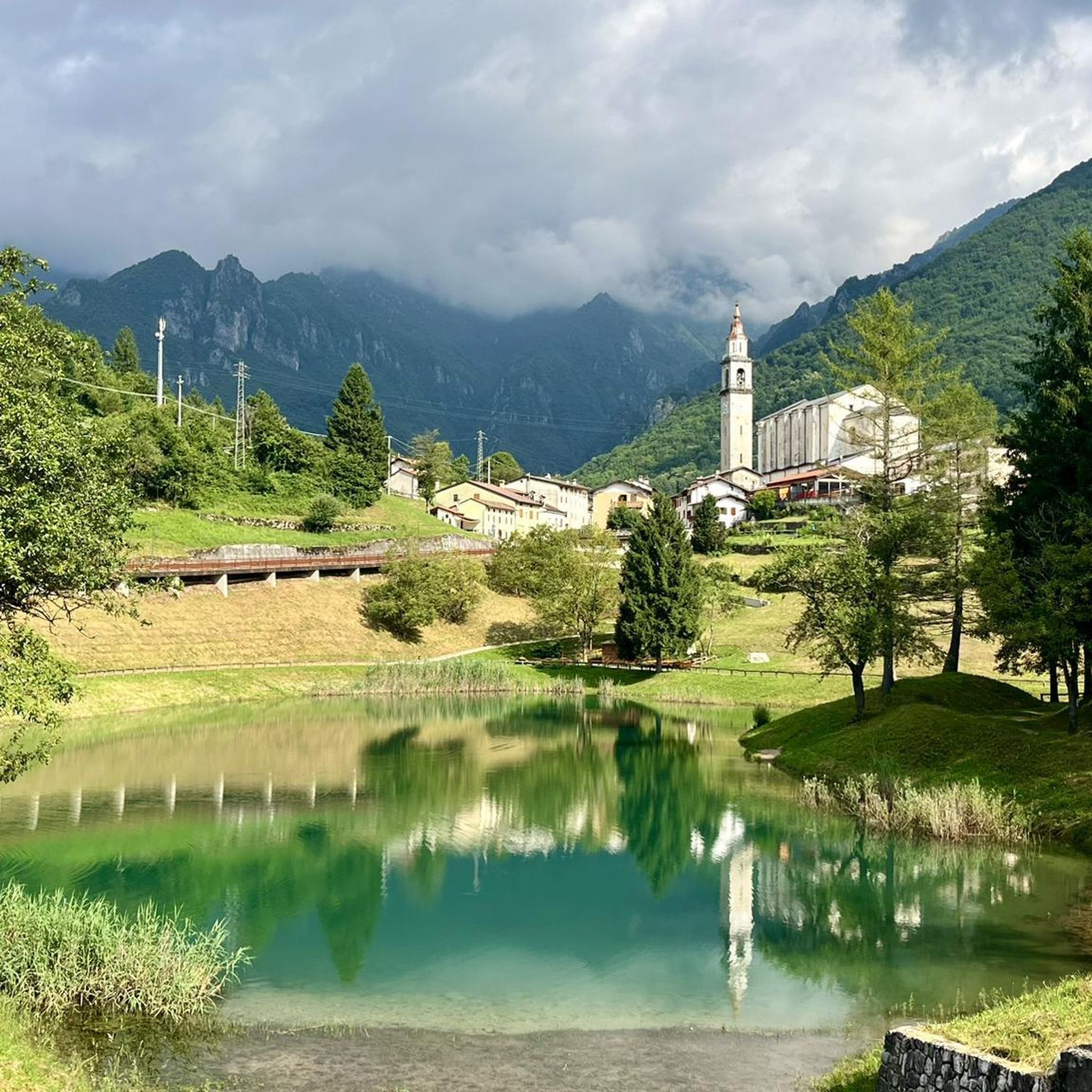
South Pond, Midhurst
Highlight • Lake
Tip by

Sign up for free to discover even more natural monuments around Trotton With Chithurst.
Sign up for free
Already have an account?
Start today with a free account
Your next adventure awaits.
Login or Signup
Tips from the Community

Head south from Harting down to join bridle path heading South down to Centurion way and thence to Chichester railway station, 11 miles. Mainly a descent, Just one climb and then the joy of the recently upgraded cycle path the last 5 miles to Chichester. Winchester railway station to Chichester railway station 44 miles.
0
0

It's worth noting that the pictures here are of Devil's Humps (10 mins away) not Bow Hill. This marker is in the middle of some woodland without a view (but you do walk past a good view as you turn off the main path!)
0
0


Nice place with spectacular views. Easy path.
2
0

Known as the ‘Devil’s Humps‘and the ‘King's Graves,‘ many legends and folklores surround these Bronze Age barrows. Whatever the truth the commanding position at the very top of Kingley Vale is a clear indication that they marked the resting place of important people, perhaps tribal leaders. This may be evidence of the beginnings of social hierarchies at this time. https://www.southdowns.gov.uk/wp-content/uploads/2018/02/Kingley-Vale-Hidden-Trail-Final-web-version.pdf
0
0

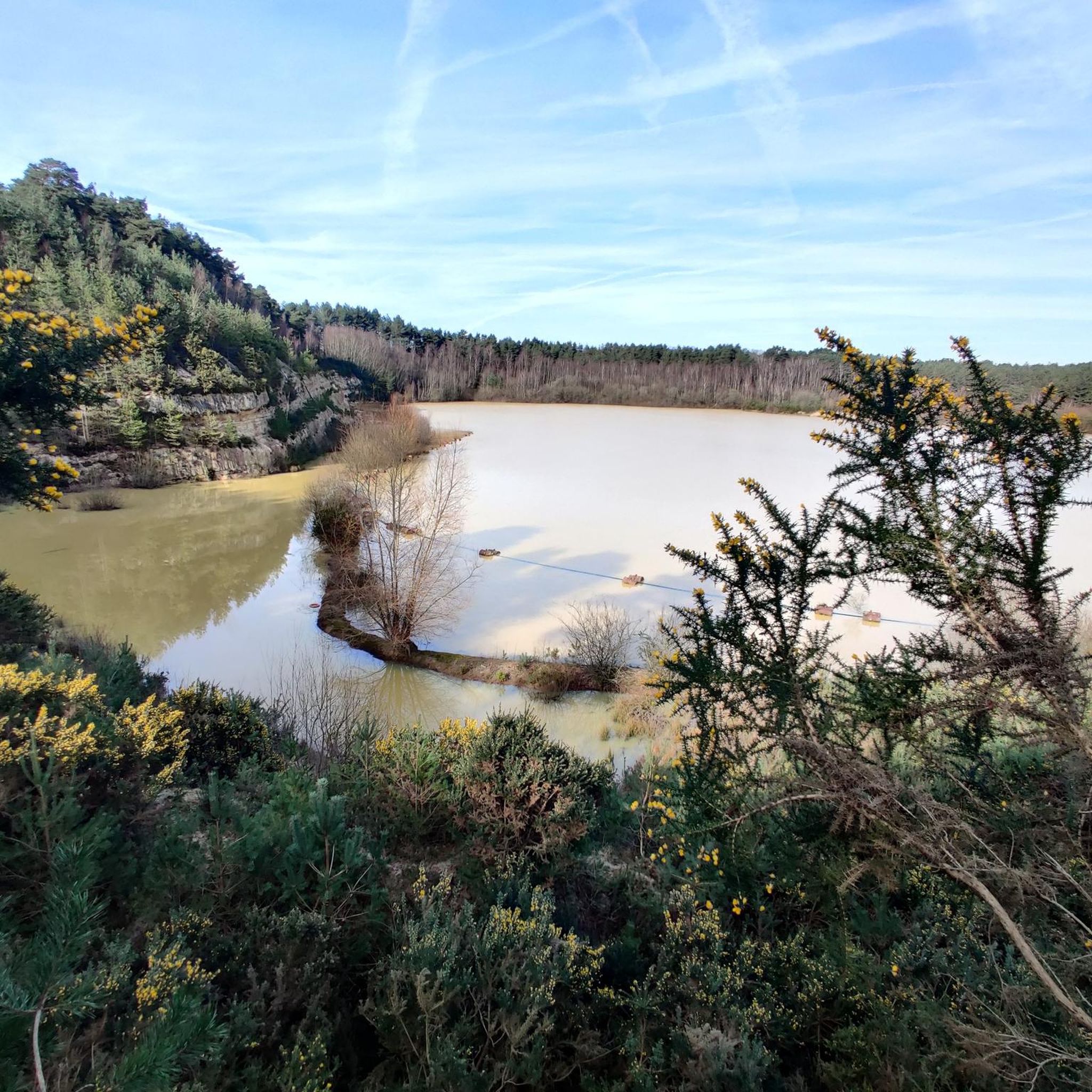
South pond is a historic and scenic pond in Midhurst, West Sussex, England. It is fed by two streams that were once the boundaries of Saxon settlements, and it forms the division between the oldest part of Midhurst and West Lavington. The pond was created in the mid-1100s by one of the medieval lords of Midhurst, who dammed the streams to make a breeding pool for fish. The pond has been used for various purposes over the centuries, such as milling, fulling, leather production, and entertainment. The pond is now a nature reserve and a popular spot for walking, fishing, and birdwatching. It is part of the South Downs National Park and has a rich biodiversity of plants and animals. The pond is also home to the South Pond Group, a voluntary community group that works to care for and improve the pond and its surroundings. The group organizes regular events, activities, and projects to engage the public and enhance the pond’s beauty and value.
2
0

Really lovely circuit with a great variety of terrain and landscapes, did it January on gravel bikes and the trail was proper muddy in places, also leafy, gravelly, you name it. Added a diversion to the RAF memorial to the site of a crashed Dambusters Lancaster from where there are lovely views south to the coast and the IoW. Recommended.
1
0

Behind barbed wire so no direct access.
0
0
Frequently Asked Questions
What are some of the most notable natural monuments around Trotton With Chithurst?
The region features several significant natural monuments. Butser Hill is the highest point on the South Downs, offering expansive views and a national nature reserve. Harting Down is a vast area of ancient chalk downland managed by the National Trust, known for its diverse plant and insect life. Additionally, Devil's Humps (Bronze Age Barrows) provides commanding views and historical significance.
What kind of terrain can I expect on walks around Trotton With Chithurst's natural monuments?
The area is characterized by chalk downland, offering varied terrain. You'll find extensive grasslands, some steep ascents to summits like Butser Hill, and trails through ancient woodlands. Some paths, particularly on the downs, can be relatively smooth gravel, while others might be more rugged, especially in wet conditions.
Are there family-friendly natural monuments or activities in the area?
Yes, several spots are suitable for families. South Pond, Midhurst is a nature reserve and a popular spot for walking and birdwatching, often enjoyed by families. The open spaces of places like Harting Down also provide ample room for children to explore.
What outdoor activities can I do near these natural monuments?
The region offers a variety of outdoor activities. You can find numerous running trails, including moderate loops like the 'Pine Tree Tunnel – Stedham Common loop'. For mountain biking, routes such as 'Harting Down – Queen Elizabeth Country Park loop' are available. Gravel biking is also popular, with options like the 'South Pond, Midhurst – West Sussex Lanes loop'. You can explore more options on the running trails guide, MTB trails guide, and gravel biking guide for Trotton With Chithurst.
Which natural monuments offer the best viewpoints?
Many natural monuments in the area provide excellent views. Butser Hill, as the highest point on the South Downs, offers breathtaking vistas over Hampshire and the English Channel. Devil's Humps (Bronze Age Barrows) also provides commanding views from its position at the top of Kingley Vale. Additionally, Graffham Down Nature Reserve, traversed by the South Downs Way, offers brilliant views to the north over rolling agricultural countryside.
Are there any natural monuments with historical significance?
Yes, several sites combine natural beauty with historical importance. Devil's Humps (Bronze Age Barrows) are ancient scheduled monuments, believed to be resting places of important people. Butser Hill also holds the status of an ancient scheduled monument. Furthermore, South Pond, Midhurst, though a natural feature, has a rich history dating back to the mid-1100s, used for various purposes over centuries.
What kind of wildlife can I expect to see around the natural monuments?
The chalk grasslands and heathlands are rich in biodiversity. At Harting Down, you can find diverse plant life including wild herbs and pyramidal orchids, as well as various butterfly species and rare insects like the blue carpenter bee and the cheese snail. Butser Hill, a national nature reserve, is home to rare flora and fauna specific to chalk grassland ecosystems. The heathland commons like Iping Common and Trotton Common are also known for their rich ecosystems.
Is parking available near the natural monuments?
Yes, parking is generally available. For instance, there is a main National Trust car park that serves Butser Hill. Many other natural areas and trailheads in the South Downs National Park also provide designated parking facilities, though it's always advisable to check specific locations beforehand.
When is the best time to visit the natural monuments in Trotton With Chithurst?
The natural monuments can be enjoyed year-round, but each season offers a different experience. Spring and summer bring vibrant wildflowers to the chalk downlands and increased wildlife activity, making it ideal for nature observation. Autumn offers beautiful changing foliage in wooded areas. Winter provides crisp, clear views from elevated points like Butser Hill, though paths can be muddy.
Are there any cafes or facilities near the natural monuments?
While some natural monuments are in more remote settings, towns like Midhurst are nearby. South Pond, Midhurst, for example, is just two minutes away from coffee shops. For other locations, it's recommended to check local amenities in nearby villages or towns before your visit.
Can I bring my dog to these natural monuments?
Many natural monuments and trails within the South Downs National Park are dog-friendly, especially those managed by organizations like the National Trust, such as Harting Down. However, it's crucial to keep dogs under control, especially in areas with livestock or sensitive wildlife, and to follow any posted guidelines or signage.
What are Iping Common and Trotton Common known for?
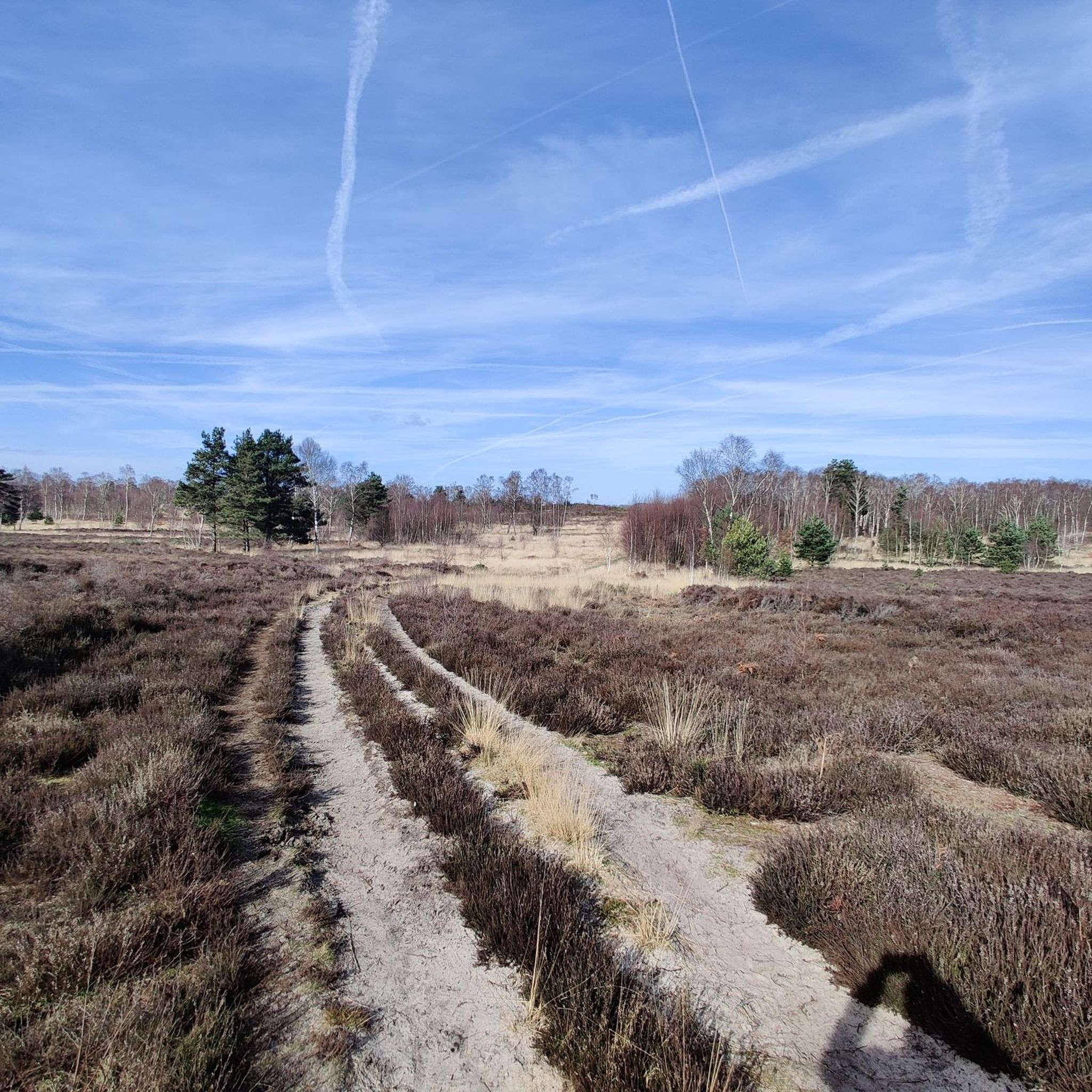
Iping Common and Trotton Common are recognized as some of the richest heathland areas in the country. They offer excellent opportunities for walks and connecting with nature, showcasing a distinct ecosystem compared to the chalk downlands found elsewhere in the region.
Most popular routes around Trotton With Chithurst
Most popular attractions around Trotton With Chithurst

Get inspired with the komoot mobile app


Explore more
Extend your search for the best caves by checking out these guides of the top ones around Trotton With Chithurst:
