Top 15 Natural Monuments around Sutton
Best natural monuments around Sutton offer a diverse range of natural and historical sites. This region features areas recognized for their ecological value, biodiversity, and recreational opportunities. Visitors can explore various landscapes, from historic mill ponds to chalk grasslands and ancient trees. The natural areas provide opportunities for walking, wildlife observation, and appreciating the local environment.
Best natural monuments around Sutton
- The most popular natural monuments is Queen Elizabeth I Oak, a natural monument that is one of the…
Last updated: June 15, 2026
Burton Mill Pond and Mill
Highlight • Historical Site
Tip by

Graffham Down Nature Reserve
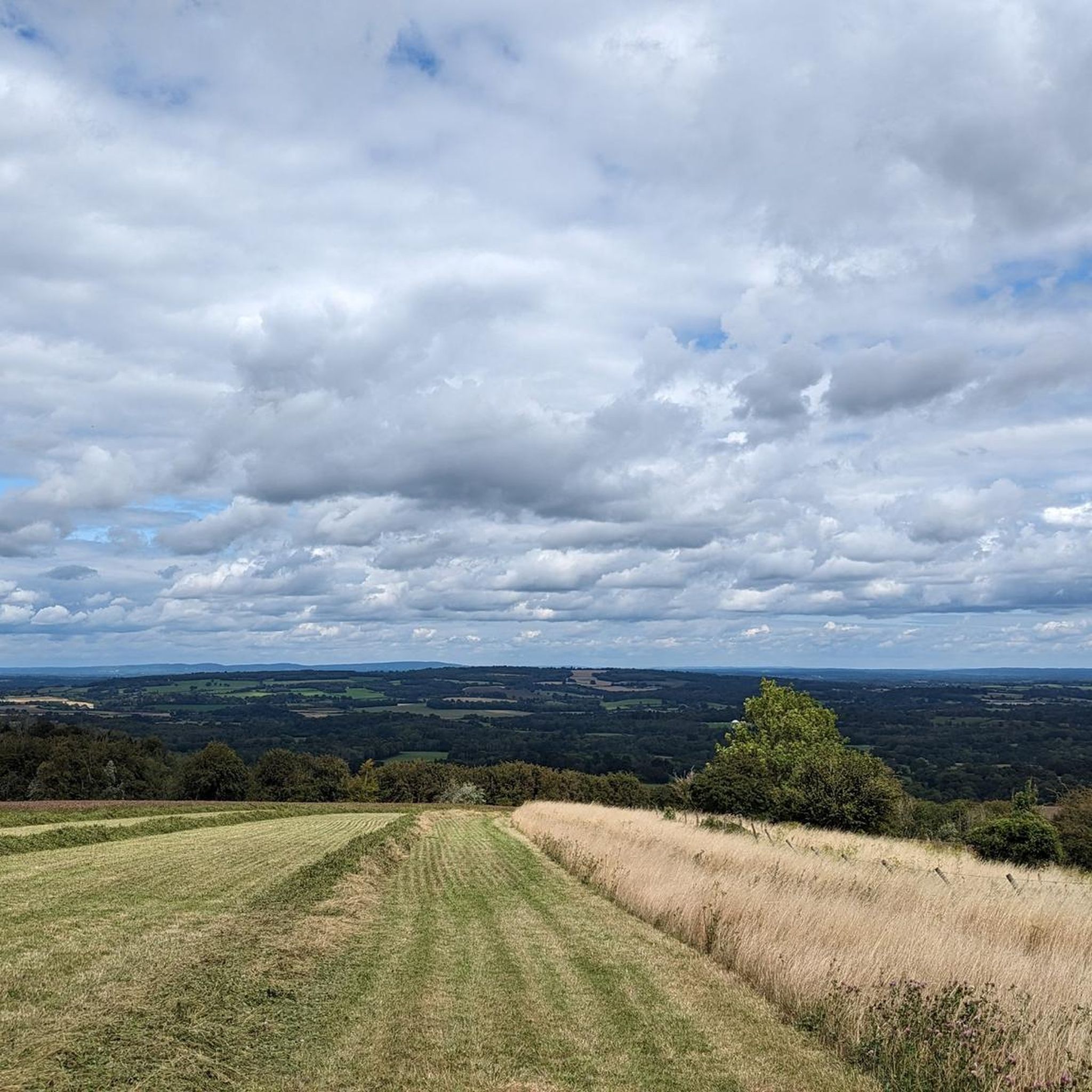
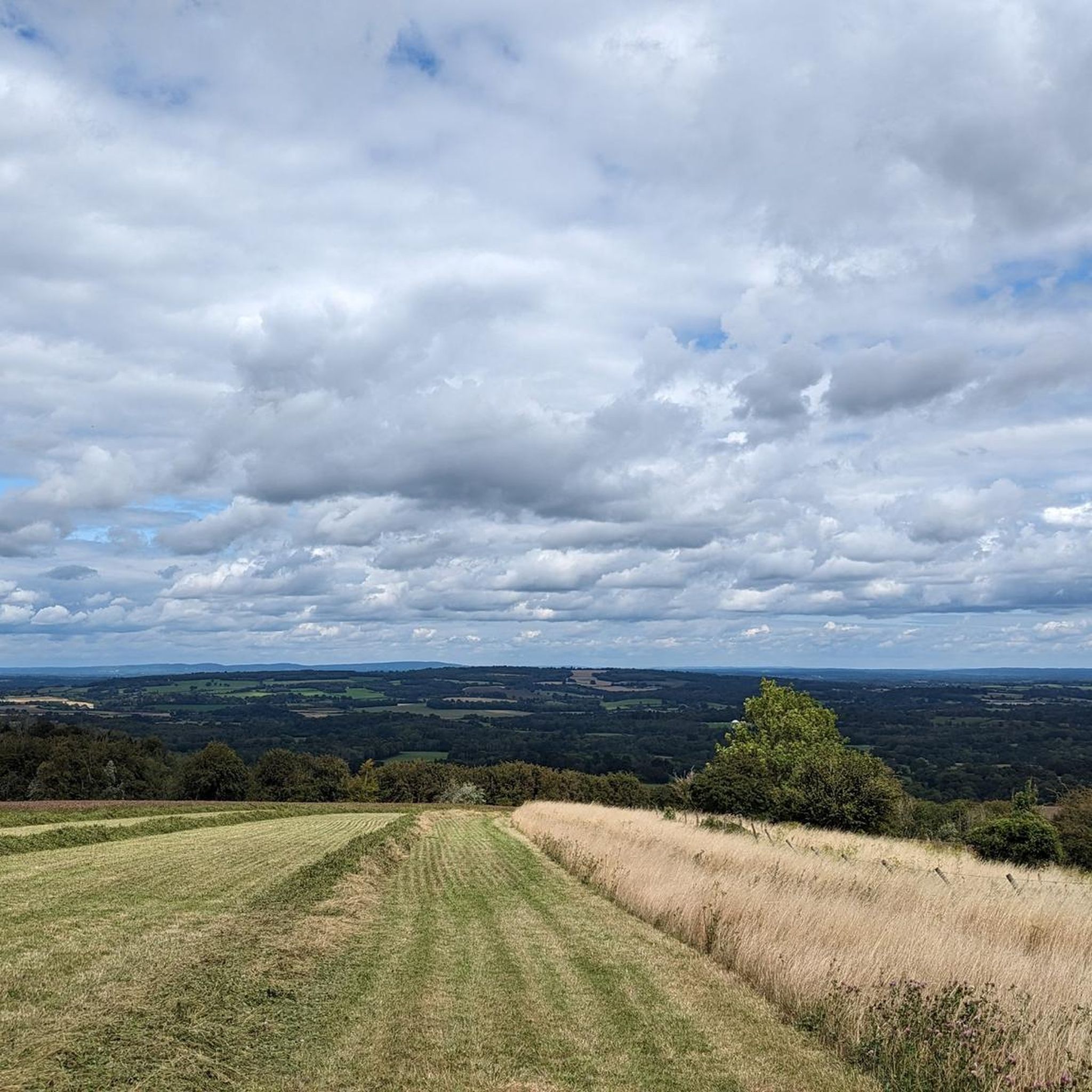
Highlight • Viewpoint
The …
Tip by

Sign up now to discover places like this
Get recommendations on the best single tracks, peaks, & plenty of other exciting outdoor places.
Sign up for free
South Pond, Midhurst
Highlight • Lake
Tip by
Queen Elizabeth I Oak
Highlight • Natural Monument
Tip by

Kithurst Hill Trig Point
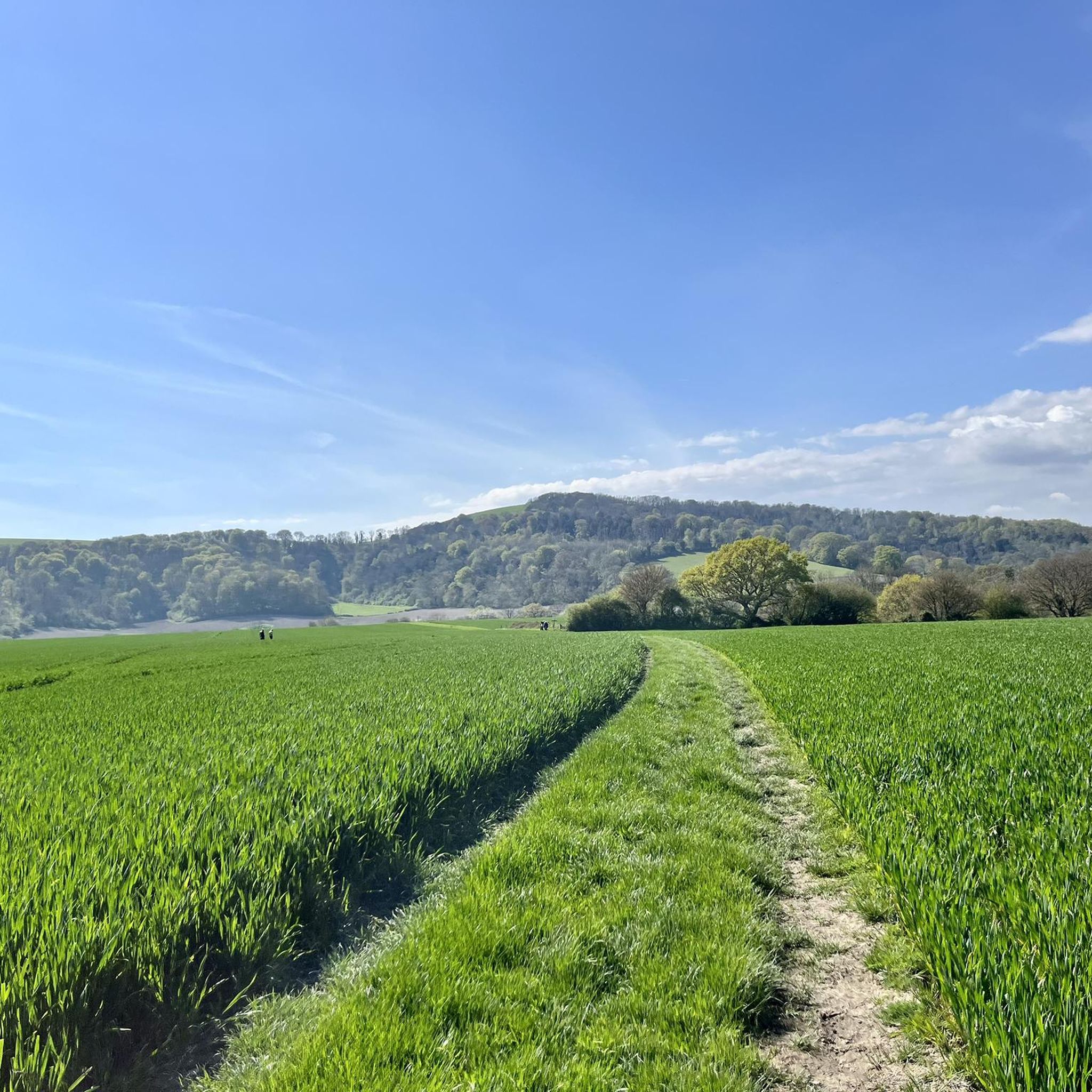
Highlight • Viewpoint
Tip by

Sign up for free to discover even more natural monuments around Sutton.
Sign up for free
Already have an account?
Start today with a free account
Your next adventure awaits.
Login or Signup

Tips from the Community

Yet another trig point to do on the South Downs Way. Well, not quite as Kithurst Hill is slightly north of the official trail, but worth the dog leg to it just to get another trig.
0
0

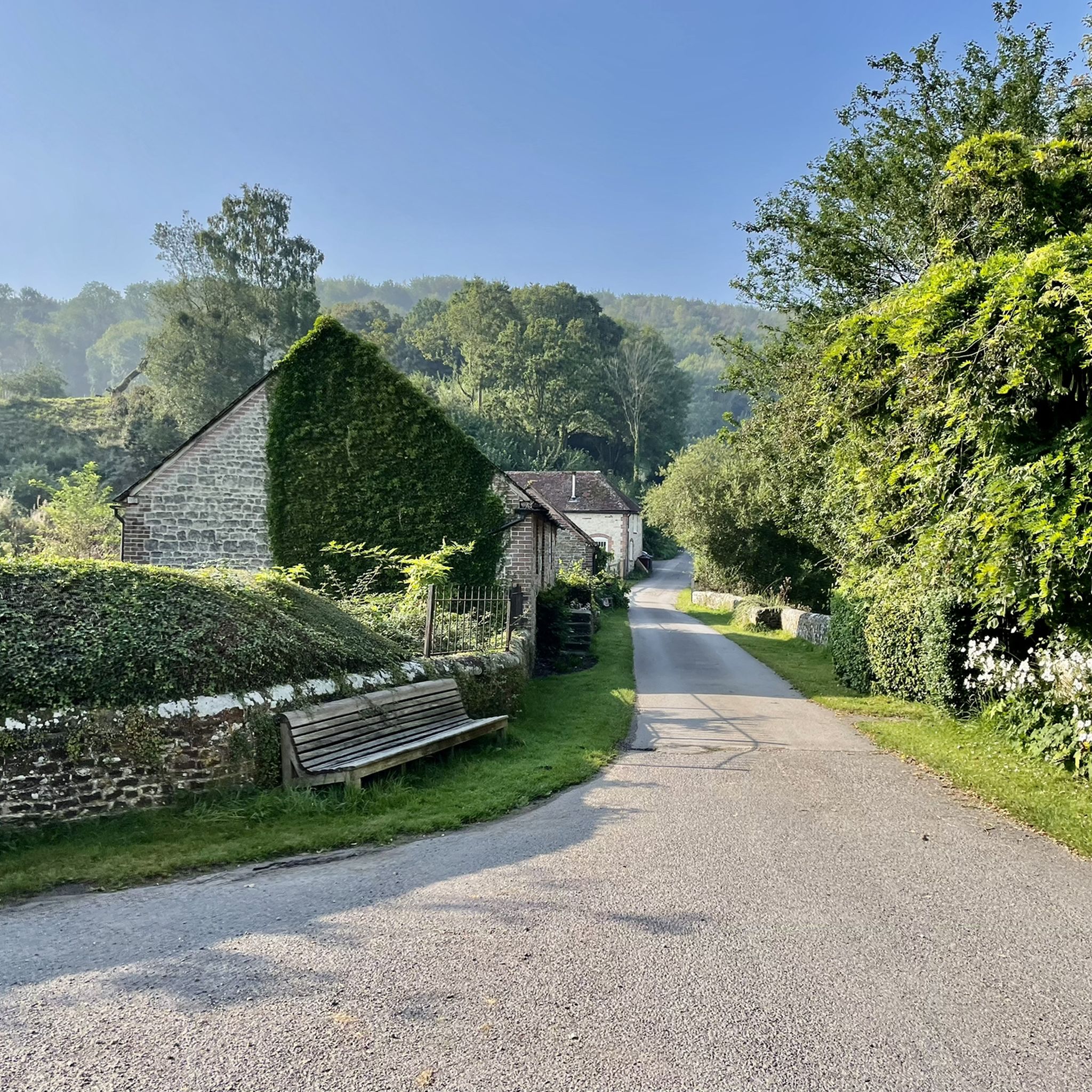
Burton Mill Pond is part of the Burton Mill and Chingford Ponds Local Nature Reserve (LNR). Originating in the late 16th century to fuel a forge, the pond has a historical past. By the late 18th century, it played a vital role as part of a water mill for grinding corn, with the imposing structure by the road now standing as the remnants of the old mill. It's part of a fabulous landscape as you cycle along the road bordering its northeastern shore.
0
0
A beautiful little hill and very popular with dog walkers and runners. Mainly because not only are the views great but there are good paths underfoot and a nearby car park.
0
0
This tree is called "Queen Elizabeth I Oak" and is without any doubt, the most famous tree in Cowdray Park. Queen Elizabeth I would have visited this tree in 1591, which was at that time already an impressive tree. Its girth of 13.18m (2021) makes this Sessile Oak (Quercus petraea) the second thickest tree of its kind in Europe. According to Jeroen Pater this tree is probably about 600 to 700 years, while according to dendrologists of the British Tree Register, this tree might be almost a 1,000 years old. https://www.monumentaltrees.com/en/gbr/england/westsussex/975_cowdraypark/1738/
0
0

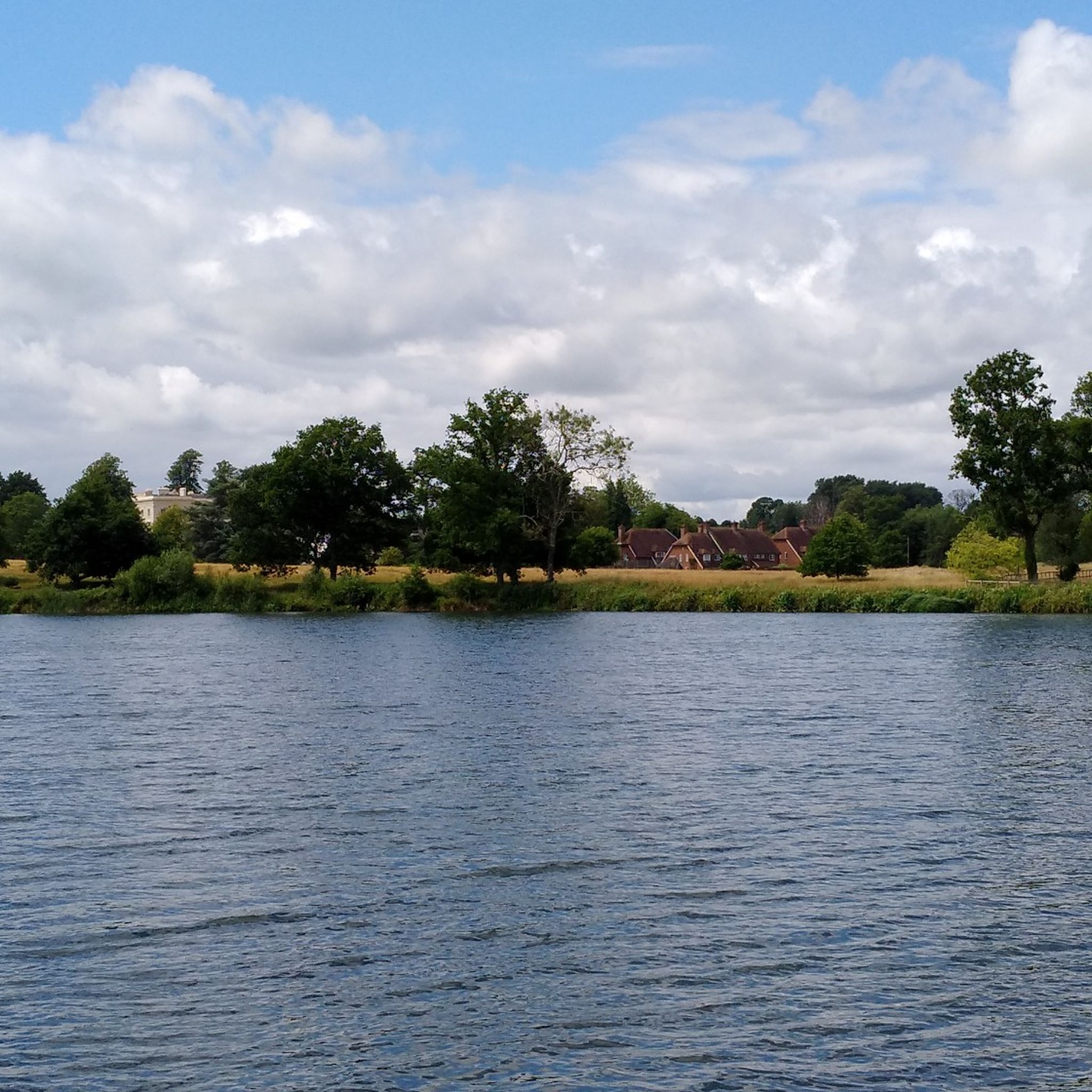
South pond is a historic and scenic pond in Midhurst, West Sussex, England. It is fed by two streams that were once the boundaries of Saxon settlements, and it forms the division between the oldest part of Midhurst and West Lavington. The pond was created in the mid-1100s by one of the medieval lords of Midhurst, who dammed the streams to make a breeding pool for fish. The pond has been used for various purposes over the centuries, such as milling, fulling, leather production, and entertainment. The pond is now a nature reserve and a popular spot for walking, fishing, and birdwatching. It is part of the South Downs National Park and has a rich biodiversity of plants and animals. The pond is also home to the South Pond Group, a voluntary community group that works to care for and improve the pond and its surroundings. The group organizes regular events, activities, and projects to engage the public and enhance the pond’s beauty and value.
2
0
The current mill building dates from around 1780, although mills and forges have been exploiting the Downs spring water for at least 800 years. The mill's historic water-powered milling machine has been restored to working condition. Burton Mill is open to visitors on the Sunday of the National Mills Weekend in May and the National Heritage Weekend in September.
2
0
Burton Mill Pond is a beautiful place to visit. It is an atmospheric hammer pond and holding pond in the South Downs National Park, near Petworth, West Sussex. The pond is part of the Burton Mill and Chingford Ponds Local Nature Reserve (LNR) and the Burton Park Site of Special Scientific Interest (SSSI), which are nationally important for their wetland habitats, rare plants, birdlife, and invertebrate populations.
2
0

Burton Mill Pond is part of the Burton Mill and Chingford Ponds Local Nature Reserve (LNR). Enjoy the moment of calm as you pedal along the road skirting its north eastern shore. The pond was created in the late 16th century to power a forge. In the late 18th century the pond was part of a water mill for grinding corn. The large house by the road is the old mill.
1
0
Frequently Asked Questions
What natural features can I expect to see around Sutton?
Sutton's natural areas are rich in ecological value and biodiversity. You can explore diverse landscapes including historic mill ponds like Burton Mill Pond and Mill and South Pond, Midhurst, ancient trees such as the impressive Queen Elizabeth I Oak, and chalk grasslands found in local nature reserves like Roundshaw Downs. The region is known for its green spaces, offering opportunities for wildlife observation and appreciating the local environment.
Are there any historical natural monuments in Sutton?
Yes, several natural monuments in Sutton also hold historical significance. For example, Burton Mill Pond and Mill features a mill building dating from around 1780, with a history of mills and forges exploiting spring water for centuries. South Pond, Midhurst was created in the mid-1100s and has been used for various purposes over the centuries. The Queen Elizabeth I Oak is a monumental tree believed to be 600 to 1,000 years old, famously visited by Queen Elizabeth I in 1591.
What are some notable viewpoints among Sutton's natural monuments?
For brilliant views, consider visiting Graffham Down Nature Reserve, which offers expansive vistas over rolling agricultural countryside. Another popular spot is Kithurst Hill Trig Point, known for its great views and well-maintained paths, making it a favorite for walkers and runners.
What outdoor activities can I do near Sutton's natural monuments?
The area around Sutton's natural monuments is excellent for various outdoor activities. You can find numerous routes for gravel biking, mountain biking, and road cycling. For example, there are challenging gravel biking loops like the 'View from Bignor Hill – Graffham Down Nature Reserve loop' and moderate MTB trails such as the 'Unicorn MTB Trail – View of Arundel Castle loop'. You can explore more options on the Gravel biking around Sutton, MTB Trails around Sutton, and Road Cycling Routes around Sutton guide pages.
Are the natural monuments around Sutton suitable for families?
Yes, several natural monuments in Sutton are family-friendly. Burton Mill Pond and Mill and South Pond, Midhurst are great for leisurely strolls and enjoying nature. The Queen Elizabeth I Oak offers an impressive natural landmark that children often find fascinating. Many local parks and nature reserves in Sutton provide expansive green spaces for picnics and outdoor activities suitable for all ages.
Can I bring my dog to the natural monuments in Sutton?
Many natural areas and parks in Sutton are dog-friendly, offering great opportunities for walks with your canine companion. Kithurst Hill Trig Point, for instance, is very popular with dog walkers due to its good paths and scenic views. Always check local signage for specific rules regarding dogs, especially in nature reserves, as some areas may require dogs to be on a lead to protect wildlife.
What is the best time of year to visit Sutton's natural monuments?
Sutton's natural monuments can be enjoyed year-round, with each season offering a different experience. Spring brings blooming wildflowers and active wildlife, while summer is ideal for picnics and longer walks. Autumn showcases beautiful foliage, and even winter offers crisp, quiet walks, especially in areas like Nonsuch Park or The Oaks Park. The best time depends on your preferred activities and weather conditions.
How can I get to the natural monuments around Sutton using public transport?
Sutton, being a borough in South London, has a well-developed public transport network. Many parks and nature reserves are accessible by local bus services or are within walking distance of train stations. For specific natural monuments, it's advisable to check local transport routes to the nearest town or village, such as Midhurst for South Pond, and then plan your journey accordingly.
Are there any easy-to-access natural monuments in Sutton?
Yes, Sutton offers several easily accessible natural areas. Parks like Nonsuch Park, The Oaks Park, and Manor Park are generally flat and have well-maintained paths, making them suitable for easy strolls. Many of the Local Nature Reserves, while focused on conservation, also provide accessible trails for visitors to enjoy the local biodiversity without strenuous effort.
Are there any circular walks available around Sutton's natural monuments?
While specific circular walks around individual natural monuments are not detailed in the guide, the extensive network of parks and nature reserves in Sutton, combined with nearby routes, offers many opportunities for creating circular walks. For example, the 'Burton Mill Pond – West Sussex Lanes loop' is an easy road cycling route that could inspire a walking route around Burton Mill Pond. Many local parks also feature internal circular paths.
Where can I find information about local nature reserves in Sutton?
Sutton is home to numerous Local Nature Reserves (LNRs) that are crucial for biodiversity. These include Anton Crescent Wetland Reserve, Devonshire Avenue Nature Area, Roundshaw Downs, and Sutton Common, among others. These sites offer diverse habitats for local wildlife. For detailed information on specific LNRs and their conservation efforts, local council websites or dedicated nature conservation groups are excellent resources.
Are there any geological formations to see in Sutton?
While Sutton's natural areas are primarily recognized for their ecological value, biodiversity, and green spaces rather than dramatic geological formations, you can observe features like chalk grasslands, particularly at Roundshaw Downs. These grasslands are a result of the underlying chalk geology of the region. The focus in Sutton is more on the living ecosystems and historical landscapes.
Most popular attractions around Sutton

Get inspired with the komoot mobile app


Explore more
Extend your search for the best caves by checking out these guides of the top ones around Sutton:
