Top 13 Natural Monuments around Oving
Best natural monuments around Oving, a parish in West Sussex, England, offer a diverse range of natural beauty. Situated between Chichester and the South Downs National Park, the area features ancient heathlands, coastal habitats, and historical sites. These natural landmarks near Oving provide opportunities to explore unique ecological and scenic features.
Best natural monuments around Oving
- The most popular natural monuments is Sidlesham Quay, Pagham Harbour Nature Reserve, a wetland and historical site offering open views over Pagham Harbour.…
Last updated: October 16, 2026
Devil's Humps (Bronze Age Barrows)
Highlight • Historical Site
Tip by

Kingley Vale's Ancient Yew Trees
Highlight (Segment) • Natural
first National Nature Reserves in 1952. It is owned by
Natural England and the West Dean Estate, who manage
the Reserve protecting …
Tip by

Sign up now to discover places like this
Get recommendations on the best single tracks, peaks, & plenty of other exciting outdoor places.
Sidlesham Quay, Pagham Harbour Nature Reserve
Highlight • Pub
Tip by

Levin Down
Highlight • Viewpoint
Tip by
Nore Woods Bluebell Wood
Highlight (Segment) • Natural Monument
You'll be meandering …
Tip by

Sign up for free to discover even more natural monuments around Oving.
Already have an account?
Start today with a free account
Your next adventure awaits.
Tips from the Community

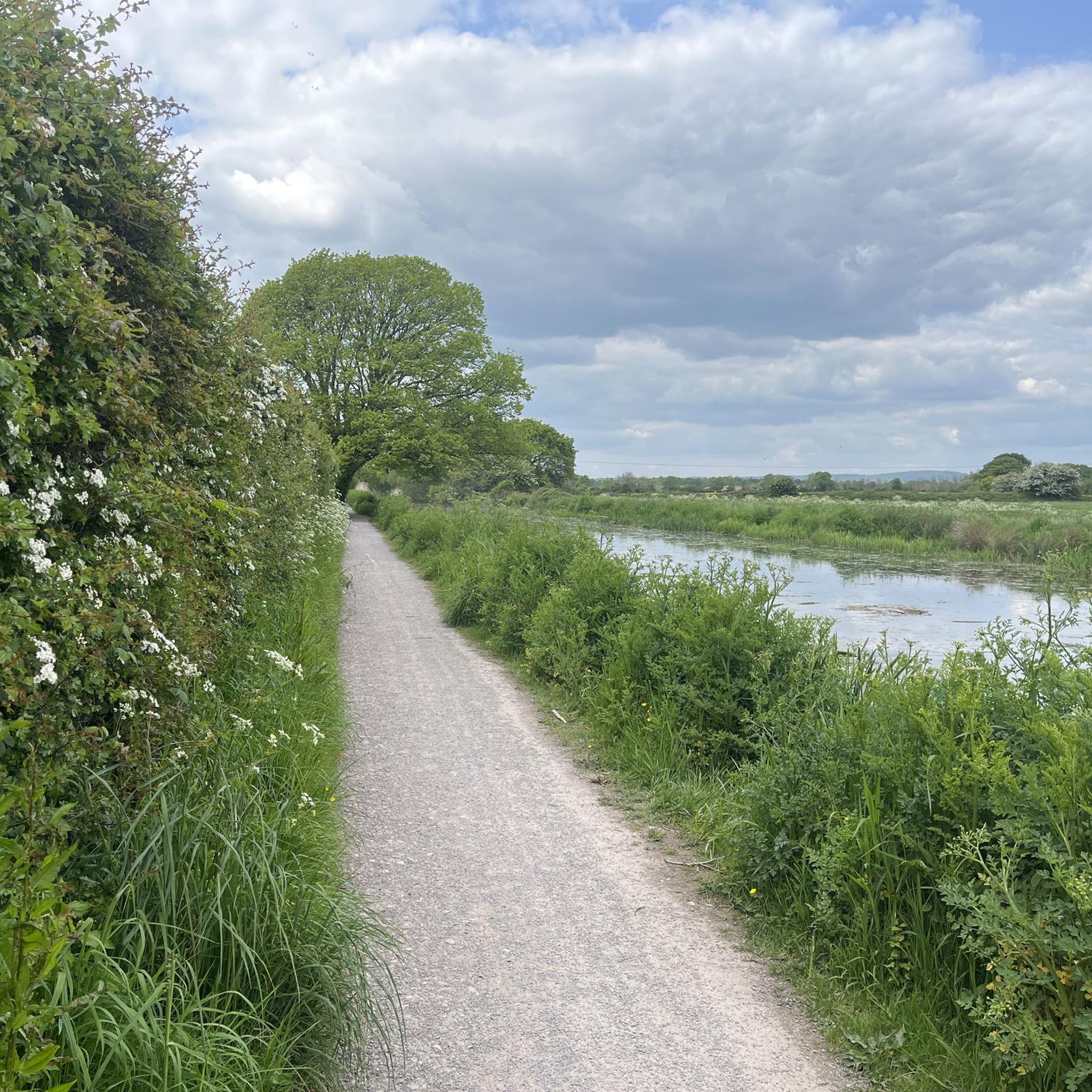
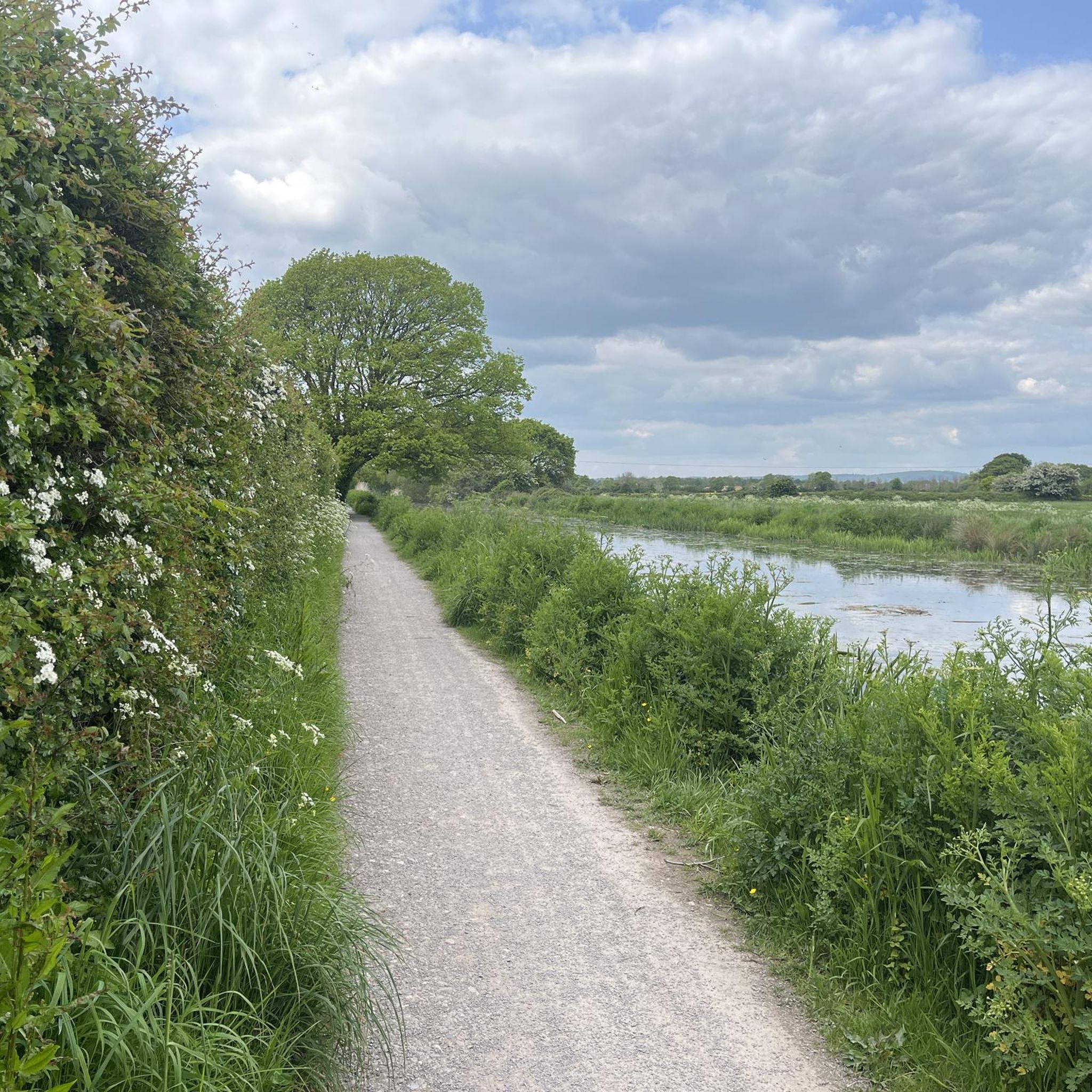
At high tide the water comes very close to the rode here. It's a good place to have a view over this bay and to watch the changing of tides.
0
0

Nice pub, good for a drink but busy for food - bookings in advance generally.
0
1

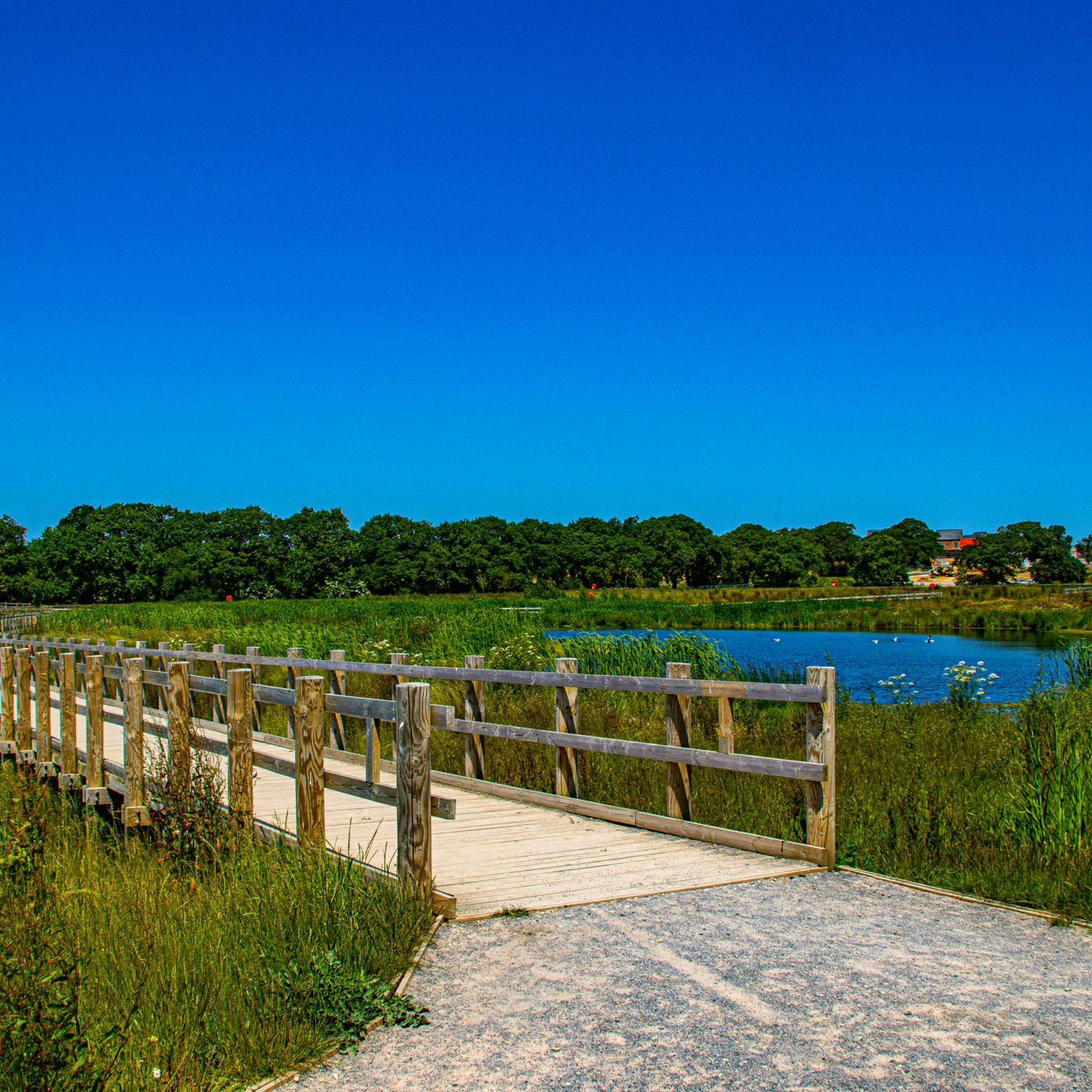
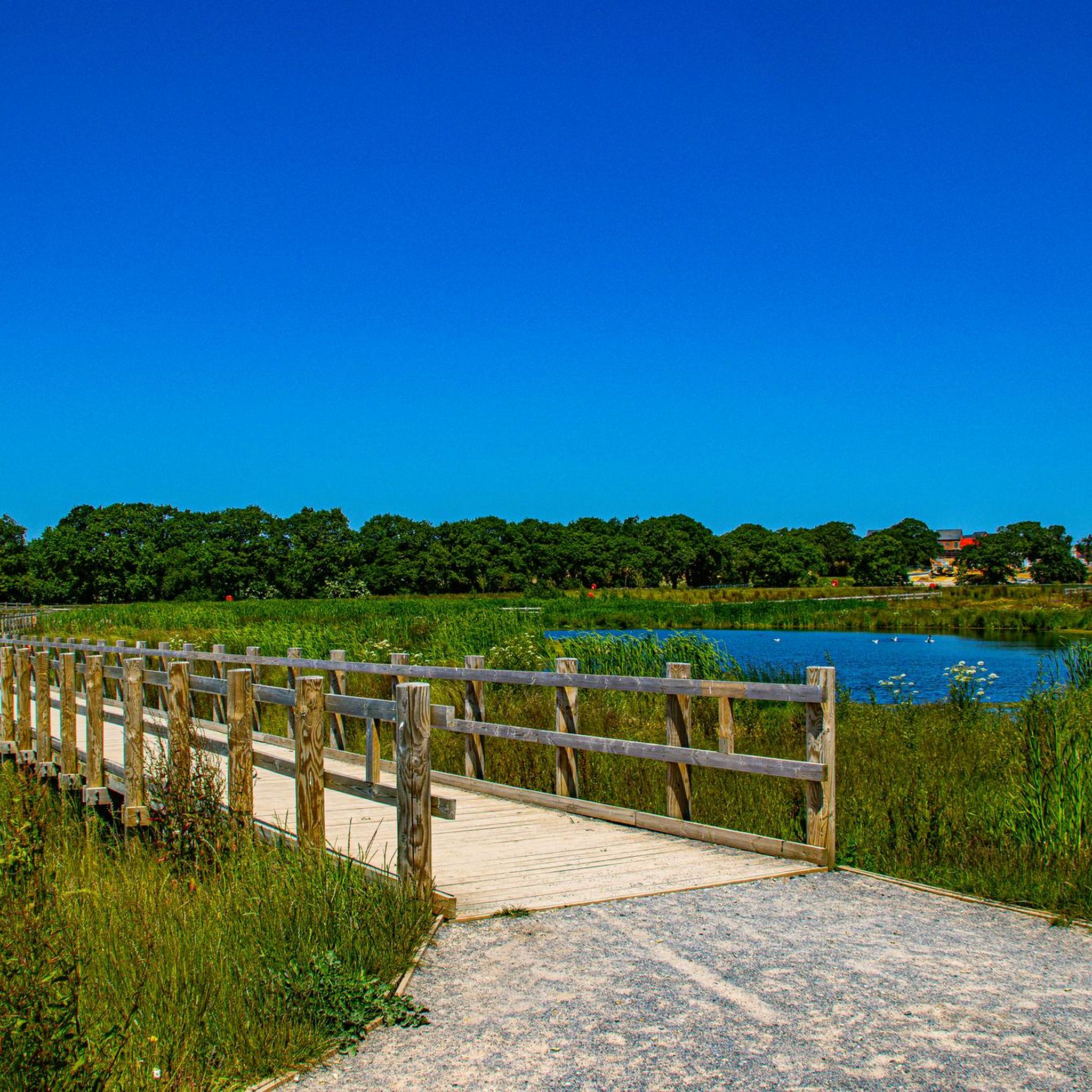
It's worth noting that the pictures here are of Devil's Humps (10 mins away) not Bow Hill. This marker is in the middle of some woodland without a view (but you do walk past a good view as you turn off the main path!)
0
0


Nice place with spectacular views. Easy path.
2
0

Levin Down is easy to see. As you come over the ridge at Goodwood racecourse it stands alone – a hill covered in natural scrubby grassland; the olive green hues are so different from the synthetic emerald of the agricultural fields and viridian forestry plantations that form the surrounding landscape. It is a Site of Special Scientific Interest; indeed the reason that Levin has so much of its wildlife value still intact is hinted at in the name, which is derived from ‘Leave-Alone Hill’, meaning that the land was too steep for the plough or other intensive agriculture.
0
0
Known as the ‘Devil’s Humps‘and the ‘King's Graves,‘ many legends and folklores surround these Bronze Age barrows. Whatever the truth the commanding position at the very top of Kingley Vale is a clear indication that they marked the resting place of important people, perhaps tribal leaders. This may be evidence of the beginnings of social hierarchies at this time. https://www.southdowns.gov.uk/wp-content/uploads/2018/02/Kingley-Vale-Hidden-Trail-Final-web-version.pdf
1
0
Kingley Vale was designated one of the country’s first National Nature Reserves in 1952. It is owned by Natural England and the West Dean Estate, who manage the Reserve protecting its special habitats, wildlife and heritage. Kingley Vale is known for its twisted and ancient yew trees and includes a grove of veteran trees which are among the oldest living things in Britain. Several are at least 500 years old, with the oldest measuring more than five metres in girth. https://www.southdowns.gov.uk/wp-content/uploads/2018/02/Kingley-Vale-Hidden-Trail-Final-web-version.pdf
0
0
Frequently Asked Questions
What are some unique natural monuments to explore near Oving?
Beyond the well-known spots, you can discover unique natural monuments like Sullington Warren, a significant area of dry and wet heathland, home to rare invertebrates and Bronze Age tumuli. Another unique site is Climping Beach, known for its nationally uncommon vegetated shingle and sand dunes, providing a crucial habitat for wintering birds.
What kind of natural landscapes can I expect to see around Oving?
The area around Oving offers a diverse range of natural beauty. You'll find ancient heathlands, such as Sullington Warren, and coastal habitats like Climping Beach with its unique vegetated shingle. There are also ancient woodlands, like Kingley Vale's Ancient Yew Trees, and protected wetlands at Sidlesham Quay, Pagham Harbour Nature Reserve.
Where can I observe wildlife near Oving?
For wildlife observation, Sidlesham Quay, Pagham Harbour Nature Reserve is excellent for birdwatching, especially wintering birds. Sullington Warren is home to rare invertebrates, adders, lizards, and woodland birds. The Arundel Wetland Centre, though not directly in Oving, is a significant sanctuary for wetland birds and other species, offering immersive experiences like boat safaris and bird hides.
Are there any rare habitats or species to look out for?
Yes, the region boasts several rare habitats. Sullington Warren is a Site of Special Scientific Interest (SSSI) for its dry and wet heathland, hosting the only known habitat for the Sullington Crane fly and rare mining bees. Climping Beach features a nationally uncommon vegetated shingle habitat.
Where can I see bluebells or other seasonal blooms?
For a stunning display of bluebells, visit Nore Woods Bluebell Wood during the spring months. This ancient woodland, situated in the South Downs National Park, becomes carpeted with bluebells, offering a beautiful and fragrant experience.
Are there natural monuments with historical significance near Oving?
Absolutely. Devil's Humps (Bronze Age Barrows) are ancient burial mounds steeped in local legends, offering historical insight alongside spectacular views. Sullington Warren also encompasses several Scheduled Monuments, including Bronze Age tumuli. Sidlesham Quay is also noted as a historical site within the Pagham Harbour Nature Reserve.
Are there family-friendly natural monuments around Oving?
Yes, several natural monuments are great for families. Kingley Vale's Ancient Yew Trees offers well-marked trails through ancient woodlands. Sidlesham Quay, Pagham Harbour Nature Reserve is a peaceful spot for picnics and birdwatching. Nore Woods Bluebell Wood is also considered family-friendly, especially during spring.
What is the best time of year to visit the natural monuments around Oving?
The best time to visit depends on what you want to see. Spring is ideal for experiencing the bluebells at Nore Woods Bluebell Wood. For birdwatching, especially wintering birds, Pagham Harbour Nature Reserve and Climping Beach are excellent in winter. Summer offers pleasant conditions for walks and picnics, while autumn brings beautiful foliage to the woodlands.
Are there walking or hiking routes near these natural monuments?
Yes, there are numerous walking and hiking routes. For easy walks, you can explore trails like the Chichester City Walls Trail or the Windmill Trail. More challenging routes can be found around areas like Devil's Humps. You can find detailed guides for easy hikes around Oving at komoot.com/guide/3642274/easy-hikes-around-oving.
What outdoor activities can I do near the natural monuments?
Besides exploring the natural monuments themselves, you can enjoy various outdoor activities. Hiking and walking are popular, with routes ranging from easy to difficult. Cycling and gravel biking are also great ways to see the area. For specific routes, check out the guides for gravel biking and cycling around Oving.
Where can I find viewpoints with scenic vistas?
For spectacular views, head to Devil's Humps (Bronze Age Barrows), which offers commanding positions over the landscape. Levin Down is another excellent viewpoint, providing expansive vistas of the surrounding natural scrubby grassland. Sidlesham Quay also offers open views over Pagham Harbour.
Where can I find ancient trees near Oving?
The most notable place to find ancient trees is Kingley Vale's Ancient Yew Trees. This site is home to some of Britain's oldest yew trees, with several estimated to be more than 500 years old, and some even up to 2,000 years young, making it a truly remarkable natural monument.
Are there coastal natural monuments or beaches to visit?
Yes, Climping Beach is a significant coastal natural monument. It's a biological Site of Special Scientific Interest known for its unique mix of sand dunes and a nationally uncommon vegetated shingle beach. It offers a quiet, rural beach experience and is important for its coastal ecosystems and wintering birds.
Most popular attractions around Oving

Get inspired with the komoot mobile app


Explore more
Extend your search for the best caves by checking out these guides of the top ones around Oving:
