Top 14 Natural Monuments around Bury
Best natural monuments around Bury include prominent hills, diverse nature reserves, and significant natural landmarks. Bury, located in Greater Manchester, England, features distinct natural areas that contribute to its regional heritage. These locations offer opportunities for outdoor recreation and provide expansive views of the surrounding landscapes. The area is characterized by wooded hillsides, moorland, and riverine environments.
Best natural monuments around Bury
- The most popular natural monuments is Graffham Down Nature Reserve, a viewpoint that hosts a series of…
Last updated: October 16, 2026
Burton Mill Pond and Mill
Highlight • Historical Site
Tip by

Graffham Down Nature Reserve
Highlight • Viewpoint
The …
Tip by

Sign up now to discover places like this
Get recommendations on the best single tracks, peaks, & plenty of other exciting outdoor places.
Chantry Hill
Highlight • Viewpoint
Tip by

Queen Elizabeth I Oak
Highlight • Natural Monument
Tip by

Kithurst Hill Trig Point
Highlight • Viewpoint
Tip by

Sign up for free to discover even more natural monuments around Bury.
Already have an account?
Start today with a free account
Your next adventure awaits.

Tips from the Community

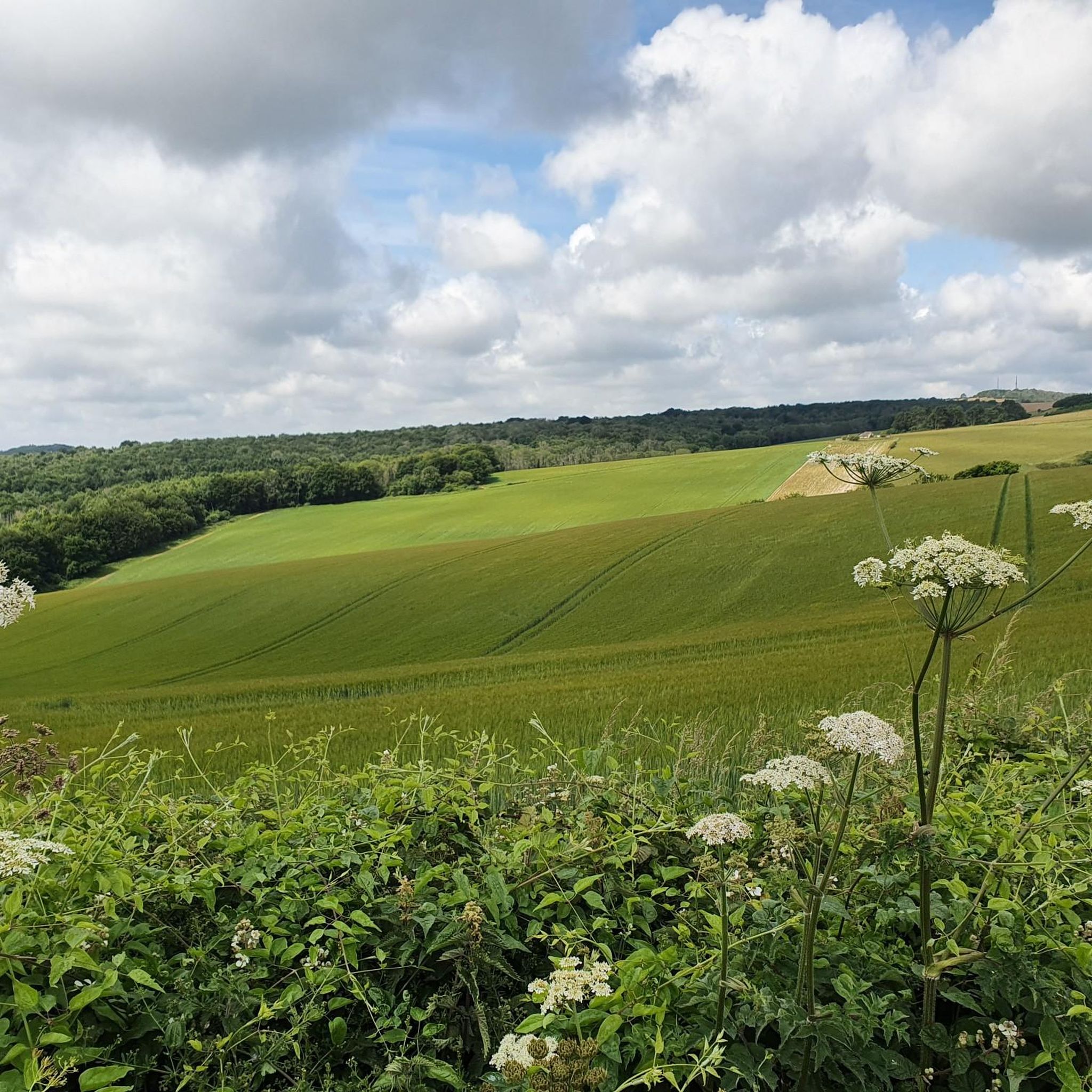
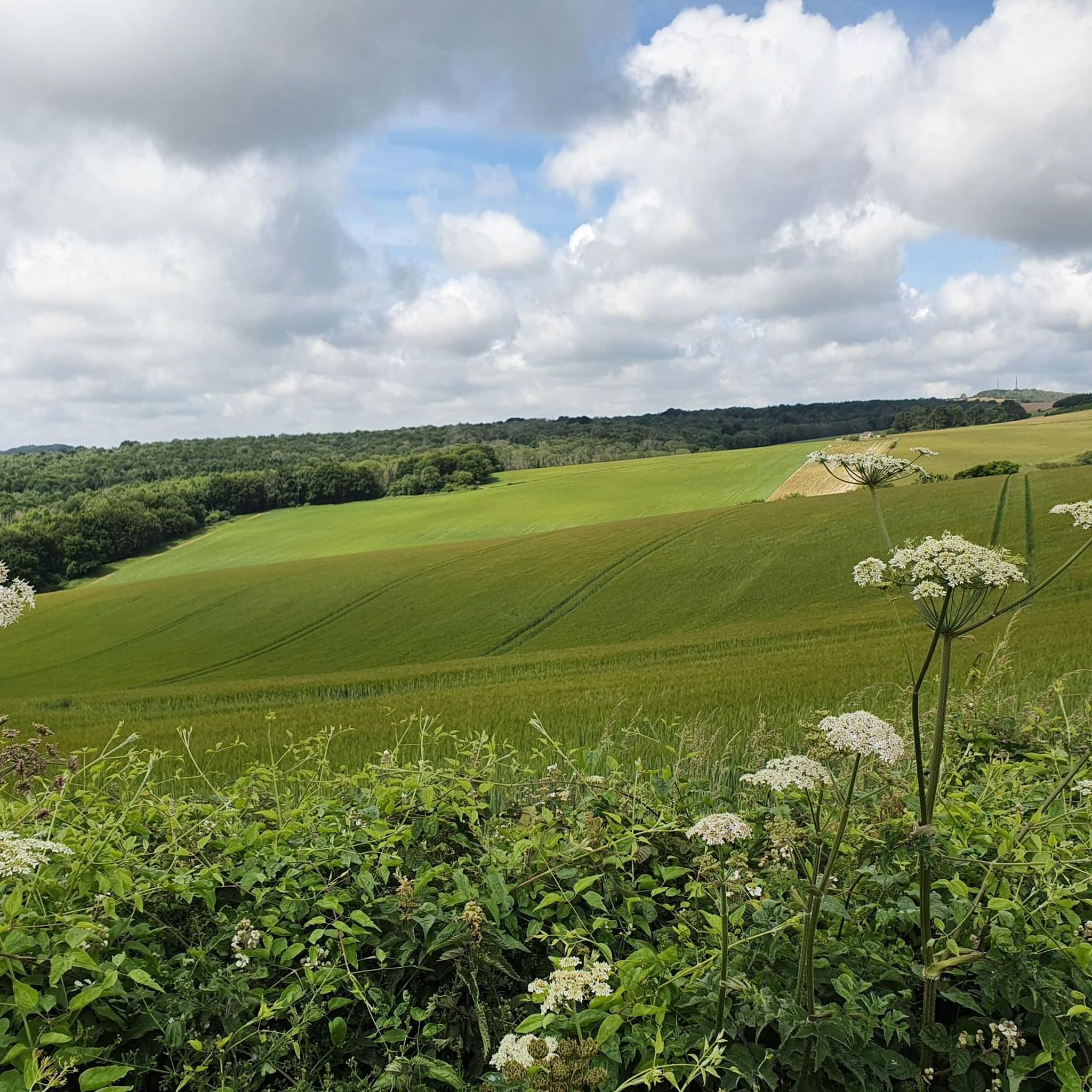
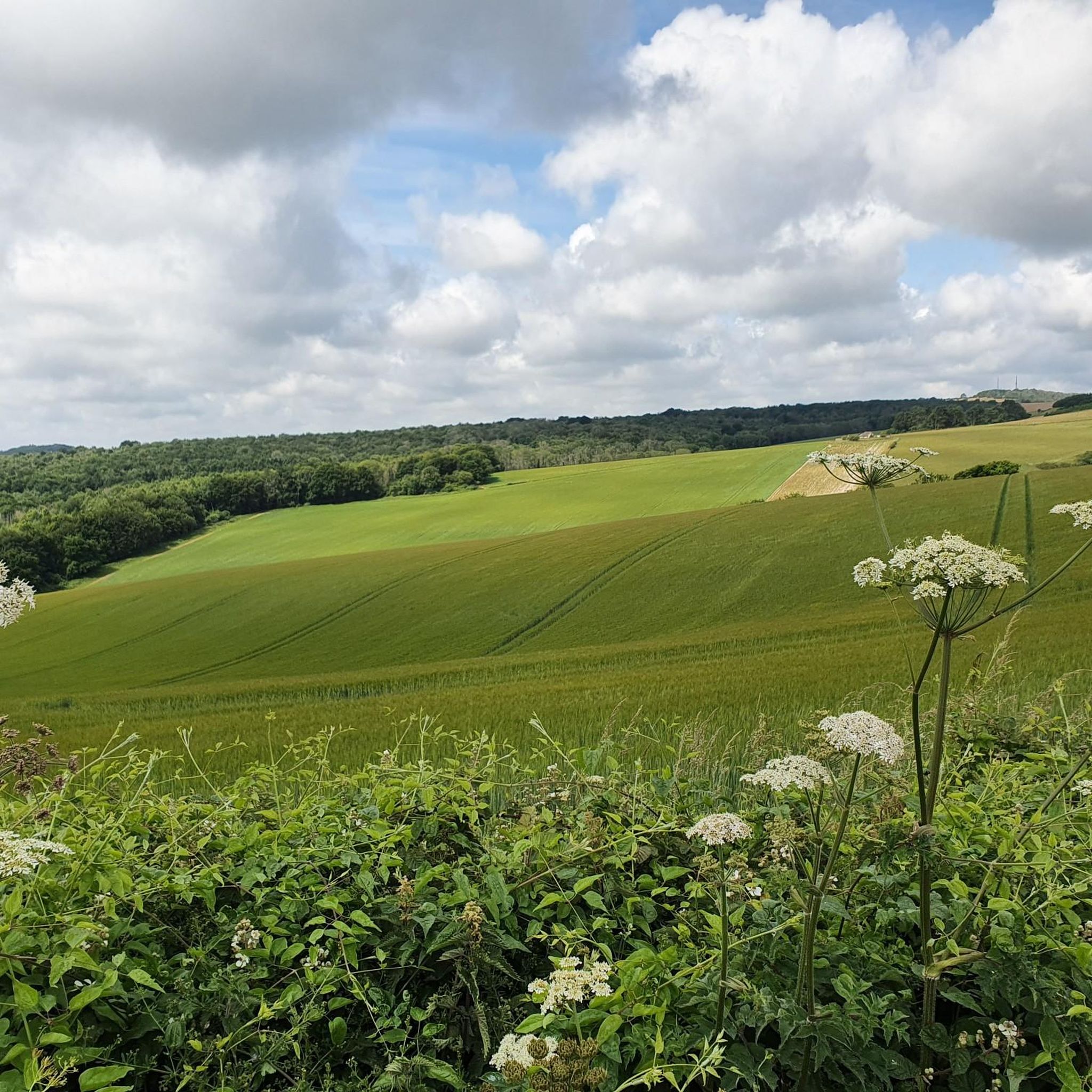
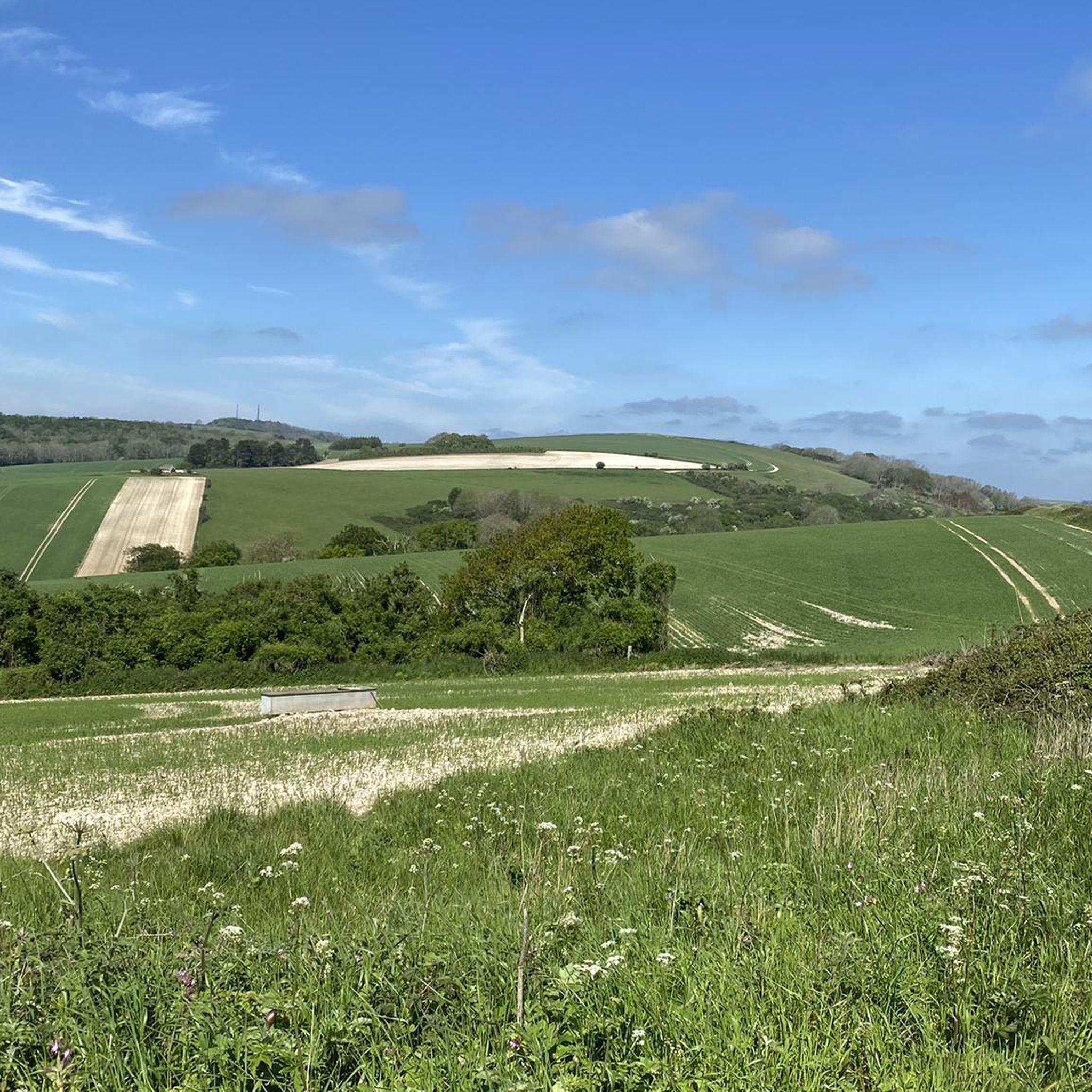
Chantry Hill is adjacent to Kithurst Hill and provides another route to this accessible trig point. The paths and wide open views down over the South Downs are stunning.
0
0
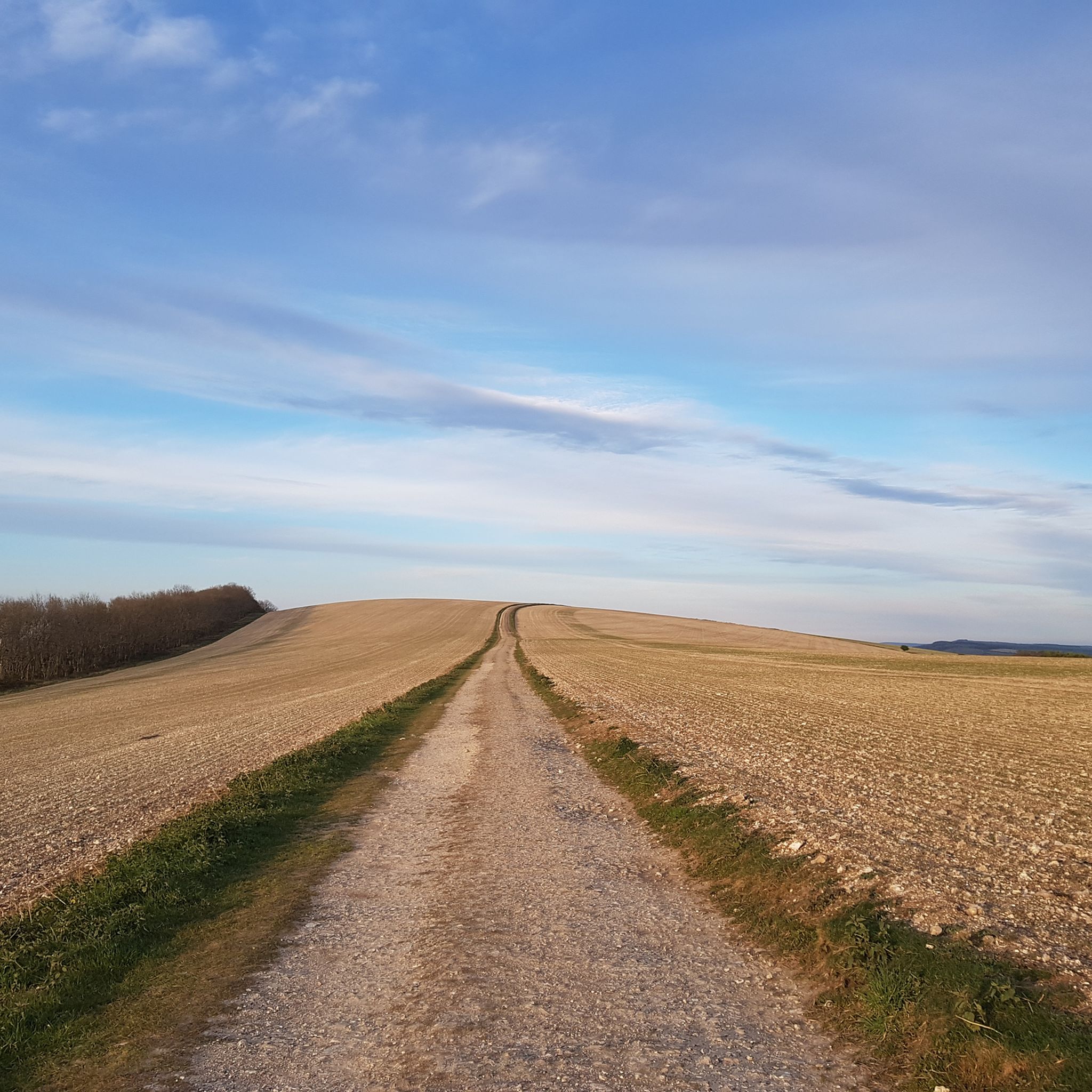
Yet another trig point to do on the South Downs Way. Well, not quite as Kithurst Hill is slightly north of the official trail, but worth the dog leg to it just to get another trig.
0
0

Burton Mill Pond is part of the Burton Mill and Chingford Ponds Local Nature Reserve (LNR). Originating in the late 16th century to fuel a forge, the pond has a historical past. By the late 18th century, it played a vital role as part of a water mill for grinding corn, with the imposing structure by the road now standing as the remnants of the old mill. It's part of a fabulous landscape as you cycle along the road bordering its northeastern shore.
0
0
A beautiful little hill and very popular with dog walkers and runners. Mainly because not only are the views great but there are good paths underfoot and a nearby car park.
0
0
This tree is called "Queen Elizabeth I Oak" and is without any doubt, the most famous tree in Cowdray Park. Queen Elizabeth I would have visited this tree in 1591, which was at that time already an impressive tree. Its girth of 13.18m (2021) makes this Sessile Oak (Quercus petraea) the second thickest tree of its kind in Europe. According to Jeroen Pater this tree is probably about 600 to 700 years, while according to dendrologists of the British Tree Register, this tree might be almost a 1,000 years old. https://www.monumentaltrees.com/en/gbr/england/westsussex/975_cowdraypark/1738/
0
0

The current mill building dates from around 1780, although mills and forges have been exploiting the Downs spring water for at least 800 years. The mill's historic water-powered milling machine has been restored to working condition. Burton Mill is open to visitors on the Sunday of the National Mills Weekend in May and the National Heritage Weekend in September.
2
0
Burton Mill Pond is a beautiful place to visit. It is an atmospheric hammer pond and holding pond in the South Downs National Park, near Petworth, West Sussex. The pond is part of the Burton Mill and Chingford Ponds Local Nature Reserve (LNR) and the Burton Park Site of Special Scientific Interest (SSSI), which are nationally important for their wetland habitats, rare plants, birdlife, and invertebrate populations.
2
0

Burton Mill Pond is part of the Burton Mill and Chingford Ponds Local Nature Reserve (LNR). Enjoy the moment of calm as you pedal along the road skirting its north eastern shore. The pond was created in the late 16th century to power a forge. In the late 18th century the pond was part of a water mill for grinding corn. The large house by the road is the old mill.
1
0
Frequently Asked Questions
What types of natural features can I explore around Bury?
The Bury area offers a diverse range of natural features, including prominent hills like Chantry Hill and Kithurst Hill Trig Point, which provide expansive views. You can also find tranquil lakes such as Elton Reservoir, and rich woodland areas like Chesham Woods and parts of the Graffham Down Nature Reserve. These sites are part of the larger West Pennine Moors, characterized by varied landscapes from moorland to riverine environments.
Are there natural monuments around Bury that are suitable for families?
Yes, there are several family-friendly natural monuments. Burton Mill Pond and Mill is a beautiful spot with wetland habitats and historic elements, offering a pleasant outing. Additionally, the ancient Queen Elizabeth I Oak provides a fascinating natural landmark for all ages to appreciate. Burrs Country Park is also a favored spot for families, offering riverside walks and wildlife spotting.
What outdoor activities can I do near the natural monuments in Bury?
The natural monuments around Bury are excellent starting points for various outdoor activities. You can find numerous routes for hiking, mountain biking, and touring cycling. For example, there are many hiking trails around Bury, including loops through Houghton Forest or along the Arun river. If you're into cycling, explore cycling routes around Bury that take you through picturesque countryside, or check out MTB trails around Bury for more adventurous rides.
Are there historical elements or sites near Bury's natural monuments?
Yes, some natural monuments in Bury also have historical significance. Burton Mill Pond and Mill, for instance, features a mill building dating from around 1780, with a history of milling and forging spanning 800 years. The impressive Queen Elizabeth I Oak is notable not only for its age (estimated up to 1,000 years) but also for its historical connection to Queen Elizabeth I.
What kind of views can I expect from the natural monuments in Bury?
Many natural monuments in Bury offer spectacular panoramic views. From Chantry Hill and Kithurst Hill Trig Point, you can enjoy spellbinding vistas over the picturesque countryside and out to sea. Graffham Down Nature Reserve also provides brilliant views to the north over rolling agricultural landscapes. Holcombe Hill, part of the West Pennine Moors, is renowned for its breathtaking panoramic views of the surrounding countryside.
Are there any nature reserves or areas focused on conservation in Bury?
Yes, Bury is home to important nature reserves and conservation efforts. The Graffham Down Nature Reserve is dedicated to maintaining grassland and wooded habitats. Burrs Country Park is a 36-hectare nature reserve along the River Irwell, rich in diverse flora and fauna. Holcombe Moor, including Harcles Hill, is part of ongoing peatland restoration projects aimed at reducing soil carbon loss and improving water retention, highlighting its ecological importance.
What do visitors enjoy most about the natural monuments around Bury?
Visitors frequently praise the stunning views, peaceful atmosphere, and diverse walking opportunities. The extensive walking trails and dramatic landscapes of the West Pennine Moors are highly appreciated. Many enjoy the sense of escape from urban life that places like Chesham Woods offer, and the tranquil waterside recreation at Elton Reservoir is popular for bird watching and walks. The historical significance of ancient trees and mills also adds to the visitor experience.
Are the natural monuments around Bury dog-friendly?
Many natural areas and trails around Bury are dog-friendly, offering great opportunities for walks with your canine companion. For example, Kithurst Hill Trig Point is very popular with dog walkers due to its great views and good paths. It's always advisable to keep dogs under control, especially near livestock or in nature reserves, and to check specific site regulations.
What is the best time of year to visit the natural monuments in Bury?
The natural monuments around Bury can be enjoyed year-round, with each season offering a different experience. Spring brings blooming wildflowers and fresh greenery, while summer provides longer days for extended walks and clearer views. Autumn showcases vibrant foliage, and even winter offers crisp, scenic walks, especially across the moorlands. The best time depends on your preferred activities and weather conditions, but generally, spring to autumn offers the most comfortable walking temperatures.
Are there any challenging hiking routes near Bury's natural monuments?
Yes, for those seeking a challenge, the area around Bury offers several difficult hiking and cycling routes. For instance, some hiking routes around Bury, such as the Arundel Castle and Hiorns Tower loop from Amberley, are rated as difficult. Similarly, certain cycling routes around Bury, like the Storrington & Pulborough loop, are also considered challenging, providing rewarding experiences for experienced outdoor enthusiasts.
Where can I find expansive moorland and hills in Bury?
The West Pennine Moors, which include Holcombe Hill and Bull Hill, are the primary areas for expansive moorland and hills in Bury. Holcombe Hill offers breathtaking panoramic views, while Bull Hill is recognized as the highest point within Holcombe Moor. These areas provide extensive walking trails and dramatic landscapes, characteristic of the region's natural heritage.
Most popular attractions around Bury

Get inspired with the komoot mobile app


Explore more
Extend your search for the best caves by checking out these guides of the top ones around Bury:
