Top 8 Natural Monuments around Radley
Natural monuments around Radley feature diverse landscapes, including ancient woodlands, regenerated lake areas, and prominent hills. The region offers opportunities for recreation and wildlife observation within its varied natural settings. Significant natural sites provide scenic views and habitats for numerous species. These areas reflect both natural regeneration and historical land use.
Best natural monuments around Radley
- The most popular natural monument is Wittenham Clumps, a natural monument consisting of two hills that offer expansive views over the River Thames…
Last updated: October 16, 2026
Wittenham Clumps
Highlight • Natural Monument
Tip by

J. R. R. Tolkien Memorial Bench and Trees
Highlight • Natural Monument
Tip by

Sign up now to discover places like this
Get recommendations on the best single tracks, peaks, & plenty of other exciting outdoor places.
Day's Lock
Highlight • Structure
Tip by

Little Wittenham Wood
Highlight • Forest
Tip by

Jarn's Mound and Wild Garden
Highlight • Natural Monument
Tip by
Sign up for free to discover even more natural monuments around Radley.
Already have an account?
Start today with a free account
Your next adventure awaits.
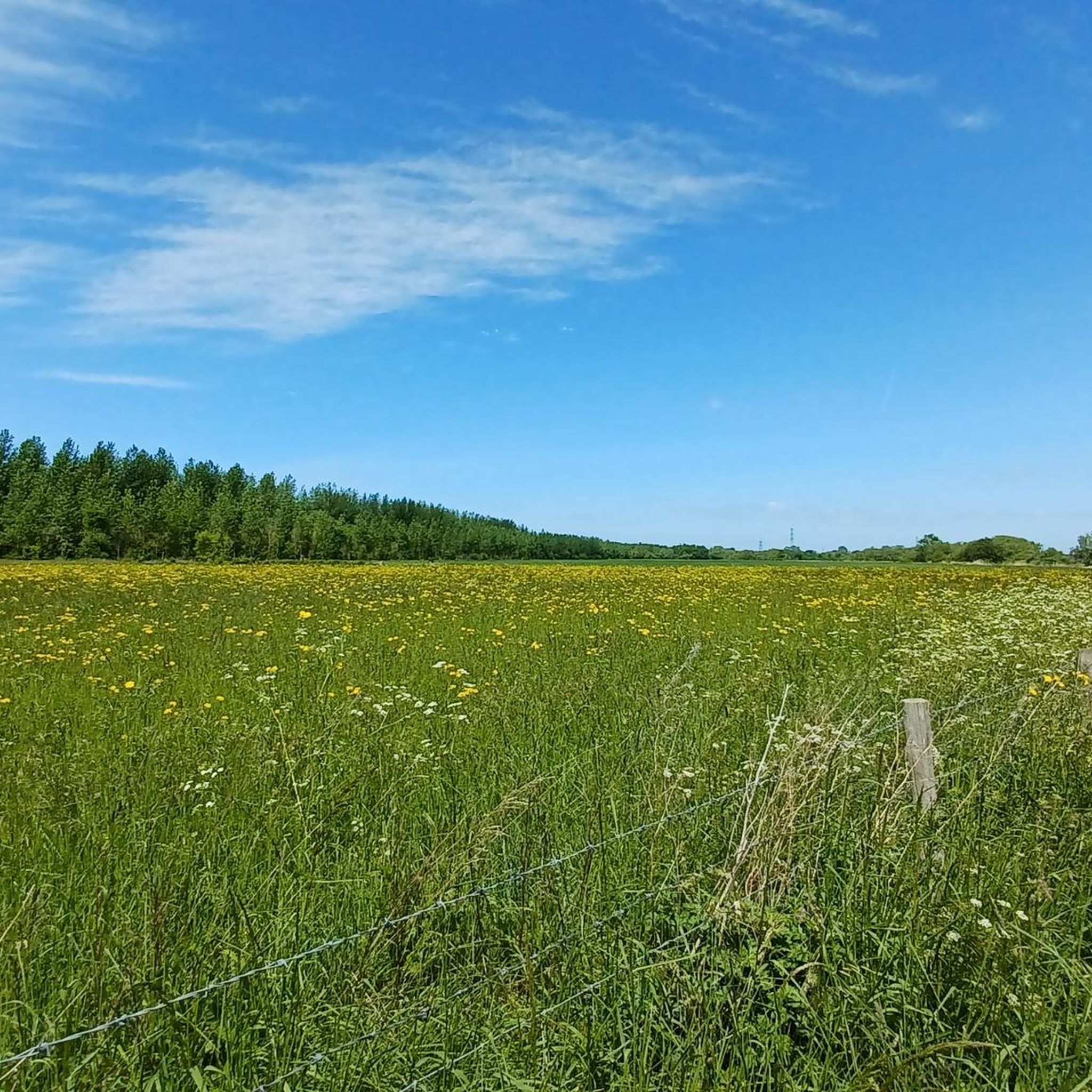

Tips from the Community

Added to the collection: komoot.com/de-de/collection/3600632/-naturdenkmaeler-besondere-baeume-und-weitere-schaetze-der-natur
0
0

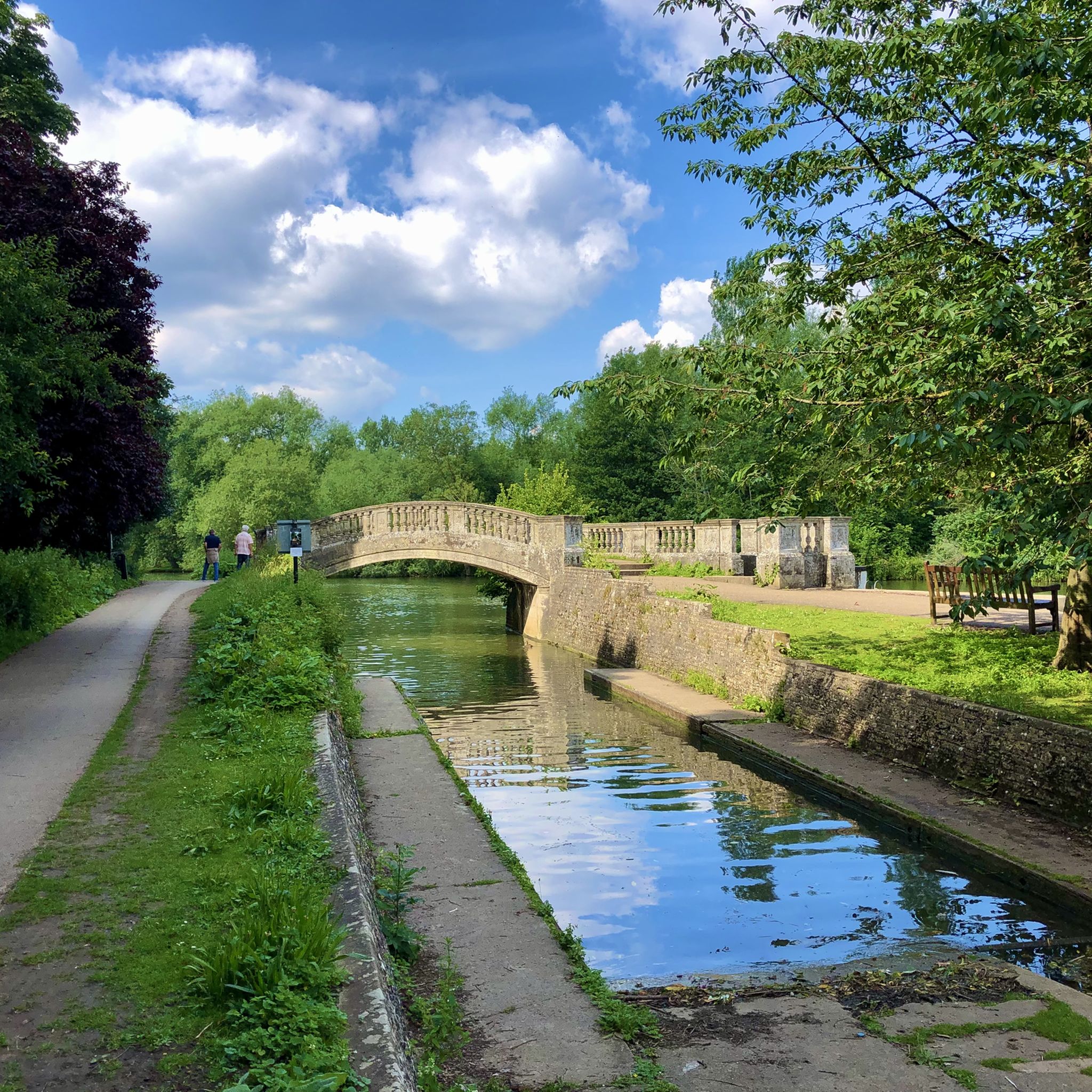
Day's Lock is a lock on the River Thames near Dorchester-on-Thames, Oxfordshire, England on the Dorchester side of the river. The pound lock was built in 1789 by the Thames Navigation Commissioner. The lock is across the river from the small village of Little Wittenham and is overlooked from the south by the hills of Wittenham Clumps, with a particularly good view from Round Hill. The weir runs straight across the river from the other side of the lock island. Day's Lock is the main gauging station for the measurement of the water flow in the River Thames.
0
0
Little Wittenham Wood has been designated as both a Site of Special Scientific Interest (SSSI) and a Special Area of Conservation (SAC), reflecting its international importance for wildlife. The nature reserve is particularly important for the endangered species, the Great Crested Newt. This shy amphibian uses the many ponds within the nature reserve to breed, but it spends the majority of time in the surrounding woodland. Tucking itself quietly away in safe and secure hidden spots, you have to search carefully to find them. Much easier to spot are the dragonflies and damselflies which hover around the ponds. If you wander down to the bird hide, at the river’s edge, you might be lucky enough to catch a glimpse of Kingfishers or Otters.
0
0
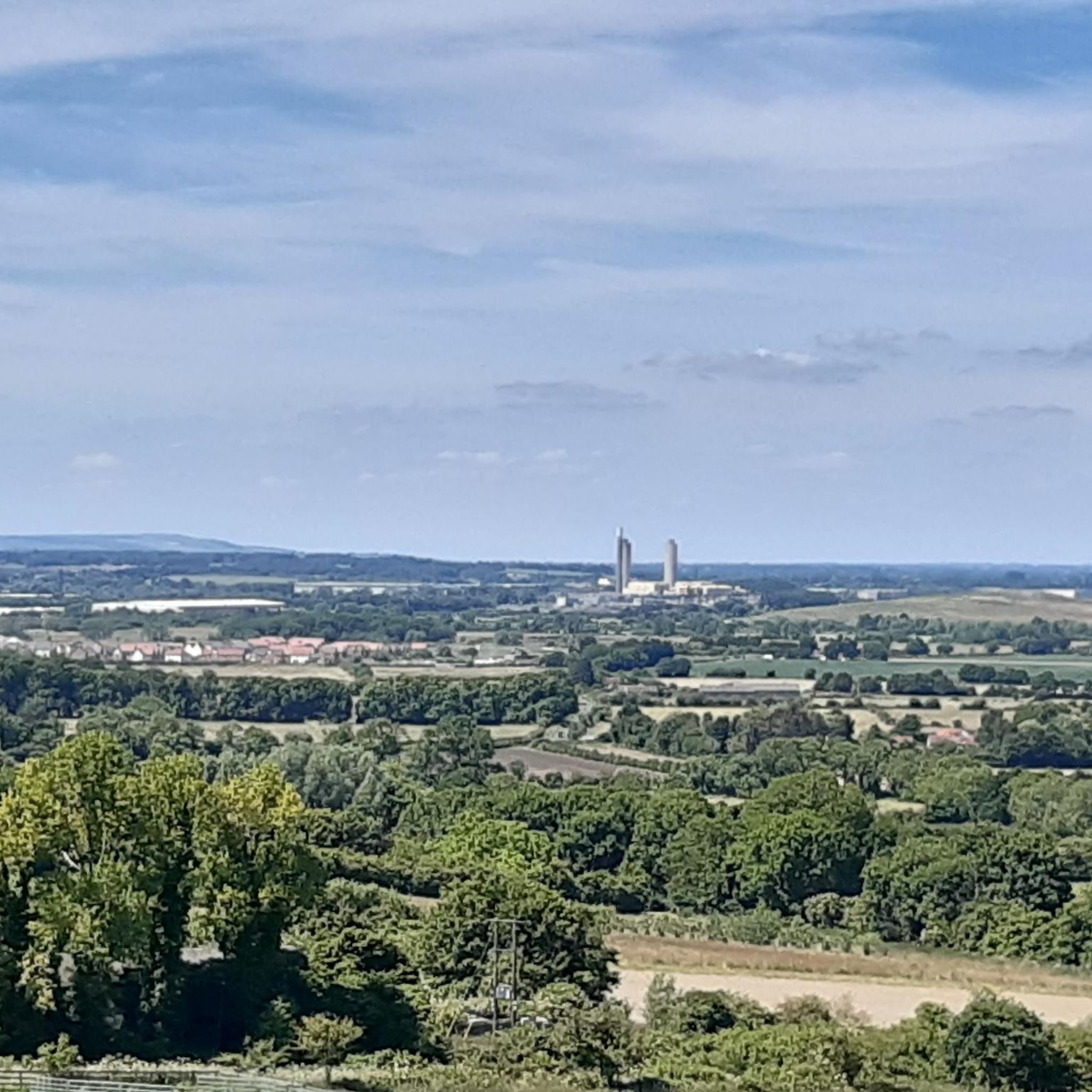
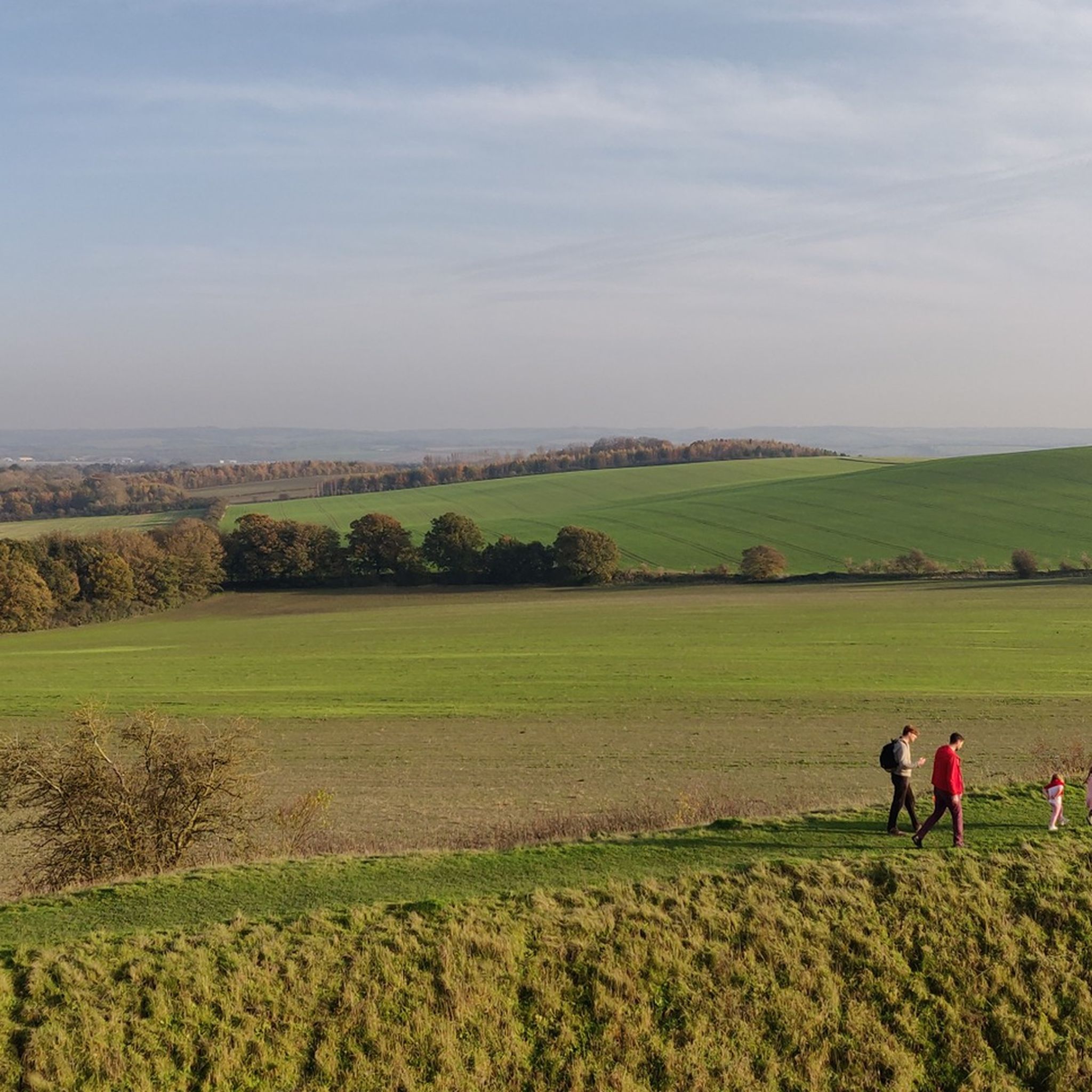
Nice little lung opener first thing in morning. Entry to wooded area was permitted, has a few dens inside and plenty of benches externally, views to take in are beautiful. on a clear day can see for miles
0
0

In 2012, Lisa Kuppler (Frankfurter Allgemeine Sonntagszeitung) paid tribute to the writer J.R.R. TOLKIEN (1892 to 1973), who invented a fictional world called Middle Earth inhabited by 'hobbits', with the words: "It is this complex creation of an entire world that makes 'The Lord of the Rings' the original text of the fantasy genre." Two decades earlier - on the occasion of his 100th birthday - a bench and two trees were dedicated to him here, in Oxford's university park. Tolkien's most popular work to date includes the volumes: "The Fellowship of the Ring" (Volume 1); "The Two Towers" (Volume 2); "The Return of the King" (Volume 3). Many people may not have read his books, but they know the film version of this great myth.
0
0

Located just across the river from the small town of Little Wittenham is this lock that provides glorious views up and down the River Thames.
1
0

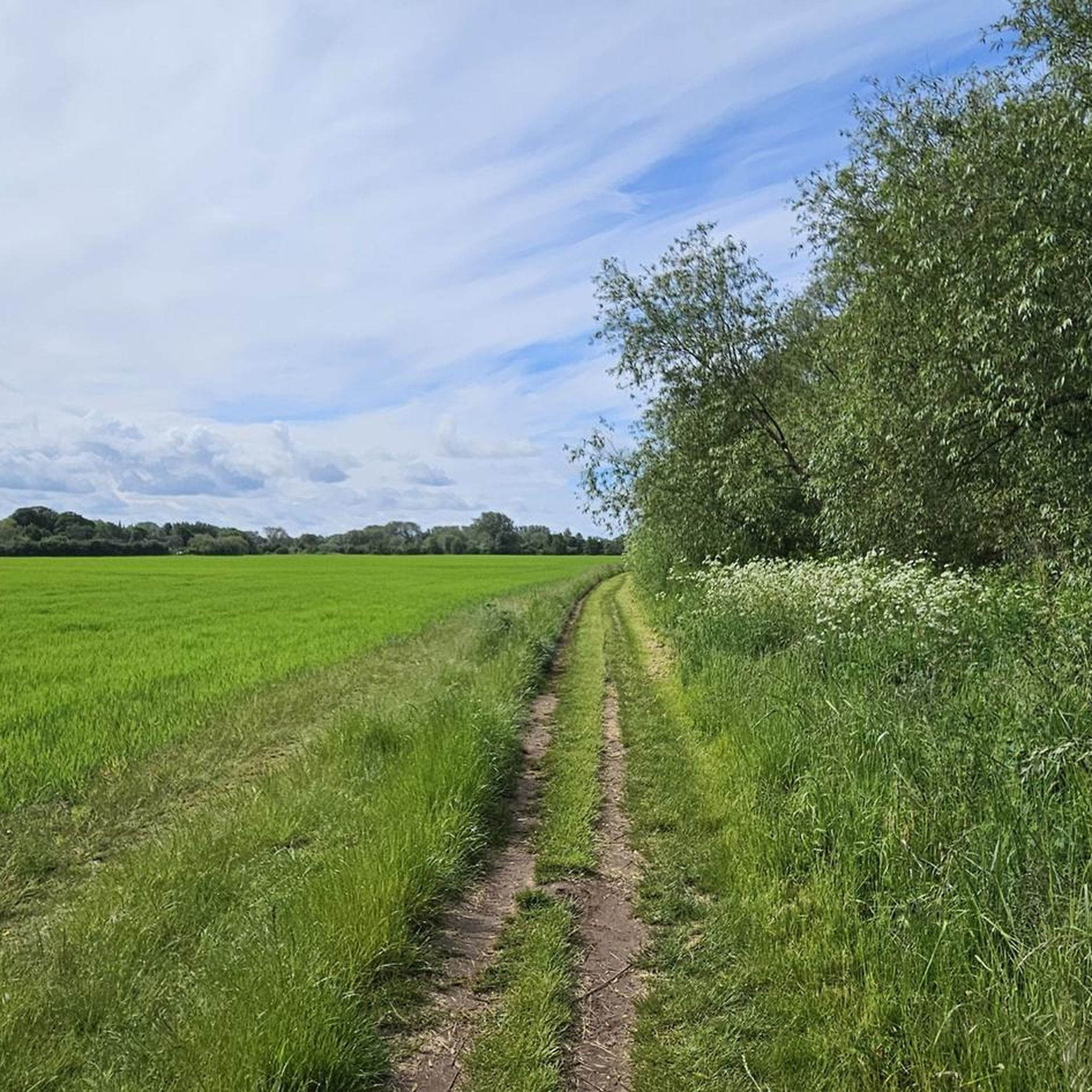
Beautiful woodland below Wittenham clumps. Good paths and lovely nature.
2
0
Beautiful landmarks. With views of countryside and the river Thames.
1
0
Frequently Asked Questions
What kind of natural landscapes can I expect to find around Radley?
Radley and its surroundings offer a diverse range of natural landscapes. You'll find ancient woodlands like Little Wittenham Wood, regenerated lake areas such as Radley Lakes, and prominent hills like the Wittenham Clumps. These areas provide scenic views, peaceful trails, and rich habitats for various wildlife.
Are there historical sites among the natural monuments near Radley?
Yes, several natural monuments in the Radley area are rich in history. The Wittenham Clumps, for instance, show evidence of Bronze Age, Iron Age, and Roman occupation, with visible Iron Age ramparts on Castle Hill. Radley Large Wood also has a history dating back to the 13th century as a deer park. Additionally, Jarn's Mound and Wild Garden was constructed by archaeologist Sir Arthur Evans.
What outdoor activities can I do near these natural monuments?
The natural monuments around Radley are excellent for various outdoor activities. You can enjoy easy hikes, such as the 'Abingdon Bridge – Abingdon Lock and Weir loop' or explore the 'Radley Lakes loop'. For running, there are trails like the 'Folly Bridge – Iffley Lock loop'. If you prefer cycling, consider gravel biking routes like the 'Cumnor Village – View From Tumbledown Hill loop'. You can find more details on these activities in the easy hikes around Radley guide, the running trails around Radley guide, and the gravel biking around Radley guide.
Are there family-friendly natural monuments around Radley?
Absolutely! Many natural monuments in the area are suitable for families. The Wittenham Clumps offer easy walking paths and a great picnic spot. Little Wittenham Wood has good paths for exploration and opportunities for wildlife spotting. Radley Lakes also provides peaceful trails perfect for family strolls and enjoying nature.
Can I walk around Radley Lakes?
Yes, Radley Lakes offers peaceful trails ideal for walking and running. The area, formed from disused gravel pits, has regenerated into a haven for wildlife. You can explore the different lakes like Thrupp, Bullfield, Longmead, and Orchard, enjoying the tranquility and observing species like herons and kingfishers. There's an 'easy' rated 'Radley Lakes loop' route available for a pleasant walk.
What wildlife can I expect to see at the natural monuments?
The natural monuments around Radley are rich in biodiversity. At Radley Lakes, you might spot herons and kingfishers. Little Wittenham Wood is particularly important for the endangered Great Crested Newt, and you can also see dragonflies, damselflies, and potentially kingfishers or otters near the bird hide. Radley Large Wood is a biodiverse ecosystem with various plants, animals, and fungi, including scarce woodland flowers and a famous carpet of bluebells in spring.
Are there walks along the River Thames near Radley's natural monuments?
Yes, the River Thames plays a significant role in the natural landscape around Radley. Day's Lock is located on the River Thames and provides glorious views up and down the river, overlooked by the Wittenham Clumps. There are also river-based walks, such as the 'Abingdon Bridge – Abingdon Lock and Weir loop' which is rated as an easy hike.
What is the best time of year to visit Radley's natural monuments?
The best time to visit depends on what you want to experience. Spring is particularly beautiful, especially for seeing the vibrant bluebell displays in Radley Large Wood. The Wittenham Clumps and Radley Lakes are enjoyable year-round for walking and views, though paths may be muddier in wetter seasons. Wildlife observation is generally good from spring through autumn.
What do visitors enjoy most about the natural monuments around Radley?
Visitors frequently praise the breathtaking panoramic views from the Wittenham Clumps and the peaceful atmosphere of places like Radley Lakes. The historical significance of sites and the rich wildlife found in areas like Little Wittenham Wood are also highly appreciated. Many enjoy the well-maintained paths and the opportunities for picnics and nature observation.
Is there a natural monument dedicated to J. R. R. Tolkien near Radley?
While not a natural monument in the traditional sense, there is a significant memorial related to J. R. R. Tolkien. The J. R. R. Tolkien Memorial Bench and Trees in University Parks commemorates the author. Two trees, a false acacia and a silver maple, represent Laurelin and Telperion from 'The Silmarillion', offering a unique blend of literary history within a natural setting.
Are there any viewpoints offering expansive vistas?
Yes, the Wittenham Clumps are renowned for offering breathtaking panoramic views over the River Thames and the surrounding countryside. Similarly, Jarn's Mound, an artificial mound constructed by Sir Arthur Evans, provides magnificent views towards the city of Oxford and the Vale of the White Horse.
Most popular routes around Radley
Most popular attractions around Radley

Get inspired with the komoot mobile app


Explore more
Extend your search for the best caves by checking out these guides of the top ones around Radley:
