Top 7 Natural Monuments around Compton Dundon
Best natural monuments around Compton Dundon include a variety of natural and historical sites within the Somerset countryside. The area features prominent hills, ancient woodlands, and unique wetland habitats. These locations offer diverse ecosystems and expansive views across the Somerset Levels.
Best natural monuments around Compton Dundon
- The most popular natural monuments is Glastonbury Tor, a summit that offers views of the Somerset Levels, Dorset, Wiltshire, and Wales. On its top, the ruins of 15th-century St Michael's Church are…
Last updated: October 16, 2026
Glastonbury Tor
Highlight • Summit
Tip by

Gog and Magog Ancient Oaks
Highlight • Natural Monument
The 1000-year-old oaks have become a part of local folklore …
Tip by

Sign up now to discover places like this
Get recommendations on the best single tracks, peaks, & plenty of other exciting outdoor places.
View of Glastonbury Tor
Highlight • Viewpoint
Tip by

Walton Hill
Highlight • Viewpoint
Tip by

Dundon Beacon Nature Reserve
Highlight • Natural Monument
Tip by

Sign up for free to discover even more natural monuments around Compton Dundon.
Already have an account?
Start today with a free account
Your next adventure awaits.

Tips from the Community

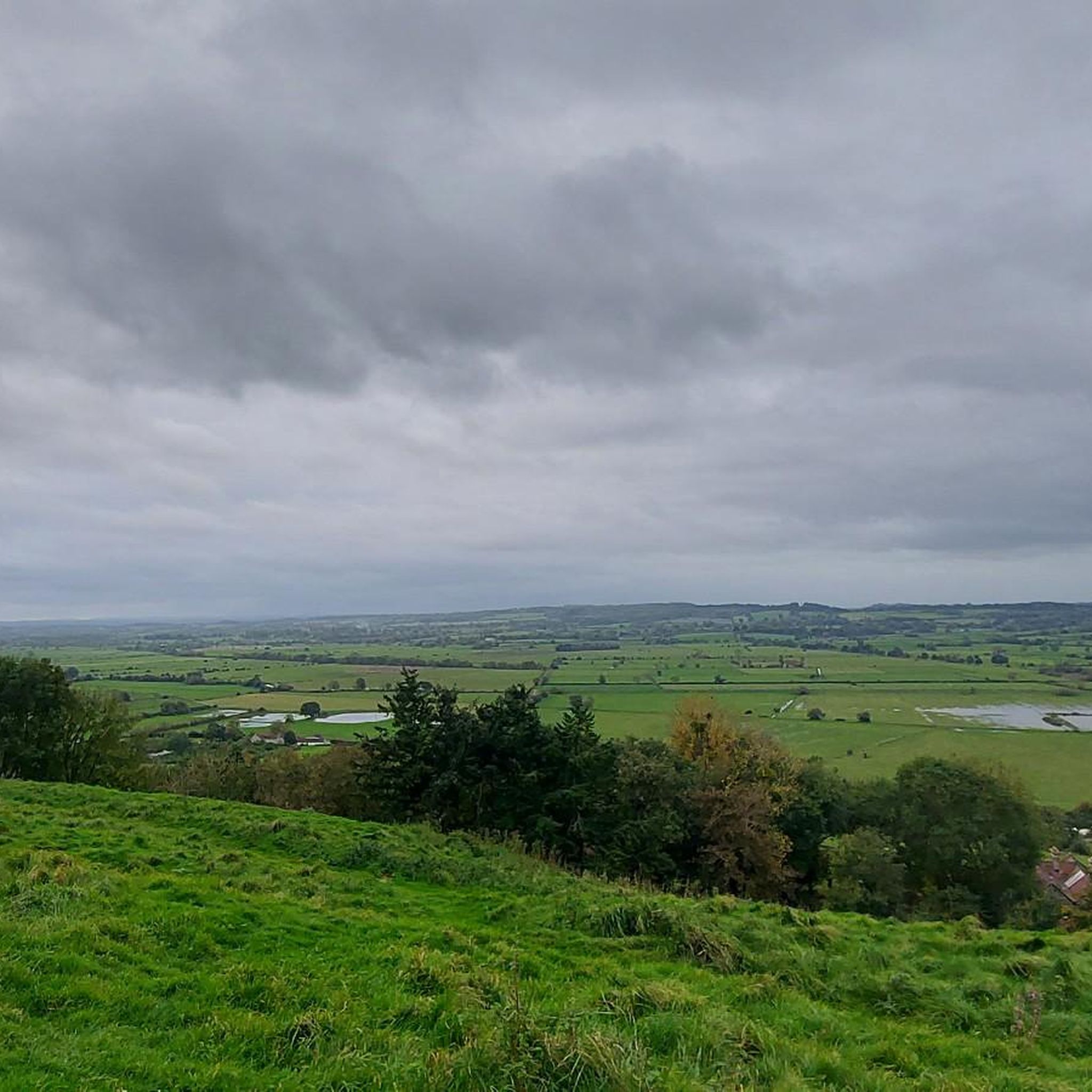
quiet country lanes across the Somerset levels with fantastic views across to the Tor.
0
0

Gog & Magog are a pair of beautiful ancient oak trees situated on the grounds of Glastonbury Abbey in Somerset. The 1000-year-old oaks have become a part of local folklore and are considered sacred by many. Legend has it the trees have magical powers, and they are regularly visited by those seeking spiritual guidance or healing.
3
0

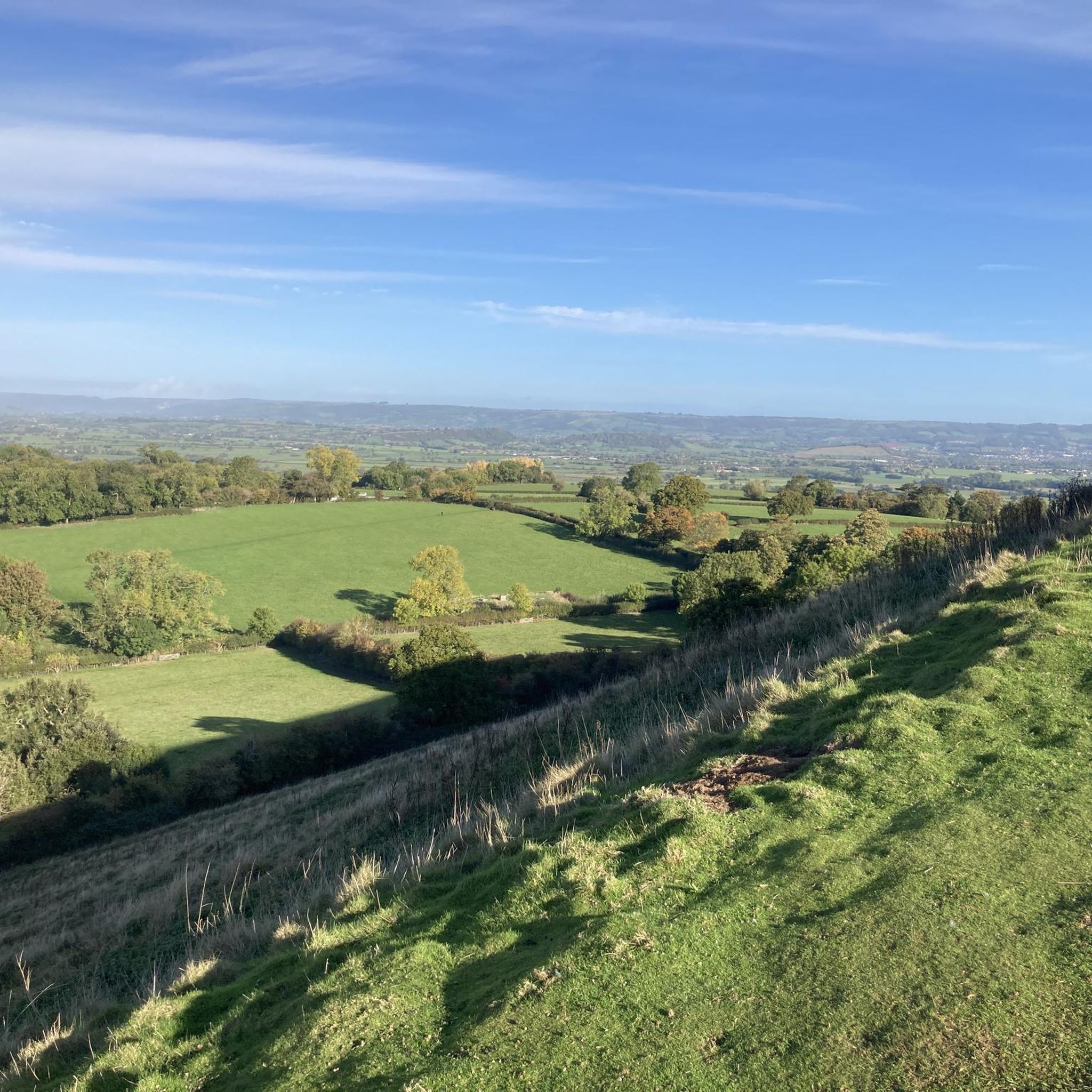
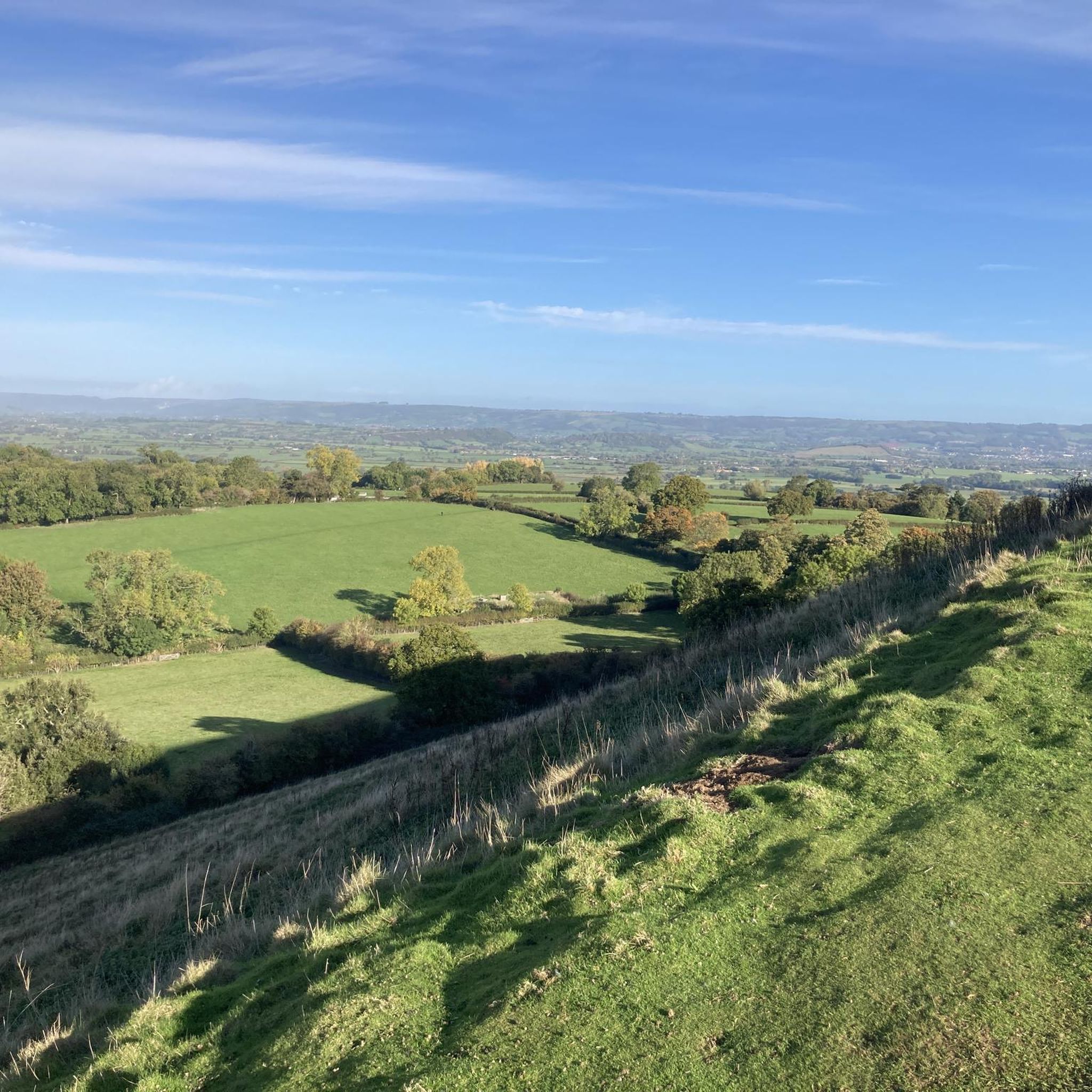
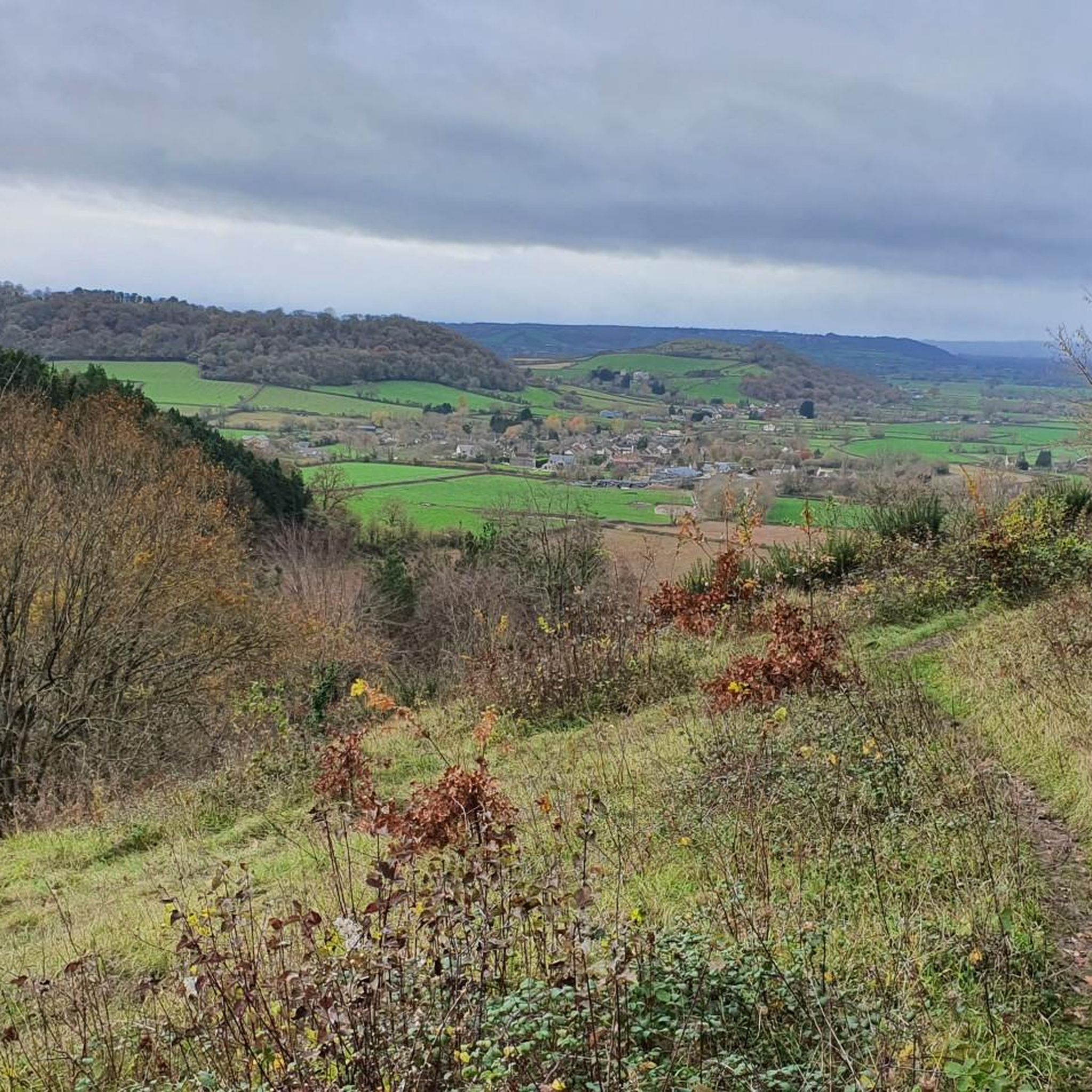
Dundon Hill or Dundon Beacon is a Iron Age hill fort and nature haven. Managed by the Somerset Wildlife Trust this small area of higher land is ringed by ancient oak woodland and capped with a meadow. The views from the southern end of the plateau are far reaching across the levels where you get a gap in the trees.
0
0

https://youtu.be/pZAoONJz04g The climb up the 301 steps to the famous summit is well worth it for the views.
3
0


Situated just a small walk from Glastonbury Centre, Glastonbury Tor Hill stands at a height of 158 m… The walk to the top is steep, and may require stops, but in general terms is only a small climb. The views are breath taking, on a clear day you can see across to the Bristol Channel. The views are amplified by the low land area which can be seen in every direction.
2
0

A steep climb from either side of the hill, but free access and stunning views from the top.
3
0
The remains of the church that was destroyed during the Dissolution of the Monasteries by Henry VIII
2
0
Frequently Asked Questions
What are some prominent natural monuments to visit around Compton Dundon?
The region offers a diverse range of natural monuments. You can explore the iconic Glastonbury Tor, known for its panoramic views and historical church ruins. Another significant site is the Dundon Beacon Nature Reserve, which features an Iron Age hill fort and ancient woodlands. Don't miss the ancient Gog and Magog Ancient Oaks near Glastonbury Abbey, or the unique wetland habitat of Westhay Moor National Nature Reserve.
What kind of natural features can I expect to see in the Compton Dundon area?
The natural monuments around Compton Dundon showcase a variety of landscapes. You'll find prominent hills like Dundon Hill and Glastonbury Tor offering expansive views, ancient woodlands such as Combe Hill Wood, and unique wetland habitats at Westhay Moor. The area also features ancient trees, calcareous grasslands, and natural springs like the White Spring, Glastonbury.
Are there historical or cultural sites integrated with the natural monuments?
Yes, many natural monuments in the region have significant historical and cultural elements. For example, Dundon Beacon Nature Reserve hosts an Iron Age hill fort and a Bronze Age round barrow. Glastonbury Tor features the ruins of St Michael's Church, and the Gog and Magog Ancient Oaks are steeped in local folklore near Glastonbury Abbey. The Compton Dundon churchyard also boasts ancient yew trees, some estimated to be 1,700 years old.
Are there hiking trails near the natural monuments in Compton Dundon?
Absolutely. The area offers numerous hiking opportunities. You can find easy walks like the 'Forest Pathway – Hood Monument loop from Combe Hill Wood' or 'Hiking loop from Compton Dundon'. For more options, explore the dedicated guide to easy hikes around Compton Dundon.
Can I go mountain biking or running near these natural monuments?
Yes, the region provides trails for both mountain biking and running. Mountain bikers can find routes such as the 'Willow Walk – Ham Wall Nature Reserve loop from Glastonbury'. Runners might enjoy the 'Running loop from Combe Hill Wood' or 'Moore's Wood loop from Compton Dundon'. Check out the specific guides for MTB Trails around Compton Dundon and Running Trails around Compton Dundon for detailed routes.
Are there family-friendly natural monuments in the area?
Several natural monuments are suitable for families. The Gog and Magog Ancient Oaks are considered family-friendly, offering a gentle visit. Westhay Moor National Nature Reserve is also a great spot for families, especially for birdwatching and enjoying the unique wetland environment.
Where can I spot wildlife around Compton Dundon's natural monuments?
For wildlife spotting, Dundon Beacon Nature Reserve is excellent for diverse habitats supporting various species. Westhay Moor National Nature Reserve is internationally renowned for its birdlife, particularly during autumn and winter when millions of starlings roost. Collard Hill, nearby, is also famous for the Large Blue butterfly.
What is the best time of year to visit the natural monuments?
The best time to visit depends on your interests. Spring and summer offer lush greenery, wildflowers, and active wildlife, making it ideal for hiking and enjoying the views. Autumn brings beautiful foliage, while winter can provide crisp, clear views across the Somerset Levels, especially from elevated points like Glastonbury Tor or Dundon Beacon. Birdwatching at Westhay Moor is particularly spectacular from autumn through early spring.
Are there viewpoints offering panoramic scenery?
Yes, the region is rich in viewpoints. The summit of Glastonbury Tor provides extensive views across the Somerset Levels, Dorset, Wiltshire, and even Wales. From Dundon Beacon Nature Reserve, you can enjoy far-reaching vistas across the levels. Lollover Hill, adjacent to Dundon Beacon, also offers scenic outlooks.
What do visitors enjoy most about the natural monuments around Compton Dundon?
Visitors frequently highlight the amazing views, especially from elevated points like Glastonbury Tor, which is particularly beautiful near sunrise or sunset. The tranquil atmosphere of sites like the Gog and Magog Ancient Oaks and the unique experience of the White Spring, Glastonbury are also highly appreciated. The diverse ecosystems and historical intrigue of places like Dundon Beacon Nature Reserve also draw many.
Is public transport available to reach the natural monuments?
While specific public transport routes to every natural monument can vary, Compton Dundon itself has some public transport access. For destinations like Glastonbury Tor and the associated natural monuments, local bus services often connect from larger towns. It's advisable to check local bus schedules for the most up-to-date information on routes and timings to specific sites.
Are there any hidden natural gems worth discovering?
Beyond the well-known sites, exploring areas like Combe Hill Wood (encompassing Great Breach Wood and Copley Wood) can offer a more secluded experience. This biological Site of Special Scientific Interest features ancient and semi-natural broadleaved woodland with peaceful trails, providing a quiet escape and lovely views from higher elevations.
Most popular routes around Compton Dundon
Most popular attractions around Compton Dundon

Get inspired with the komoot mobile app


Explore more
Extend your search for the best caves by checking out these guides of the top ones around Compton Dundon:
