Top 7 Natural Monuments around East Hanney
Best natural monuments around East Hanney offer a diverse landscape for exploration. The region is characterized by its chalk stream habitats, such as the globally rare Letcombe Brook, which supports unique ecosystems and wildlife. Visitors can find a mix of historical sites, ancient earthworks, and natural formations that contribute to the area's distinct character. The terrain includes gentle inclines and open views, providing varied walking routes.
Best natural monuments around East Hanney
- The most popular natural monuments is Lord Wantage…
Last updated: June 29, 2026
Scutchamer Knob
Highlight • Viewpoint
Tip by

Lord Wantage Monument
Highlight • Historical Site
Tip by

Sign up now to discover places like this
Get recommendations on the best single tracks, peaks, & plenty of other exciting outdoor places.
Sign up for free
Jarn's Mound and Wild Garden
Highlight • Natural Monument
Tip by

The Blowingstone
Highlight • Natural Monument
If you …
Tip by

Segsbury Camp Iron Age Hill Fort
Highlight • Historical Site
Tip by
Sign up for free to discover even more natural monuments around East Hanney.
Sign up for free
Already have an account?
Start today with a free account
Your next adventure awaits.
Login or Signup
Tips from the Community

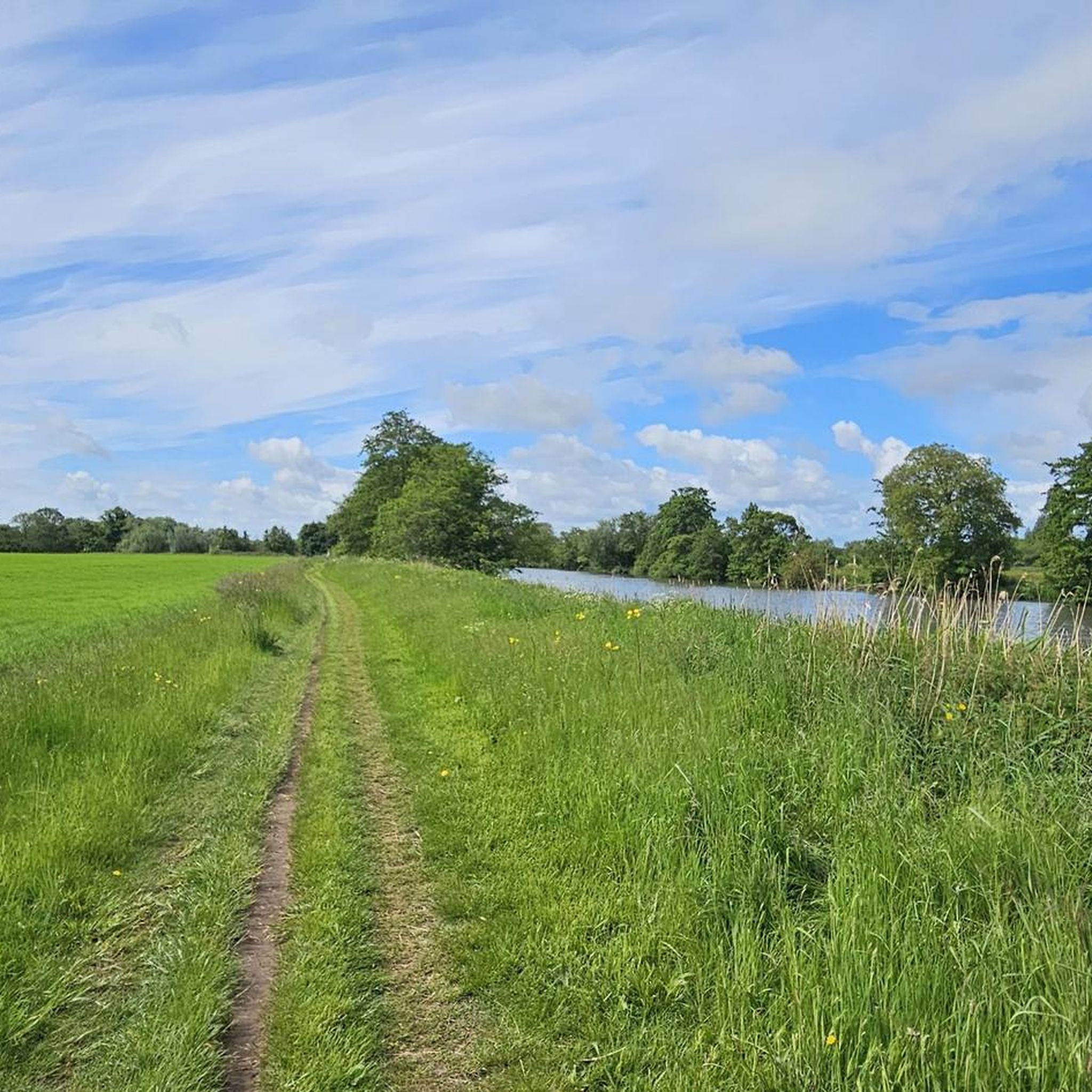
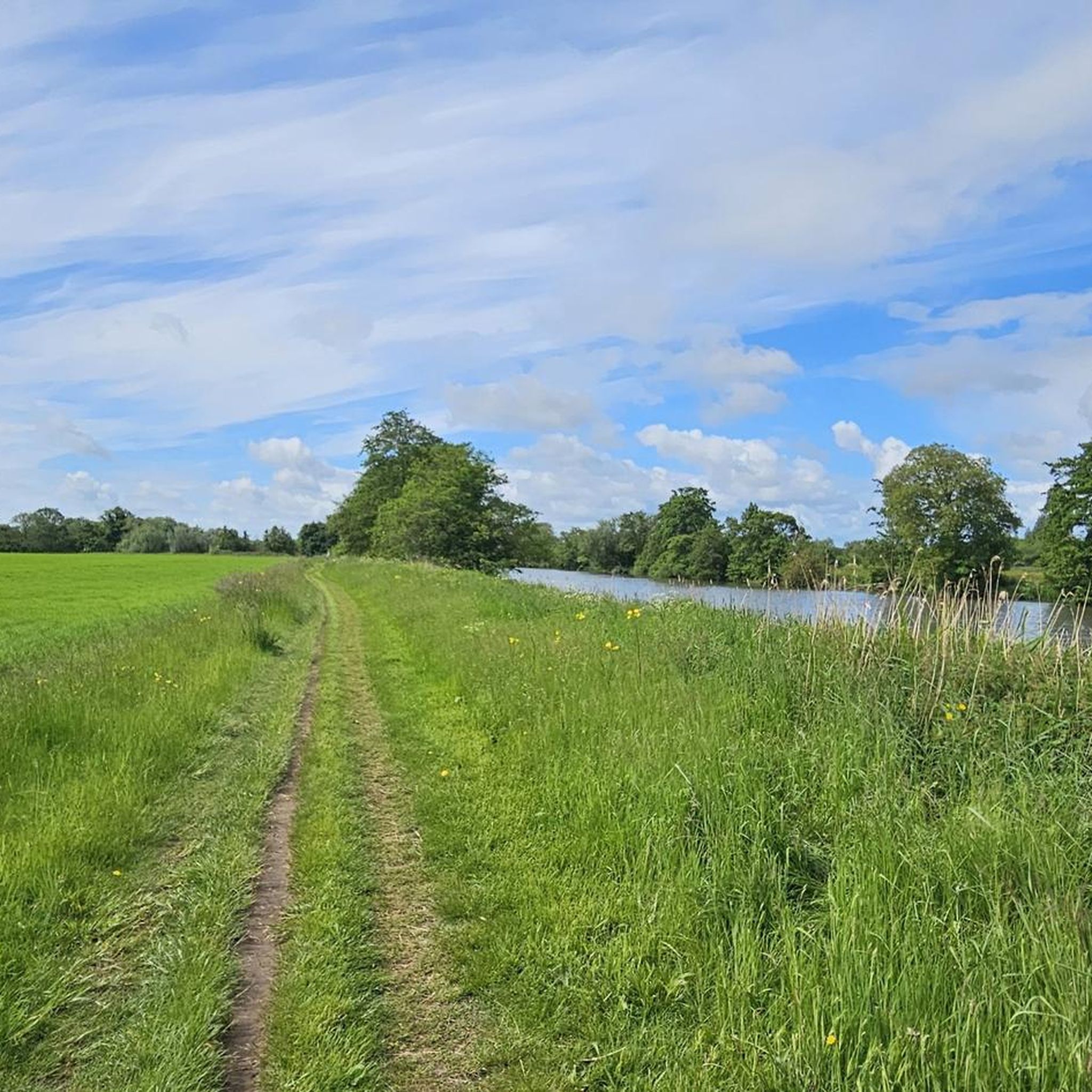
Scutchamer Knob is an ancient Iron Age burial mound and historic landmark on the Ridgeway. Along my King Alfred’s Way bikepacking route, it was a memorable spot to pause before the final stretch to Reading. 📜 Once a Saxon meeting place, this hilltop offers panoramic views of the surrounding Berkshire downs—a perfect blend of history and landscape. 🚴♂️ A short climb rewards you with quiet reflection and wide-open skies.
0
0


A memorial obelisk to Robert Loyd-Lindsay, Lord Wantage. Robert Lloyd-Lindsay, 1st Baron Wantage, was a soldier, politician and philanthropist. He co-founded the British National Society for Aid to the Sick and Wounded in War, which later became the British Red Cross. He died in 1901. Lady Wantage erected a monument to Lord Wantage in 1903. The monument stands on a Bronze Age round barrow adjacent to the Ridgeway at Betterton Down near Lockinge, Oxfordshire. https://historicengland.org.uk/images-books/photos/item/BAR03/01/428
0
0

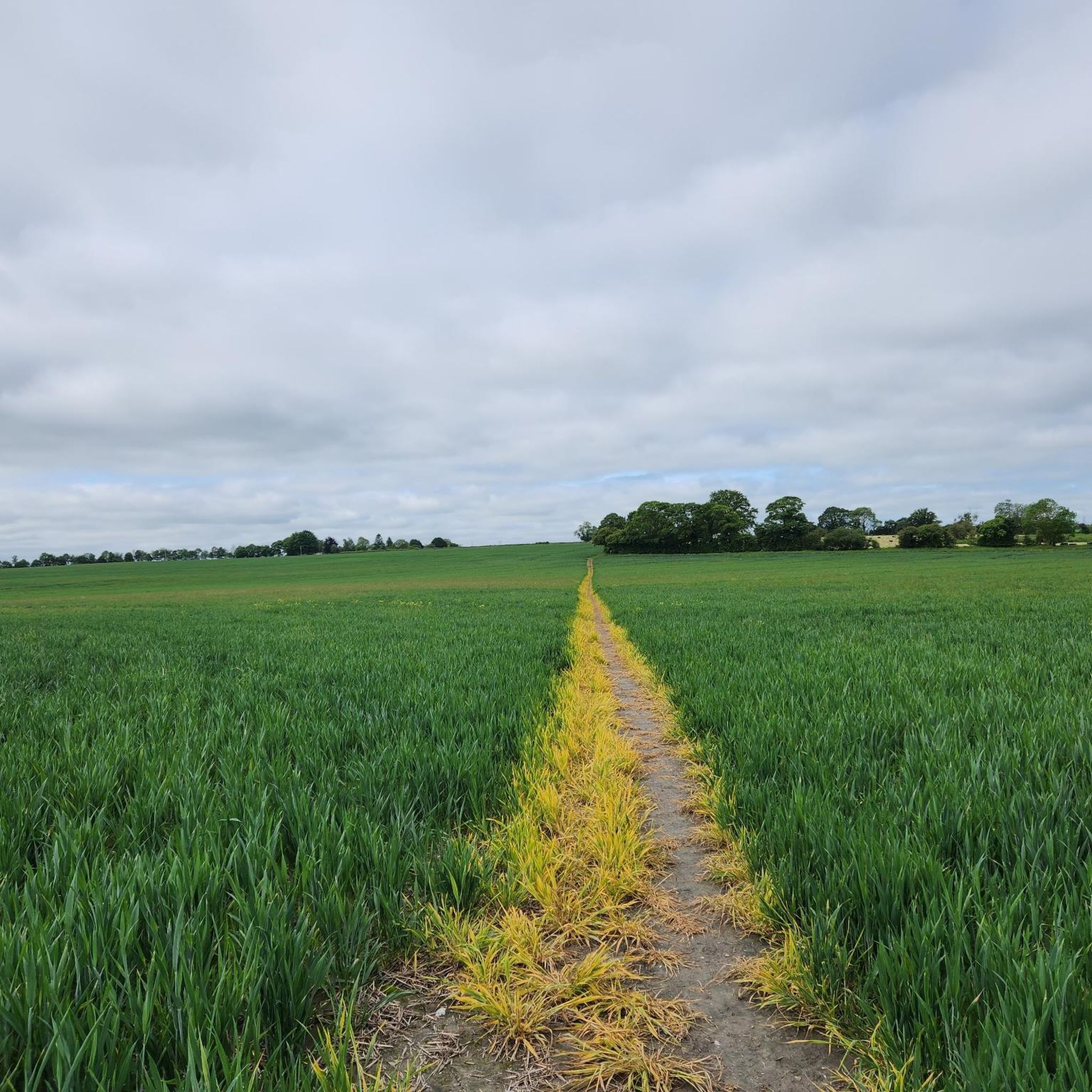
Great northern place to park up and start the King Alfred's Way
2
0

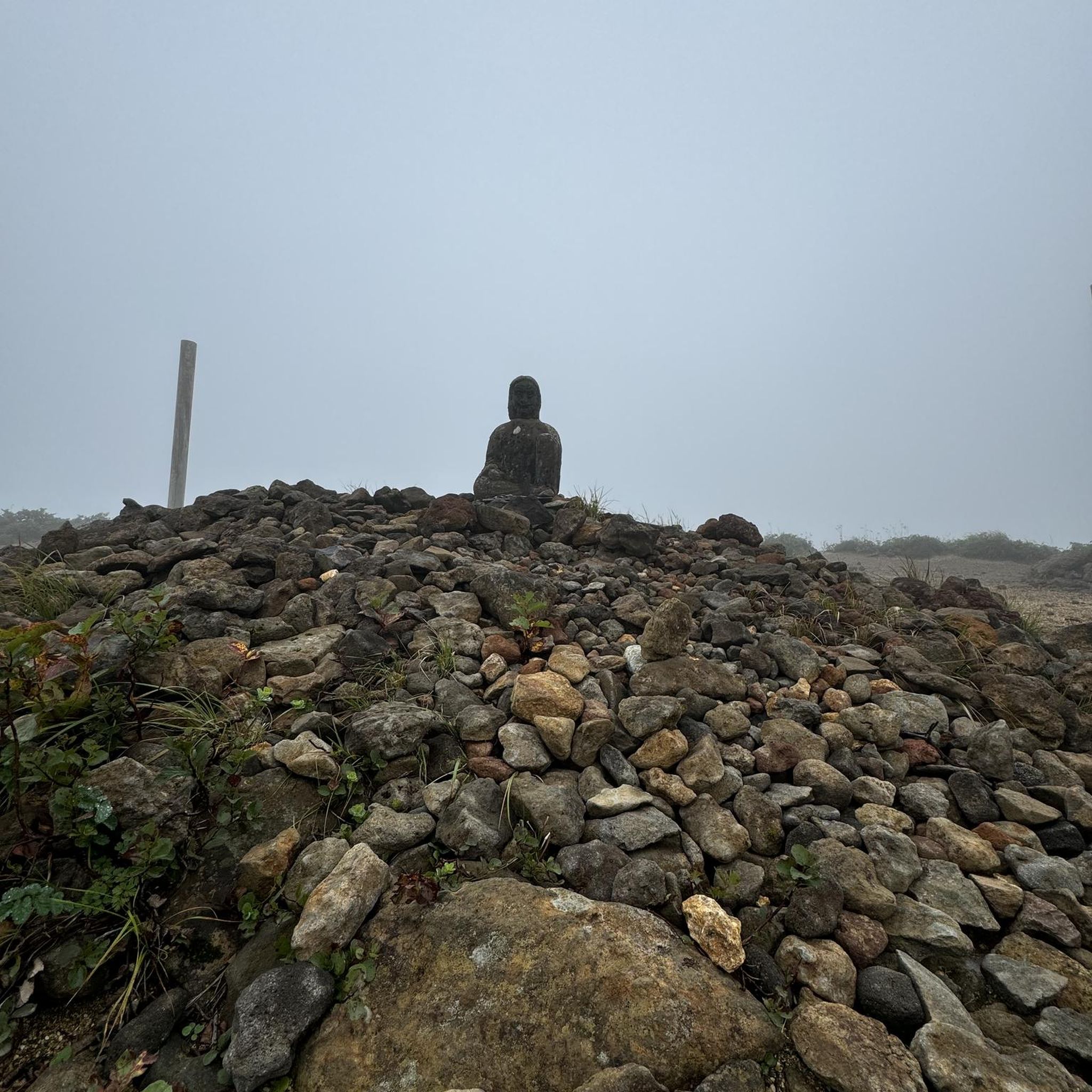
Dating back to the Iron Age, this Anglo-Saxon knob would once have been much larger and considerably more prominent. This is an ancient burial chamber but could also have been an important assembly place for troops or a marketplace. It also goes by the name of Beacon Hill and Scotsman's Knob.
2
1

Jarn's Mound and Wild Garden was constructed by British archaeologist Sir Arthur Evans (1851-1941) who is best known for his excavation and reconstruction of the Bronze Age palace of Knossos on Crete. He lived on Boars Hill from 1894 until his death and was passionate about protecting the area and maintaining its beauty for others to enjoy. He constructed an artificial mound which is 15 metres high to bring out the magnificent views over to the city of Oxford in one direction, and the Vale of the White Horse in the other.
4
0


The Blowingstone is a perforated rock in a humble garden at the foot of Blowingstone Hill, part of the Wessex Down escarpment that hosts the Ridgeway National Trail. If you blow through one of the stone's many holes in the right way, it makes a loud booming sound. Legend says that it's how King Alfred The Great summoned his troops from atop the White Horse Hill for the Battle of Ashdown.
3
0
Frequently Asked Questions
What unique natural features can I explore around East Hanney?
East Hanney is notable for the Rhododendron in Bagley Woods, a beautiful blossom tree that offers a scenic stop on walks or rides. The wider region is also home to the globally rare Letcombe Brook, a chalk stream habitat teeming with diverse wildlife like wild brown trout, bullhead, kingfishers, and even otters and water voles. Its clear, oxygenated water and surrounding wildflower meadows create a unique ecosystem.
Are there historical natural monuments to visit near East Hanney?
Yes, the area features several historical natural monuments. You can explore Segsbury Camp Iron Age Hill Fort, which boasts extensive and well-preserved ramparts and gateways, believed to have been occupied between the sixth and second centuries BC. Another fascinating site is The Blowingstone, a perforated rock with a legend that King Alfred the Great used it to summon his troops.
What are some family-friendly natural monuments in the East Hanney area?
For families, The Blowingstone offers an interactive experience where you can try to make a loud booming sound by blowing through its holes. The Rhododendron in Bagley Woods also provides a pleasant and accessible natural spot for a family stroll.
What kind of wildlife can I expect to see near East Hanney's natural monuments?
The Letcombe Brook, a significant natural feature in the region, is a haven for wildlife. You might spot wild brown trout, bullhead, and darting kingfishers. Water voles and otters have also returned to the brook. The surrounding wildflower meadows attract various butterflies, insects, and bats like the common pipistrelle and Daubenton's bat in the evenings.
Are there any viewpoints among the natural monuments around East Hanney?
Absolutely. The Lord Wantage Monument, a memorial obelisk high on the Ridgeway, offers stunning views of the vale. Similarly, Jarn's Mound and Wild Garden, an artificial mound created by Sir Arthur Evans, provides magnificent vistas over Oxford and the Vale of the White Horse.
What outdoor activities can I do near these natural monuments?
The area around East Hanney is excellent for outdoor activities. You can find numerous hiking routes, including easy options like the Cowslip Meadow loop or the Bridge Over the Ginge River loop. For more moderate hikes, consider routes like the Culham Old Bridge – Abingdon Bridge loop. There are also several running trails available, such as the Nigel Eady Community Woodland loop.
What is the best time to visit the natural monuments in East Hanney?
The natural monuments and surrounding areas are beautiful year-round. Spring is particularly vibrant with cowslips blooming in the wildflower meadows along Letcombe Brook. Summer brings a burst of other wildflowers like yellow rattle and meadow crane's-bill. The consistent temperature of the chalk stream (around 11°C year-round) makes it pleasant for exploration in most seasons.
Are there accessible natural monuments or trails in the East Hanney area?
The Letcombe Brook Discovery Trail, which highlights the natural and historic features of the brook, is designed with accessibility in mind. It's a 2.5-mile route starting from East Hanney Memorial Hall, featuring surfaced paths and rural footpaths. While generally flat, it does include stiles and kissing gates, so some sections may require careful navigation.
What kind of historical context can I find along the natural monuments?
Beyond the ancient sites like Segsbury Camp Iron Age Hill Fort, the region's natural features often have historical ties. The Letcombe Brook, for instance, has several mills along its course, some recorded as early as the Domesday Book. Dandridge's Mill, a former silk mill from 1820, is a surviving example. The Lord Wantage Monument itself commemorates a distinguished soldier and philanthropist.
What do visitors enjoy most about the natural monuments around East Hanney?
Visitors appreciate the diverse landscape, from the unique chalk stream habitat of Letcombe Brook to the historical significance of sites like Segsbury Camp Iron Age Hill Fort. The tranquil nature experience, opportunities for wildlife spotting, and the stunning views from places like Lord Wantage Monument are frequently highlighted. The area's well-maintained paths are also highly regarded by hikers.
Are there educational opportunities related to the natural monuments?
Yes, the Letcombe Brook Project, a charity dedicated to the brook's preservation, offers guided walks, talks, and conservation tasks. They also provide educational opportunities for local schools, allowing visitors to learn more about this globally rare chalk stream habitat and its unique ecosystem.
Most popular attractions around East Hanney

Get inspired with the komoot mobile app


Explore more
Extend your search for the best caves by checking out these guides of the top ones around East Hanney:
