Top 5 Natural Monuments around Kingsdon
Natural monuments around Kingsdon, a village in Somerset, England, encompass diverse landscapes and geological formations. The area features woodlands, valleys, and significant natural sites. These locations provide opportunities to explore varied habitats and appreciate panoramic views across the countryside. The region is characterized by its natural beauty and historical significance.
Best natural monuments around Kingsdon
- The most popular natural monuments is Ham Hill Country Park, a forest that is a geological Site of Special Scientific Interest. It is also…
Last updated: June 29, 2026
Ham Hill War Memorial and Stone Circle
Highlight • Monument
Second World War (1939-1945), First World War (1914-1918), Northern Ireland Conflict; The Troubles (1969-1998)
Maker
Ham Hill and Doulting Stone Company (Makers)
Mr W. Bussell of Montacute (Designer)
Ceremony …
Tip by

Ham Hill Country Park
Highlight • Forest
Tip by

Sign up now to discover places like this
Get recommendations on the best single tracks, peaks, & plenty of other exciting outdoor places.
Sign up for free
The Hundred Stone
Highlight • Monument
Tip by

Dundon Beacon Nature Reserve
Highlight • Natural Monument
Tip by

Walton Hill
Highlight • Viewpoint
Tip by

Sign up for free to discover even more natural monuments around Kingsdon.
Sign up for free
Already have an account?
Start today with a free account
Your next adventure awaits.
Login or Signup
Tips from the Community

However, such war memorials, which one encounters so frequently along the way, regardless of nationality, language, or name, are always a testimony – still significant and relevant today – to the horrors of war and tyranny. They therefore all have two essential functions, and this continues anew for each generation: -1- To commemorate and remember the victims -2- To remind people of the need to maintain peace
2
0

Dundon Hill or Dundon Beacon is a Iron Age hill fort and nature haven. Managed by the Somerset Wildlife Trust this small area of higher land is ringed by ancient oak woodland and capped with a meadow. The views from the southern end of the plateau are far reaching across the levels where you get a gap in the trees.
0
0

Fascinating Ham Hill is well worth a visit, being at once a geological Site of Special Scientific Interest, a Scheduled Ancient Monument, an Iron Age hill fort, a Roman site, a Local Nature Reserve and a country park.
0
0

Commemoration Second World War (1939-1945), First World War (1914-1918), Northern Ireland Conflict; The Troubles (1969-1998) Maker Ham Hill and Doulting Stone Company (Makers) Mr W. Bussell of Montacute (Designer) Ceremony Unknown Date: 19 July 1923 Attended by: HRH Prince of Wales KG laid a bronze laurel wreath at the foot of the memorial (to whose column it was later fixed). Unveiled Date: 26 September 1920 Attended by: Reverend E. Skilton Dedicated Date: 26 September 1920 Attended by: Reverend E. Skilton performed the service. Those present included relatives of the Fallen, and villagers
3
0
There is a single pub called the “The Prince Of Wales” at Hamhill, which sells, ice cream, ales, ciders, and food… With out door seating, overlooking the rolling Slopes.
2
0

A Site of Special Scientific Interest and owned by the National Trust, Walton Hill was quarried in the middle ages and is now a thriving habitat for butterflies and other plants and wildlife. The hill rises above the relatively flat landscape with a summit at 269 feet (82 m) that offers excellent views. At the western end stands an old windmill, now a private residence.
0
0

The Hundred Stone’s unassuming appearance belies its historical significance. During Anglo Saxon times, this stone, along with others nearby, marked various ‘hundreds’; local communities with independent courts and law. There is a good chance the stone was erected even before the arrival of the Saxons, though.
3
0
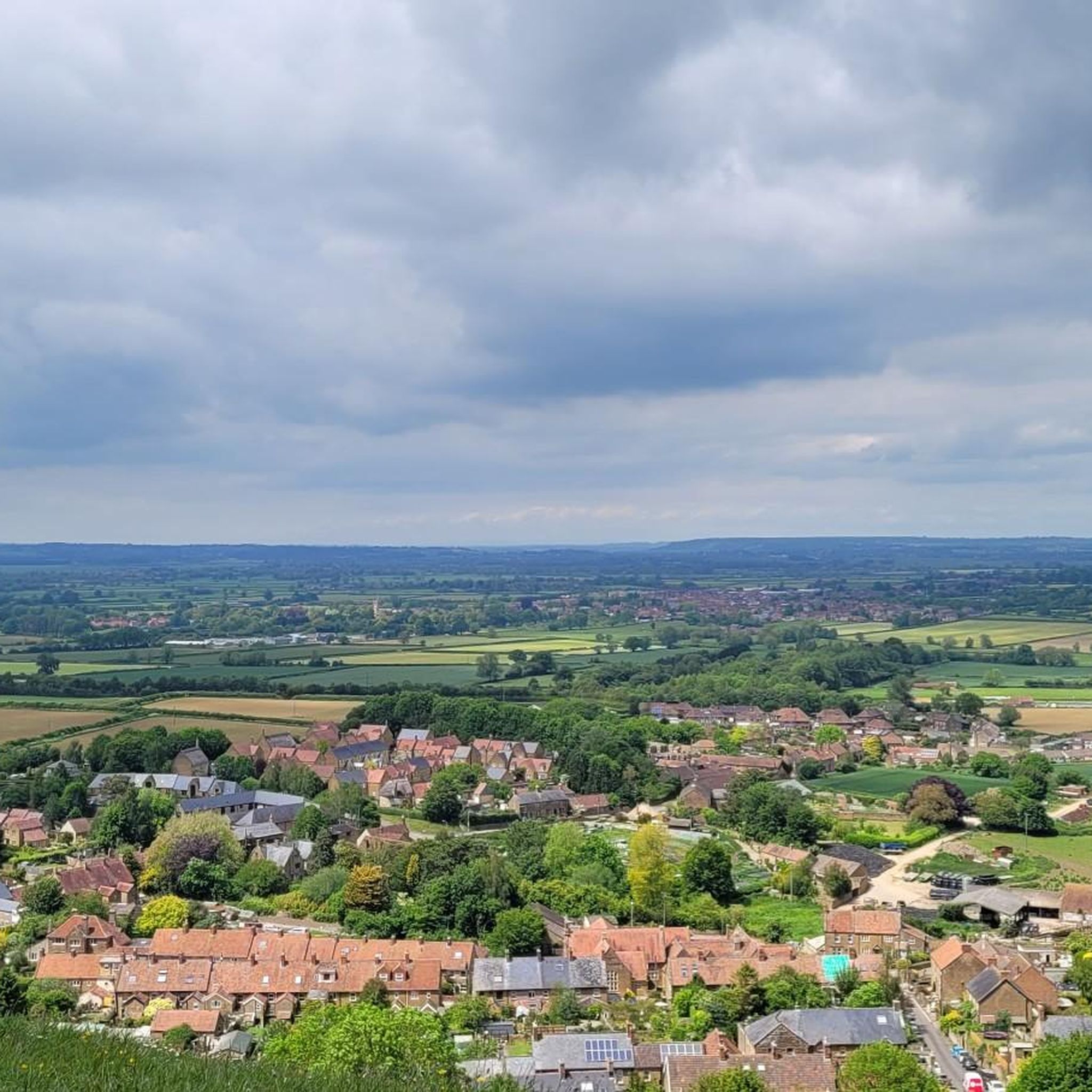
Ham Hill affords wonderful views over Stoke-sub-Hamdon nestled in the countryside. The hill was quarried for local Ham Stone for many centuries and the 15-strong stone circle you find there was built by the Millennium Project to commemorate this. There is also a war memorial on the summit.
2
1
Frequently Asked Questions
What types of natural features can I explore around Kingsdon?
The area around Kingsdon offers a rich variety of natural features. You can explore ancient woodlands, diverse nature reserves, and significant geological sites. Highlights include the distinctive golden Hamstone at Ham Hill Country Park, the varied habitats of Dundon Beacon Nature Reserve, and the expansive views from Walton Hill. Further afield, the dramatic gorges and caves of the Mendip Hills, and the unique wetland landscape of the Somerset Levels, provide even more to discover.
Are there any historical or archaeological sites within the natural monuments near Kingsdon?
Yes, several natural monuments around Kingsdon also hold significant historical and archaeological value. Ham Hill Country Park is not only a geological Site of Special Scientific Interest but also a Scheduled Ancient Monument, an Iron Age hill fort, and a Roman site. Dundon Beacon Nature Reserve also features an Iron Age hill fort and a Bronze Age round barrow. Additionally, The Hundred Stone marks an ancient Anglo-Saxon meeting place.
What are the best places for panoramic views near Kingsdon?
For breathtaking panoramic views, several natural monuments stand out. The summit of Dundon Beacon Nature Reserve offers far-reaching vistas across the Somerset Levels. Ham Hill Country Park provides expansive views of the South Somerset Moors, Exmoor, and the Mendip Hills. Walton Hill, a Site of Special Scientific Interest, also offers excellent views from its summit.
Are there family-friendly natural monuments around Kingsdon?
Yes, Ham Hill Country Park is particularly well-suited for families, offering varied terrain for walks and plenty of space to explore. The park's historical significance as an Iron Age hill fort can also be an engaging learning experience for children. Many of the woodland areas, like Kingsdon Woods, also provide gentle paths suitable for family outings.
What outdoor activities can I do near these natural monuments?
The natural monuments around Kingsdon are excellent starting points for various outdoor activities. You can enjoy easy hikes, such as the 'Lytes Cary Manor loop' from Kingsdon, or explore more challenging trails. Running enthusiasts will find several routes, including a 'Running loop from RNAS Yeovilton (HMS Heron)'. For cyclists, there are gravel biking options like the 'View of Glastonbury Tor – View of the Mendip Hills loop'. You can find more details and routes on the easy hikes around Kingsdon guide, running trails around Kingsdon guide, and gravel biking around Kingsdon guide.
Where can I go for wildlife spotting near Kingsdon?
The region is rich in wildlife. Walton Hill is a thriving habitat for butterflies and other plants. Great Breach Wood, part of the Somerset Wildlife Trust reserves, is home to a remarkable array of species, including numerous nationally scarce invertebrates and over 600 species of fungi. The vast Somerset Levels are internationally important for birdwatching, especially for wintering waders and waterfowl.
Are there dog-friendly walking options around Kingsdon's natural monuments?
Many of the natural areas and country parks around Kingsdon are dog-friendly, provided dogs are kept under control, especially near livestock or wildlife. Ham Hill Country Park is a popular choice for dog walkers, offering extensive trails and open spaces. Always check local signage for specific rules and restrictions, particularly in nature reserves.
What is the best time of year to visit the natural monuments near Kingsdon?
The best time to visit largely depends on your interests. Spring and summer offer lush greenery, wildflowers, and active wildlife, making them ideal for walking and nature observation. Autumn brings beautiful foliage to woodlands like Kingsdon Woods and Great Breach Wood. Winter can be excellent for birdwatching on the Somerset Levels, though some paths might be muddy. Always check weather conditions before your visit.
Are there any easy walking trails suitable for all abilities near Kingsdon's natural monuments?
Yes, there are several easy walking options. Kingsdon Woods and the adjacent Cary Valley offer picturesque settings for leisurely strolls. Many of the trails within Ham Hill Country Park are accessible and suitable for various fitness levels. For specific easy hikes, you can explore routes like the 'Lytes Cary Manor loop from Kingsdon' found in the easy hikes around Kingsdon guide.
What do visitors enjoy most about the natural monuments around Kingsdon?
Visitors frequently appreciate the diverse landscapes, from ancient woodlands to expansive views. The historical significance of sites like Ham Hill Country Park and Dundon Beacon Nature Reserve adds another layer of interest. The opportunity for peaceful walks, wildlife spotting, and enjoying the tranquility of nature are commonly highlighted by those exploring the area.
Can I find cafes or pubs near the natural monuments for refreshments?
Yes, for instance, near Ham Hill War Memorial and Stone Circle, there is a pub called 'The Prince Of Wales' at Ham Hill, which offers food, drinks, and outdoor seating. While specific cafes might not be directly adjacent to every natural monument, many villages and towns in the vicinity of Kingsdon will offer options for refreshments.
What makes the Somerset Levels a unique natural area near Kingsdon?
The Somerset Levels represent a unique and vast natural landscape characterized by wide open vistas, willows, and an intricate network of waterways. It's an area of outstanding importance for its biodiversity, particularly for wintering waders and waterfowl, as well as breeding wetland birds. The species-rich wet grasslands and traditional hay meadows contribute to its distinctive ecological value, offering opportunities for relaxed strolls and exceptional birdwatching.
Are there any dramatic geological formations accessible from Kingsdon?
While Kingsdon itself is nestled in a gentler landscape, the Mendip Hills, an Area of Outstanding Natural Beauty, are accessible and offer dramatic geological features. Here you can find Cheddar Gorge, England's largest gorge, with its weathered crags and pinnacles. Other notable formations include Ebbor Gorge and Burrington Combe, along with numerous caves and swallet holes formed by water dissolving the limestone.
Most popular attractions around Kingsdon

Get inspired with the komoot mobile app


Explore more
Extend your search for the best caves by checking out these guides of the top ones around Kingsdon:
