Top 5 Natural Monuments around Little Packington CP
Natural monuments around Little Packington CP are characterized by a rural landscape with notable natural and semi-natural attractions. The area features the River Blyth, which provides habitat for local wildlife, and the Marsh Lane Nature Reserve, a 6-hectare wetland. Packington Park, adjacent to the hamlet, includes designed lakes and woodlands that offer diverse habitats. These elements contribute to the area's ecological value and provide opportunities for outdoor exploration.
Best natural monuments around Little Packington CP
- The most popular natural monument…
Last updated: October 16, 2026
Tame Valley Wetlands Community Wetland
Highlight • Natural Monument
It was led …
Tip by

Berkswell Well
Highlight • Natural
Tip by
Sign up now to discover places like this
Get recommendations on the best single tracks, peaks, & plenty of other exciting outdoor places.
Corley Rocks
Highlight • Climb
Tip by

Knowle Park
Highlight (Segment) • Natural Monument
Tip by
The King's Oak
Highlight • Historical Site
Tip by
Start today with a free account
Your next adventure awaits.

Tips from the Community


Here stands an unexpected outcrop in the shape of a wall made up of Coventry Sandstone, also known as Corley Rocks. It's a magnificent place to stop and admire some rock formations that are thought to have been there since the boundary of the Carboniferous and Permian periods.
1
0

"THE KING'S OAK" this tree has grown from an acorn from Widsor Forest, planted by the Rev. T.W Downing, Vicar of Knowle, on the day of King George's Coronation June 22nd 1911.
0
0
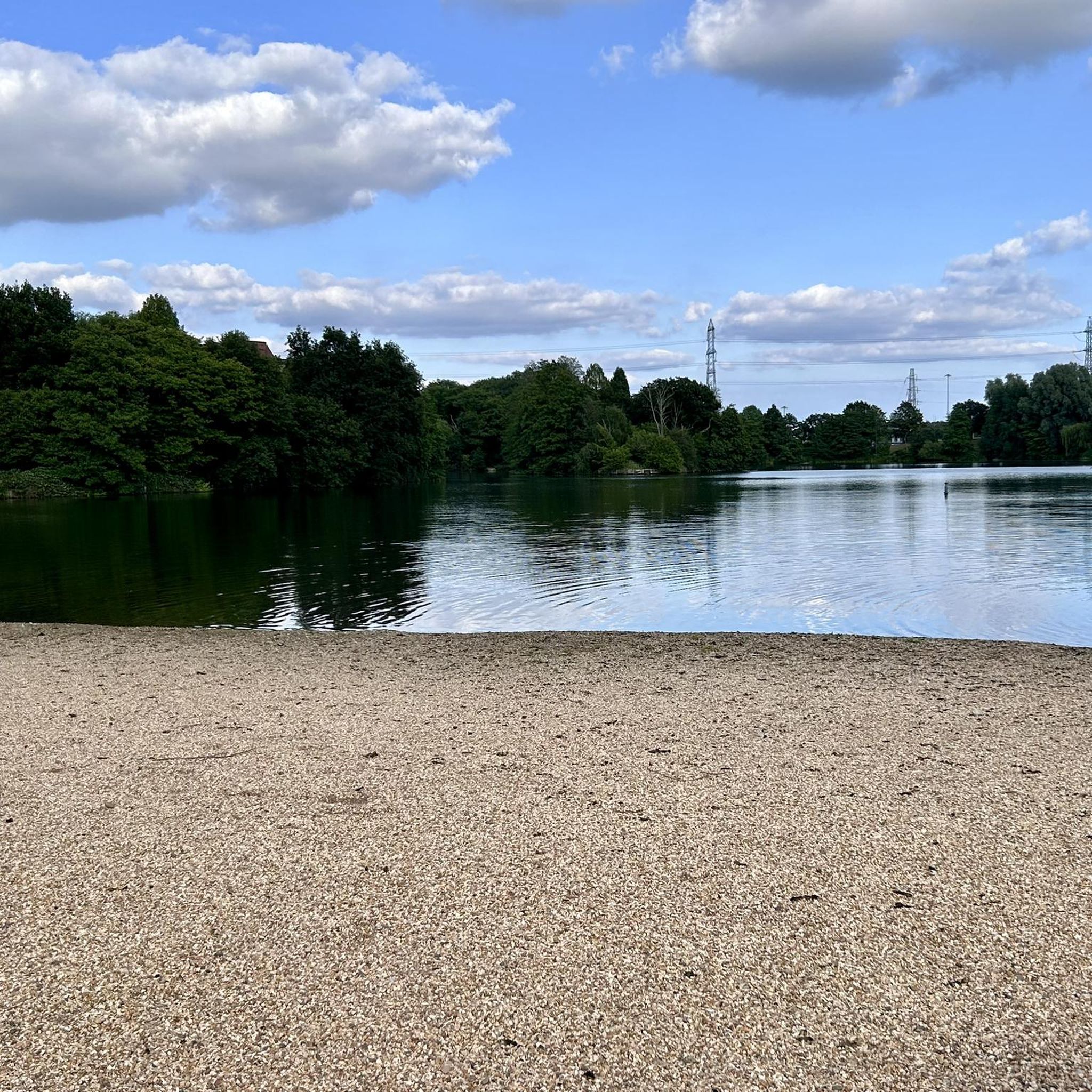
Set in the heart of the historic Knowle Village, the park proudly sits on the previous grounds of Longdon Hall. Popular throughout the year with families, a particular highlight is the Knowle Park annual music event, attracting picnicking people from the village and far further afield.
0
0
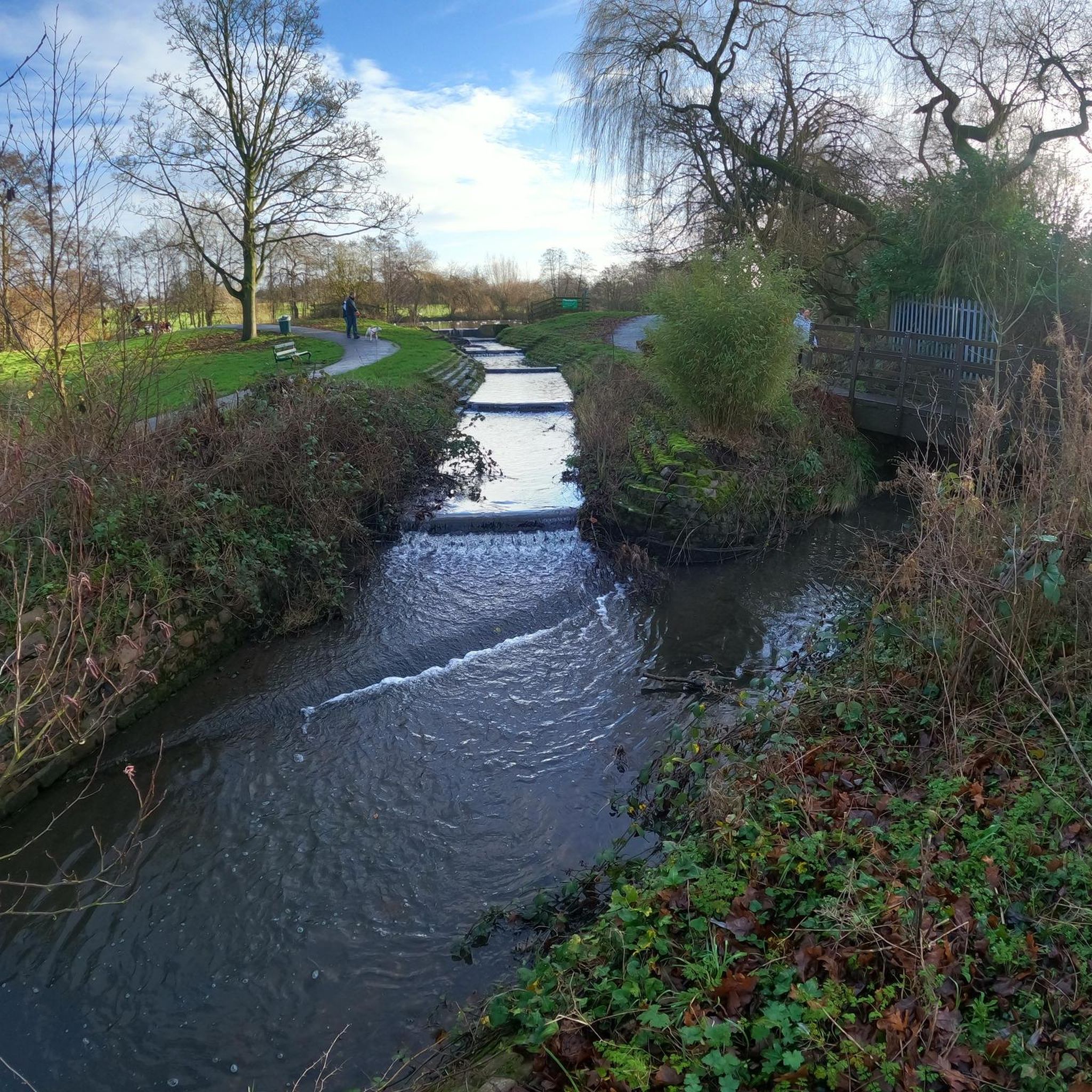
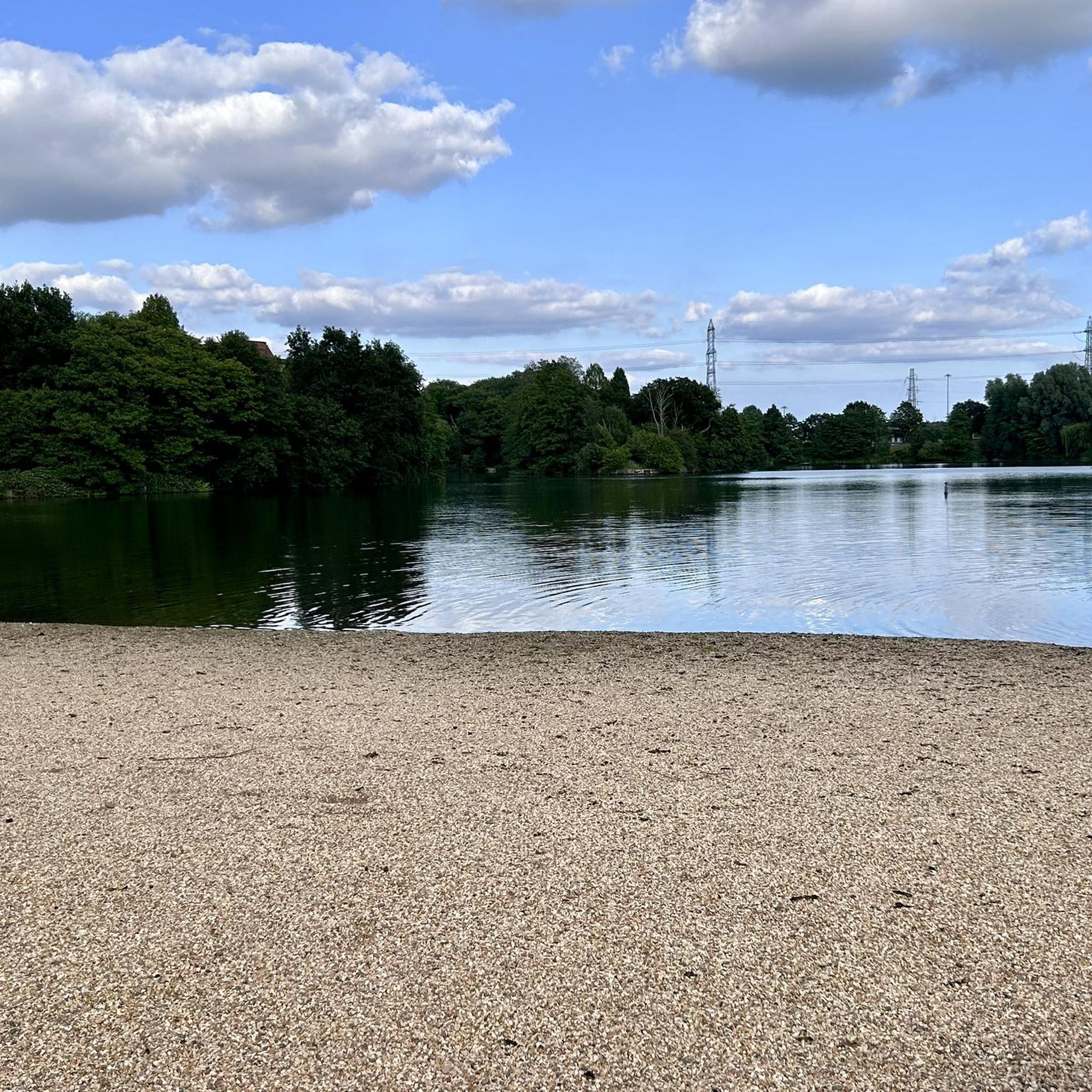
Along with the viewing and pond dipping platforms and willow sculptures, new benches and interpretation panels have been installed. A sand martin bank has also been constructed in order to provide a vital safe nesting site for this species of bird, and can be viewed safely from the viewing platform. This project is part of the Tame Valley Wetlands – a landscape partnership scheme supported by the National Lottery through the Heritage Lottery Fund, aiming to create a wetland landscape, rich in wildlife and accessible to all. The Tame Valley Wetlands Landscape Partnership is led by Warwickshire Wildlife Trust in partnership with a wide variety of organisations including charities, local groups, statutory bodies and councils.
1
0
The Community Wetland project itself cost £110,000 and was funded through Biffa Award, the Heritage Lottery Fund, The Howard Victor Skan Charitable Trust and the Environment Agency. It was led by Warwickshire Wildlife Trust and Warwickshire County Council, working together in partnership as part of a series of landscape improvement projects being delivered through the Heritage Lottery Funded Tame Valley Wetlands Landscape Partnership Scheme. The 6 hectare wetland has been transformed from disused waterlogged football pitches and restored to its original function as the floodplain of the River Tame. It now consists of new water channels, scrapes, ditches and reedbed, helping to restore floodplain connectivity.
1
0

They look as if they have been used for short climbing... Just lift Corley...
0
0
The name "Berkswell" has long been attributed to the presence of the well - "In Domesday book it is written Berchewelle, having first had that denomination (as I guess) from the large Spring which boileth up on the South side of the Churchyard" wrote the Warwickshire historian Sir William Dugdale in the mid 18th century. The English place names society suggested that the name Berkswell means Well or Spring of Bercul, a personal name that is found in Mercia ( wherein "Berkswell" lay) in the eighth century. Christianity had been brought to this area by travelling monks from Lichfield. A local leader, Bercul, is said to have been baptised in the well. The well was the source of water for many villagers, including the school, right up until the mid twentieth century. In the nineteenth century a pipe was laid from the Well to Berkswell Hall where a hydraulic water ram lifted it for use in the Hall up until the eve of the second world war. The well was refurbished in to its present form in 1851.
0
0
Frequently Asked Questions
What types of natural monuments can I explore around Little Packington CP?
Around Little Packington CP, you can explore a diverse range of natural and semi-natural attractions. These include significant wetlands like the Tame Valley Wetlands Community Wetland, historical sites such as Berkswell Well, and unique geological formations like Corley Rocks. The area also features designed landscapes with natural elements, rivers, and ancient woodlands.
Are there any family-friendly natural monuments in the area?
Yes, several natural monuments around Little Packington CP are suitable for families. Knowle Park, with its lake and forest, is a popular spot for families. The Tame Valley Wetlands Community Wetland also offers viewing platforms and interpretation panels, making it an engaging place for all ages to learn about wetland ecosystems and spot wildlife.
What historical natural sites can I visit near Little Packington CP?
For those interested in history, Berkswell Well is a significant historical natural site. It served as a primary water source for villagers until the mid-20th century and was refurbished in 1851. Another notable historical natural monument is The King's Oak, a tree with a unique story planted for a royal coronation.
Where can I go for a walk or hike near these natural monuments?
The rural countryside around Little Packington CP offers many opportunities for walking and hiking. You can find various routes, including easy and moderate options, that allow you to explore the natural beauty. For detailed hiking trails, refer to the Hiking around Little Packington CP guide, which includes routes like 'The Bull's Head – Barston Lake loop from Hampton-in-Arden'.
Are there opportunities for cycling near the natural monuments?
Yes, the area provides several cycling routes. Whether you prefer easy rides or more challenging ones, you can find options to explore the landscape by bike. Check the Cycling around Little Packington CP guide for routes such as the 'Hampton-in-Arden Village – Knowle Locks loop'.
What kind of wildlife can I expect to see?
The wetlands, rivers, and woodlands around Little Packington CP are rich in wildlife. At the Tame Valley Wetlands Community Wetland and Marsh Lane Nature Reserve, you can observe various bird species, especially wetland birds. The River Blyth also supports local wildlife, and Packington Park is home to a herd of fallow deer, offering opportunities for wildlife spotting.
What is the best time of year to visit the natural monuments?
The natural monuments around Little Packington CP can be enjoyed throughout the year. Spring and summer offer lush greenery and active wildlife, ideal for walks and outdoor activities. Autumn brings beautiful foliage, while winter provides a peaceful, serene landscape. The best time depends on your preferred activities and weather conditions.
Are there any natural features designed by famous landscape architects?
While not purely natural, Packington Park, adjacent to Little Packington, features significant natural elements within its designed landscape. The park's large bodies of water, including the Great Pool and Hall Pool, and surrounding woodlands were designed by the renowned 18th-century landscape architect Lancelot 'Capability' Brown, offering both aesthetic appeal and diverse habitats.
What are the geological highlights in the region?
A notable geological highlight is Corley Rocks, an unexpected outcrop of Coventry Sandstone. These rock formations are thought to have existed since the boundary of the Carboniferous and Permian periods, offering a glimpse into ancient geological history.
Can I find any hidden gems or less-known natural spots?
Beyond the main highlights, the general rural countryside and woodlands of Little Packington CP offer many peaceful spots for exploration. The tranquil riverside of the River Blyth, with its ancient sandstone footbridge, provides a charming and less-frequented natural setting to enjoy the local flora and fauna.
Are there options for gravel biking near these natural monuments?
Yes, gravel biking is another activity you can enjoy in the vicinity. There are routes available that cater to gravel biking enthusiasts, allowing you to explore the diverse terrain. For specific routes and difficulty levels, consult the Gravel biking around Little Packington CP guide, which includes routes like 'Kenilworth Castle – Kenilworth Greenway loop from Berkswell'.
Most popular routes around Little Packington CP
Most popular attractions around Little Packington CP

Get inspired with the komoot mobile app


Explore more
Extend your search for the best caves by checking out these guides of the top ones around Little Packington CP:
