Top 5 Natural Monuments around Dymchurch
Best natural monuments around Dymchurch include coastal features and unique wetland landscapes. Dymchurch is a village on the Kent coast, known for its sandy beach and proximity to the Romney Marsh. The area offers a mix of coastal environments and low-lying countryside, shaped by natural processes and human interaction. These natural features provide opportunities for walking and observing local wildlife.
Best natural monuments around Dymchurch
- The most popular natural monuments is Folkestone White Horse and North Downs Way, a…
Last updated: June 29, 2026
Folkestone White Horse and North Downs Way
Highlight • Trail
Tip by

View of Peene Quarry
Highlight • Viewpoint
Tip by

Sign up now to discover places like this
Get recommendations on the best single tracks, peaks, & plenty of other exciting outdoor places.
Sign up for free
View of the English Channel from Kent Downs
Highlight • Viewpoint
Tip by

Ham Street Woods Nature Reserve
Highlight (Segment) • Forest
Tip by

View of Kent Downs National Landscape
Highlight • Viewpoint
Translated by Google •
Tip by

Sign up for free to discover even more natural monuments around Dymchurch.
Sign up for free
Already have an account?
Start today with a free account
Your next adventure awaits.
Login or Signup

Tips from the Community

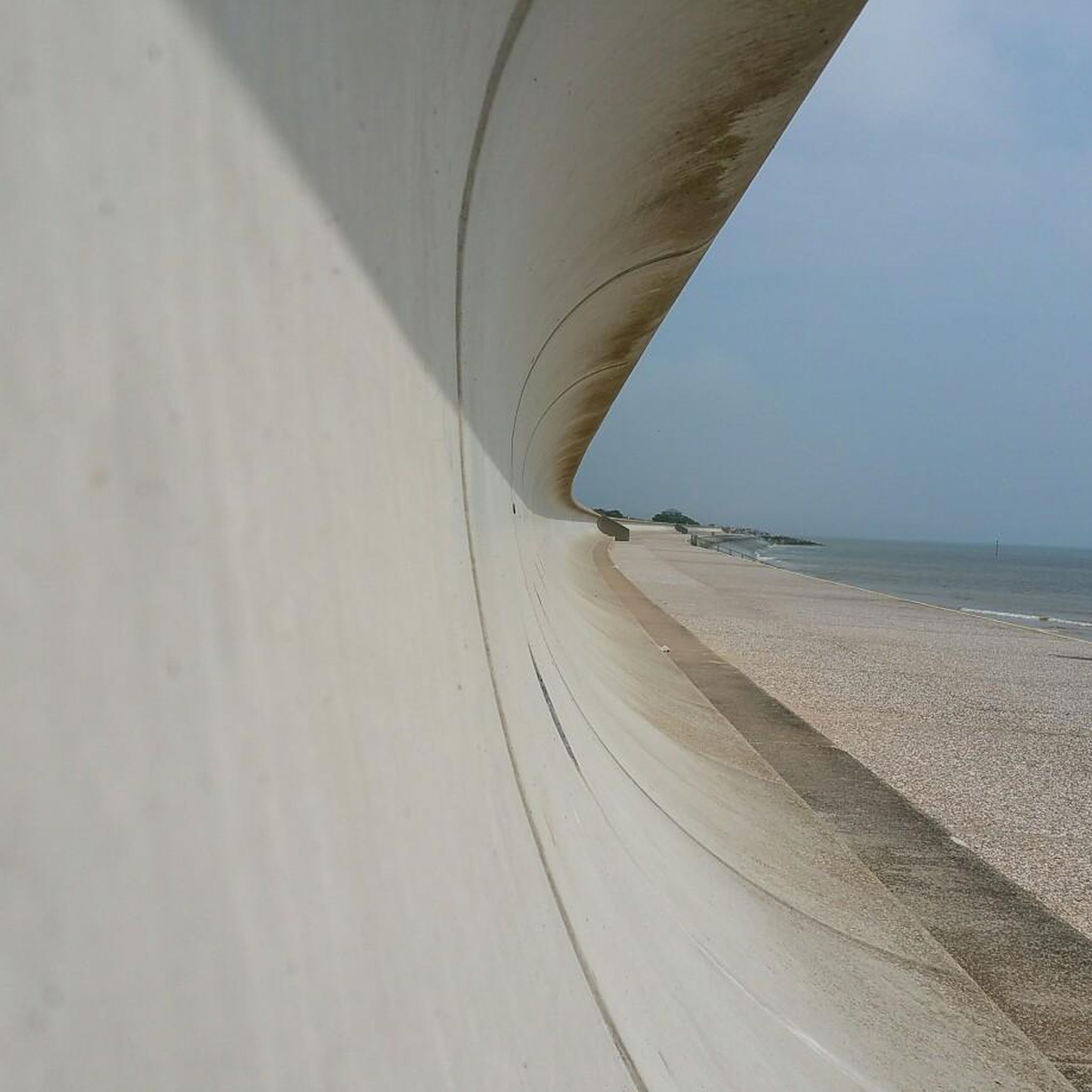
A small parking lot right on the street. A bit of traffic and young people with loud music. Let's see how the first night in the UK goes.
0
0

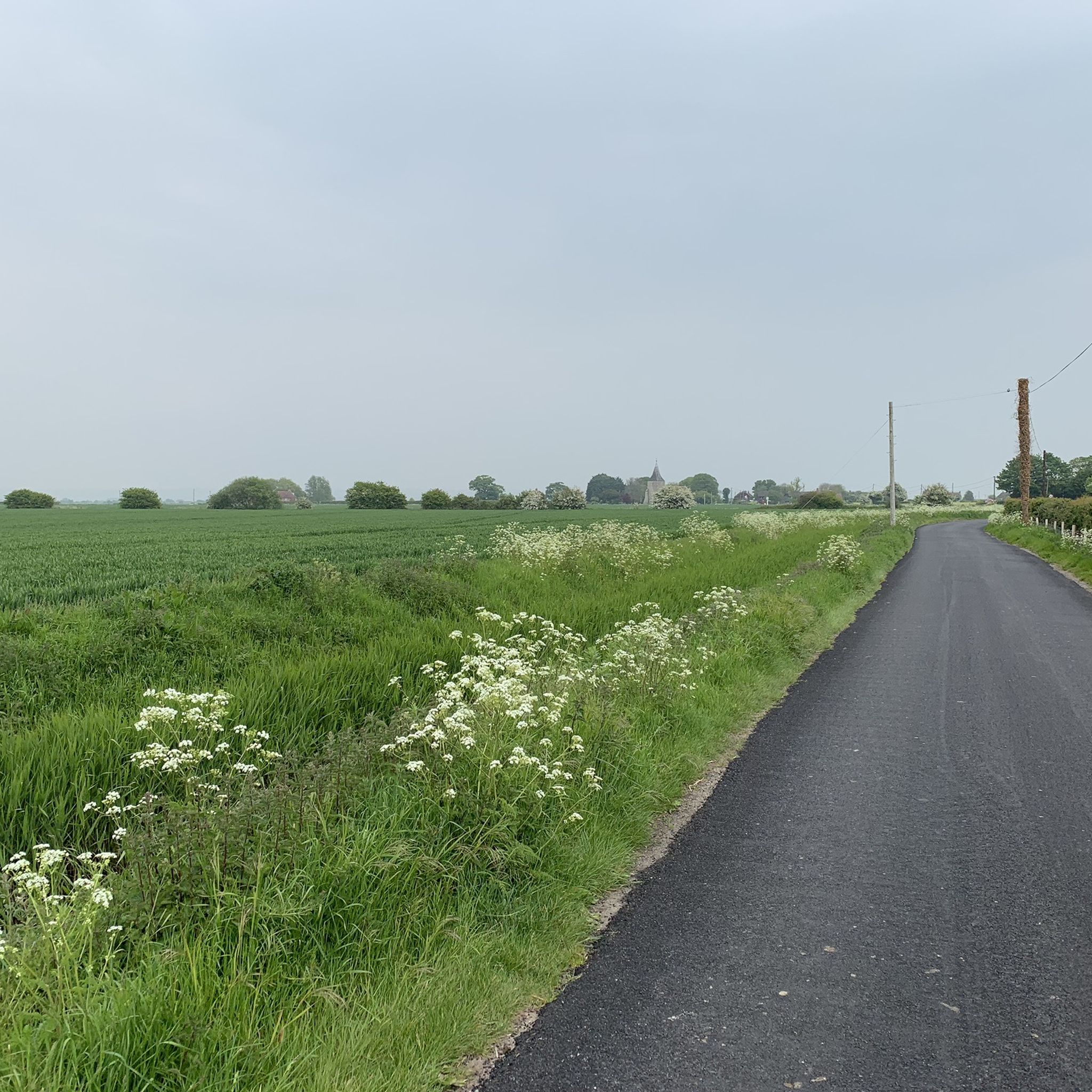
This is a small section of the long-distance footpath, The North Downs Way, that runs through southern England. This particular section brushes the southern edge of the Kent Downs near the coast and is near the town of Folkestone.
1
0

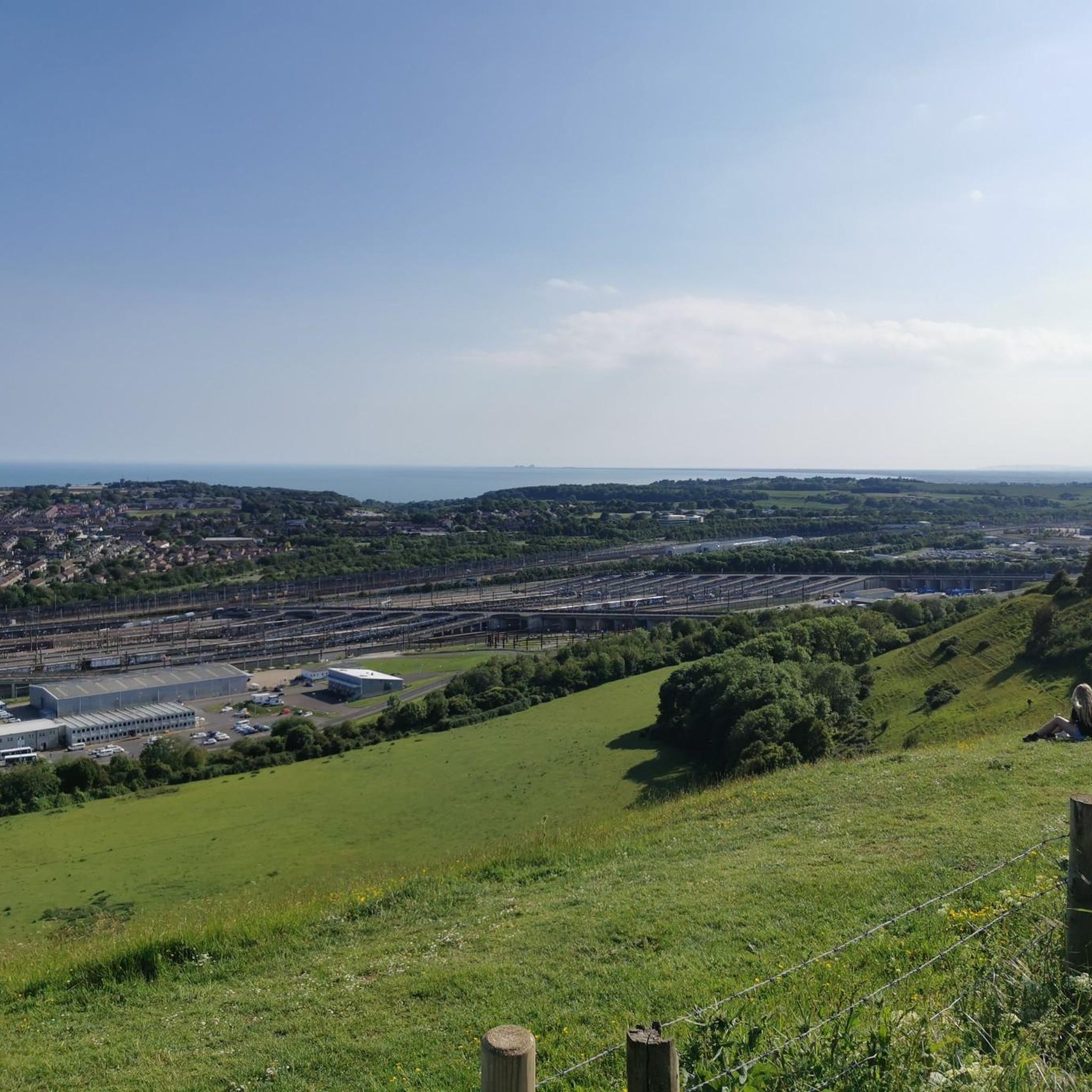
Situated within the Kent Downs Area of Outstanding Natural Beauty and encompassing the Folkestone to Etchinghill Site of Special Scientific Interest, Peene Quarry is distinguished by its expansive chalk grassland crowning steep slopes, offering panoramic views of the southern coastline.
0
0

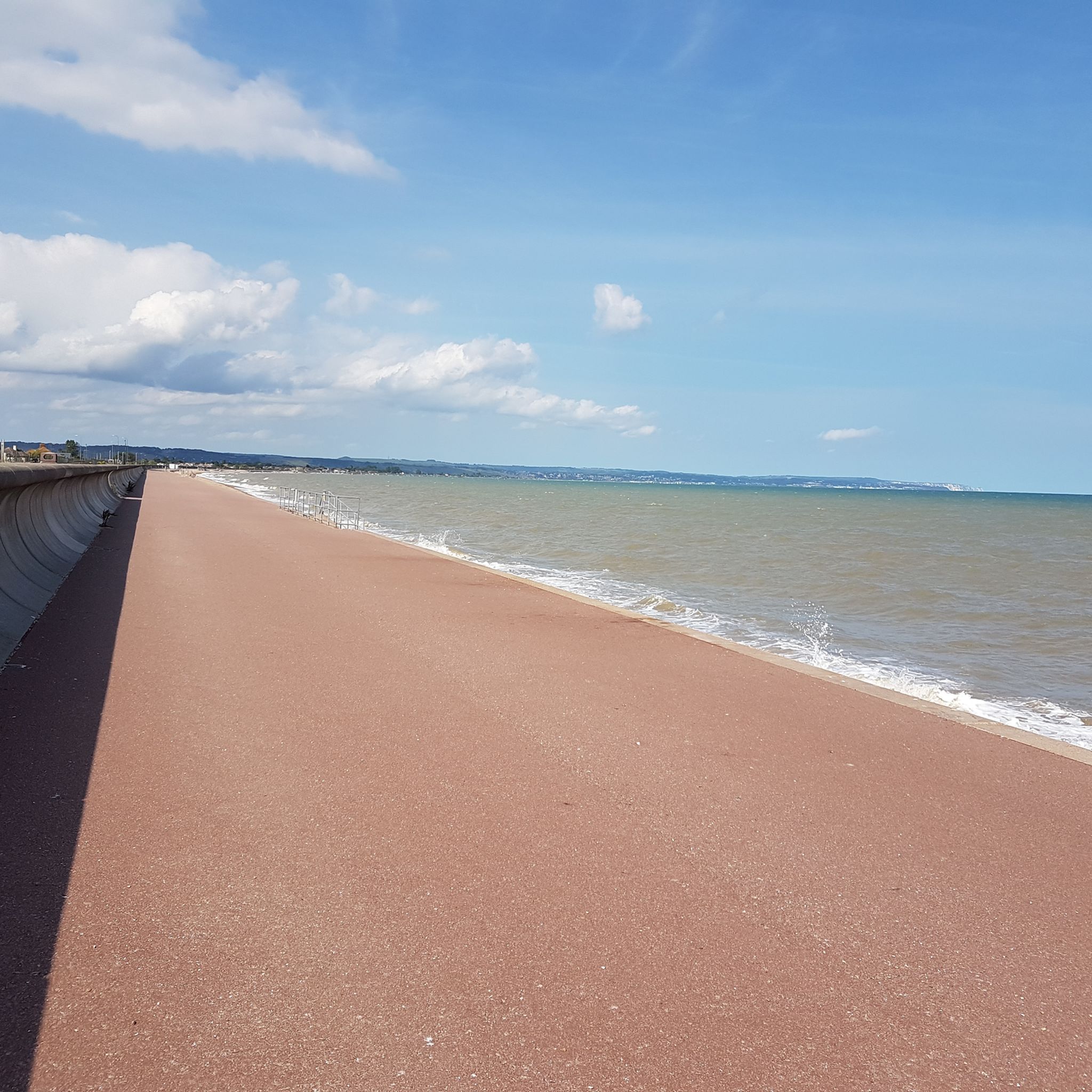
This walk goes alongside part of the 600 acre Howletts & Port Lympne Wildlife Reserve. You can see wild animals, such as zebra, in the distance. Tickets to enter the reserve and see the animals close-up, need to be booked in advance.
2
0


Ham Street Woods are part of Orlestone Forest, a now-fragmented ancient woodland that covered the entire Weald after the last Ice Age. The nature reserve is home to protected species like great crested newts and dormice and supports many species of birds, insects and other wildlife. In spring, the woods erupt into colour with white wood anemones and bluebells. In autumn, you can forage many types of fungi among crispy golden leaves.
2
0
Frequently Asked Questions
What are the most notable natural features to explore around Dymchurch?
Dymchurch is known for its diverse coastal and wetland environments. Key natural features include the expansive sandy Dymchurch Beach, ideal for walks and family activities, and the unique landscape of the Romney Marsh, a vast coastal wetland perfect for nature observation. The Dymchurch Wall, while engineered, also offers elevated paths with extensive views of the English Channel, showcasing the interaction between human efforts and natural coastal processes.
Are there family-friendly natural attractions near Dymchurch?
Yes, several natural attractions are suitable for families. View of the English Channel from Kent Downs and View of Kent Downs National Landscape both offer accessible viewpoints with benches and open spaces. Ham Street Woods Nature Reserve provides an engaging forest environment for children to explore, especially in spring with bluebells or autumn for fungi spotting.
Where can I find scenic viewpoints of the natural areas around Dymchurch?
For panoramic vistas, consider visiting View of Peene Quarry, which offers expansive chalk grassland and views of the southern coastline. The View of the English Channel from Kent Downs provides broad coastal views, and you might even spot wild animals from the nearby Howletts & Port Lympne Wildlife Reserve in the distance. The Dymchurch Wall also offers elevated walking paths with uninterrupted sea views.
What kind of wildlife can I expect to see in the natural monuments around Dymchurch?
The region's diverse habitats support various wildlife. Ham Street Woods Nature Reserve is home to protected species like great crested newts and dormice, along with many bird and insect species. The Romney Marsh is a significant coastal wetland, making it a haven for various birdlife and other marshland creatures. Along the coast, you might observe seabirds and marine life.
Are there hiking trails near the natural monuments in Dymchurch?
Yes, there are several hiking opportunities. A section of the long-distance North Downs Way brushes the southern edge of the Kent Downs near Folkestone. For more local options, you can find various hiking routes around Dymchurch, including coastal walks along Dymchurch Beach and the Dymchurch Wall, and trails through the Romney Marsh. Explore more options on the Hiking around Dymchurch guide.
What is the best time of year to visit the natural monuments around Dymchurch?
The best time largely depends on your interests. Spring (April-May) is excellent for seeing wildflowers, particularly the white wood anemones and bluebells in Ham Street Woods Nature Reserve. Summer (June-August) is ideal for enjoying Dymchurch Beach and coastal walks. Autumn (September-October) offers beautiful colours in the woodlands and opportunities for fungi foraging. The Romney Marsh can be enjoyed year-round for its peaceful atmosphere and wildlife.
Can I go cycling near the natural monuments in Dymchurch?
Absolutely. The flat terrain of the Romney Marsh and the promenade along Dymchurch Beach offer excellent cycling opportunities. You can find various cycling routes, including those that take you along the Dymchurch Sea Wall or further afield towards areas like Dungeness. For detailed routes, refer to the Cycling around Dymchurch guide or the Road Cycling Routes around Dymchurch guide.
Are there any natural monuments around Dymchurch that are wheelchair accessible?
While specific accessibility details vary, the promenade along Dymchurch Beach and sections of the Dymchurch Wall offer relatively flat and paved surfaces suitable for wheelchairs, providing sea views. Some viewpoints like View of Kent Downs National Landscape may also have accessible paths leading to benches and good views, though it's always advisable to check specific conditions before visiting.
Are dogs allowed at the natural monuments in the Dymchurch area?
Many natural areas around Dymchurch are dog-friendly, especially for walks on leads. Dymchurch Beach often has seasonal restrictions for dogs in certain areas during peak summer months, but other sections and the promenade are generally accessible. The Romney Marsh and many public footpaths through the Kent Downs are suitable for dog walking. Always check local signage for specific rules and ensure dogs are kept under control, especially near wildlife.
What should I bring for a visit to the natural monuments around Dymchurch?
For coastal walks and marshland explorations, comfortable walking shoes are essential. Depending on the weather, layers of clothing, waterproofs, and sun protection are recommended. Binoculars are useful for wildlife spotting, especially in the Romney Marsh or from viewpoints like the View of the English Channel from Kent Downs. Don't forget water and snacks, as amenities might be sparse in some natural areas.
Where can I find parking facilities near the natural monuments?
Parking is generally available in Dymchurch village for access to the beach and wall. For other natural monuments like those in the Kent Downs or near Ham Street Woods, specific car parks or roadside parking options are usually available. It's recommended to check the details for each specific highlight or trail starting point for the most accurate parking information.
Are there any hidden natural gems or less-known spots worth visiting?
Beyond the main attractions, exploring the quieter paths within the Romney Marsh can reveal hidden natural beauty and abundant birdlife away from the crowds. The various smaller nature reserves and woodlands scattered throughout the Kent Downs, often accessible via local footpaths, also offer peaceful retreats and unique natural discoveries.
Most popular routes around Dymchurch
Most popular attractions around Dymchurch

Get inspired with the komoot mobile app


Explore more
Extend your search for the best caves by checking out these guides of the top ones around Dymchurch:
