Top 20 Natural Monuments around Longdon
Best natural monuments around Longdon are primarily found within the Malvern Hills, an Area of Outstanding Natural Beauty in Worcestershire, England. This region features a landscape characterized by ancient hills, offering extensive views and historical sites. The area provides diverse opportunities for outdoor activities, including walking and exploring natural features.
Best natural monuments around Longdon
- The most popular natural monument is Worcestershire Beacon Summit and Toposcope, a natural monument that is the highest point in Worcestershire at 425 meters.…
Last updated: May 1, 2026
Worcestershire Beacon Summit and Toposcope
Highlight • Natural Monument
Tip by

Herefordshire Beacon (British Camp)
Highlight • Summit
Tip by

Sign up now to discover places like this
Get recommendations on the best single tracks, peaks, & plenty of other exciting outdoor places.
Sign up for free
Midsummer Hill Iron Age Hillfort
Highlight • Historical Site
Tip by
Summer Hill
Highlight • Lake
Tip by

North Hill Summit
Highlight • Natural Monument
Tip by

Sign up for free to discover even more natural monuments around Longdon.
Sign up for free
Already have an account?
Start today with a free account
Your next adventure awaits.
Login or Signup
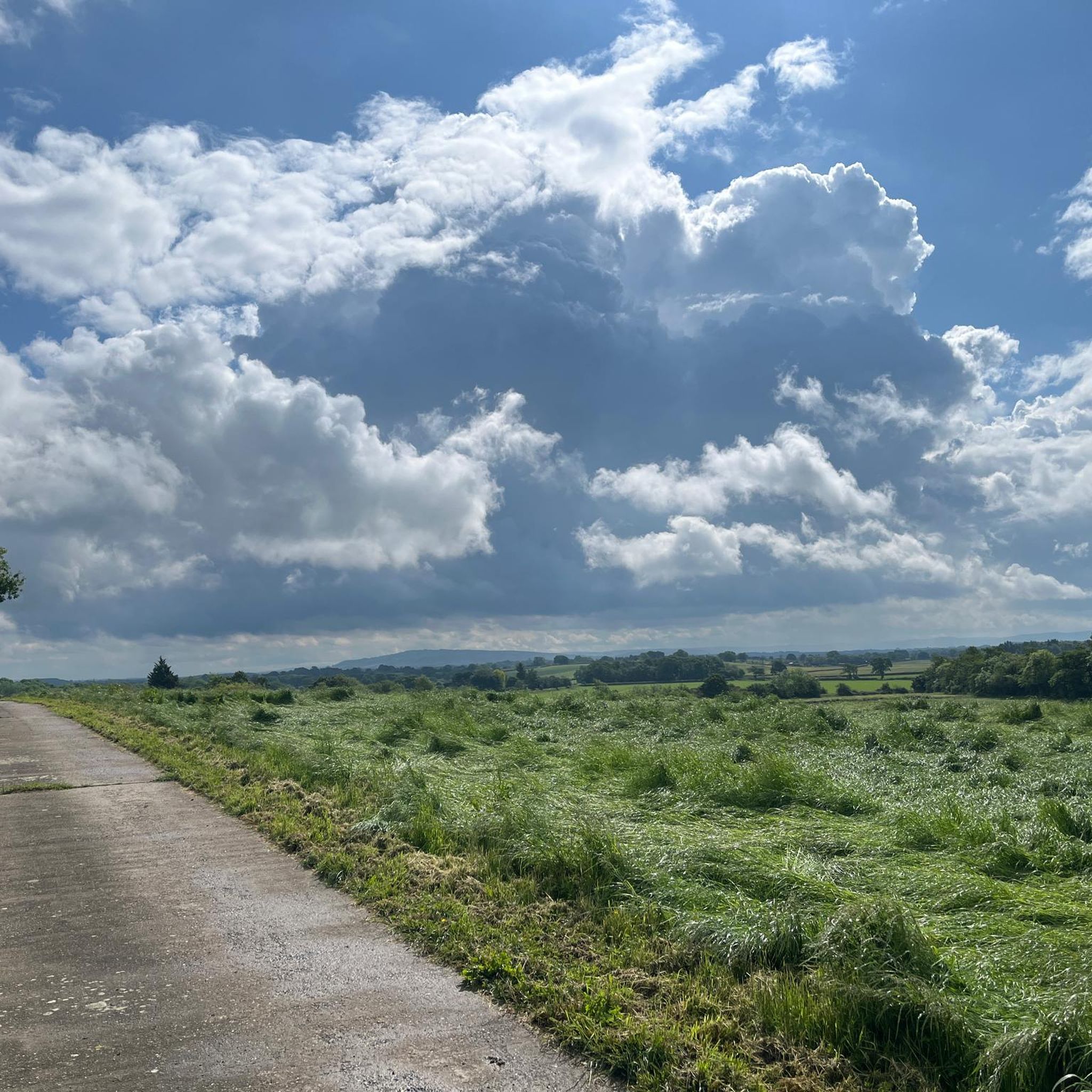
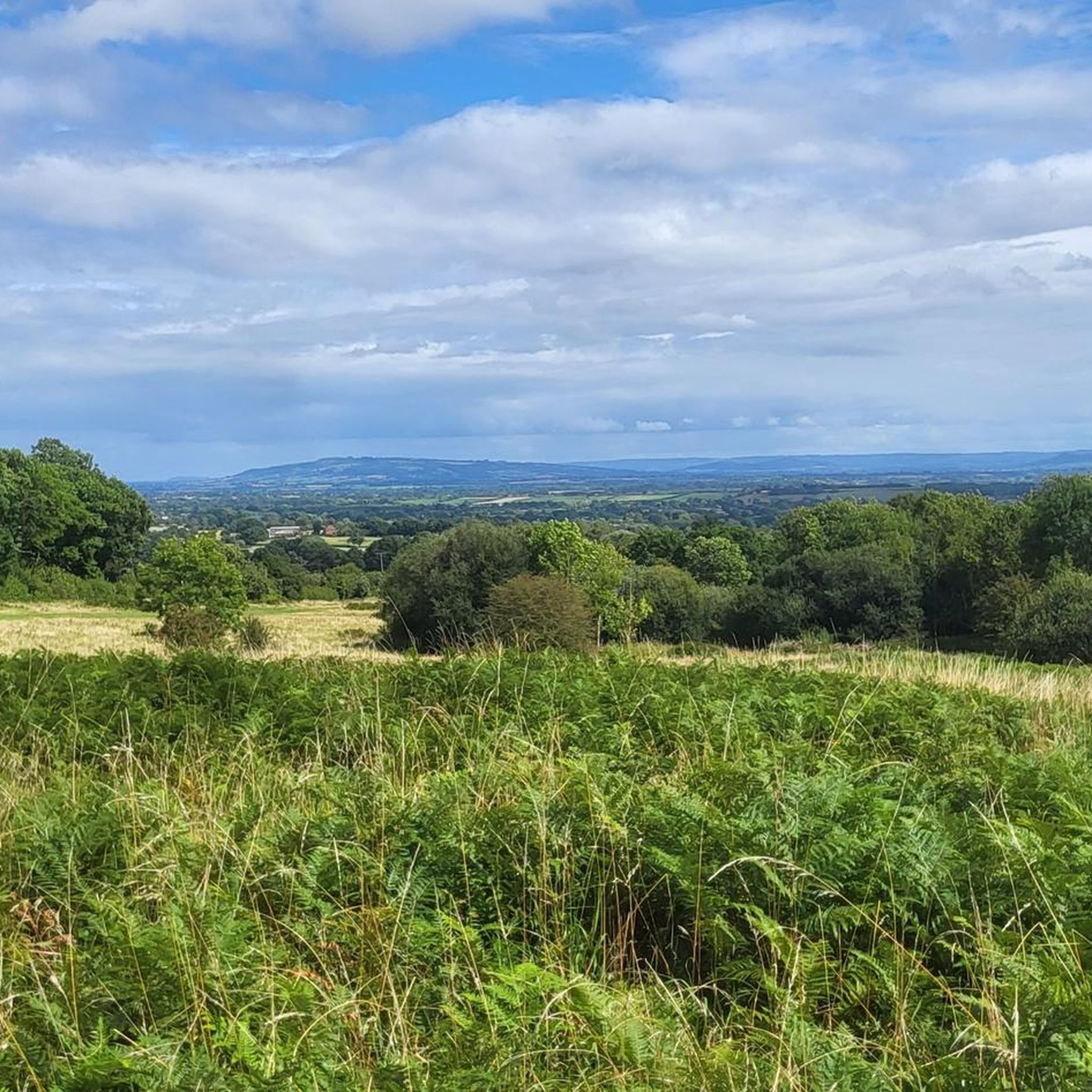

Tips from the Community

One of the finest hills in the Malverns with it's Iron Age Hillfort (yes another one on the Malverns!), and superb views west across Eastnor Park. It used to be heavily wooded on the Eastern Side, but Ash Die-back disease has caused a huge number of large mature Ash trees to be felled in recent times. This is still a hill to be savoured and you will not see too many people here either.
0
0
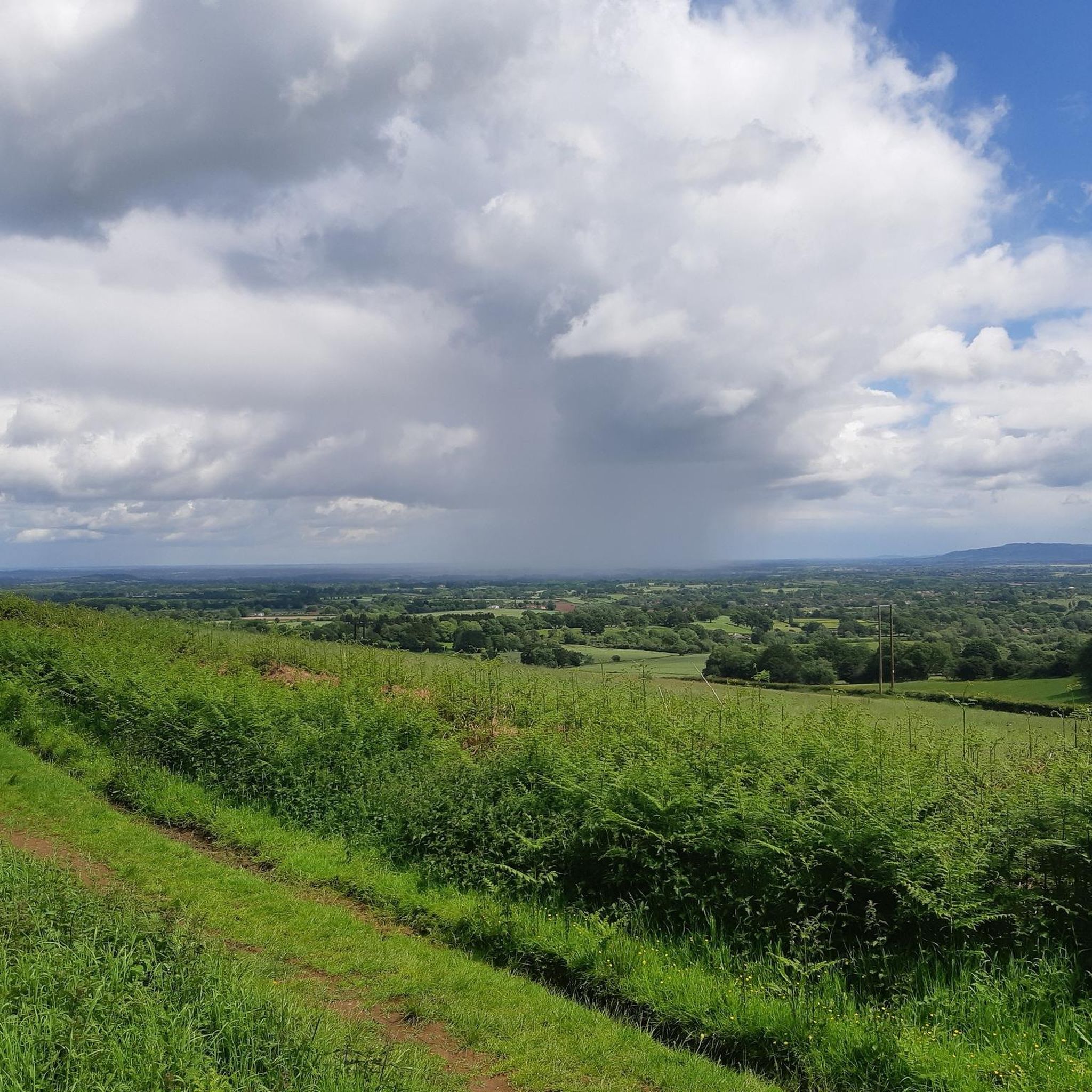
North Hill is a very good viewpoint - but this image was taken on the way up to Table Hill, which is next to North HIll.
0
0
Summer Hill is a bit of a bump in between the Beacon and the Wyche Cutting, however it's steep southern aspect does afford some of the best views along the Malvern Hills ridge, particularly when there is an Inversion happening.
0
0

Midsummer Hill rises in the southern part of the Malvern Hills and is a very worthy objective. Site of a former hillfort, along with neighbouring Hollybush Hill, it provides extensive views, with the impressive Eastnor Castle visible in the Herefordshire countryside. A hike to the top could be combined with Herefordshire Beacon to the north, or a longer outing traversing the entire Malvern ridge.
0
0

North Hill is the second highest point of the range of Malvern Hills that runs about 13 kilometres (8.1 mi) north-south along the Herefordshire-Worcestershire border, although North Hill lies entirely within Worcestershire. It has an elevation of 397 metres (1,302 ft), making it the highest point of the Worcestershire Way. The eastern flank of the hill lies directly behind Worcester road in Great Malvern from where its summit is a brisk 15 – 20 minutes steep walk from the town centre via St Ann's road and Happy Valley. A path from the car park in North Malvern follows the lower contour of North Hill to Happy Valley and St. Ann's Well. Although the flint route from North Wales to Wessex lay to the north of Malvern, there is some evidence to suggest that traders passed over the Malvern Hills. Parts of an arrowhead, scraper and flint flakes have been discovered between the North Hill and Table Hill. A 19th-century guide book describes both a collapsed burial mound on North Hill named the Giant's Grave and a tump on Table Hill. These tumuli may have been connected to the Dobunni settlement in Mathon. A track that runs along North Hill was known as the "Pyx Path" and was used by the priest from Worcestershire when bringing Sacrament to the hermits that lived in Malvern in the 11th Century. It was also referred to as the "Pixie Path", as it was believed to be used by fairies. The Lodge spring can be found at the foot of North Hill, off Worcester road. The ornamental fountain has a small spout and basin that is similar in design to those at St Ann's Well.
1
0
The hill lies to the south of the Worcestershire Beacon, which is Worcestershire's (and the Malvern Hills') highest hill, and Summer Hill's summit, though often overlooked given the grandeur of its neighbour, is a most respectable 1,253 feet above sea level. Source: Wikishire
0
0
The Herefordshire Beacon is one of the highest peaks of the Malvern Hills. It is surrounded by a British Iron Age hill fort earthwork known as British Camp. The fort subsequently had a ringwork and bailey castle built inside its boundary and there is evidence of 120 huts in the area. British Camp has been a scheduled monument since 1923. On the eastern slope of Herefordshire Beacon, there is a disused reservoir, British Camp Reservoir, which holds approximately 213,000 cubic metres (7,500,000 cu ft) of water. Herefordshire Beacon represents one of the Malvern Hills, 1,109 feet (338 m) high, and is the second highest summit in the hills. It is within the county of Herefordshire, but is directly adjacent to the border with Worcestershire to the east. Atop Herefordshire Beacon, there is an Iron Age hill fort, known as British Camp, and would have held a settlement between 4th century BCE and 1st century CE. A ringwork and bailey castle was built within the site of the hill fort, and there is evidence of 120 huts having been built within the boundaries of the fort. The hill fort received scheduled monument status on 10 August 1923. Nearby to British Camp, on the eastern slope of Herefordshire Beacon, there is a reservoir called British Camp Reservoir. It has a capacity of 213,000 cubic metres (7,500,000 cu ft), although it has not been used for many years. In 2017, Severn Trent proposed to dismantle the treatment plant associated with the reservoir and drain it, leaving an 8,000 cubic metres (280,000 cu ft) pond. source: Wikipedia
0
0
Midsummer Hill is situated in the range of Malvern Hills that runs approximately 13 kilometres (8 mi) north-south along the Herefordshire-Worcestershire border. It lies to the south of Herefordshire Beacon with views to Eastnor Castle. It has an elevation of 284 metres (932 ft). To the north is Swinyard Hill. It is the site of an Iron Age hill fort which spans Midsummer Hill and Hollybush Hill. The hillfort is protected as a Scheduled Ancient Monument and is owned by Natural England. It can be accessed via a footpath which leads south from the car park at British Camp on the A449 or a footpath which heads north from the car park in Hollybush on the A438. The hillfort is very unusual in that the ramparts enclose two hills and the intervening valley. Bowden speculates that the spring within the valley "enhance[s] the position of the hillfort as a site of symbolic value". Source: Wikipedia
0
1
Frequently Asked Questions
What are the most popular natural monuments around Longdon?
The Malvern Hills area near Longdon features several highly regarded natural monuments. Among the most popular is Worcestershire Beacon Summit and Toposcope, the highest point in Worcestershire, offering expansive panoramic views. Another favorite is Herefordshire Beacon (British Camp), known for its Iron Age hillfort and splendid countryside views. Visitors also frequently enjoy Summer Hill for its scenic vistas along the Malvern Hills ridge.
Are there natural monuments with historical significance near Longdon?
Yes, the region is rich in history. Herefordshire Beacon (British Camp) is home to a significant Iron Age hillfort, allowing you to explore ancient earthworks while enjoying the natural beauty. Similarly, Midsummer Hill Iron Age Hillfort offers historical context as a former hillfort with extensive views, including Eastnor Castle.
What kind of views can I expect from the natural monuments in the Malvern Hills?
The natural monuments in the Malvern Hills offer breathtaking panoramic views. From Worcestershire Beacon, on a clear day, you can see as far as the Black Mountains in South Wales and the Shropshire Hills. North Hill Summit, the second highest point, also provides glorious panoramas including the Shropshire, Lickey, and Clent Hills.
Are there family-friendly natural monuments around Longdon?
Many of the natural monuments in the Malvern Hills are suitable for families, depending on the chosen paths. The popularity of sites like Worcestershire Beacon means there are numerous paths catering to various walking abilities. Exploring the ancient earthworks at Herefordshire Beacon can also be an engaging activity for children interested in history.
What outdoor activities can I do near these natural monuments?
The area around Longdon and the Malvern Hills is ideal for various outdoor activities. You can find numerous hiking trails, with options ranging from moderate to difficult, such as the 'Swinyard Hill – Millennium Hill loop'. For mountain biking, there are trails like the 'Fossil Bank Viewpoint – Bennetts at British Camp loop'. Cycling routes are also available, including the 'Worcestershire Beacon – View of Malvern loop'. You can explore more options on the hiking, MTB, and cycling guide pages for Longdon.
Are there specific trails for hiking near the natural monuments?
Yes, the Malvern Hills offer a 'veritable spider's web of paths' around natural monuments like Worcestershire Beacon. You can find a variety of hiking trails, including circular walks, that allow you to explore the ridge and summits. For detailed routes, refer to the hiking guide for Longdon.
What is the best time to visit the natural monuments around Longdon?
The Malvern Hills are beautiful year-round. Clear days offer the best panoramic views from the summits. Winter and early spring can be particularly interesting for nature lovers visiting Longdon and Eldersfield Marshes, as fields can flood, creating extensive lake-like appearances and attracting various bird species.
Can I spot wildlife near the natural monuments?
Yes, particularly at the Longdon and Eldersfield Marshes. This area is an ongoing conservation project aiming to restore wetlands and grasslands, providing breeding and wintering grounds for birds like lapwings, redshanks, wildfowl, skylarks, and yellowhammers. It's a significant site for birdwatching, especially during winter and early spring.
Are there any natural monuments that are less strenuous to visit?
While many of the summits involve some climbing, paths around popular spots like Worcestershire Beacon cater to various abilities. For a less strenuous experience, consider exploring the lower contours or areas with easier access, such as the paths leading to St. Ann's Well from Great Malvern near North Hill.
What are Longdon and Eldersfield Marshes, and why are they significant?
Longdon and Eldersfield Marshes were once Worcestershire's largest wetland. While much was drained, the Worcestershire Wildlife Trust is actively restoring these areas. They are significant for their conservation efforts to recreate grazing marshes and wildlife-friendly farmland, providing crucial habitats for breeding and wintering birds, making them a key site for nature lovers and birdwatchers.
What should I wear when hiking to the natural monuments?
When hiking in the Malvern Hills, it's advisable to wear appropriate outdoor clothing and sturdy footwear suitable for varied terrain, which can include steep ascents and potentially muddy paths, especially after rain. Layers are recommended due to changing weather conditions, and a waterproof outer layer is always a good idea.
Are there any hidden gems among the natural monuments near Longdon?
While not exactly 'hidden,' the Longdon and Eldersfield Marshes offer a different kind of natural experience compared to the prominent hilltops. This conservation area provides a unique opportunity for wildlife spotting and observing wetland ecosystems, which might be less frequented by those solely focused on summit views.
Most popular attractions around Longdon

Get inspired with the komoot mobile app


Explore more
Extend your search for the best caves by checking out these guides of the top ones around Longdon:
