Top 7 Natural Monuments around Doddenham
Best natural monuments around Doddenham are situated within the picturesque county of Worcestershire, offering access to significant natural features and diverse landscapes. The region is characterized by rolling hills, ancient woodlands, and prominent geological formations. The Malvern Hills National Landscape, a striking ridgeline, is a key natural monument in the vicinity. This area provides opportunities to explore ancient geology and varied habitats.
Best natural monuments around Doddenham
- The most popular natural monuments is Walsgrove Hill Summit View, a viewpoint…
Last updated: October 15, 2026
Tank Quarry Geological Trail
Highlight • Trail
Tip by

Ankerdine Hill
Highlight • Viewpoint
Tip by

Sign up now to discover places like this
Get recommendations on the best single tracks, peaks, & plenty of other exciting outdoor places.
Earl Beauchamp's Fountain
Highlight • Monument
Tip by
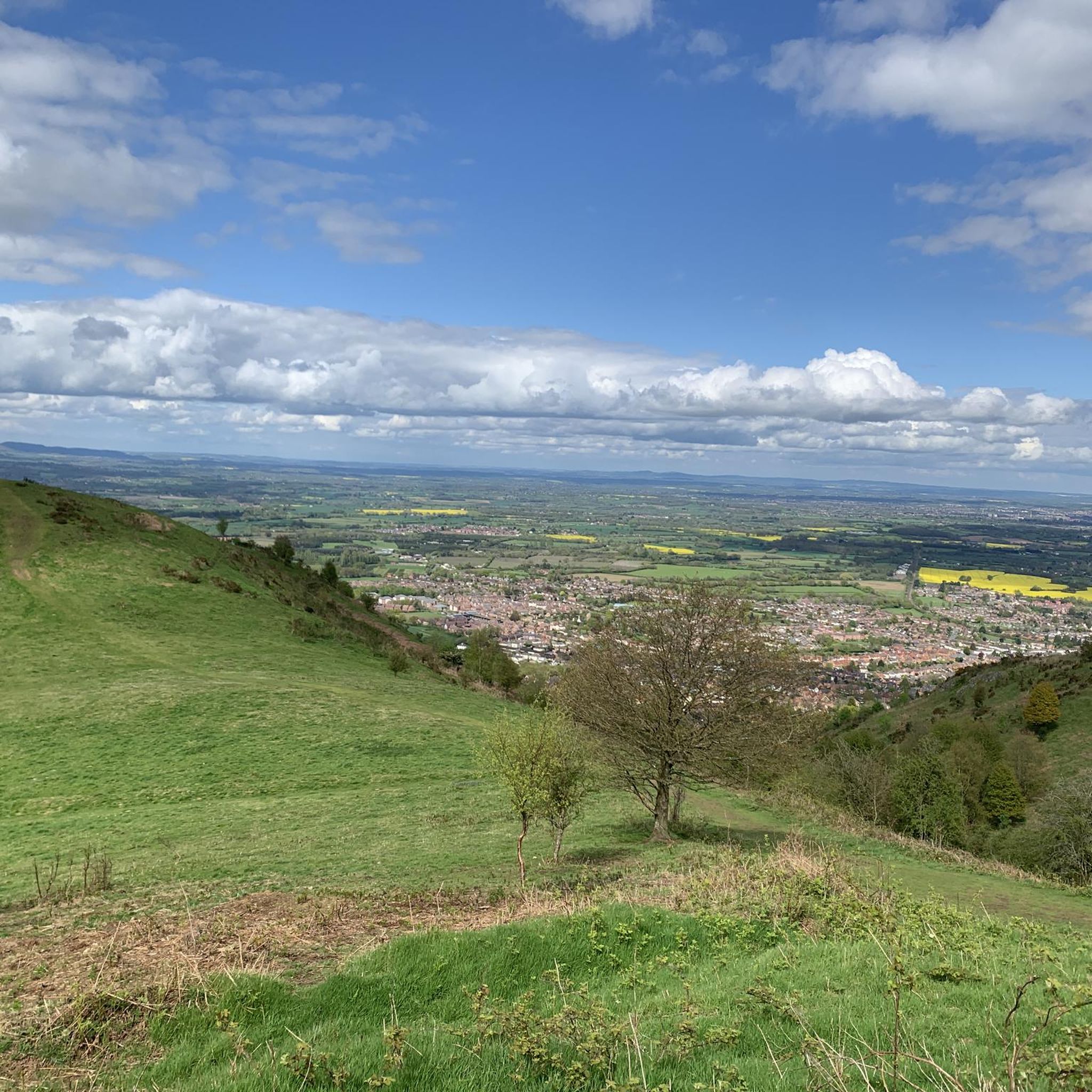
Walsgrove Hill Summit View
Highlight • Viewpoint
Tip by
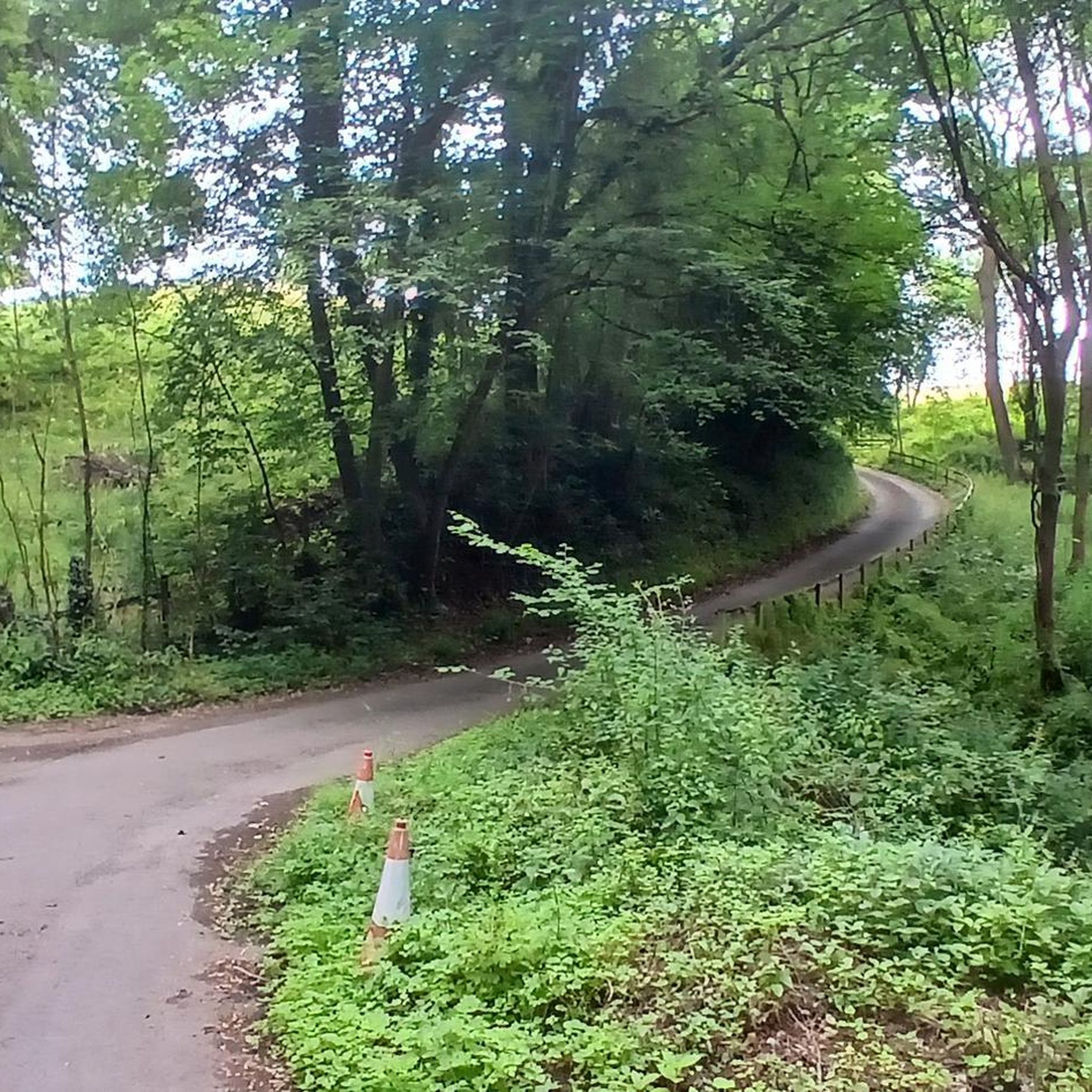
Sunken Lane
Highlight • Trail
Tip by
Sign up for free to discover even more natural monuments around Doddenham.
Already have an account?
Start today with a free account
Your next adventure awaits.
Other adventures around Doddenham

Tips from the Community

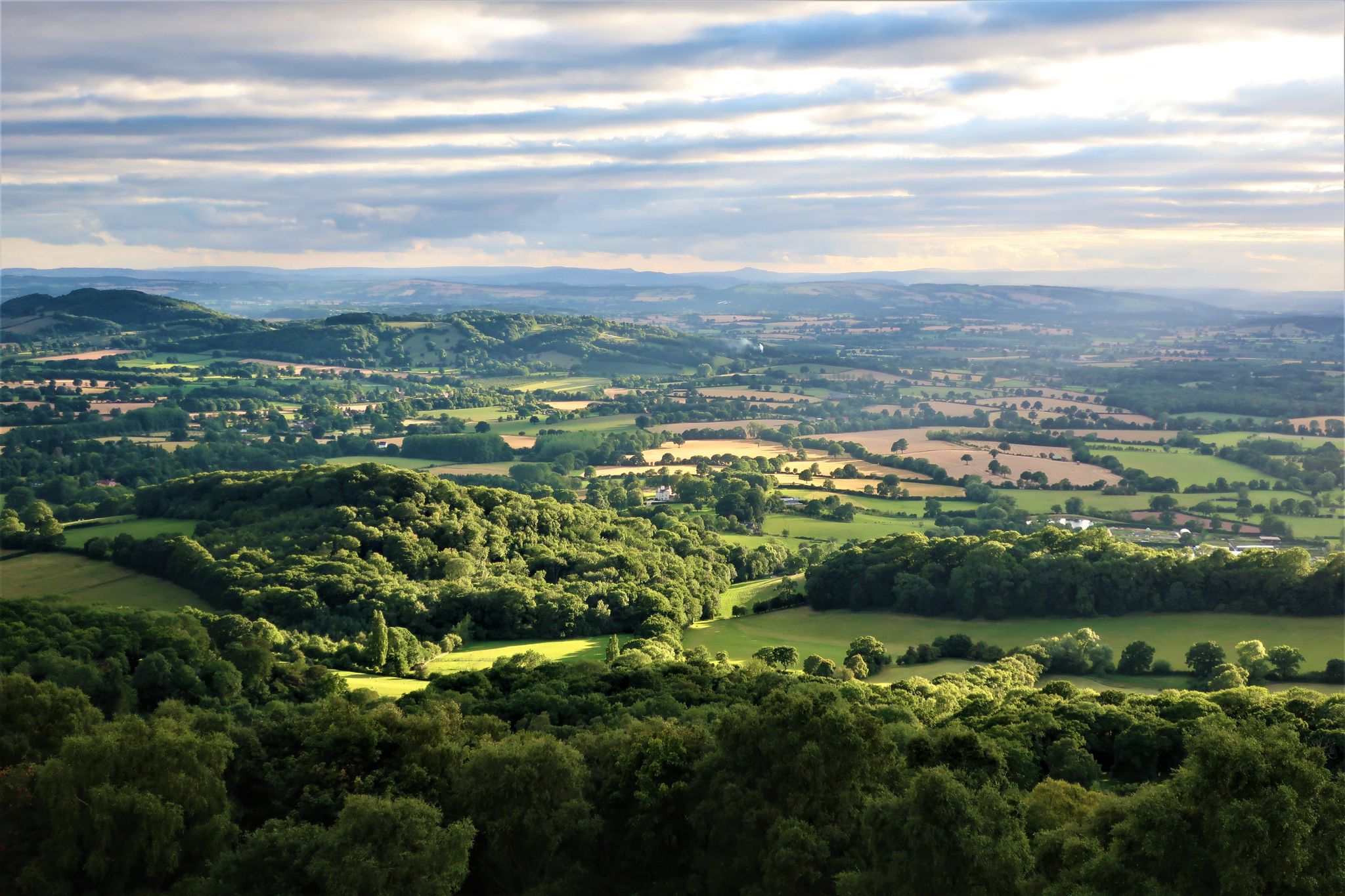
It's a steep pull up Walsgrove Hill from the north, and in the winter it will be slippery and muddy due to the activities of the sheep that live in this field. However, it offers fine views across to the clocktower and beyond.
0
0

This spout, formerly known as the Cowleigh Spout, is on the left as you leave Malvern on the Cowleigh Road, almost opposite the Worcestershire Way car park. The springs are in an adjacent field and their daily output is 10,000 gallons, with much running to waste. Unlike many of the other natural water sources of the Malverns, Cowleigh Spout maintained a healthy flow even during times of severe drought, such as that in 1921, and on many occasions was the sole supply over an extensive area. During the construction of the North Malvern Tank in the 1870s, when the supply from the Morris tank was cut off, the inhabitants walked the half mile from North Malvern to this spout for their household's water. This rural idyll was witness to the 'dirty' hordes of Birmingham hop-pickers who flocked to the countryside for their annual working holiday. "Cowleigh Spring was the resort of many hoppers on Sunday, the "crystal streams" being freely used for their ablutions. They borrowed a piece of soap and had a "wash and brush up, the pocket handkerchief doing service as a towel". The Madresfield Connection The original spout was replaced with this one by the 7th Earl Beauchamp. He was later immortalised as Lord Marchmain in Evelyn Waugh's Brideshead Revisited. The wording on the tiled surround reads: "This fountain was presented to the people of Cowleigh by William Earl Beauchamp 1905." The Earls Beauchamp lived at Madresfield Court, three miles away on the opposite side of the hills, and the cisterns behind the fountain originally supplied the Court, four farms and a dozen houses on the Madresfield estate. The spout fed a tank on Cowleigh Park Farm. In the 1870s, a three-inch iron main was laid to Madresfield via Dyson Perrins School, Tanhouse Lane and Newland and a 30,000-gallon reservoir/header tank at Lower Woodsfield Farm enabled the supply thereafter to be gravity fed. The laying of the supply is recorded in the local paper of 7 Dec.1872, titled `New water supply to Madresfield Court': "For some time past, the route between Madresfield Court...and the famous flow of water at the entrance to `Cowleigh Park', known as `Cowleigh Spout' has exhibited a line of excavation, in which mains have been deposited for the conveyance of the overflow of water at the spout for use at Madresfield Court. The work is now all but completed." The village was put on to the main public supply shortly after 1955 following concern about possible contamination. A sample analysed during the 1980s suggested a similar composition to the Schweppes Pewtriss Well. The tanks behind still overflow copiously and are maintained because they supply several local households with water. In 1995 water was reinstated at the public spout as a result of the efforts of local enthusiasts. Since then the area around the spout has been the subject of various initiatives to make the area more user friendly in recent years. There are now steps from the car park at the rear, which once housed the bottling works tank. Also the area in front of the spout has been restored and drainage improved. The Madresfield Estates Trust still owns about 50 acres of land behind the spout together with the nearby Cowleigh Wood, but at some time in the past the ownership of the spout changed. In 2007 the Area of Outstanding Natural Beauty managers when implementing the Heritage Lottery Fund enhancements unsuccessfully tried to trace the owners of this fountain. What they did discover was that the properties across the road from the fountain had a right to the water and in the case of The Byre it was a gift in perpetuity from the Beauchamp estate for bravery in the Great War. Source: malvernwaters.com
0
0
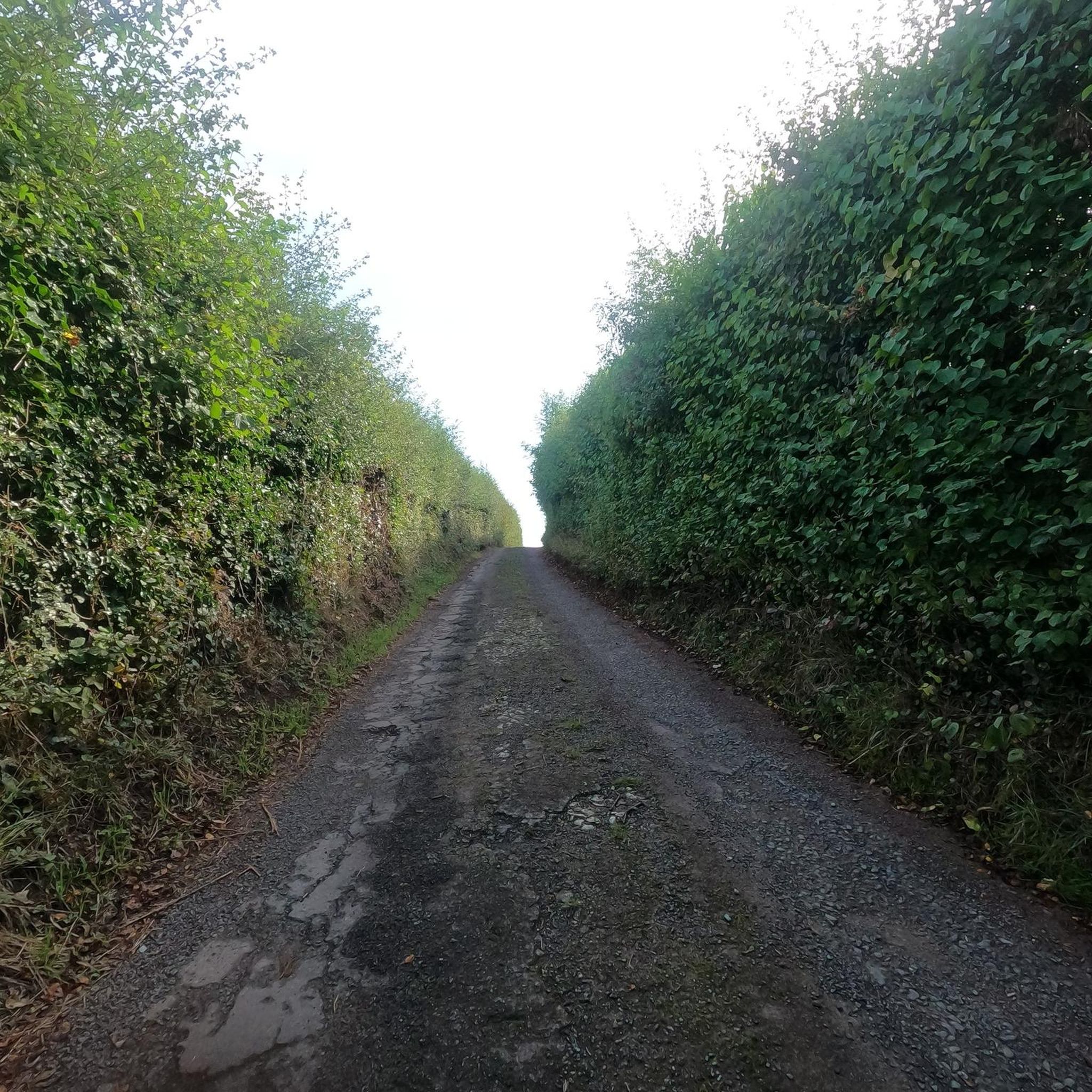
The sunken lane cuts through Triassic aged rocks of varying grain size, deposited in the Worcester Basin some 220 million years ago. The rock types seen are fine grained siltstones, course sandstones and conglomerates containing large pebbles.
0
0
Tank Quarry is one of largest quarries that can be found on the Malvern Hills. Located on the north-eastern side of North Hill, the quarry faces reach approximately 100m in height and are 80m wide at the base. The geology of Tank Quarry dates to the Precambrian, approximately 680 million years ago, which means that these rocks are some of the oldest exposed in England. The clear quarry face enables amateurs and experts to study the complex nature of the igneous and metamorphic geology on display. The quarry itself is not accessible however the rest of this large site has many accessible rock faces, a geology trail, interpretation boards, picnic area, wonderful view across the Worcester plain and a carpark. Tank Quarry is a Community Conservation Champions site. The ‘Champions’ are a loosely knit group of volunteers who are actively involved in the maintenance and public promotion of 19 geological sites spread across the counties of Herefordshire and Worcestershire. They are engaged in a wide range of activities which vary according to the nature of the site. Source: geopark.ork.uk
0
0
View to the West The lower part of Walsgrove Hill and the hill on which Abberley clock tower stands are Silurian siltstone. The valley of the River Teme cuts into soft mudstones of the upper Silurian Old Red Sandstone with the harder sandstones of the lower Devonian Old Red Sandstone forming the Bromyard plateau. The low hummocky ground at the base of these hills is underlain by Carboniferous age Coal Measures rocks. These form the southerly tip of the Wyre Forest coalfield. Coal was mined here until the early twentieth century. To the north west, the Clee Hills are also formed of Carboniferous rocks. A molten layer of rock pushed between the layers and formed a hard black dolerite rock, the Dhustone, which slowed the erosion of these still prominent hills and is quarried for roadstone to this day. Source: Local signage
0
0

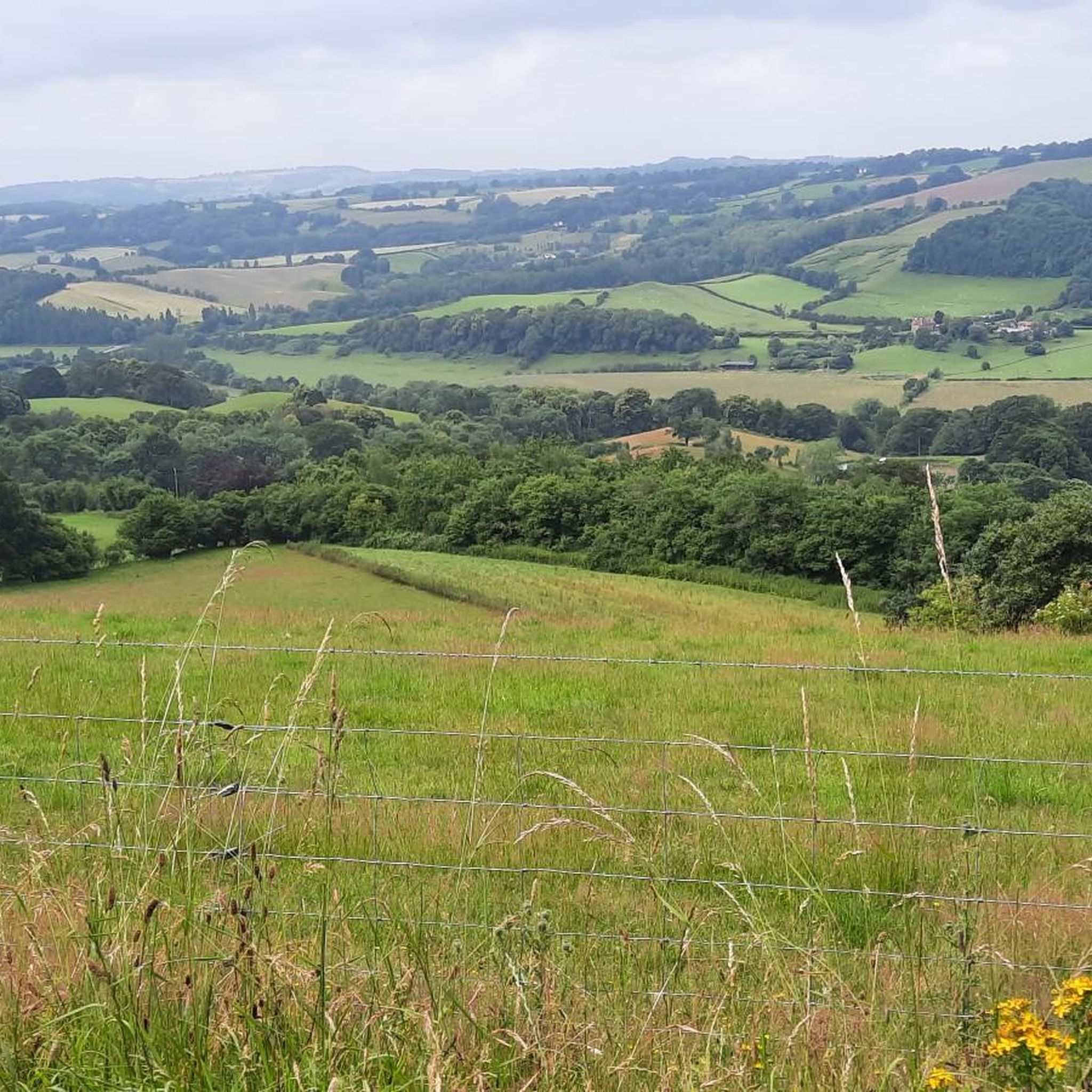
Ankerdine Hill, at 489 feet (149 m), is part of the Abberley Hills ridge in the Abberley and Malvern Hills Geopark. The ridge was formed during the Silurian period and is of considerable geological significance. The River Teme loops around the hill, surrounding it on its western, southern and eastern side, giving it superb views of the Teme Valley. It is most commonly ascended from the village of Knightwick, where the award-winning Talbot pub is a good post-hike option.
0
0
Walsgrove Hill boasts fantastic views from its 869-foot (265 m) summit towards Abberley Hill and its clock tower. It is at the northern end of a ridge that also contains Cockshot, Rodge, Pudford, Penny, Berrow and Ankerdine Hills. Formed during the Silurian period, the ridge is part of the Abberley and Malvern Hills Geopark, an area of considerable geological significance, spanning 700 million years of natural history.
0
0
Frequently Asked Questions
What unique geological features can I explore around Doddenham?
The area around Doddenham is rich in geological history. You can visit Tank Quarry Geological Trail, where you'll find some of England's oldest exposed rocks, dating back approximately 680 million years to the Precambrian period. Another fascinating site is Sunken Lane, which cuts through Triassic-aged rocks, showcasing fine-grained siltstones, coarse sandstones, and conglomerates from about 220 million years ago. The Nubbins Sandstone Cliffs also offer a glimpse into the region's geological past, with exposed red sandstone that was historically quarried.
Where can I find the best panoramic views of the region?
For breathtaking panoramic views, head to Walsgrove Hill Summit View. From its 869-foot (265 m) summit, you can enjoy fantastic vistas towards Abberley Hill and its distinctive clock tower. The Malvern Hills National Landscape, particularly Worcestershire Beacon, also offers magnificent views across the Severn Valley, Herefordshire, and even parts of Wales and the Cotswolds on a clear day.
Are there any historical natural monuments in the area?
Yes, the region combines natural beauty with historical significance. Earl Beauchamp's Fountain, formerly known as Cowleigh Spout, is a man-made monument with natural spring characteristics, renowned for its consistent water flow and historical role as a local water source. The Nubbins Sandstone Cliffs are also considered a historical site due to past quarrying activities. Additionally, the broader Malvern Hills area features ancient sites like Bronze Age barrows and Iron Age hill forts such as British Camp.
What kind of wildlife might I encounter near Doddenham's natural monuments?
The diverse habitats around Doddenham, particularly within the Malvern Hills National Landscape, support a wide range of wildlife. You might spot buzzards soaring above hills like Ankerdine Hill. The varied geology of the Malverns gives rise to ancient woodlands, traditional orchards, and grasslands, which are home to species like white-clawed crayfish, adders, and fritillary butterflies. Exploring the ancient woodlands and along the River Teme can also reveal various plant and animal species.
What hiking opportunities are available near Doddenham's natural monuments?
The area offers excellent hiking opportunities. You can explore trails around the Malvern Hills, known for both gentle ambles and challenging ridge walks. The hiking guide for Doddenham features routes like the 'Suckley Hills on the Worcestershire Way loop from Knightwick' and the 'Ankerdine Hill loop from Knightwick', which provide varied terrain and scenic views. Many paths follow the picturesque River Teme or lead through the rolling Suckley Hills.
Can I go cycling near the natural monuments around Doddenham?
Absolutely! The region is well-suited for cycling. Komoot offers several cycling guides for the area, including Road Cycling Routes around Doddenham and Cycling around Doddenham. These guides feature routes like 'The Cob House Countryside Park – View of the Countryside loop from Martley' and 'Martley & Holt Heath loop from Worcester', allowing you to explore the scenic countryside and natural features by bike.
Are there family-friendly natural monuments to visit around Doddenham?
Yes, Earl Beauchamp's Fountain is categorized as family-friendly, offering an accessible historical site with natural spring water. The Malvern Hills National Landscape also provides numerous gentle paths and picnic areas suitable for families, allowing for enjoyable walks and exploration of nature without overly strenuous activity.
What is the best time of year to visit the natural monuments around Doddenham?
The natural monuments around Doddenham can be enjoyed year-round, but each season offers a different experience. Spring brings blooming wildflowers and fresh greenery, while autumn showcases vibrant foliage across the hills. Summer is ideal for longer walks and enjoying the views, though it can be busier. Winter offers crisp, clear views, but trails can be muddy and slippery, especially on steeper sections like Walsgrove Hill. Always check local weather conditions before your visit.
Are there any accessible natural monuments for visitors with limited mobility?
While many natural monuments in the area involve varied terrain, Earl Beauchamp's Fountain is generally accessible. For other sites, such as Tank Quarry Geological Trail, while the quarry face itself is not accessible, the site often includes accessible rock faces, a geology trail, interpretation boards, and a picnic area. It's always recommended to check specific trail conditions and accessibility information for individual sites before visiting.
Where can I find parking for natural monuments near Doddenham?
Parking is available at various points depending on the specific natural monument you wish to visit. For example, Earl Beauchamp's Fountain has a car park at the rear. The Tank Quarry Geological Trail also offers a car park. For trails like those on the Worcestershire Way or around the Suckley Hills, you can often find parking at trailheads or nearby villages such as Knightwick and Martley. Always look for designated parking areas to ensure you are not obstructing local access.
What do visitors enjoy most about the natural monuments around Doddenham?
Visitors frequently appreciate the stunning panoramic views, particularly from summits like Walsgrove Hill Summit View. The unique geological insights offered by sites like Tank Quarry Geological Trail and Sunken Lane are also highly valued. The historical significance of places like Earl Beauchamp's Fountain and the overall tranquility and natural beauty of the Malvern Hills National Landscape are consistently praised by the komoot community.
Most popular attractions around Doddenham

Get inspired with the komoot mobile app


Explore more
Extend your search for the best caves by checking out these guides of the top ones around Doddenham:
