Top 19 Natural Monuments around Nettlebed
Best natural monuments around Nettlebed are found within the Chiltern Hills of Oxfordshire, England. This region features a blend of ancient woodlands, unique geological formations, and diverse ecosystems. The landscape offers opportunities to explore varied habitats, from chalk grasslands to mature forests. These sites provide insight into the area's ecological and geological heritage.
Best natural monuments around Nettlebed
- The most popular natural monuments is Watlington Hill, a natural monument and part of the Chiltern Escarpment. This 45-hectare site is…
Last updated: June 15, 2026
Watlington Hill
Highlight • Forest
Tip by

Watlington White Mark
Highlight • Natural Monument
Tip by
Sign up now to discover places like this
Get recommendations on the best single tracks, peaks, & plenty of other exciting outdoor places.
Sign up for free
Cowleaze Wood Bluebells
Highlight (Segment) • Forest
Tip by
Wallingford Castle Moats and Grotto Pond
Highlight • Lake
Translated by Google •
Tip by

Watlington Hill Bluebell Woodland
Highlight • Natural Monument
Tip by
Sign up for free to discover even more natural monuments around Nettlebed.
Sign up for free
Already have an account?
Start today with a free account
Your next adventure awaits.
Login or Signup
Tips from the Community

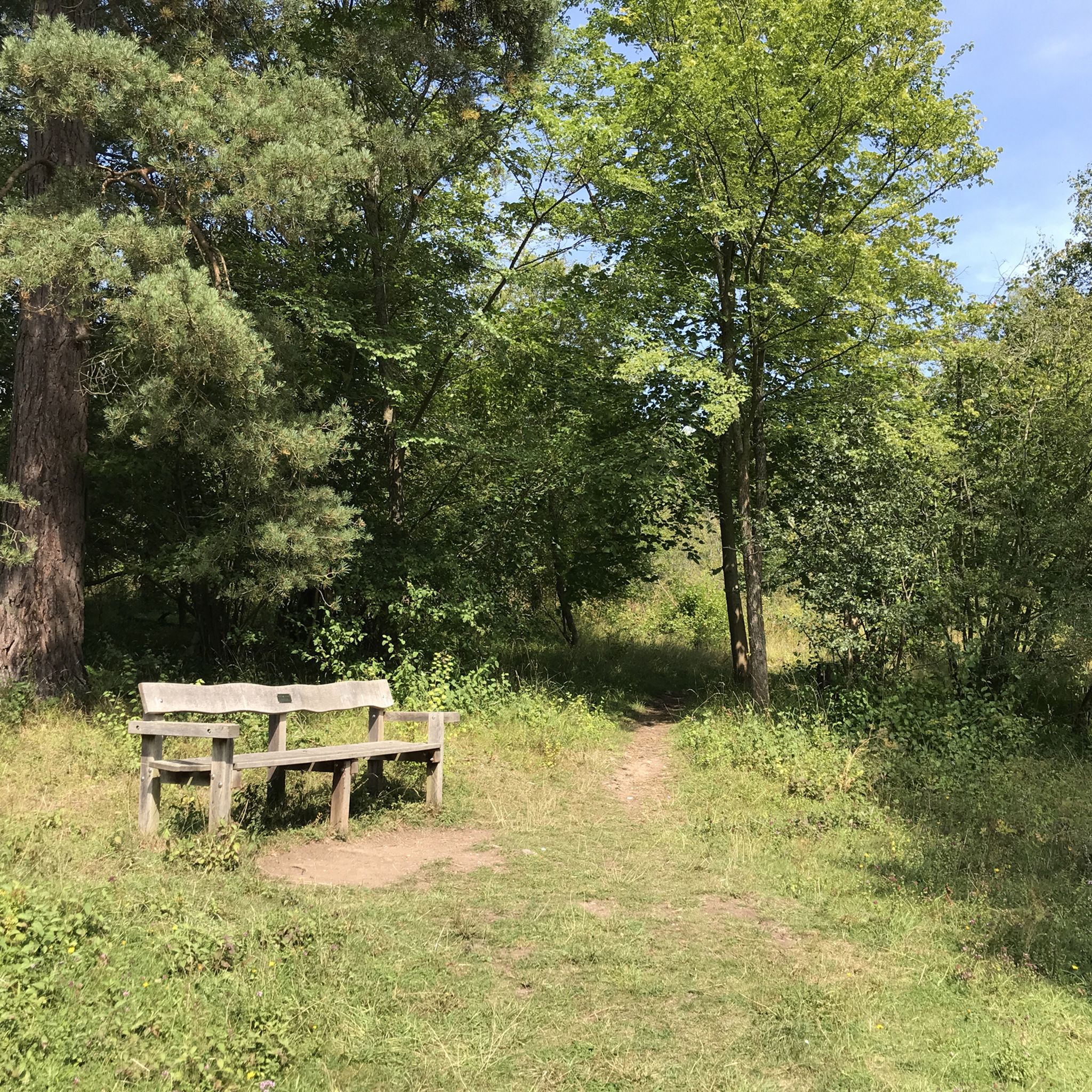
A beautiful area to enjoy nature during a relaxing hike or a walk.
4
0

Amazing place except too early for the bluebells
1
0


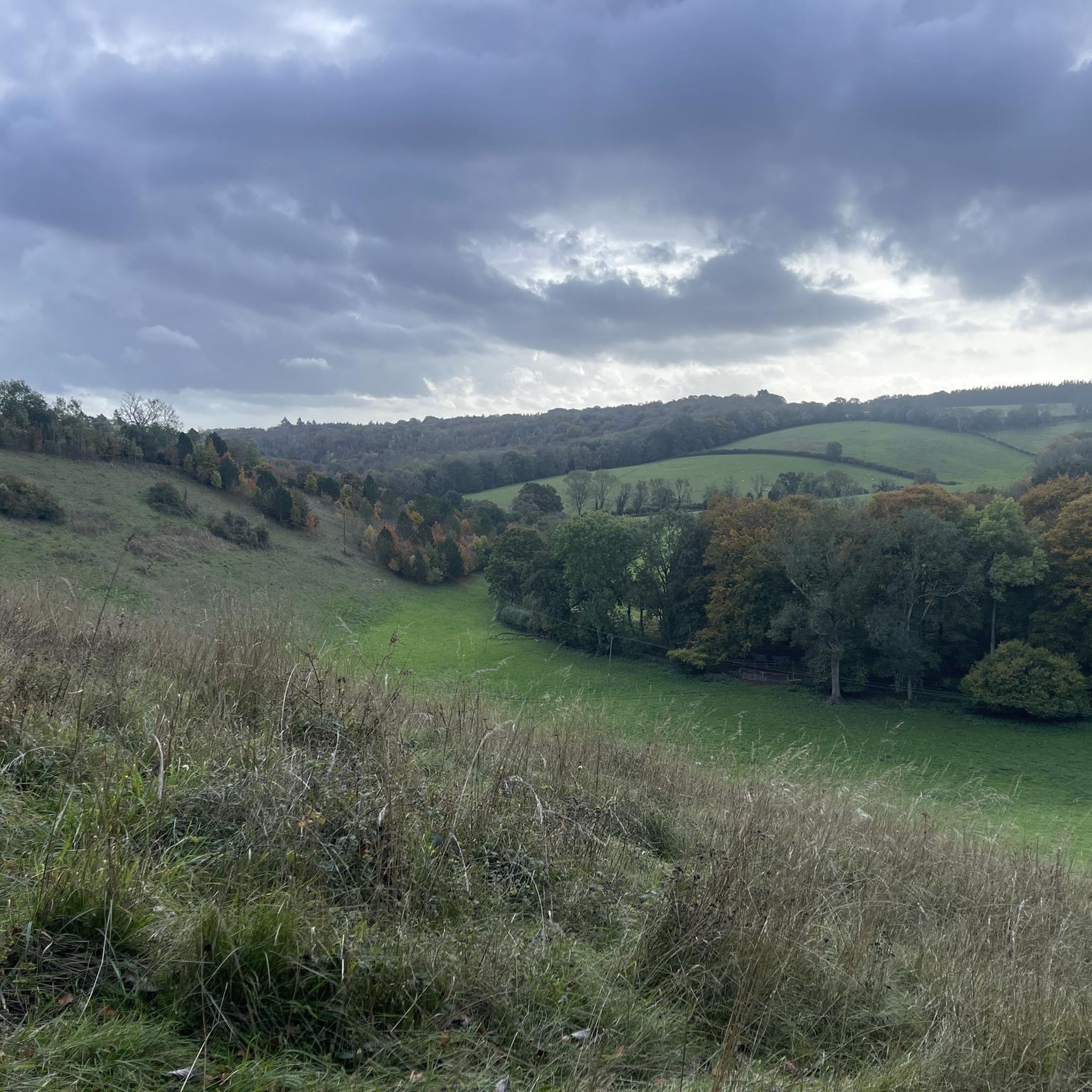
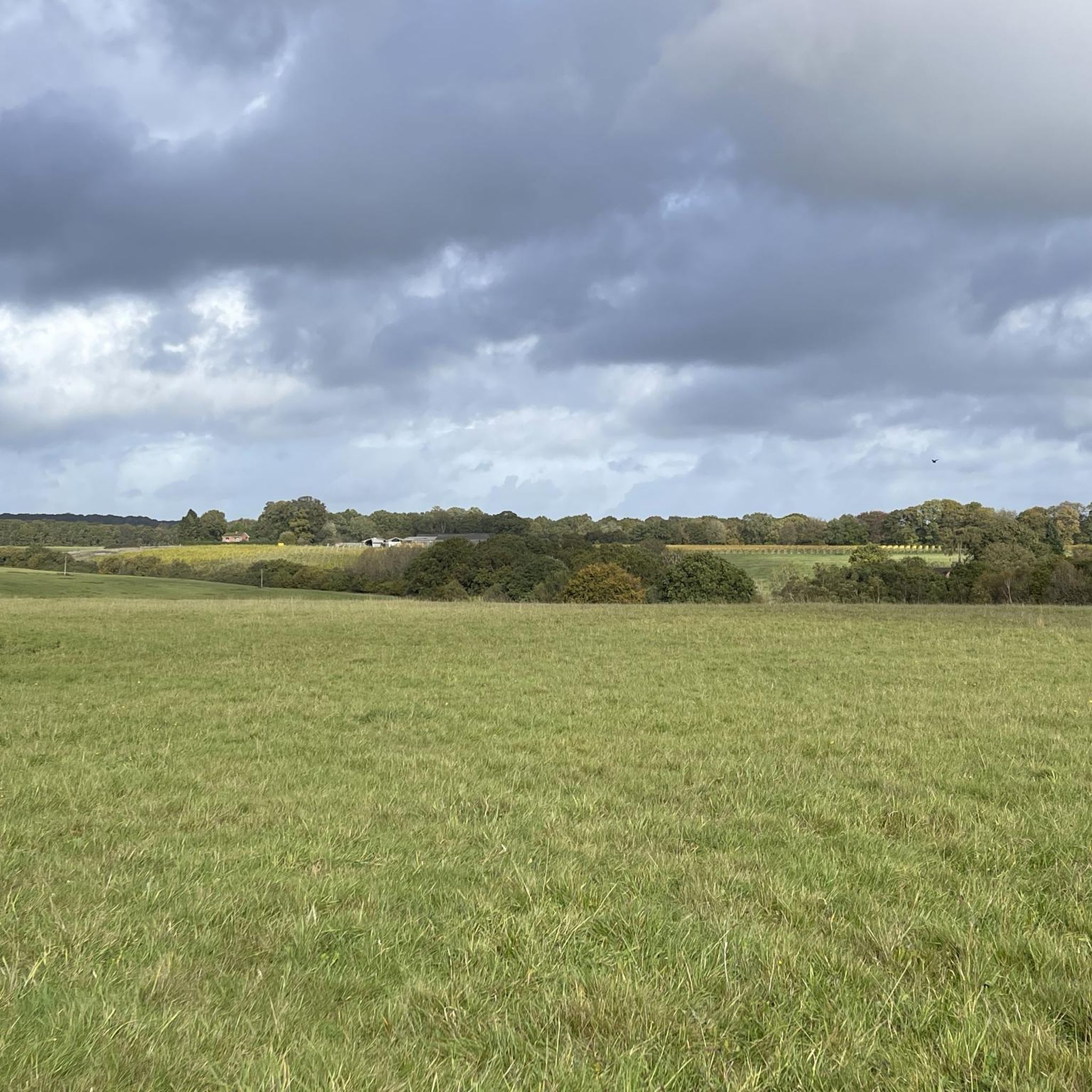
Incredible views from this national trust area....also free parking
1
0

Gorgeous walks, requires decent footwear and walking sticks help over the hills.
1
0

With stunning expansive views over Oxfordshire, sweeping hills and ancient woodland, Watlington Hill is a beautiful corner of the UK. Here, you will find a triangular white mark dug into chalk in the hill in 1764. Look our for rabbits, butterflies and red kites during your visit. You can find more information, here: https://www.nationaltrust.org.uk/chilterns-countryside/features/watlington-hill
0
0
Frequently Asked Questions
What are the most popular natural monuments around Nettlebed?
Among the most popular natural monuments, visitors frequently enjoy Watlington Hill, known for its stunning views and diverse wildlife. Another favorite is Hartslock Nature Reserve, offering breathtaking views over the River Thames and Goring Gap, and recognized as a Site of Special Scientific Interest for its rare species.
Are there family-friendly natural monuments in the Nettlebed area?
Yes, several natural monuments are suitable for families. Watlington Hill is family-friendly, offering expansive views and opportunities to spot wildlife like rabbits and red kites. Cowleaze Wood Bluebells is also a great family destination, especially in late spring when the bluebells create a beautiful 'blue carpet' effect.
What unique geological features can I explore near Nettlebed?
Nettlebed is rich in geological interest. You can see the distinctive Watlington White Mark, an 82-meter steeple-shaped figure cut into the chalk escarpment of Watlington Hill. The village green also features Nettlebed Puddingstones, ancient geological formations of flint pebbles cemented in sandstone. Additionally, Stokenchurch Gap is a Site of Special Scientific Interest, providing a significant geological section through the Upper and Middle Chalk.
Where can I see ancient woodlands around Nettlebed?
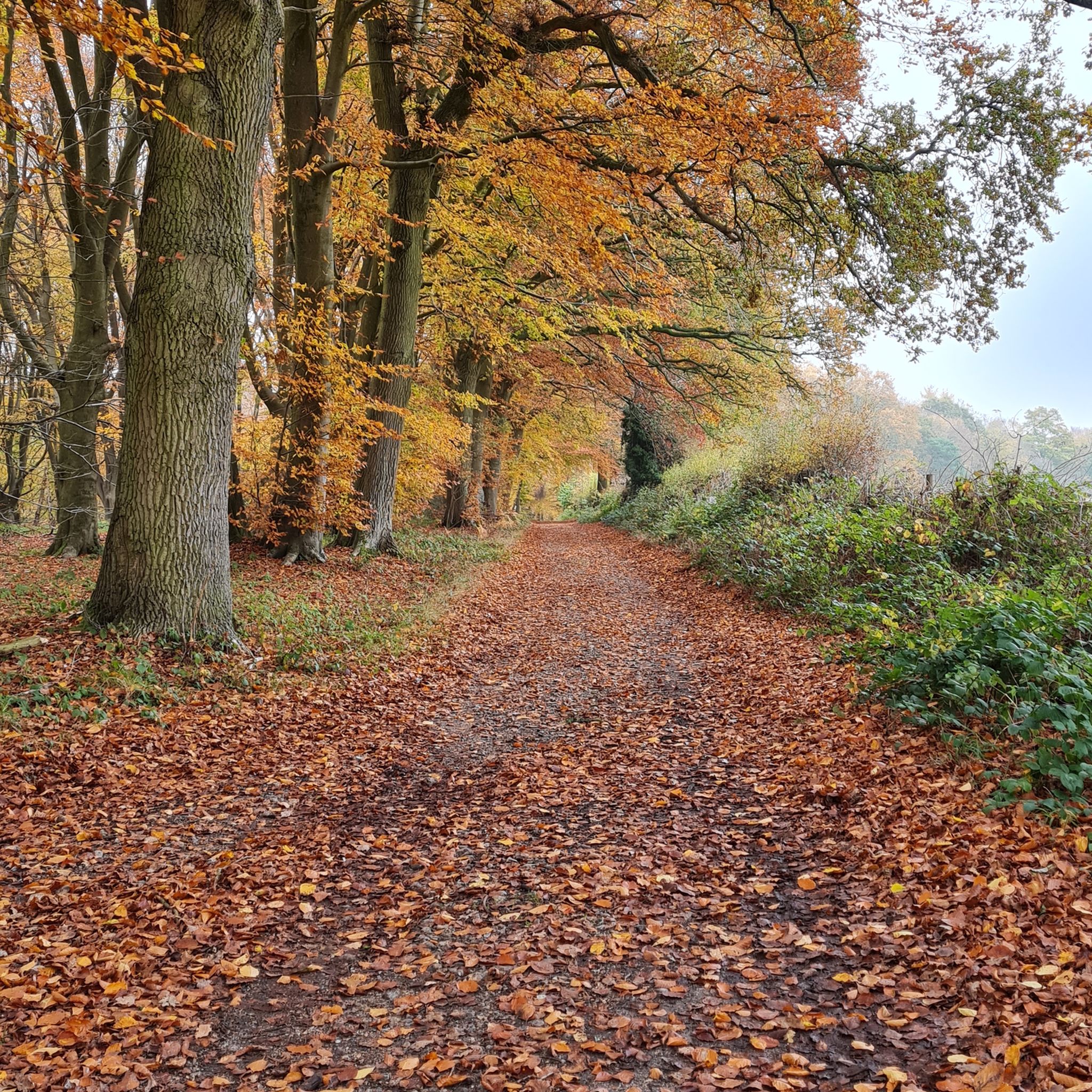
Nettlebed is home to several ancient woodlands. Parts of Nettlebed Common, including Lower Common Wood, Oxlands Bottom, and Highmoor Common Wood, are classified as ancient woodlands, featuring mature beech, oak, cherry, and hornbeam trees. These areas are particularly beautiful during spring with carpets of bluebells, wood anemones, and wood sorrel.
What outdoor activities can I do near these natural monuments?
The Nettlebed area offers a variety of outdoor activities. You can find numerous running trails, explore the landscape with gravel biking routes, or enjoy leisurely cycling tours. Many of these routes pass through or near the natural monuments, offering scenic views and diverse terrain.
Are there good spots for wildlife spotting near Nettlebed?
Yes, the natural monuments around Nettlebed are excellent for wildlife spotting. Watlington Hill is nationally important for its wildlife, including diverse wildflowers, butterflies, birds, mosses, and fungi. Warburg Nature Reserve, nearby, is also ideal for spotting wildflowers, butterflies, and birds, boasting over 15 species of orchid.
What is Nettlebed Common and what can I find there?
Nettlebed Common is an expansive area featuring a varied landscape of woods, heathland, and open grassland. It includes distinct areas like Priest Hill and Highmoor Common Wood. The common is known for its unique mosaic of habitats, remnants of heathland, wood pasture, and numerous ponds formed from old clay pits, which support rare invertebrates, amphibians, and Sphagnum mosses.
Is there a significant geological site in Nettlebed Common?
Yes, within Nettlebed Common lies Priest Hill, a Site of Special Scientific Interest (SSSI). This site is internationally significant due to its unique exposures of Pleistocene era organic silts, which are not found anywhere else in the British Isles. It's a crucial location for geologists studying ancient Earth history.
When is the best time to visit the natural monuments for bluebells?
The best time to visit for bluebells is typically in late April and May. During this period, woodlands like Cowleaze Wood Bluebells and parts of Nettlebed's Ancient Woodlands are transformed into a 'blue carpet' by the blooming flowers, offering a spectacular sight.
What makes Hartslock Nature Reserve special?
Hartslock Nature Reserve is a beautiful south-facing chalk downland hill that provides stunning views over the River Thames and Goring Gap. It is designated as a Site of Special Scientific Interest (SSSI) due to its rich biodiversity, being home to a myriad of rare plant and animal species within its grasslands, ancient hedgerows, and woodlands.
Are there any historical or man-made features among the natural monuments?
Yes, the Watlington White Mark is a notable man-made hill figure, an 82-meter steeple-shaped mark cut into the chalk escarpment of Watlington Hill in 1764. While a natural monument, its origin is tied to local history and provides an interesting visual curiosity.
What do visitors appreciate most about the natural monuments around Nettlebed?
Visitors frequently praise the stunning expansive views, particularly from locations like Watlington Hill. The diverse ecosystems, from ancient woodlands to chalk grasslands, and the opportunity for wildlife spotting, are also highly valued. The tranquility and natural beauty of the area are often highlighted as key attractions.
Most popular routes around Nettlebed
Most popular attractions around Nettlebed

Get inspired with the komoot mobile app


Explore more
Extend your search for the best caves by checking out these guides of the top ones around Nettlebed:
