Top 4 Natural Monuments around Potter Hanworth
Best natural monuments around Potter Hanworth include ancient woodlands and significant historical earthworks. The landscape features ancient woodlands like Potterhanworth Wood and Burnt Wood, which have been continuously forested since prehistoric times and are home to diverse flora and fauna. Additionally, the Roman Car Dyke, an impressive feat of ancient engineering, forms a notable historical and natural feature within the region. These sites offer opportunities to explore both natural heritage and Roman Britain's lasting impact on the landscape.
Best natural…
Last updated: June 29, 2026
Lion Statue, Lincoln Arboretum
Highlight • Monument
The Arboretum also offers it's visitors tea rooms, a Victorian bandstand, …
Tip by

Swanholme Lakes
Highlight • Forest
Tip by

Sign up now to discover places like this
Get recommendations on the best single tracks, peaks, & plenty of other exciting outdoor places.
Sign up for free
Jurassic Limestone Cliffs, Lincoln
Highlight • Natural
Tip by

Sadlerock Millennium Stone
Highlight • Natural Monument
Tip by

Start today with a free account
Your next adventure awaits.
Login or Signup



Tips from the Community

The Lion Statue is situated in the middle of the Aboretum.
0
0
The lion is a Grade II listed statue, dating from 1872. It was by Austin & Seeley and was presented by FJ Clarke. It is a composition figure, larger than life size, on a rendered pedestal with a moulded plinth and panelled sides.
0
0

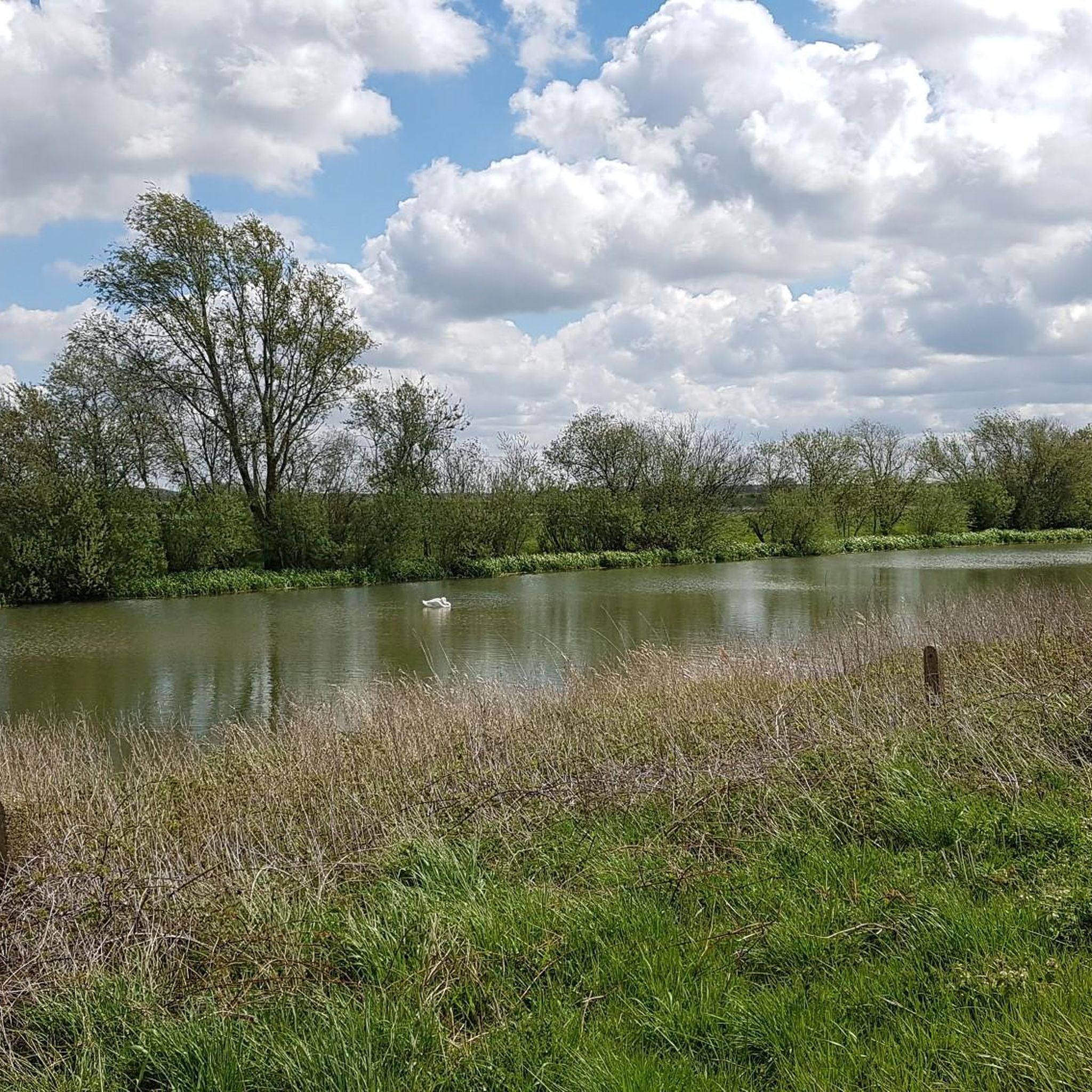
Swanholme Lakes Local Nature Reserve was formed from a series of flooded sand and gravel pits. After quarrying finished in the 1960s vegetation was able to colonise and this has resulted in a mosaic of different habitat types in an area covering 63 hectares.
0
0

The larger-than-life size lion statue created in 1872 is a listed monument that guards the paths of Lincoln Arboretum. The Arboretum also offers it's visitors tea rooms, a Victorian bandstand, a cast iron folly, and extensive gardens with terrace features, ponds and bridges.
2
0

The new lincoln bypass cycle route is pretty decent low resistance surface, this is one of the sites enroute, but also, theres loads of cycle routes accessible from the main route
0
0

"As you stare at the limestone cliffs, it is worth reflecting that the rocks were formed in shallow warm tropical seas 165 million years ago in the Middle Jurassic period. Dinosaurs ruled the nearby land and waves were breaking on coral reefs above. There are many fossils in the limestone, mainly broken shells and corals, but you might be lucky and find a giant Plesiosaur, they have been found here!" Thankfully no Dinasours but plenty of Lorries trundling past on the A15.
0
0
It just looks like a stone till you notice the plaque that for some reason faces the road and not the pedestrian - read the plaque when there for the history.
0
0
Frequently Asked Questions
What are the most popular natural monuments around Potter Hanworth?
Visitors frequently enjoy the Lion Statue, Lincoln Arboretum, a Grade II listed monument within extensive gardens. Another highly appreciated spot is Swanholme Lakes, a Local Nature Reserve formed from flooded sand and gravel pits, offering a mosaic of habitats. The ancient woodlands of Potterhanworth Wood and Burnt Wood, known for their rich biodiversity and historical significance, are also key natural features in the area.
Are there family-friendly natural monuments to visit near Potter Hanworth?
Yes, several natural monuments are suitable for families. The Lion Statue, Lincoln Arboretum, with its gardens and bandstand, is a great option. Swanholme Lakes offers varied habitats for exploration. Additionally, the Jurassic Limestone Cliffs, Lincoln, are fascinating for children interested in geology and fossils, as they were formed 165 million years ago and contain many ancient shells and corals.
What kind of natural features can I expect to see around Potter Hanworth?
The region boasts ancient woodlands like Potterhanworth Wood and Burnt Wood, which are continuously forested since prehistoric times and are home to diverse flora and fauna, including small-leaved lime trees and bluebells. You can also explore the unique geological formations of the Jurassic Limestone Cliffs, Lincoln, and the varied ecosystems of Swanholme Lakes, a former gravel pit now a Local Nature Reserve.
What historical natural monuments are there near Potter Hanworth?
The Roman Car Dyke is a significant historical and natural monument. This 85-mile long ditch, dating back to the 2nd century AD, served as a catchwater drain and transport route. A section of it borders the east side of Potterhanworth Woods, offering insight into Roman engineering. The ancient woodlands themselves, Potterhanworth Wood and Burnt Wood, have been continuously forested since prehistoric times, making them living historical landscapes.
What is the best time of year to visit the natural monuments in Potter Hanworth?
Spring is particularly beautiful, especially in late April, May, and early June, when the ancient woodlands like Potterhanworth Wood and Burnt Wood are carpeted with bluebells, primrose, and yellow archangel. These woodlands offer stunning seasonal displays and excellent opportunities for wildlife observation during this period.
Are there opportunities for wildlife observation at these natural monuments?
Yes, Potterhanworth Wood and Burnt Wood are havens for wildlife. They support a diverse breeding bird community, including woodcock and a small heronry, as well as warblers and woodpeckers. Deer, fox, stoat, and squirrels are also present. The rare poplar lutestring moth has been sighted here, making these woodlands ideal for wildlife enthusiasts.
What outdoor activities can I do near the natural monuments around Potter Hanworth?
You can enjoy various outdoor activities. For running, consider routes like the 'View Across Fields – Picnic Site by Carr Dyke loop from Potter Hanworth'. If you prefer hiking, there are easy trails such as the 'Woodland Path – View Across Fields loop from Potter Hanworth'. Gravel biking options are also available, including 'The Dukeries Trail – Thorpe Lake Beach loop from Hykeham'. You can find more details on these and other routes in the respective guides for running, easy hikes, and gravel biking around Potter Hanworth.
Are there any easy walking routes to explore the natural monuments?
Yes, there are several easy walking routes. For instance, the 'Woodland Path – View Across Fields loop from Potter Hanworth' is an easy hike covering about 6.1 km. Another easy option is the 'View Across Fields loop from Potter Hanworth', which is around 4.8 km. These routes allow you to experience the natural beauty of the area, including the ancient woodlands. More easy hikes can be found in the Easy hikes around Potter Hanworth guide.
What do visitors enjoy most about the natural monuments in Potter Hanworth?
Visitors appreciate the opportunity to immerse themselves in historical natural environments, particularly the ancient woodlands. The stunning seasonal displays of flora, like the bluebells in spring, are a highlight. The unique blend of natural heritage and historical engineering, such as the Roman Car Dyke, also offers a fascinating experience, providing insights into the region's past and present landscape.
Is there parking available for visiting the natural monuments?
While specific parking details for each natural monument are not provided, it is generally advisable to look for designated parking areas or public car parks in nearby villages or towns when planning your visit to natural sites like Potterhanworth Wood or the Car Dyke. Always check local signage for parking restrictions.
Can I bring my dog to the natural monuments around Potter Hanworth?
Many natural areas in the UK are dog-friendly, especially woodlands and public footpaths, provided dogs are kept under control, often on a lead, to protect wildlife and other visitors. It is recommended to check specific regulations for individual sites like Potterhanworth Wood or Swanholme Lakes before your visit to ensure a pleasant experience for everyone.
Are there any cafes or refreshment options near the natural monuments?
While the natural monuments themselves are often remote, you can typically find cafes, pubs, and other refreshment options in the nearby villages and towns surrounding Potter Hanworth. Planning your visit to include a stop in one of these local establishments can enhance your day out.
What is the significance of the Roman Car Dyke near Potter Hanworth?
The Roman Car Dyke is an impressive feat of ancient engineering, dating back to the 2nd century AD. It served a dual purpose: primarily for drainage to create fertile land in the Fens, and in some sections, for the transportation of goods like stone, pottery, and coal. Its presence highlights the sophisticated water management and infrastructure of Roman Britain and its lasting impact on the region's landscape.
Most popular routes around Potter Hanworth
Most popular attractions around Potter Hanworth

Get inspired with the komoot mobile app


Explore more
Extend your search for the best caves by checking out these guides of the top ones around Potter Hanworth:
