Top 6 Natural Monuments around Somerford Booths
Best natural monuments around Somerford Booths include a diverse range of natural attractions and historical sites. The area features prominent hills, serene country parks with lakes, and significant woodlands, offering varied landscapes for exploration. Visitors can discover 6 natural monuments that showcase the region's natural beauty and ecological diversity. These sites provide opportunities to experience the local environment.
Best natural monuments around Somerford Booths
- The most popular natural monuments is The Cloud Summit Trig Point, a natural_monument that offers…
Last updated: October 15, 2026
The Cloud (Bosley Cloud)
Highlight • Natural Monument
Tip by

The Bridestones Cairn
Highlight • Historical Site
Tip by

Sign up now to discover places like this
Get recommendations on the best single tracks, peaks, & plenty of other exciting outdoor places.
Dahlia Walk, Biddulph Grange Garden
Highlight • Natural
Tip by

Wellingtonia Avenue and Stone Urn, Biddulph Grange Country Park
Highlight • Natural
Tip by
Monkey Puzzle Tree at Biddulph Grange
Highlight • Natural
Tip by
Sign up for free to discover even more natural monuments around Somerford Booths.
Already have an account?
Start today with a free account
Your next adventure awaits.
Tips from the Community

The avenue of grand Wellingtonias, Sequoiadendron giganteum, stretches from the Arborteum to the largest stone garden urn in Britain and the edge of Biddulph Grange Country Park. This avenue was replanted with seedlings grown from seed harvested on site from the Wellingtonia trees originally planted in the Pinetum. The avenue also includes parallel rows of Red Horse Chestnuts and Austrian Black Pines.
0
0
The Monkey Puzzle tree, Araucaria araucana, is a familiar site in many front gardens, easily identified, once you have been introduced. Originally known as Chilean Pine, its Monkey Puzzle nickname was a Victorian addition – certainly hard for a monkey to climb, if it ever met any. An evergreen tree dating back to Jurassic times it can grow to 50m and live for a thousand years. A native of Argentina and Chile, where it is known as Pehuén and is sacred to the local Pehuenche people, trees are either male or female and the pinecones can take more than two years to mature. This specimen is 170 years old and is an icon of Biddulph Grange.
0
0
Dahlias are planted in tiers between huge buttressed yew hedging and provide a dazzling display of colour. Yew is used throughout the garden to create bays and 'rooms'. Biddulph Grange is thought to have been the first garden of its era to have used the concept of 'garden rooms'. Biddulph’s most spectacularly colourful showpiece The dahlias are planted out in June after the danger of early frosts is over and they flower spectacularly, reaching a peak in early Septemer. Many types of dahlia are planted, such as pompon or ball, which would have been available in the late 19th century but some more modern types such as collarette are included. Once the dahlias are lifted in late October, the beds are filled with a mixture of bulbs to provide a riot of colour in the spring. Shade at the south-east section of the Walk has proved too difficult for the sun-loving dahlia and here the borders have been planted with shade-tolerant perennials such as Ligularia przewalskii, Japanese anemones and Toad lilies. It is the powerful arrangement of dark yew hedges that defines this garden and to see it in winter is to appreciate just how dominant they are. Beside every change in gradient, stepped buttresses of hedging jut out to meet the path and appear to support the hedges that enclose the terrace gardens above. It is a massive green construction. The buttresses also serve another purpose, in winter they hide the prospect of end-to-end bare soil. The buttresses recede like wings of scenery in a theatre, focusing the view at the lower end on a bed of architectural planting, and at the upper end on the Shelter House with its inviting arched entrance and Venetian window above. In late October, after flowering, the tubers are lifted, turned upside down so that excess water drains out, cleaned and stored on newspaper in crates covered by sawdust. In February they are put into trays and covered in compost. When they start to shoot, cuttings are taken and potted on so they grow into healthy plants. James and Maria Bateman lived at an interesting time in the development of dahlias. They had been introduced to Europe in the late 18th century and by 1860–80 these flowers truly came of age, moving from being just an attractive garden flower to something highly-bred, sophisticated and the subject of serious competitions. The Batemans constructed the walk to house dahlias, the new tender exotics from Mexico. Sadly, in the 20th century the Dahlia Walk fared less well. During the hospital era, it was filled in completely when the new wards were being built, providing a less dangerous open space for the children. Excavating and reinstating the Walk has been one of the National Trust’s most important projects at Biddulph and its replanted yew hedges are now as substantial as ever they were in the Batemans’ day.
0
0

So pleased I included the Bridestones on my route. The Cairn is situated in a lovely fenced area with a cottage garden feel. It has an extremely calm ambience and offerings of ribbons and flowers can be found on the stones or hanging from nearby trees. A hidden gem that was lovely to visit.
0
0
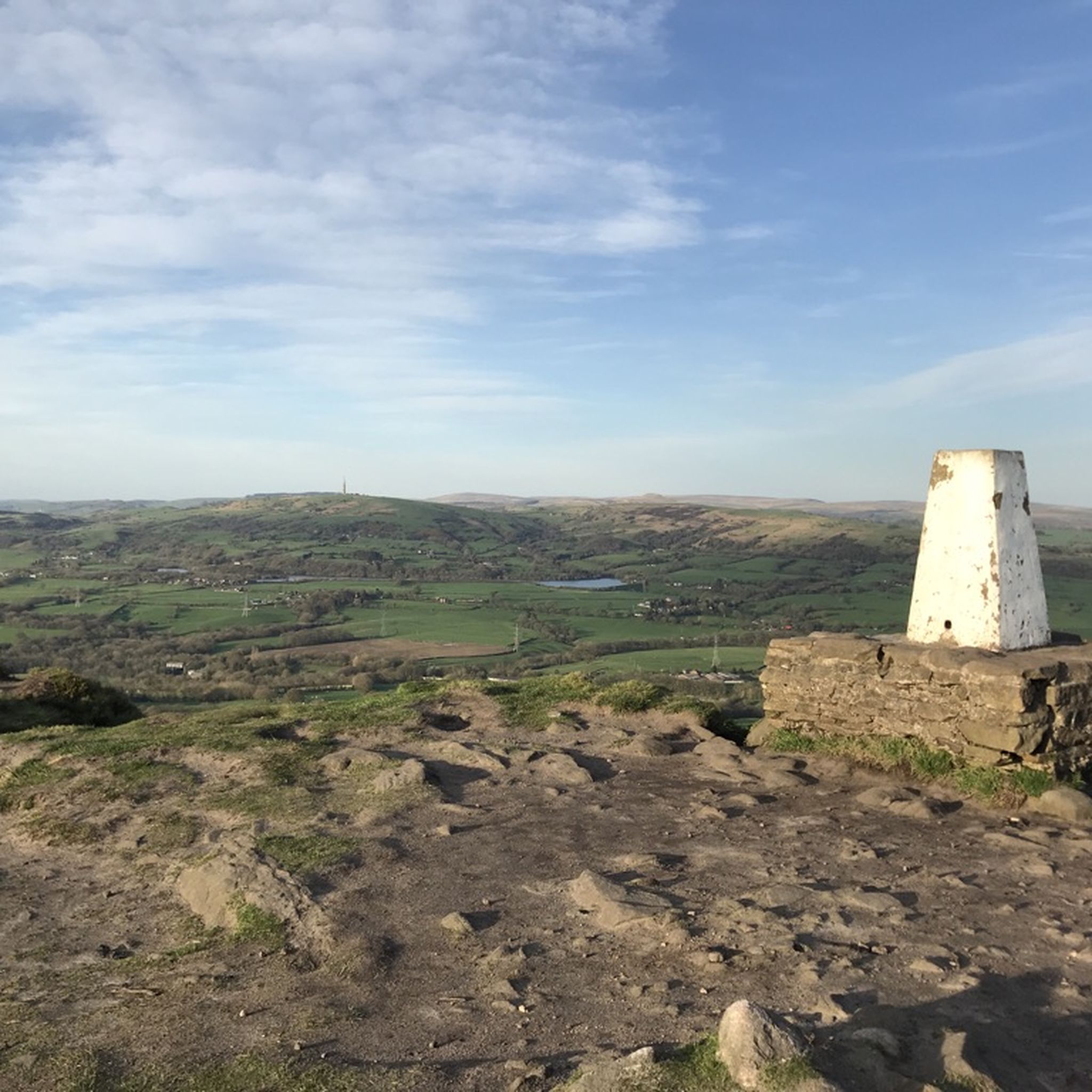
Amazing 360 views from the summit, which features a trig, toposcope and a rocky outcrop if you fancy a very small scramble for views from the edge.
0
0

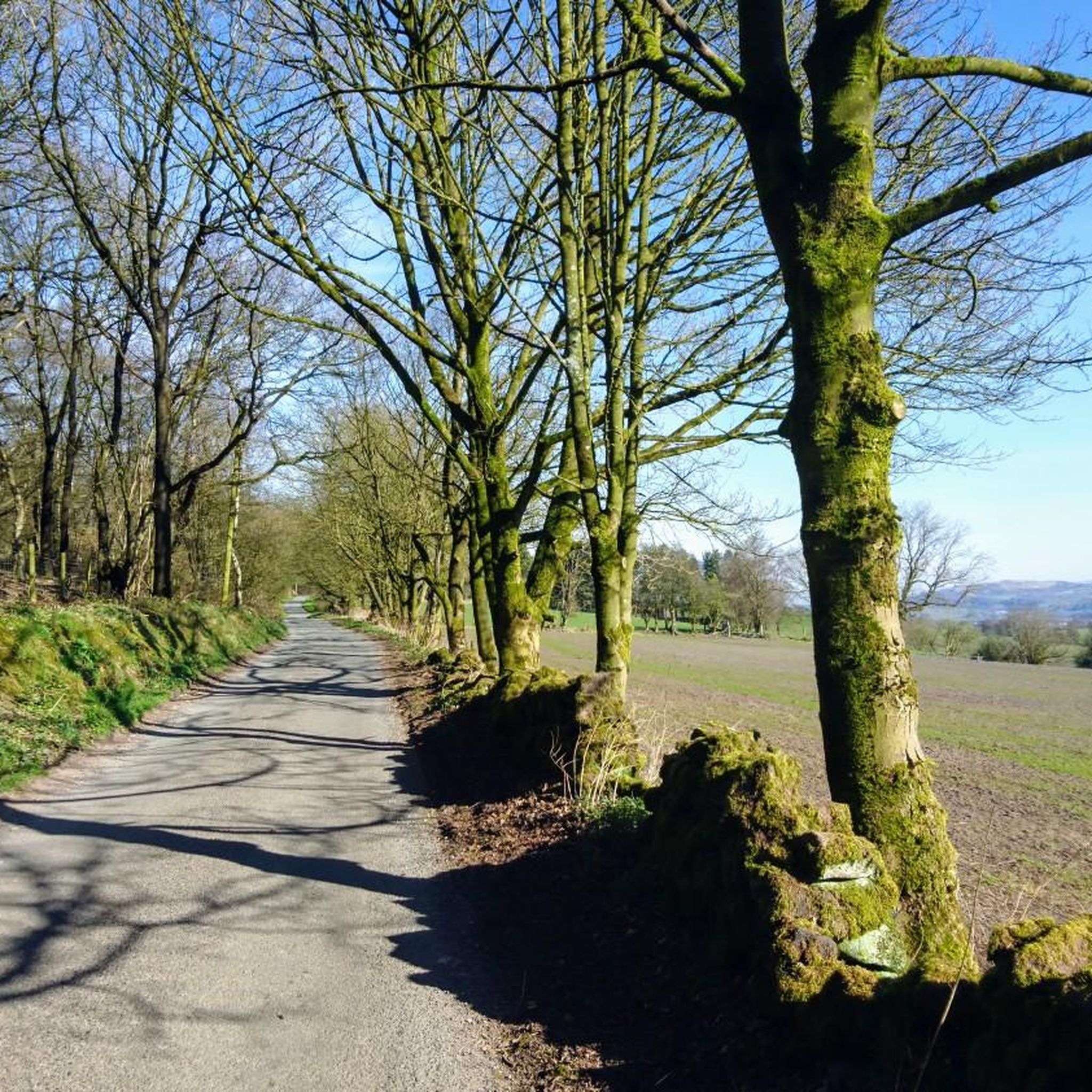
Lovely little walk in the woods on a nice little hill.
2
0

Frequently Asked Questions
What natural features can I explore around Somerford Booths?
The Somerford Booths area offers a variety of natural features. You can visit prominent spots like The Cloud Summit Trig Point, which provides extensive views over the Cheshire Plain. Beyond specific monuments, the region boasts serene country parks such as Daneside Country Park with the River Dane, Brereton Heath Country Park with its lake and woodlands, and Astbury Mere Country Park, also centered around a large lake. Somerford Common offers peaceful woodland walks, especially known for its bluebell displays in late spring.
Are there family-friendly natural monuments or parks in the Somerford Booths area?
Yes, several natural spots are great for families. The Bridestones Cairn is a historical site set in a tranquil, fenced area that visitors find peaceful. Biddulph Grange offers several family-friendly natural features, including the distinctive Monkey Puzzle Tree at Biddulph Grange, the Biddulph Grange Pinetum, and the impressive Wellingtonia Avenue and Stone Urn. Additionally, Brereton Heath Country Park and Astbury Mere Country Park provide diverse environments with walking trails and facilities suitable for family outings.
What kind of walking trails are available near these natural monuments?
You'll find a range of walking trails. For instance, Brereton Heath Country Park features well-marked paths, including an easy-access trail through woodland and the lakeside 'Brimstone Trail' with wooden sculptures. Astbury Mere Country Park offers two mile-long walking trails, one of which is suitable for wheelchairs and pushchairs. For more challenging walks, the ascent to The Cloud Summit Trig Point provides rewarding views. You can find various hiking routes, including easy options, around the area by exploring the hiking guide for Somerford Booths.
Are there accessible natural monuments for visitors with limited mobility?
Yes, Astbury Mere Country Park is particularly noted for its accessibility, featuring a mile-long walking trail around the lake that is suitable for wheelchairs and pushchairs, with seats placed every 100 meters. Brereton Heath Country Park also offers easy-access trails through its woodland areas, making it a good option for visitors seeking less strenuous paths.
What outdoor activities can I do near the natural monuments around Somerford Booths?
Beyond exploring the natural monuments themselves, the area is excellent for various outdoor activities. You can enjoy hiking on numerous trails, with options ranging from easy to moderate. Fishing is popular in the River Dane and the lakes at Brereton Heath and Astbury Mere Country Parks. Astbury Mere also offers watersports like sailing, windsurfing, canoeing, and kayaking. For cycling enthusiasts, there are several road cycling routes available. Discover more details on specific routes in the hiking guide and road cycling guide for Somerford Booths.
What is the best time of year to visit the natural monuments in Somerford Booths?
The best time to visit largely depends on your interests. Spring (April-May) is ideal for seeing the fantastic bluebell displays at Somerford Common and enjoying fresh greenery. Summer (June-August) offers pleasant weather for walking and watersports at the country parks. Autumn (September-November) brings beautiful foliage colors to the woodlands. While winter can be colder, a clear day can offer crisp views from The Cloud Summit Trig Point.
Are dogs allowed at the natural monuments and parks in this region?
Many natural areas around Somerford Booths are pet-friendly. Daneside Country Park, for example, is suitable for dog walkers. Brereton Heath Country Park and Astbury Mere Country Park also welcome dogs, typically requiring them to be on a lead in certain areas. It's always a good idea to check specific park rules upon arrival to ensure a pleasant visit for everyone.
What kind of wildlife can be observed in the natural areas around Somerford Booths?
The diverse habitats support a rich variety of wildlife. At Brereton Heath Country Park, you might spot great and lesser spotted woodpeckers, nuthatches, treecreepers, kingfishers, herons, and great crested grebes. Somerford Common is particularly known for its butterflies. The River Dane and the lakes are home to various fish species, and the wetland areas attract different birdlife. Keep an eye out for local flora and fauna throughout the region's woodlands and meadows.
Where can I find parking when visiting these natural monuments?
Most country parks in the area, such as Brereton Heath Country Park and Astbury Mere Country Park, provide dedicated parking facilities for visitors. For other natural monuments like The Cloud Summit Trig Point, there are often nearby car parks or designated roadside parking areas. It's advisable to check local signage or specific park websites for detailed parking information before your visit.
What do visitors enjoy most about the natural monuments around Somerford Booths?
Visitors frequently praise the tranquil atmosphere and scenic beauty of the area. Many appreciate the extensive views from The Cloud Summit Trig Point and the calm ambience of The Bridestones Cairn. The diverse environments of the country parks, offering woodlands, lakes, and meadows, are also highly valued for walking, birdwatching, and family outings. The community has shared over 200 photos and given more than 200 upvotes to these natural monuments, highlighting their appeal.
Are there any historical natural monuments in the Somerford Booths region?
Yes, the area features historical natural monuments. The Bridestones Cairn is a notable historical and archaeological site, offering a glimpse into ancient times. Additionally, the Monkey Puzzle Tree at Biddulph Grange, at 170 years old, holds historical significance within the context of the Biddulph Grange estate.
Can I find cafes or pubs near the natural monuments for refreshments?
While specific cafes might not be directly adjacent to every natural monument, the country parks often have visitor centers or nearby facilities. For example, Brereton Heath Country Park has a visitor center. The towns and villages surrounding Somerford Booths, such as Congleton, will offer a selection of cafes, pubs, and restaurants where you can find refreshments and meals after your explorations.
Most popular attractions around Somerford Booths

Get inspired with the komoot mobile app


Explore more
Extend your search for the best caves by checking out these guides of the top ones around Somerford Booths:
