Top 13 Natural Monuments around Tankersley
Best natural monuments around Tankersley include diverse landscapes shaped by both natural processes and historical human activity. The area features ancient woodlands, gritstone escarpments, and historical mounds that offer insights into its past. These sites provide opportunities for exploration and connection with the natural environment. The landscape, including areas like Tankersley Park, contains natural elements such as circular shale mounds and varied flora.
Best natural monuments around Tankersley
- The most popular natural monuments is Wharncliffe Crags, a natural monument…
Last updated: June 29, 2026
Wharncliffe Crags
Highlight • Natural Monument
Tip by

Bailey Hill Motte
Highlight • Natural Monument
Tip by

Sign up now to discover places like this
Get recommendations on the best single tracks, peaks, & plenty of other exciting outdoor places.
Sign up for free
Dragon's Den Cave
Highlight • Cave
Tip by

Thorncliffe Wood
Highlight • Forest
Tip by

Sign up for free to discover even more natural monuments around Tankersley.
Sign up for free
Already have an account?
Start today with a free account
Your next adventure awaits.
Login or Signup
Tips from the Community

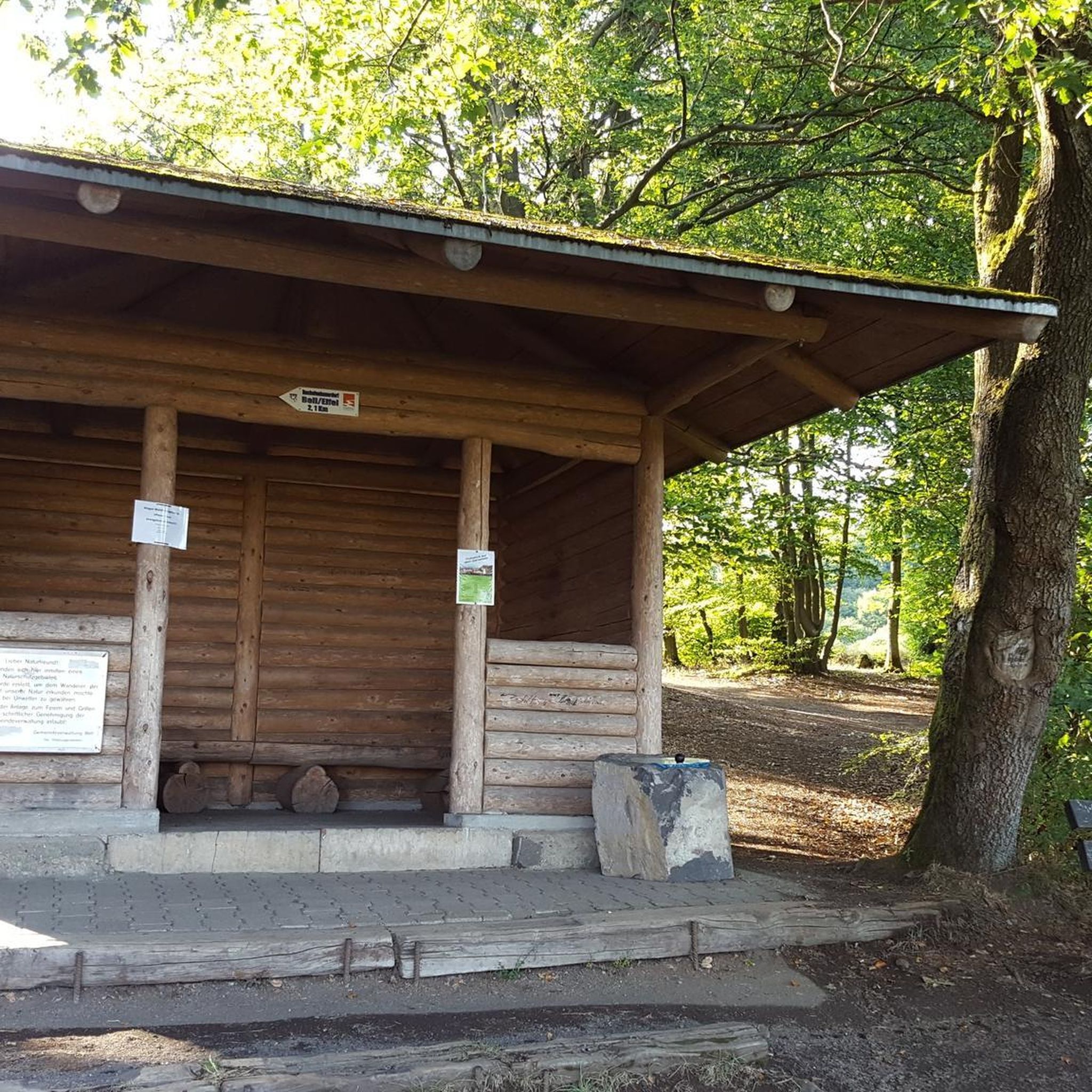
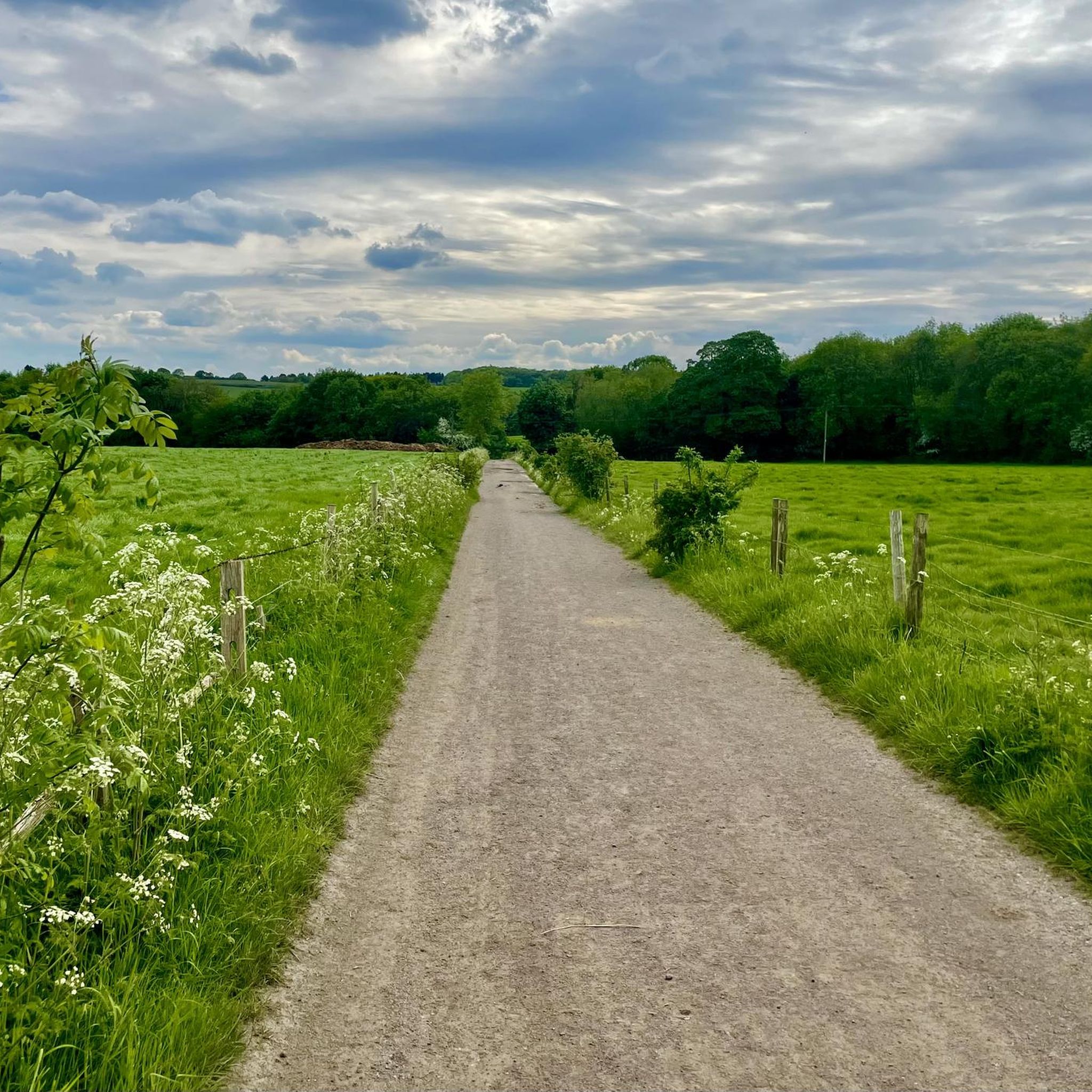
Have driven out to ride here but the komoot 'upgrade' seems to be a way of forcing purchase and it won't now show me the route. Area is great though and well worth a visit - some major uphills but some great downhill sections. Will definitely be returning. Some of the paths are currently being dug up by the council so are currently closed.
0
0

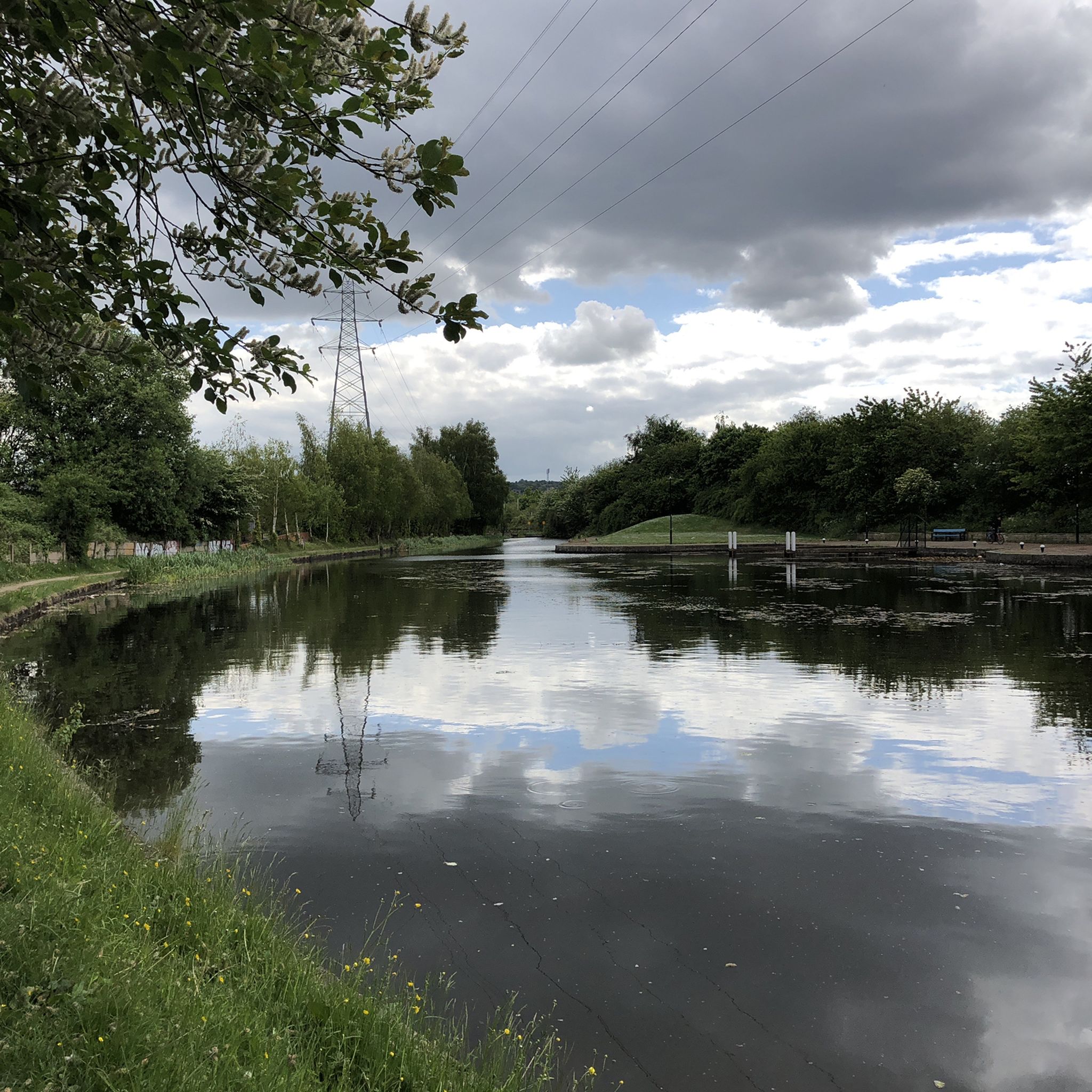
Wharncliffe Crags is a gritstone escarpment north-west of Sheffield and a designated Site of Special Scientific Interest. The area spans several miles and includes Wharncliffe Woods, home to diverse wildlife such as tree pipits, nightjars, newts, and dragonflies. The woods feature a network of forest tracks and trails ideal for exploration.
1
0

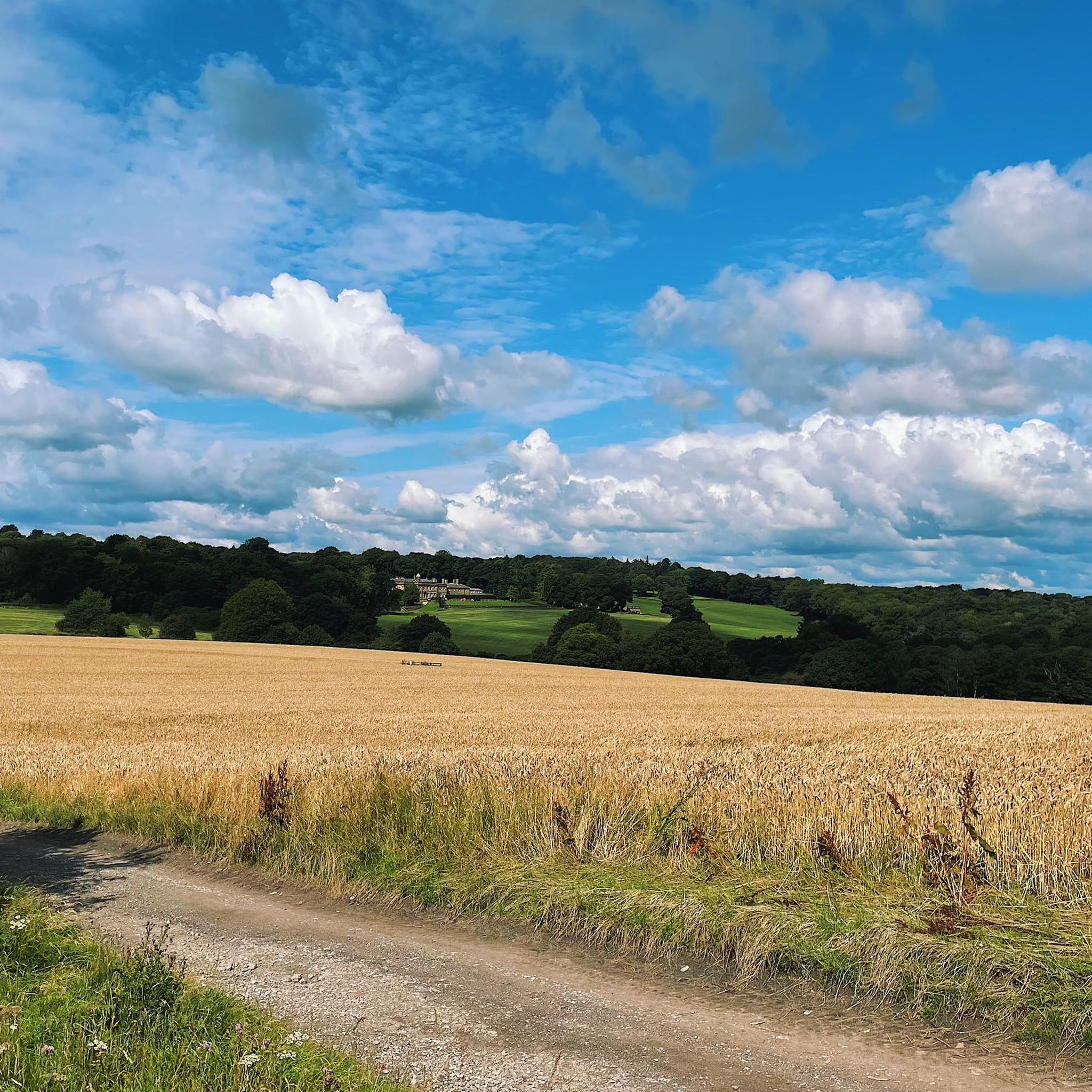
The tale of the Dragon of Wantley tells how a dragon, living in a cave in the crags (there is still a cave known as ‘Dragon’s Den’ near Wharncliffe Lodge), terrorised the locals by preying upon their children and cattle. The knight, More of More Hall takes on the dragon in battle, wearing a suit of spiked armour, waiting in a pond for the dragon to come and drink. More kills the dragon either (depending on which version you read) with a blow or by allowing the dragon to coil around him and squeeze, thus impaling itself of his spikes.
1
0

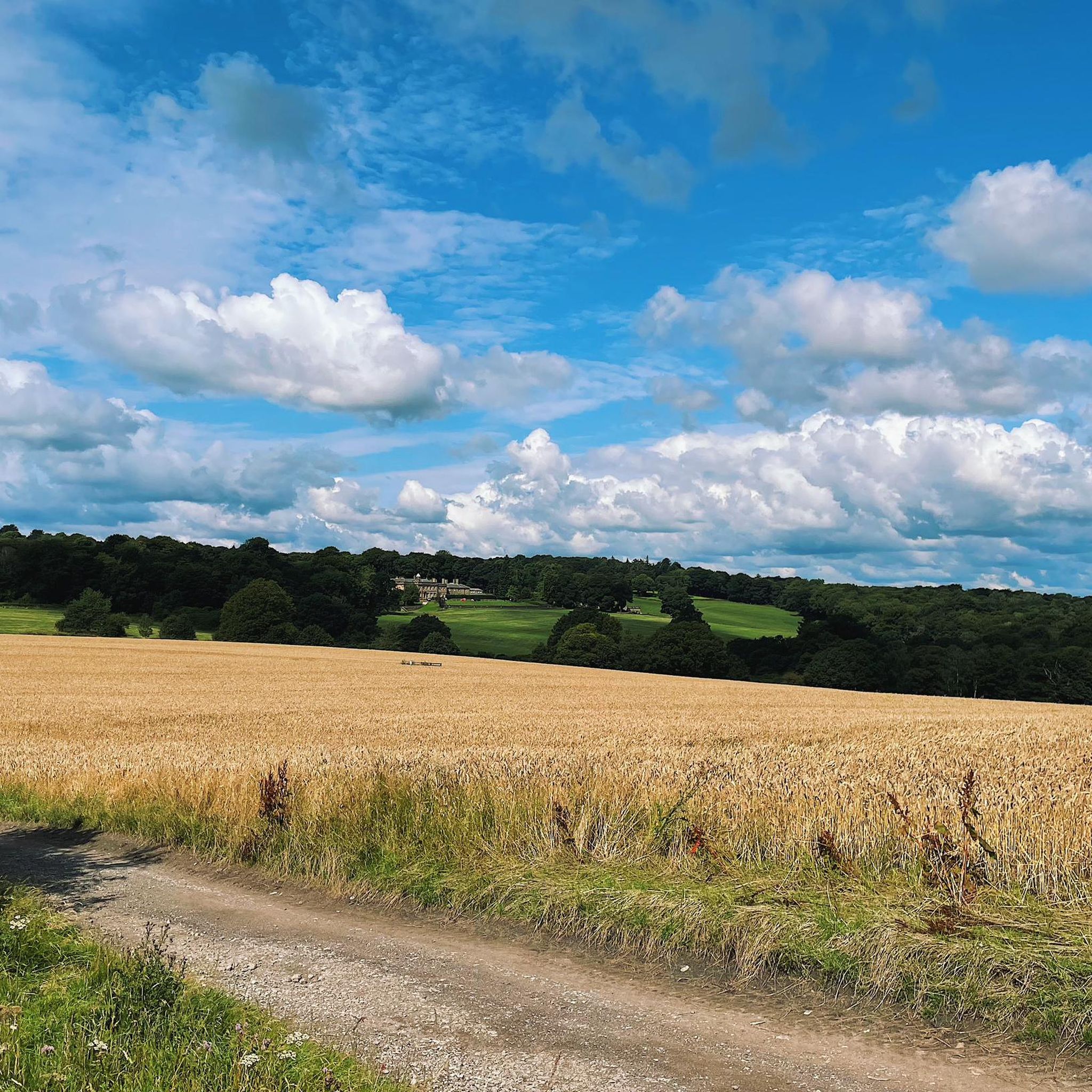
Hidden behind the Church of St Nicholas. Legend has it this place is haunted. You can't really tell from the photo but the Motte is fairly steep and is easier to get up than down!
5
0

This is not far from the Church of St Nicholas and the Old Horns and is a bit of a hidden gem. The remains of the motte can be climbed (and should be) to appreciate just how hard it would be to storm one of these defensive structures. On top of the motte would have been a wooden keep which has long since gone. This and the church indicate the importance of this area around 900 years ago.
2
0

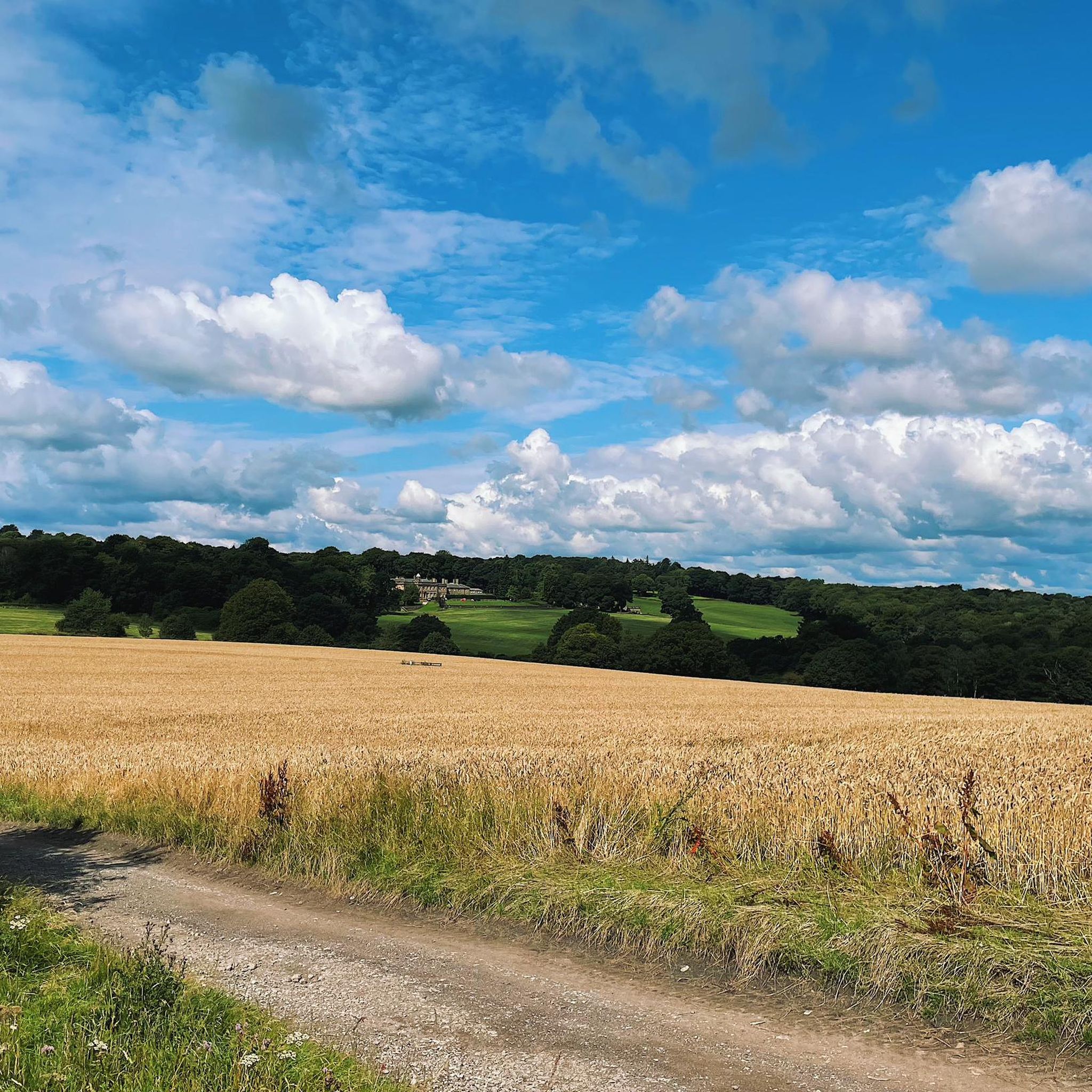
This ancient woodland still bears the scars of the industrial revolution; the humps and hollows of past coal mining and iron working still visible. These days, you will find Thorncliffe Wood to be a tranquil and beautiful spot—a far cry from the industry of days gone by . Whilst the woodland is predominantly sycamore, you can also see a significant number of oak trees, as well as beech, ash, willow, birch and elm.
2
0
Frequently Asked Questions
What are some of the most popular natural monuments to visit around Tankersley?
Among the most appreciated natural monuments in the area are Wharncliffe Crags, a significant gritstone escarpment, and Bailey Hill Motte, a historical site with natural elements. Visitors also highly recommend Thorncliffe Wood, an ancient woodland with a rich industrial past.
What kind of natural features can I expect to see in the Tankersley area?
The natural monuments around Tankersley offer a diverse landscape. You can explore ancient woodlands like Thorncliffe Wood, impressive gritstone escarpments such as Wharncliffe Crags, and historical mounds. The area also features circular shale mounds and varied flora, including wildflowers, thorn, and elder bushes.
Are there any historical sites among the natural monuments around Tankersley?
Yes, several natural monuments in the area also have significant historical value. Bailey Hill Motte is a historical defensive structure from around 900 years ago. Thorncliffe Wood, an ancient woodland, still shows the humps and hollows from past coal mining and iron working. Additionally, Dragon's Den Cave is associated with local folklore and historical tales.
What wildlife might I encounter near Tankersley's natural monuments?
At Wharncliffe Crags and its surrounding woods, you might spot diverse wildlife including tree pipits, nightjars, newts, and dragonflies. The ancient woodlands and natural areas provide habitats for various bird species and small mammals.
Are there good viewpoints among the natural monuments?
Yes, there are excellent viewpoints. You can climb the remains of Bailey Hill Motte for a good perspective of the surrounding area. Grimethorpe Nature Reserve Summit also offers panoramic views. Wharncliffe Crags, as a gritstone escarpment, provides elevated positions for scenic vistas.
Are there family-friendly natural monuments around Tankersley?
Yes, Thorncliffe Wood is considered family-friendly, offering tranquil walks through ancient woodland. Grimethorpe Nature Reserve Summit is also suitable for families looking for a gentle ascent and views.
Are there easy walking trails near the natural monuments?
Yes, there are several easy hiking options in the vicinity. You can find routes like the Chapeltown Woods loop or the St Peter's Church, Tankersley loop. For more details on easy hikes, refer to the Easy hikes around Tankersley guide.
Can I bring my dog to the natural monuments?
Many natural areas around Tankersley, including the woods and trails near Wharncliffe Crags and Thorncliffe Wood, are generally dog-friendly. Please ensure dogs are kept under control, especially near wildlife, and always clean up after your pet.
What outdoor activities can I do near these natural monuments?
Beyond exploring the natural monuments themselves, the Tankersley area offers a range of outdoor activities. You can find numerous routes for cycling, including touring and gravel biking, as well as various hiking trails. For detailed routes, check out the Cycling around Tankersley, Easy hikes around Tankersley, and Gravel biking around Tankersley guides.
How long should I plan for a visit to the natural monuments?
The duration of your visit depends on which natural monument you choose and how much you wish to explore. For example, a visit to Bailey Hill Motte might take an hour or two, while exploring the extensive trails of Wharncliffe Crags and its woods could easily fill half a day or more.
Are there any hidden natural gems in the Tankersley area worth discovering?
While not widely documented as major natural monuments, the Tankersley Park area itself contains interesting natural elements. Look for circular mounds of shale covered with wildflowers, and in central depressions where old iron workings have caved in, you'll find thorn and elder bushes taking root. These smaller, local features offer a unique glimpse into the area's natural history.
What is the best time of year to visit the natural monuments around Tankersley?
Spring and autumn are generally excellent times to visit, with pleasant temperatures and beautiful foliage. Spring brings wildflowers, while autumn offers vibrant colors in the woodlands. Summer is also good for longer days, but can be busier. Winter walks can be tranquil, especially in areas like Thorncliffe Wood, though paths may be muddy.
Most popular routes around Tankersley
Most popular attractions around Tankersley

Get inspired with the komoot mobile app


Explore more
Extend your search for the best caves by checking out these guides of the top ones around Tankersley:
