Top 8 Natural Monuments around Hickling
Best natural monuments around Hickling include Hickling Broad, the largest of the Norfolk Broads and a National Nature Reserve. This area features an expansive waterway, extensive reed-beds, marshes, fens, and woodlands, supporting diverse flora and fauna. It is recognized for its rare plant species, insects like the Swallowtail butterfly, and a variety of birdlife. The region offers varied landscapes and habitats for observation.
Best natural monuments around Hickling
- The most popular natural monuments is Winterton Dunes Nature Reserve, an…
Last updated: June 29, 2026
Horsey Beach Seal Colony
Highlight • Beach
Tip by

Horsey Mere
Highlight • Natural Monument
Tip by
Sign up now to discover places like this
Get recommendations on the best single tracks, peaks, & plenty of other exciting outdoor places.
Sign up for free
Upton Dyke
Highlight • Natural
Tip by
How Hill Windmill and Nature Reserve
Highlight • Structure
howhilltrust.org.uk
Tip by

River Bure and Drainage Mills
Highlight • Natural Monument
Tip by

Sign up for free to discover even more natural monuments around Hickling.
Sign up for free
Already have an account?
Start today with a free account
Your next adventure awaits.
Login or Signup

Tips from the Community

Great little viewing area with a couple of benches and a great view over the Mere.
1
0

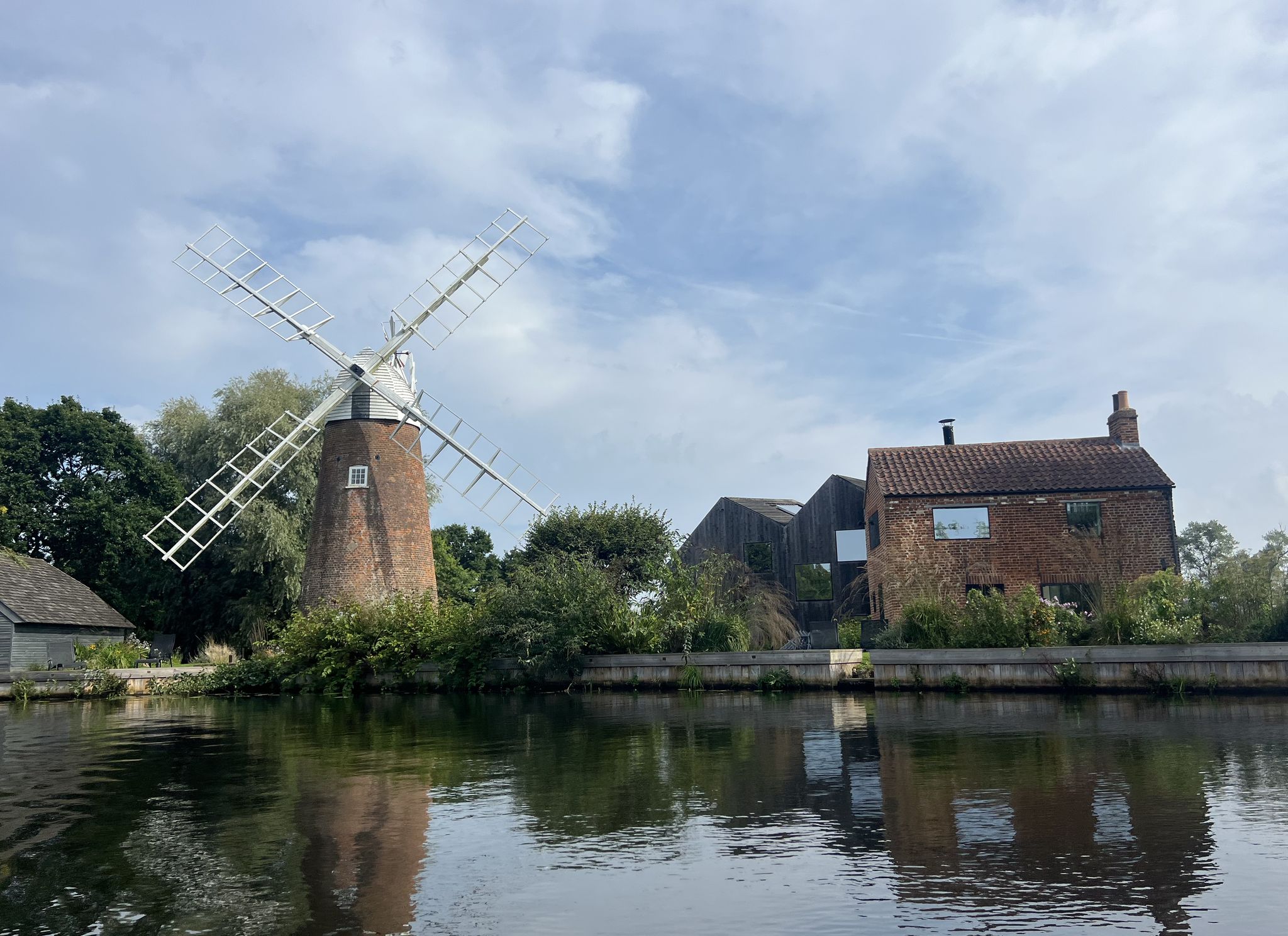
On this stretch of the River Bure you can see two examples of drainage mills, Upton Mill and Oby Drainage Mills. The mills pump water from the dikes out to tidal waterways to keep the land free of water. This is now done by electrical pumps but the windmills remain an iconic feature of the landscape.
0
0

The helpers and conservationists give valuable tips on where the groups can best be seen at the moment and they protect these dear animals and discourage some unreasonable tourists from getting too close to the seals. At the end of October I was able to see a few dozen young seal families. Good close-ups were possible with a 5x zoom lens.
2
0

In the summer months you. Will find the common seal and pups PLEASE do not get close if you frighten the mums they will abandon the pups the recommended distance is to keep 10+ meters away
0
0
The beach is closed to the public from November to end of March all viewing is done from the 2 viewing areas . Wardens are on duty weekends and all week to guide visitors and protect the seals in bad weather the seals come up into the dunes to give birth
0
1

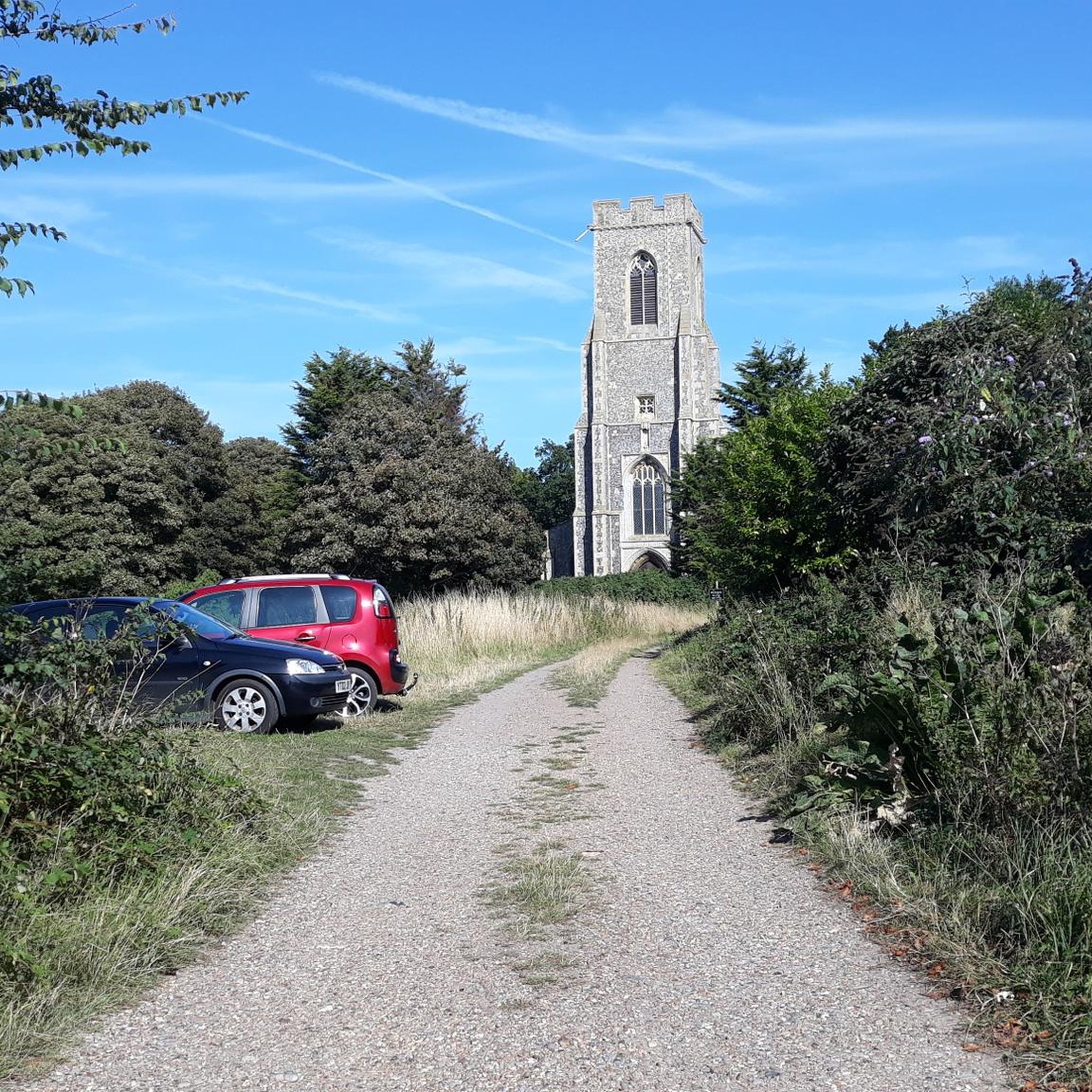
When we passed through in early spring, we were amazed at the amount of Mute Swans on the surrounding farmland. On several occasions, groups of swans flew over to land in Upton Dyke and the River Bure. There is a small car park that is free to use.
1
0
Best viewing time for the seals (in my opinion) is early December until Christmas. This is because I love the older pups
1
0

Lovely hidden gem with superb views, a great tea room and delightful gardens. There's also Toad Hole Cottage Museum by the River Ant, which offers excellent walks and has several windmills to admire. https://howhilltrust.org.uk/
0
0
Frequently Asked Questions
What kind of wildlife can I expect to see at Hickling Broad and nearby natural monuments?
Hickling Broad is a haven for wildlife. You can spot rare birds like Eurasian bitterns, marsh harriers, and Cetti's warblers. In winter, cranes, common goldeneyes, and shovelers are present. It's also a crucial breeding ground for the Swallowtail butterfly and various dragonflies, including the Norfolk hawker. At Horsey Beach Seal Colony, you can observe hundreds of grey seals, especially between November and February. Winterton Dunes Nature Reserve is home to terns and Natterjack toads, while Upton Dyke is known for its rare birds and insects.
Are there family-friendly natural attractions around Hickling?
Yes, several natural monuments around Hickling are suitable for families. Hickling Broad offers 'Wildlife Detective Bumbags' for children and occasional family events like birdwatching and pond dipping. Horsey Beach Seal Colony provides a memorable wildlife viewing experience for all ages. Horsey Mere and Winterton Dunes Nature Reserve are also great for family outings, offering easy walks and opportunities to see nature up close.
What are the best times of year to visit Hickling's natural monuments for wildlife viewing?
The best time to visit depends on what you want to see. For the iconic Swallowtail butterfly, summer (June to August) is ideal. Birdwatching is excellent year-round, with Eurasian bitterns and marsh harriers present most of the year. Winter brings cranes and other migratory birds. For the grey seal breeding season at Horsey Beach Seal Colony, visit between November and February.
Are there accessible routes for visitors with mobility needs at Hickling Broad?
Yes, Hickling Broad offers accessible options. There is a network of paths, including boardwalks, grass, and gravel trails. Some paths, including boardwalks, are wheelchair-friendly, allowing visitors to enjoy the tranquil walks and varied landscape.
What outdoor activities can I do near these natural monuments?
Beyond exploring the natural monuments themselves, you can enjoy various outdoor activities. There are numerous cycling routes, such as the 'Horsey Windpump and Café – Horsey Windpump loop from Hickling' for road cycling, or the 'Stalham and Honing loop from Sea Palling' for touring bicycles. For hikers, easy trails like 'Potter Heigham to Hickling Broad' or 'Horsey Windpump – Horsey Beach Seal Colony loop from Horsey' are available. You can find more details on these activities in the Road Cycling Routes around Hickling, Cycling around Hickling, and Easy hikes around Hickling guides.
Can I take a boat trip to explore Hickling Broad?
Yes, guided boat trips are available at Hickling Broad from May to September. These trips offer a unique perspective of the broad's hidden corners and provide access to the Tree Tower, which boasts panoramic views of the Broads and coastline.
Are there any historical sites or features near Hickling's natural monuments?
While primarily natural, Hickling Broad itself has historical significance, having been formed from flooded peat diggings during the medieval period. Additionally, the How Hill Windmill and Nature Reserve offers a blend of natural beauty and historical interest with its windmill and Toad Hole Cottage Museum, providing insights into the region's heritage.
Where can I find parking when visiting natural monuments around Hickling?
Specific parking information varies by location. For example, Upton Dyke has a small, free car park. For Hickling Broad, there is a visitor center with parking facilities. It's advisable to check specific monument websites or local signage for the most up-to-date parking details.
What are the unique natural features of Hickling Broad?
Hickling Broad is the largest of the Norfolk Broads, spanning 600 hectares. It features England's most extensive reed-bed, alongside a diverse landscape of dykes, marshes, fens, and woodlands. The water is slightly brackish due to its proximity to the sea, supporting rare waterweeds like the holly-leaved naiad and three uncommon species of stonewort.
Are dogs allowed on trails around Hickling's natural monuments?
Dog policies vary by specific reserve and area. For instance, when visiting Horsey Beach Seal Colony, it is crucial to keep dogs under control and on a lead, especially during the seal breeding season, to protect the wildlife. Always check local signage or the specific reserve's guidelines before bringing your dog.
What makes Horsey Mere a significant natural monument?
Horsey Mere is considered one of the most beautiful northern broads. Its reed beds and grazing marshes are an internationally important habitat for birds, including wigeon, teal, shoveller, and rare warblers like Cetti's and Savi's. It offers excellent birdwatching opportunities from a dedicated viewing area.
How long does it typically take to visit Hickling Broad?
The duration of a visit to Hickling Broad can vary. You could spend a couple of hours enjoying a walk and visiting the visitor center, or a full day if you opt for a guided boat trip, explore multiple trails, and engage in birdwatching from the hides. An easy hike like the 'Hickling Broad Visitor Centre – View from Secker's Hide loop from Hickling' takes about an hour.
Most popular attractions around Hickling

Get inspired with the komoot mobile app


Explore more
Extend your search for the best caves by checking out these guides of the top ones around Hickling:
