Top 4 Natural Monuments around West Caister
Best natural monuments around West Caister offer diverse natural landscapes, from expansive wetlands to sandy coastlines. The area is characterized by its unique blend of river systems, dunes, and nature reserves. These natural attractions provide opportunities for wildlife observation and coastal exploration. Visitors can experience a variety of ecosystems rich in flora and fauna.
Best natural monuments around West Caister
- The most popular natural monuments is Winterton Dunes Nature Reserve, a dune that is home to diverse wildlife including…
Last updated: June 29, 2026
Breydon Water Nature Reserve
Highlight • Natural
Tip by

Upton Dyke
Highlight • Natural
Tip by
Sign up now to discover places like this
Get recommendations on the best single tracks, peaks, & plenty of other exciting outdoor places.
Sign up for free
River Bure and Drainage Mills
Highlight • Natural Monument
Tip by

Start today with a free account
Your next adventure awaits.
Login or Signup
Tips from the Community

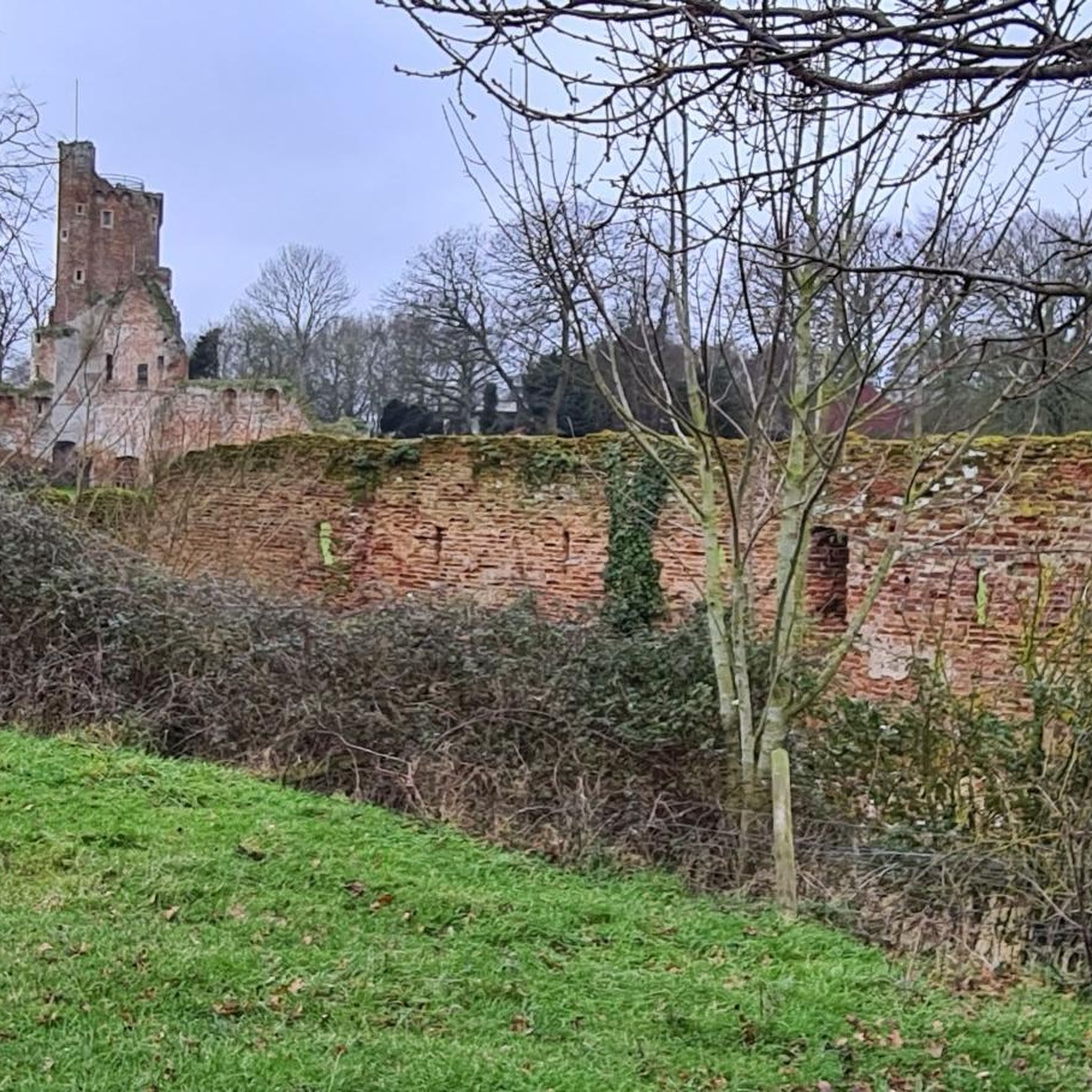
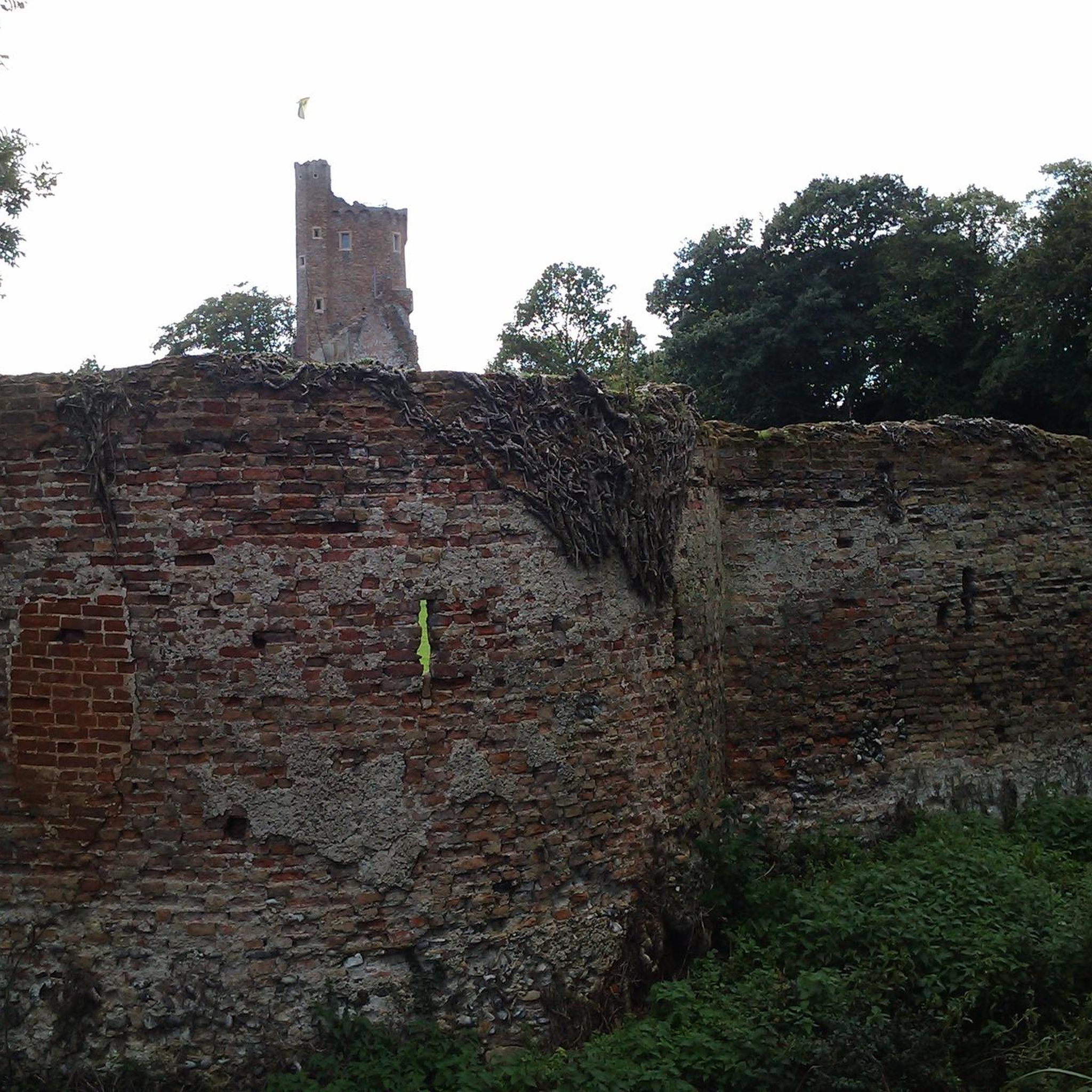
On this stretch of the River Bure you can see two examples of drainage mills, Upton Mill and Oby Drainage Mills. The mills pump water from the dikes out to tidal waterways to keep the land free of water. This is now done by electrical pumps but the windmills remain an iconic feature of the landscape.
0
0

When we passed through in early spring, we were amazed at the amount of Mute Swans on the surrounding farmland. On several occasions, groups of swans flew over to land in Upton Dyke and the River Bure. There is a small car park that is free to use.
1
0

Every year, over 64,000 birds visit Berney Marshes and Breydon Water Nature Reserve. You will find pink-footed geese, wigeons, lapwings and many more species. The reserve is particularly spectacular in winter when thousands of wintering ducks, geese and swans come to the estuary and marshes. The reserve is open at all times and entrance is free. You can find more information, here: https://www.rspb.org.uk/reserves-and-events/reserves-a-z/berney-marshes-breydon-water/
1
0

Breydon Water is a marshy expanse along the River Yare. As very few roads cross these slippery silt flats, this area is one of the most isolated in The Broads. As such, birds flourish here and the Royal Society for the Protection of Birds (RSPB) manages quite a large part, maintaining it as a nature reserve to encourage both rare and common species.
1
0
Upton Dyke is set amid marshes which have been designated as a Site of Special Scientific Interest, due to the rare wildlife here. The area is in the care of Norfolk Wildlife Trust. As you follow the dyke, you can admire the moored boats and keep a look out for rare birds and insects.
2
0
Frequently Asked Questions
What unique natural features can I explore near West Caister?
The West Caister area offers a diverse range of natural features. You can explore the striking dune and heath landscape of Winterton Dunes Nature Reserve, which is internationally important for its rare plants and animals. Additionally, the region is characterized by its extensive river systems and marshy expanses, such as Upton Dyke and Breydon Water Nature Reserve, which are havens for wildlife.
What kind of wildlife can I expect to see at the natural monuments around West Caister?
The natural monuments near West Caister are rich in wildlife. At Winterton Dunes Nature Reserve, you might spot terns, natterjack toads, and even seal colonies. Breydon Water Nature Reserve is a significant birdwatching site, with over 64,000 birds visiting annually, including pink-footed geese, wigeons, and lapwings. The wider Norfolk Broads area, including places like Barton Broad and Hickling Broad, is home to rare species like the swallowtail butterfly, otters, common cranes, bitterns, and marsh harriers.
Are there family-friendly natural monuments around West Caister?
Yes, several natural monuments near West Caister are suitable for families. Upton Dyke is a family-friendly river area set amid marshes, where you can admire moored boats and look for rare birds and insects. Winterton Dunes Nature Reserve offers expansive views and golden sands, perfect for a family day out exploring the unique dune ecosystem and spotting seals. The River Bure and Drainage Mills also provide an interesting historical and natural experience for all ages.
When is the best time to visit the natural monuments around West Caister?
The best time to visit depends on what you wish to see. For birdwatching, particularly at Breydon Water Nature Reserve, winter is spectacular when thousands of ducks, geese, and swans arrive. If you're hoping to see seal colonies, especially pups, Horsey Gap (a short drive from West Caister) is famous for this during the winter months. Generally, spring and summer offer pleasant weather for coastal walks and exploring the diverse flora.
What outdoor activities can I do near these natural monuments?
The area around West Caister offers various outdoor activities. You can enjoy hiking along the coast or through nature reserves. For example, there are easy hikes like the Great Yarmouth Boating Lake loop. Cycling is also popular, with routes like the Caister to Hoveton and the Norfolk Broads loop. Many of these activities allow you to explore the natural beauty of the region. You can find more details on routes in the hiking guide for West Caister and the cycling guide for West Caister.
Are there hiking trails near the natural monuments in West Caister?
Yes, there are several hiking trails available. You can find easy walking trails near the natural monuments, such as the Great Yarmouth Boating Lake loop. The walk from Horsey Windpump to Horsey Gap, though a short drive away, offers a beautiful and easy route combining marshes, fields, and the beach, perfect for observing marine mammals. For more options, explore the easy hikes around West Caister guide.
Can I go birdwatching at the natural monuments near West Caister?
Absolutely. The region is a prime destination for birdwatching. Breydon Water Nature Reserve is particularly renowned, with the RSPB managing a large part of it to support both rare and common bird species. You can spot pink-footed geese, wigeons, lapwings, and many more, especially in winter. The wider Norfolk Broads, including Barton Broad and Hickling Broad, are also excellent for seeing species like gadwall, tufted duck, teal, common crane, bittern, marsh harrier, and bearded tit.
Are there any coastal natural monuments or beaches worth visiting near West Caister?
Yes, the coastline near West Caister offers significant natural monuments. Winterton Dunes Nature Reserve features a striking dune and heath landscape right by the sea, providing unique coastal views and wildlife spotting opportunities. Gorleston Beach, a short distance away, is also recognized for its wide seafront and stunning views, ideal for coastal walks and recreation.
What is the significance of the rivers and dykes in the West Caister area?
The rivers and dykes, such as Upton Dyke and the River Bure, are integral to the natural landscape of West Caister and the wider Norfolk Broads. They are often designated as Sites of Special Scientific Interest due to the rare wildlife they support, including various birds and insects. These waterways are also historically important, with drainage mills like Upton Mill and Oby Drainage Mills showcasing how the land has been managed over centuries.
What do visitors enjoy most about the natural monuments around West Caister?
Visitors frequently appreciate the tranquility and the abundance of wildlife. The expansive views and golden sands of places like Winterton Dunes Nature Reserve are often highlighted. Birdwatchers are particularly rewarded by the diverse species at sites like Breydon Water Nature Reserve. The opportunity to observe seals in their natural habitat, especially at Horsey Gap, is also a memorable experience for many.
Are there opportunities to see seals near West Caister?
Yes, Horsey Gap, a short drive from West Caister, is particularly famous for its seal colonies. During the winter months, visitors can witness seals basking on the beach and even pups being born. It's an unforgettable experience for nature lovers and offers a unique chance to observe these marine mammals in their natural habitat.
Most popular attractions around West Caister

Get inspired with the komoot mobile app


Explore more
Extend your search for the best caves by checking out these guides of the top ones around West Caister:
