Lingwood And Burlingham
Lingwood And Burlingham
Top 5 Natural Monuments around Lingwood And Burlingham
Best natural monuments around Lingwood And Burlingham are situated within the Norfolk Broads, an internationally important wetland characterized by a network of rivers, broads, wet woodlands, and fens. This region offers diverse ecosystems and opportunities for wildlife observation and scenic walks. The landscape is shaped by its unique history of medieval peat diggings that flooded over centuries, creating the broads. It provides a setting for appreciating the area's natural beauty and its historical interaction with the environment.
Best natural monuments…
Last updated: July 12, 2026
Thorpe Marshes Nature Reserve
Highlight • Lake
Close to the River Yare, the area …
Tip by

Upton Dyke
Highlight • Natural
Tip by

Sign up now to discover places like this
Get recommendations on the best single tracks, peaks, & plenty of other exciting outdoor places.
Sign up for free
How Hill Windmill and Nature Reserve
Highlight • Structure
howhilltrust.org.uk
Tip by

River Bure and Drainage Mills
Highlight • Natural Monument
Tip by

View of Barton Broad
Highlight • Viewpoint
Tip by

Start today with a free account
Your next adventure awaits.
Login or Signup


Tips from the Community

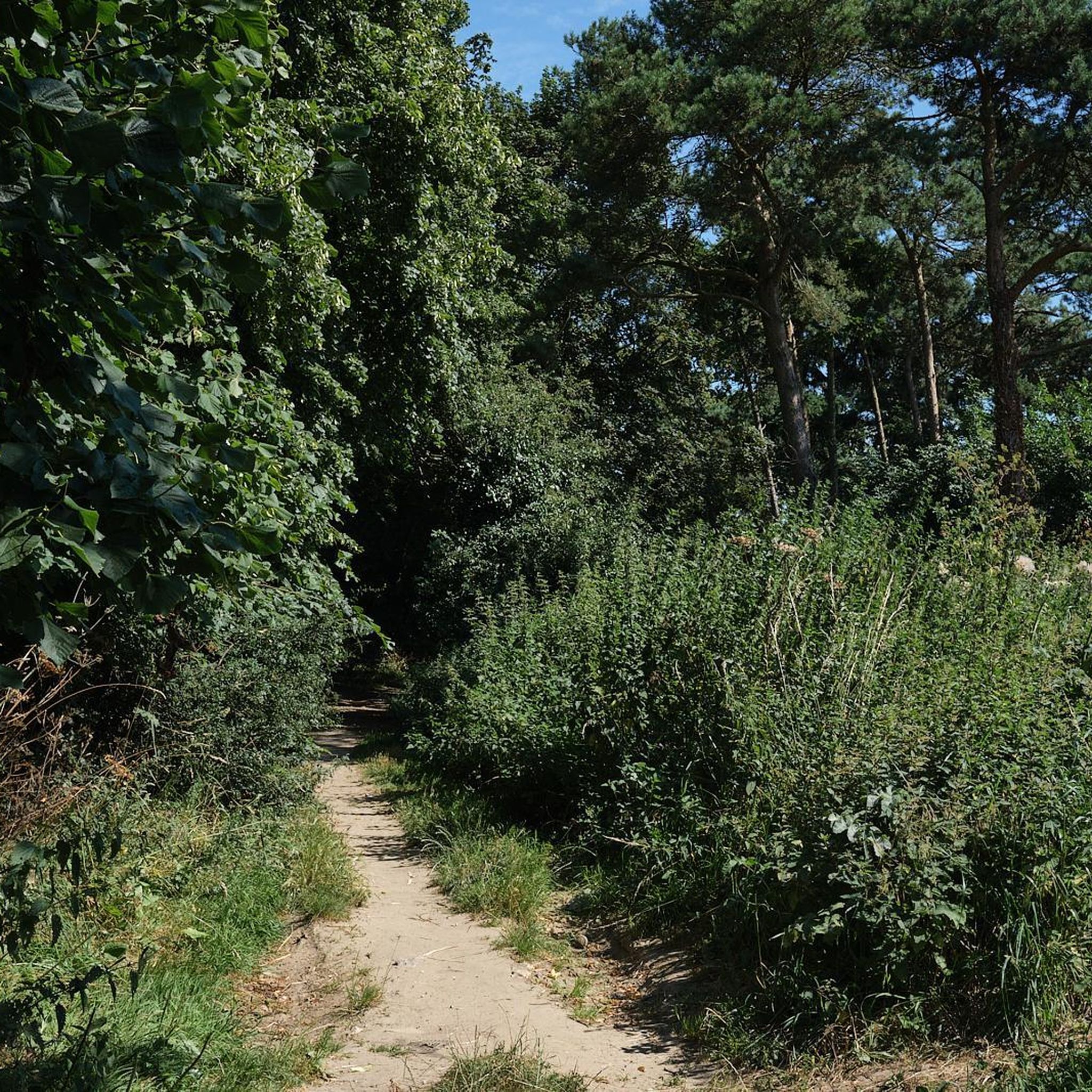
You can't see that much of the marshes from the road but the woods are very pleasant.
0
0

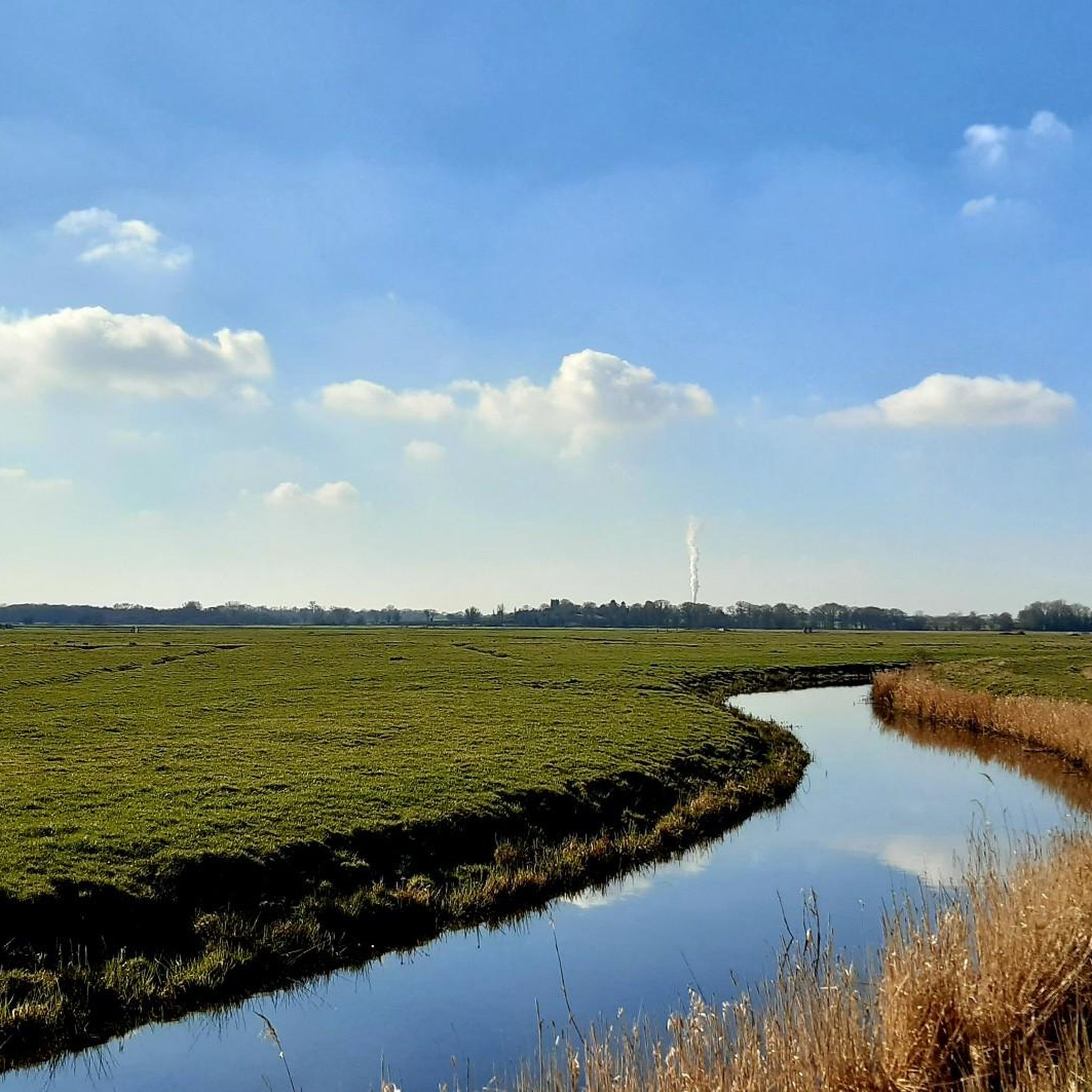
This viewpoint looks over the expansive freshwater lake of Barton Broad in Norfolk. The lake features gorgeous reed beds and waterlilies that provide home for a number of wonderful bird species including marsh harriers, bitterns, and great crested grebes. Boating enthusiasts are often seen exploring the lake's waters too.
1
0
Thorpe Marshes is a diverse habitat situated in Norwich, offering walkers a peaceful respite from the hustle and bustle of city life. The marshes feature reed beds, wet meadows, and open water, which provide a home for a diverse range of bird species such as kingfishers, herons, and terns.
1
0

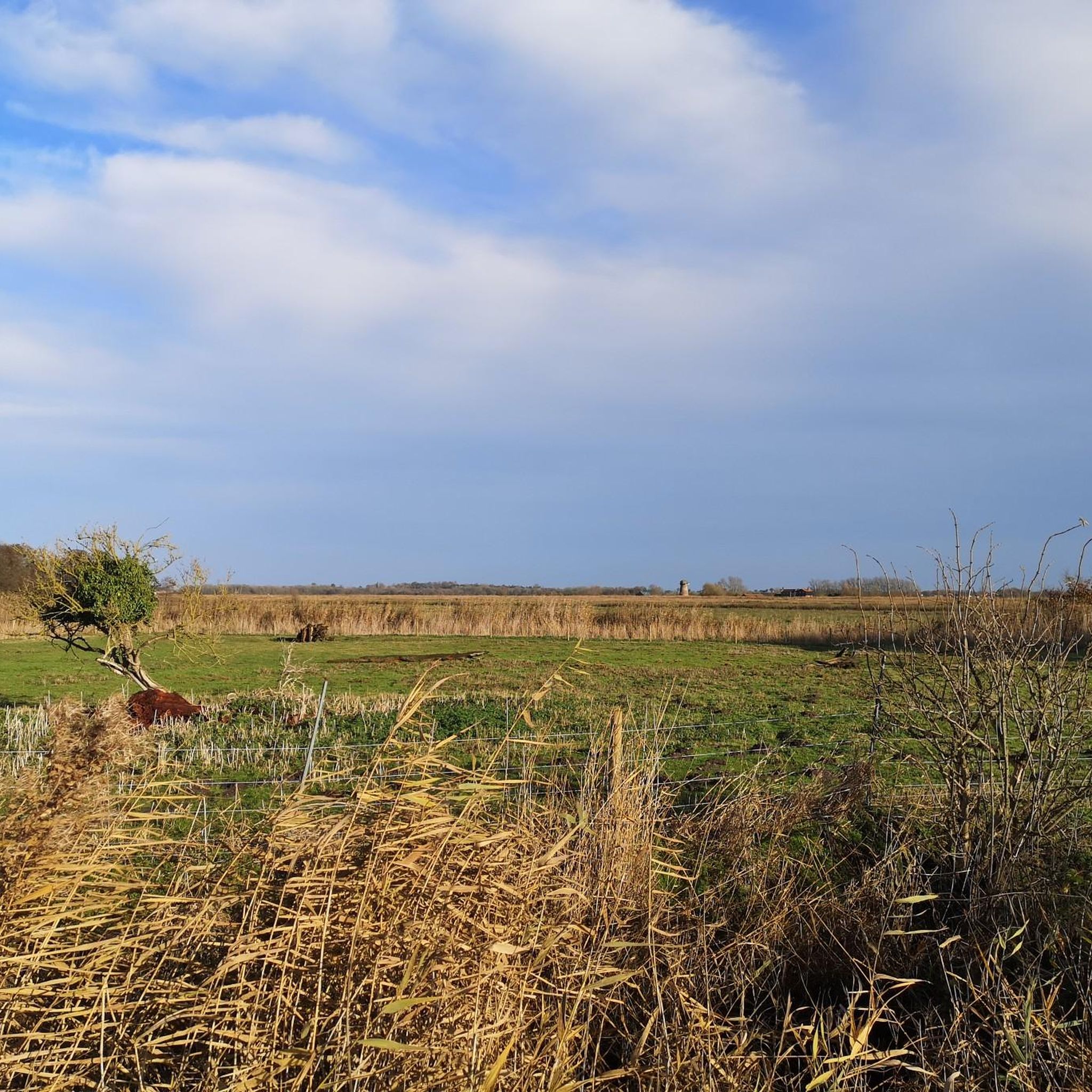
On this stretch of the River Bure you can see two examples of drainage mills, Upton Mill and Oby Drainage Mills. The mills pump water from the dikes out to tidal waterways to keep the land free of water. This is now done by electrical pumps but the windmills remain an iconic feature of the landscape.
0
0

Located on the edge of Norwich, Thorpe Marshes is a wonderful mixture of habitats in a nature reserve managed by Norfolk Wildlife Trust. Close to the River Yare, the area is covered in wildflower marshes and dykes. You may spot dragonfly, damselfly and butterfly here, as well as many waterbirds. Chinese water deer, and smaller Muntjac deer have also taken up residence.
1
0

When we passed through in early spring, we were amazed at the amount of Mute Swans on the surrounding farmland. On several occasions, groups of swans flew over to land in Upton Dyke and the River Bure. There is a small car park that is free to use.
1
0

Lovely hidden gem with superb views, a great tea room and delightful gardens. There's also Toad Hole Cottage Museum by the River Ant, which offers excellent walks and has several windmills to admire. https://howhilltrust.org.uk/
0
0

Upton Dyke is set amid marshes which have been designated as a Site of Special Scientific Interest, due to the rare wildlife here. The area is in the care of Norfolk Wildlife Trust. As you follow the dyke, you can admire the moored boats and keep a look out for rare birds and insects.
2
0
Frequently Asked Questions
What are some of the most popular natural monuments to visit around Lingwood and Burlingham?
The area offers several highly-rated natural monuments. Visitors particularly enjoy Upton Dyke, known for its rare wildlife and views of moored boats. Another favorite is How Hill Windmill and Nature Reserve, which combines historical interest with superb views and delightful gardens. The River Bure and Drainage Mills are also popular for their iconic structures representing the historical management of the land.
What kind of wildlife can I expect to see at the natural monuments in this region?
The natural monuments around Lingwood and Burlingham are rich in wildlife, especially within the Broads National Park. At NWT Ranworth Broad, you can spot common terns, marsh harriers, and kingfishers, along with the rare swallowtail butterfly and Norfolk hawker dragonfly. Upton Dyke, a Site of Special Scientific Interest, is also known for its rare birds and insects. Barton Broad is home to marsh harriers, bitterns, and great crested grebes.
Are there family-friendly natural monuments around Lingwood and Burlingham?
Yes, many natural monuments in the area are suitable for families. NWT Ranworth Broad features a floating Broads Wildlife Centre and an informative boardwalk, making it engaging for all ages. How Hill Windmill and Nature Reserve offers gardens and a museum. Additionally, Upton Dyke, River Bure and Drainage Mills, and View of Barton Broad are all considered family-friendly.
What historical or cultural sites are integrated with the natural monuments?
The region's natural monuments often have a rich historical context. The Broads National Park itself is a result of medieval peat diggings. You can visit the How Hill Windmill and Nature Reserve, which includes the Toad Hole Cottage Museum. The River Bure and Drainage Mills showcase iconic structures like Upton Mill and Oby Drainage Mills, representing historical human efforts to manage the land. The medieval Potter Heigham Bridge, dating back to 1385, is another significant historical landmark.
Are there accessible natural monuments or walks for people with mobility needs?
Yes, the Burlingham Woodland Walks offer paths suitable for various abilities, including some routes designed for wheelchairs and mobility vehicles. These walks provide a peaceful retreat into nature with diverse flora and fauna.
What are the best times of year to visit the natural monuments around Lingwood and Burlingham?
The natural monuments in this region can be enjoyed throughout the changing seasons. Spring and summer are ideal for wildlife spotting, especially for rare butterflies and dragonflies at places like NWT Ranworth Broad. Autumn offers beautiful foliage along the Burlingham Woodland Walks, while winter provides a unique, tranquil atmosphere for observing the vast landscapes and birdlife.
Where can I find walking or hiking trails near these natural monuments?
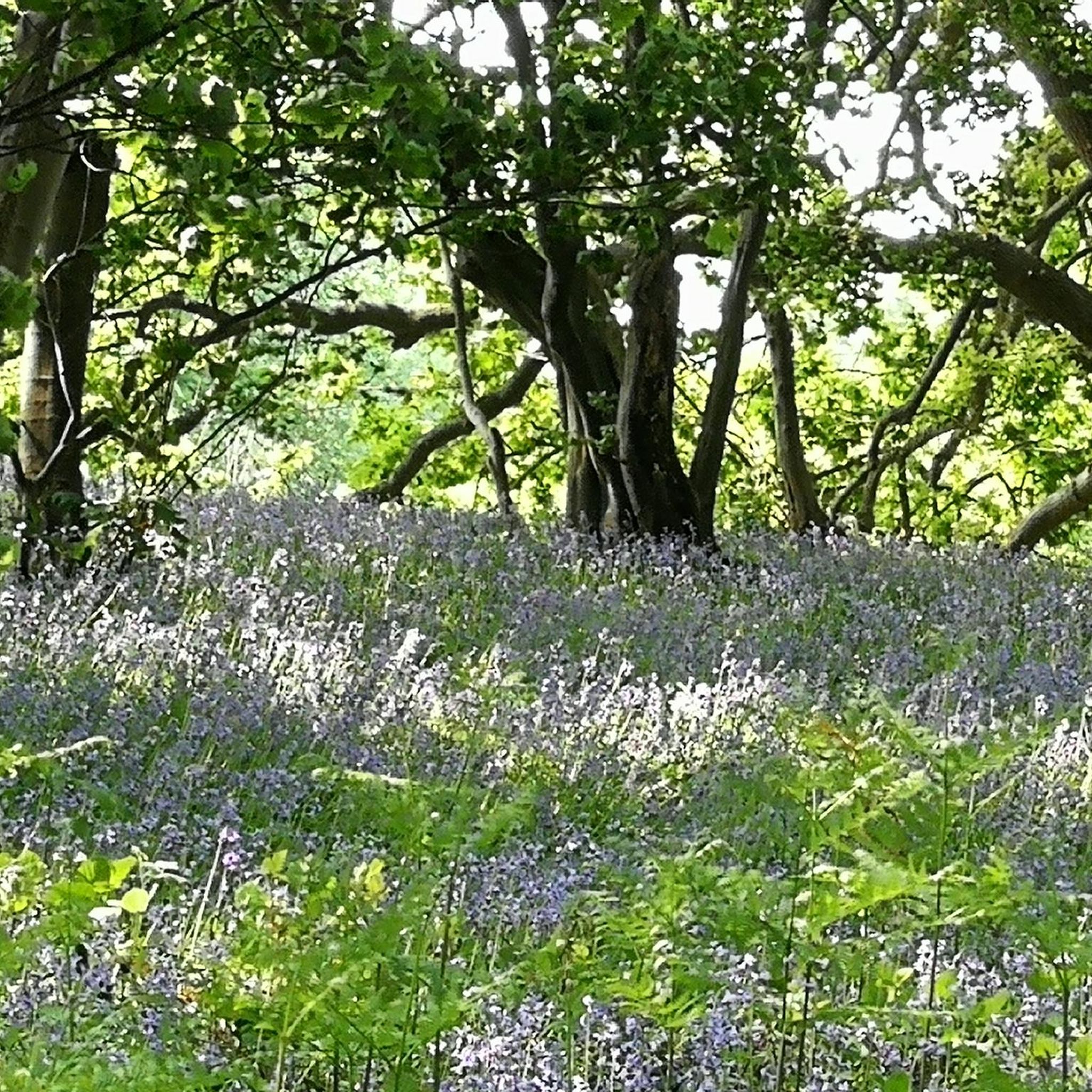
There are numerous walking and hiking trails available. For easy walks, you can explore routes like the 'Cantley Sugar Beet Factory – Buckenham Ferry Drainage Mill loop' or the 'Hiking loop from Lingwood and Burlingham'. For more moderate hikes, consider trails such as 'St Mary’s Church and Ruins – South Walsham Church loop' or 'Bluebells in Buckenham Woods – Railway Crossing in The Broads loop'. You can find more details and routes in the Easy hikes around Lingwood And Burlingham and Hiking around Lingwood And Burlingham guides.
Are there cycling routes available near the natural monuments?
Yes, the area offers several road cycling routes. You can find easy loops starting from Brundall or Lingwood, such as the 'Roadbike loop from Lingwood'. For a more moderate challenge, consider the 'Horning Marina – River Bure at Horning loop from Acle'. More information on these routes can be found in the Road Cycling Routes around Lingwood And Burlingham guide.
What facilities are available for visitors at places like Ranworth Broad?
NWT Ranworth Broad features a floating Broads Wildlife Centre, an informative boardwalk, and offers guided electric boat trips for exploring the broad and its wildlife. It's a prime destination for naturalists and families.
Is there parking available at the natural monuments?
Parking availability varies by location. For instance, Upton Dyke has a small, free car park. For other locations, it's advisable to check specific visitor information or local signage upon arrival.
What is unique about Turf Fen Drainage Mill?
The Turf Fen Drainage Mill is an iconic 19th-century drainage mill with a unique design, featuring a brick tower and two scoopwheels. It stands proudly on the River Ant and is primarily accessible by boat, emphasizing its remote and natural setting. It's a popular spot for photographers and represents the historical human endeavor to manage the Broads' environment.
What do visitors enjoy most about the natural monuments in Lingwood and Burlingham?
Visitors appreciate the diverse ecosystems and opportunities for wildlife observation. The vast skies and stunning landscapes, including iconic windpumps and church spires, are frequently mentioned. The blend of natural beauty with historical elements, such as the drainage mills and medieval bridges, also adds to the appeal. The komoot community has shared over 10 photos and given more than 50 upvotes for the natural monuments in this area.
Most popular routes around Lingwood And Burlingham
Most popular attractions around Lingwood And Burlingham

Get inspired with the komoot mobile app


Explore more
Extend your search for the best caves by checking out these guides of the top ones around Lingwood And Burlingham:
