Top 6 Natural Monuments around Brinsley
Best natural monuments around Brinsley include a landscape shaped by industrial heritage and subsequent natural reclamation, offering notable natural areas. The region provides diverse ecological features, walking opportunities, and historical connections. Its natural spaces, such as nature reserves and canal paths, offer rich biodiversity and a peaceful escape into the Nottinghamshire countryside. This area is valued for its open, hilly country and remnants of woodlands, inspiring authors like D.H. Lawrence.
Best natural monuments around Brinsley
- The most popular natural monuments…
Last updated: June 29, 2026
St James' Church and Ancient Yew Tree, Papplewick
Highlight • Historical Site
Tip by

Belper River Gardens and the Stone Bridge
Highlight • Viewpoint
Tip by

Sign up now to discover places like this
Get recommendations on the best single tracks, peaks, & plenty of other exciting outdoor places.
Sign up for free
Loscoe Dam
Highlight • Natural Monument
Tip by

Young People's Forest at Mead
Highlight • Natural Monument
Tip by

Lady Lane Spinney Nature Reserve
Highlight • Forest
Tip by
Sign up for free to discover even more natural monuments around Brinsley.
Sign up for free
Already have an account?
Start today with a free account
Your next adventure awaits.
Login or Signup
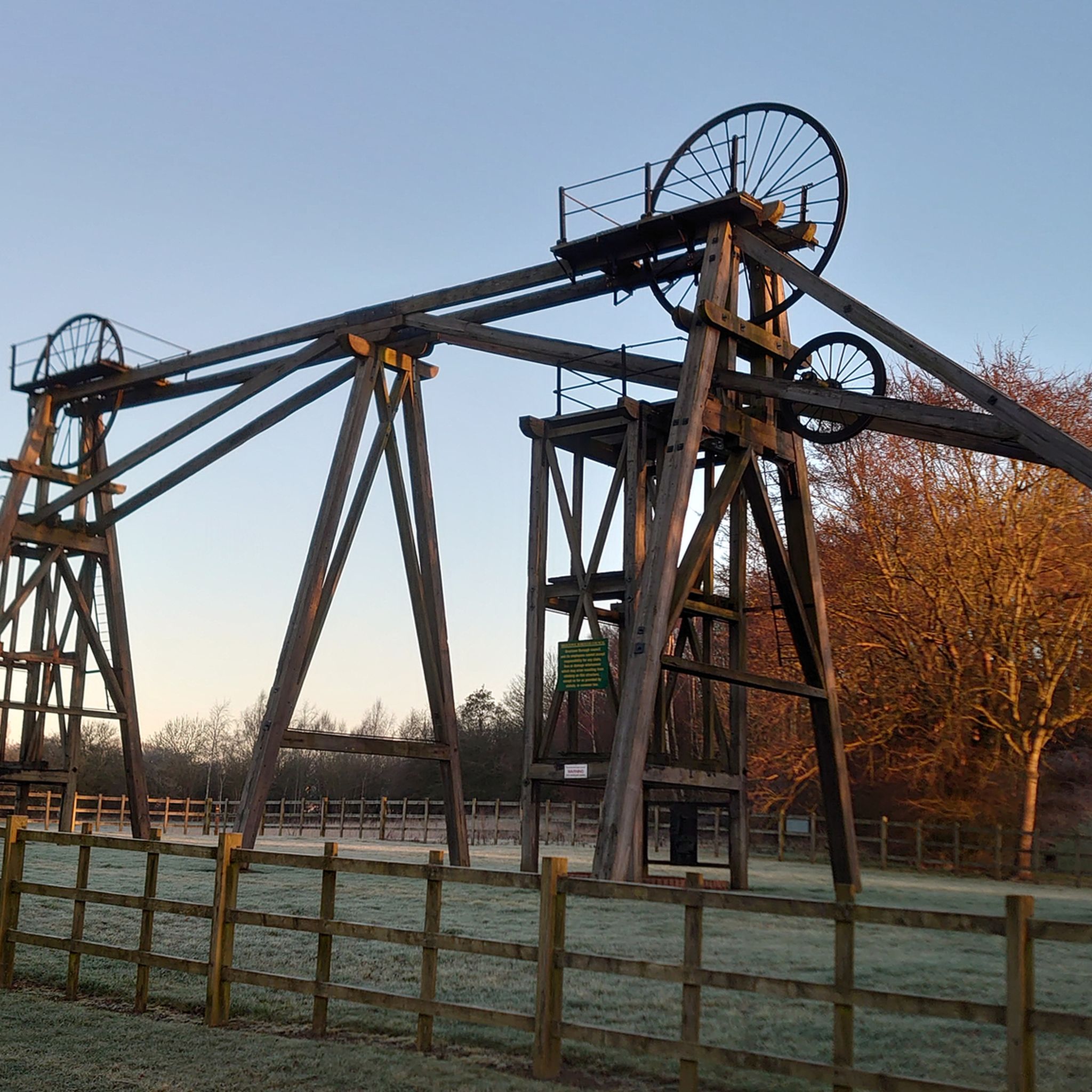
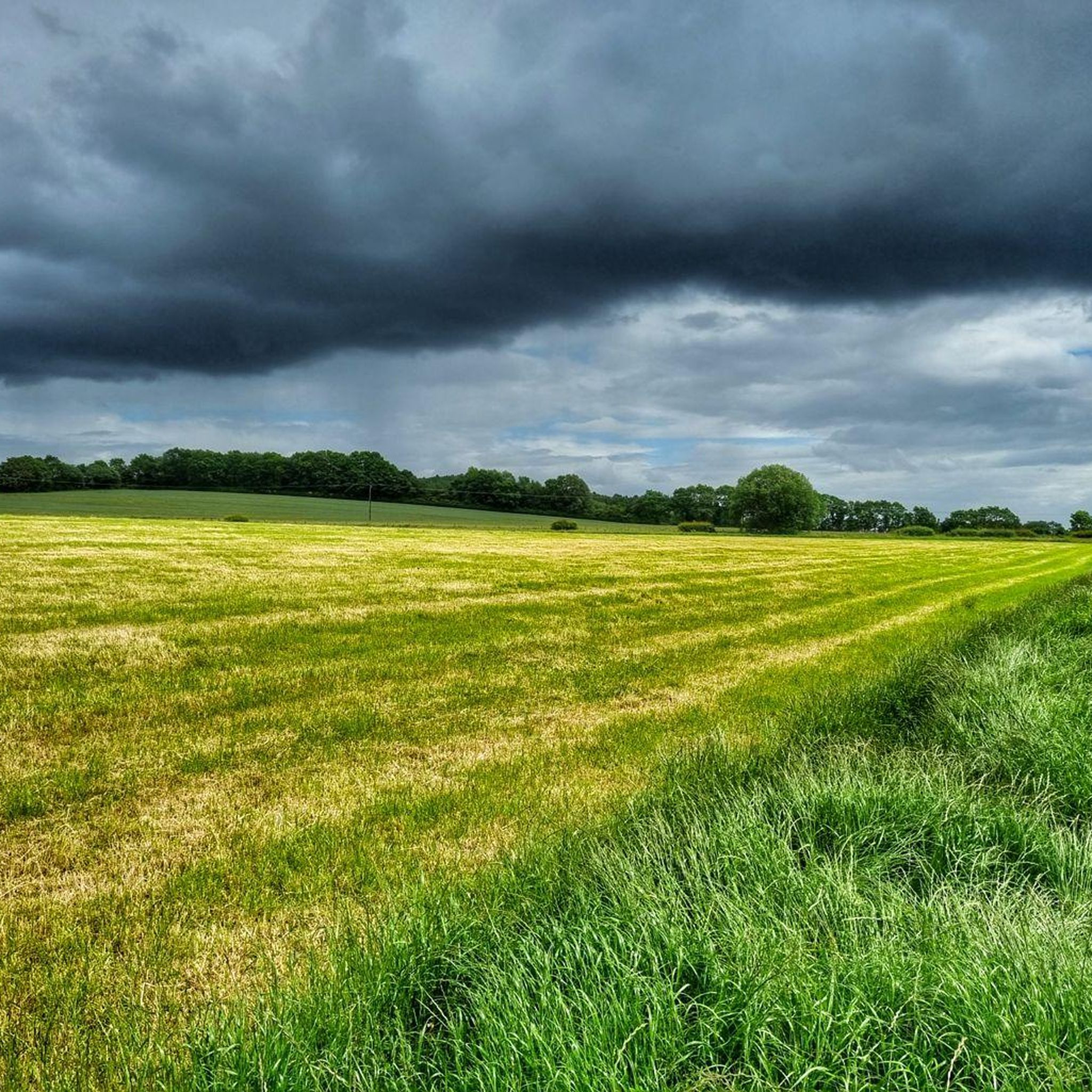
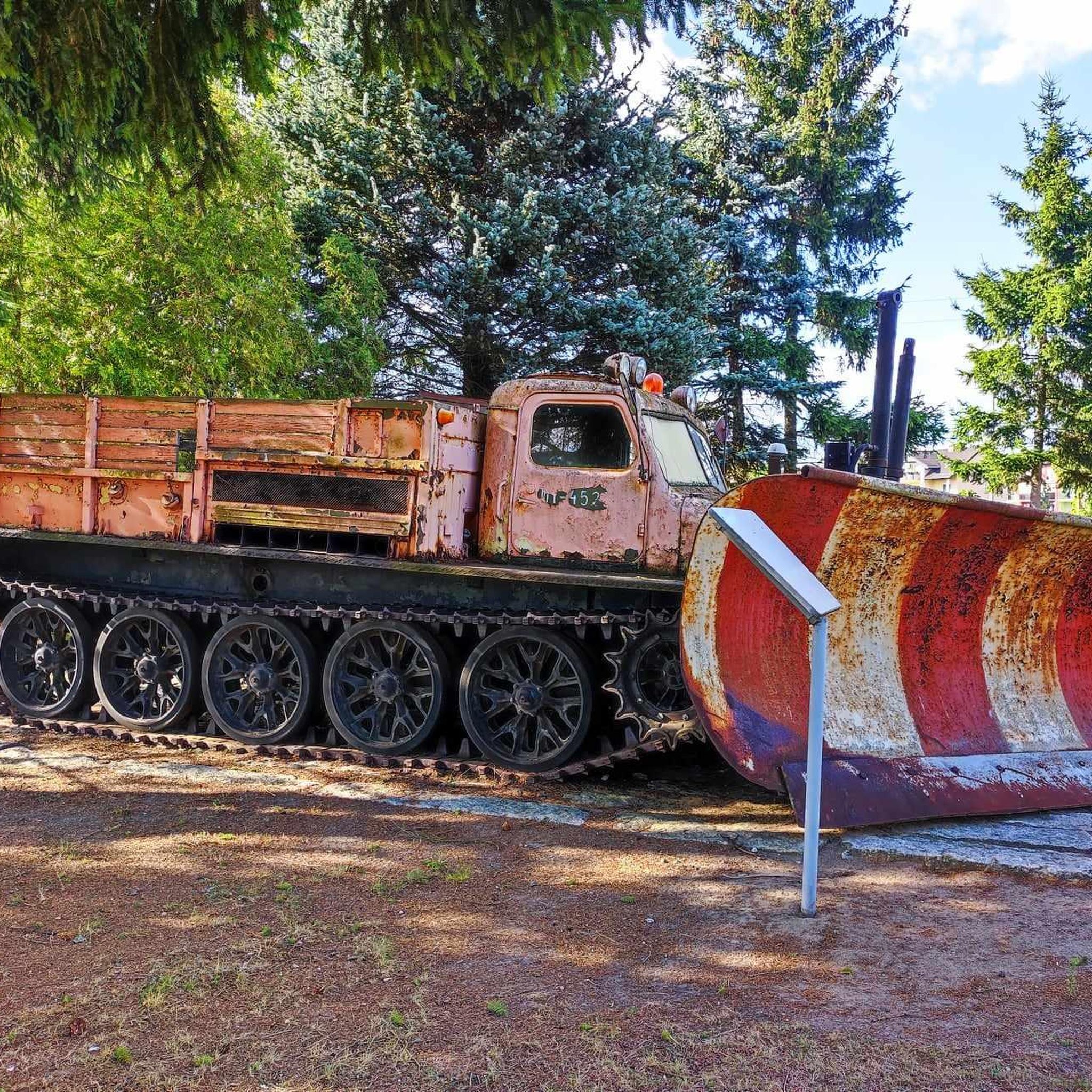
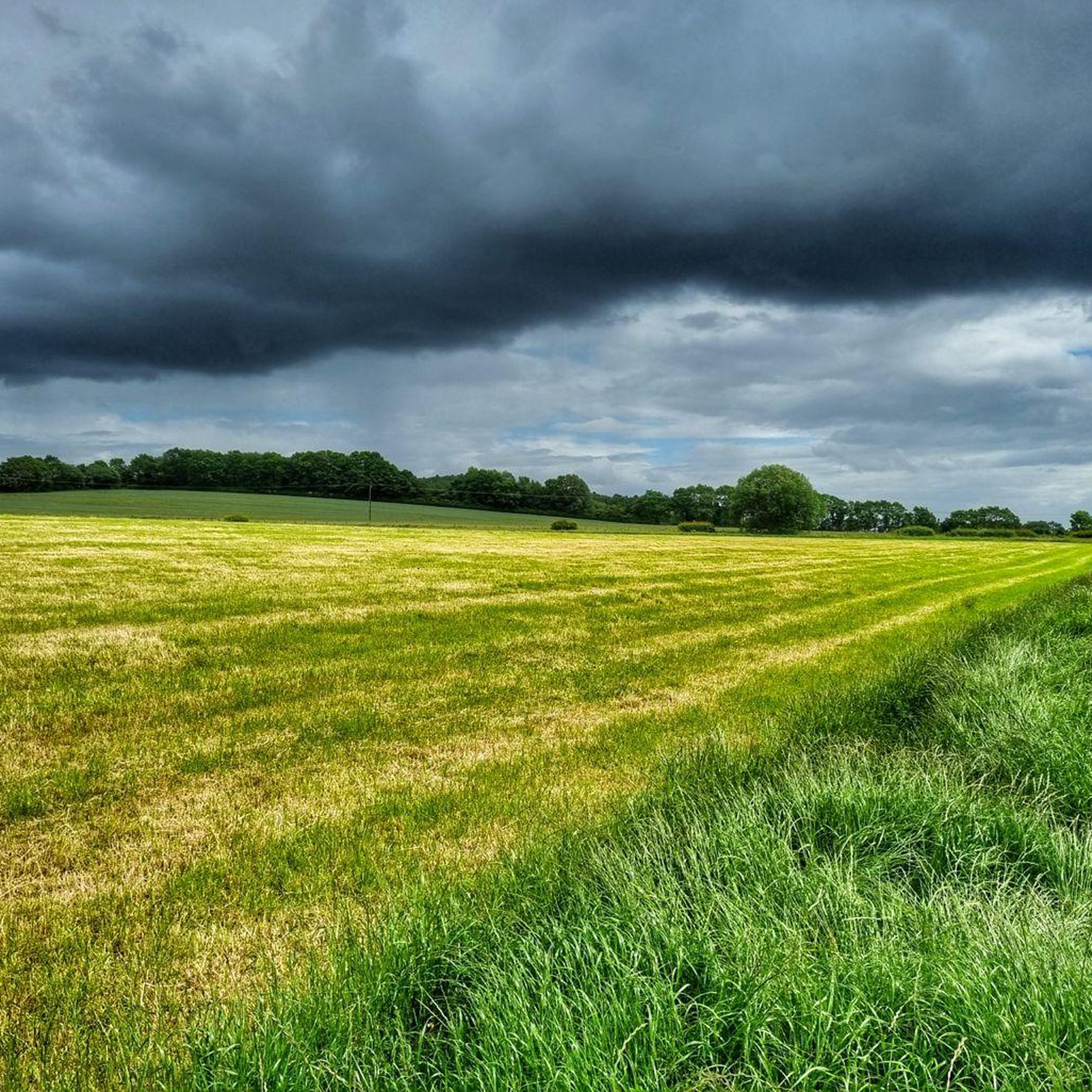
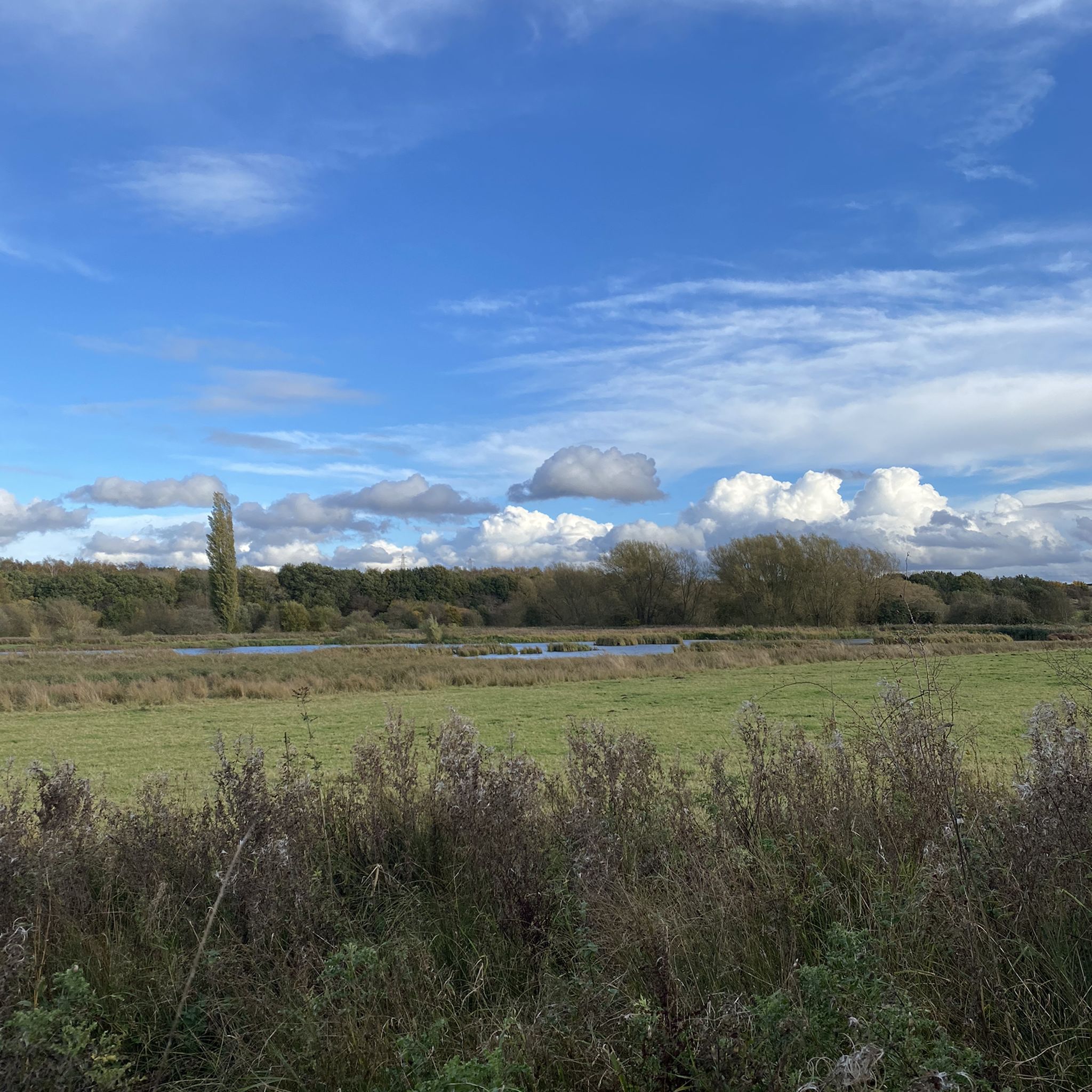
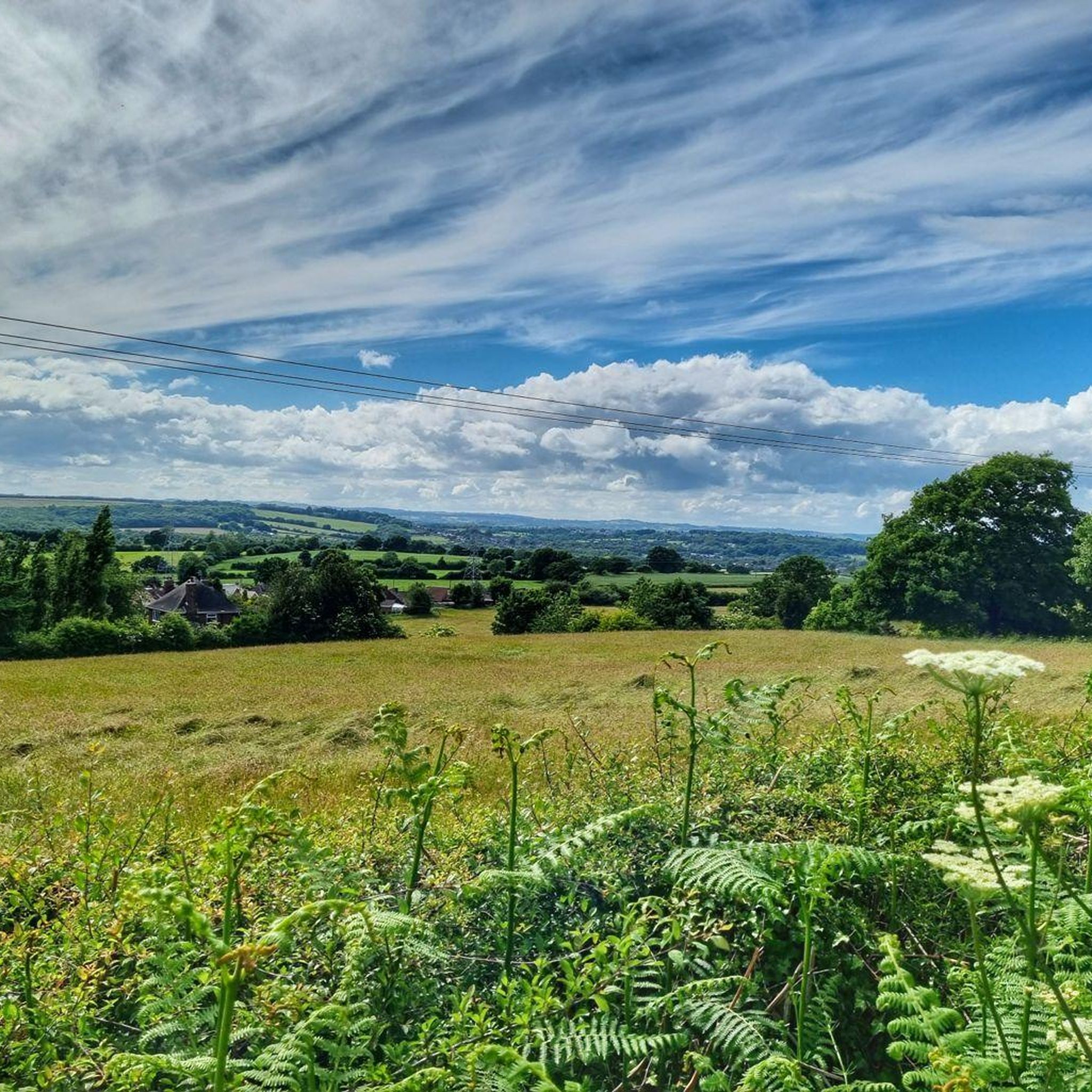
Tips from the Community

The church is thought to have been built in the 12th century. In the grant made by Henry II to Newstead Priory, part of the endowment was “The Town of Papplewick with the Church of the same name and the Mill.”. Legend has it that Alan A’Dale, one of Robin Hood’s men, was married here. The present tower dates from the 14th century. The nave and chancel were rebuilt by the Right Hon. Frederick Montagu in 1795 (after he had rebuilt the Hall.). In 1855, Papplewick was united with Linby. The Parish is now called ‘the Parish of St. Michael, Linby cum St. James, Papplewick‘. The building was further restored and repaired in 1938 in memory of John Chadburn, son of Mr. C. W. Chadburn who lived in the Parish.
0
0

Origins in the 12th Century, rebuilt in 1795 & restored in 1940, this Grade I listed building is still in weekly use. The Yew tree outside is 350 years old.
1
0
The Young People’s Forest at Mead is being planted on an extensive former open cast mining site near Heanor in Derbyshire.
0
0

At the heart of the Derwent Valley Mills UNESCO World Heritage Site, the town of Belper has a fascinating industrial history. Hot on the heels of Cromford to the north, it was home to some of the world's first water-powered cotton spinning mills, built by Jedediah Strutt. In 1803, Strutt's North Mill was rebuilt using the world's first fireproof iron frame. This was to become the blueprint for modern skyscrapers. The town is beautifully situated on the River Derwent and is an important stop on the Derwent Valley Heritage Way. There are plenty of places to eat and drink, as well as good accommodation options in the town.
0
0

Bridleway and nature reserve. Hard pack paths which can get a little wet and muddy at times, but nothing a good pair of boots won’t manage.
0
0
Ancient lake which has over the years been used to provide fish for the De Grey family at Codnor Castle, water for a mill and a furnace and an overflow for a coal mine. Now used by anglers and a great spot for wildlife.
4
0
Frequently Asked Questions
What types of natural monuments can I explore around Brinsley?
Around Brinsley, you can explore a unique blend of natural areas shaped by industrial heritage and subsequent reclamation by nature. These include former colliery sites transformed into nature reserves, tranquil canal paths, and local woodlands. The region offers diverse ecological features, walking opportunities, and historical connections, providing a peaceful escape into the Nottinghamshire countryside.
Are there any family-friendly natural monuments in the Brinsley area?
Yes, several natural monuments around Brinsley are suitable for families. For instance, Belper River Gardens and the Stone Bridge is a popular viewpoint with historical significance, and Loscoe Dam is an ancient lake that offers wildlife observation. Additionally, the Young People's Forest at Mead is an extensive forest area being planted on a former mining site, offering a growing natural space for exploration.
What historical connections do the natural monuments around Brinsley have?
The natural areas around Brinsley are deeply intertwined with the region's industrial past. For example, the Brinsley Headstocks Nature Reserve was established on the site of a former colliery, showcasing nature's reclamation of industrial land. Belper River Gardens and the Stone Bridge is at the heart of the Derwent Valley Mills UNESCO World Heritage Site, highlighting its industrial heritage. Even Loscoe Dam has a long history, having been used for various purposes over centuries, including providing fish for Codnor Castle and water for mills.
What kind of wildlife can I expect to see in Brinsley's natural areas?
Brinsley's natural areas are rich in biodiversity. The Brinsley Headstocks Nature Reserve, for instance, is a haven for butterflies with over 20 recorded species and supports a diverse bird population of over 70 species, including woodpeckers, siskins, and goldcrests. Buzzards are also regularly seen soaring overhead. You can also find numerous wildflowers like bluebells, violets, and wood anemone, especially in spring.
Are there good walking or hiking opportunities near these natural monuments?
Yes, the area around Brinsley offers excellent walking and hiking opportunities. The Erewash Canal provides easy, accessible routes, and local woodlands feature pleasant walking trails. You can find various running trails, such as the 'Underwood Church Cemetery loop from Brinsley' or the 'Woodland Footpath – High Park Wood Singletrack loop from Brinsley'. For more options, explore the Running Trails around Brinsley guide.
Can I go cycling near the natural monuments in Brinsley?
Absolutely. The paths along the Erewash Canal are suitable for cycling, and there are several routes designed for touring bicycles and mountain bikes in the wider Brinsley area. You can find routes like the 'Shipley Country Park – Bell Lane Bridlepath loop from Heanor and Loscoe CP' for cycling. For more detailed routes, check out the Cycling around Brinsley guide or the MTB Trails around Brinsley guide.
What is unique about the natural landscape of Brinsley?
The natural landscape of Brinsley is unique due to its blend of reclaimed industrial sites and traditional countryside. It features open, hilly country and remnants of Sherwood Forest, which famously inspired author D.H. Lawrence, who called it 'the country of my heart.' This literary connection adds a cultural layer to the natural experience, inviting visitors to see the landscape through the eyes of the famous writer.
Is there a nature reserve worth visiting near Brinsley?
Yes, the Brinsley Headstocks Nature Reserve is a significant natural area. It was established on the site of a former colliery and now boasts a variety of habitats, including meadows and woodlands. It's known for its rich biodiversity, with numerous wildflowers and bird species, and offers well-established paths for walking and cycling.
What is <a href="https://www.komoot.com/highlight/5618003" target="_blank" rel="noopener">St James' Church and Ancient Yew Tree, Papplewick</a>?
St James' Church and Ancient Yew Tree, Papplewick is a historical site with origins in the 12th century, featuring a Grade I listed building and a 350-year-old yew tree. It's considered a natural monument due to its ancient tree and historical significance, with legends suggesting it was where Alan A’Dale, one of Robin Hood’s men, was married.
What is <a href="https://www.komoot.com/highlight/1001346" target="_blank" rel="noopener">Lady Lane Spinney Nature Reserve</a>?
Lady Lane Spinney Nature Reserve is a forest area near Brinsley that serves as both a bridleway and a nature reserve. It features hard-packed paths suitable for walking, though they can get a little wet and muddy at times, making it a pleasant spot for a stroll amidst nature.
What do visitors enjoy most about the natural monuments around Brinsley?
Visitors appreciate the diverse experiences offered by Brinsley's natural monuments. They enjoy the blend of industrial history with natural beauty, the opportunities for wildlife observation, and the peaceful escape into the countryside. The well-maintained paths for walking and cycling, along with the rich flora and fauna, are frequently highlighted as enjoyable aspects.
Most popular routes around Brinsley
Most popular attractions around Brinsley

Get inspired with the komoot mobile app


Explore more
Extend your search for the best caves by checking out these guides of the top ones around Brinsley:
