Holme Upon Spalding Moor
Holme Upon Spalding Moor
Top 7 Natural Monuments around Holme Upon Spalding Moor
Best natural monuments around Holme Upon Spalding Moor are found in a landscape historically defined by its unique geography, with the village itself situated on a single hill that once rose from marshland. This area, now largely agricultural, offers a variety of natural features and designed landscapes for exploration. Visitors can experience tranquil rural waterways, preserved natural reserves, and historical natural springs. The surrounding countryside provides opportunities for walks through scenic agricultural land and along old railway paths.
Best natural…
Last updated: June 29, 2026
Kiplingcotes Chalk Pit Nature Reserve
Highlight • Natural Monument
Tip by

Drewton Wold Weir
Highlight • Natural Monument
Tip by

Sign up now to discover places like this
Get recommendations on the best single tracks, peaks, & plenty of other exciting outdoor places.
Sign up for free
Burnby Hall Gardens
Highlight • Structure
Pocklington is known for its red-roofed buildings and unusual street names. The …
Tip by

St. Helen's Well
Highlight • Natural Monument
Tip by

Rifle Butts Quarry Nature Reserve
Highlight • Historical Site
Tip by
Sign up for free to discover even more natural monuments around Holme Upon Spalding Moor.
Sign up for free
Already have an account?
Start today with a free account
Your next adventure awaits.
Login or Signup
Tips from the Community

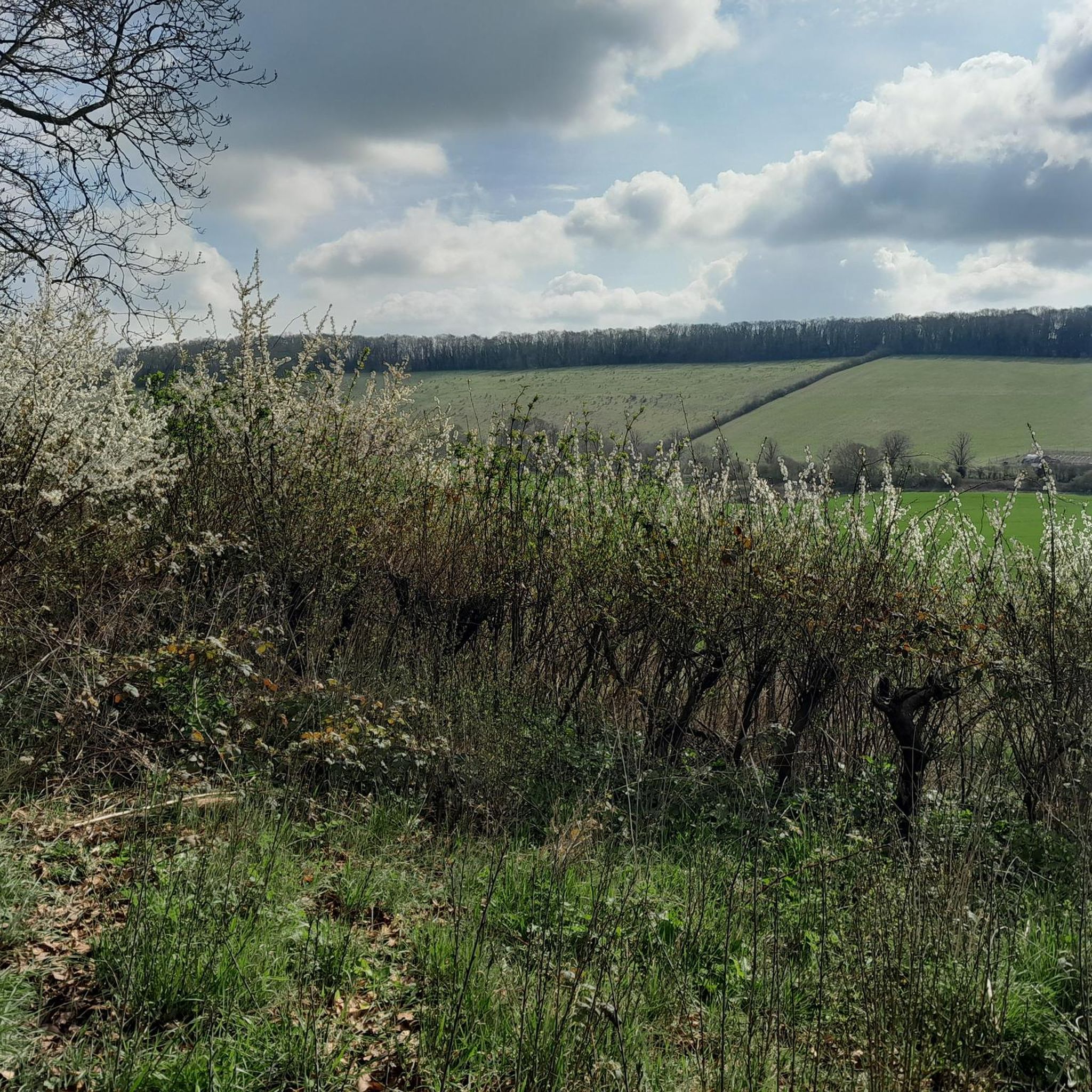
Lots of signs around here demarcating private land, however, this is on the intersection of a bridleway (Hunsley High Circuit) running east-west and a public footpath running north from this weir up Drewton Wold.
1
0
Natural spring and restored well - information board gives a good background to the site. Lots of ribbons tied on a tree for good luck, which is very reminiscent of the tanabata festival in Japan. The spring that feeds this well also causes the trail to become flooded and boggy in winter several metres past the well (heading east away from Market Weighton).
1
0
Maintained by the Yorkshire Wildlife Trust, Rifle Butts Quarry was created to provide stone for the construction of the railway line adjacent to the nature reserve. The site was then used as a rifle range from the 1890s to the First World War.
1
0

Pocklington is a classic English market town, located just 15 miles (24 km) from the city of York. Pocklington is known for its red-roofed buildings and unusual street names. The town has an array of independent shops and places to eat, and a number of attractions worth checking out. Among the town's treasures lies Burnby Hall Gardens, a horticultural haven often referred to as the 'jewel in Yorkshire's crown' – a mandatory stop for anyone visiting.
2
0

Can't get too close, there is a bin nearby for rubbish if you need it.
2
0

The route from Beverley is excellent and the roads are extremely quiet
0
0

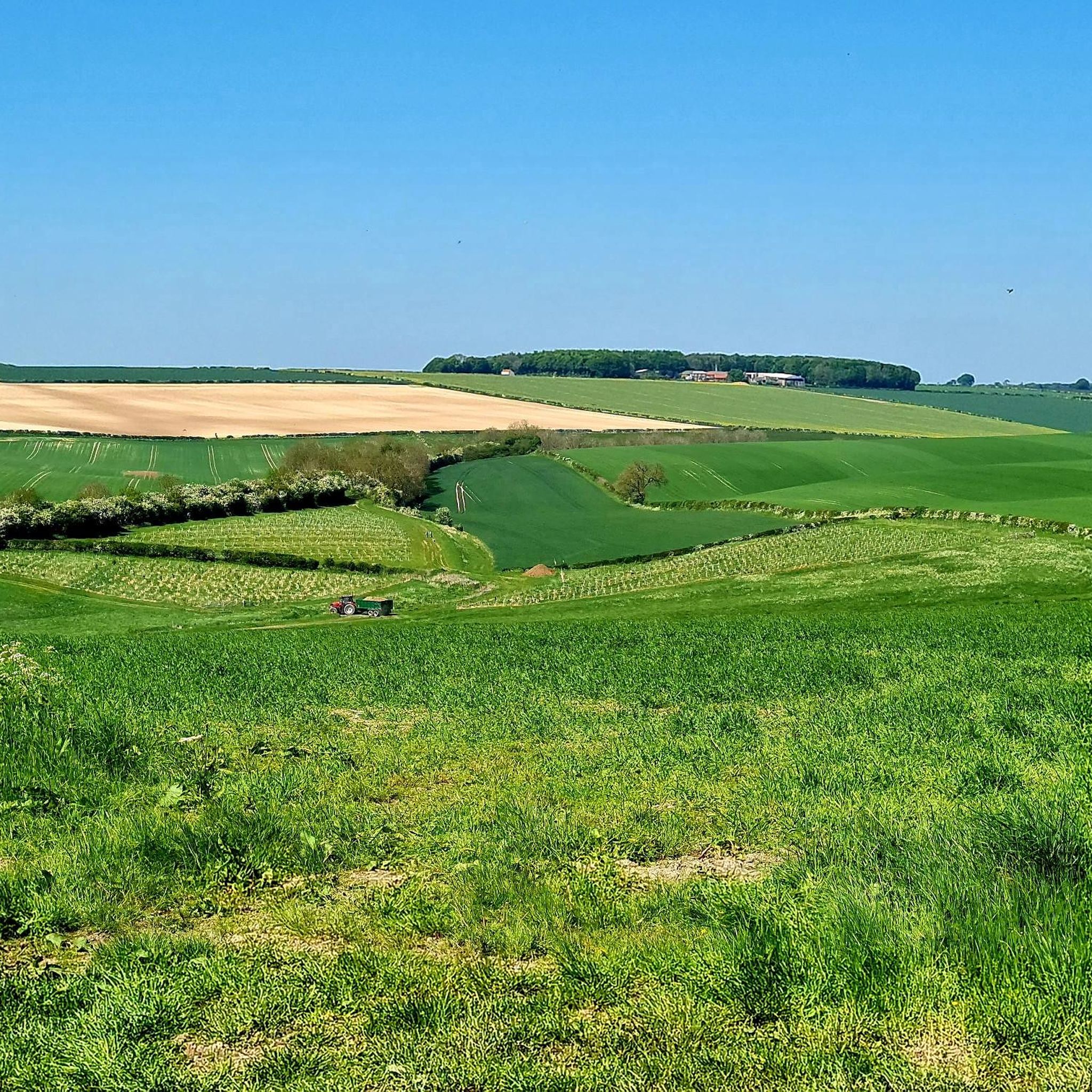
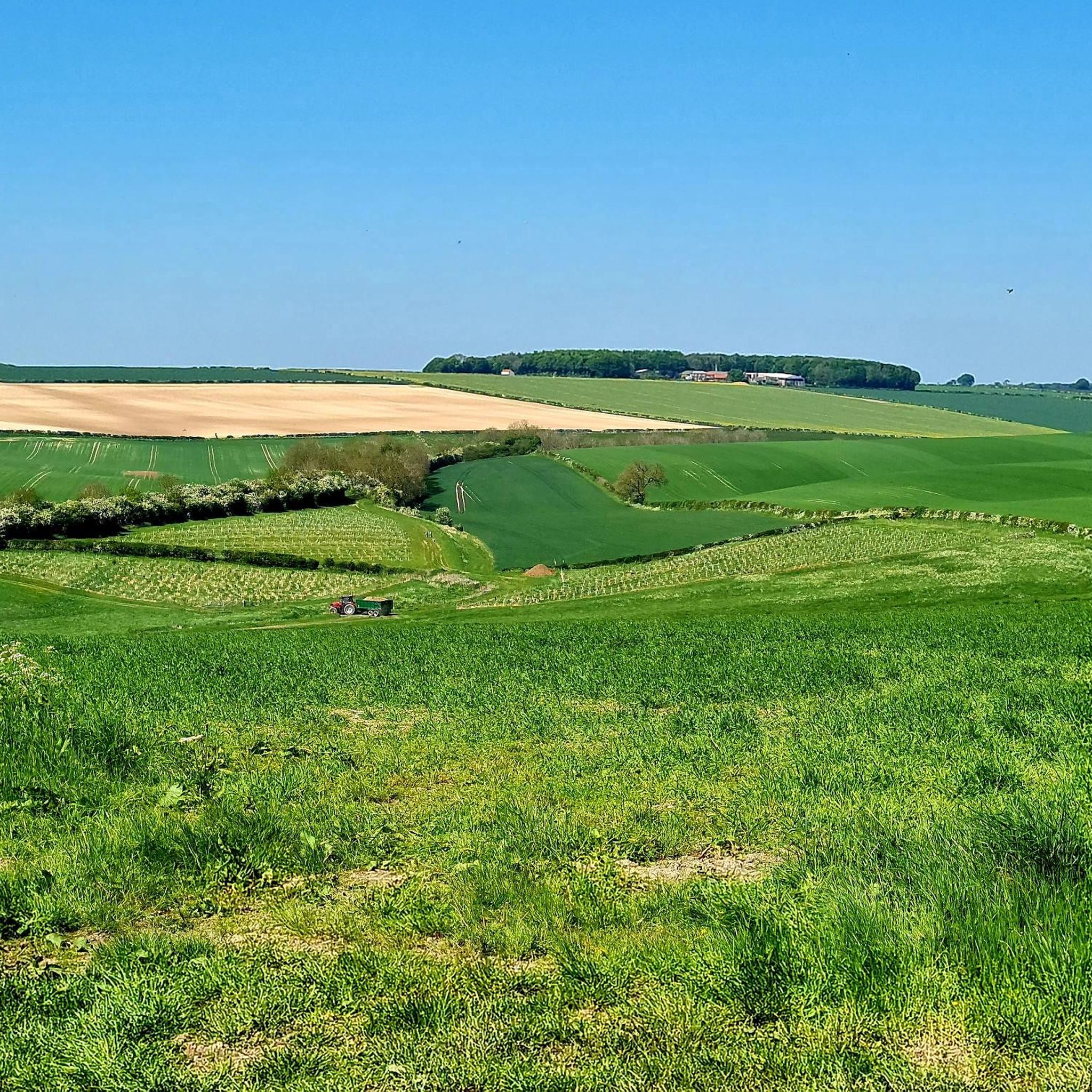
Located just outside Kiplingcotes hamlet, Kiplingcotes Chalk Pit Nature Reserve is a disused quarry which is now a Site of Special Scientific Interest. Amongst the chalk grassland, you will find various flowers such as knapweed and salad burnet as well as butterflies, long-tailed field mice, goldfinches and yellowhammers. During winter, you can also spot Hebridean sheep and Exmoor ponies who graze here to keep the grasses in check.
1
0
Frequently Asked Questions
What types of natural monuments can I explore around Holme Upon Spalding Moor?
The area around Holme Upon Spalding Moor offers a mix of natural features and designed landscapes. You can find unique chalk grasslands at Kiplingcotes Chalk Pit Nature Reserve, historical natural springs like St. Helen's Well, and tranquil rural waterways such as the Pocklington Canal. While not traditional geological formations, these sites provide diverse natural experiences.
Where can I observe local wildlife near Holme Upon Spalding Moor?
For wildlife spotting, Kiplingcotes Chalk Pit Nature Reserve is an excellent choice. This Site of Special Scientific Interest is home to various flowers, butterflies, and birds. During winter, you might also see Hebridean sheep and Exmoor ponies grazing. The Pocklington Canal, with its Sites of Special Scientific Interest, also teems with diverse wildlife, especially in its lower reaches.
Are there any natural monuments with historical significance in the area?
Yes, St. Helen's Well is a natural spring and restored well with a rich history, offering an information board to learn more about its past. Additionally, Kiplingcotes Chalk Pit Nature Reserve, while now a natural haven, is a disused quarry, reflecting the area's industrial past intertwined with its natural landscape.
What are some family-friendly natural attractions around Holme Upon Spalding Moor?
For families, Burnby Hall Gardens offers a beautiful horticultural experience with lakes and gardens, often referred to as a 'jewel in Yorkshire's crown'. The Pocklington Canal also provides pleasant, flat towpaths suitable for family walks and observing nature.
What outdoor activities can I do near these natural monuments?
The region offers various outdoor activities. You can enjoy easy hikes, such as the 'St. Helen's Well – All Hallows Church, Goodmanham loop', which is an easy 6.3 km route. There are also numerous running trails, including the 'Black Plantation loop', and road cycling routes like the 'Wressle Castle – Howden Minster Ruins loop'. You can find more details on these activities in the easy hikes, running trails, and road cycling guides for Holme Upon Spalding Moor.
Are there accessible natural monuments or easy walking trails?
The Pocklington Canal offers relatively flat towpaths, making it suitable for easy walks. For specific easy hiking trails, you can explore options like the 'St. Helen's Well – All Hallows Church, Goodmanham loop' which is rated as easy. While some areas might have varied terrain, many paths along the canal and in agricultural landscapes are generally accessible for leisurely strolls.
What is the best time of year to visit the natural monuments?
Spring and summer are ideal for experiencing the vibrant flora and fauna, especially at Kiplingcotes Chalk Pit Nature Reserve when wildflowers are in bloom and butterflies are active. Autumn offers beautiful scenery with changing leaves, particularly in areas like Londesborough Park. Winter can be peaceful, but be aware that some paths, such as those near St. Helen's Well, can become boggy and flooded.
Can I bring my dog to the natural monuments?
Many natural areas and public footpaths around Holme Upon Spalding Moor are dog-friendly, including the towpaths along the Pocklington Canal and general countryside walks. However, it's always advisable to keep dogs on a lead, especially in nature reserves like Kiplingcotes Chalk Pit Nature Reserve, due to grazing animals and ground-nesting birds. Always check specific site regulations before your visit.
What is the significance of the Holme Upon Spalding Moor's hill?
The village of Holme Upon Spalding Moor is uniquely situated on a single hill of Keuper marl. This elevated position once made it an 'island' within the surrounding marshland, which is how the village got its name ('Holme' meaning island). This geographical feature provides a distinct character to the area and offers views of the flat agricultural landscape that now surrounds it.
Are there any unique natural features related to water in the region?
Absolutely. The Pocklington Canal is a prominent feature, recognized for its ecological value and home to three Sites of Special Scientific Interest. It offers diverse aquatic habitats and a rich experience for nature enthusiasts. Additionally, Drewton Wold Weir is a notable river feature, and St. Helen's Well is a natural spring with historical significance.
What do visitors enjoy most about the natural monuments here?
Visitors appreciate the tranquility and natural beauty of the area. The diverse ecosystems, from the chalk grasslands of Kiplingcotes Chalk Pit Nature Reserve to the peaceful waters of the Pocklington Canal, offer a refreshing escape. The historical context of sites like St. Helen's Well also adds a unique layer to the experience, making visits both scenic and informative.
Most popular routes around Holme Upon Spalding Moor
Most popular attractions around Holme Upon Spalding Moor

Get inspired with the komoot mobile app


Explore more
Extend your search for the best caves by checking out these guides of the top ones around Holme Upon Spalding Moor:
