Top 20 Natural Monuments in the Malvern Hills
Best natural monuments in the Malvern Hills are characterized by dramatic hills, ancient geological formations, and significant historical sites. This National Landscape, spanning the Herefordshire-Worcestershire border, is renowned for its distinctive ridge of hills. The area offers diverse natural features, from high peaks with panoramic views to ancient woodlands and pure spring waters. Its unique geology and historical significance make it a notable destination for outdoor exploration.
Best natural monuments in the Malvern Hills
- The most popular natural monuments is…
Last updated: June 29, 2026
Worcestershire Beacon Summit and Toposcope
Highlight • Natural Monument
Tip by

Herefordshire Beacon (British Camp)
Highlight • Summit
Tip by

Sign up now to discover places like this
Get recommendations on the best single tracks, peaks, & plenty of other exciting outdoor places.
Sign up for free
Summer Hill
Highlight • Lake
Tip by

North Hill Summit
Highlight • Natural Monument
Tip by

Jubilee Hill
Highlight • Viewpoint
Tip by
Clutter's Cave
Highlight • Viewpoint
Tip by

Pinnacle Hill
Highlight • Natural Monument
Tip by

Table Hill (375 m)
Highlight • Natural Monument
Tip by

Gullet Quarry
Highlight • Natural
Tip by

Sugarloaf Hill
Highlight • Natural Monument
Tip by

Sign up for free to discover even more natural monuments in the Malvern Hills.
Sign up for free
Already have an account?
Start today with a free account
Your next adventure awaits.
Login or Signup
Popular around Malvern Hills
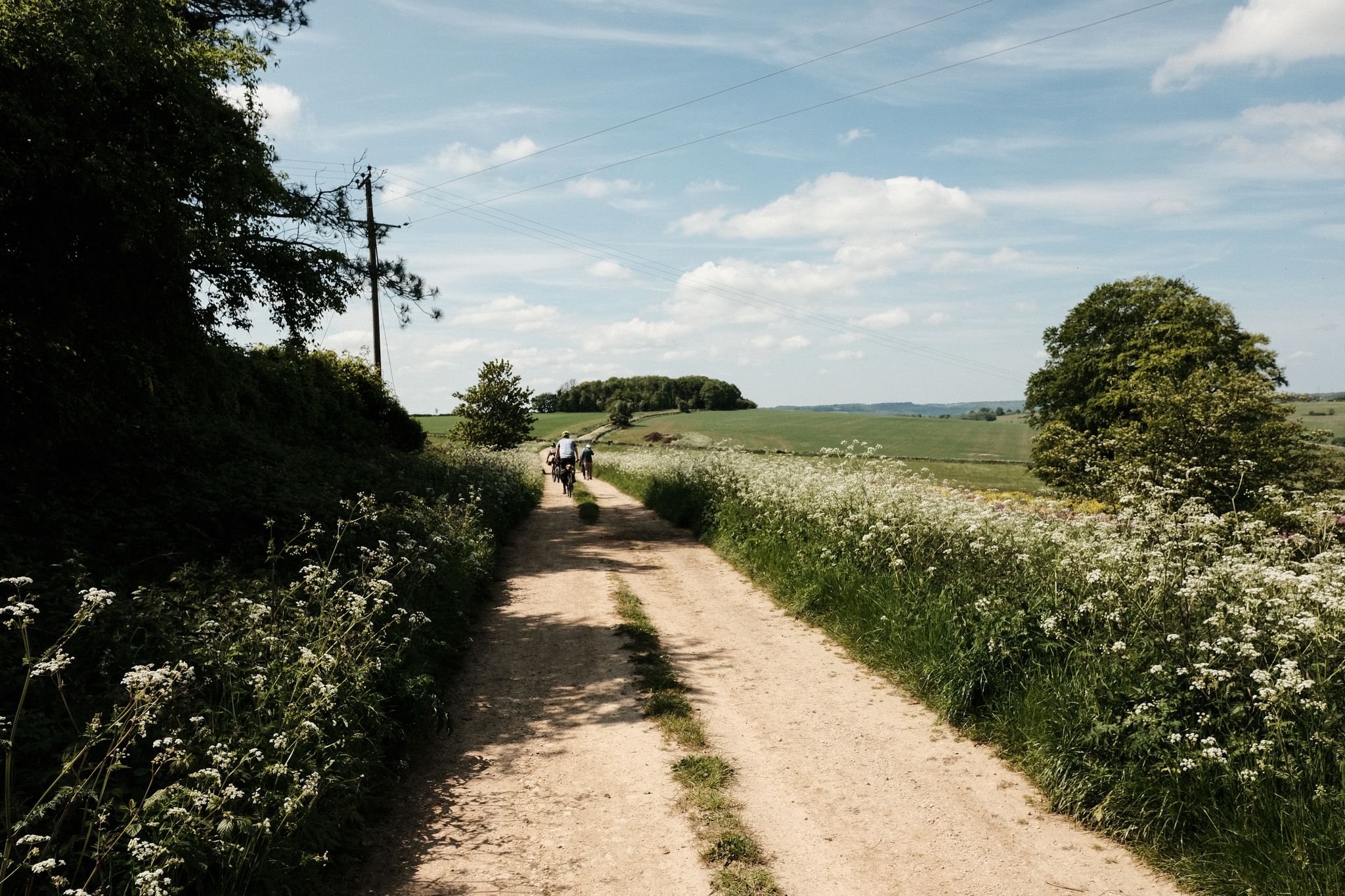
Middle Earth Loop — bikepacking the Wye, Malverns and Cotswolds
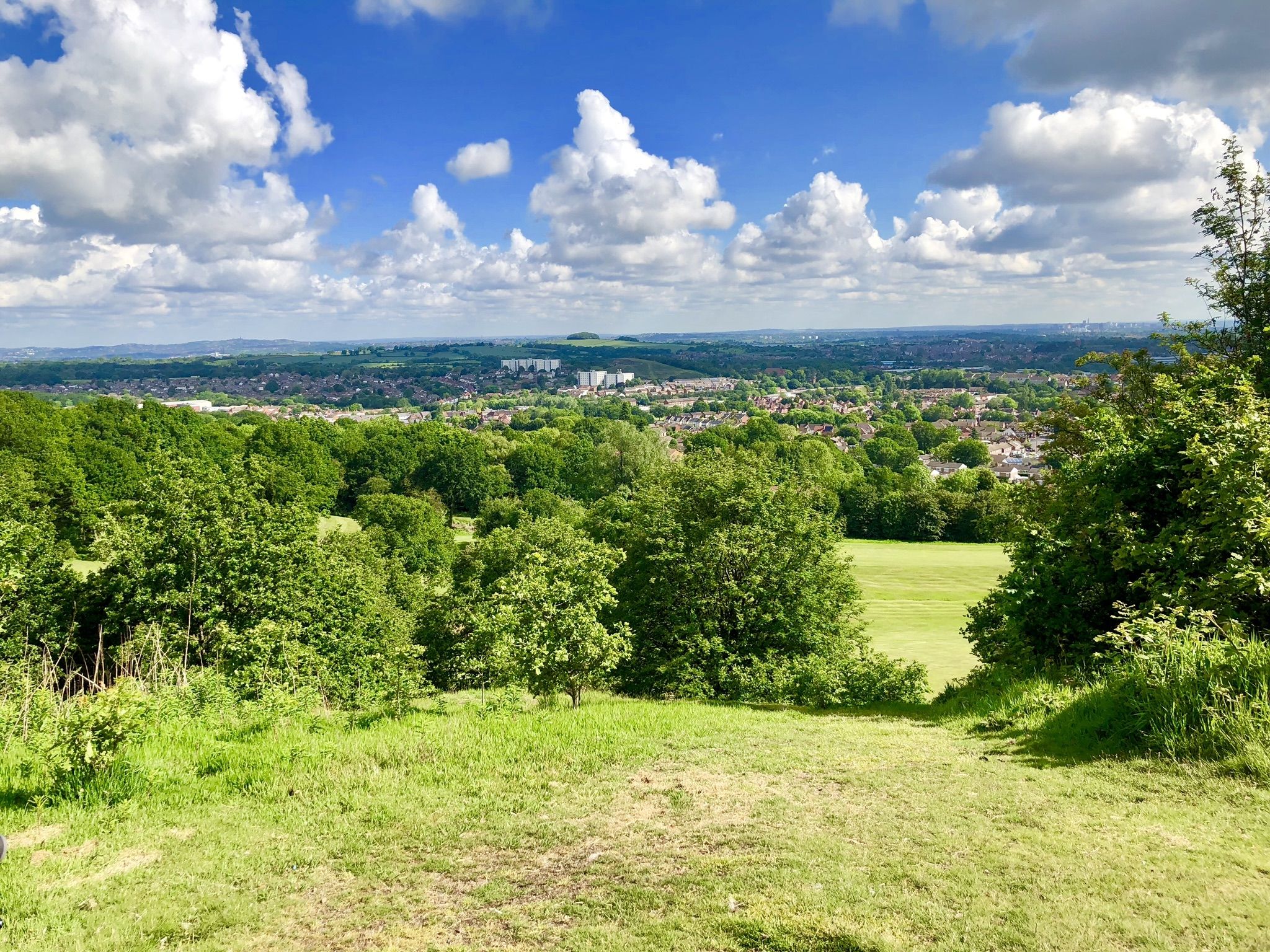
Monarch's Way: Part 1 — Conquer the longest inland trail in England
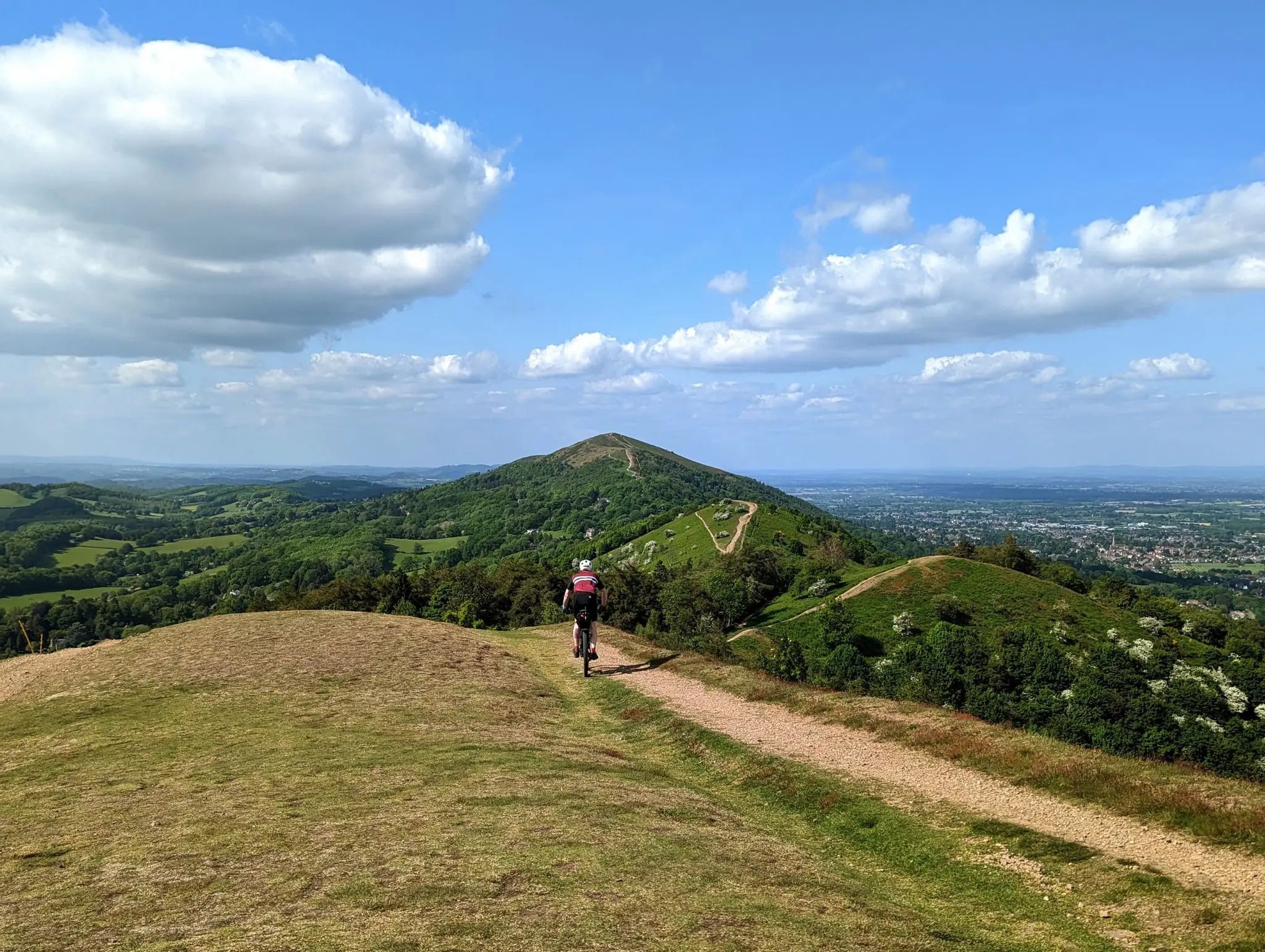
Top gravel rides in Birmingham and Worcestershire
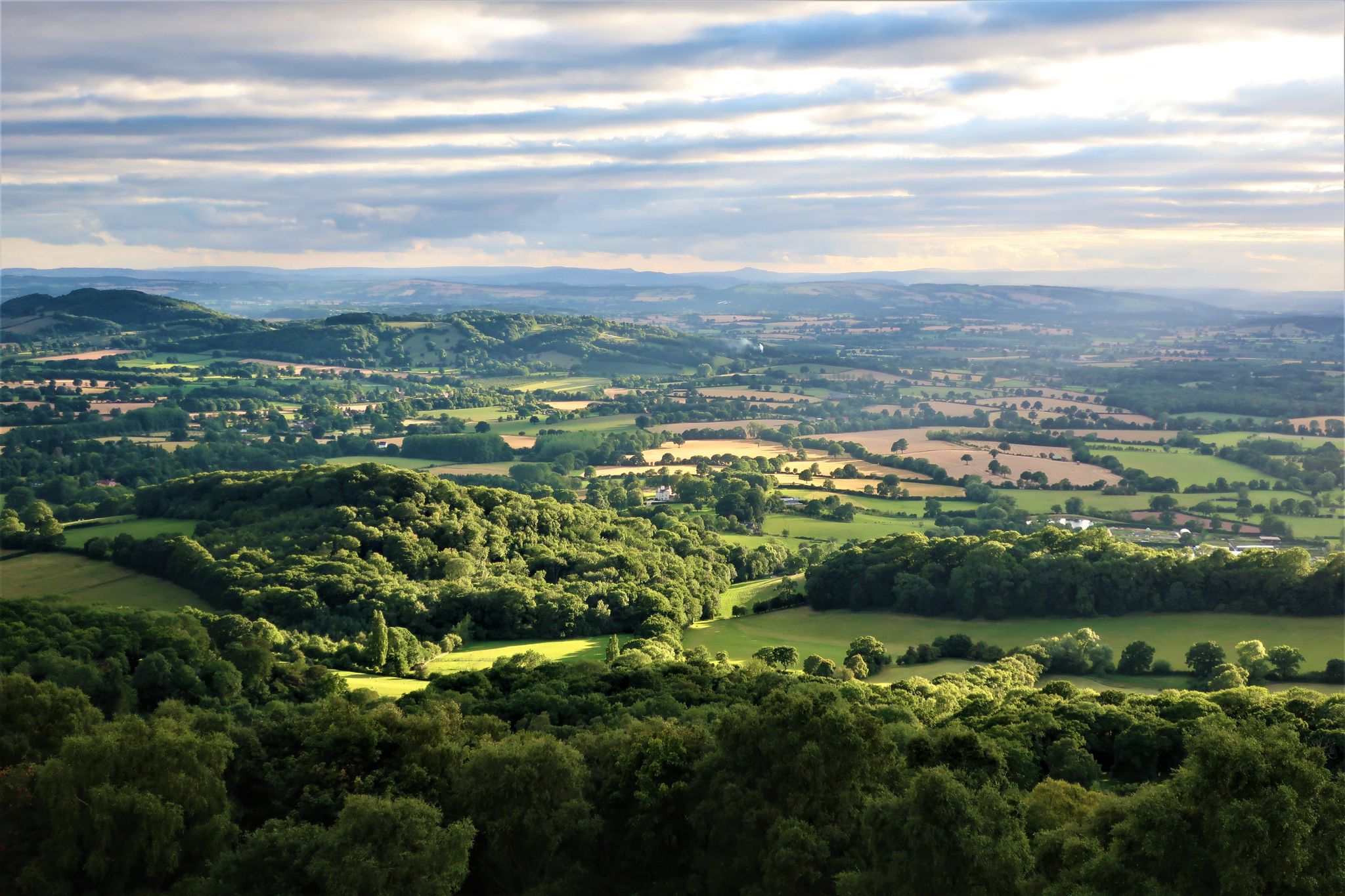
Hike vibrant, rolling hills and lush valleys — Worcestershire Way

Shropshire's singletrack secrets — mountain biking on the Welsh border
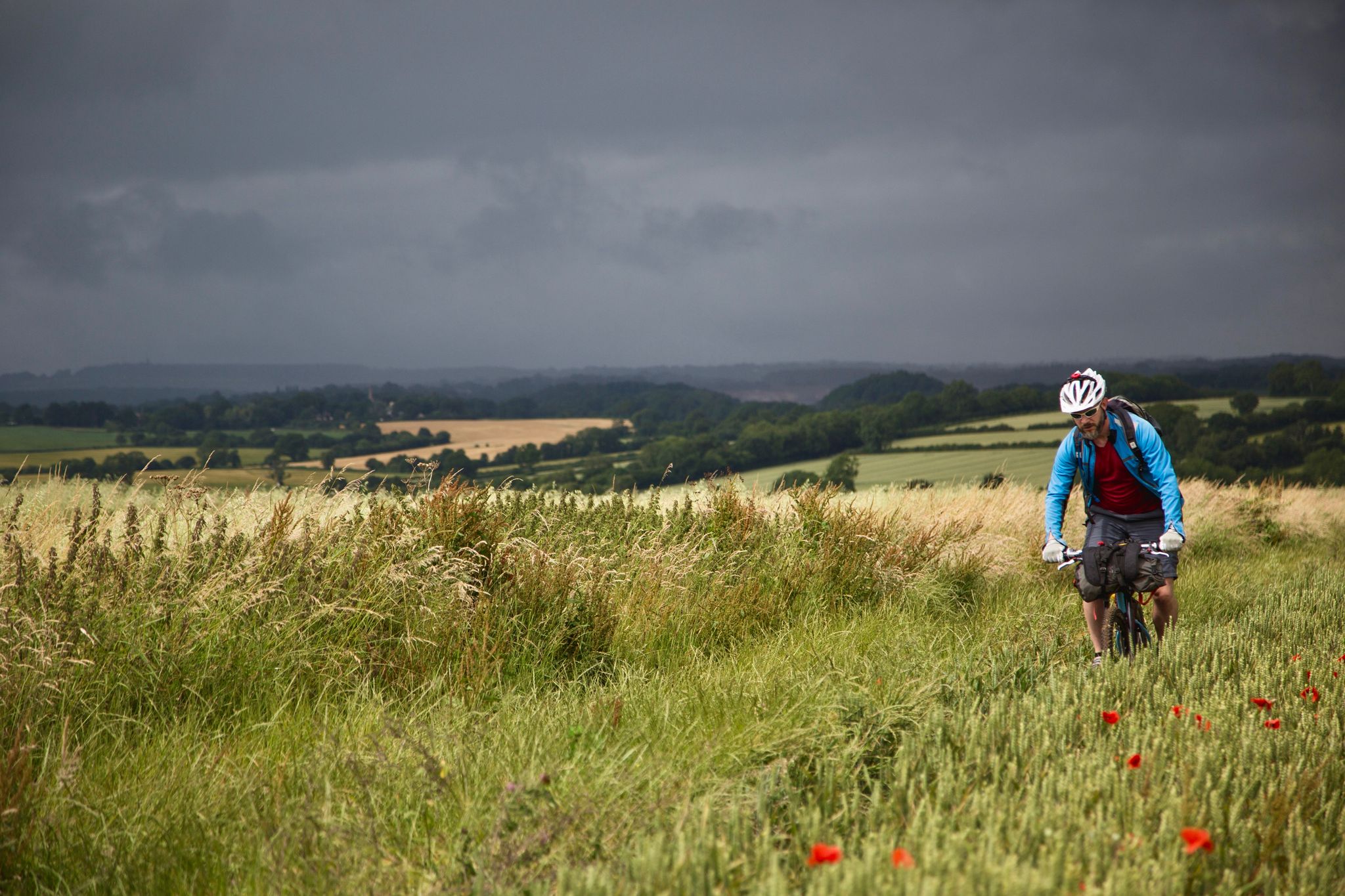
On Britain's green tracks
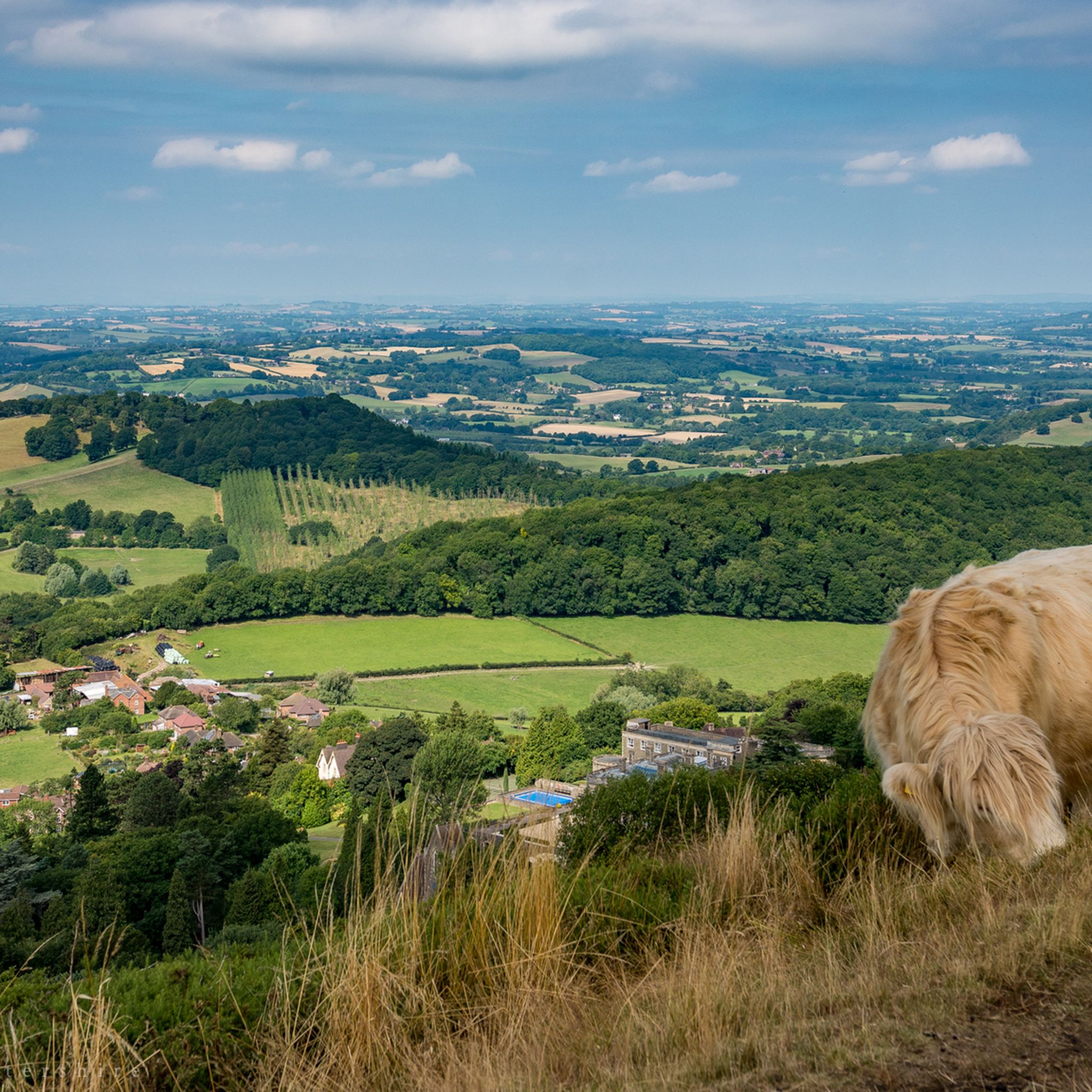
Hiking in the Malvern Hills
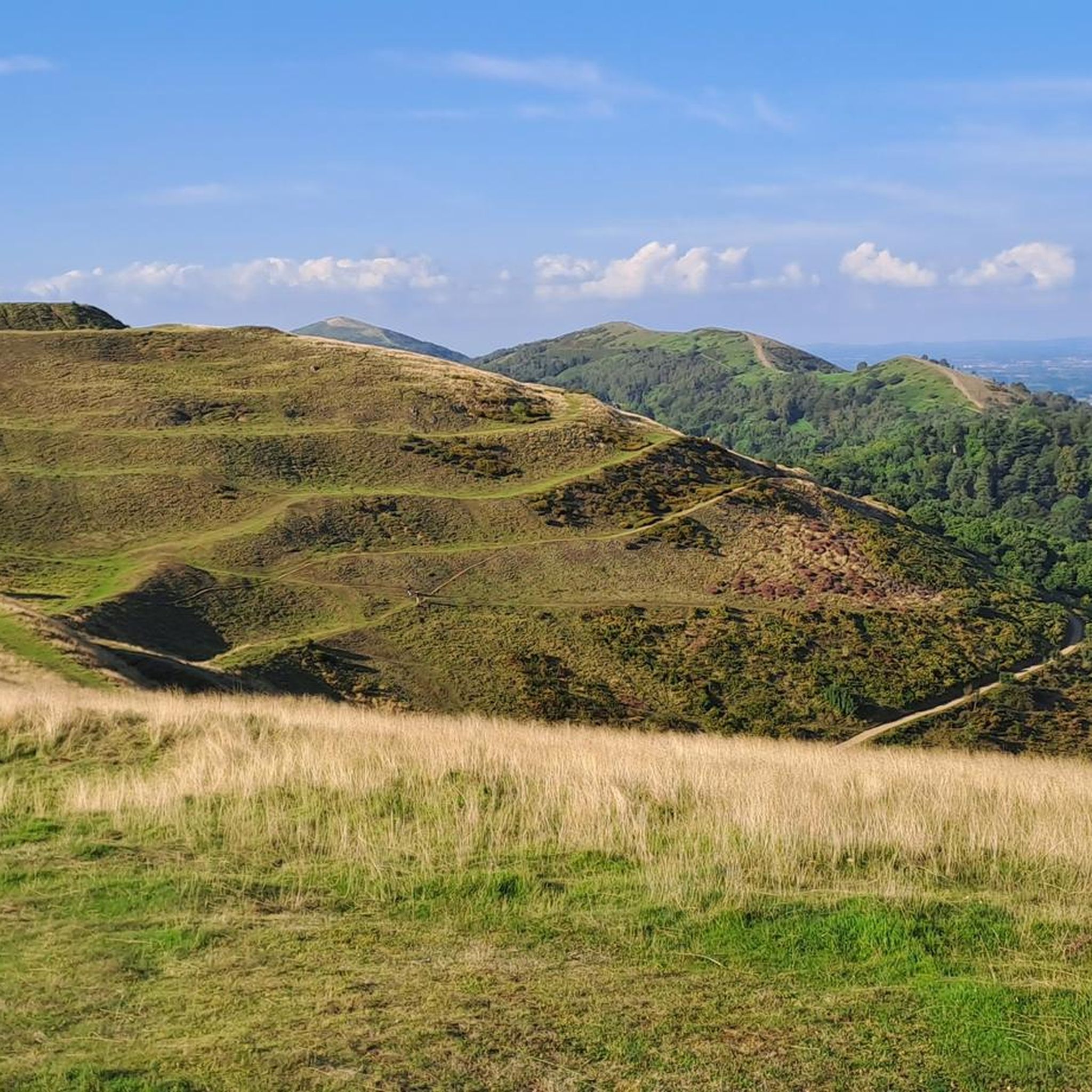
Running Trails in the Malvern Hills
Cycling in the Malvern Hills
Road Cycling Routes in the Malvern Hills
Other adventures in the Malvern Hills


Tips from the Community

Lovely quarry and very to follow the route up to the top.
0
0
Small little cave but great to get out of the rain/sun for a quick drink and snack.
0
0

Pinnacle Hill isn't really much of a pinnacle, but it is the highest point between the Wyche and Wynds Point, and as such is a fine viewpoint in both directions.
0
0
This little top is a fine viewpoint both north to Perseverance Hill and beyond to the Worcester Beacon, and south to Pinnacle Hill.
0
0
This is quite a spectacular place but quite rightly the Conservators and local authorities have securely fenced it off as there have been a large number of drownings here over the years. People have jumped off the low cliffs inot the freezing cold water and have also collided with old machinery and vehicles that are hidden under the water.
0
0
North Hill is a very good viewpoint - but this image was taken on the way up to Table Hill, which is next to North HIll.
0
0
Sugar Loaf hill is to be recommended, but unfortunately the hill in the centre of this picture is North Hill. Sugar Loaf Hill is on the extreme left of the picture, just about in shot.
0
0
Summer Hill is a bit of a bump in between the Beacon and the Wyche Cutting, however it's steep southern aspect does afford some of the best views along the Malvern Hills ridge, particularly when there is an Inversion happening.
0
0
Frequently Asked Questions
What unique geological features define the natural monuments in the Malvern Hills?
The Malvern Hills are renowned for their ancient geology, primarily composed of very hard Precambrian igneous and metamorphic rock, dating back over 600 million years. This unique geology is responsible for the pure spring water that emerges from numerous springs and wells, such as St Ann's Well and Holy Well, and contributes to the dramatic landscape of the hills.
Which natural monuments offer the most expansive panoramic views?
For breathtaking panoramic views, head to Worcestershire Beacon Summit and Toposcope, the highest point in the Malvern Hills. On a clear day, you can see up to thirteen counties, including the Welsh mountains and the Cotswolds. North Hill Summit also offers extensive views, encompassing the Shropshire, Lickey, and Clent Hills, and the Black Mountains in Wales.
Are there any natural monuments with significant historical importance?
Yes, Herefordshire Beacon (British Camp) is a prominent example, featuring an impressive Iron Age hill fort with extensive earthworks. Historically, Worcestershire Beacon also served as a crucial signaling point, with beacon fires lit to warn of invasions like the Spanish Armada.
Can I experience the famous Malvern Water at any of the natural monuments?
Absolutely. The Malvern Hills are famous for their pure spring water. You can visit notable springs like St Ann's Well in Great Malvern, which is housed in a Grade II listed building and even has a café, or Holy Well, historically known as the oldest bottling plant. Visitors can still 'take the waters' directly from many of these springs for free.
What are some popular walking routes to explore the natural monuments?
Many popular hiking routes traverse the natural monuments. You can find trails like the 'British Camp, Herefordshire Beacon & Swinyard Hill loop' or the 'Worcestershire Beacon Circular'. For more options, including routes of varying difficulty, check out the Hiking in the Malvern Hills guide.
Are there options for cycling near the natural monuments in the Malvern Hills?
Yes, the Malvern Hills offer diverse cycling opportunities. You can find road cycling routes such as the 'Hanley Swan Pond – The Great Oak loop from Great Malvern' or explore gravel biking trails like the 'Worcestershire Beacon – Worcestershire Beacon loop from Malvern Link'. For detailed routes, refer to the Road Cycling Routes in the Malvern Hills and Gravel biking in the Malvern Hills guides.
Are there any ancient woodlands to explore among the natural monuments?
Yes, the Malvern Hills area includes ancient woodlands, particularly on its lower slopes. Park Wood in West Malvern is an ancient oak woodland, and Pepper Wood is recognized as a Site of Special Scientific Interest (SSSI) for its rich biodiversity. These woods offer a chance to experience the quieter, more biodiverse aspects of the hills.
What do visitors enjoy most about the natural monuments in the Malvern Hills?
Visitors consistently praise the breathtaking, far-reaching views from summits like Worcestershire Beacon and North Hill. The blend of natural beauty with ancient historical sites, such as the Iron Age hill fort at Herefordshire Beacon (British Camp), also makes for a captivating experience. Many also appreciate the well-maintained footpaths and the opportunity to 'take the waters' from the natural springs.
Are there any less-known natural monuments worth visiting in the Malvern Hills?
Beyond the highest peaks, consider exploring Summer Hill, which offers nice views and features the abandoned Earnslaw Quarry Lake, an excellent picnic spot. Gullet Quarry is another interesting natural monument with a lake and forest surroundings.
What is the best time of year to visit the natural monuments in the Malvern Hills?
The Malvern Hills are beautiful year-round. Spring brings vibrant wildflowers and fresh greenery, while autumn offers stunning foliage. Summer provides longer daylight hours for extended hikes, and even winter can be rewarding with crisp air and clear views, though conditions on higher ground may require appropriate gear.
Are there any natural monuments suitable for families with children?
Many of the natural monuments are accessible for families, especially those with well-maintained paths. The climb to Herefordshire Beacon (British Camp) offers an engaging historical experience for children, exploring the ancient earthworks. Lower-level walks through ancient woodlands like Park Wood also provide a gentler, nature-focused outing.
How long does it typically take to hike to the summits of the Malvern Hills natural monuments?
Hiking times vary depending on the starting point and your pace. For instance, a brisk walk to North Hill Summit from Great Malvern town centre can take 15-20 minutes. Ascending Worcestershire Beacon can take 30-60 minutes from nearby car parks, while a full loop incorporating multiple summits might take several hours. Always check route details for estimated times.
Most popular routes in the Malvern Hills
Most popular attractions in the Malvern Hills

Get inspired with the komoot mobile app


Didn’t find what you were looking for?
Find even more amazing natural monuments in the Malvern Hills by checking out the top Highlights region by region:
Explore more
Extend your search for the best caves by checking out these guides of the top ones in the Malvern Hills:
