Top 20 Natural Monuments around Cotswold
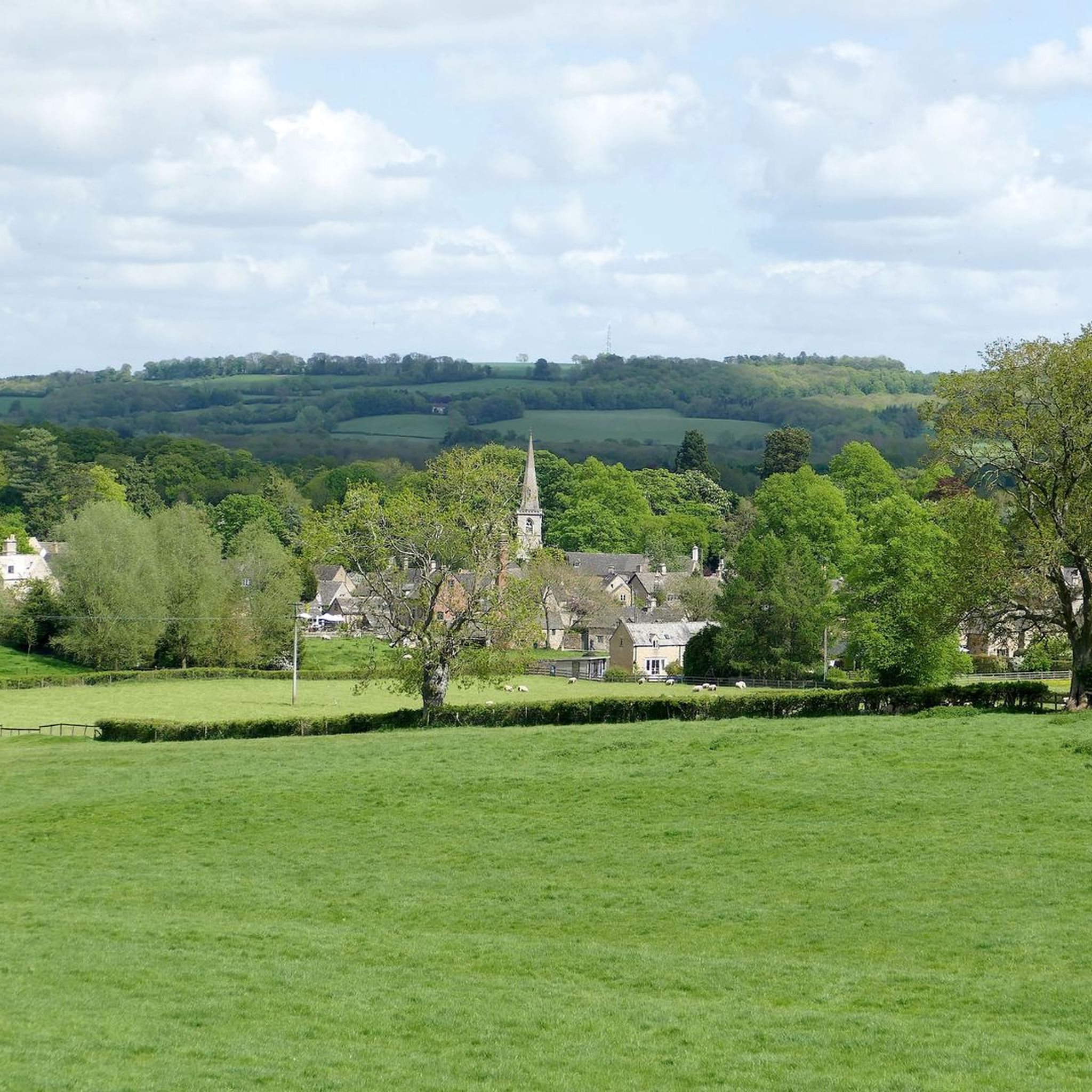
Best natural monuments around Cotswold are found within a region designated as a National Landscape, known for its rolling hills and distinctive golden-hued limestone. This area spans 790 square miles, making it the largest National Landscape in the UK. The underlying Jurassic limestone is a dominant geological feature, influencing the landscape and supporting unique flora. The Cotswolds offer diverse natural features, from dramatic escarpments to ancient woodlands, providing varied opportunities for exploration.
Best natural monuments around Cotswold
- The most popular…
Last updated: August 8, 2026
Daglingworth Gravel Track
Highlight (Segment) • Natural
Tip by

View from Dover's Hill
Highlight • Viewpoint
Tip by

Sign up now to discover places like this
Get recommendations on the best single tracks, peaks, & plenty of other exciting outdoor places.
Sign up for free
Hidcote Manor Garden
Highlight • Natural
Tip by

Cirencester Amphitheatre
Highlight • Historical Site
Tip by
Dowdeswell Reservoir
Highlight • Structure
Tip by
Seven Springs – Source of the River Thames
Highlight • River
Tip by

Source of the River Thames
Highlight • River
Tip by

Ebrington Hill Summit
Highlight • Natural Monument
Tip by
Cheese Wharf Wild Swimming Spot
Highlight • River
Tip by

Westonbirt, The National Arboretum
Highlight • Forest
Tip by

Sign up for free to discover even more natural monuments around Cotswold.
Sign up for free
Already have an account?
Start today with a free account
Your next adventure awaits.
Login or Signup
Popular around Cotswold
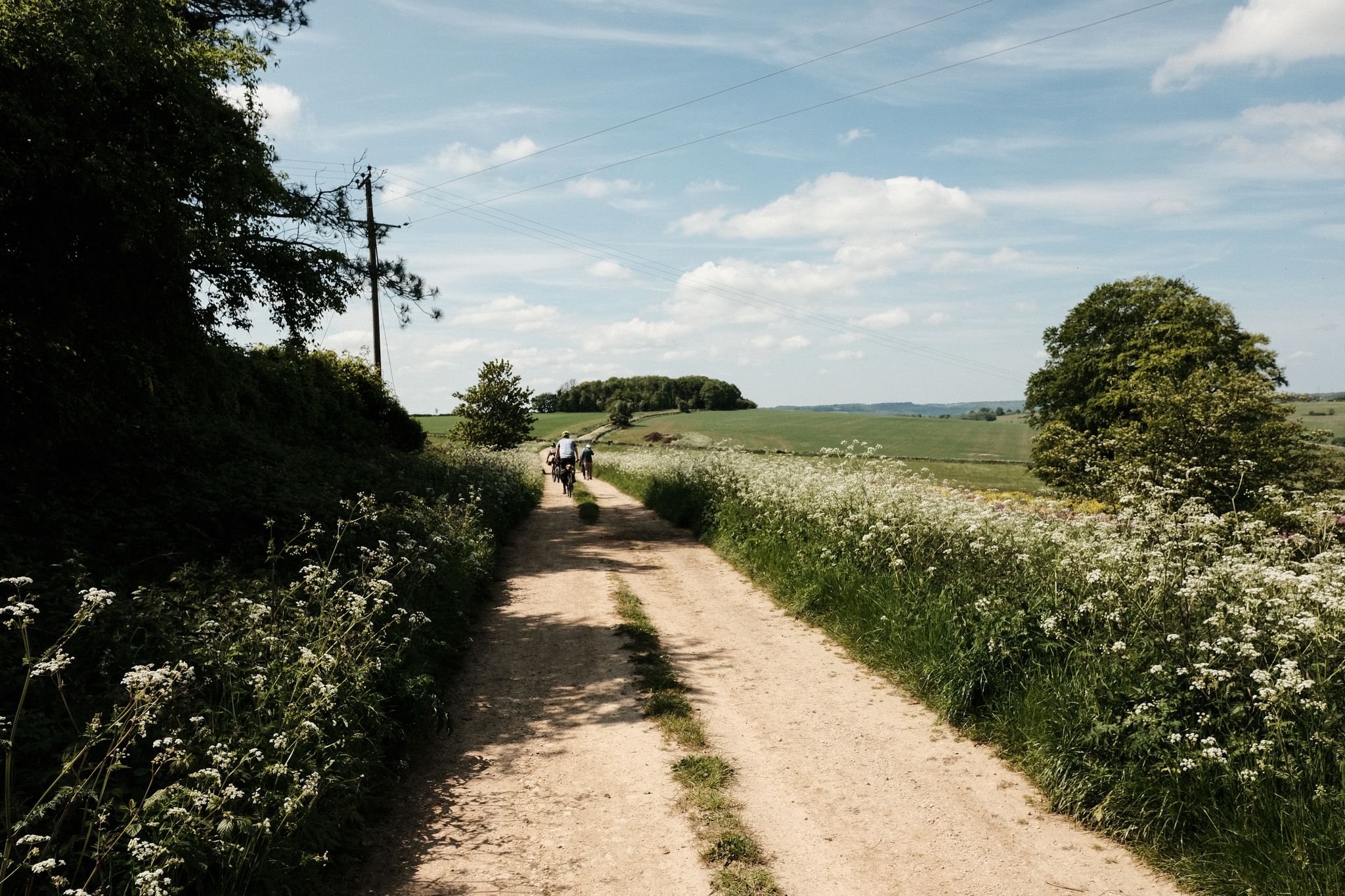
Middle Earth Loop — bikepacking the Wye, Malverns and Cotswolds
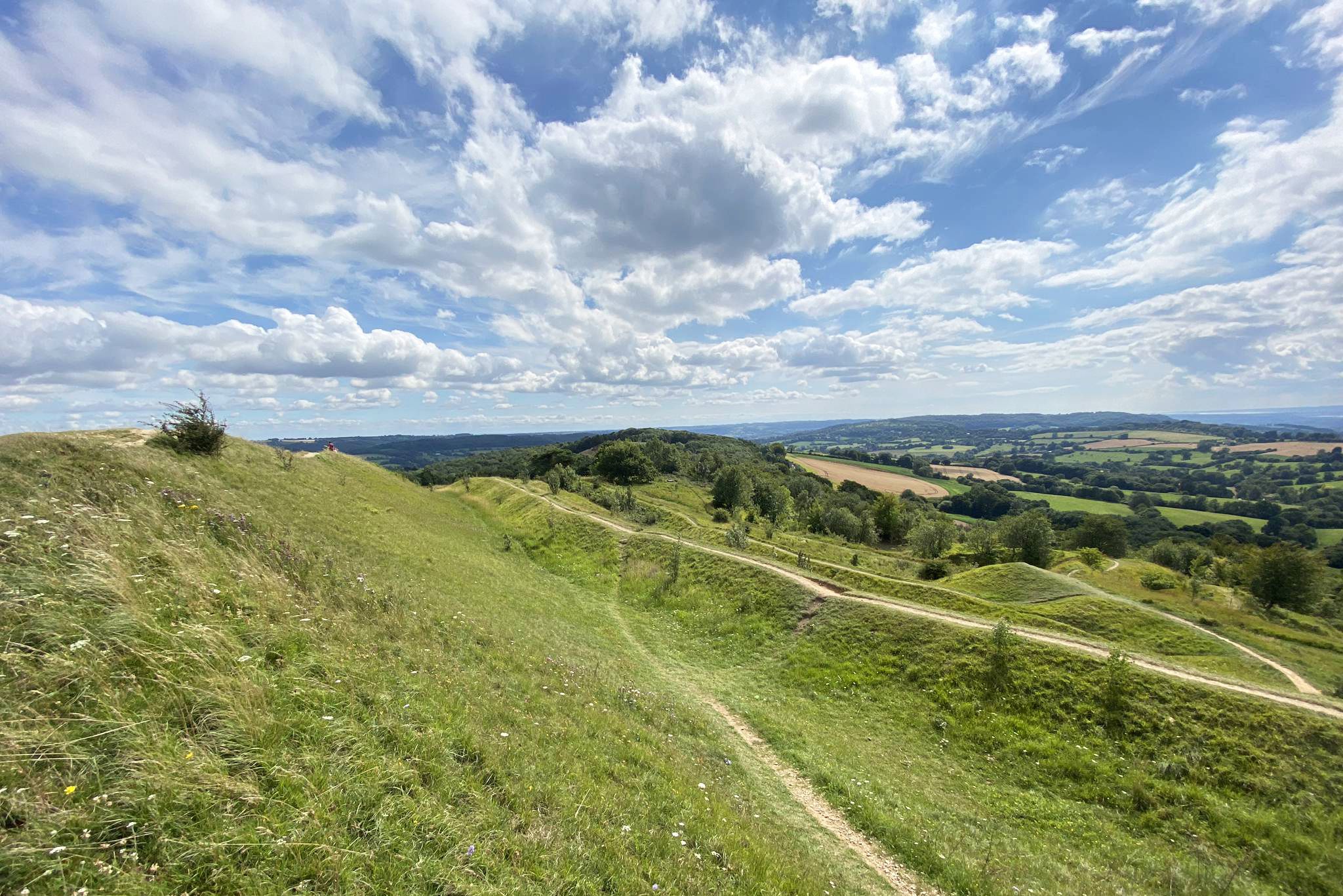
Wysis Way — Hike the golden link between the Wye and Thames
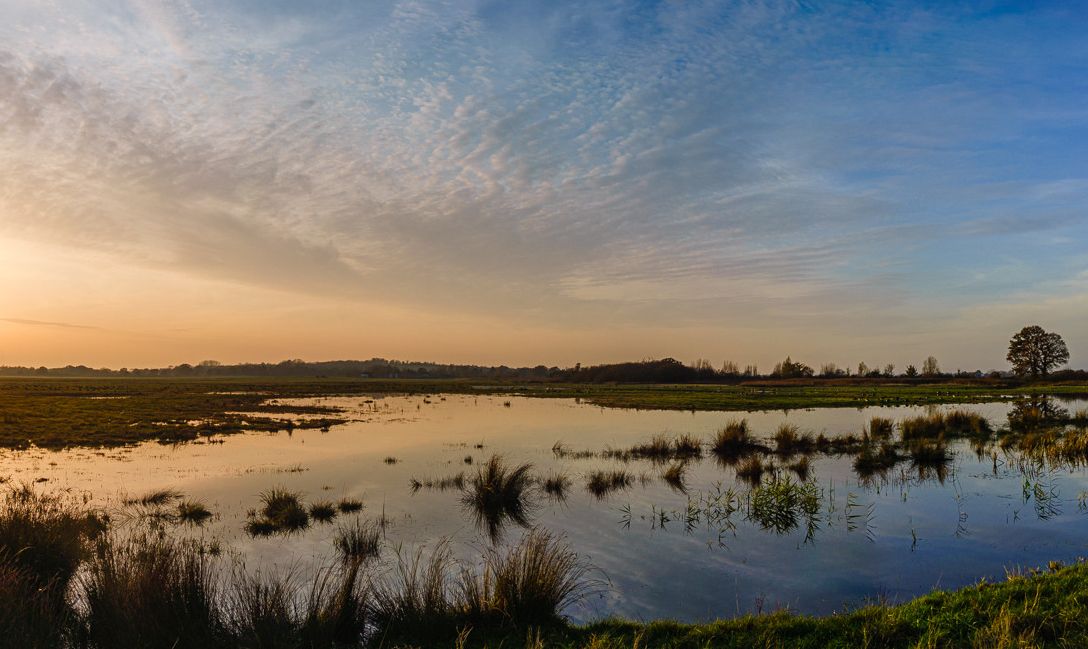
Oxfordshire Way — An idyllic walk in the heart of rural England
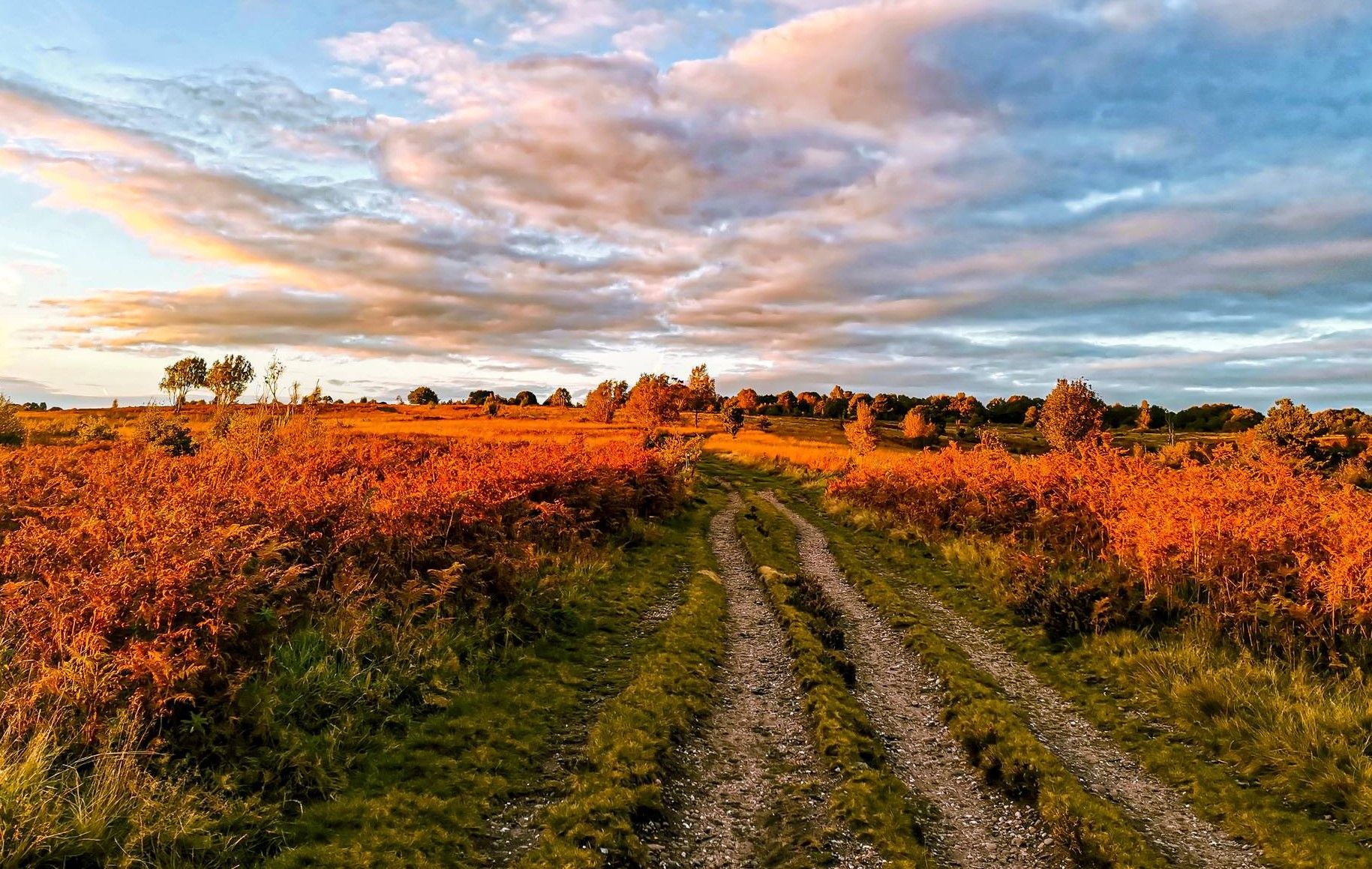
Heart of England Way — A historic hike filled with wildlife and beauty
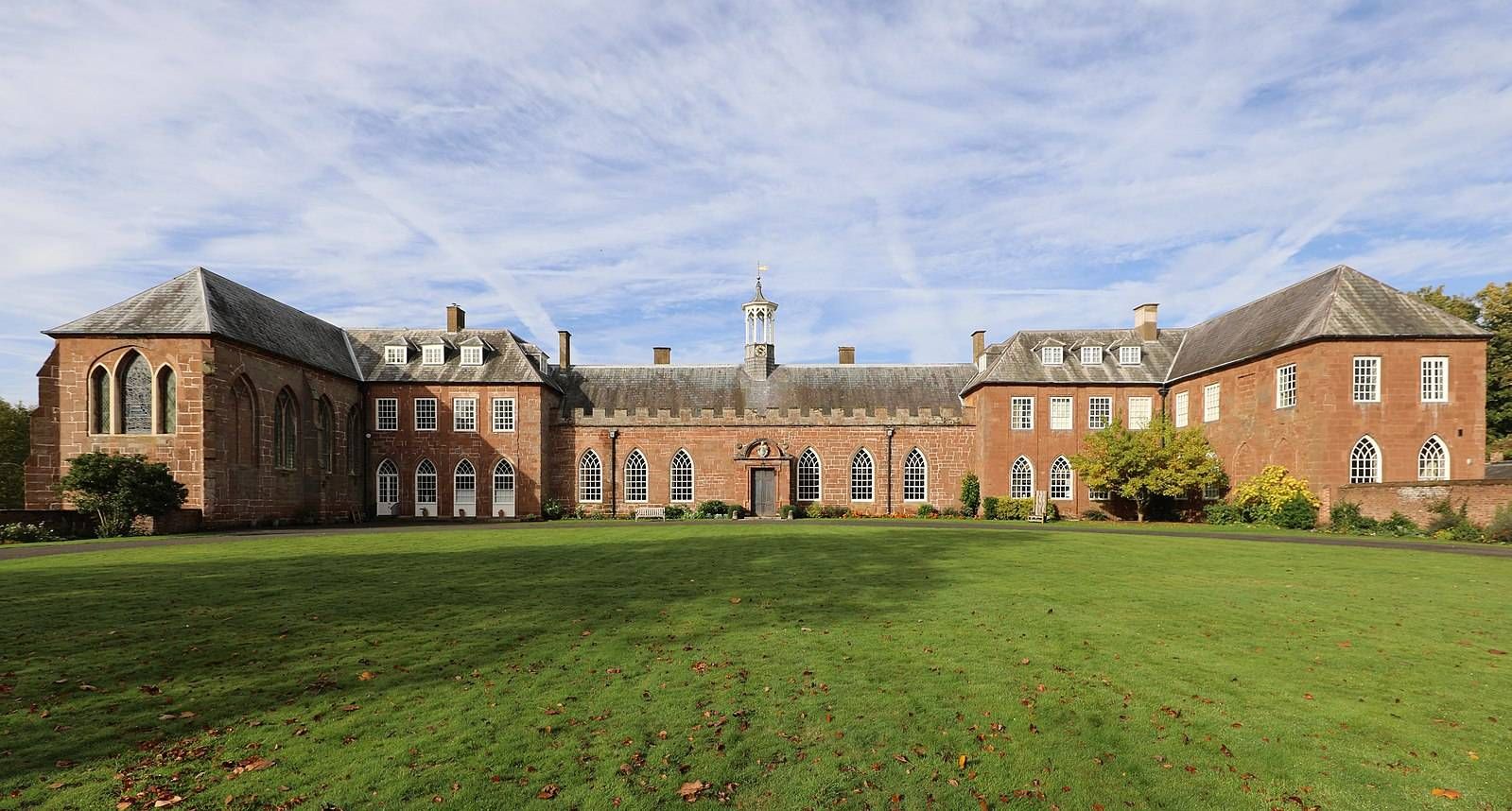
Cycling the Mercian Way – Explore England's historic heart
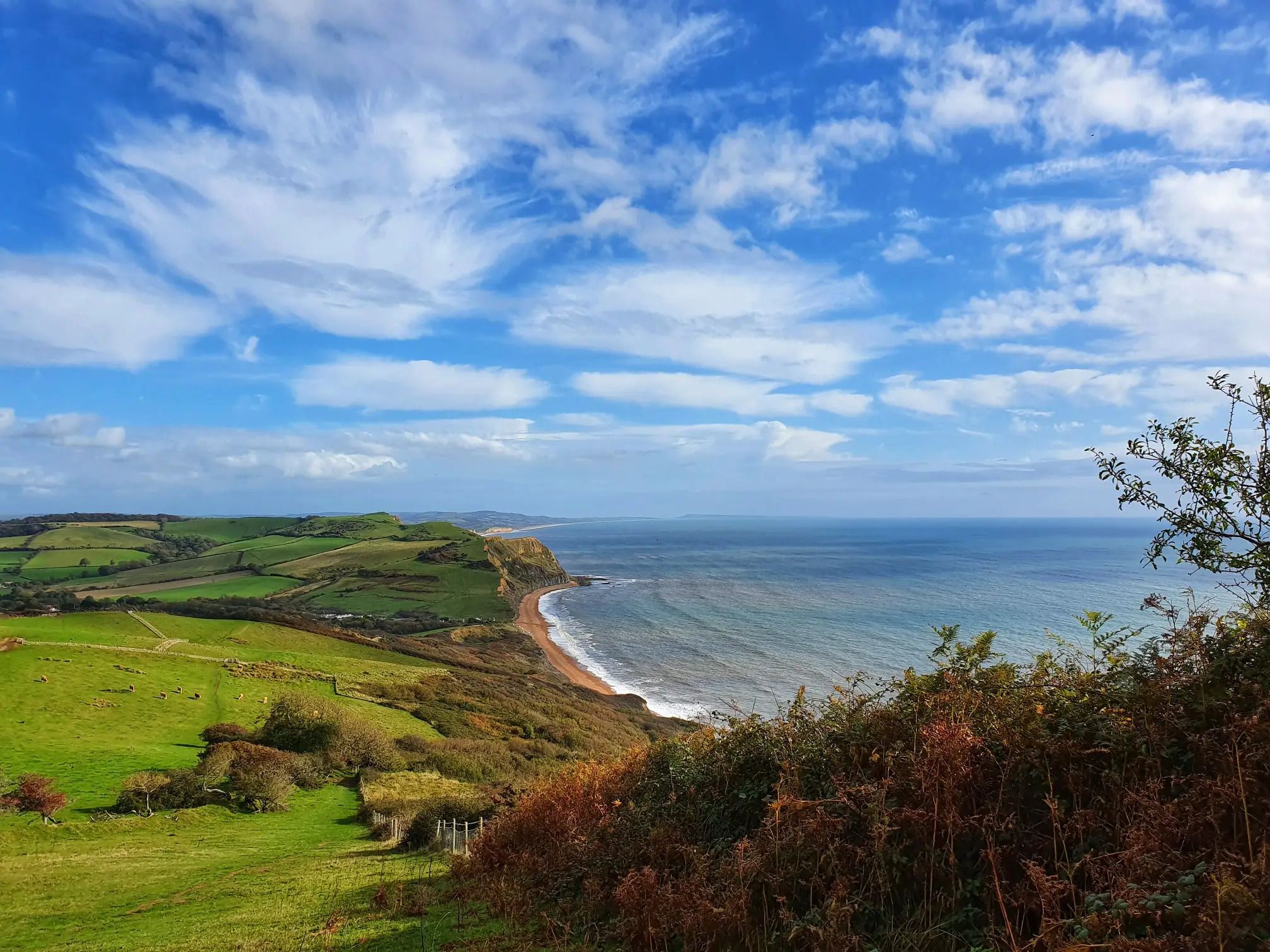
Monarch's Way: Part 2 — Conquer the longest inland trail in England

West Midlands Cycle Route – Where history comes alive
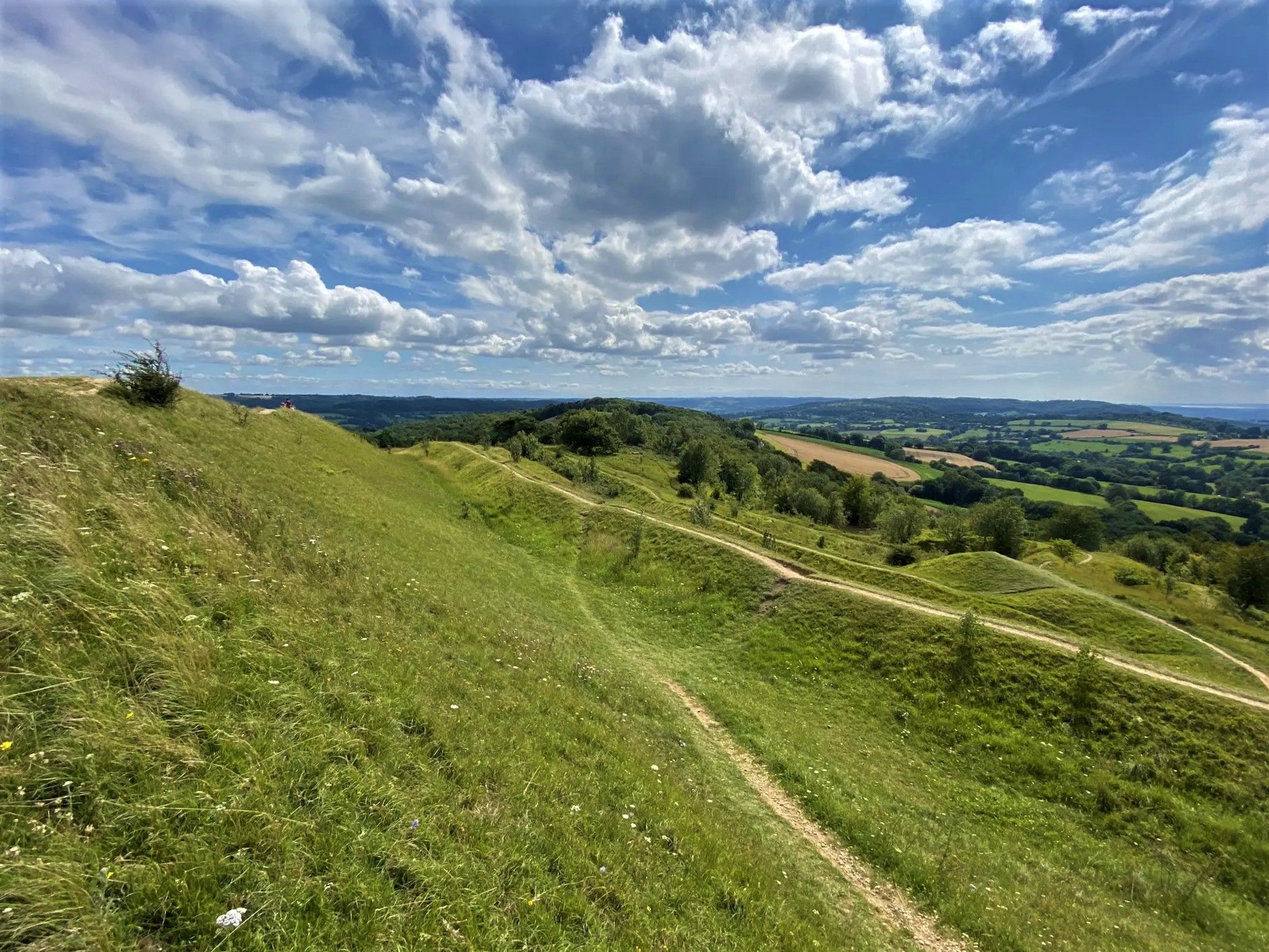
The Cotswold Way — hike the iconic trail in one week
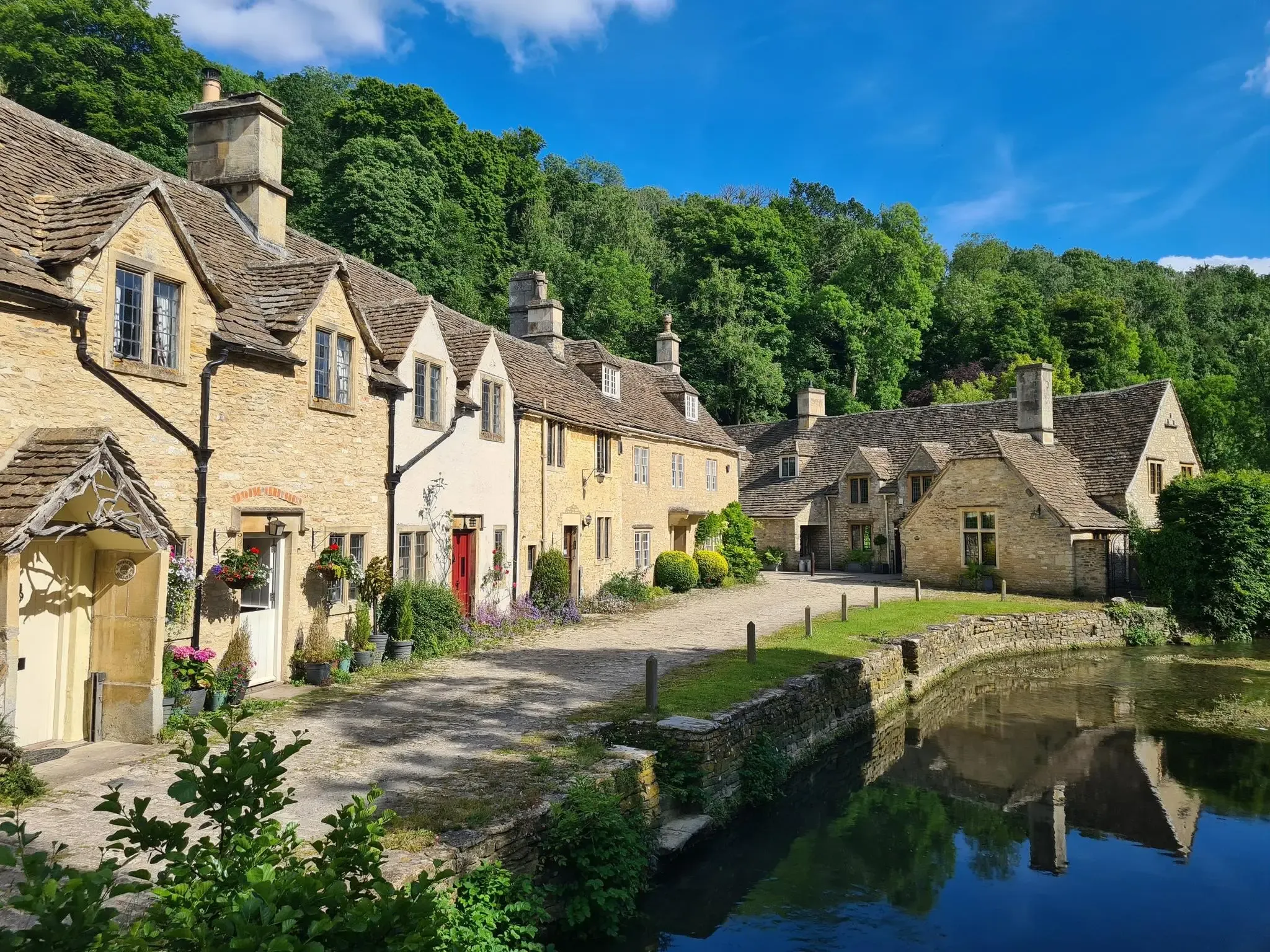
Cycling in the Cotswolds – endless beauty and history
Hiking in the Cotswolds
Other adventures around Cotswold


Tips from the Community

The path has been dry, unfortunately not a drop of water to be seen at the spring.
0
0

Straight up from Chipping Camden, and onto the Cotswold escarpment with expansive views across the Vale of Evesham.
0
0

During our short holiday on the edge of the Cotswolds, we stumbled upon Hidcote Manor Garden by chance. And we can say: it was one of the most beautiful garden designs we have ever seen. Every meter opens up a new perspective, new impressions, and new lighting conditions. We walked through the garden rooms in awe and are thrilled. Wikipedia writes: "The Hidcote Manor Garden is an English park in the Arts & Crafts style.[1] It is located in Hidcote Bartrim in the northeast of Chipping Campden in the county of Gloucestershire. The garden was created from 1907 by the American privateer Lawrence Waterbury Johnston and has belonged to the National Trust since 1948. Characteristic of the garden, which covers more than 40,000 square meters, are above all the division into different garden rooms, English Outdoor Rooms, the sightlines, English Vistas, the artfully trimmed shrubs, as well as the red perennial beds, English Red Borders. The Hidcote Manor Garden is located on a 183 m high plateau on the northern edge of the Cotswolds. Belonging to the county of Gloucestershire and located on the border with the county of Warwickshire, Hidcote is approximately two kilometers east of Mickleton, approximately seven kilometers northeast of Chipping Campden, and 16 kilometers south of Stratford-upon-Avon. The garden of Hidcote is listed in the National Heritage List for England in the highest class, Grade I." Our three-hour visit was rounded off with delicious cake and clotted cream in the café. Our conclusion: Anyone in the area should definitely stop by!
0
0

If You Have Never Seen the Source of River Thames, Probably worth a look.
0
0


My best tip to best experience Dover's Hill is by starting at the car park and walk along the Cotswold Way. A walk down into Chipping Campden is also worth a few additional miles.
2
0

Woohoo, you've made it to the top of Dover's Hill! Catch your breath and enjoy delightful views over Gloucestershire from this scenic hilltop.
1
0
Frequently Asked Questions
What are some of the most popular natural monuments to visit in the Cotswolds?
The Cotswolds offer a variety of popular natural monuments. Visitors frequently enjoy the panoramic views from View from Dover's Hill, which also has historical significance as the home of the Cotswold Olimpick Games. Another highly rated spot is Ebrington Hill Summit, the highest point in Warwickshire, offering extensive views.
Are there any natural monuments in the Cotswolds that are particularly family-friendly?
Yes, several natural monuments in the Cotswolds are suitable for families. View from Dover's Hill is considered family-friendly, offering open spaces and stunning views. The Cirencester Amphitheatre, a historical earthwork, is also a family-friendly natural monument where children can explore the ancient Roman site. Additionally, The Tallest Yew Hedge in the World offers a unique and interesting natural feature for all ages.
What kind of unique geological features can I expect to see in the Cotswolds?
The Cotswolds are defined by their unique geology, primarily the Jurassic limestone. You can observe this in the dramatic Cotswold Escarpment, which exposes sections of 170-210 million-year-old Inferior Oolite rocks. Sites like Leckhampton Hill are recognized for their thick and complete sections of these geological formations. The region's iconic dry stone walls are also built from this local limestone, showcasing its prevalence and influence on the landscape.
Where can I find ancient woodlands or forests in the Cotswolds?
Ancient beechwoods are a significant natural feature of the Cotswolds, particularly along the escarpment and within incised valleys. These semi-natural hardwood forests offer peaceful and picturesque walking trails, providing crucial habitats for birds and rare invertebrates. While specific highlights for these are not listed, they are integral to the scenic beauty of the region's natural monuments.
What outdoor activities can I do near the natural monuments in the Cotswolds?
The Cotswolds offer a wide range of outdoor activities. You can find numerous cycling routes, including road cycling and gravel biking. For road cycling, explore routes like the 'Dovers Hill & Broadway Tower loop from Stow-on-the-Wold' or the 'Cotswold Water Park loop from Cirencester'. For gravel biking, consider the 'Lakefront Café at the Dock – The Lodge at Lake 12 loop from South Cerney'. You can find more details on these and other routes in the Road Cycling Routes around Cotswold and Gravel biking around Cotswold guides.
Are there any natural monuments related to rivers or water sources in the Cotswolds?
Yes, the Cotswolds are home to several natural monuments related to water. You can visit Seven Springs – Source of the River Thames or the main Source of the River Thames itself. Additionally, Cheese Wharf Wild Swimming Spot offers a natural river location for recreation. The region's river valleys, such as the Windrush Valley, also provide tranquil settings for exploration.
What is the significance of the dry stone walls in the Cotswolds?
The dry stone walls are an iconic and defining feature of the Cotswold landscape, built from local Jurassic limestone. Beyond their aesthetic appeal, many dating back to the 18th and 19th centuries (with some near Belas Knap being 5,000 years old), they serve as vital habitats and wildlife corridors. They provide shelter for species like slow worms, bees, wasps, and nesting sites for birds such as wrens and little owls, making them both historically and ecologically significant.
Can I find any natural monuments that also have historical importance?
Absolutely. The Cotswolds blend natural beauty with rich history. The Cirencester Amphitheatre is a prime example, being one of Britain's largest Roman amphitheatres. View from Dover's Hill is not only a natural viewpoint but also commemorates Robert Dover, founder of the Cotswold Olimpick Games. Even the ancient dry stone walls hold historical significance, with some examples dating back thousands of years.
What makes the limestone grasslands and wildflower meadows in the Cotswolds special?
The Cotswolds are nationally important for their rare limestone grassland habitat, containing about half of the UK's flower-rich Jurassic limestone grassland. These meadows are incredibly biodiverse, often boasting over 100 species of wildflowers and grasses, and are particularly vibrant in summer. They provide crucial habitats and nourishment for a wide diversity of wildlife, including many butterfly species, and some plants found here are legally protected due to their rarity.
Are there any natural monuments that are also good for challenging hikes or climbs?
For those seeking a challenge, Ebrington Hill Summit is noted as a challenging natural monument. While the ascent can be steep, the reward is reaching the highest point in Warwickshire with extensive views. The dramatic Cotswold Escarpment itself offers varied terrain, with some sections providing more strenuous walking opportunities.
What do visitors generally enjoy most about the natural monuments in the Cotswolds?
Visitors to the Cotswolds' natural monuments particularly enjoy the breathtaking panoramic views, especially from elevated points like Dover's Hill and Ebrington Hill Summit. The tranquil beauty of ancient woodlands and river valleys, the vibrant wildflower meadows, and the unique geological formations like the escarpment are also highly appreciated. The blend of natural beauty with historical elements, such as the Cirencester Amphitheatre, adds another layer of enjoyment for many.
Are there any natural monuments that are also good for cycling?
While many natural monuments are best explored on foot, the surrounding areas of the Cotswolds are excellent for cycling. For example, the region offers numerous road cycling and gravel biking routes that pass by or offer views of natural features. You can find suitable routes in the Road Cycling Routes around Cotswold and Gravel biking around Cotswold guides, which include options like the 'Dovers Hill & Broadway Tower loop'.
Most popular routes around Cotswold
Most popular attractions around Cotswold

Get inspired with the komoot mobile app


Didn’t find what you were looking for?
Find even more amazing natural monuments around Cotswold by checking out the top Highlights region by region:
Explore more
Extend your search for the best caves by checking out these guides of the top ones around Cotswold:
