Top 14 Natural Monuments around Stratford-On-Avon
Best natural monuments around Stratford-On-Avon include a variety of natural areas and green spaces. The region is known for its scenic beauty and recreational value, offering opportunities for walks and wildlife spotting in the Warwickshire countryside. Stratford-On-Avon's landscape features rolling hills, riverbanks, and woodlands, providing diverse natural settings. These sites offer a contrast to the town's historical attractions, allowing visitors to explore the local environment.
Best natural monuments around Stratford-On-Avon
- The most popular natural monuments is The King Stone, a man-made monument that is a standing stone dating back to the Bronze Age. It is believed to have been a marker for ancient trade routes or a ceremonial site.
- Another must-see spot is The Rollright Stones Stone Circle, a historical site and natural monument. This ceremonial stone circle, erected around 2,500 BC, consists of numerous weathered oolitic limestone stones.
- Visitors also love King's Men Stone Circle, an impressive historic landmark consisting of around 77 limestones. It offers a chance to explore ancient history and serves as a picnic spot.
- Stratford-On-Avon is known for its historical sites, stone circles, and natural reserves. The area offers a variety of natural monuments to see and explore, from ancient standing stones to expansive parklands.
- The natural monuments around Stratford-On-Avon are appreciated by the komoot community. The guide features 17 highlights, with more than 120 upvotes and 50 photos from visitors.
Last updated: June 29, 2026
The King Stone
Highlight • Monument
Tip by

The Rollright Stones Stone Circle
Highlight • Historical Site
The number of stones has changed over the years. Legends refer to stones having been taken away (to make bridges and the like), and it is likely that this created most of the gaps now visible. The stones are famously uncountable, but originally may have numbered about 105 standing shoulder to shoulder.
Tip by

Sign up now to discover places like this
Get recommendations on the best single tracks, peaks, & plenty of other exciting outdoor places.
Sign up for free
Charlecote Park
Highlight • Historical Site
Charlecote Park covers 185 acres (75 ha), backing on to the River Avon. William Shakespeare has been alleged to have poached rabbits and deer in the park as a young man and been brought before magistrates as a result.
From 1605 to 1640 the house was organised by Sir Thomas Lucy. He had twelve children with Lady Alice Lucy who ran the house after he died. She was known for her piety and distributing alms to the poor each Christmas. Her eldest three sons inherited the house in turn and it then fell to her grandchild Sir Davenport Lucy.
In the Tudor great hall, the 1680 painting Charlecote Park by Sir Godfrey Kneller, is said to be one of the earliest depictions of a black presence in the West Midlands (excluding Roman legionnaires). The painting, of Captain Thomas Lucy, shows a black boy in the background dressed in a blue livery coat and red stockings and wearing a gleaming, metal collar around his neck. The National Trust's Charlecote brochure describes the boy as a "black page boy". In 1735 a black child called Philip Lucy was baptised at Charlecote.
The lands immediately adjoining the house were further landscaped by Capability Brown in about 1760. This resulted in Charlecote becoming a hostelry destination for notable tourists to Stratford from the late 17th to mid-18th century, including Washington Irving (1818), Sir Walter Scott (1828) and Nathaniel Hawthorn (c 1850).
Charlecote was inherited in 1823 by George Hammond Lucy (d 1845), who married Mary Elizabeth Williams of Bodelwyddan Castle, from whose extensive diaries the current "behind the scenes of Victorian Charlecote" are based upon. GH Lucy's second son Henry inherited the estate from his elder brother in 1847. After the deaths of both Mary Elizabeth and Henry in 1890, the house was rented out by Henry's eldest daughter and heiress, Ada Christina (d 1943). She had married Sir Henry Ramsay-Fairfax, (d 1944), a line of the Fairfax Baronets, who on marriage assumed the name Fairfax-Lucy.
From this point onwards, the family began selling off parts of the outlying estate to fund their extensive lifestyle, and post-World War II in 1946, Sir Montgomerie Fairfax-Lucy, who had inherited the residual estate from his mother Ada, presented Charlecote to the National Trust in-lieu of death duties. Sir Montgomerie was succeeded in 1965 by his brother, Sir Brian, whose wife, Lady Alice, researched the history of Charlecote, and assisted the National Trust with the restoration of the house.
Tip by
Battle of Edgehill Site
Highlight • Historical Site
All attempts at constitutional compromise between King Charles and Parliament broke down early in 1642. Both the King and Parliament raised large armies to gain their way by force of arms. In October, at his temporary base near Shrewsbury, the King decided to march to London in order to force a decisive confrontation with Parliament's main army, commanded by the Earl of Essex.
Late on 22 October, both armies unexpectedly found the enemy to be close by. The next day, the Royalist army descended from Edge Hill to force battle. After the Parliamentarian artillery opened a cannonade, the Royalists attacked. Both armies consisted mostly of inexperienced and sometimes ill-equipped troops. Many men from both sides fled or fell out to loot enemy baggage, and neither army was able to gain a decisive advantage.
Tip by
Holy Well, Burton Dassett
Highlight • Historical Site
“the holy well with its stone cover will be seen on the left-hand side of the lane as you approach the church”.
The present stone well house is of a considerable size being constructed of local red sandstone around 1840 in a Grecian style. The central doorway is party below ground level and has steps down into a square chamber. Over the stone lintel but the worn instruction is an inscription with carved flowers. It possibly states 1534 but it was not clear. It is evident that the well was part of an estate improvement but when and by whom? And did it exist before? If it does say 1534 that is an early date for a landed estate improvement. It certainly is still visited by well wishers as coins are found in its waters. Sadly, despite a substantial water supply it did not stop the demise of the village and now only the substantial church remains, which incidentally is worthy of a visit.
Tip by
Holy Well, Southam
Highlight • Natural Monument
Tip by

Welcombe Hills & Clopton Park
Highlight • Natural Monument
History of the Welcombe Hills: a Shakespearean tale
The reserve may have got its name from a historic well found here with its inscription 'SJC 1686'. Margaret, daughter of William Clopton who died in 1592 supposedly drowned here. It was around this time that Shakespeare was writing his famous play, Hamlet, and its believed that this tragic event provided the inspiration for his 'Ophelia' and her lonely death.
Tip by
Clowes Wood and New Fallings Coppice
Highlight • Natural Monument
Wildflowers to be seen here include bluebell, lily of the valley, cow-wheat and bilberry. Fifty species of bird breed here, such as jay, chiff chaff, nuthatch and treecreeper, and also woodcock and all three woodpeckers. Badgers live in this woodland and red fox, muntjac and brown hare are all regular visitors to this reserve.
Tip by
Bishops Bowl Lakes
Highlight • Natural Monument
As at Lyme Regis, the Blue Lias at Harbury is rich in marine fossils. In 1927 and 1928 the skeletons of two marine reptiles were found in Harbury quarry. They are an ichthyosaur and a plesiosaur, and both fossils are now in the Natural History Museum, London. The plesiosaur is the unique example of the early Jurassic species Macroplata tenuiceps.
Tip by
Burton Dassett Country Park
Highlight • Trail
Tip by

Sign up for free to discover even more natural monuments around Stratford-On-Avon.
Sign up for free
Already have an account?
Start today with a free account
Your next adventure awaits.
Login or Signup
Popular around Stratford-On-Avon
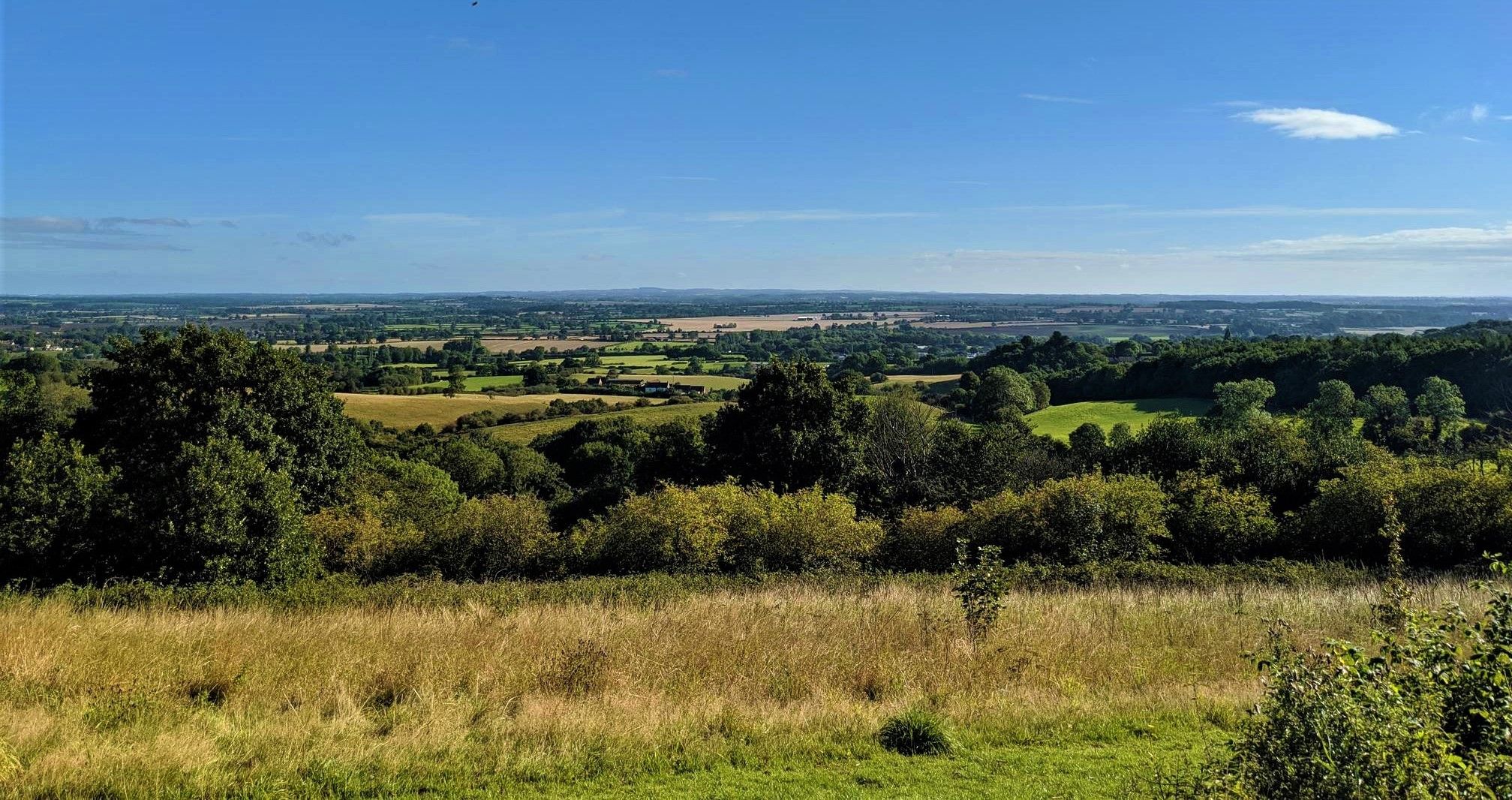
Centenary Way — Hike through a millennium of enchanting history
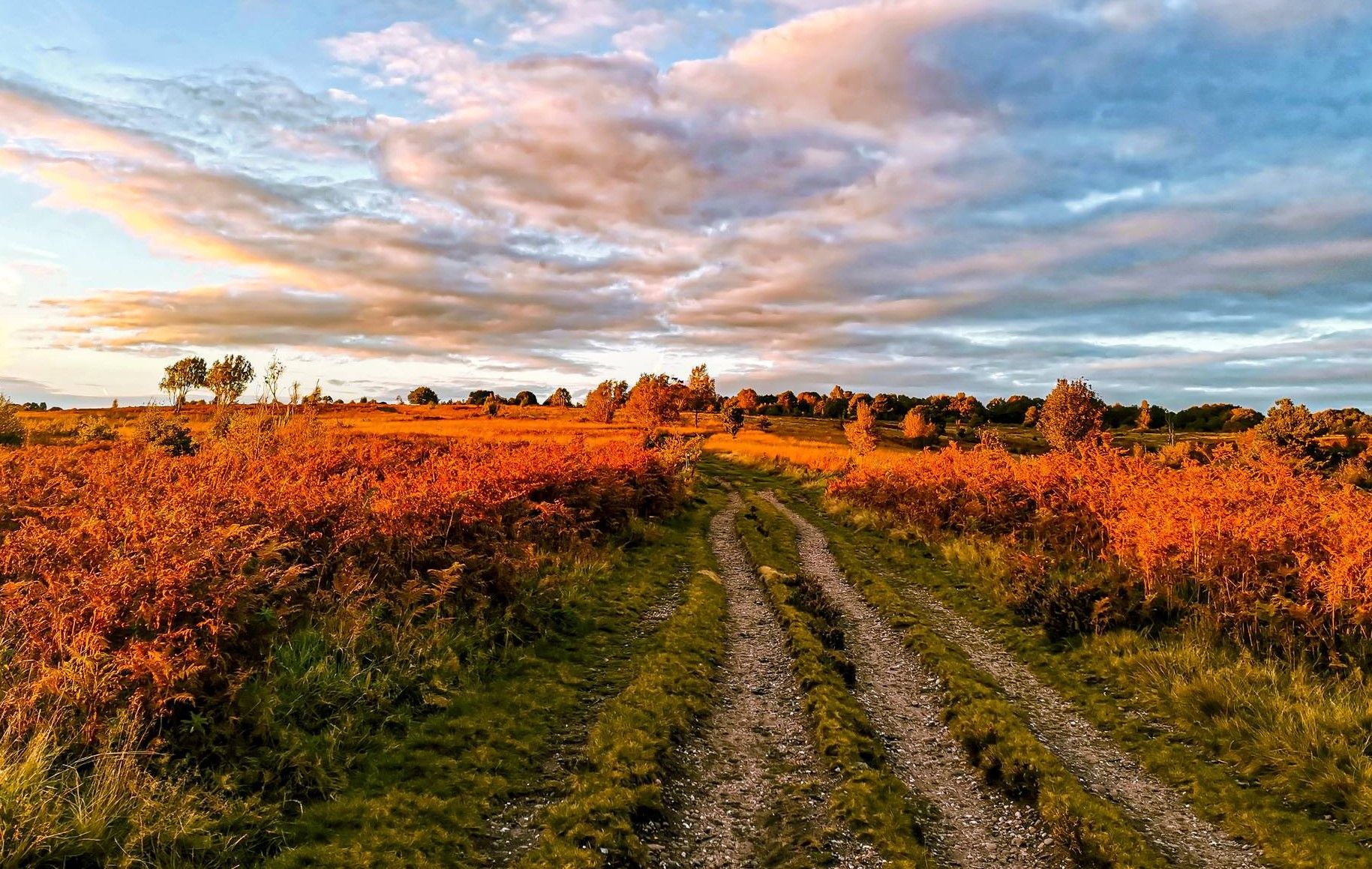
Heart of England Way — A historic hike filled with wildlife and beauty
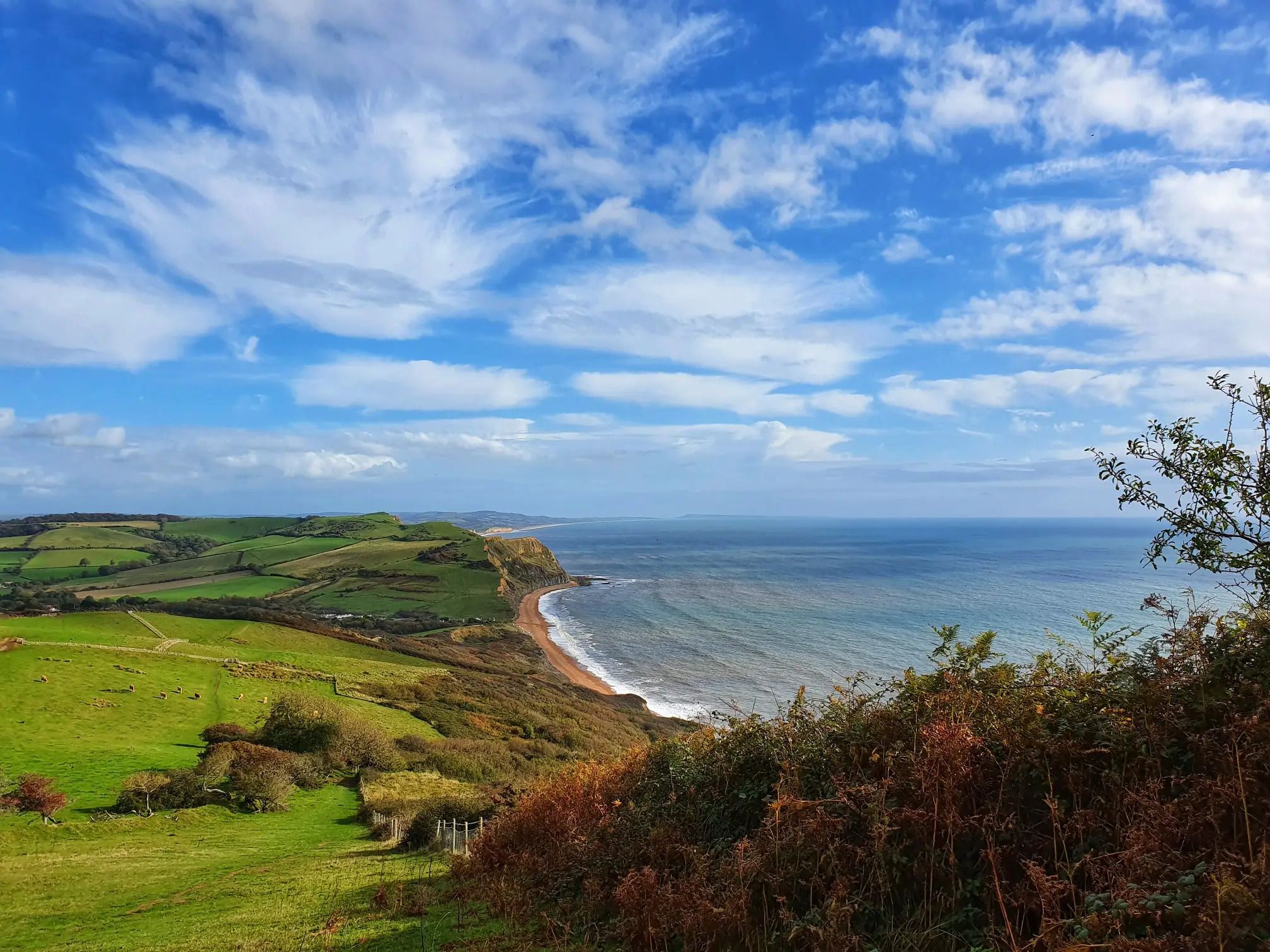
Monarch's Way: Part 2 — Conquer the longest inland trail in England
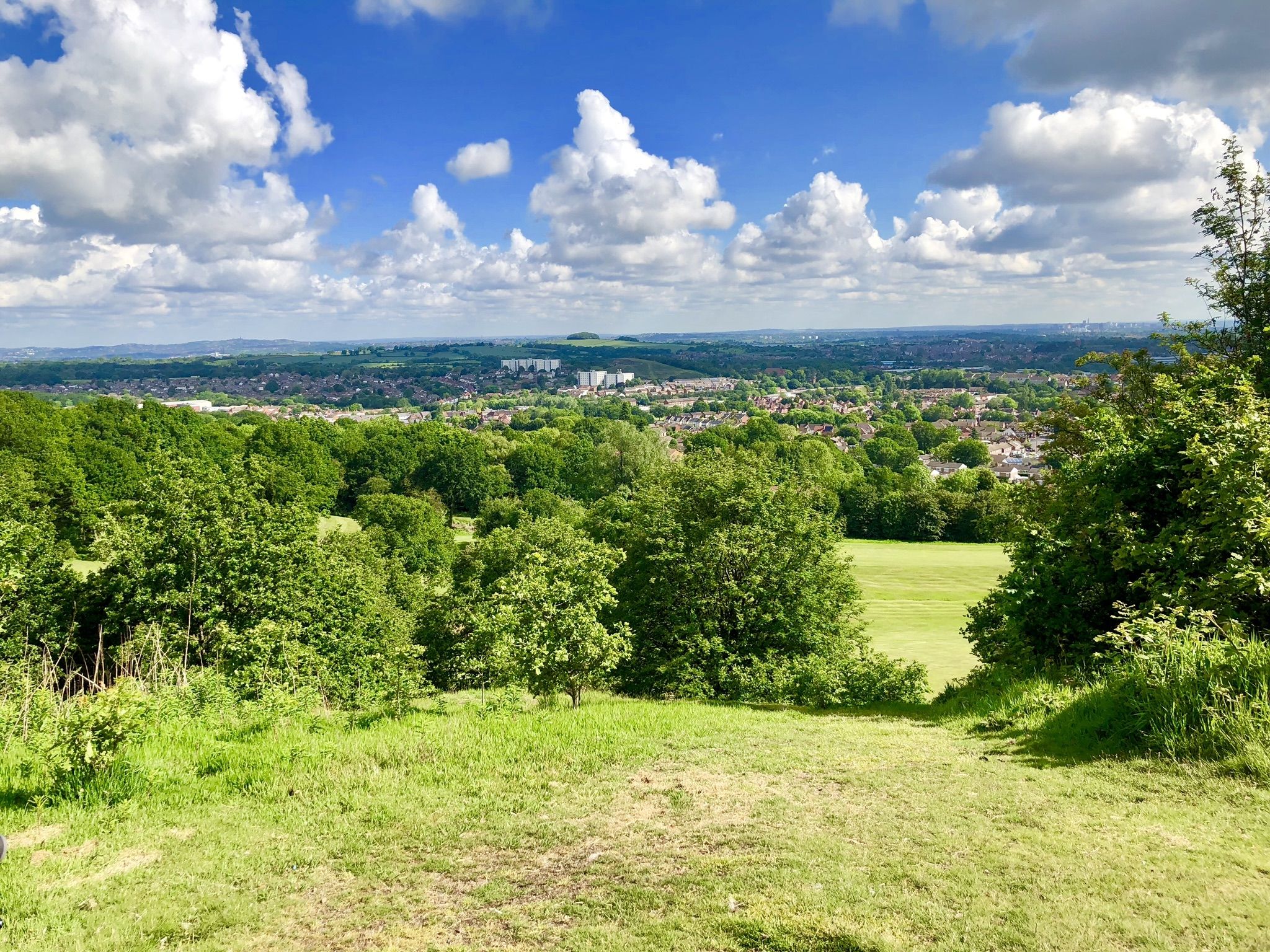
Monarch's Way: Part 1 — Conquer the longest inland trail in England
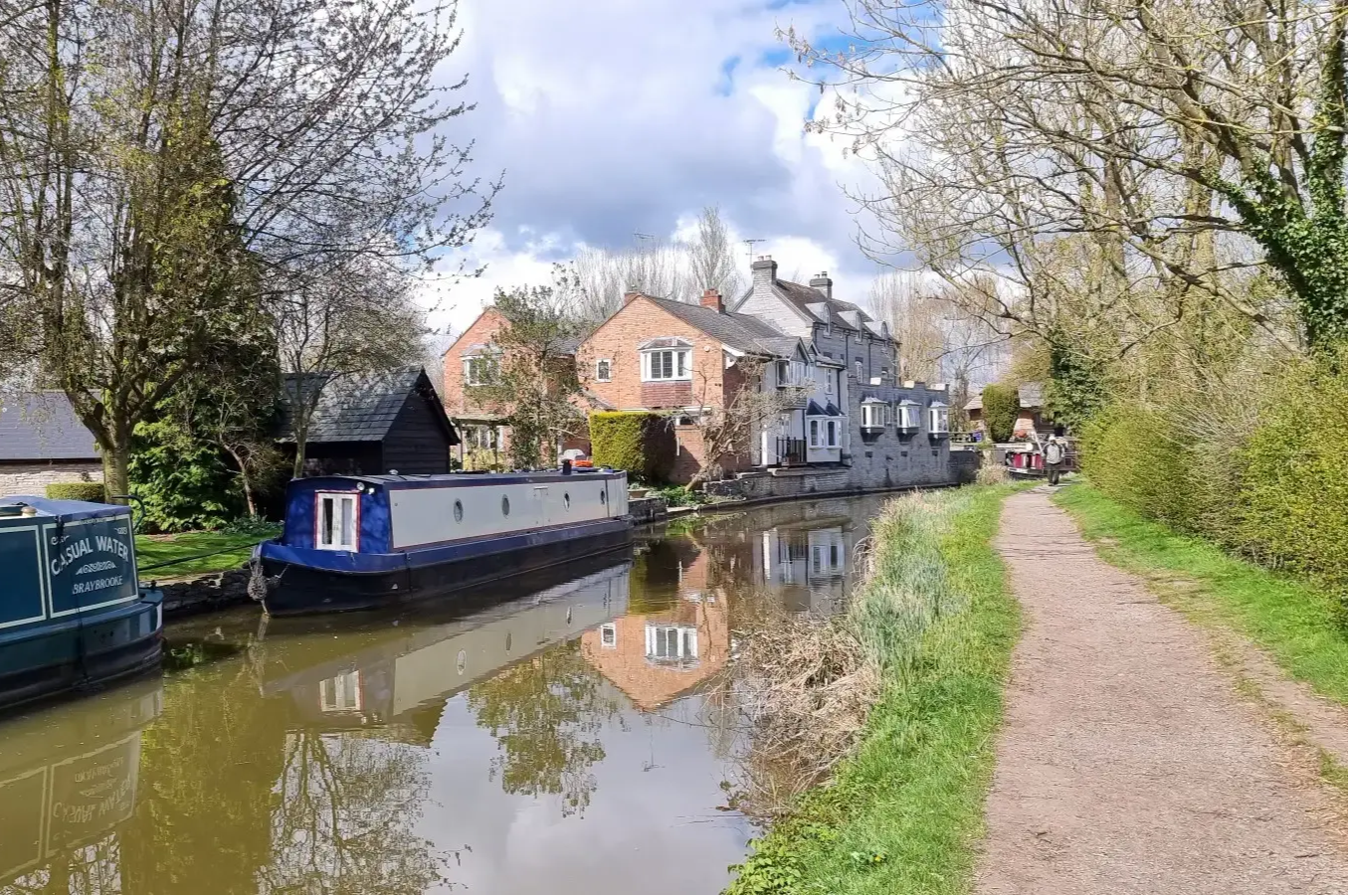
Industrial heartlands on NCN Route 5 – Reading to North Wales
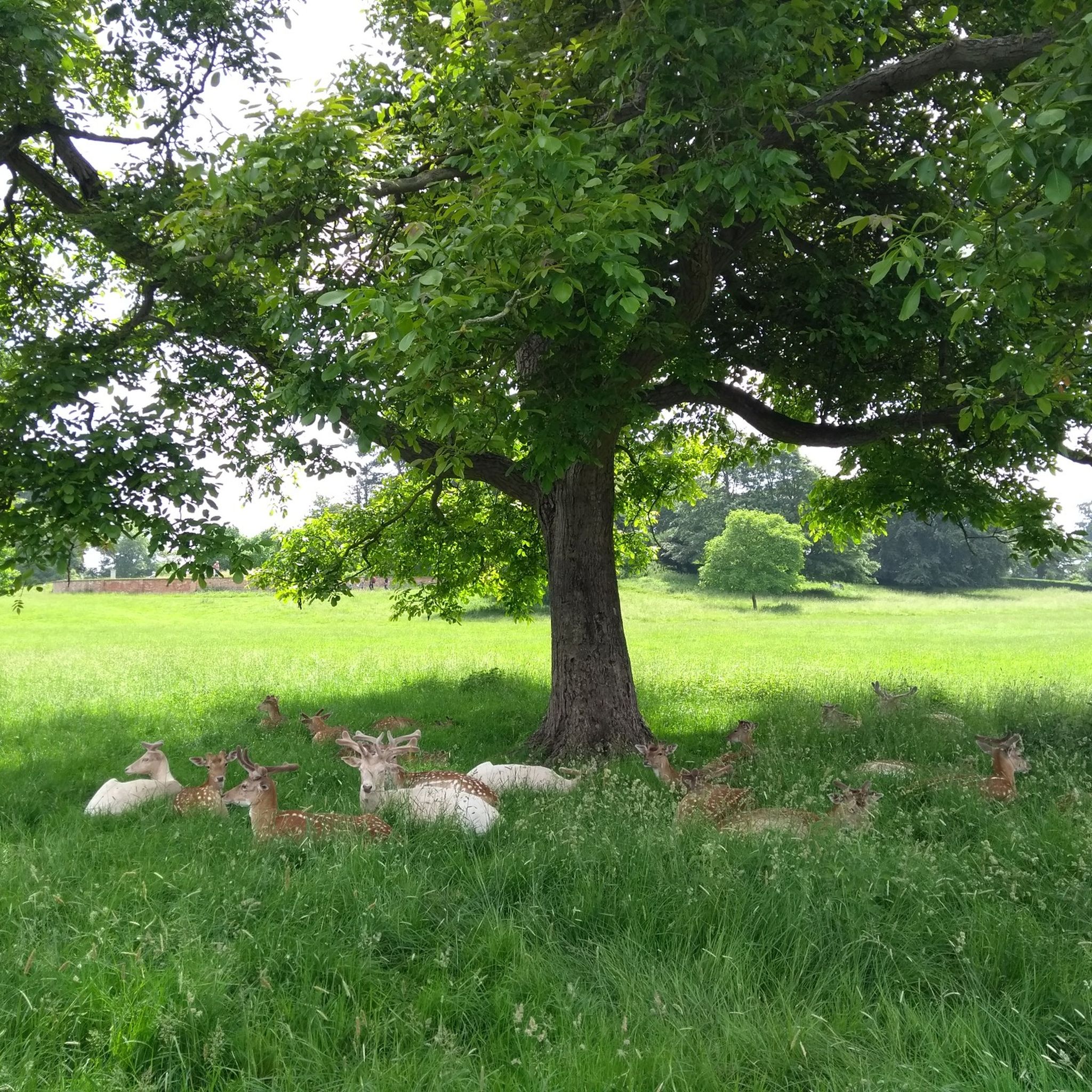
Hiking around Stratford-On-Avon
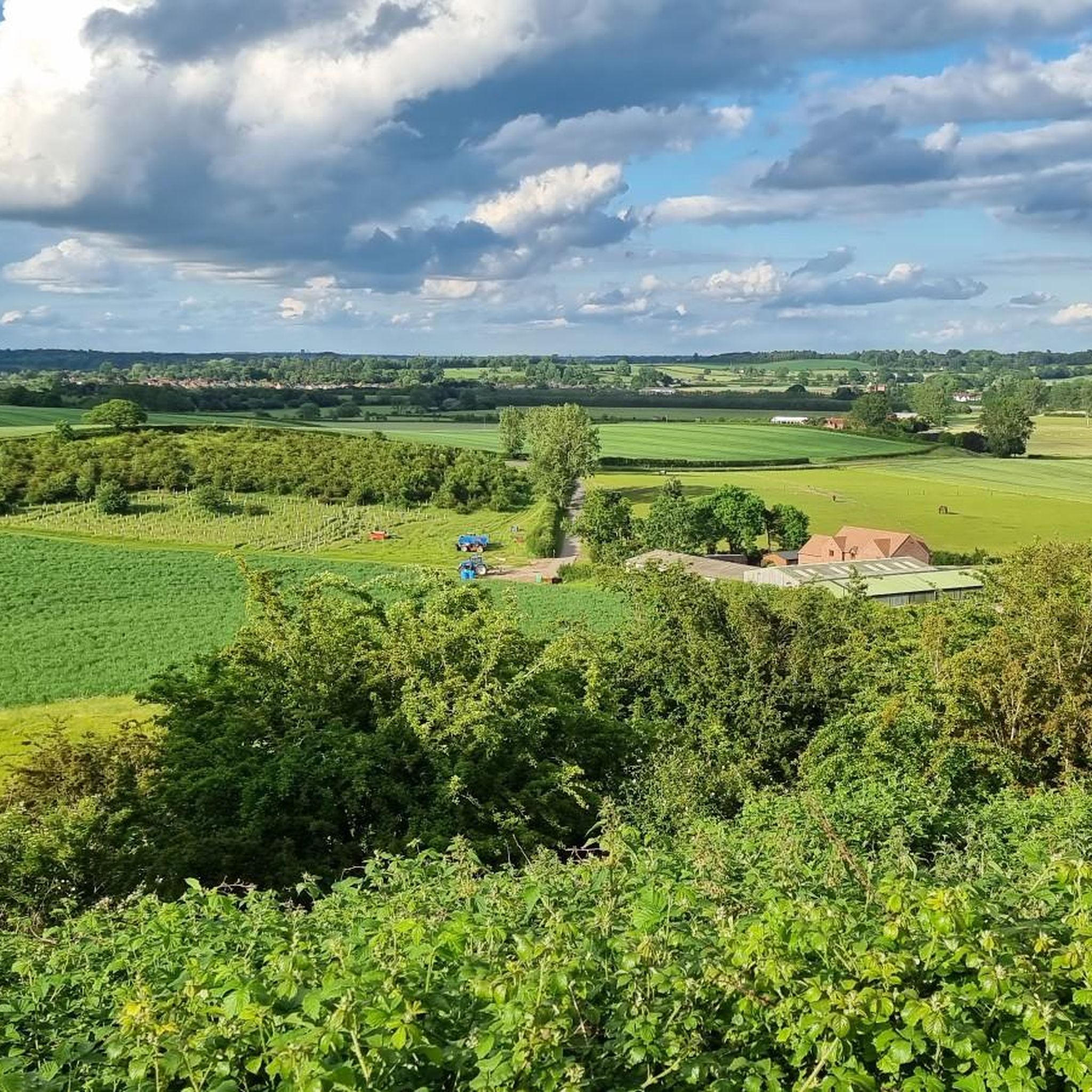
Running Trails around Stratford-On-Avon
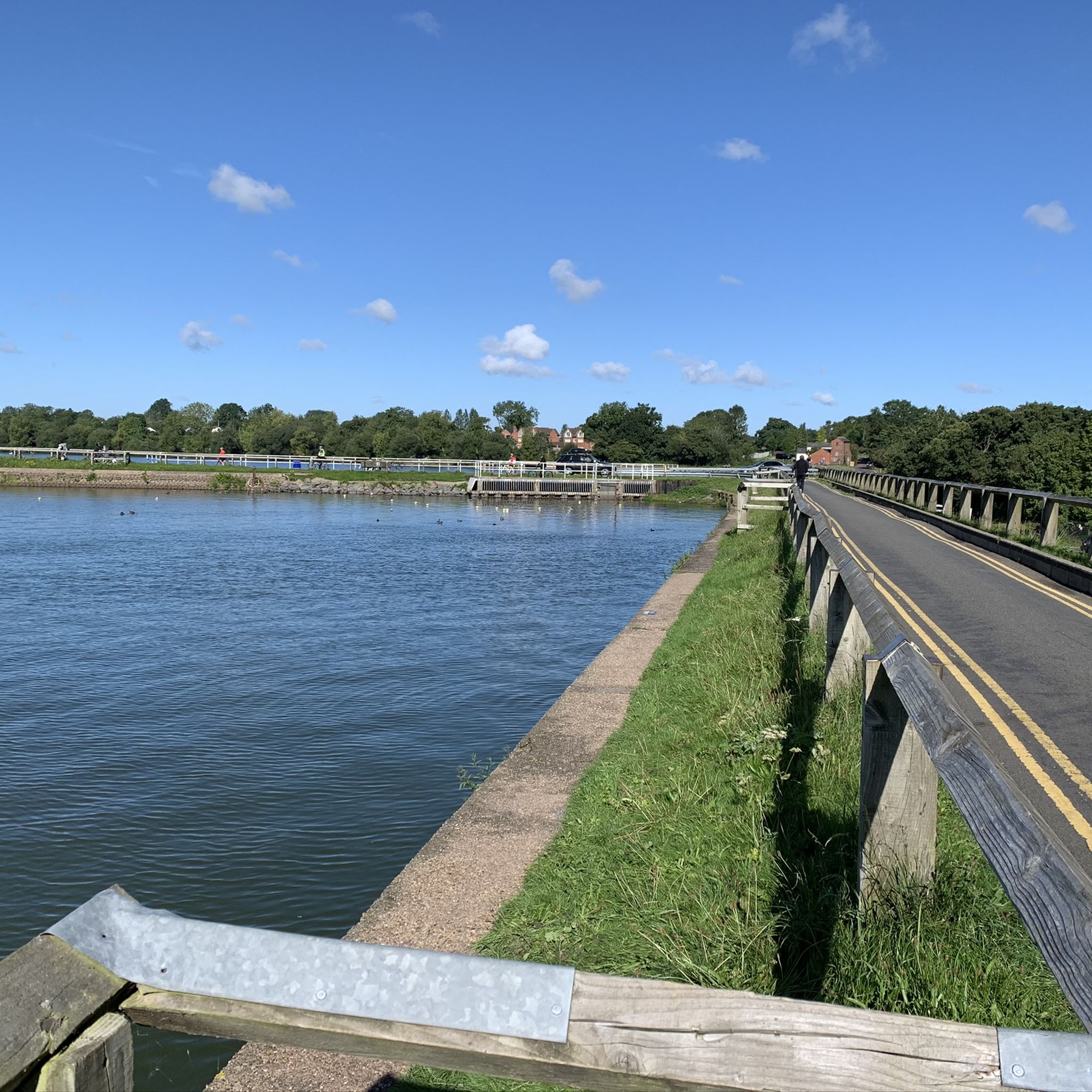
Road Cycling Routes around Stratford-On-Avon
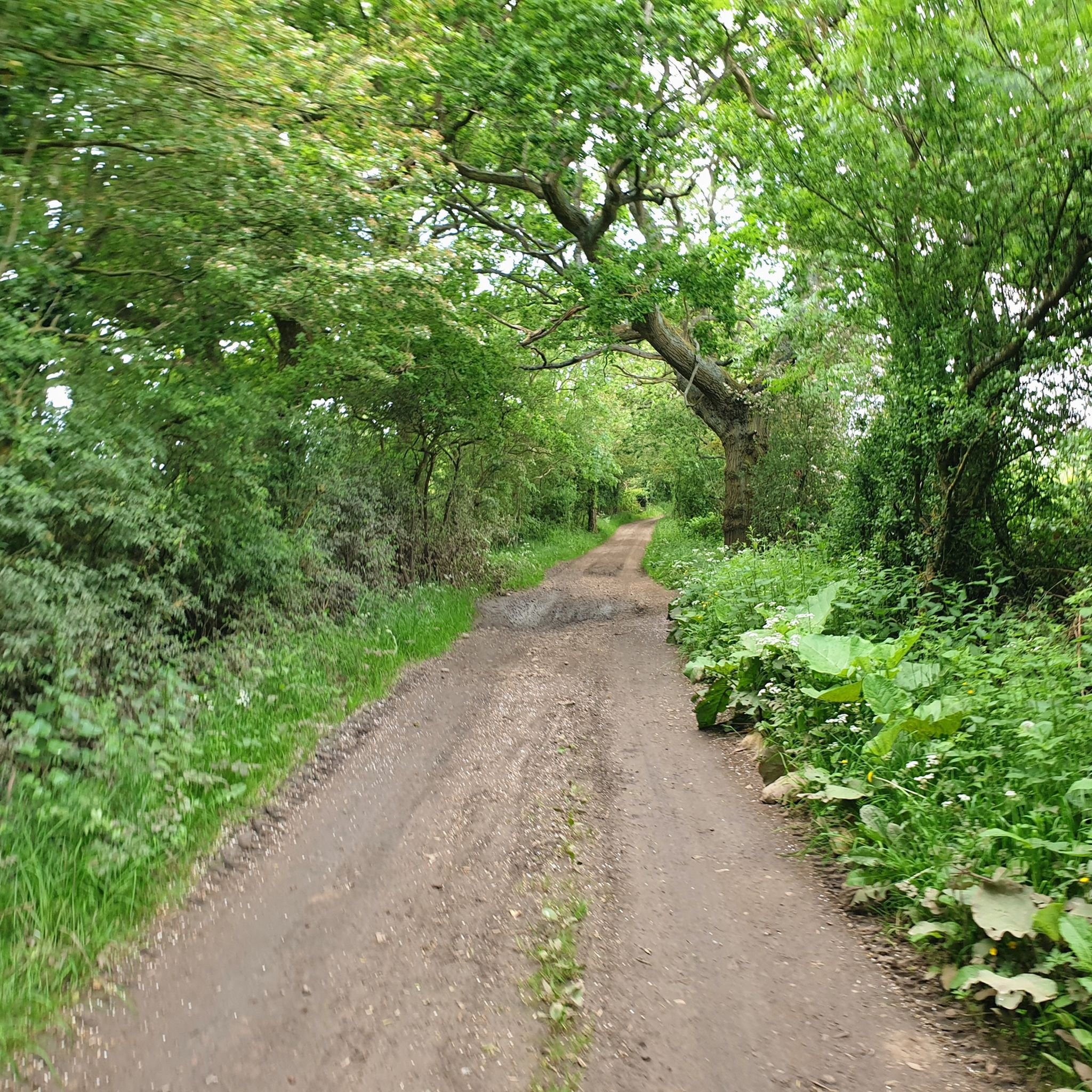
Cycling around Stratford-On-Avon
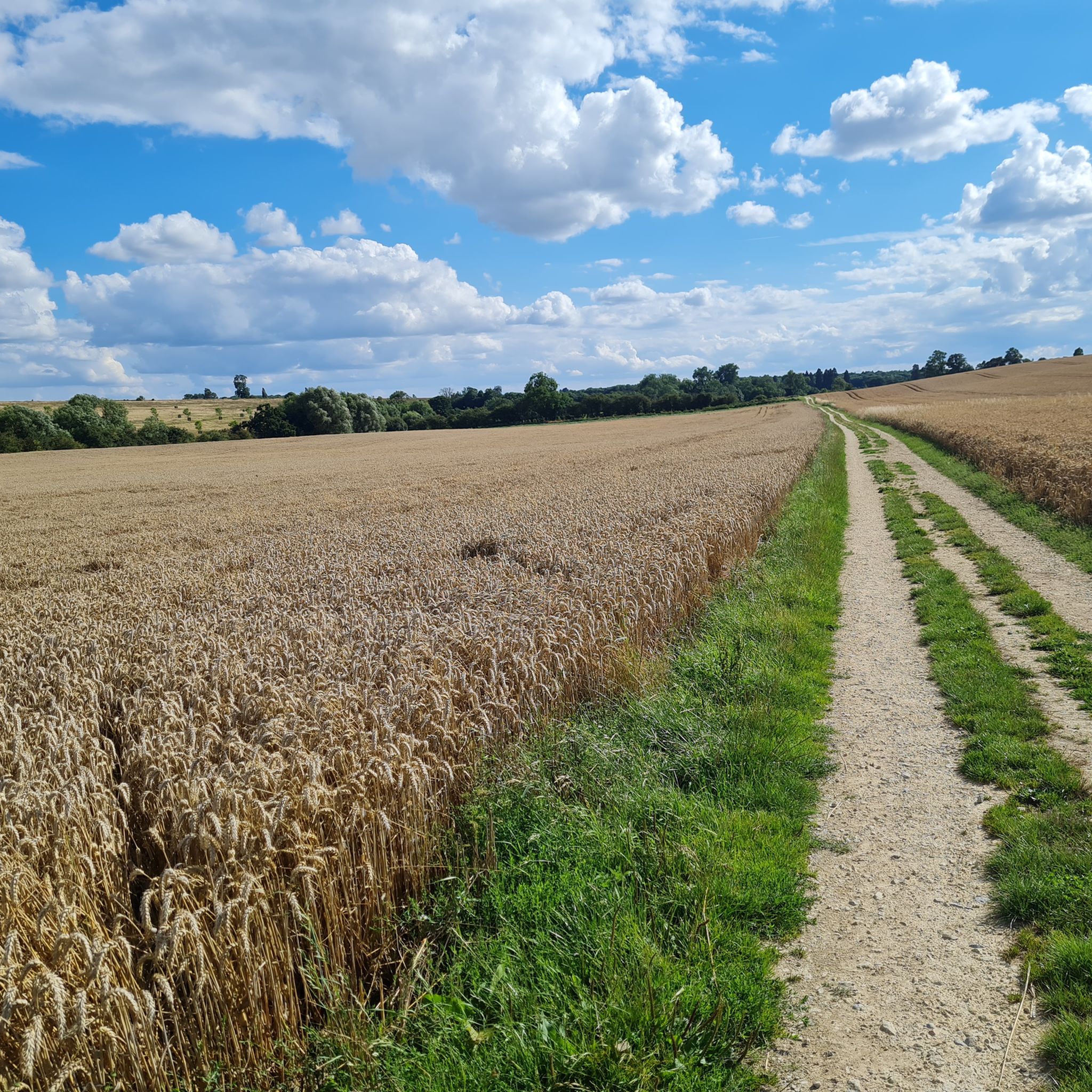
MTB Trails around Stratford-On-Avon
Other adventures around Stratford-On-Avon


Tips from the Community

It is an unusual half-moon stone structure holding the water, with three strange heads out of whose mouths the water flows down to the river.
0
0

This is the location of the Battle of Edgehill, a pitched battle of the First English Civil War occurring on Sunday 23rd October 1642. A detailed information board stands here describing how the event unfolded, offering a fascinating window into the area's past.
1
0

We had to double back on ourselves slightly to see the lakes, as they were hidden behind a hedge
0
1

If you follow the beautiful trail that departs from Southam heading east and runs alongside the River Stowe, you will come across The Holy Well, believed to be the oldest recorded Holy Well in England. It has been there for over a thousand years, with its most recent renovation taking place almost twenty years ago.
1
0
The King Stone is a standing stone in the Cotswolds, England, which dates back to the Bronze Age. It is believed to have been a marker for ancient trade routes or a ceremonial site.
1
0

The Battle of Edgehill (or Edge Hill) was a pitched battle of the First English Civil War. It was fought near Edge Hill and Kineton in southern Warwickshire on Sunday, 23 October 1642. All attempts at constitutional compromise between King Charles and Parliament broke down early in 1642. Both the King and Parliament raised large armies to gain their way by force of arms. In October, at his temporary base near Shrewsbury, the King decided to march to London in order to force a decisive confrontation with Parliament's main army, commanded by the Earl of Essex. Late on 22 October, both armies unexpectedly found the enemy to be close by. The next day, the Royalist army descended from Edge Hill to force battle. After the Parliamentarian artillery opened a cannonade, the Royalists attacked. Both armies consisted mostly of inexperienced and sometimes ill-equipped troops. Many men from both sides fled or fell out to loot enemy baggage, and neither army was able to gain a decisive advantage.
1
0

Remember to always keep a pace when going up a big hill
0
0
The Welcombe Hills and Clopton Park offer delightful walks through grassland and woodland. Woolly thistle, quaking-grass and the diminutive adder’s-tongue grow in the grasslands where ant hills created by yellow meadow ants are a distinctive feature. The woodland contains oak, horse-chestnut and beech with English elm. Birds are plentiful, with great spotted woodpecker, sparrowhawk, little owl, treecreeper and finches enjoying the woodland where ravens breed in spring. Brimstone butterflies are numerous in the spring sunshine. History of the Welcombe Hills: a Shakespearean tale The reserve may have got its name from a historic well found here with its inscription 'SJC 1686'. Margaret, daughter of William Clopton who died in 1592 supposedly drowned here. It was around this time that Shakespeare was writing his famous play, Hamlet, and its believed that this tragic event provided the inspiration for his 'Ophelia' and her lonely death.
0
0
Frequently Asked Questions
What natural areas offer scenic views around Stratford-upon-Avon?
For panoramic vistas, consider visiting Welcombe Hills & Clopton Park, which offers rolling hills and views across the Avon valley. Another excellent spot is the Battle of Edgehill Site, known for its historical significance and commanding views of the surrounding landscape. For a challenging hike with rewarding scenery, head to Ebrington Hill Summit.
Are there family-friendly natural monuments in the Stratford-upon-Avon area?
Yes, several natural monuments are ideal for families. Charlecote Park offers expansive grounds and a deer park, perfect for a day out and picnics. The Welcombe Hills & Clopton Park is also family-friendly, with woodlands and open spaces. Additionally, the Stratford-upon-Avon Local Nature Reserve provides an accessible circular walk along the River Avon, suitable for all visitors.
Where can I go for a leisurely walk or picnic near the town center?
The Stratford-upon-Avon Local Nature Reserve, part of The Stratford Riverside Project, offers a peaceful circular walk along the River Avon, easily accessible from the town center. You can also enjoy a leisurely stroll or picnic in Bancroft Gardens, located by the River Avon and adjacent to the Royal Shakespeare Theatre, offering beautiful river views and lush greenery.
What kind of wildlife can I expect to see in the natural monuments?
The natural areas around Stratford-upon-Avon are rich in wildlife. At Welcombe Hills & Clopton Park, you might spot brimstone butterflies in spring and breeding ravens. The Stratford-upon-Avon Local Nature Reserve is home to deer, damselflies, kingfishers, otters, wildflowers, and various butterflies along its riverbanks and wetlands.
Are there any natural monuments suitable for dog walking?
Yes, Welcombe Hills & Clopton Park is a popular spot for dog walkers, offering expansive rolling hills and woodlands. The Recreation Ground (The Rec) also provides large grassed areas along the River Avon, favored by locals for leisurely walks with their dogs.
What outdoor activities can I do near these natural monuments?
The region offers diverse outdoor activities. You can find numerous running trails, such as the 'Arden Way Loop' or 'Holy Well and St. James Church loop from Southam', which you can explore further in the Running Trails around Stratford-On-Avon guide. For cyclists, there are road cycling routes like the 'Edgehill & Upton House loop' and touring bicycle options, including the 'Northern Cotswolds loop', detailed in the Road Cycling Routes around Stratford-On-Avon and Cycling around Stratford-On-Avon guides.
Are there any natural monuments with historical significance beyond the stone circles?
Absolutely. Charlecote Park, a National Trust property, has a rich history dating back to 1247, with its Elizabethan house and landscaped grounds. The Battle of Edgehill Site marks the location of a significant English Civil War battle in 1642. Additionally, Holy Well, Southam is a natural monument with historical and cultural ties.
Where can I find woodlands or forests for a nature walk?
For a refreshing walk through woodlands, visit Clowes Wood and New Fallings Coppice. Welcombe Hills & Clopton Park also features lush woodlands alongside its open grasslands, providing diverse natural settings for exploration.
Are there any lakes or water features among the natural monuments?
Yes, Bishops Bowl Lakes offers a beautiful lake environment. The River Avon itself is a central natural feature, with the Stratford-upon-Avon Local Nature Reserve encompassing riverbanks, reedbeds, and wetlands, providing opportunities to enjoy water scenery and wildlife.
What do visitors enjoy most about the natural monuments around Stratford-upon-Avon?
Visitors frequently appreciate the serene beauty and recreational value of the area's natural spaces. Many enjoy the peaceful walks, opportunities for wildlife spotting, and the contrast these natural sites offer to the town's historical attractions. Highlights like Charlecote Park are praised for being great for a day out and picnics, while the stone circles are noted for their 'great view' and 'nice place for a picnic'.
Are there any accessible natural trails for all visitors?
The Stratford-upon-Avon Local Nature Reserve, established in October 2023, offers a circular walk with bridges that is suitable for all visitors, providing easy access to local wildlife and river scenery. Its proximity to the town center also makes it easily accessible for pedestrians.
What are some lesser-known natural gems in the area?
While popular spots are well-loved, exploring the River Avon's numerous well-marked footpaths beyond the immediate town center can reveal tranquil spots for birdwatching and picnicking. The Avon Heritage Trail, a 7-mile loop, specifically highlights local nature reserves and Shakespearean properties along the river, offering a deeper dive into the region's natural beauty.
Most popular routes around Stratford-On-Avon
Most popular attractions around Stratford-On-Avon

Get inspired with the komoot mobile app


Didn’t find what you were looking for?
Find even more amazing natural monuments around Stratford-On-Avon by checking out the top Highlights region by region:
Explore more
Extend your search for the best caves by checking out these guides of the top ones around Stratford-On-Avon:
