Top 4 Natural Monuments around South Bucks
Best natural monuments around South Bucks include ancient woodlands and significant heathlands. This region features protected natural areas recognized for their ecological importance and historical elements. South Bucks offers diverse landscapes, from sprawling forests with ancient trees to open commons supporting unique flora and fauna. These sites provide opportunities for exploring natural features and understanding the area's heritage.
Best natural monuments around South Bucks
- The most popular natural monuments is Burnham Beeches, a historical site that is a Site…
Last updated: August 22, 2026
Burnham Beeches
Highlight • Historical Site
Tip by

Cliveden War Cemetery and Memorial Garden
Highlight • Historical Site
Tip by

Sign up now to discover places like this
Get recommendations on the best single tracks, peaks, & plenty of other exciting outdoor places.
Sign up for free
Fountain of Love
Highlight • Historical Site
Tip by
Canning's View of the River Thames
Highlight • Viewpoint
Canning's View was named after George Canning who was briefly prime minister in 1827. He was a regular visitor and spent many hours under a giant oak tree …
Tip by
Start today with a free account
Your next adventure awaits.
Login or Signup
Tips from the Community

Clivden is a gem. A glorious stately home converted to a hotel and many an event.
0
0

Burnham Beeches is a Site of Special Scientific Interest, National Nature Reserve, and Special Area of Conservation thanks to its ancient beech woodland and rich wildlife. More than sixty species of plants and animals that call the 927-acre (375 ha) site home are rare or under threat. The historic woodland is also home to relics of times gone by. Located in the southwest of the woodland, you can visit Seven Ways Plain hill fort which dates to the Late Bronze Age and Early Iron Age. Neighbouring film studios have used the Beeches as a shooting location in various productions such as Doctor Who, Harry Potter, Goldfinger, and Robin Hood Prince of Thieves.
0
0

When the First World War broke out, Cliveden was a grand country estate well known for its exclusive parties and famous guests, yet within months it was offering a lifeline to Allied troops injured during the fighting. A helping hand At the beginning of the war, after failing a medical assessment to join the army, Waldorf Astor (later 2nd Viscount Astor) offered part of the Cliveden estate as a hospital to the British Army. They turned down the offer after deciding it would be too difficult to adapt to their needs but, determined to help, he offered the land to the Canadian Red Cross who accepted. As a result, the Duchess of Connaught Red Cross Hospital was opened to treat injured allied troops of the First World War. Bedside manner In 1915 the hospital could hold up to 110 patients at any one time but by the end of the war, this number had risen dramatically to 600. Nancy Astor was often seen helping out in the hospital and it is said that her personality and great vigour worked wonders on the patients. Many ministers and royals also visited the hospital including Winston Churchill in May 1915 and King George V in July 1915. In memory Of the 24,000 troops treated at the hospital only a relatively small number died. In 1918, the 1st Viscount Astor's sunken Italian garden was adapted to create a memorial garden for the deceased. https://www.nationaltrust.org.uk/cliveden/features/first-world-war-at-cliveden
0
0
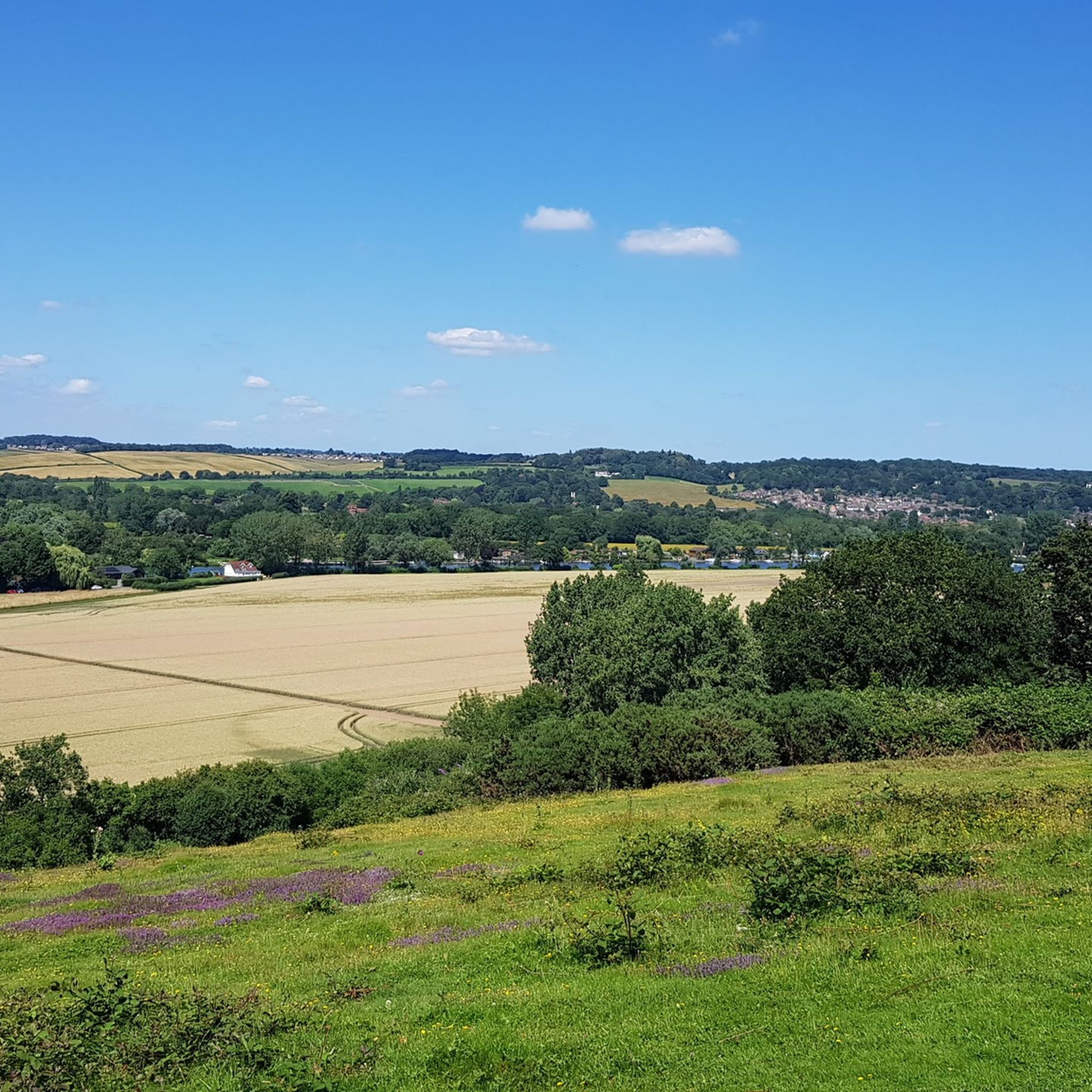
Canning's View Canning's View was named after George Canning who was briefly prime minister in 1827. He was a regular visitor and spent many hours under a giant oak tree here, looking out at the spectacular view of the River Thames. The tree fell in May 2004 but the view to the river that George Canning enjoyed years ago still remains.
0
0
The Fountain of Love is a two colour marble sculpture by Thomas Waldo Story. It was commissioned by Lord Astor in 1897. The shell dish features three groups of statues which are all signed and dated by the sculptor. The shell was made from two large antique marble blocks joined together and based on tufa rock. Carrara marble figure of a half-fallen woman with very long wavy hair, arms outstretched to welcome cupid. Left figure from the monumental, two-colour marble group, The Fountain of Love, designed and carved in Rome by Thomas Waldo Story (1855-1915) son and pupil of the American dilettante sculptor William Wetmore Story (1819-95). The figures are signed and dated 'Waldo Story Roma 1897'. http://www.nationaltrustcollections.org.uk/object/766173.1
0
0
Frequently Asked Questions
What unique natural features can be found among South Bucks' natural monuments?
South Bucks is home to diverse natural features. You can explore ancient woodlands with centuries-old beech and oak pollards, such as those found at Burnham Beeches. The region also boasts significant heathland environments, like Stoke Common, characterized by low-growing plants such as heather and gorse, and unique acidic soils. These areas provide critical habitats for a wide range of rare insects, fungi, bats, and birds.
Where can I experience significant heathland in South Bucks?
For a true heathland experience, visit Stoke Common. It is the largest remaining area of heathland in Buckinghamshire, featuring low-growing plants like heather and gorse, small areas of woodland, and several ponds. This Site of Special Scientific Interest (SSSI) is particularly important for its rich invertebrate fauna and rare plant species.
Are there historical sites integrated with natural monuments in South Bucks?
Yes, several natural monuments in South Bucks have significant historical elements. Cliveden War Cemetery and Memorial Garden is a poignant example, created for those who died at the Duchess of Connaught Red Cross Hospital during the First World War. Additionally, Burnham Beeches contains relics of human history, including an Iron Age hillfort and medieval woodbanks.
What kind of wildlife can I expect to see at these natural monuments?
The natural monuments in South Bucks are rich in wildlife. Burnham Beeches, with its ancient pollards and diverse habitats, supports a wide range of rare insects, fungi, bats, and birds. Stoke Common is notable for its rich invertebrate fauna, including rare moths, the dusky cockroach, and the bog bush cricket, as well as numerous rare and scarce plant species.
What outdoor activities are available near the natural monuments?
The area around South Bucks offers various outdoor activities. You can find numerous hiking, road cycling, and running routes. For example, there are hiking trails like the 'Burnham Beeches Circular' and 'Beaconsfield, Hogback Wood & Royal Standard of England loop'. Cyclists can enjoy routes such as 'Holyport Village Green – Bray Village loop'. Explore more options in the Hiking around South Bucks, Road Cycling Routes around South Bucks, and Running Trails around South Bucks guides.
Are the natural monuments in South Bucks family-friendly?
Many natural monuments in South Bucks are suitable for families. Sites like Burnham Beeches offer waymarked trails and opportunities for picnics, making them great for family outings. The historical elements at places like Cliveden War Cemetery and Memorial Garden and the artistic Fountain of Love can also engage visitors of all ages.
What is the best time to visit the natural monuments in South Bucks?
The best time to visit depends on your interests. Spring brings new growth and blooming wildflowers, while autumn showcases vibrant foliage, particularly in ancient woodlands like Burnham Beeches. Summer is ideal for longer walks and picnics, and the heathland at Stoke Common is particularly beautiful when gorse and heather are in bloom. Winter offers a quieter, often crisp experience for those who enjoy peaceful walks.
Where can I find scenic viewpoints among the natural monuments?
For a notable scenic viewpoint, consider visiting Canning's View of the River Thames. This spot was named after George Canning, a former prime minister, who frequently enjoyed the spectacular views of the River Thames from here.
Are there specific hiking trails near Burnham Beeches?
Yes, near Burnham Beeches, you can find several hiking trails. A popular option is the 'Burnham Beeches Circular' route, which is approximately 8 km long and rated as moderate difficulty. You can find more hiking options in the Hiking around South Bucks guide.
What is the significance of the ancient trees at Burnham Beeches?
The ancient beech and oak pollards at Burnham Beeches are highly significant. Some are between 400 and 500 years old. These trees were historically managed by cutting above head height, which encouraged new growth and created hollow, decaying structures. These unique structures now provide vital habitats for a diverse range of rare insects, fungi, bats, and birds, making the site an internationally important place for wildlife.
Can I find information about the habitats and wildlife at Burnham Beeches and Stoke Common?
Yes, for detailed information on the habitats and wildlife at these important sites, you can refer to resources provided by the City of London Corporation, which manages them. They offer insights into the diverse ecosystems and species found there. For more details, you can visit the Burnham Beeches and Stoke Common habitats and wildlife page.
Most popular routes around South Bucks
Most popular attractions around South Bucks

Get inspired with the komoot mobile app


Didn’t find what you were looking for?
Find even more amazing natural monuments around South Bucks by checking out the top Highlights region by region:
Explore more
Extend your search for the best caves by checking out these guides of the top ones around South Bucks:
