Top 10 Natural Monuments around Rødøy
Best natural monuments around Rødøy include a diverse range of landscapes on Norway's Helgeland coast. This region features majestic mountains, unique geological formations, and glacial landscapes. Rødøy is bisected by the Arctic Circle, adding a geographical distinction. The area offers a variety of natural features for exploration.
Best natural monuments around Rødøy
- The most popular natural monuments is Svartisen Glacier, a natural monument that is the second largest glacier in Norway. Its Engabreen tongue is considered the glacier closest…
Last updated: June 28, 2026
Svartisen Glacier
Highlight • Natural Monument
First we took the Isprins ferry across the Hollandsfjord. From the pier to the “Engabreen” tongue …
Translated by Google •
Tip by

Marmorslottet (Marble Castle)
Highlight • Gorge
Tip by

Sign up now to discover places like this
Get recommendations on the best single tracks, peaks, & plenty of other exciting outdoor places.
Sign up for free
Svartisen Glacier Tongue
Highlight • Natural Monument
Translated by Google •
Tip by

Svartisvatnet Glacial Lake
Highlight • Lake
Translated by Google •
Tip by
Rødøyløva Summit
Highlight • Summit
Tip by

Sign up for free to discover even more natural monuments around Rødøy.
Sign up for free
Already have an account?
Start today with a free account
Your next adventure awaits.
Login or Signup
Popular around Rødøy
Tips from the Community

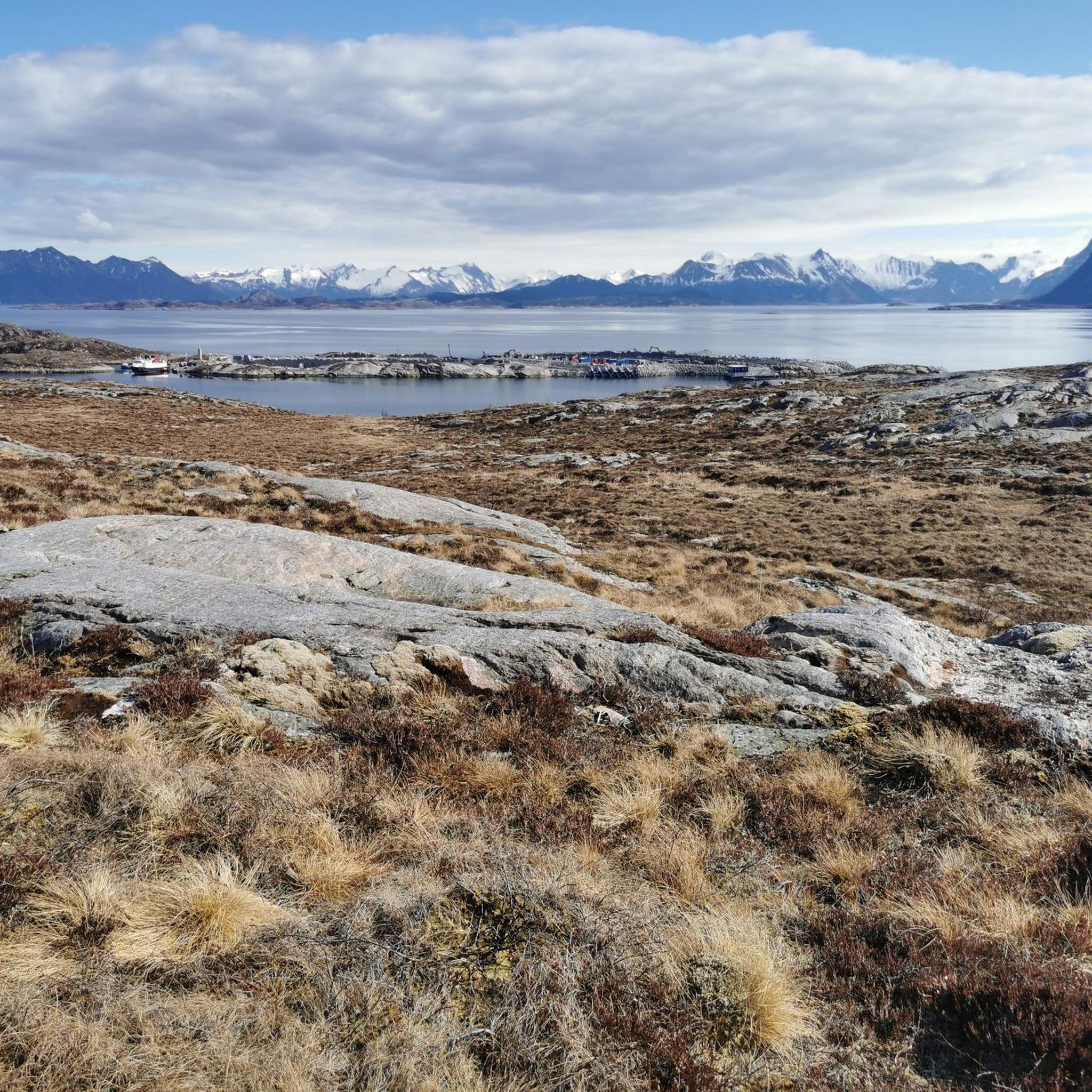
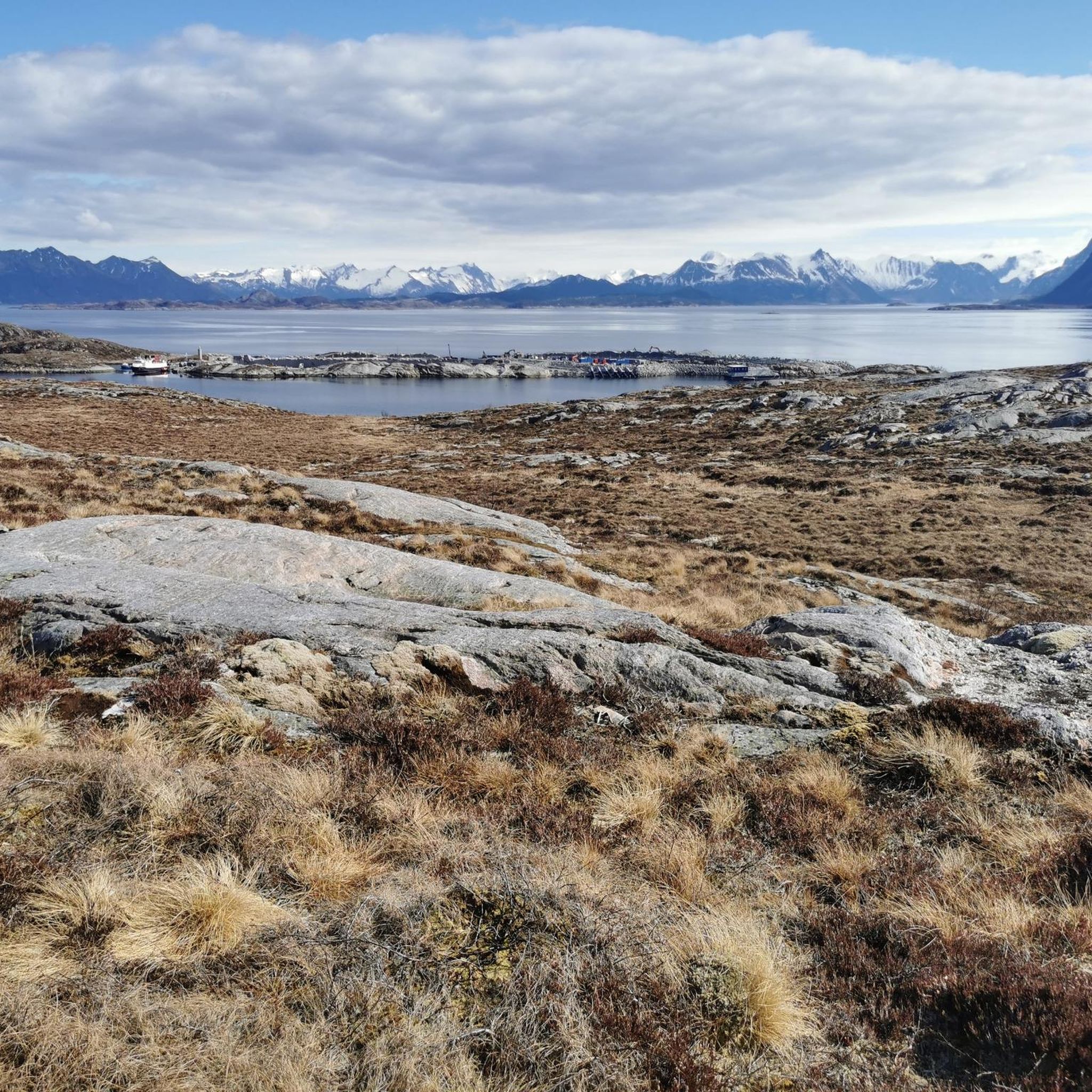
This is surely one of the finest views along the Helgeland coast. Rødøyløva makes for a great objective that's been made more accessible by the Sherpa-built stone stairs that ascend towards the summit.
2
0

For the last meter to the Marmorslottet/glacial river you have to crawl through a hole under the rock. Please only walk on the marble barefoot!
0
0

In fact, we were still 100m away. You can walk very well on the smooth rocks. It is only when you are close up that you realize the size.
0
0

HISTORY: The area around Meløy has been completely or partially covered by glaciers several times. Around 20,000 years ago, the inland ice was at its greatest extent during the last ice age. In contrast, the glacier was completely ice-free 8,000 and 6,000 years ago. It was only as a result of large amounts of precipitation and a colder climate that the glacier began to grow again 2,500 years ago. In 1750, the glacier tongue was around two kilometers closer to the fjord than it is today. This can be attributed to the visible moraine ridge left by the glacier north and west of Engenbrevatn. The Østertal ice split into two glacier arms around 100 years ago. The eastern one reached as far as the Svartisen glacier lake. Over the next 50 years, the glacier retreated considerably and no longer reached the lake. In 1910 the glacier front was only 50 metres from the glacier lake, but by 1945 it was already 1000 metres away. As the glacier retreated, another glacier lake was formed on the western edge of the glacier arm. As the ice continued to retreat, the lake grew larger from year to year.
1
1
The Svartisen ("black ice") is the second largest glacier in Norway at 370 square kilometers and is located in Nordland Fylke, just below the Arctic Circle, in the impressive Saltfjellet-Svartisen National Park northwest of the town of Mo i Rana. It has a total of 60 glacier arms. The Glomtal lies between the two main glaciers, the East (Østertaleis) and the West Ice. The Svartisen extends almost all the way down into the Holandsfjord, making it the glacier closest to sea level in Europe.
2
0

Please take off your shoes on the marble!!
1
0

Absolutely gigantic, something you don't experience every day, definitely do it!!!
0
0
Frequently Asked Questions
What are some of the most unique natural monuments to visit in Rødøy?
Rødøy offers several unique natural monuments. You can explore the intricate marble formations at Marmorslottet (Marble Castle), witness the impressive Svartisen Glacier, which is Europe's lowest-lying glacier, or experience crossing the Arctic Circle Boundary, a significant geographical marker.
What natural monuments in Rødøy offer the best panoramic views?
For breathtaking panoramic views, consider hiking to the Rødøyløva Summit. From its peak, you can see thousands of islands, reefs, and white sandy beaches stretching from the Lofoten Wall to Vega. Another excellent viewpoint is from Hestmannen Mountain, which also offers expansive vistas.
Can I visit a glacier in the Rødøy region?
Yes, you can visit the Svartisen Glacier, Norway's second-largest glacier. Its Engabreen tongue is particularly accessible, extending almost to sea level. A visit typically involves a ferry ride across the Holandsfjord, followed by a 90-minute walk to the glacier's tongue.
What is the "Marble Castle" and how can I visit it?
The "Marble Castle," or Marmorslottet, is a unique gorge featuring intricate marble formations carved by glacial waters. There is a 1.6-mile trail to explore these formations. Visitors are advised to walk barefoot on the marble itself to prevent excessive erosion and staining.
Are there challenging hikes to natural monuments in Rødøy?
Yes, Rødøy offers several challenging hikes. The ascent to Rødøyløva Summit, though made more accessible by Sherpa steps, is still considered a moderate hike. Hestmannen Mountain also features a well-marked trail with some steep climbs. For more details on hiking routes, you can explore the Hiking around Rødøy guide.
What outdoor activities can I do near these natural monuments?
Beyond visiting the monuments themselves, Rødøy offers diverse outdoor activities. You can find numerous hiking trails, such as the Marmorslottet Trail or the Rødøyløva Trail. Cycling is also popular, with routes like the 'Idyllic peninsula loop from Jektvika'. For more options, check out the Hiking around Rødøy and Cycling around Rødøy guides.
Is the Arctic Circle visible in Rødøy?
The Arctic Circle passes directly through the municipality of Rødøy. While an invisible line, its presence is marked with a globe on the ferry crossing between Kilboghamn and Jektvik. This offers a unique opportunity to experience a major global geographical marker.
What is the best time to visit Rødøy's natural monuments?
The best time to visit Rødøy's natural monuments largely depends on your preferred experience. During the summer months, especially around the midnight sun period, the long daylight hours enhance the panoramic views from places like Rødøyløva Summit. The trails are also generally more accessible during this time.
Are there any natural monuments in Rødøy with historical or folklore significance?
Yes, Hestmannen Mountain is steeped in local folklore. It is known from the "Seven Sisters saga," a local legend involving troll mountains, adding a cultural dimension to this prominent natural landmark.
What do visitors enjoy most about the natural monuments in Rødøy?
Visitors frequently praise the breathtaking panoramas, especially from spots like Rødøyløva Summit. The unique geological formations at Marmorslottet and the awe-inspiring glacial scenery of Svartisen Glacier are also highly appreciated. The well-maintained trails and the sense of accomplishment from reaching summits or crossing the Arctic Circle are also common highlights.
What should I wear when visiting natural monuments like Marmorslottet or Svartisen Glacier?
When visiting Marmorslottet, it's recommended to remove your shoes when walking on the marble itself to prevent erosion and staining, but wear good shoes for the trail leading there. For the walk to Svartisen Glacier, sure-footedness and good footwear are essential, as parts of the landscape can be uneven or slippery.
Are there any glacial lakes to see in Rødøy?
Yes, you can visit Svartisvatnet Glacial Lake. This crystal-clear lake is fed by the meltwater of the Svartisen glacier, offering a serene and picturesque natural setting.
Most popular routes around Rødøy
Most popular attractions around Rødøy

Get inspired with the komoot mobile app


Explore more
Extend your search for the best caves by checking out these guides of the top ones around Rødøy:
