Top 20 Natural Monuments around Bruges
Best natural monuments around Bruges include a variety of green spaces, waterways, and protected areas. The city, known for its historic architecture, is surrounded by natural landscapes that offer opportunities for outdoor exploration. These areas range from urban parks to extensive nature reserves, providing diverse natural attractions. The region's geography features a mix of coastal dunes, polders, and forested estates.
Best natural monuments around Bruges
- The most popular natural monuments is Zwin Dunes and Polders, a dune area that forms a natural transition between the sea, beach, and polder. This area has been influenced by the sea for centuries and offers varied landscapes.
- Another must-see spot is Zwin Nature Reserve, a nature reserve known for its landscape shaped by the tides. It is recognized for its birdlife, with many species paying a visit or breeding here.
- Visitors also love Vloethemveld, a nature reserve with forests, heaths, and grasslands. This varied area also holds military heritage and the memory of a prisoner of war camp.
- Bruges is known for its diverse natural monuments, including nature reserves, historical estates, and urban parks. Visitors can explore a variety of natural areas, from coastal landscapes to inland forests and green spaces within the city.
- The natural monuments around Bruges are appreciated by the komoot community, with more than 1200 upvotes and over 350 photos shared by visitors.
Last updated: October 2, 2026
Zwin Nature Reserve
Highlight • Natural Monument
Further information can be found on the nature park's website: zwin.be
Translated by Google •
Tip by

The Zwin
Highlight • Natural Monument
Translated by Google •
Tip by

Sign up now to discover places like this
Get recommendations on the best single tracks, peaks, & plenty of other exciting outdoor places.
Zwin Dunes and Polders
Highlight • Natural
Until the end of the 19th century, these dunes, forests, pastures and meadows were constantly changing under the influence of the sea. The area looked like today's Zwin; with mudflats, salt marshes and gullies closed off on the sea side by a belt of dunes. The Zwin dunes and polders only got their present form in 1872-1873, when the international dike was built to protect the area from the sea.
Since then, man has left clear traces here again and again: in the summer of 1929 the area was a golf course (although you had to putt and hit between sheep, because it was still used as pasture), shortly afterwards a horse racing track and riding arena were built. International show jumping competitions were held on it until the 1960s. The Kleyne Vlakte next door was even converted into a 40-acre airport in the early 1930s.
Even the world wars left their mark on this tactically important area. Large areas were concreted over.
In 2002 the Flemish government bought the area and from 2004 it was restored. Today you can experience it in "natural", if not really original splendor, with fauna and flora, which ultimately can only survive here thanks to careful human intervention.
Translated by Google •
Tip by

Border Marker 366
Highlight • Monument
When border marker 1 in Vaals was established, this was still a Four-Country Point, after all, until the Treaty of Versailles of June 28, 1919, Belgium, the Netherlands, Prussia and the neutral region of Moresnet bordered each other here. Boundary marker 365 was the last marker until 1869. Further towards the North Sea, the border was formed by the Zwin estuary. After diking the area, boundary posts 366 to 369 were placed. They bear the year 1869.
Translated by Google •
Tip by

Vloethemveld
Highlight • Forest
Translated by Google •
Tip by

The Burnt Fort
Highlight • Historical Site
But back to the history of the place: In 1703, during the War of the Spanish Succession, French troops built a hill here, i.e. a fortification, in order to be able to better defend the larger Fort van Beieren (more of it has survived, by the way - take a look at it !).
The hill belonged to the classic type of a square hill with a ditch, a forecourt and a defensive wall. In the middle was a wooden watchtower that burned down at some point, hence the name "Burned Fort".
Today the area of the former fort is a protected nature reserve with wet meadows. Here you can watch geese, water birds and meadow birds foraging for food.
Translated by Google •
Tip by
Herb garden
Highlight • Natural
(Province of West Flanders)
Translated by Google •
Tip by
Meetkerke Duck Decoy
Highlight • Structure
Translated by Google •
Tip by

De Wulvemote
Highlight • Historical Site
Translated by Google •
Tip by

Koning Albert I Park
Highlight • Monument
The park was created just after the Second World War, following the relocation of the train station. Part of the park was originally bleaching fields, visible along the railway line through the wide lawns and thus retained within the park. A large statue of King Albert I stands in the city park. For this reason, the park is sometimes referred to as King Albert I Park.
Translated by Google •
Tip by

Sign up for free to discover even more natural monuments around Bruges.
Already have an account?
Start today with a free account
Your next adventure awaits.
Popular around Bruges
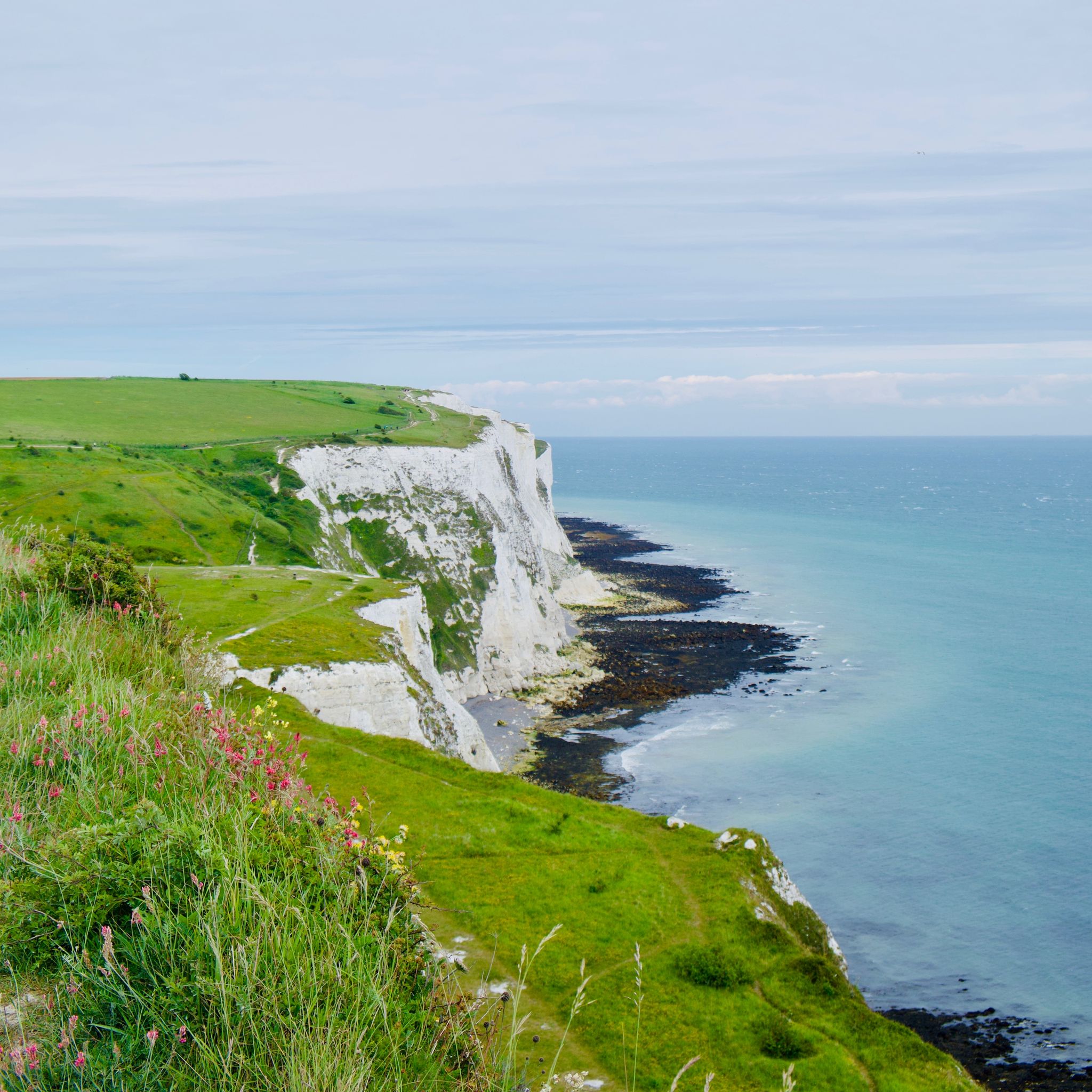
From Amsterdam to London - along the North Sea and across the water
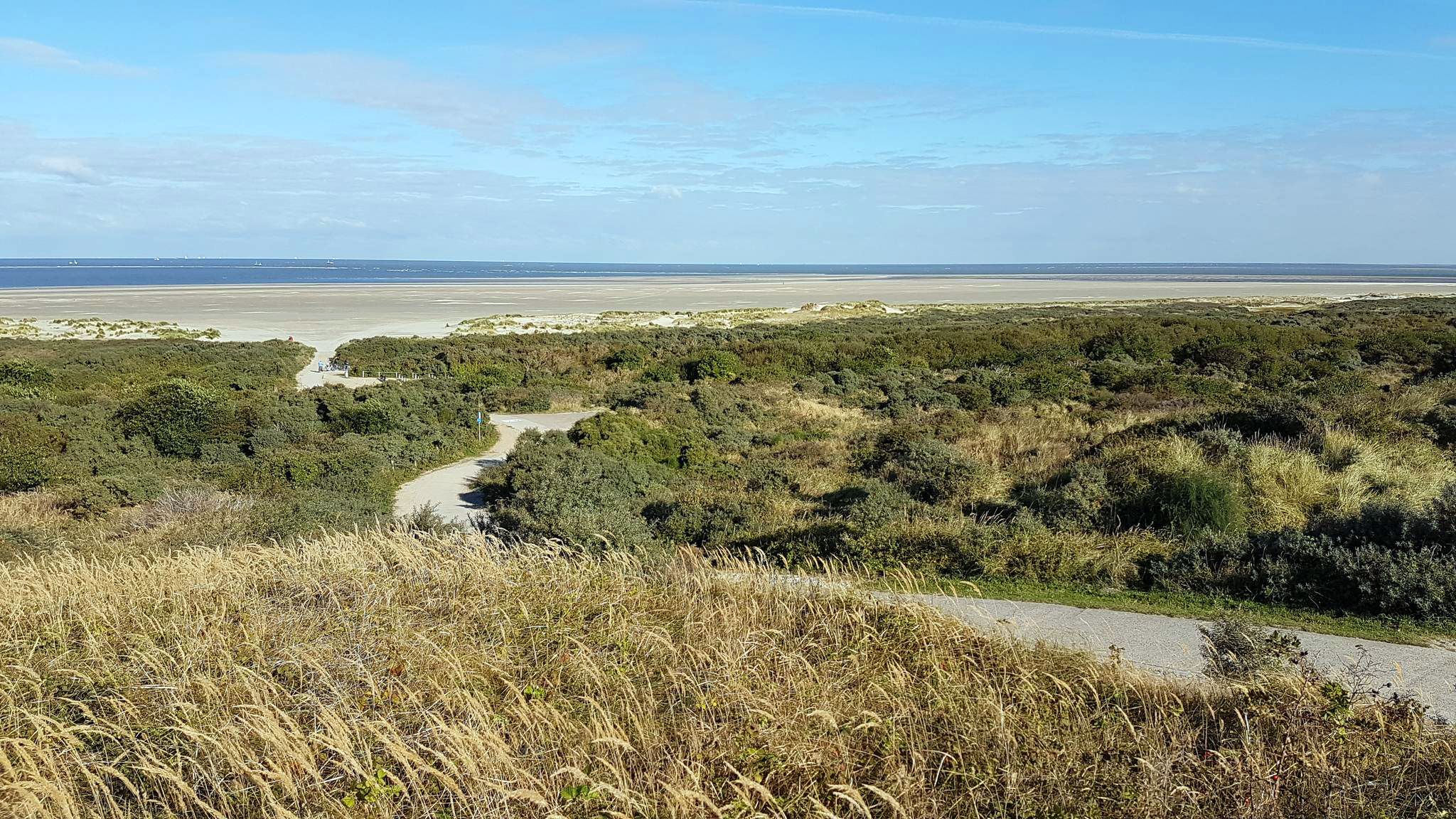
The North Sea Coast Cycle Route — Netherlands and Belgium
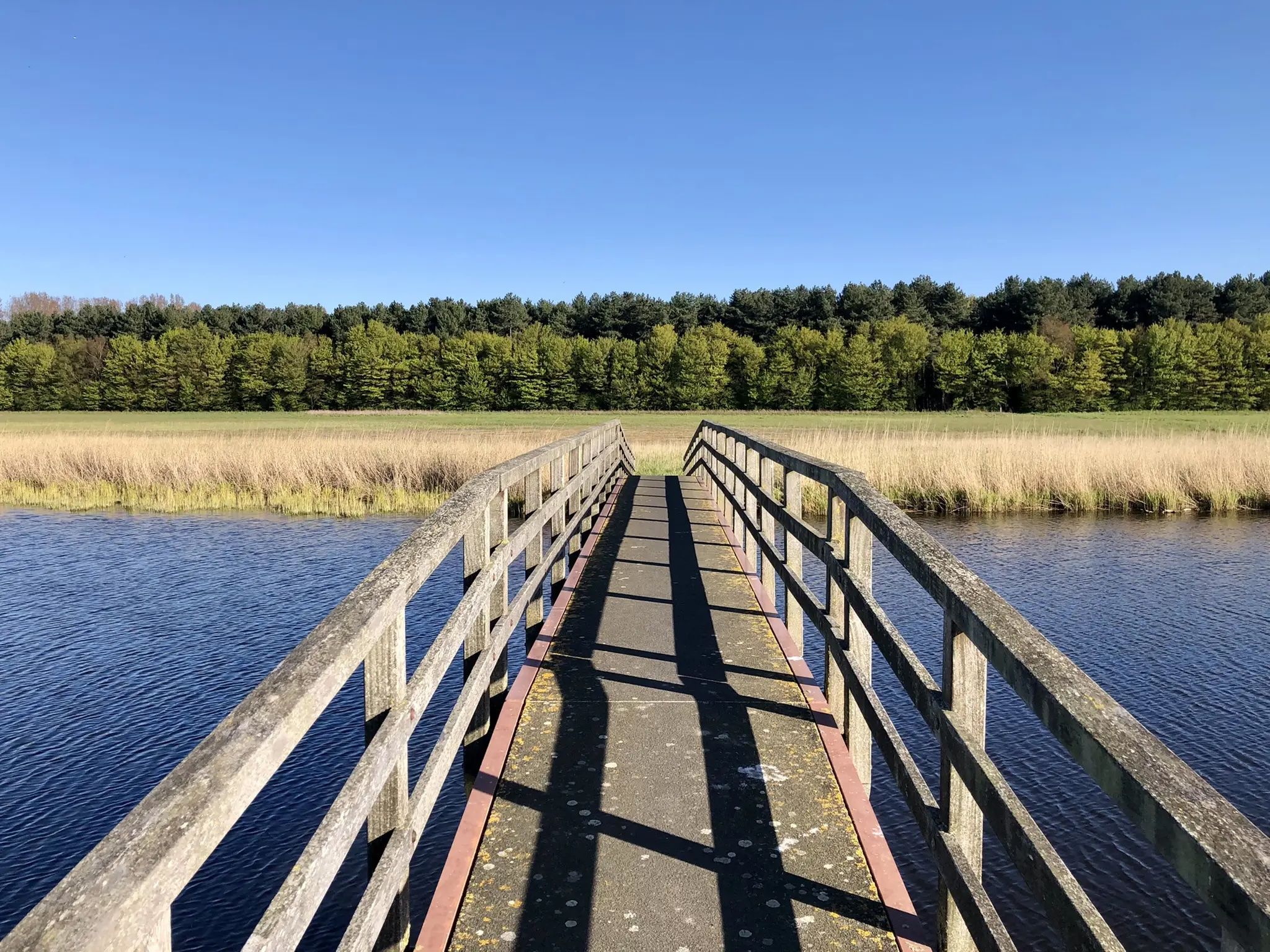
By West, East and Zeeuws-Vlaanderen — GR Uilenspiegel
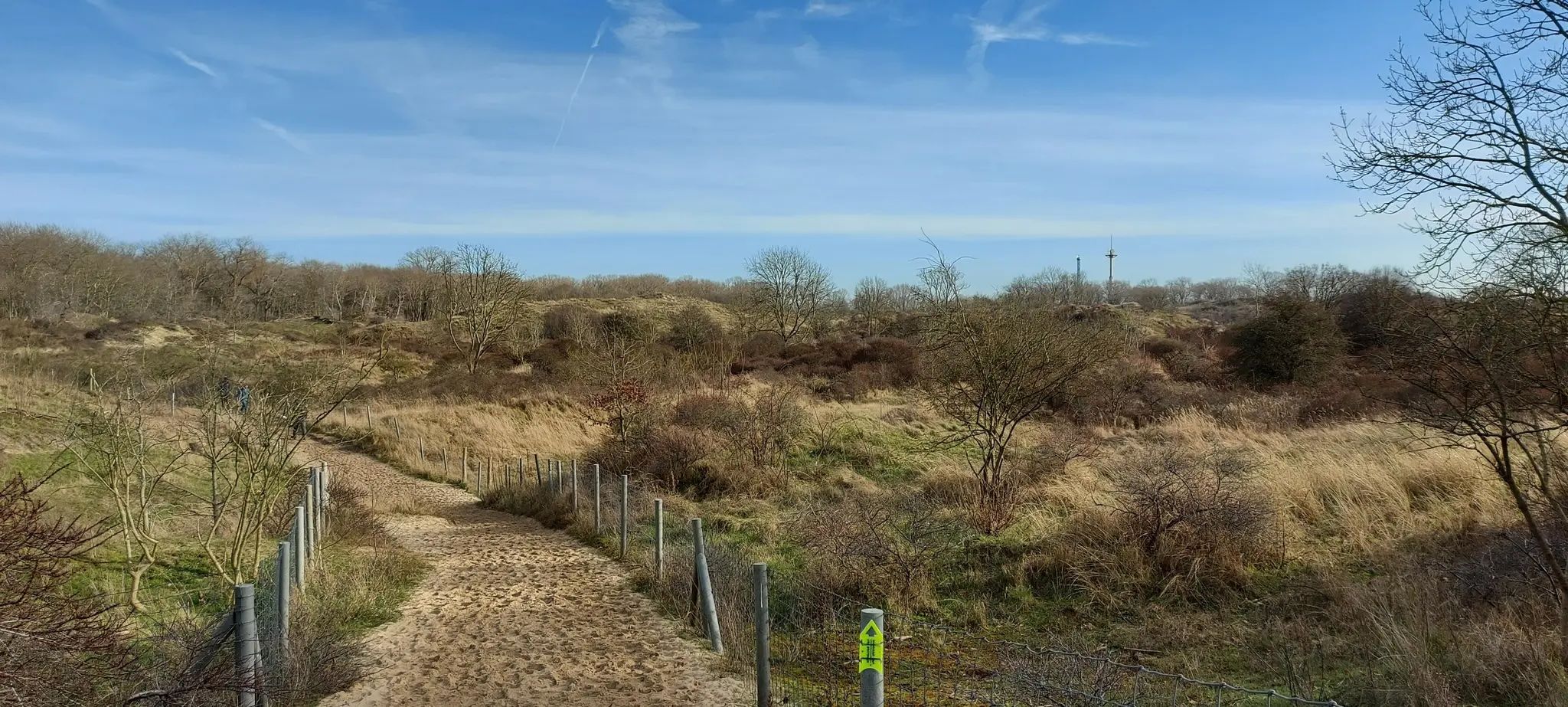
From De Panne to het Zwin – Belgian coastal path (Streek GR Kust)
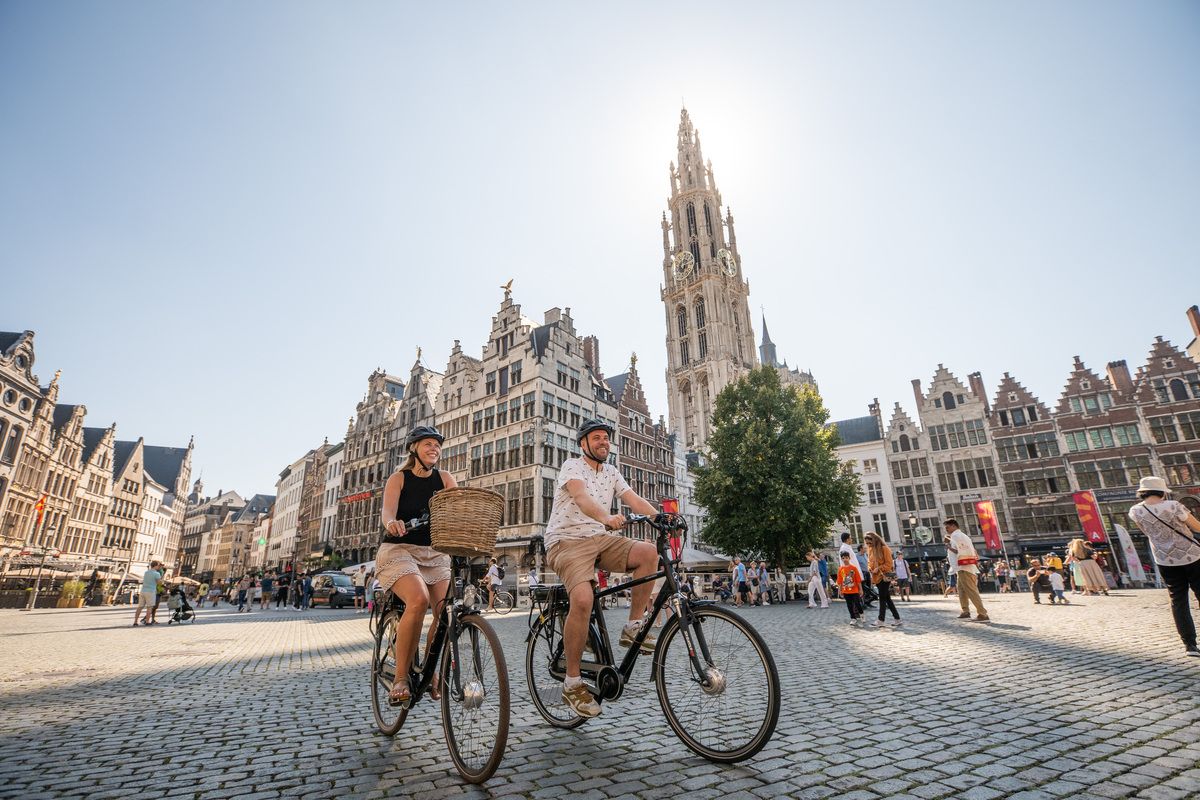
Flanders' Finest Cycle Routes: routes around the Flemish art cities
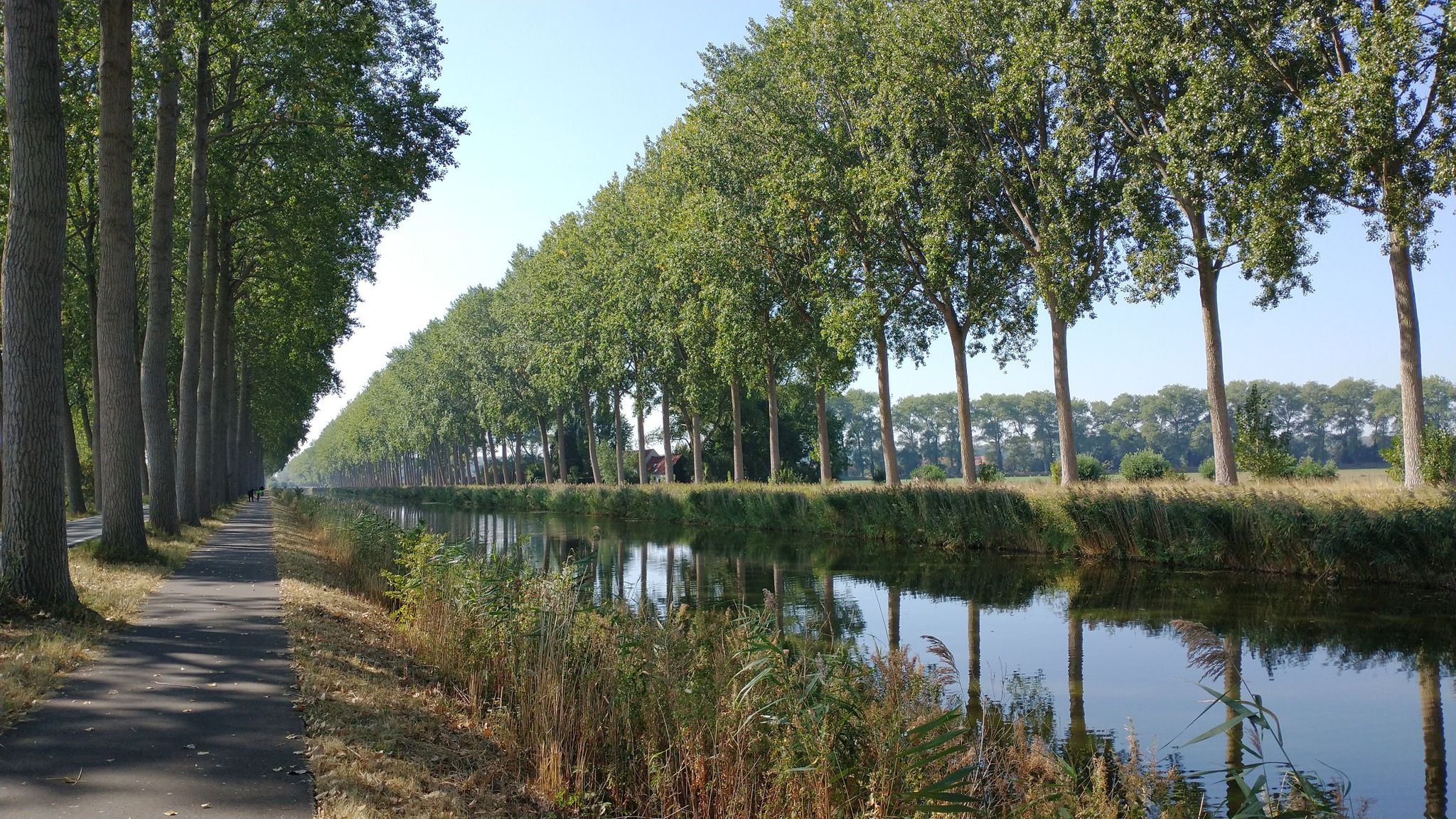
Coast and canals – travelling in Flanders and Zeeland Flanders
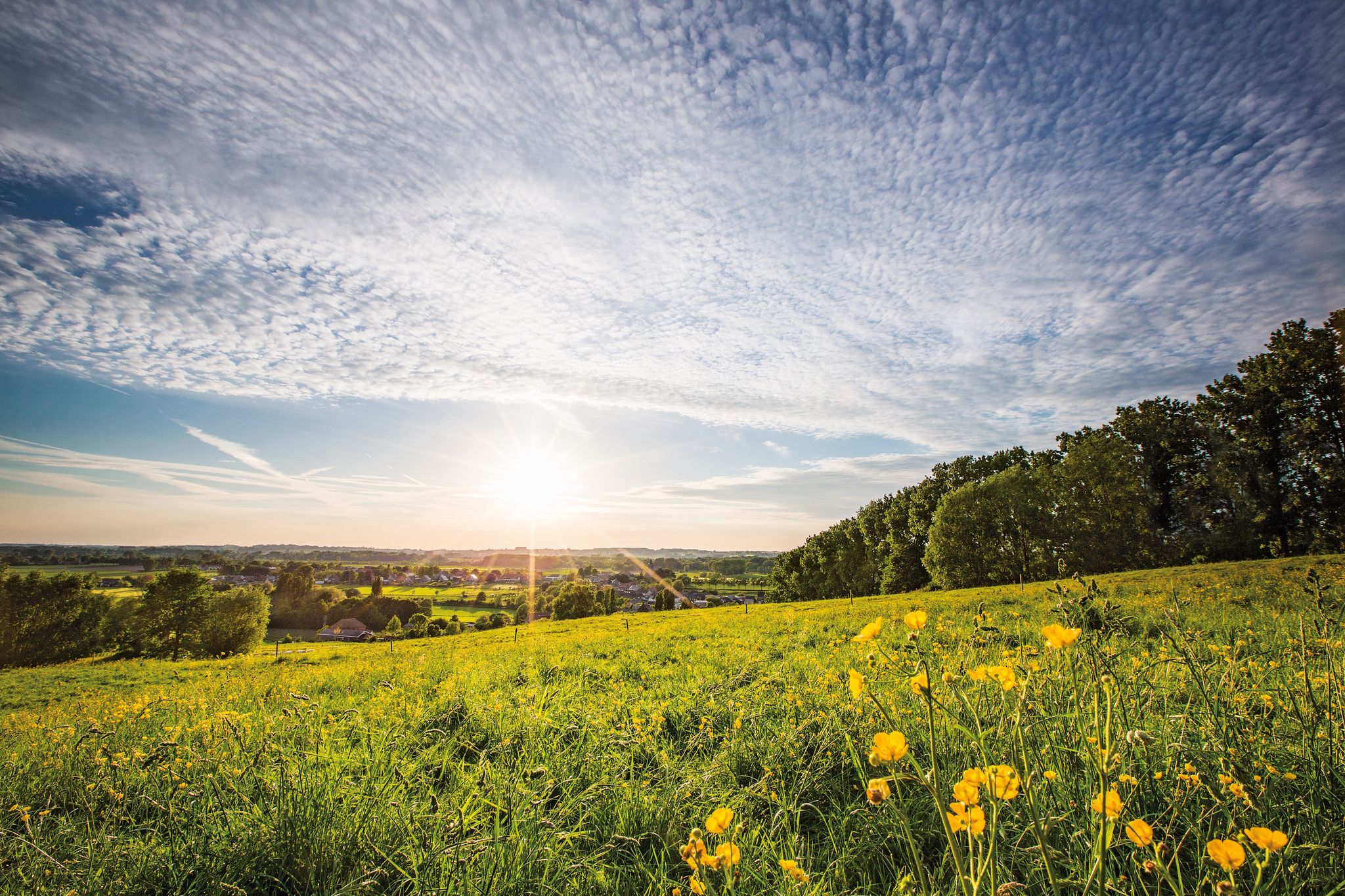
Belgium's best – the most beautiful hiking routes in Flanders
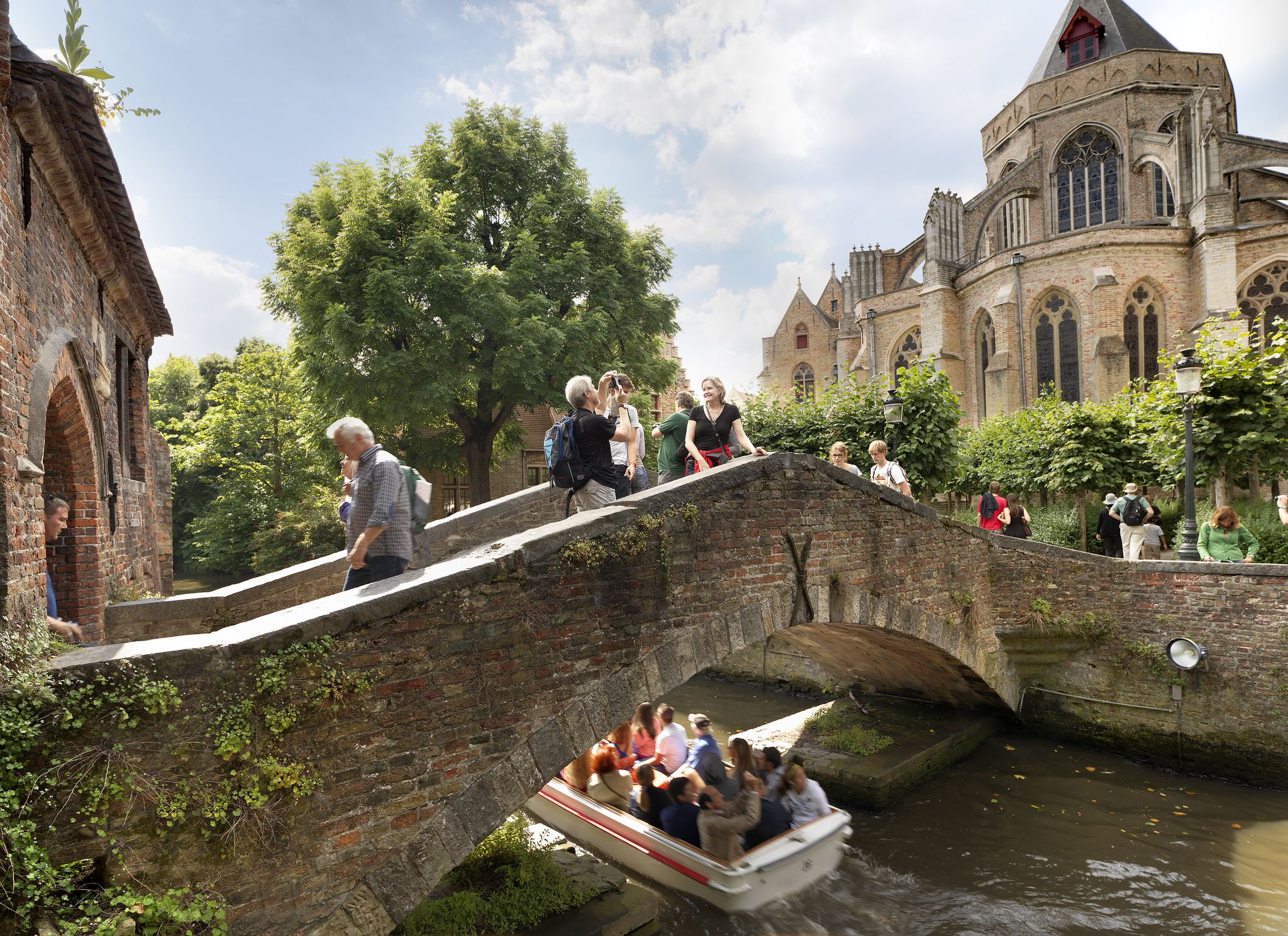
10,000 steps through Flanders' Art Cities
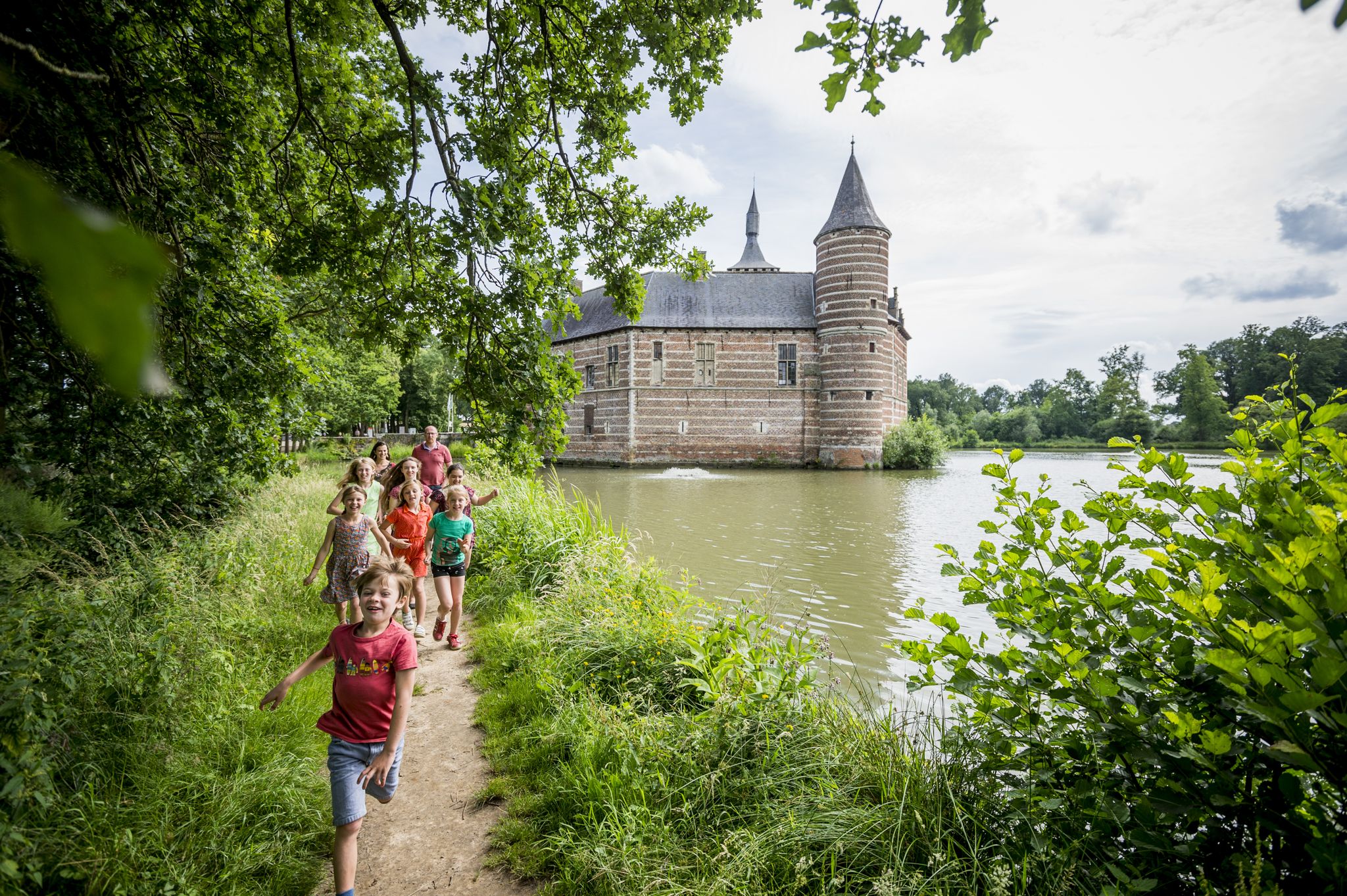
Time travel on foot — historical walks in Flanders
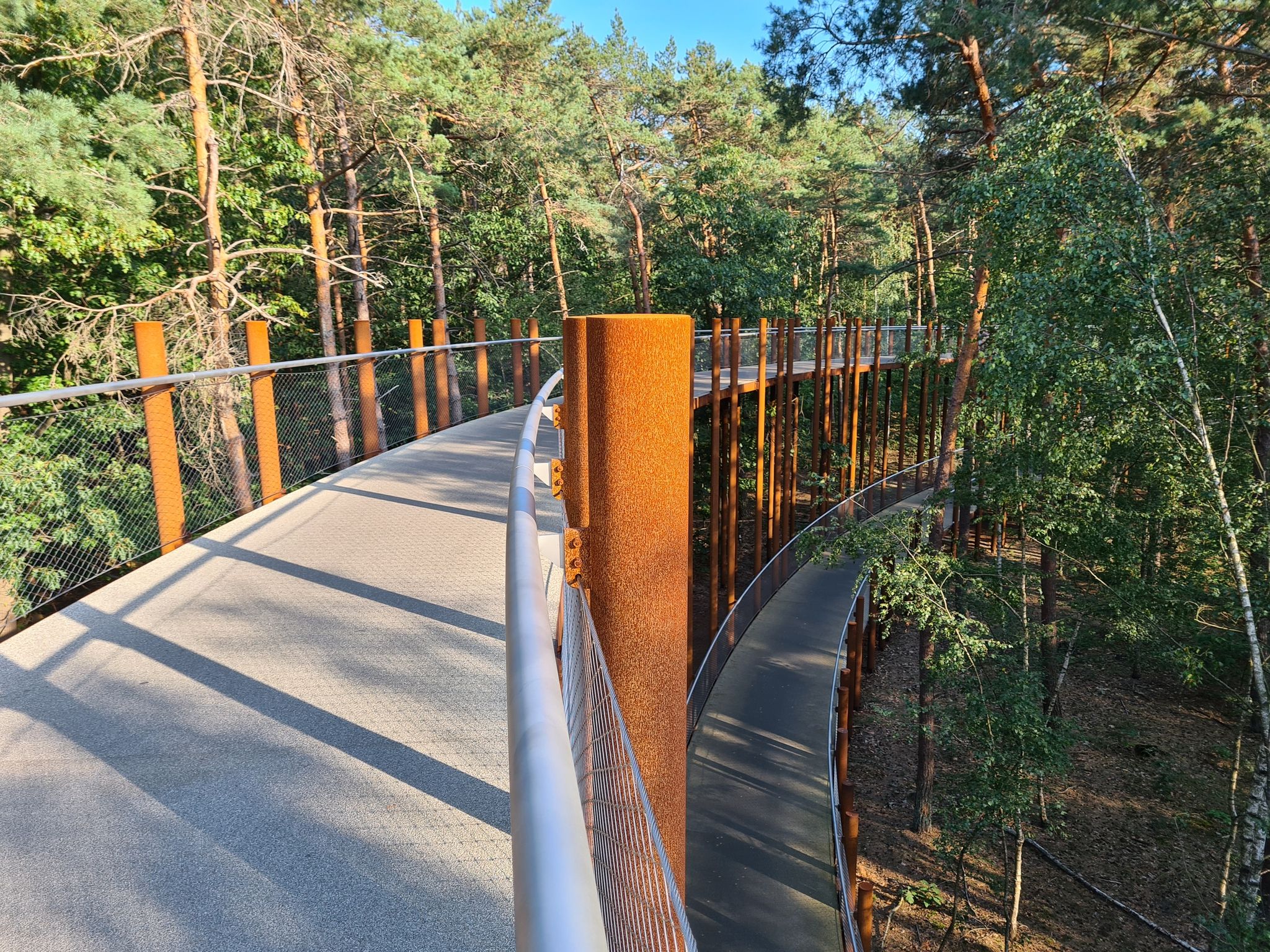
Cycling on Belgium’s most beautiful bike paths — 10 boucles à vélo
Other adventures around Bruges


Tips from the Community

Here he stands, mounted on his horse, "Albert I, King - Soldier Albert." Explanation: The bronze statue of King Albert I has stood in King Albert I Park, between the station and 't Zand, since 1954. It is the work of Bruges sculptor Octave Rotsaert. The king sits on horseback, in military uniform with a helmet and army jacket, his sword at his side. The monument is 9.5 meters tall. To the left of the statue are the tower of St. Salvator's Cathedral and the Belfry, and to the right is the Church of Our Lady. Source: Heritage Bruges
7
0

The herb garden is located at the rear of the castle, opposite the entrance to the visitor center. It is accessible via the stairs or the ramp next to the restrooms. This unique herb garden is open to the public from sunrise to sunset. (Province of West Flanders)
10
0

Border post 366 with a great view of the nature reserve Het Zwin
2
0

The name suggests it: duck decoys were built to catch wild ducks for consumption. A duck decoy is a pond surrounded by a ‘decoy forest’ and long catch pipes in every corner. The catch was a combination of tame barn ducks and a brown decoy dog (which looked like a fox because of its colour). The decoy man chased the ducks to the end of the catch pipe, where they were caught in nets. Although there are many duck decoys in the Netherlands, this is indeed a Flemish invention. The duck decoy in Meetkerke (from the 16th century) is one of the few remaining examples. Of course, the duck decoy is no longer used for hunting. One of the catch pipes was recently completely restored, a special piece of history restored to its former glory! The duck decoy of Meetkerke is located in a beautiful part of the Flemish nature reserve: the Meetkerkse Moeren. You can easily find the hidden spot via the Meetkerkse Moeren walking route!
2
0

The information board also warns the hiker about the “eternal hunter” who is said to roam here at night. According to legend, a farmer’s son preferred hunting to harvesting, so the farmer/father cursed him to an eternal hunt. Sometimes you can still hear the hunting horn or the calling of the dogs. I didn’t hear anything, but then again, I don’t normally walk through a forest at night. 😉
0
0
The Wulvemote is still very recognizable in structure, even though nature has taken back much of what once was. When reading the information board, this mote (or motte) refers to a house (made of wood and loam) for a farming family and herd surrounded by a ditch. Another theory would see this mote as part of a protective belt of various motes. This protective belt would have functioned as a line of defense against the Norsemen. Little is known about the function(s) of motes and it will probably remain a mystery forever…
0
0

Very beautiful vast nature reserve very close to beach and sea. Walking, running, cycling, horse riding...
2
0

In the 13th and 14th centuries, this sea arm - ’t Zwyn - was an important waterway to Bruges. This waterway was created after the sea had penetrated the land around the beginning of the Christian era. The cities of Bruges, Damme and Sluis were located on the Zwin and became flourishing trading centres. But the channel became increasingly shallow and eventually unnavigable. That is why the Zwin was later largely poldered. Nature then took over here. Source: https://www.hetzeeuwselandschap.nl/natuurgebieden/het-zwin
6
0
Frequently Asked Questions
What are some of the most popular natural monuments around Bruges?
Beyond the well-known Zwin area, visitors frequently enjoy Vloethemveld, a diverse nature reserve featuring forests, heaths, and grasslands with a unique military heritage. Another cherished spot is The Burnt Fort, a protected nature reserve with wet meadows, perfect for birdwatching.
Are there family-friendly natural monuments to visit near Bruges?
Yes, many natural monuments around Bruges are suitable for families. The Zwin Dunes and Polders offers extensive walking paths and varied landscapes. Within the city, Minnewater Park, also known as the 'Lake of Love', provides a picturesque setting for strolls and picnics, while Queen Astrid Park features a large playground and a pond with a fountain, making it ideal for children.
What kind of wildlife can I expect to see in the natural areas around Bruges?
The Zwin Nature Reserve is renowned as an 'international airport for birds,' attracting numerous species that visit or breed there, including storks, especially in May and June. At The Burnt Fort, you can observe geese, water birds, and meadow birds foraging in the wet meadows.
What outdoor activities can I do near these natural monuments?
The natural monuments around Bruges offer various outdoor activities. You can explore extensive hiking trails, such as those found in the Hiking around Bruges guide, or enjoy gravel biking on routes like the Gravel biking around Bruges guide. Many areas, like the Zwin, are also excellent for cycling.
Are there any natural monuments with historical significance?
Absolutely. Vloethemveld is a nature reserve with a hidden past, preserving military heritage and memories of a prisoner of war camp. The Burnt Fort is another example, an area that was once a fortification during the War of the Spanish Succession and now a protected nature reserve.
What is the best time of year to visit the natural monuments around Bruges?
The natural monuments around Bruges are beautiful year-round. Spring and summer are ideal for lush greenery and birdwatching, especially for storks at the Zwin in May and June. Autumn offers vibrant colors in parks like Minnewater Park. Even in winter, the city ramparts and other green spaces provide serene environments for leisurely strolls.
Are there any accessible natural sites for visitors with wheelchairs?
While specific accessibility details vary, the Zwin Dunes and Polders highlight is noted as wheelchair accessible, offering paths that allow for exploration of its unique landscape. Many urban parks, such as Koning Albert I Park, also feature paved paths suitable for wheelchairs.
Where can I find serene green spaces within Bruges itself?
Bruges offers several tranquil green spaces within the city. The City Ramparts (De Vesten) encircle the city, providing a peaceful environment for walks amidst over 3,000 trees. Koning Albert I Park, once a train station, is now a verdant space with water features. Minnewater Park, with its picturesque lake, is another serene spot for relaxation.
Can I bring my dog to the natural monuments?
Some natural monuments are dog-friendly. For example, the Zwin Dunes and Polders offers sufficient walking paths where dogs are welcome. It's always advisable to check specific regulations for each location, but many outdoor areas in the region accommodate dogs, usually on a leash.
What are the unique natural features of the Bruges canals?
The canals of Bruges are not just architectural features but also significant natural elements. They have served as the city's arteries for centuries, offering magnificent views and a unique perspective on the landscape. The Damme Canal, in particular, is noted for its majestic rows of trees and is even listed as a monument, showcasing the blend of natural beauty and historical significance.
Are there any lesser-known natural gems worth exploring?
Beyond the main attractions, consider visiting the Beisbroek Estate, a beautiful forest area that offers a peaceful escape. Another interesting spot is the Meetkerke Duck Decoy, which combines natural beauty with historical significance related to traditional duck hunting methods.
What should I wear for nature walks around Bruges?
For nature walks around Bruges, comfortable walking shoes are essential, especially if you plan to explore areas with varied terrain like dunes or forest paths. Layered clothing is recommended as the weather can change, and a waterproof jacket is always a good idea, particularly outside of summer months. Sun protection is also advised for open areas like the Zwin.
Most popular routes around Bruges
Most popular attractions around Bruges

Get inspired with the komoot mobile app


Didn’t find what you were looking for?
Find even more amazing natural monuments around Bruges by checking out the top Highlights region by region:
Explore more
Extend your search for the best caves by checking out these guides of the top ones around Bruges:
