Top 20 Natural Monuments around Lebbeke
Natural monuments around Lebbeke offer diverse landscapes and ecological value in Belgium. The region features wetlands, forests, and expansive fields, providing opportunities for hiking and nature observation. These areas contribute to the significant natural beauty of the Dender region. Visitors can explore tranquil settings and varied ecosystems.
Best natural monuments around Lebbeke
- The most popular natural monuments is Kravaalbos Forest, a forest that is a remnant of the former Coal Forest. It is known for its autumn colors and…
Last updated: August 22, 2026
Kravaalbos Forest
Highlight • Forest
Translated by Google •
Tip by

Geographical Center of Flanders
Highlight • Monument
Translated by Google •
Tip by

Sign up now to discover places like this
Get recommendations on the best single tracks, peaks, & plenty of other exciting outdoor places.
Sign up for free
Duck Decoy and Keeper's Cottage Donkmeer
Highlight • Historical Site
Translated by Google •
Tip by

Hennenput Pond, Buggenhoutbos
Highlight • Lake
(Nature point)
Translated by Google •
Tip by
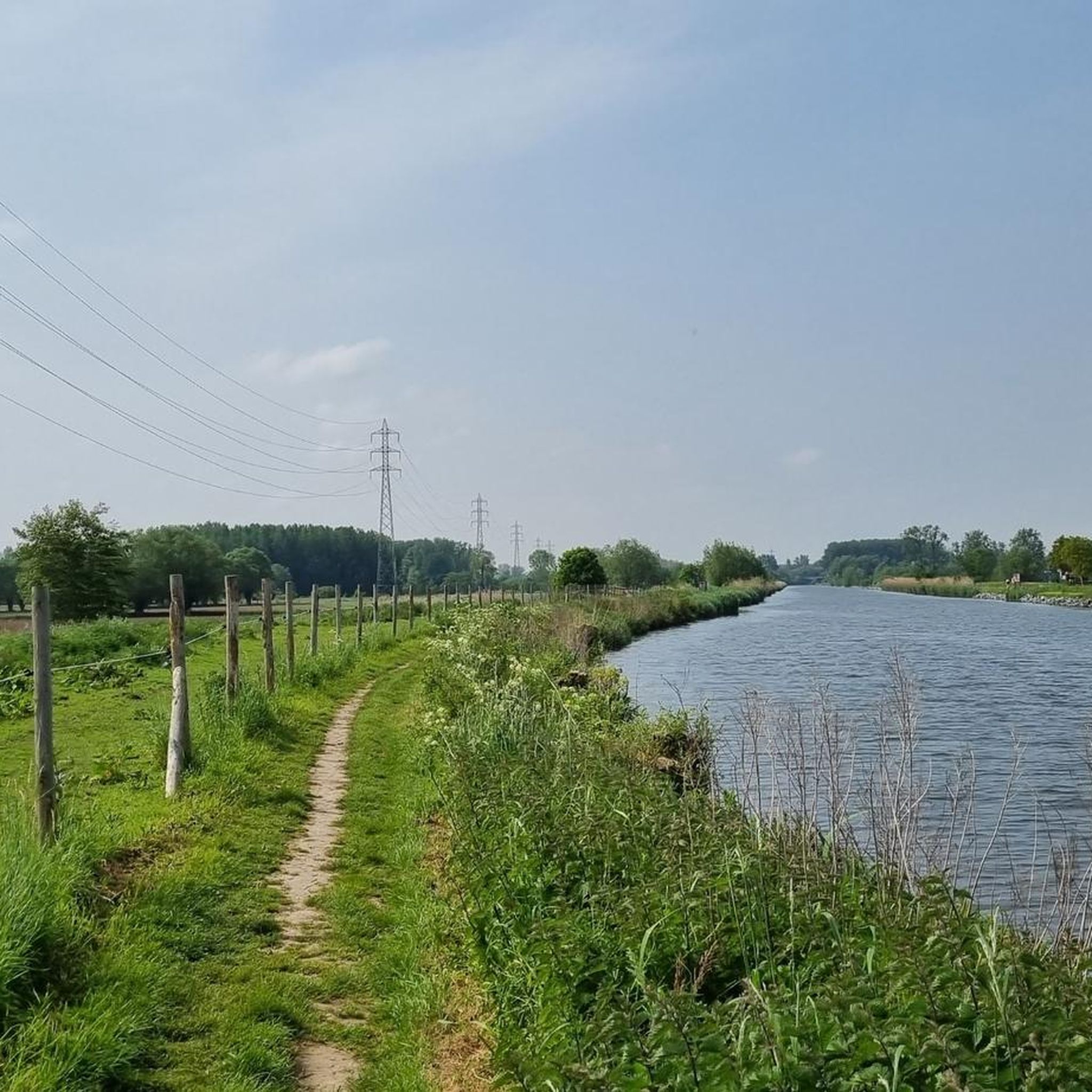
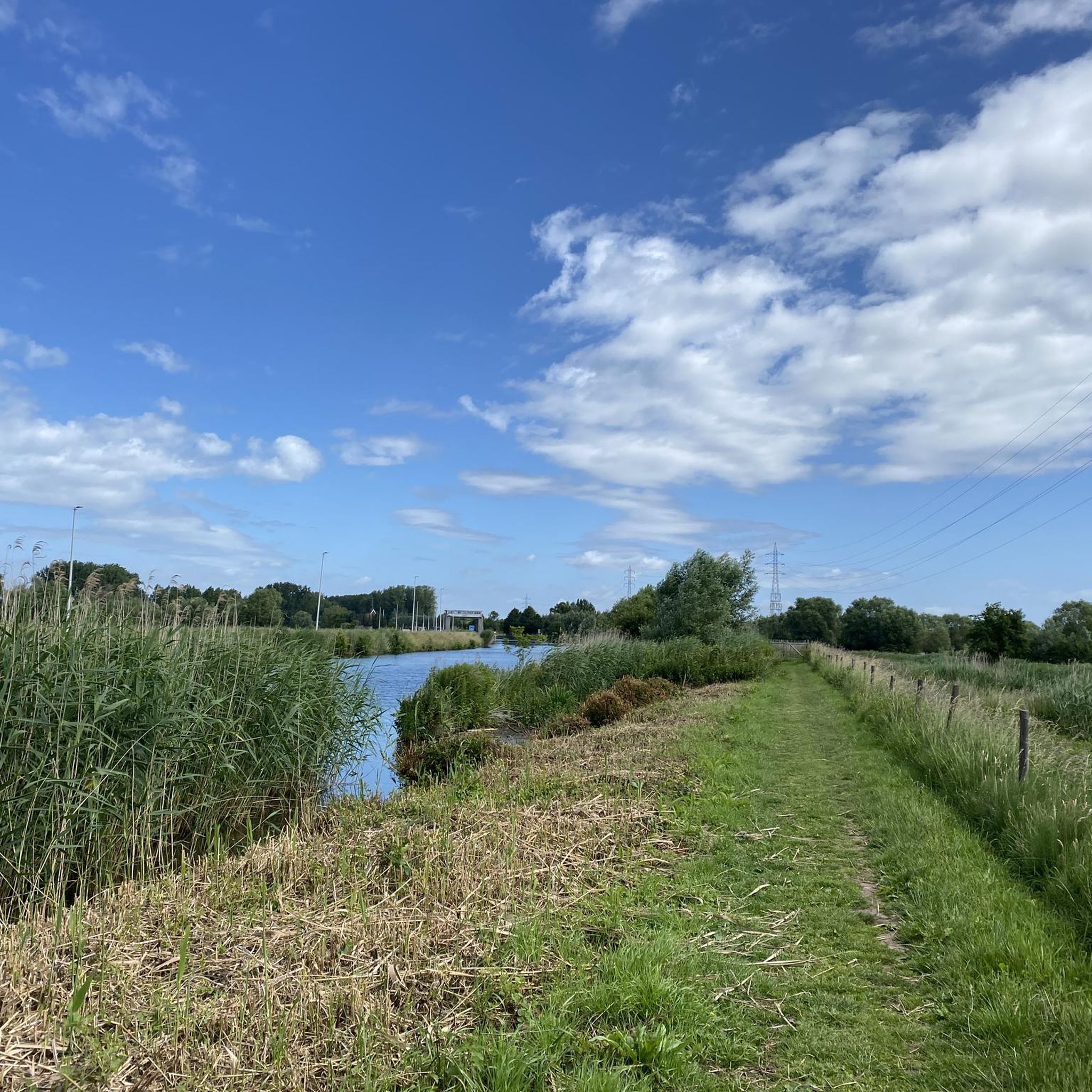
Paardeweide Wetlands
Highlight • Natural
Translated by Google •
Tip by

Sign up for free to discover even more natural monuments around Lebbeke.
Sign up for free
Already have an account?
Start today with a free account
Your next adventure awaits.
Login or Signup

Tips from the Community

It is good to know where the center is in Flanders. Well, this is not the political center of Flanders, but the geographical center.
5
1

beautiful views, easy country roads, extension possible in the Kravaal forest
3
1

The geographical centre of Flanders was determined by students of the Faculty of Applied Sciences of the University of Leuven. Using GPS measurements and with the help of mathematics teacher Prof. Theo Van der Waeteren, the centre was determined in 1999: it is located in the far corner of East Flanders, a few dozen metres from the previously determined "three-province point" (East Flanders, Antwerp and Flemish Brabant). Just a few metres from the territory of Sint-Amands, it is just in Opdorp, a sub-municipality of Buggenhout. The coordinates are: 51° 2′ 16″ N, 4° 14′ 26″ E. A monument was placed at this point in 2003.
2
0
Beautiful, quiet forest. Some very muddy passages due to the persistent rain of the last months.
4
0

The redevelopment of the duck decoy is part of the Berlare Broek-Donkmeer nature development project. This project fits in with the vision of the Berlare municipal council to give the popular Donkmeer and its surroundings a contemporary look. The site of the duck decoy was given a thorough makeover. It was redeveloped with respect for the most vulnerable zones and remains open to the public. (Public space database)
15
0
Today Komoot was asked to change the name of this Highlight to Hennenput.
11
0

Varied forest, beautiful paths that can sometimes be muddy. Furthermore, the forest feels rather wild, fallen trees are only removed on narrower paths if the passage is too much hindered. Much attention is also paid to ensuring that the permanent forest inhabitants can do their thing as undisturbed as possible.
6
0

The small white building near the duck decoy, the cage house, was never a home, but the decoy man could warm himself by the fireplace, store his maintenance materials, temporarily store the captured ducks and possibly also spend the night in a sleeping alcove during a busy fishing period. This cage house burned down in 1995 and was rebuilt in 1997. On an old picture card, depicted on the information board against the wall of the house, published around 1913, we see the cage man Sander Goossens with his dog at the then cage house. The huge poplar near this cage house served as a beacon in the landscape: this way, flying ducks that had previously stayed here could recognize this place from afar. Source: information board on site
10
0
Frequently Asked Questions
What are some of the most notable natural areas to visit in Lebbeke?
Lebbeke offers a variety of natural areas, including the Kravaalbos Forest, known for its autumn colors and spring bluebells. Another significant spot is the Paardeweide Wetlands, a controlled flood area offering views of wet Scheldt nature and a reed atoll. You can also explore the Molenbeekvallei Nature Reserve for its wetlands and diverse wildlife, or the Denderbellebroek Nature Reserve with its expansive hayfields and special breeding birds.
Are there family-friendly natural monuments or areas in Lebbeke?
Yes, several natural areas in Lebbeke are suitable for families. The Hennenput Pond, Buggenhoutbos, is a picturesque spot with benches, popular with local wildlife. The Paardeweide Wetlands are also family-friendly, offering paths through the wet Scheldt nature. Additionally, the Duck Decoy and Keeper's Cottage Donkmeer features an open-air museum, a petting zoo, and a willow tunnel, making it an engaging visit for all ages.
What kind of wildlife can I expect to see in Lebbeke's natural areas?
Lebbeke's natural areas are rich in wildlife. In the Molenbeekvallei Nature Reserve, you can observe a rich variety of wetland wildlife. The Denderbellebroek Nature Reserve is home to special breeding birds like the Eurasian hobby, common buzzard, and long-eared owl. The Hennenput Pond is a spawning ground for toads and frogs, attracting various animals. The Duck Decoy and Keeper's Cottage Donkmeer protects ducks, herons, and storks. In Wiestermeersch, you might spot foxes or deer.
Are there hiking opportunities near the natural monuments in Lebbeke?
Absolutely. Lebbeke offers numerous hiking opportunities. You can explore trails in areas like the Molenbeekvallei, Denderbellebroek, and the Kravaalbos Forest. For more detailed routes, consider exploring the Hiking around Lebbeke guide, which includes routes like the 'Denderbelle Lock Complex – Boardwalk Denderbellebroek loop' and the 'Hof Ten Dijke Nature Reserve – Retention Basins Lebbeke loop'.
What is the best time of year to visit Lebbeke's natural monuments?
The natural monuments around Lebbeke offer different attractions throughout the year. Spring is ideal for seeing the purple bluebells in Kravaalbos Forest and the floral splendor in Paardebroek (part of the Paardeweide Wetlands). Autumn is perfect for enjoying the vibrant colors and scents of the Kravaalbos Forest. Generally, spring and autumn provide pleasant temperatures for hiking and nature observation.
Are there any historical sites among the natural monuments in Lebbeke?
Yes, the Duck Decoy and Keeper's Cottage Donkmeer is a notable historical site dating back to 1678. It was historically used for duck storage and now serves as an open-air museum showcasing its history and function. While primarily a natural monument, the Geographical Center of Flanders also features a monument placed in 2003, marking a significant geographical point.
Can I find easy walking trails suitable for all fitness levels?
Many natural areas in Lebbeke offer gentle terrain suitable for leisurely strolls. Areas like Woubrechtegemse Meersen and Kravaalbos (which has varied paths) feature gentle slopes and serene ponds. The paths along the riverbank in Denderbellebroek also offer scenic and generally accessible walks. For specific easy routes, check the Hiking around Lebbeke guide for routes with 'easy' difficulty ratings.
What other outdoor activities can I do near Lebbeke's natural monuments?
Beyond hiking, Lebbeke offers various outdoor activities. You can find numerous road cycling routes, such as those detailed in the Road Cycling Routes around Lebbeke guide. For runners, there are dedicated trails, including those listed in the Running Trails around Lebbeke guide. These guides provide options for different sports and difficulty levels.
Are there any viewpoints or notable natural features to look out for?
Yes, several spots offer scenic views and unique natural features. From the dike at Paardeweide Wetlands, you get a good view of the reed atoll. The Hennenput Pond is a picturesque lake within Buggenhoutbos. The Denderbellebroek Nature Reserve features expansive hayfields stretching to the horizon, and Wiestermeersch allows you to walk among old, cut-off sections of the Dender river, offering varied landscapes of grasslands and alder carr forests.
What are the terrain conditions like in Lebbeke's natural areas?
The terrain in Lebbeke's natural areas varies. You'll find wetlands in Molenbeekvallei and Paardeweide Wetlands, which can be wet. Kravaalbos Forest has varied paths that can sometimes be muddy, especially after rain. Hannaerden, part of the Beneden Dender landscape, is also known for potentially wet conditions. Other areas like Woubrechtegemse Meersen offer more gentle slopes. It's advisable to wear appropriate footwear, especially during wetter seasons.
Are there places to rest or picnic within the natural monuments?
Yes, several natural areas provide amenities for relaxation. The Hennenput Pond, Buggenhoutbos, has benches available for hikers. Hof Ter Dijken is beautifully landscaped with pools and benches, providing a pleasant environment for relaxation. Many hiking routes in Lebbeke also feature quaint huts offering refreshments, making them suitable for extended outings and picnics.
Most popular routes around Lebbeke
Most popular attractions around Lebbeke

Get inspired with the komoot mobile app


Explore more
Extend your search for the best caves by checking out these guides of the top ones around Lebbeke:
