Top 20 Natural Monuments around De Panne
Best natural monuments around De Panne are characterized by extensive and ecologically rich dune areas. This coastal town in Belgium features diverse ecosystems, including coastal dunes, shifting sands, and wetlands. These landscapes offer opportunities for exploring unique natural habitats and historical significance. The region is known for its varied natural monuments, providing a range of outdoor experiences.
Best natural monuments around De Panne
- The most popular natural monuments is Yser Estuary, Nieuwpoort, a river where fresh and saltwater meet.…
Last updated: May 1, 2026
Yser Estuary, Nieuwpoort
Highlight • River
Translated by Google •
Tip by

Krakeelduinen Nature Reserve
Highlight • Natural
Translated by Google •
Tip by

Sign up now to discover places like this
Get recommendations on the best single tracks, peaks, & plenty of other exciting outdoor places.
Sign up for free
De Doornpanne
Highlight • Natural
Translated by Google •
Tip by
Dune Dewulf Nature Reserve
Highlight • Natural Monument
Translated by Google •
Tip by

Shrimp Fishermen on Horseback at Oostduinkerke Beach
Highlight • Beach
Translated by Google •
Tip by

Sign up for free to discover even more natural monuments around De Panne.
Sign up for free
Already have an account?
Start today with a free account
Your next adventure awaits.
Login or Signup
Popular around De Panne
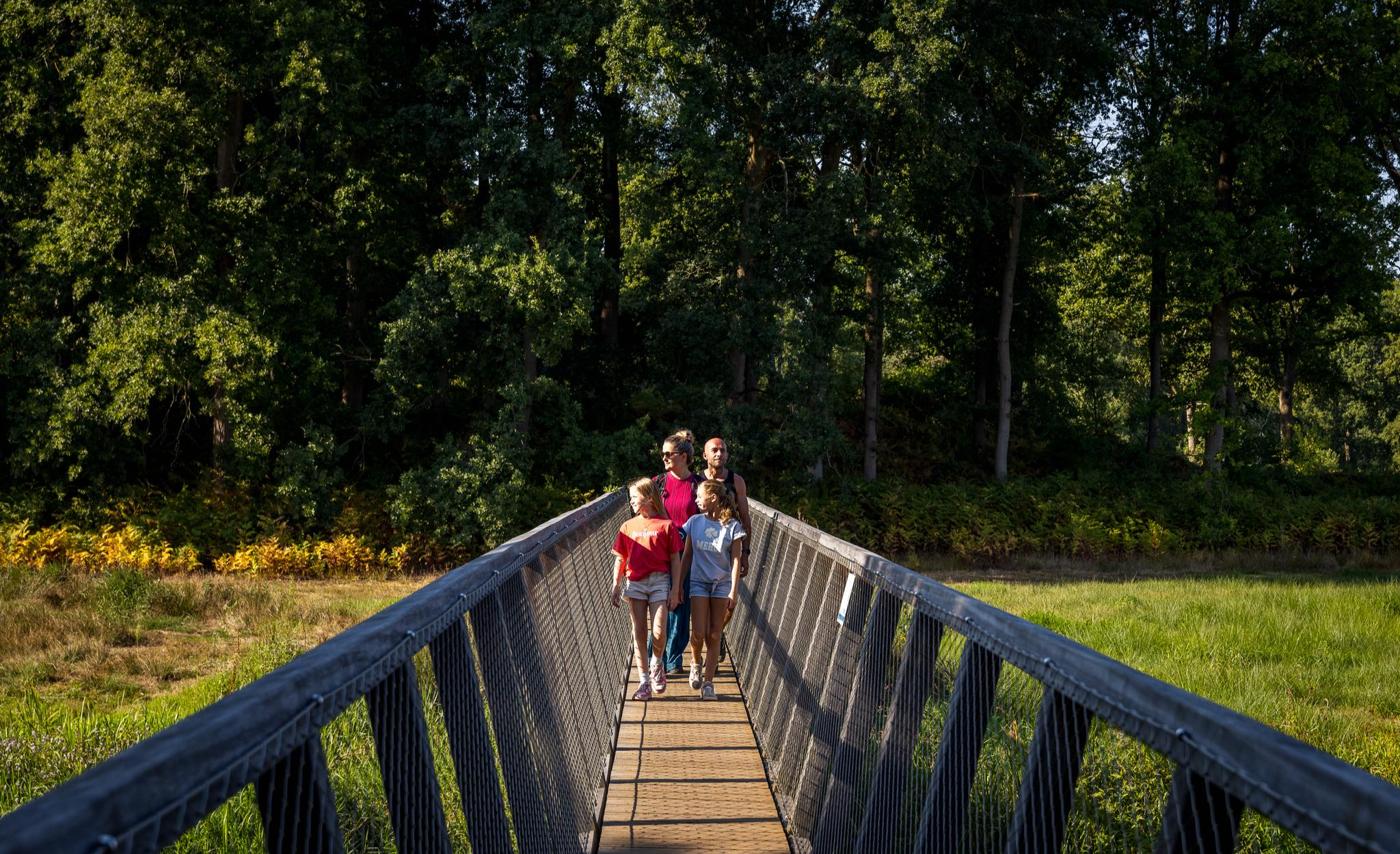
Flanders’ Finest Hiking Routes
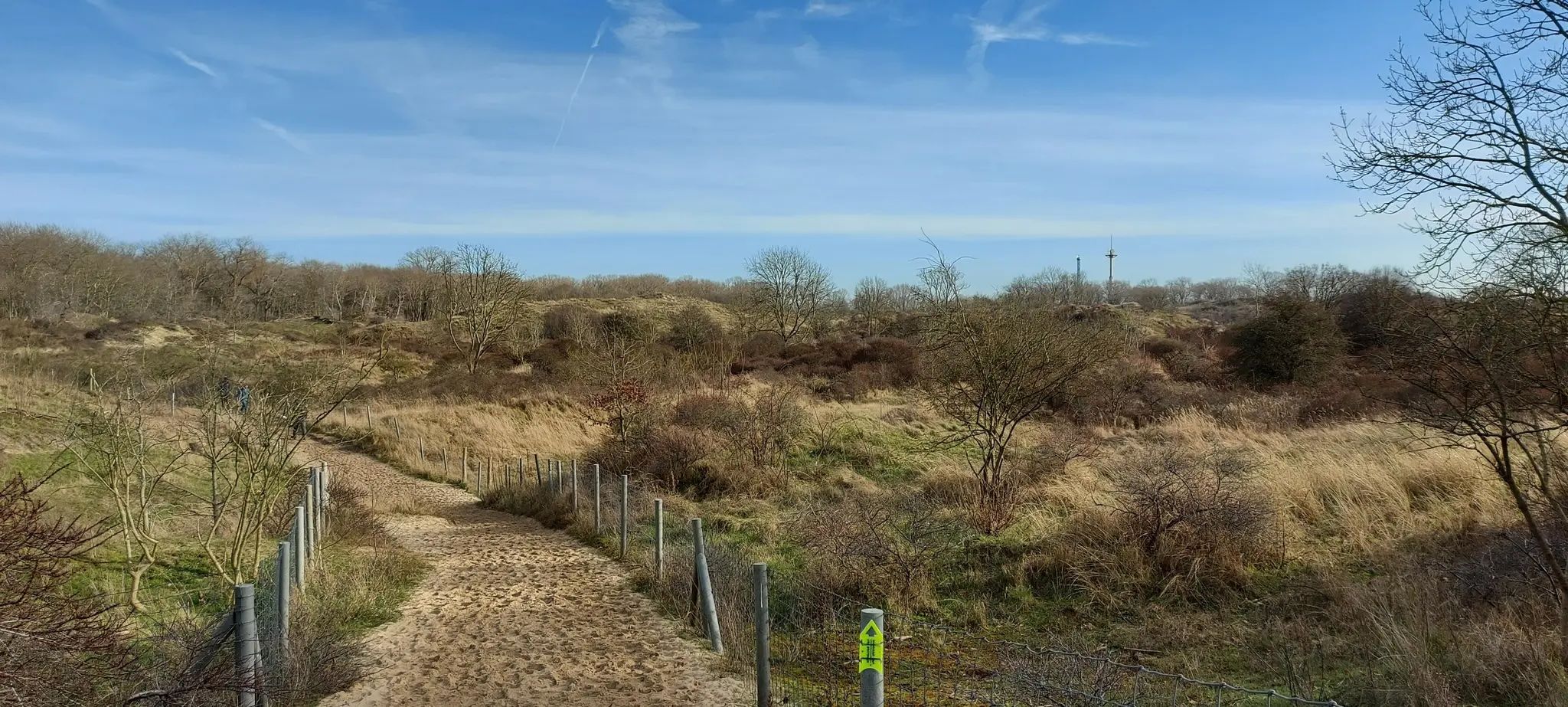
From De Panne to het Zwin – Belgian coastal path (Streek GR Kust)
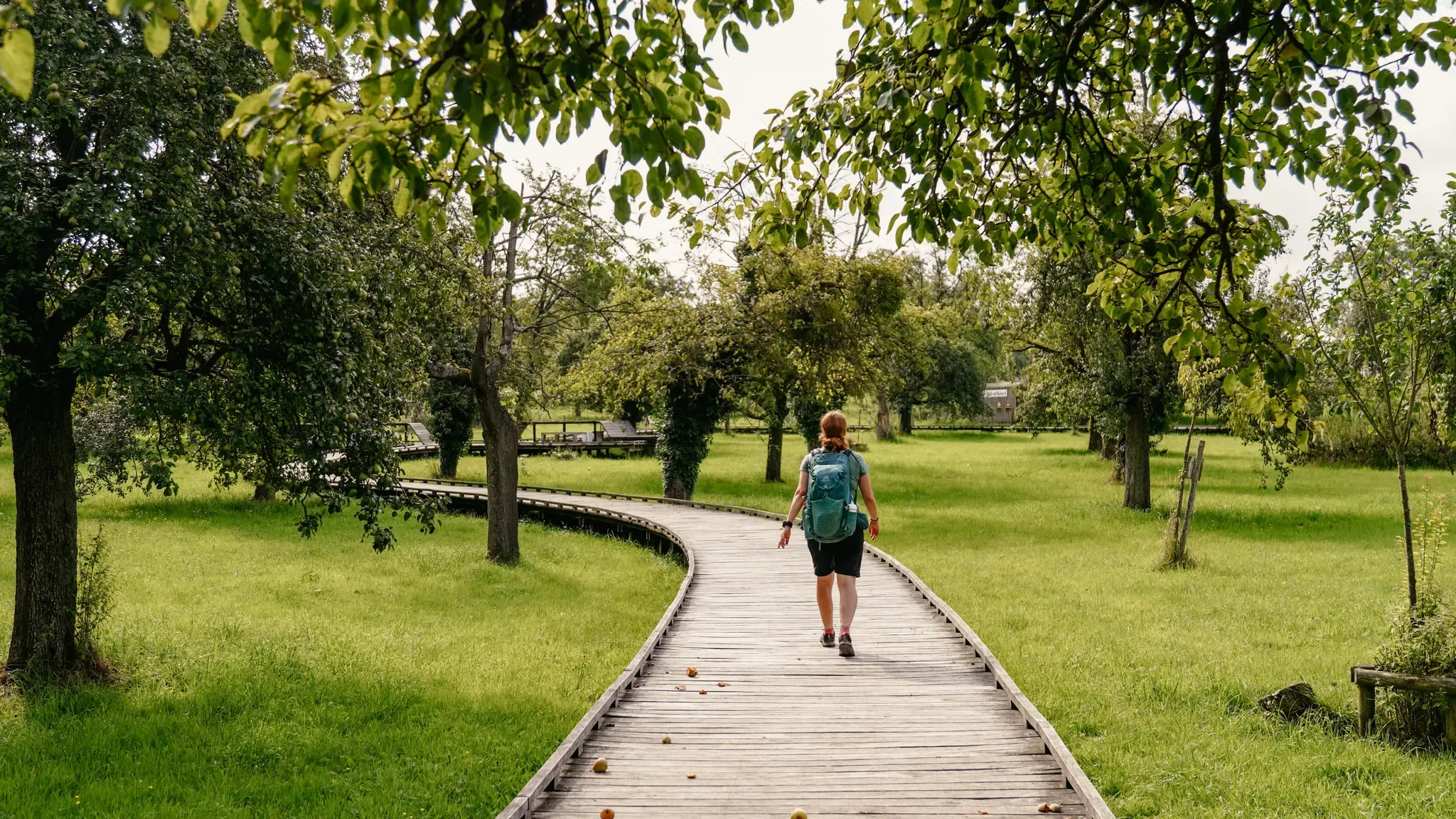
Hiking in Flanders – between dunes, forest and the scenic Meuse
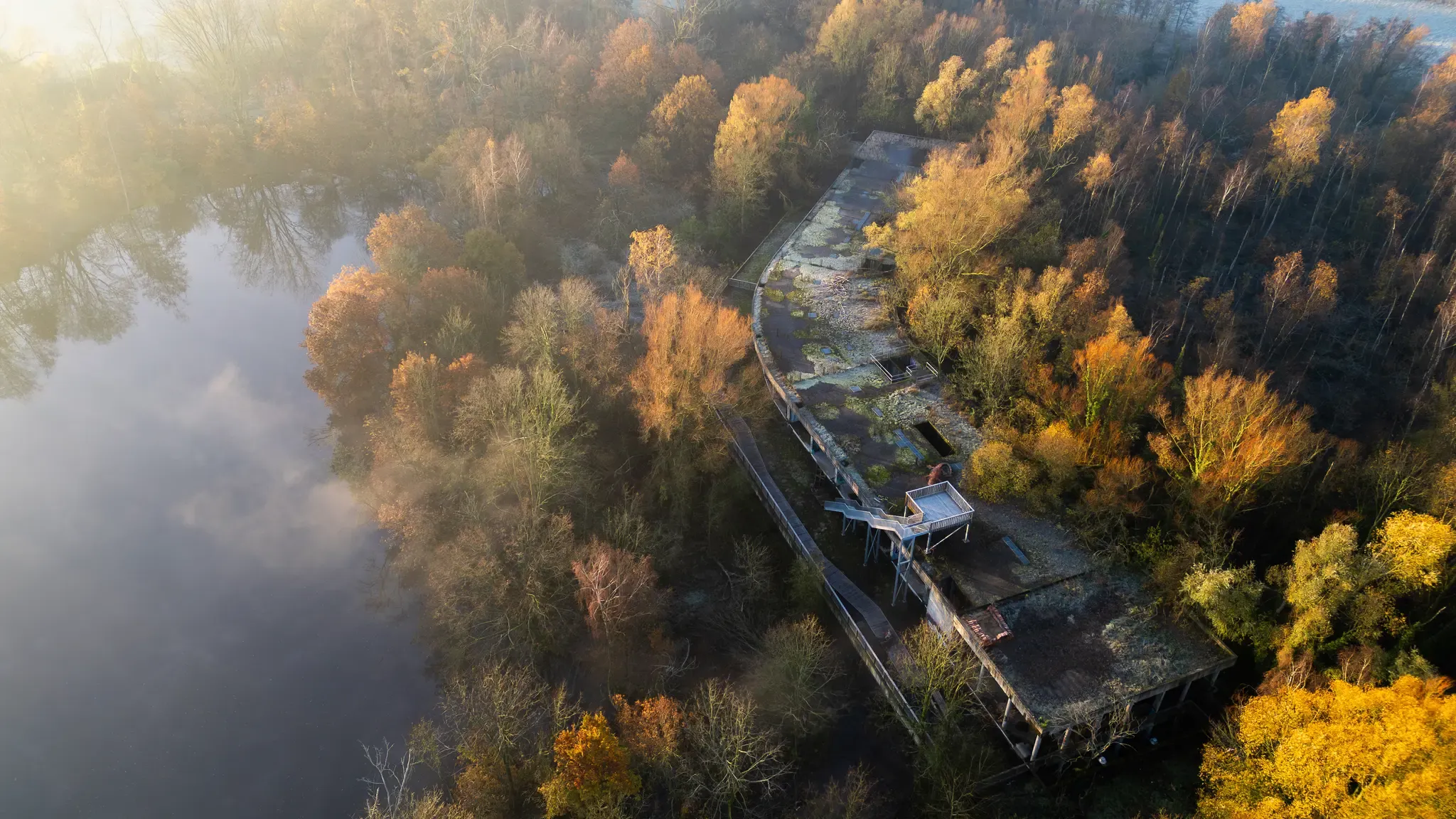
Treinstappers – from station to station in Flanders
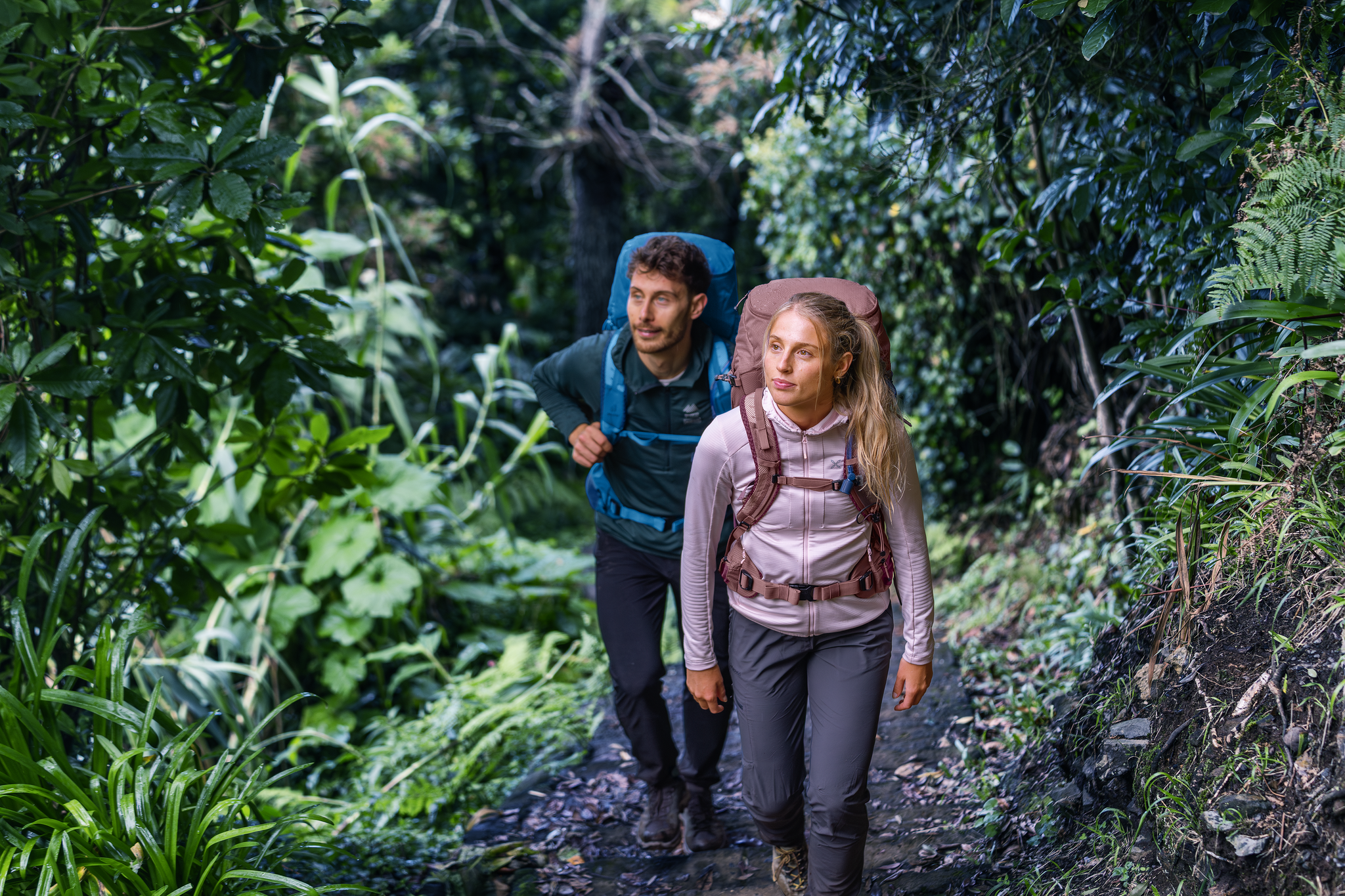
Rucksack auf und los – Weitwandern mit deuter in Belgien und den Niederlanden
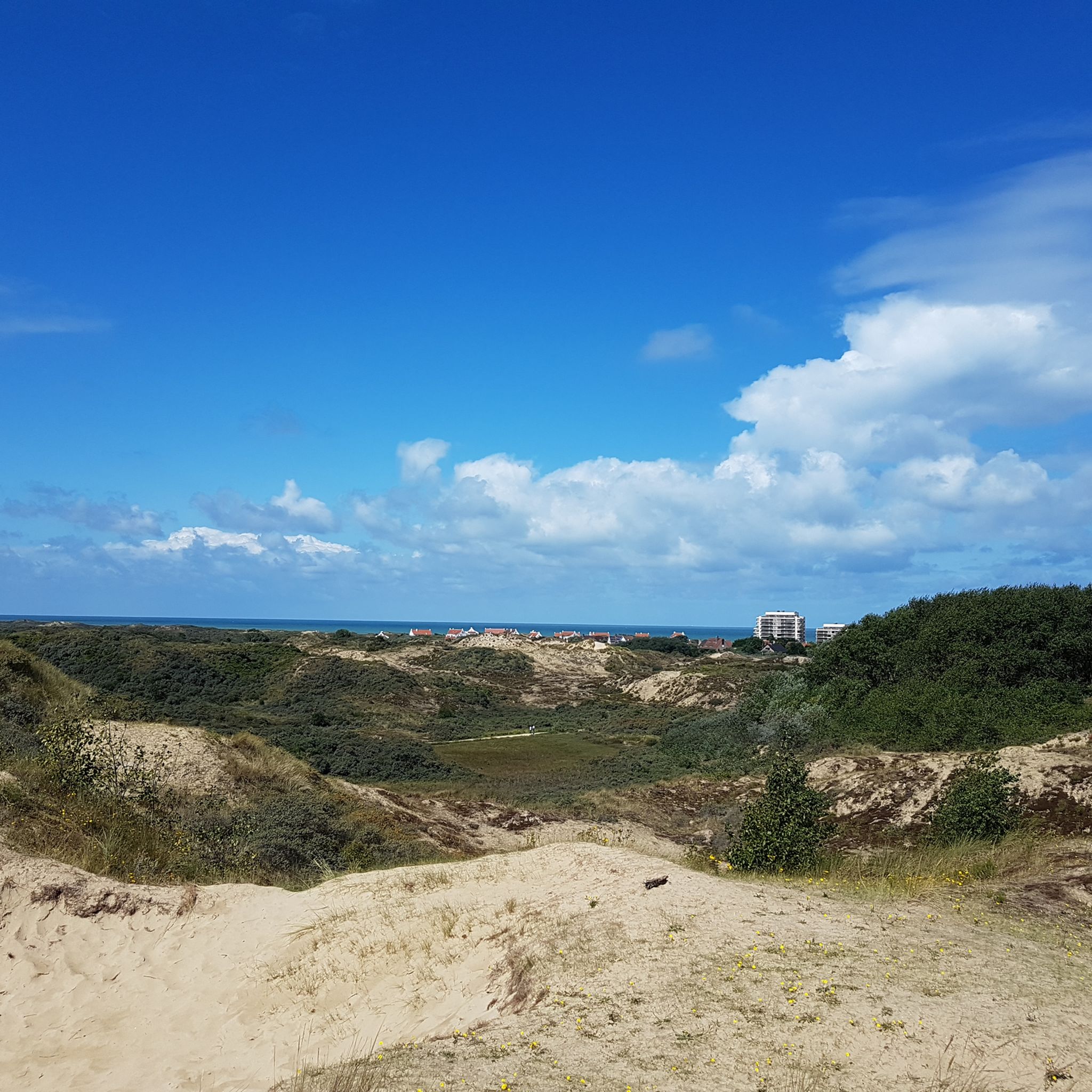
Hiking around De Panne
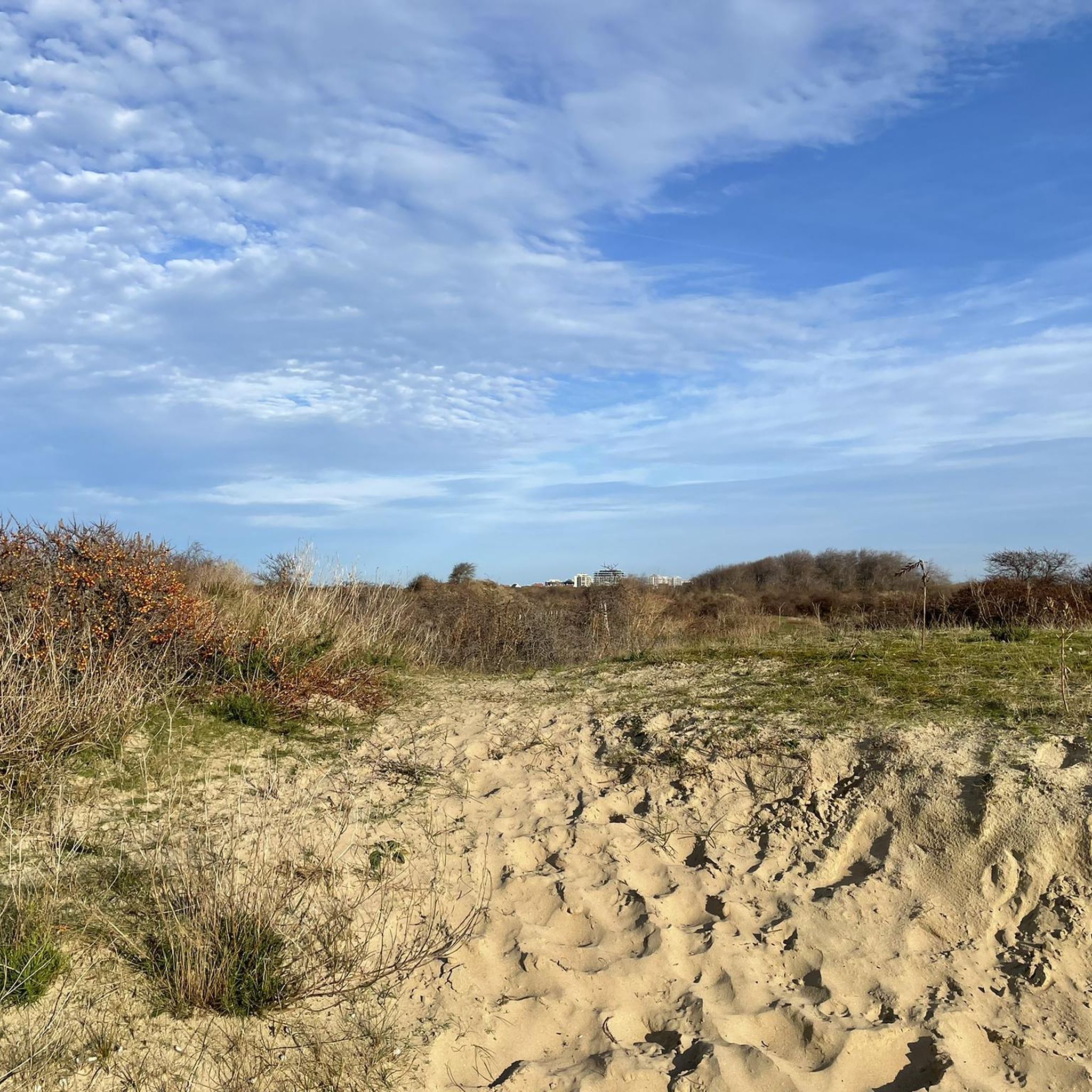
Road Cycling Routes around De Panne
Cycling around De Panne
Running Trails around De Panne
MTB Trails around De Panne
Other adventures around De Panne


Tips from the Community

Unfortunately, the bike path here is no longer paved. Still, the scenery is beautiful.
0
0

Not passable by bike.
1
0

The Yser is historically important because of the role it played during the First World War. The river formed a natural defense line and was the scene of fierce fighting. Today, you can find various monuments and memorials along the Yser that commemorate this period, such as the Yser Monument at the Ganzepoot. Here on the left bank of the Yser estuary, the cycle route "cycling along the front line of the First World War" also begins. (Nieuwpoort - Bazel)
5
0

Nature reserve. You're pretty much alone here.
3
0

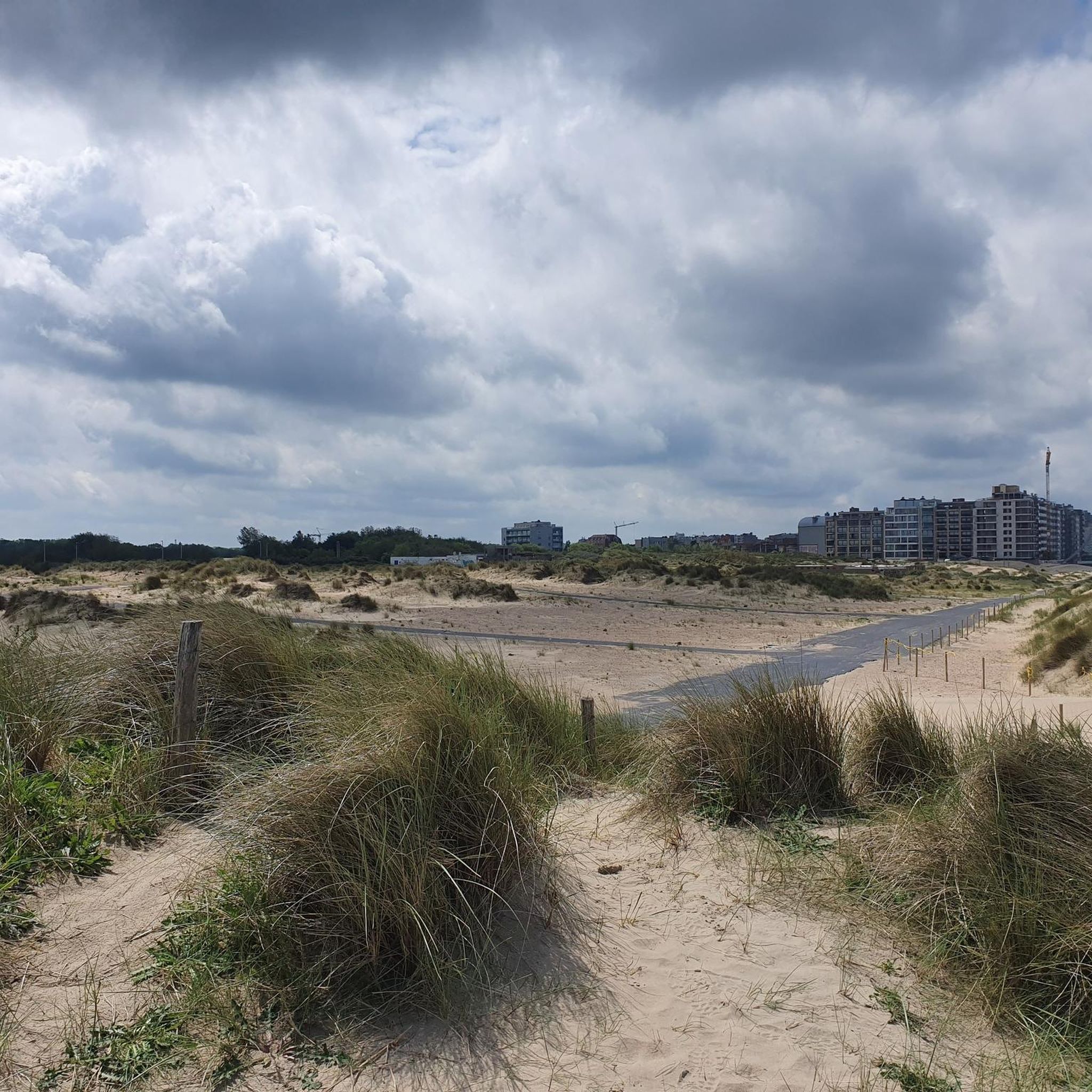
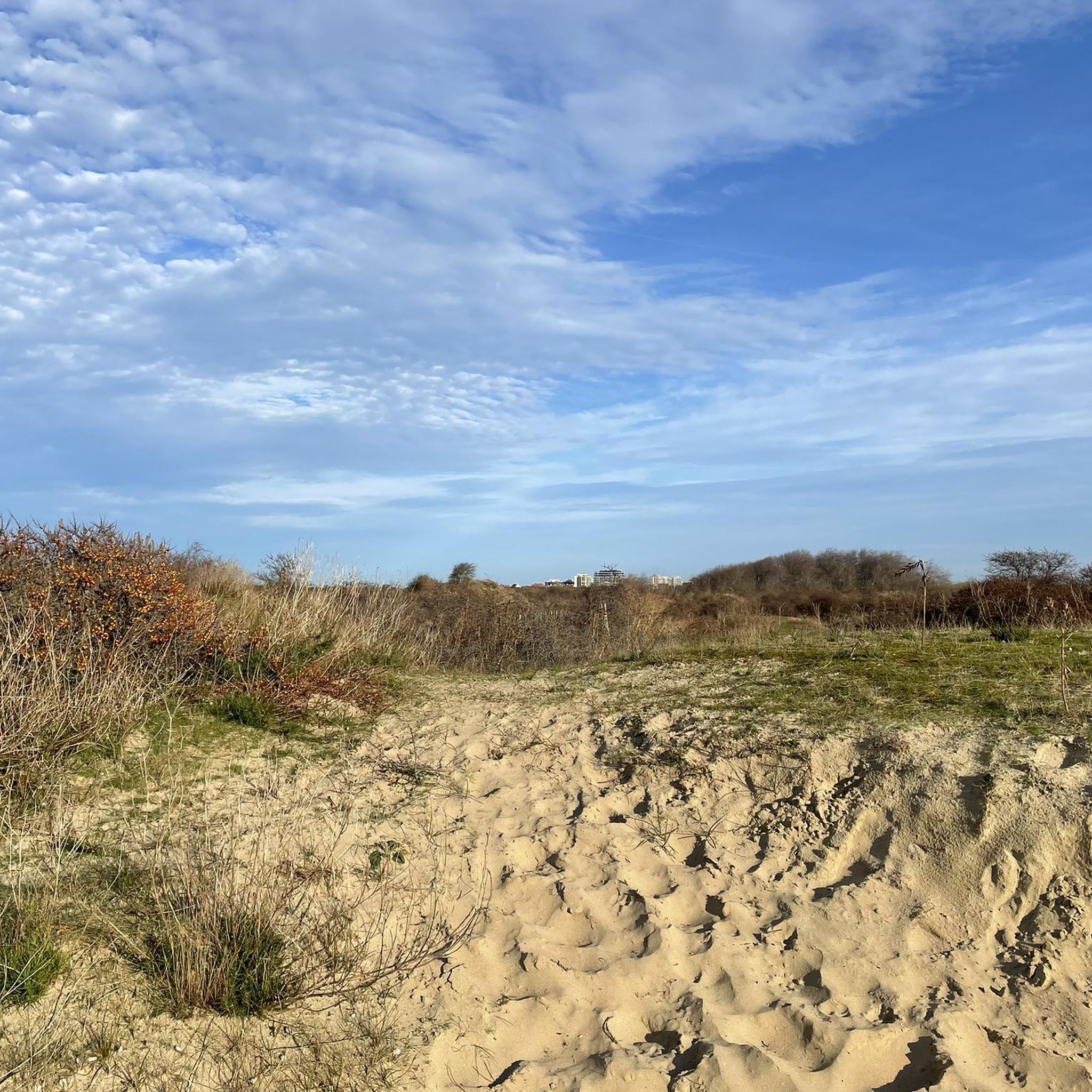
Together with the IJzermonding and the Zwin, the Krakeelduinen are part of the Natura 2000 area Dune Areas. After WWII the dunes were used as a water extraction area, but nowadays the dune area is being restored to its natural glory. You will now find Scottish Blackface sheep grazing the area and since the concrete has been removed the sand can flow freely again.
3
0

TRAIL TIPS Going Southwards: An important reminder is that the marked path with our logos in Belgium is marked for hikers, not for cyclists. However, the markers may be followed on a bike but there are places where bikes are not suitable nor allowed. This is however an area very amenable to bikes and there will likely be a visible bike path or cycle lane alongside as the alternative path to re-join the markers. The Western Front Way has tested both the trails and this is possible to do. Setting off: Once you leave the town, you will start the bike trail along the old railway line. Along this section, there are centenary themes and noticeboards to see. Weaving your way off the railway track, this eventually follows the GR131 in and out along the Ijzer, towards the remarkable chapel with its own heroic story and viewpoint at Oud-Stuivekenskerke or towards the centre of Diksmuide. You will pass the Yser Tower and the Dodengang Museum. Both are worth a visit.
10
1

Beautiful views and a very nice change from the dike and the dunes
6
0
Between Leffrinckoucke and the Belgian border lies a dune area of more than 1000 hectares, which is part of the Grands Sites de France network. Along the dunes is an uninterrupted, 15 km long beach.
11
1
Frequently Asked Questions
What unique natural features can I explore in the De Panne area?
De Panne is renowned for its diverse dune landscapes. You can explore Flanders' oldest and most untouched dune landscape at the Westhoek Nature Reserve, featuring coastal dunes, shifting sands, and wetlands. The Yser Estuary, Nieuwpoort offers a unique biotope where fresh and saltwater meet, creating distinctive mudflats and salt marshes. Other areas like the Cabour Dunes and Houtsaegerduinen and Kerkepannebos showcase ancient dune systems and varied dune vegetation.
What kind of wildlife can be observed in the natural monuments around De Panne?
The natural monuments in De Panne are rich in biodiversity. At the Westhoek Nature Reserve, you can spot over 200 bird species, Konik horses, and Highland cattle. The area is also home to over 400 plant species, including rarities. The Yser Estuary, Nieuwpoort is known for its rich variety of fauna and flora in its mudflat and salt marsh areas. In the Cabour Dunes, grazing ponies and horses help maintain the landscape.
Are there any ancient or historically significant natural monuments to visit?
Yes, several natural monuments in De Panne have historical significance. The Westhoek Nature Reserve holds archaeological remains dating from the Iron Age to the early Middle Ages. The Cabour Dunes are considered among the oldest on the Belgian coast. Additionally, the Dune Dewulf Nature Reserve has a military history, with remains like the Fort des Dunes still present. You can also witness the unique tradition of the Shrimp Fishermen on Horseback at Oostduinkerke Beach, a living historical practice.
Are there family-friendly natural monuments suitable for children?
Many natural monuments around De Panne are suitable for families. The Yser Estuary, Nieuwpoort offers an extensive network of cycling and hiking trails with informative panels, making it engaging for all ages. De Doornpanne is also categorized as family-friendly, offering varied dune types to explore. The Westhoek Nature Reserve provides well-marked routes and a visitor center, making it accessible for families to learn about the environment.
What hiking opportunities are available near De Panne's natural monuments?
The region offers numerous hiking opportunities. You can explore the Westhoek Nature Reserve with its well-marked hiking routes. For more structured options, consider routes like the 'Westhoek hiking trail' (moderate, 10.4 km) or the 'Westerpunt – View of the Dune Reserve loop' (easy to moderate, 6.1-8.8 km). The Yser Estuary, Nieuwpoort also features an extensive network of hiking trails. Find more hiking routes in the Hiking around De Panne guide.
Can I go cycling or gravel biking near the natural monuments?
Yes, the area around De Panne is excellent for cycling and gravel biking. You can find routes like the 'De Panne Beach Promenade – La Vélomaritime loop' (easy, 20.7 km) for touring bicycles. For gravel biking, explore routes such as the 'De Doornpanne – Doornpanne Gravel loop' (moderate, 54.6 km). These routes often pass through or near natural monuments like De Doornpanne and the Dune Dewulf Nature Reserve. Discover more options in the Cycling around De Panne and Gravel biking around De Panne guides.
What are some lesser-known natural gems worth discovering near De Panne?
Beyond the most popular spots, consider visiting the Houtsaegerduinen and Kerkepannebos, which offer a different perspective on dune ecosystems with their blend of overgrown and remnant grassland areas. The Oosthoekduinen provide significant landscape variation with shrub-covered dune fields. These areas offer a quieter experience away from the main tourist paths.
What is the best time of year to visit the natural monuments in De Panne?
The natural monuments in De Panne can be enjoyed year-round. Spring and autumn offer pleasant temperatures for hiking and cycling, with vibrant flora and migrating birds. Summer is ideal for combining nature walks with beach activities. Even winter provides unique opportunities for peaceful walks through the dunes, such as those in the Westhoek Nature Reserve, offering a serene and often dramatic landscape.
How can I reach the natural monuments around De Panne using public transport?
De Panne is accessible by public transport. The coastal tram connects De Panne with other coastal towns, and local bus services can take you closer to various natural reserves. For specific monuments like the Westhoek Nature Reserve, the Duinpanne Visitor Centre often serves as a starting point and can provide information on local transport connections. It's advisable to check local bus schedules for the most up-to-date information.
Are there facilities like cafes or visitor centers near the natural monuments?
Yes, some natural monuments have facilities nearby. The Westhoek Nature Reserve has the Duinpanne Visitor Centre, which serves as a starting point for learning about the local environment. While specific cafes directly within every reserve might be limited, De Panne town center and surrounding areas offer various dining options. It's always a good idea to pack water and snacks, especially for longer explorations.
What should I wear when visiting the natural monuments in De Panne?
Given the coastal and dune environment, it's recommended to wear comfortable walking shoes suitable for sandy and uneven terrain. Layers of clothing are advisable, as weather conditions can change quickly, especially near the coast. A windproof and waterproof jacket is often useful. Don't forget sun protection, even on cloudy days, and consider bringing binoculars for birdwatching.
What do visitors enjoy the most about the natural monuments in De Panne?
Visitors frequently appreciate the vast, unspoiled nature and the peaceful retreat offered by areas like the Westhoek Nature Reserve. The diverse ecosystems, from shifting dunes to wetlands, provide unique experiences. Many enjoy the well-marked hiking and cycling routes that offer breathtaking views over the North Sea. The opportunity to observe diverse flora and fauna, and the sense of silence away from the hustle and bustle, are also highly valued.
Most popular routes around De Panne
Most popular attractions around De Panne

Get inspired with the komoot mobile app


Explore more
Extend your search for the best caves by checking out these guides of the top ones around De Panne:
