Top 20 Natural Monuments around Knokke-Heist
Best natural monuments around Knokke-Heist include diverse coastal landscapes and protected nature reserves. The region features dynamic environments such as salt marshes, mudflats, and dune belts, influenced by the North Sea. These areas provide habitats for various flora and fauna, including numerous bird species. Knokke-Heist offers natural spaces for exploration and observation of coastal ecosystems.
Best natural monuments around Knokke-Heist
- The most popular natural monuments is The Zwin Nature Reserve, a natural monument that is a slufter, a beach plain behind dunes in open connection with the sea. This area is a crucial stopover and breeding ground for many bird species, with seawater regularly flooding the area.
- Another must-see spot is The Drowned Zwarte Polder, an other natural area. This slufter was created by a dike breach, forming a unique landscape behind a row of dunes.
- Visitors also love Outer Ramparts of Sluis, a historical site that also functions as a natural monument. These ramparts, dating from the 14th century, now host various plant and animal species, including rare tree frogs.
- Knokke-Heist is known for its nature reserves, dune areas, and coastal landscapes. The region offers a variety of natural monuments to see and explore, from intertidal environments to preserved dune ecosystems.
- The natural monuments around Knokke-Heist are appreciated by the komoot community, with over 2500 upvotes and more than 500 photos shared by visitors.
Last updated: May 1, 2026
The Zwin Nature Reserve
Highlight • Natural Monument
The Zwin is a slufter: a beach plain behind the dunes that is in open connection with the sea. Directly behind the gully mouth lies a sandy beach, further inward lie dunes and salt marshes. Behind the row of dunes lie two small polders, the Kievittepolder and the Oudelandsepolder.
Translated by Google •
Tip by

Zwin Nature Reserve
Highlight • Natural Monument
Further information can be found on the nature park's website: zwin.be
Translated by Google •
Tip by

Sign up now to discover places like this
Get recommendations on the best single tracks, peaks, & plenty of other exciting outdoor places.
Sign up for free
The Zwin
Highlight • Natural Monument
Translated by Google •
Tip by

View of the Zwin Nature Reserve
Highlight • Viewpoint
Translated by Google •
Tip by

The Drowned Zwarte Polder
Highlight • Natural
Translated by Google •
Tip by
Sign up for free to discover even more natural monuments around Knokke-Heist.
Sign up for free
Already have an account?
Start today with a free account
Your next adventure awaits.
Login or Signup
Popular around Knokke-Heist
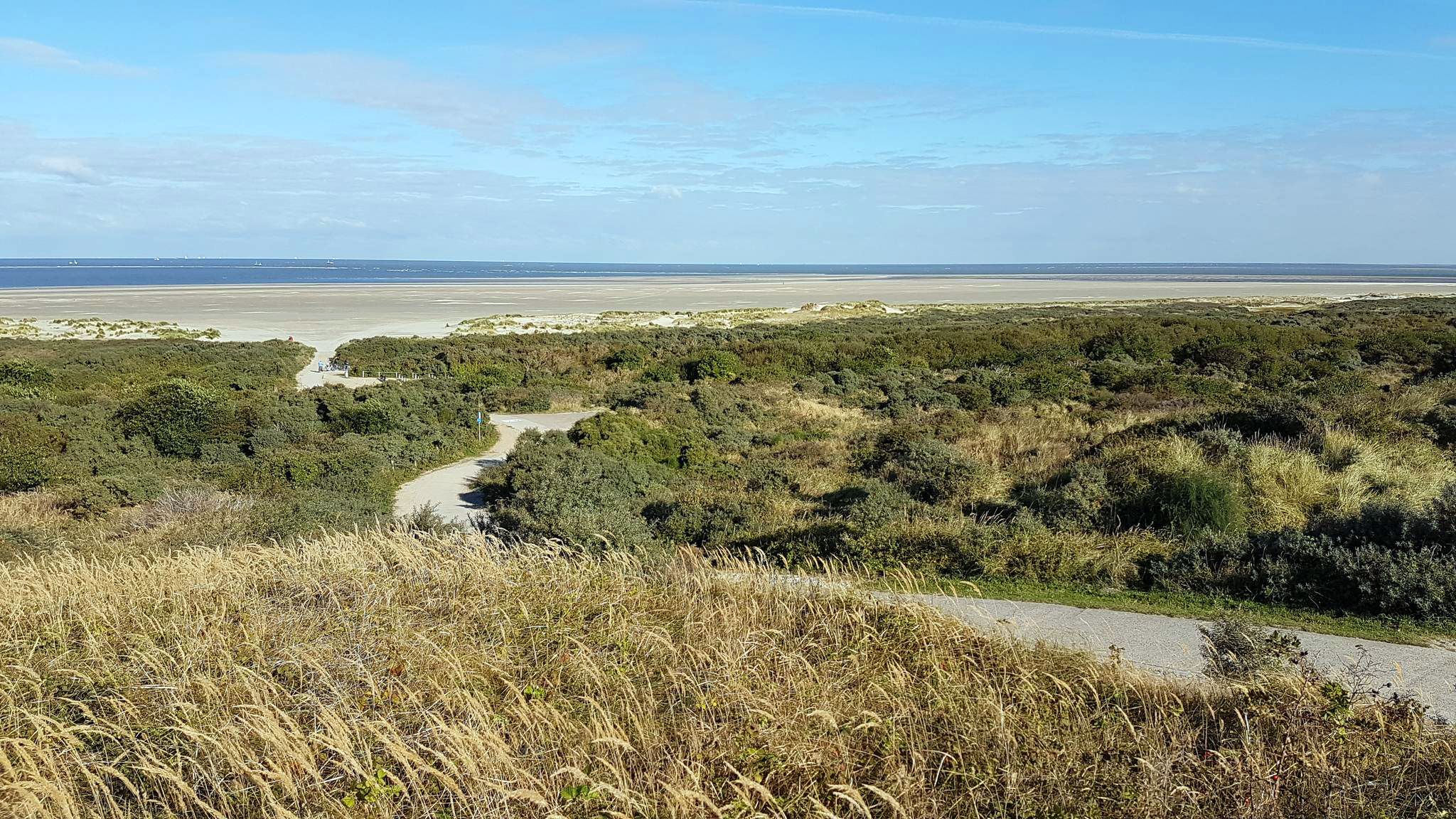
The North Sea Coast Cycle Route — Netherlands and Belgium
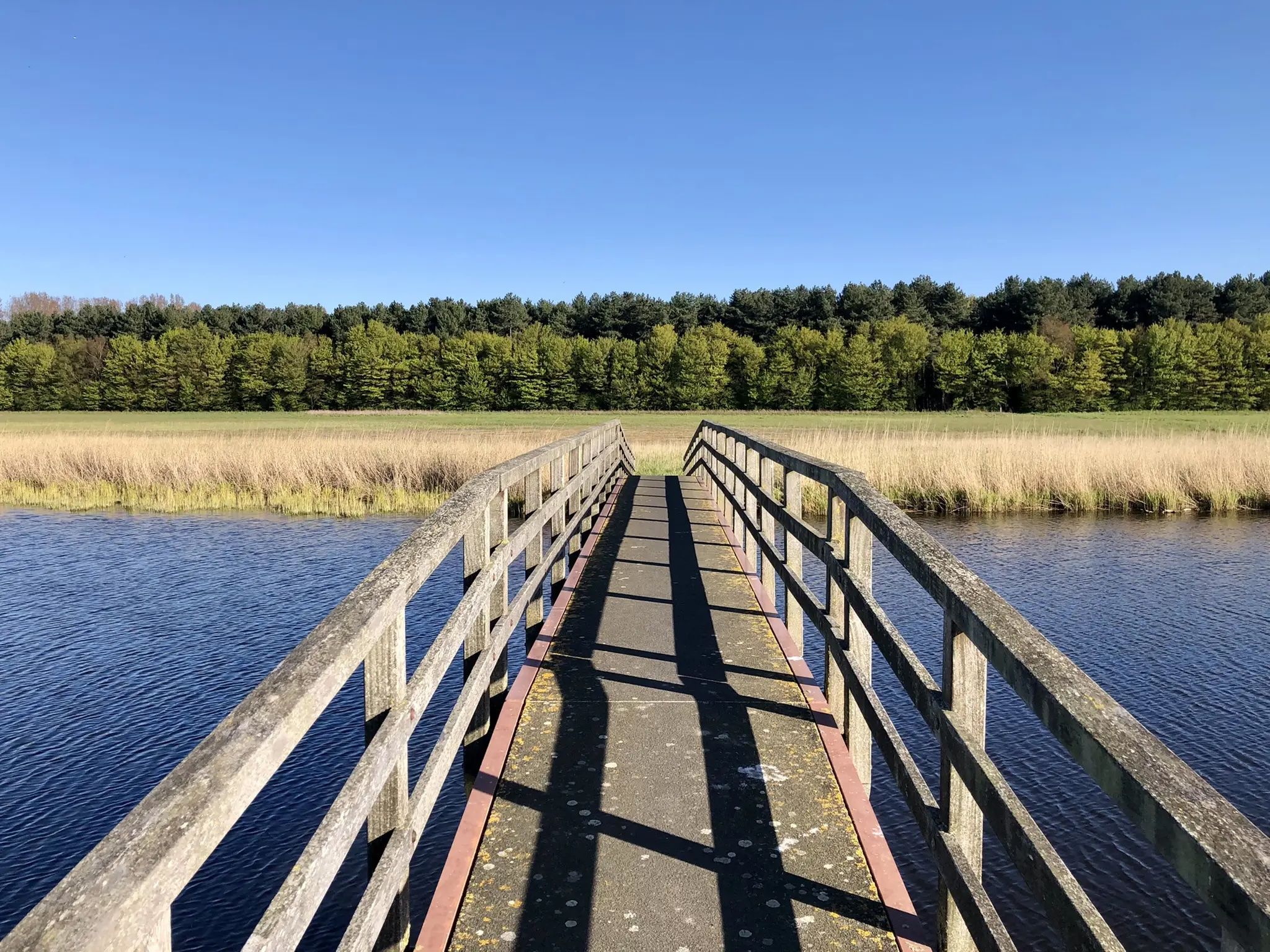
By West, East and Zeeuws-Vlaanderen — GR Uilenspiegel
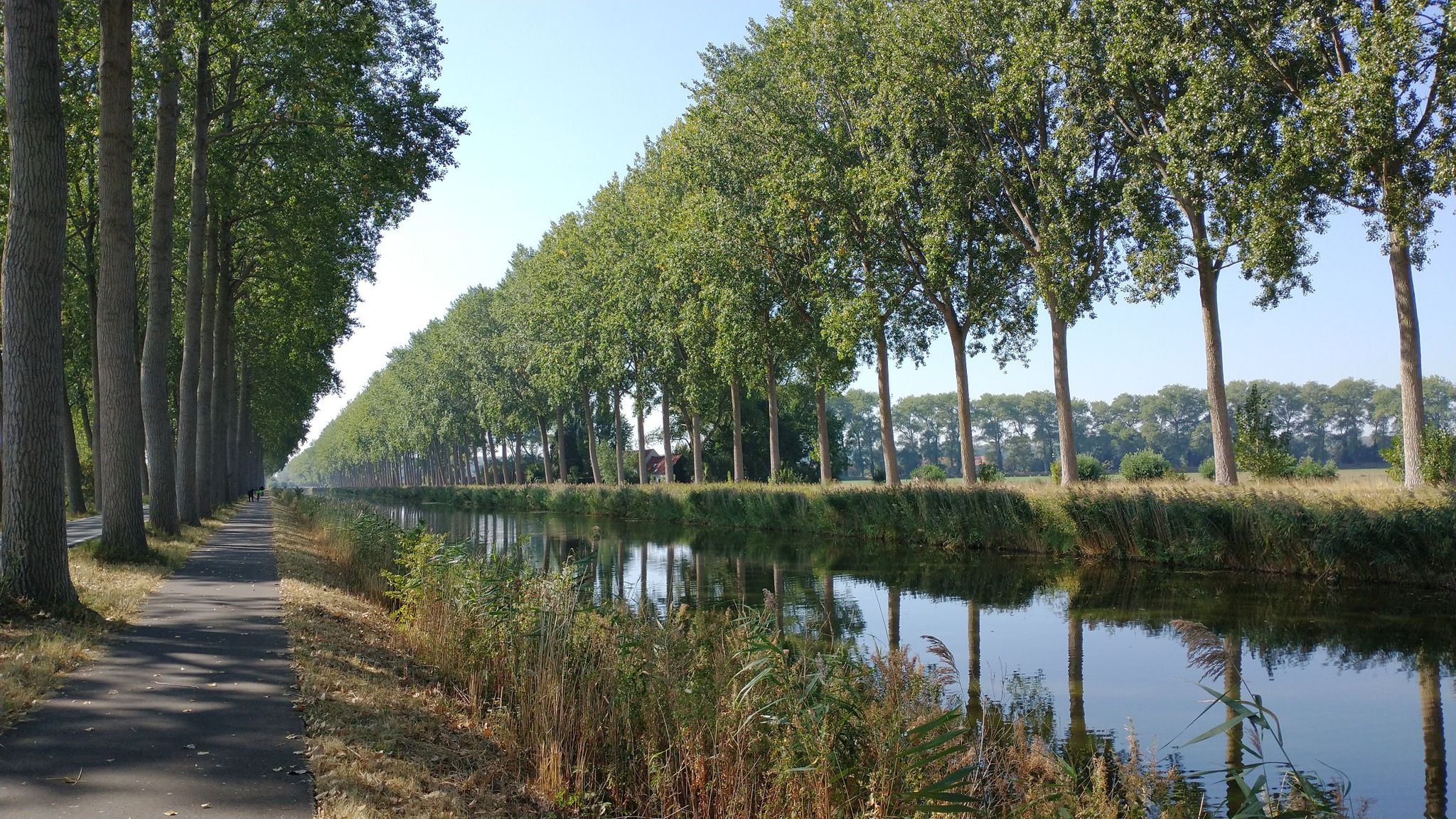
Coast and canals – travelling in Flanders and Zeeland Flanders
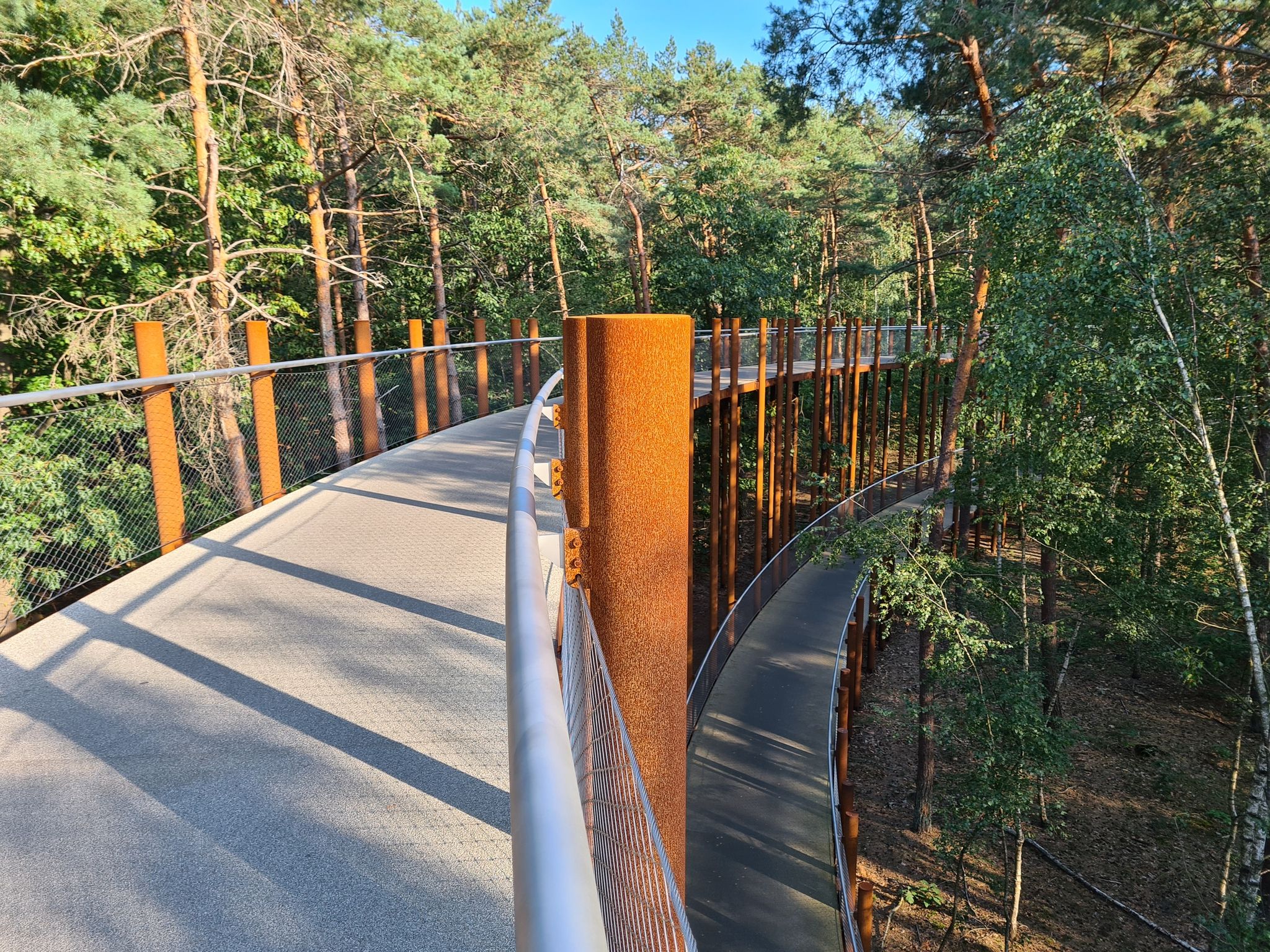
Cycling on Belgium’s most beautiful bike paths — 10 boucles à vélo
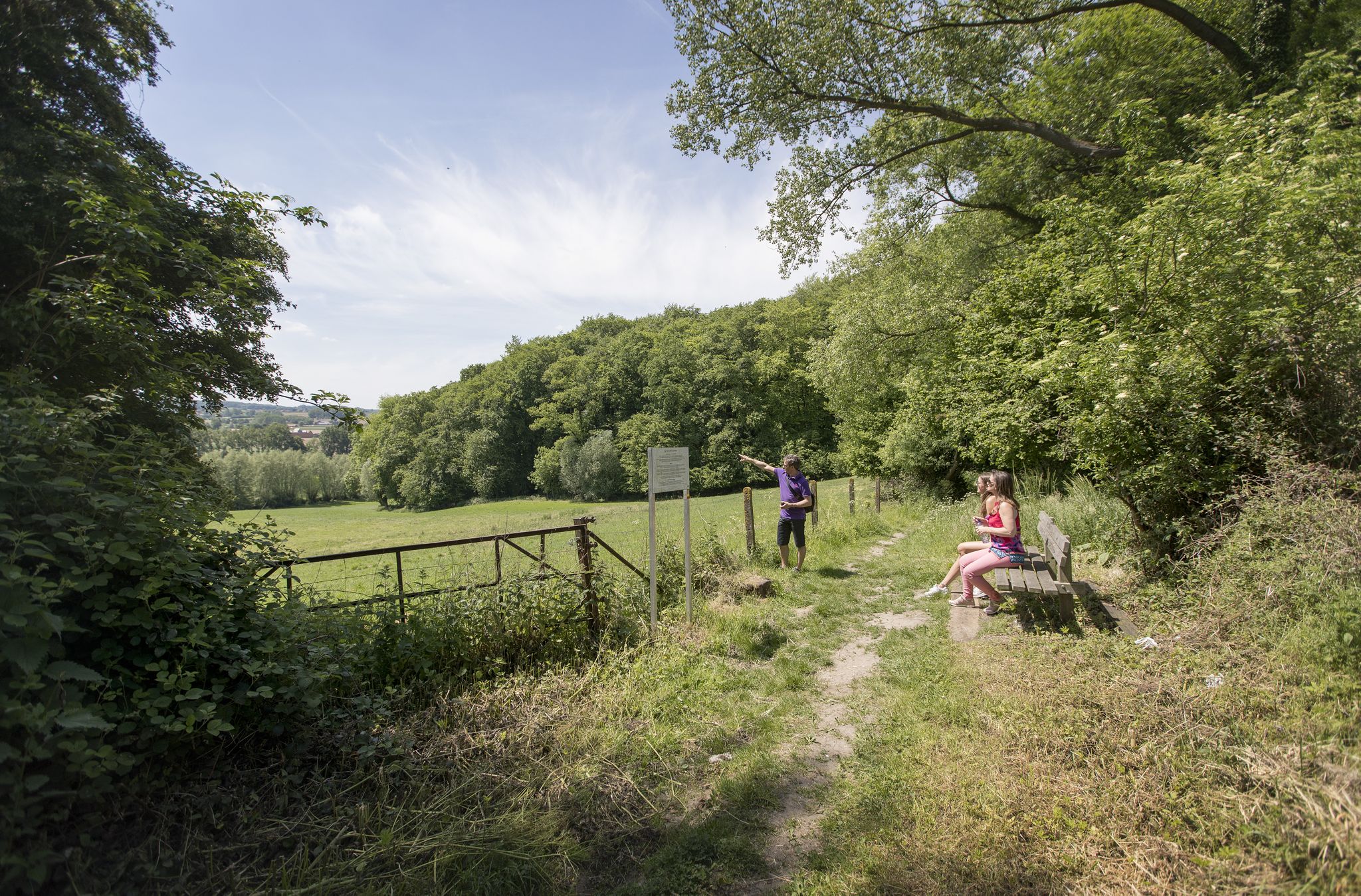
Belgium's Flanders region — the new hiking destination
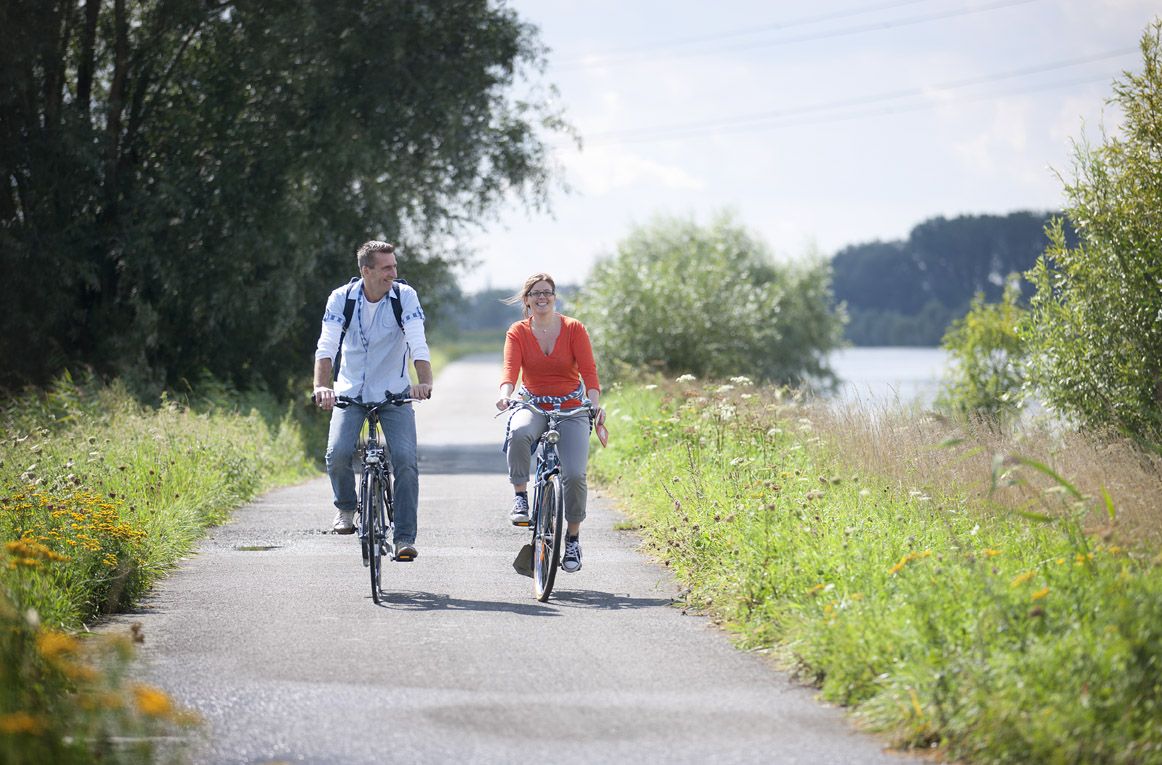
Flanders by bike: cycling along the water
LF-routes
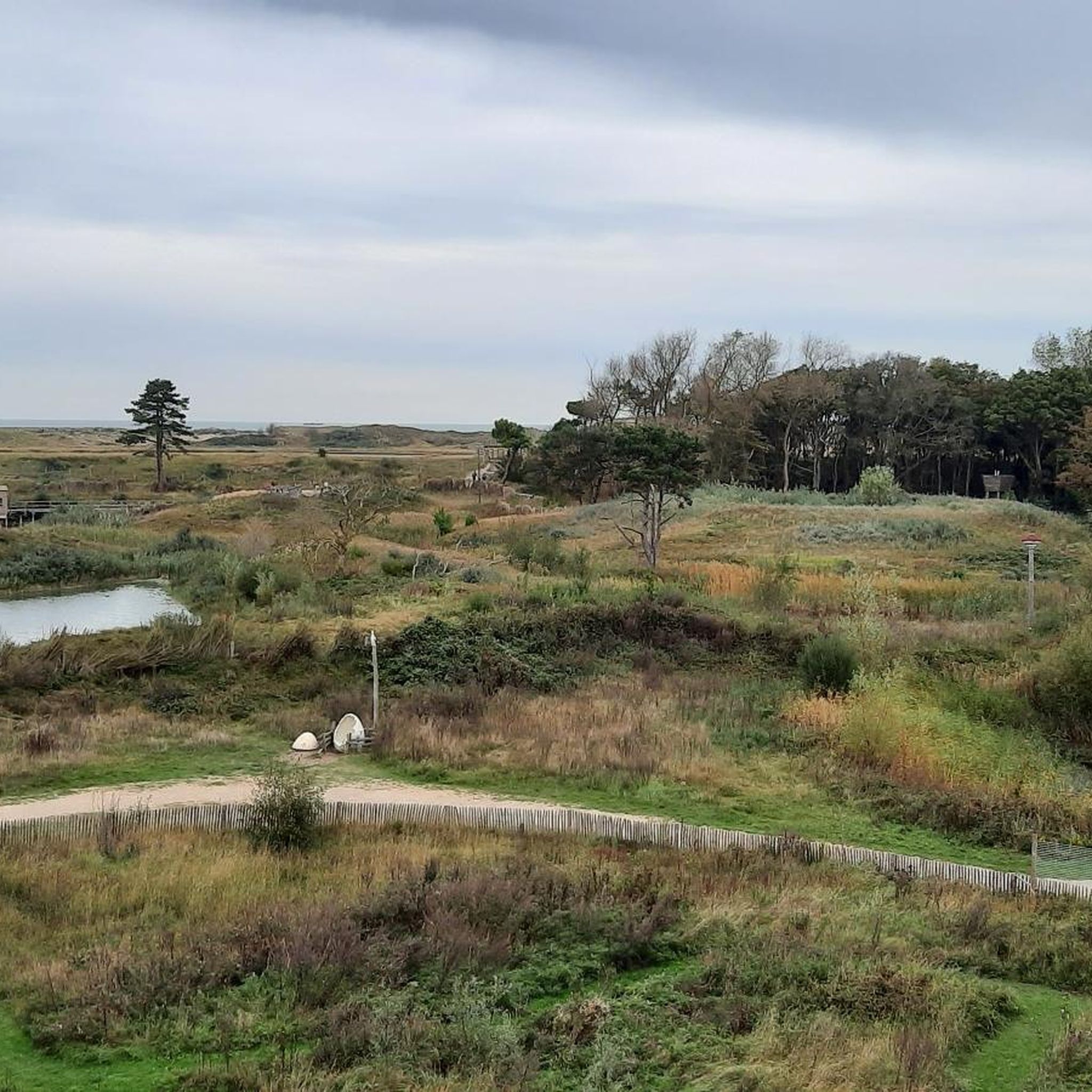
Cycling around Knokke-Heist
Hiking around Knokke-Heist
Running Trails around Knokke-Heist
Other adventures around Knokke-Heist


Tips from the Community

Beautiful viewpoint of the nature reserve
0
1

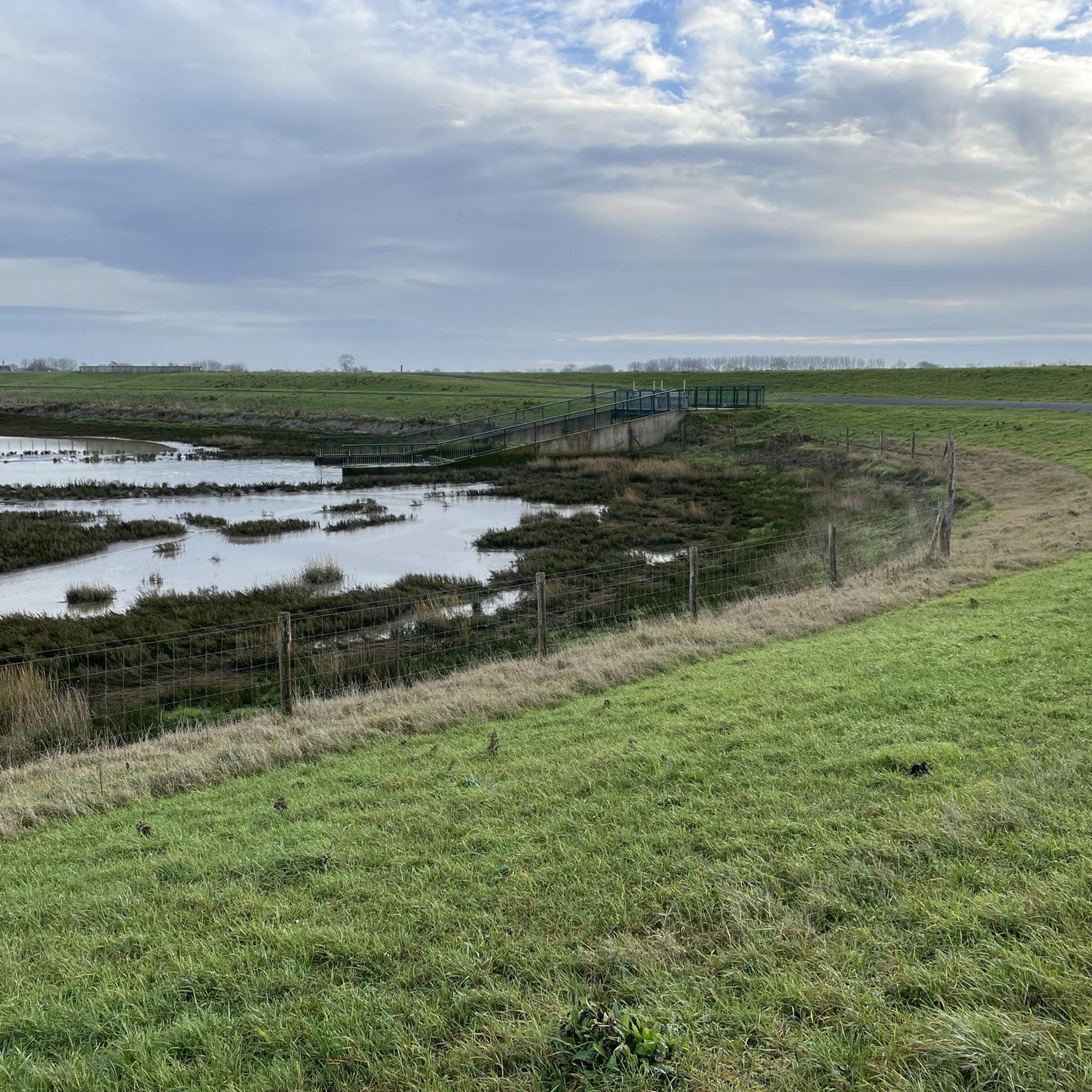
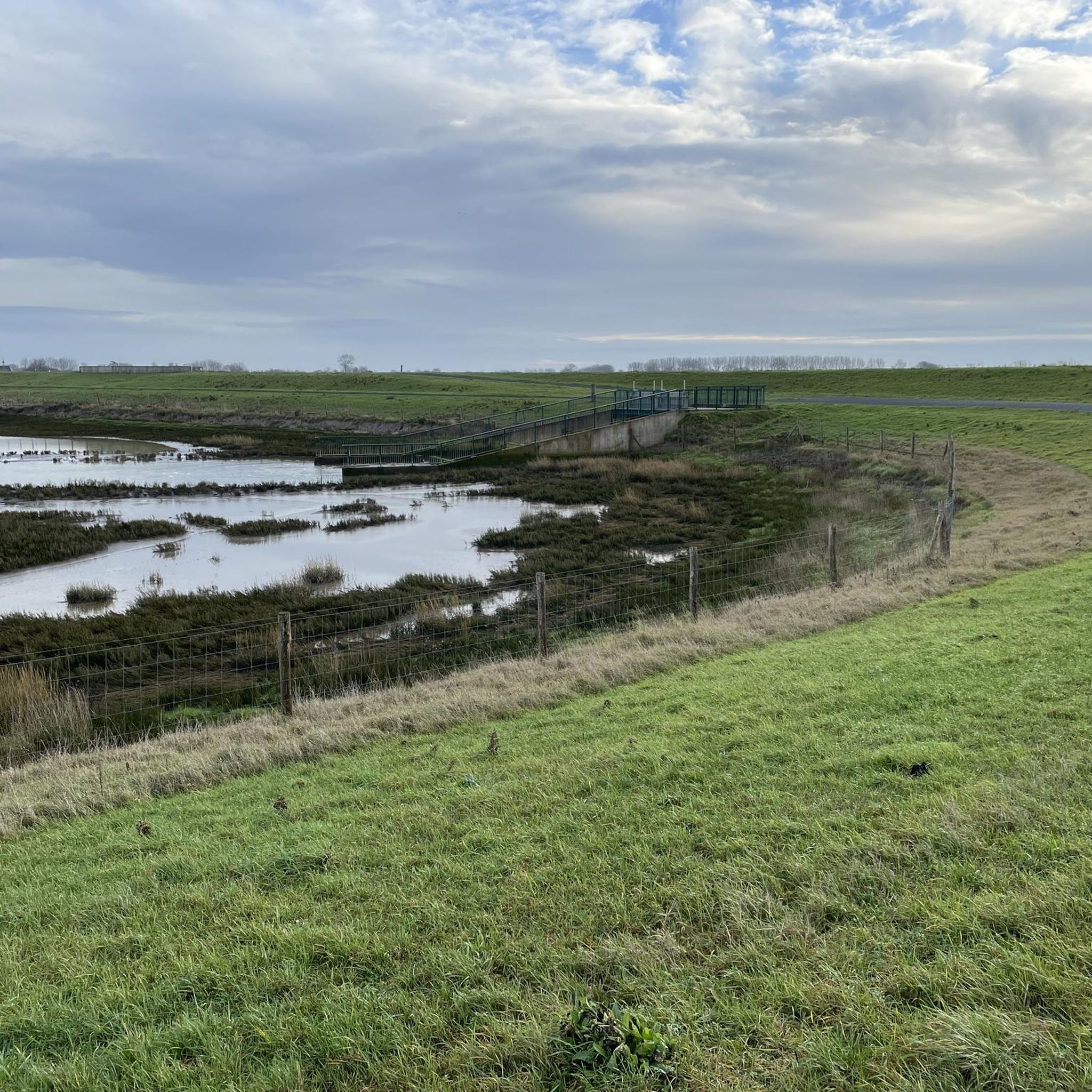
The drowned black polder near Nieuwvliet-Bad is a polder that was reclaimed from the sea and dammed in 1623, but which the North Sea reclaimed in a major storm surge in 1802: the dyke broke and the resulting hole flooded the land.
6
0

During quiet moments you can cycle through it with wide tires, otherwise you can take a walk, which is beautiful to see.
11
0
Easy connection between houses and the drowned polder
10
0

In the 13th and 14th centuries, this inlet—'t Zwyn—was a major waterway to Bruges. This waterway was created after the sea encroached deeply on the land around the beginning of the Common Era. The cities of Bruges, Damme, and Sluis were situated on the Zwin and became thriving trading centers. However, the channel became increasingly shallow and eventually unnavigable. Therefore, the Zwin was later largely reclaimed. Nature then took over. Source: https://www.hetzeeuwselandschap.nl/natuurgebieden/het-zwin
5
0
In the 13th and 14th centuries, this sea arm - ’t Zwyn - was an important waterway to Bruges. This waterway was created after the sea had penetrated the land around the beginning of the Christian era. The cities of Bruges, Damme and Sluis were located on the Zwin and became flourishing trading centres. But the channel became increasingly shallow and eventually unnavigable. That is why the Zwin was later largely poldered. Nature then took over here. Source: https://www.hetzeeuwselandschap.nl/natuurgebieden/het-zwin
6
1
The Zwin is a tidal flat: a beach plain behind the dunes that is openly connected to the sea. Immediately behind the estuary lies a sandy beach, further inland lie dunes and salt marshes. Behind the dune range lie two small polders, managed by the Zeeuwse Landschap: the Kievittepolder and the Oudelandsepolder. In the Zwinweide, once a side channel of the Zwin, there is a highly diverse area where freshwater and saltwater alternate within a short distance. Thanks to the alternation between wet and dry, saltwater and freshwater, and clay and sand, the entire area boasts a wide variety of vegetation and birdlife. Source and all information for your visit to this Zeeland side of the Zwin can be found at https://www.hetzeeuwselandschap.nl/natuurgebieden/het-zwin
5
0
In the 13th and 14th centuries, this sea arm - ’t Zwyn - was an important waterway to Bruges. This waterway was created after the sea had penetrated the land around the beginning of the Christian era. The cities of Bruges, Damme and Sluis were located on the Zwin and became flourishing trading centres. But the channel became increasingly shallow and eventually unnavigable. That is why the Zwin was later largely poldered. Nature then took over here. Source: https://www.hetzeeuwselandschap.nl/natuurgebieden/het-zwin
6
0
Frequently Asked Questions
What are the most popular natural monuments around Knokke-Heist?
The most popular natural monument is The Zwin Nature Reserve, renowned for its dynamic coastal landscape and as a crucial stopover for migratory birds. Other highly appreciated spots include The Drowned Zwarte Polder, a unique slufter formed by a dike breach, and the Outer Ramparts of Sluis, which combine historical significance with diverse natural habitats.
Are there family-friendly natural monuments in Knokke-Heist?
Yes, several natural monuments are ideal for families. The Zwin Nature Reserve offers interactive exhibits, observation huts, and a panorama tower, making it engaging for all ages. The Drowned Zwarte Polder and the Outer Ramparts of Sluis are also noted as family-friendly, providing accessible paths and interesting sights.
What types of natural features can I expect to see?
Knokke-Heist's natural monuments showcase diverse coastal features. You'll find dynamic salt marshes, mudflats, and extensive dune belts, particularly at The Zwin Nature Reserve. The Bay of Heist offers wide sandy beaches and untouched dune ecosystems. Other areas like Park 58 preserve original dune landscapes, while Directeur-Generaal Willemspark provides a small forest environment.
What outdoor activities can I do near these natural monuments?
The region offers a variety of outdoor activities. You can explore numerous running trails, including routes like 'Combination nature trails Het Zwin' or 'The Zwin Nature Reserve – View of the Zwin loop from Knokke-Heist'. For cyclists, there are road cycling routes such as 'Cycle Path Along the Canal – Damse Vaart Canal loop from Knokke' and MTB trails like 'Zwindijk – New International Dike loop from Knokke'. You can find more details on these activities in the Running Trails around Knokke-Heist, Road Cycling Routes around Knokke-Heist, and MTB Trails around Knokke-Heist guides.
Is <a href="https://www.komoot.com/highlight/3175773" target="_blank" rel="noopener">The Zwin Nature Reserve</a> accessible by public transport?
Yes, The Zwin Nature Reserve is generally accessible by public transport. Specific routes and schedules can vary, so it's advisable to check local transport information for the most current options to reach the park.
What is the best time of year to visit the natural monuments in Knokke-Heist?
The best time to visit depends on your interests. Spring and autumn are excellent for birdwatching, especially at The Zwin Nature Reserve, as it's a crucial stopover for migratory birds. In May and June, storks are a particular highlight. Summer offers pleasant weather for walks along the coast and through dune areas like the Bay of Heist. The landscape changes with the seasons and tides, offering a different experience each visit.
Are there any historical sites among the natural monuments?
Yes, the Outer Ramparts of Sluis are a notable example. These ramparts, dating from the 14th century, once protected Sluis as a trading city. While historically significant, they now also function as a natural monument, hosting various plant and animal species, including rare tree frogs.
Can I find viewpoints for scenic photography?
Absolutely. The Zwin Nature Reserve features a panorama tower offering 360-degree views of the surrounding nature, including salt marshes and mudflats. Other natural monuments like The Drowned Zwarte Polder and the Outer Ramparts of Sluis also provide scenic spots for observation and photography.
What kind of wildlife can I observe in the natural monuments?
The natural monuments, especially The Zwin Nature Reserve, are renowned for their rich birdlife, with over 350 species spotted. It's an international bird airport, serving as a stopover and breeding ground. You can also see storks, and the unique intertidal environment supports various worms, snails, and mussels. The Outer Ramparts of Sluis are home to diverse plant and animal species, including rare tree frogs.
Are there any natural areas suitable for easy walks?
Yes, many natural monuments offer opportunities for easy walks. The Bay of Heist provides a tranquil environment for walks along its wide sandy beach and dunes. Directeur-Generaal Willemspark, known as 'the small forest of Heist,' offers serene paths for relaxation and short strolls. Park 58 also provides a peaceful setting for walks amidst preserved dune landscapes.
Are dogs allowed in the natural monuments?
Policies regarding dogs can vary between specific natural monuments and protected areas. While some areas might allow dogs on a leash, others, especially sensitive nature reserves like parts of The Zwin Nature Reserve, may have restrictions to protect wildlife. It's always best to check the specific rules for each location before your visit.
What makes <a href="https://www.komoot.com/highlight/3175773" target="_blank" rel="noopener">The Zwin Nature Reserve</a> unique?
The Zwin Nature Reserve is unique due to its dynamic intertidal environment where seawater regularly flows in, creating a rare biotope of silt and salt marshes. It's often called the 'international bird airport' because it's a vital stopover and breeding ground for numerous bird species. Established in 1952, it holds historical significance as Belgium's first nature reserve.
Most popular routes around Knokke-Heist
Most popular attractions around Knokke-Heist

Get inspired with the komoot mobile app


Explore more
Extend your search for the best caves by checking out these guides of the top ones around Knokke-Heist:
