Top 20 Natural Monuments around Lincent
Best natural monuments around Lincent are found within the Hesbaye region of Belgium, characterized by rolling fields and diverse ecosystems. This area provides opportunities for appreciating local biodiversity and serene natural settings. Lincent natural attractions include several protected natural areas, offering a blend of historical and natural heritage. The region's gentle landscapes are ideal for exploring nature trails near Lincent.
Best natural monuments around Lincent
- The most popular natural monument is Twee Tommen Gallo-Roman Burial Mounds, a natural monument…
Last updated: June 28, 2026
Twee Tommen Gallo-Roman Burial Mounds
Highlight • Historical Site
Translated by Google •
Tip by

Drie Tumuli of Grimde
Highlight • Historical Site
Translated by Google •
Tip by
Sign up now to discover places like this
Get recommendations on the best single tracks, peaks, & plenty of other exciting outdoor places.
Sign up for free
Three Tommen Gallo-Roman Burial Mounds
Highlight • Historical Site
Translated by Google •
Tip by
Tumulus of Bortombe
Highlight • Historical Site
Translated by Google •
Tip by
Sinte-Gitter
Highlight • Historical Site
Translated by Google •
Tip by

Sign up for free to discover even more natural monuments around Lincent.
Sign up for free
Already have an account?
Start today with a free account
Your next adventure awaits.
Login or Signup

Tips from the Community

Centrally at the summit stands an imposing multi-stemmed linden. This tree still has an old trunk base (approximately 2 meters in diameter) with parts of the original residual wall of the previous hollow tree. Several new trunks grew from this residual wall and from trunk base suckers, which now once again form a beautiful, full crown atop the tumulus. Inventory of Immovable Heritage 2026: Linden at Bortombe, https://id.erfgoed.net/erfgoedobjecten/308038
4
0
Roman tumulus with a diameter of approximately 20 to 25 meters. The burial mound is located approximately one and a half kilometers from the Roman villa complex of Hemelrijk. In 1863, H. Schuermans and A. conducted excavations there, during which a rectangular burial chamber (2.18 by 2.05 meters) was discovered in the mound. The burial mound partially covered the remains of the funeral pyre southeast of the burial chamber. A wealth of gifts were recovered from the burial chamber: terra sigillata bowls, burnt iron fragments, terra nigra, glass, beads in glass paste, bone and bronze objects, and coins of Faustina I, Tiberius, and Hadrian. Based on the finds, the burial mound could be dated between the second half of the 2nd century and the beginning of the 3rd century. Inventory of Immovable Heritage: Tumulus Bortombe, https://id.erfgoed.net/erfgoedobjecten/302655
4
0
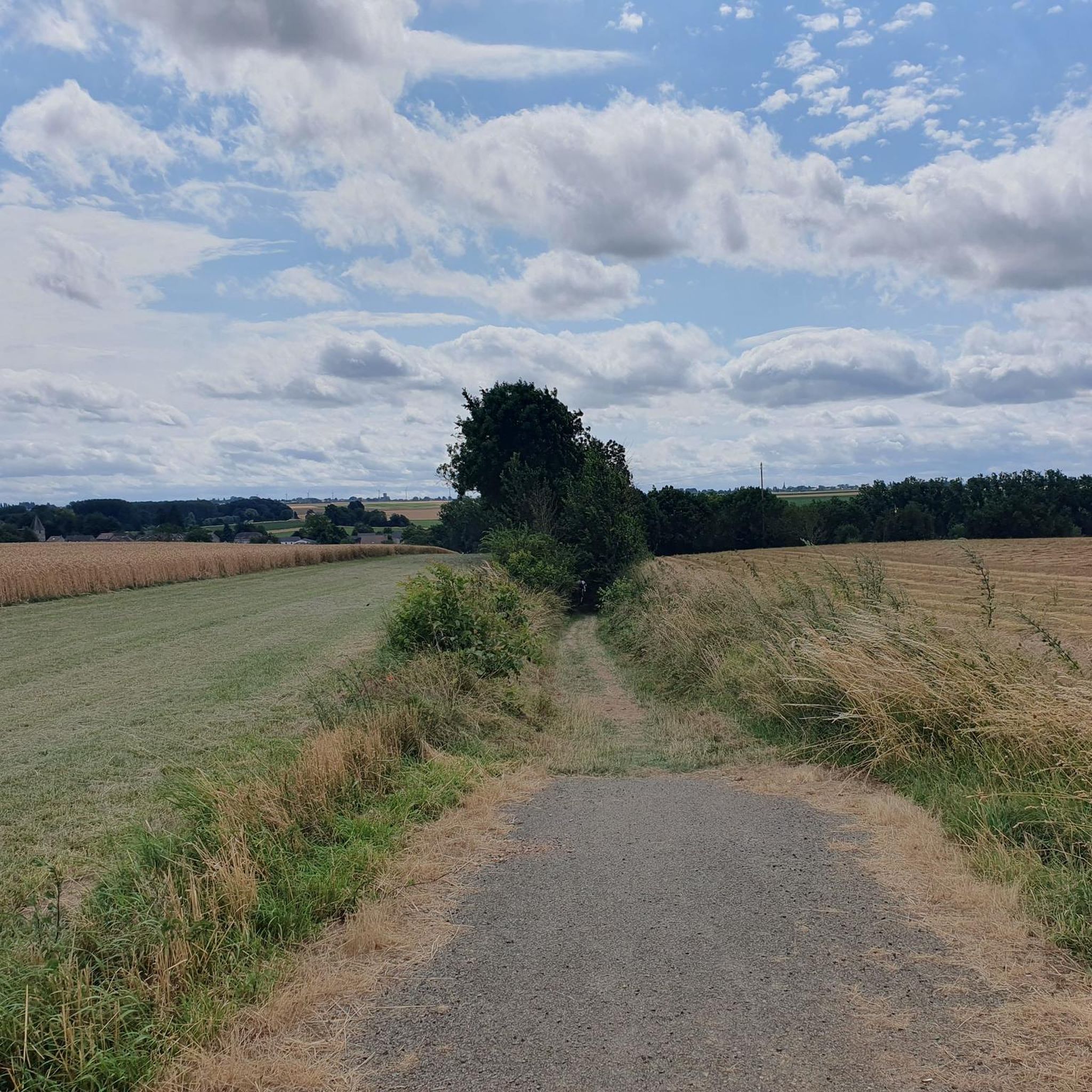
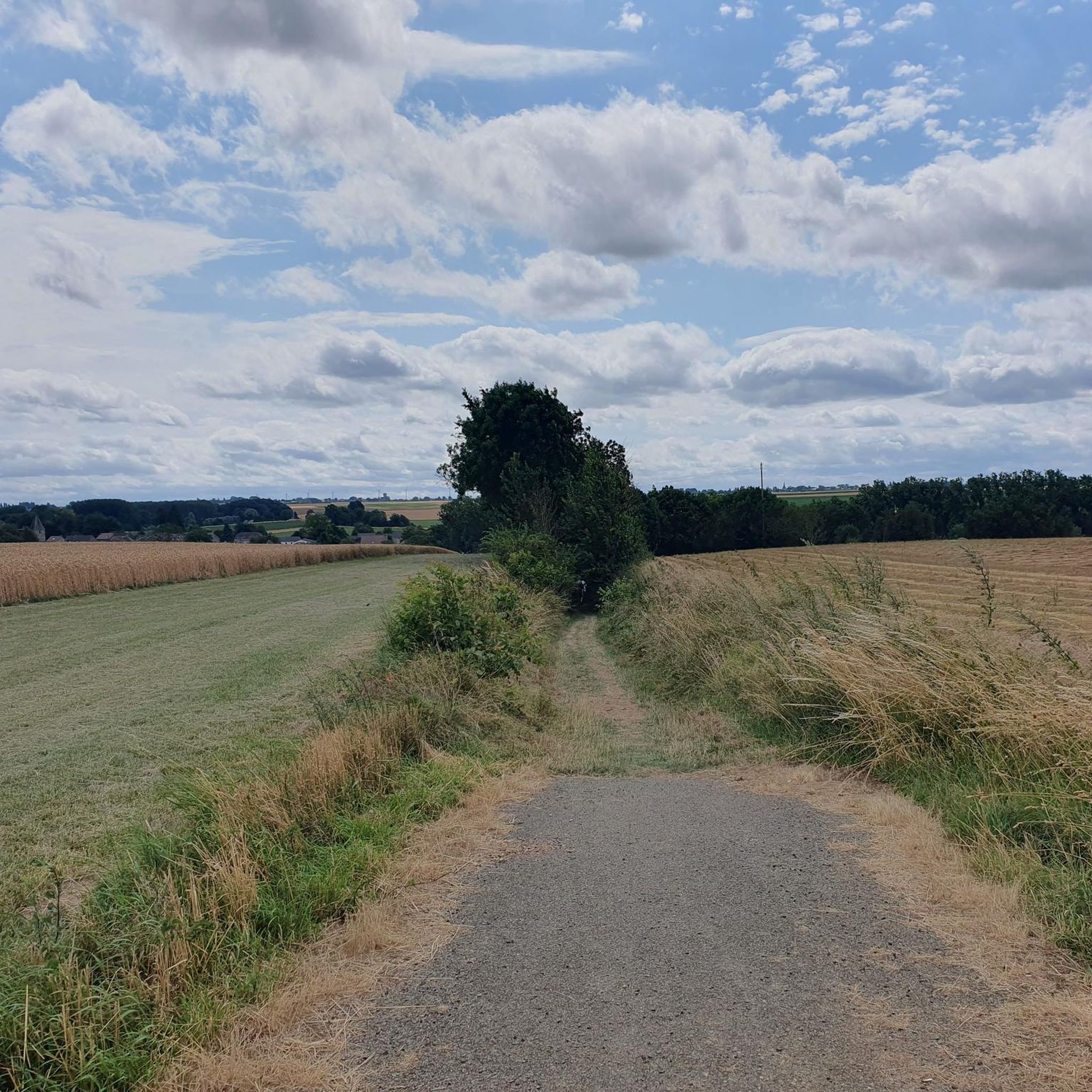
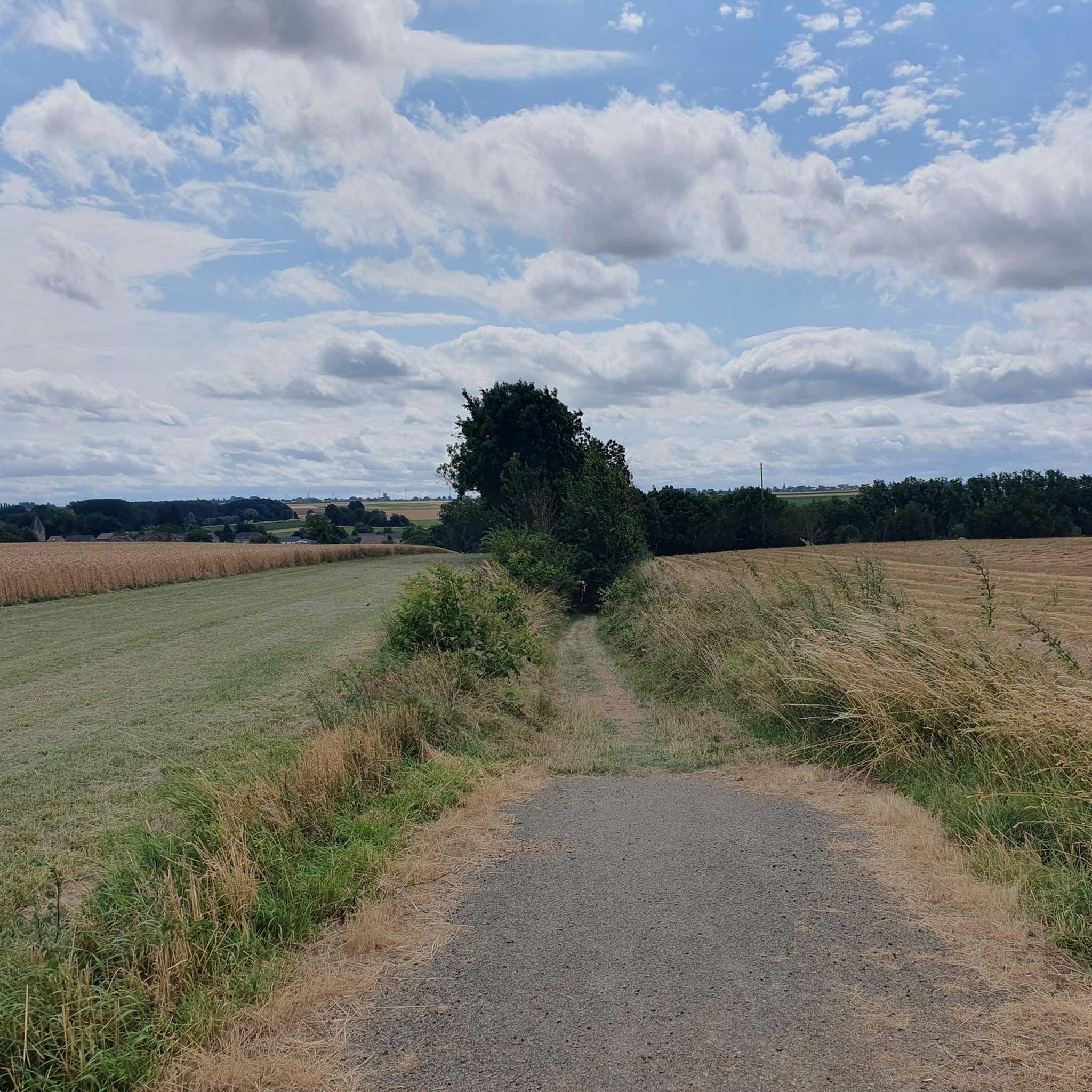
The tumulus of Bortombe is situated on a hill, and anyone who appreciates a listed ancient burial mound (Roman artifacts were found in the tomb) with a listed lime tree on it will have to sacrifice paved walking paths. But that's the case for most walks in the area, and it doesn't bother me. It's always nice to have a bench and enjoy the views.
4
0
The monumental character of the tumuli and their location along a main road to Tongeren served to display the power and wealth of the deceased. This road remained a major traffic artery for several centuries after the Roman era, meaning that passersby were constantly confronted with the monumental mounds. Over time, however, it lost its original purpose as a burial monument, and the area around the three tombs was used for various other purposes. In the first half of the 15th century, the tumuli came into the possession of the Dukes of Brabant, who established a rabbit warren there under the supervision of a gamekeeper, the so-called tombhueder. This person's job was to capture the numerous rabbits and foxes on the estate in exchange for rye. Around 1403-1404, the hunt was placed under the supervision of a warantmeester. In 1450, Philip of Burgundy decided to lease the three tumuli to the city of Tienen, which in turn leased the tumuli, along with the nearby fields, as parcels of land. Those who acquired them had to pay a tax to the duke for exterminating the rabbits. Later, the tumuli became the property of the local Table of the Holy Spirit (a civic institution that cared for the poor). When the Table of the Poor was closed in 1796, its management passed to the directors of the newly established Tienen charity office. Attention to the tumuli themselves gradually revived due to a renewed interest in ancient culture during the 16th and 17th centuries. For example, in the 16th century, the Zaventem tumulus was completely excavated in the presence of Emperor Charles V to reveal its rich grave contents. But it wasn't only scholars and prominent figures who became interested in ancient objects; itinerant soldiers also sought their share of the loot. Thus, many tumuli were sought out by treasure hunters, including the Grimde tumuli. Inventory of Immovable Heritage: Grimde Tumuli https://id.erfgoed.net/erfgoedobjecten/301309
4
0

Tumulus is the Roman term for a burial mound built over the cremation grave of a prominent citizen.
5
0
Tumulus is the Roman term for a burial mound built over the cremation grave of a prominent citizen.
5
0

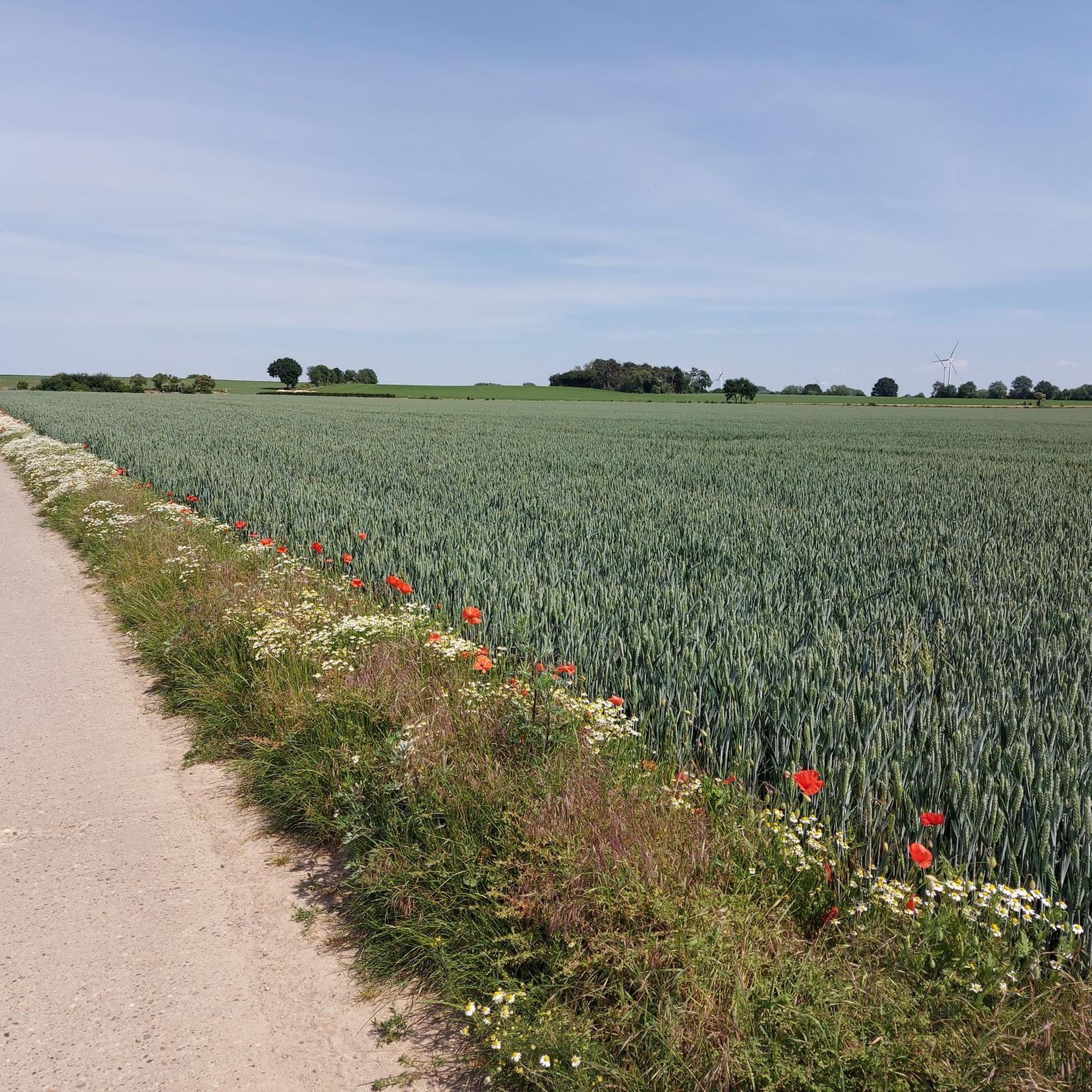
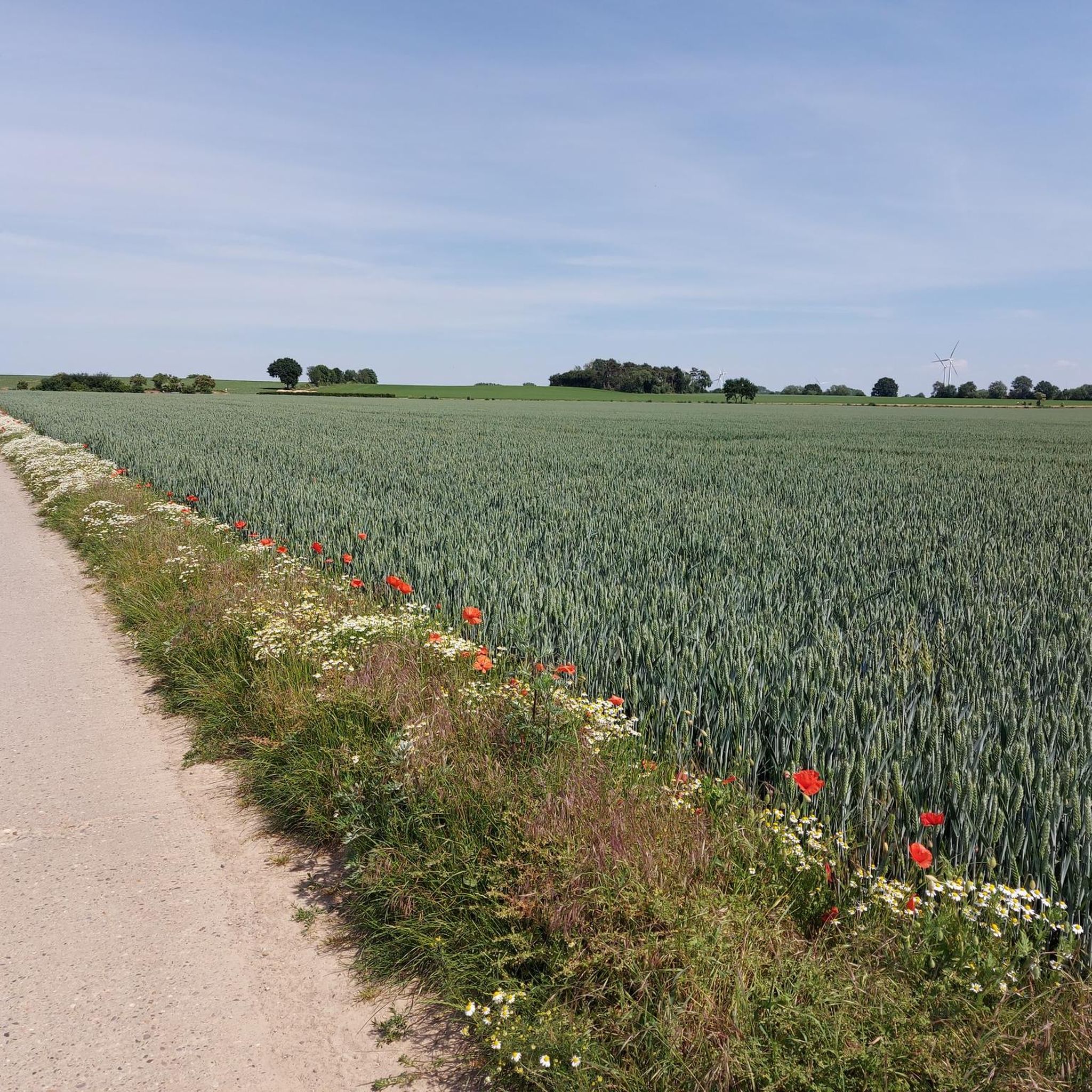
This fertile region was clearly a chosen area for Gallo-Roman villa builders. At a good 2.5 km apart you will find 3 tumili sites. Here the 2 Tommen van Vorsen.
3
0
'Tommen' as the Gallo-Roman tumuli are called here. Here 3 next to each other, which is rather rare. 'Tommeke, Tommeke, Tommeke' so :-)
3
0
Frequently Asked Questions
What types of natural monuments can I explore around Lincent?
The natural monuments around Lincent primarily feature Gallo-Roman burial mounds set within scenic, rolling landscapes, blending historical significance with natural beauty. Examples include the Twee Tommen Gallo-Roman Burial Mounds and the Drie Tumuli of Grimde. Beyond these, the broader Hesbaye region offers diverse ecosystems like hay meadows and nature reserves, such as the Hay meadow in De Beemden near Landen, known for its rich biodiversity.
Are there family-friendly natural monuments in the Lincent area?
Yes, several natural monuments around Lincent are family-friendly. The Gallo-Roman burial mounds, such as the Three Tommen Gallo-Roman Burial Mounds and the Tumulus of Bortombe, are set in open landscapes suitable for walks. Additionally, the archaeological site of Sinte-Gitter offers an adventure park experience with obstacles and historical elements, though it's advisable to check seasonal conditions as it can be flooded in winter.
What kind of wildlife can I observe at the natural monuments near Lincent?
The natural areas around Lincent, especially reserves like the Hay meadow in De Beemden, are rich in wildlife. You can spot various bird species such as woodpeckers, golden orioles, reed warblers, sedge warblers, and kingfishers. The pure groundwater in ponds supports aquatic life including large yellow-edged water beetles and dragonflies. In summer, numerous butterfly species can be observed.
What are the best times to visit the natural monuments around Lincent?
The best time to visit the natural monuments around Lincent is generally during the spring and summer months. This allows you to fully appreciate the unique flowers and plants that emerge on the burial mounds, and to observe the diverse wildlife, including numerous butterfly species. The Hay meadow in De Beemden is particularly vibrant during these seasons. Some sites, like Sinte-Gitter, may be less accessible in winter due to potential flooding.
Are there hiking opportunities near the natural monuments in Lincent?
Yes, the Hesbaye region, where Lincent is located, offers excellent opportunities for hiking. You can find various trails that pass by or lead to these natural monuments. For more detailed routes, explore the Hiking around Lincent guide, which includes easy to moderate trails like the 'Old water pump loop from Lincent' and the 'Nice hiking trail – Grand-Hallet Church loop from Lincent'.
Can I go running or cycling near the natural monuments?
Absolutely. The gently rolling fields and greenways of the Hesbaye region are ideal for both running and cycling. For running enthusiasts, the Running Trails around Lincent guide offers routes like the 'Petit Hallet Gravel Path' and 'View of Tombe – Racour Station loop'. If you prefer cycling, especially gravel biking, check out the Gravel biking around Lincent guide for routes such as the 'Jonas Vlayenpad – Zoutleeuw Town Center loop'.
What makes the Gallo-Roman burial mounds around Lincent unique?
The Gallo-Roman burial mounds around Lincent are unique for several reasons. They are well-preserved historical sites, some featuring multiple interconnected mounds like the Drie Tumuli of Grimde, which are exceptional due to their rich burial contents and location along a historic Roman highway. Objects found at sites like the Three Tommen Gallo-Roman Burial Mounds are even displayed in the Royal Museum of Art and History in Brussels, highlighting their archaeological significance.
Are the trails around Lincent's natural monuments difficult?
The trails around Lincent's natural monuments and within the Hesbaye region are generally not considered difficult. Many routes, such as those found in the Hiking around Lincent guide, are rated as easy to moderate, making them accessible for a wide range of visitors. The landscape is characterized by gently rolling fields, offering pleasant walks rather than challenging climbs.
What is the Réserve naturelle de la Vallée de la Bacquelaine?
The Réserve naturelle de la Vallée de la Bacquelaine, located within Lincent, is a significant natural site managed by Natagora. It's dedicated to fostering biodiversity within the characteristic Hesbaye landscape. Its development includes the restoration of calcareous grasslands, contributing to the area's ecological richness and providing a serene setting for nature appreciation.
What should I wear when visiting the natural monuments?
Given the gently rolling landscapes and potential for walks, comfortable walking shoes are recommended. During spring and summer, light clothing is suitable, but it's always wise to bring layers as weather can change. If visiting in cooler or wetter seasons, waterproof outerwear and sturdy footwear would be beneficial, especially since some areas might be muddy or, as in the case of Sinte-Gitter, potentially flooded.
Are there any hidden natural gems in the Lincent region?
While the Gallo-Roman tumuli are well-known, the broader Hesbaye region offers many serene natural settings. The Hay meadow in De Beemden, though slightly outside Lincent, is a significant natural haven with diverse flora and fauna. Exploring the numerous hollow roads and greenways throughout the Hesbaye landscape can also lead to discovering tranquil spots and local biodiversity away from more frequented paths.
What do visitors enjoy most about the natural monuments around Lincent?
Visitors particularly enjoy the blend of history and nature offered by the sites. The well-maintained Gallo-Roman burial mounds, like the Twee Tommen Gallo-Roman Burial Mounds, provide an opportunity to connect with ancient history while enjoying the beautiful rolling landscapes. The peaceful atmosphere, opportunities for walks, and the chance to observe local wildlife are also highly appreciated.
Most popular routes around Lincent
Most popular attractions around Lincent

Get inspired with the komoot mobile app


Explore more
Extend your search for the best caves by checking out these guides of the top ones around Lincent:
