Top 20 Natural Monuments around Rumst
Natural monuments around Rumst are characterized by its unique riverine landscapes and the historical impact of its clay extraction industry. Situated at the confluence of the Nete, Dijle, and Rupel rivers, the region features distinctive natural areas. These sites offer opportunities to explore diverse ecosystems and appreciate the interplay between nature and local heritage.
Best natural monuments around Rumst
- The most popular natural monuments is Mispeldonk Nature Reserve, a nature reserve that originated on a higher area within a…
Last updated: June 15, 2026
Confluence of the Dijle and Nete = Rupel
Highlight • River
Translated by Google •
Tip by

Mispeldonk Nature Reserve
Highlight • Natural
Translated by Google •
Tip by
Sign up now to discover places like this
Get recommendations on the best single tracks, peaks, & plenty of other exciting outdoor places.
Sign up for free
The Putten van Lacourt
Highlight • Lake
Translated by Google •
Tip by

Pond at Fort III Borsbeek
Highlight • Lake
Translated by Google •
Tip by
Benedenvliet - Schelle
Highlight • River
Translated by Google •
Tip by
Sign up for free to discover even more natural monuments around Rumst.
Sign up for free
Already have an account?
Start today with a free account
Your next adventure awaits.
Login or Signup
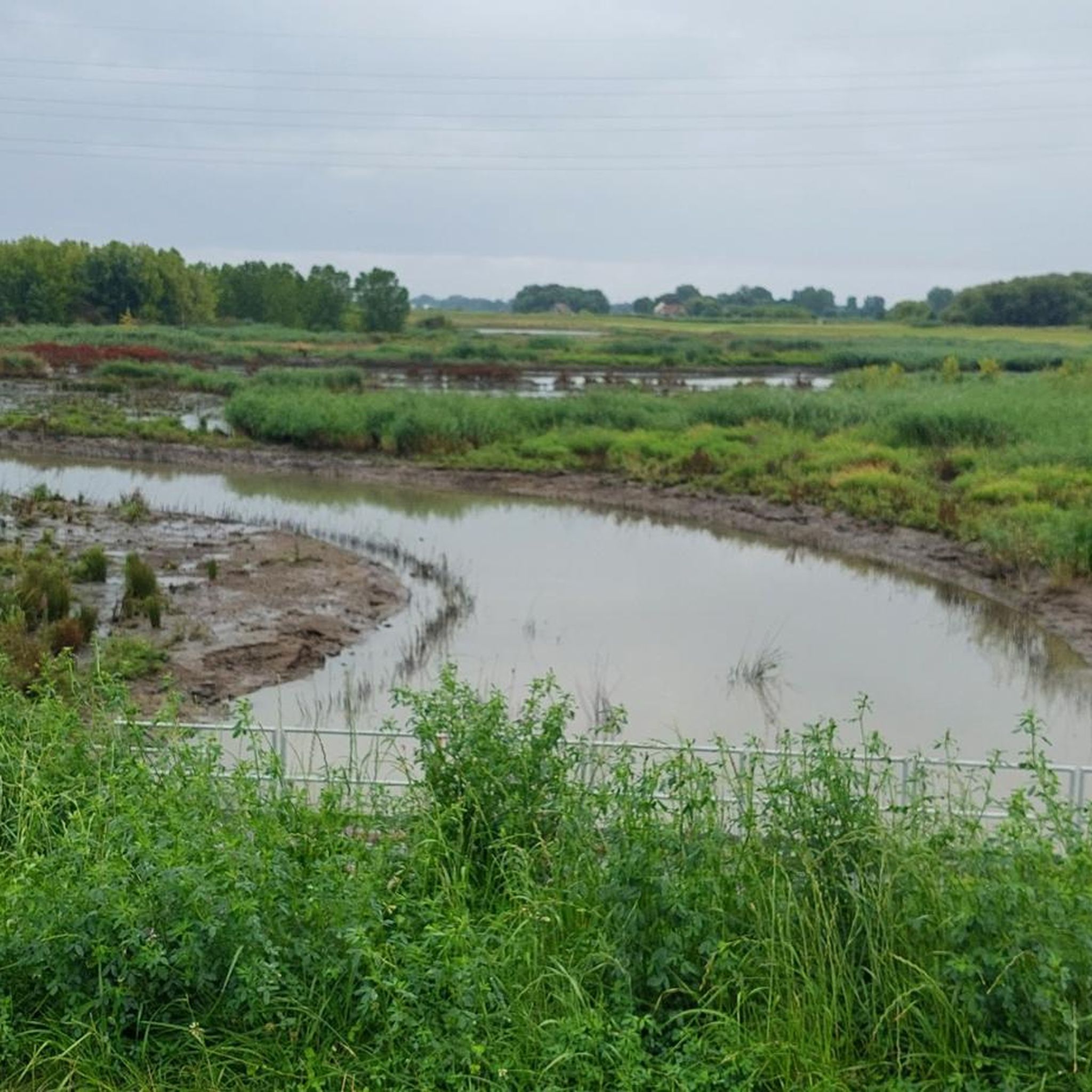
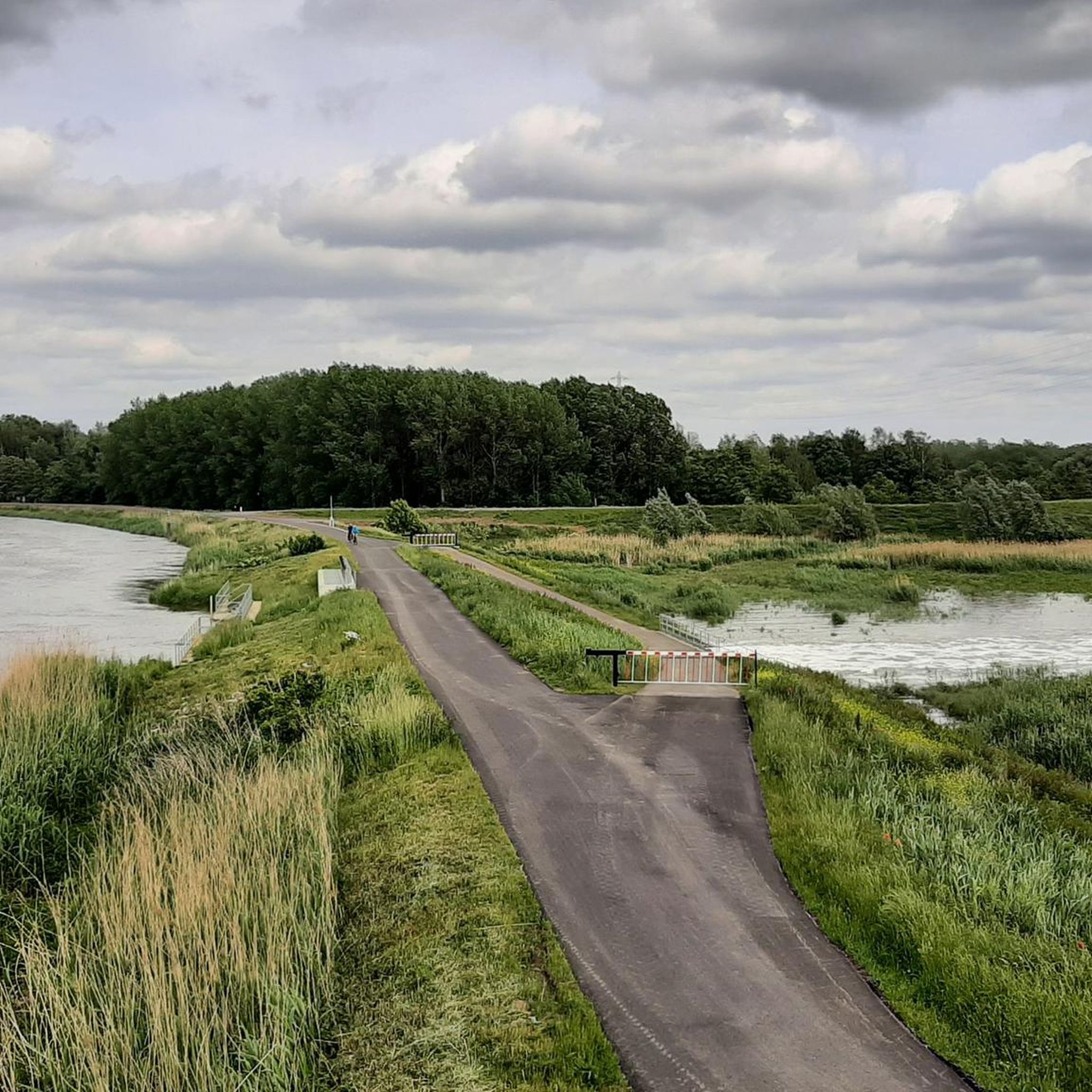
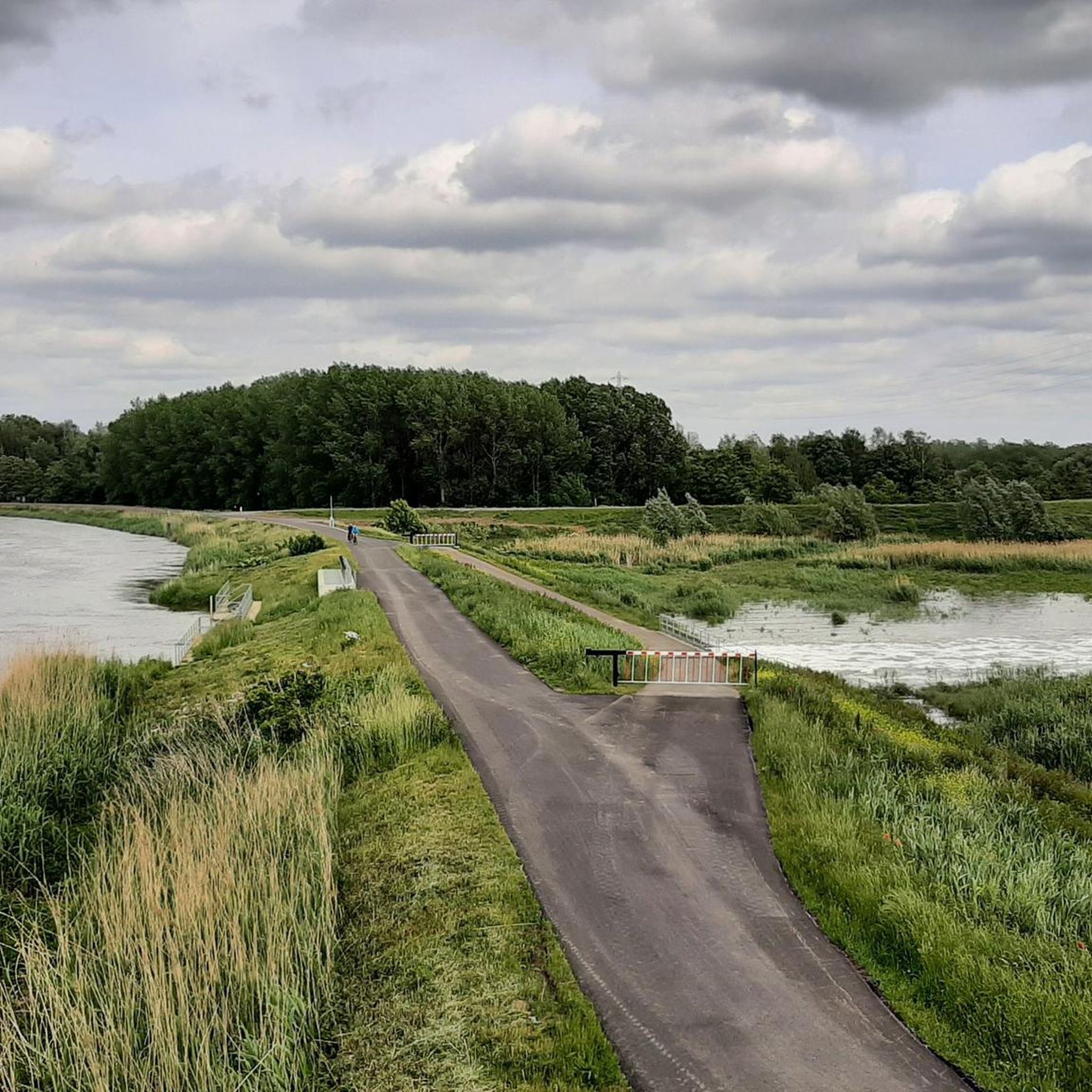
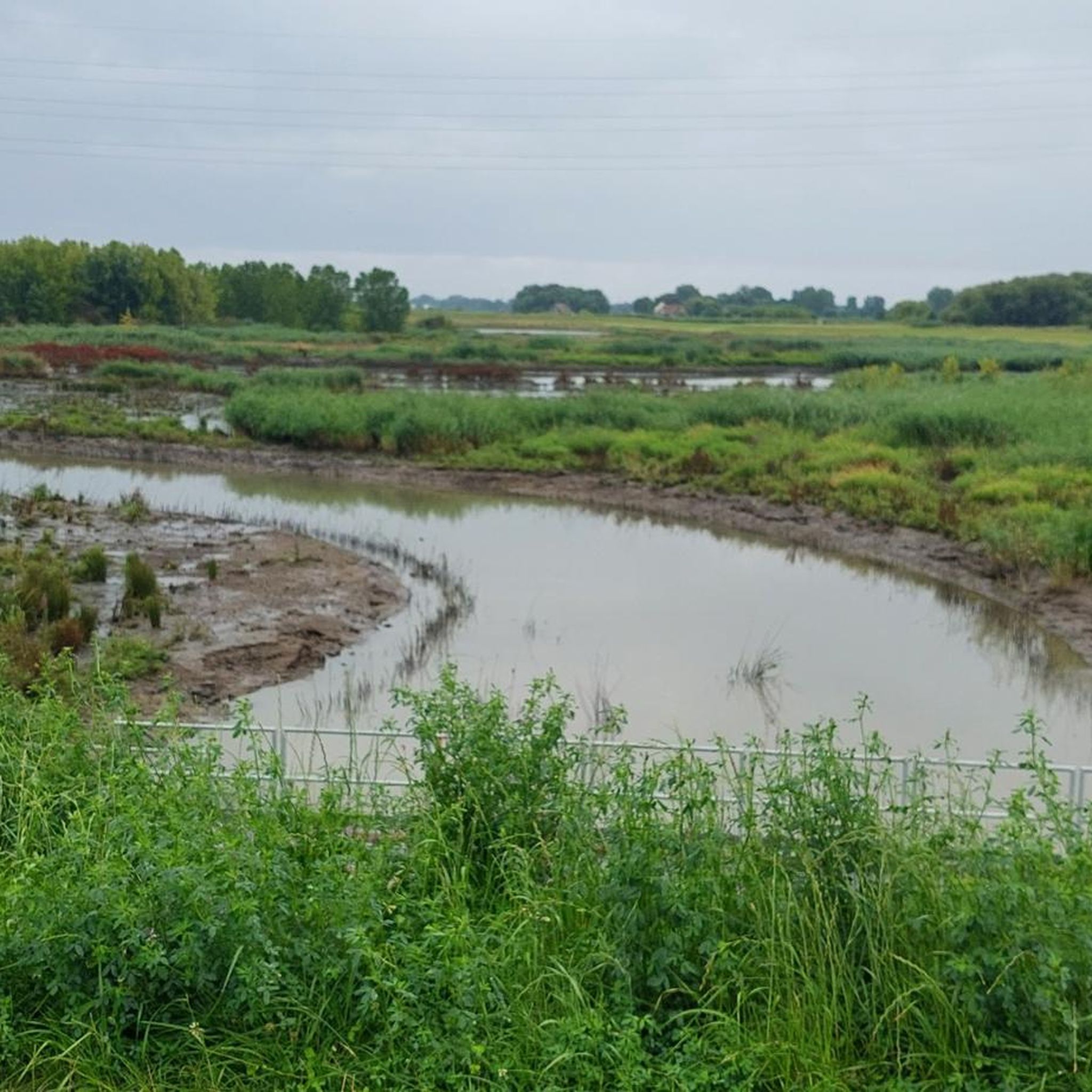
Tips from the Community

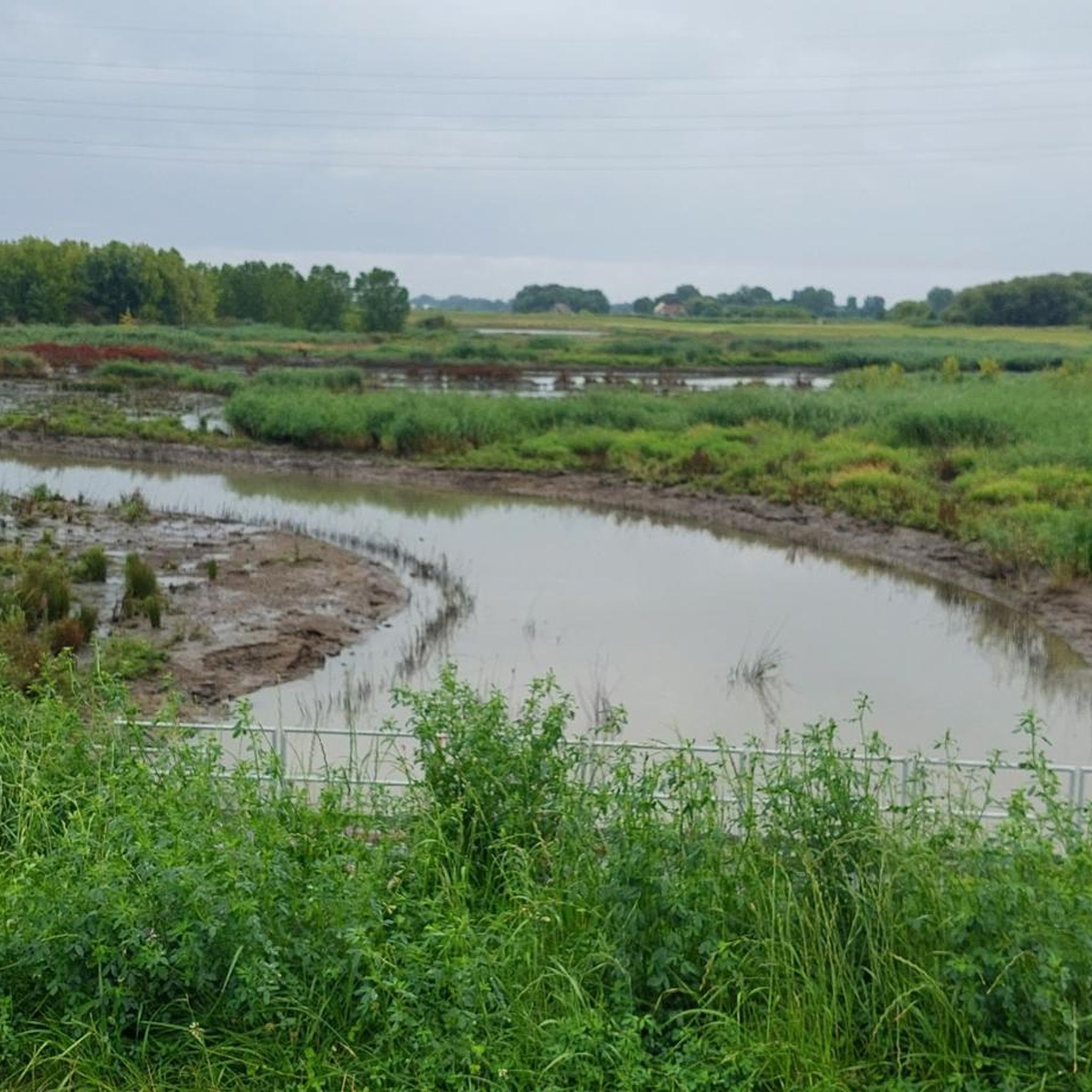
Mispeldonk Nature Reserve is a beautiful and valuable nature reserve in Bonheiden, located in the province of Antwerp. The area is known for its unique ecosystems, rich biodiversity and the natural beauty of the landscape. Here are some key points about Mispeldonk: Location and Size Mispeldonk is located between Bonheiden and the nearby municipality of Rijmenam, along the banks of the Dijle. The area is part of the larger Dijle landscape, which is known for its wet meadows, meandering waterways and rich flora and fauna. Mispeldonk covers approximately 50 hectares and consists of a mix of marshlands, meadows, forests and ponds. Ecological Importance Mispeldonk is a protected nature reserve because of its special ecological value. The area has a typical structure of a flood plain of the Dijle, which makes it an important habitat for many plant and animal species: • Flora: Various rare and protected plant species grow in the area, such as marsh marigolds, cuckoo flowers and water violets. The wet grasslands and marshes provide unique vegetation that is less common elsewhere in the region. • Fauna: Mispeldonk is an important habitat for birds such as the bluethroat, water rail and reed warbler. Amphibians such as the crested newt and the green frog can also be found there. Furthermore, the area is rich in insects, including butterflies and dragonflies, that thrive in the moist environment. Water management The nature reserve plays an important role in local water management. It is located in a flood-prone area along the Dijle and functions as a natural buffer against flooding. In the event of high water levels, the area can collect water and thus help prevent flooding in nearby villages. The nature reserve contributes to the preservation of water quality by filtering and purifying the water through natural processes. Recreation and Experience Mispeldonk is a popular place for nature lovers and hikers. The area is accessible via various hiking trails that lead through the meadows and forests. There are signposted routes that give walkers the chance to explore the diversity of the landscape and enjoy the peace and quiet of nature. Birdwatchers enjoy visiting the area because of the variety of bird species that can be seen, especially during the breeding season and the migratory bird periods. Management and Protection The nature reserve is managed by Natuurpunt, a Belgian organisation that is committed to nature conservation. Natuurpunt carries out management work to protect biodiversity and maintain the landscape. This includes mowing grasslands, removing invasive plant species and maintaining the walking paths. There is collaboration with local farmers for nature-friendly agriculture, whereby meadows are extensively grazed or mowed, so that they remain suitable for meadow birds and rare plants.
7
1


Beautiful walking area in nature
3
0

The "Samenvloeiing van Dijle en Nete = Rupel" is a place in Belgium which is located where the rivers Dijle and Nete join to form the river Rupel. It is located in the Flemish region, in the province of Antwerp, in the city of Rumst. This site is known for its natural beauty and for being a meeting point between the waters of the two rivers. The confluence of the rivers creates a striking and fascinating landscape, with large expanses of water joining and mixing. The area around the Samenvloeiing van Dijle en Nete = Rupel also offers opportunities to enjoy the surrounding nature, with scenic trails and green areas that invite for walks and hikes. It's a popular spot with nature lovers and those looking to spend time outdoors.
5
0

The Fort of Borsbeek is a brick fort from the Antwerp fortification belt. The buildings are an important hibernation site for bats. You can discover the varied nature around the fort via a beautiful walking route. Some parts of Fort Borsbeek are accessible for strollers, but the nature walk itself is not accessible for wheelchair users or strollers. (Nature point)
13
0
Always nice to walk on such a butterfly path without the risk of getting wet feet.
12
0
Watch out for rainy weather. The paths can be under water.
8
0

The Mispeldonk nature reserve originated, as the name suggests, on a higher area (donk) within a former meander of the Dijle. The residents of the historic Mispeldonk farm, which was already mentioned as a fief in the 14th century, were confronted with the former course of the river during wet winters. The original heathland on the donk and the sandy valley edges had been lost. Thanks to targeted nature management, heather is now growing again and insects that are tied to sandy soil have also found their way: bee and wasp species, sand tiger beetles. The hedge edges with, among other things, blackthorn are also striking. The Boeimeerbeek, the common thread through the area, is the habitat for the kingfisher. The grasslands are a paradise for butterflies and grasshoppers... Source: https://www.natuurpunt.be/agenda/natuurwandeling-mispeldonk-bonheiden-28582
10
0
Frequently Asked Questions
What unique natural features define the landscape around Rumst?
The natural landscapes around Rumst are primarily shaped by the confluence of the Nete, Dijle, and Rupel rivers, creating distinctive riverine environments. The region's history of clay extraction has also left its mark, resulting in unique clay pit landscapes and former industrial sites transformed into green spaces. You'll find a mix of flood areas, nature reserves, and serene waterways.
What are some lesser-known natural areas worth visiting near Rumst?
Beyond the well-known spots, consider exploring De Schorre in Boom, a provincial recreation domain built on a former clay pit, known for its unique landscape and the magical troll figures. The hamlet of Walem also offers natural beauty, including the Roosendael estate along the River Nete, which is excellent for birdwatching and plant observation.
Are there family-friendly natural attractions around Rumst?
Yes, several natural areas are suitable for families. De Schorre is particularly family-friendly, featuring walking paths, recreational ponds, and the popular giant troll sculptures. The Confluence of the Dijle and Nete = Rupel offers open spaces and scenic views for a pleasant family outing. Many of the riverine paths are also suitable for gentle strolls with children.
What kind of wildlife can I expect to see in Rumst's natural monuments?
The diverse ecosystems around Rumst support various wildlife. In areas like Mispeldonk Nature Reserve, you might spot kingfishers along the Boeimeerbeek, as well as various butterflies and grasshoppers in the grasslands. Fort Walem is a crucial sanctuary for hibernating bats, and the Roosendael estate is known for rare birds and plants.
What outdoor activities can I do near these natural monuments?
The region around Rumst is excellent for various outdoor activities. You can enjoy hiking, cycling, and running on numerous trails. For instance, there are many routes for hiking around Rumst, including paths through old clay extraction areas. Cyclists can explore the riverine landscapes on routes like the Zennegat – Zennegat Lock loop. There are also dedicated running trails, such as those in Boom Municipal Park.
Are there historical sites integrated with the natural monuments?
Yes, the region beautifully blends natural beauty with historical significance. For example, Fort Walem, a relic from World War I, has become a peaceful natural oasis and a protected bat sanctuary. Similarly, the Pond at Fort III Borsbeek is part of an older fort, offering both natural views and historical context. The clay pit landscapes themselves are remnants of the area's industrial past.
What are the best places for birdwatching around Rumst?
Birdwatchers will find several rewarding spots. Mispeldonk Nature Reserve is known for species like the kingfisher, bluethroat, water rail, and reed warbler. The Roosendael estate in Walem, situated along the River Nete, is also an excellent location to observe rare birds and plants.
Can I find easy walking trails suitable for beginners or casual strolls?
Absolutely. Many of the paths along the rivers and through the transformed clay pit areas are relatively flat and easy, perfect for casual walks. For example, the Old clay extraction area – De Kleiputten Terhagen loop is an easy hiking option. The provincial domain of De Schorre also offers miles of accessible walking paths.
What is the best time of year to visit the natural monuments around Rumst?
The natural monuments around Rumst can be enjoyed year-round, but spring and autumn often offer the most pleasant experiences. Spring brings blooming flora and active wildlife, while autumn showcases beautiful fall foliage along the riverbanks. Summer is great for longer days and outdoor activities, though some paths might be wet after rain, especially near The Putten van Lacourt.
Are there any natural areas that serve as flood protection?
Yes, the region incorporates controlled flood areas that serve both as natural monuments and vital flood protection. The Zennegat Flood Area, for instance, is part of a system designed to guarantee safety for residents while also providing valuable habitats for rare plants and animals, featuring gullies, mudflats, and salt marshes.
What do visitors enjoy most about the natural monuments in Rumst?
Visitors particularly appreciate the unique blend of riverine landscapes and the historical impact of the clay extraction industry. The transformation of industrial sites into lush natural spaces, the serene beauty of the river confluences, and the rich biodiversity in reserves like Mispeldonk Nature Reserve are frequently highlighted. The community has upvoted the highlights in this guide 199 times and shared 38 photos, reflecting their appeal.
Can I explore the natural monuments by bike?
Yes, cycling is a popular way to explore the natural landscapes around Rumst. There are numerous cycling routes that take you through scenic areas, including paths along the rivers and through former clay pits. You can find various cycling routes around Rumst, such as the 't Steencaycken – Rupelklei Museum loop, which allows you to experience the interplay of nature and industrial heritage.
Most popular attractions around Rumst

Get inspired with the komoot mobile app


Explore more
Extend your search for the best caves by checking out these guides of the top ones around Rumst:
