Top 12 Natural Monuments around Estinnes
Best natural monuments around Estinnes offer valuable ecological interest and opportunities for nature appreciation within the Walloon region of Belgium. The area features significant nature reserves known for their biodiversity, particularly birdlife, and remnants of ancient forests. These natural sites provide peaceful settings for observing diverse plant and animal life. Estinnes's natural landscape is characterized by its historical ecological value and varied terrain.
Best natural monuments around Estinnes
- The most popular natural monuments is View from the Terril de l'Héribus…
Last updated: June 28, 2026
Hyon Waterfall and Ponds
Highlight • Waterfall
Translated by Google •
Tip by

Hanging gardens
Highlight • Historical Site
Translated by Google •
Tip by

Sign up now to discover places like this
Get recommendations on the best single tracks, peaks, & plenty of other exciting outdoor places.
Sign up for free
The Neolithic Menhir
Highlight • Monument
Translated by Google •
Tip by
View from the Terril de l'Héribus
Highlight • Viewpoint
Translated by Google •
Tip by
Terril Calvaire 2 (204m)
Highlight (Segment) • Summit
Translated by Google •
Tip by
Sign up for free to discover even more natural monuments around Estinnes.
Sign up for free
Already have an account?
Start today with a free account
Your next adventure awaits.
Login or Signup

Tips from the Community

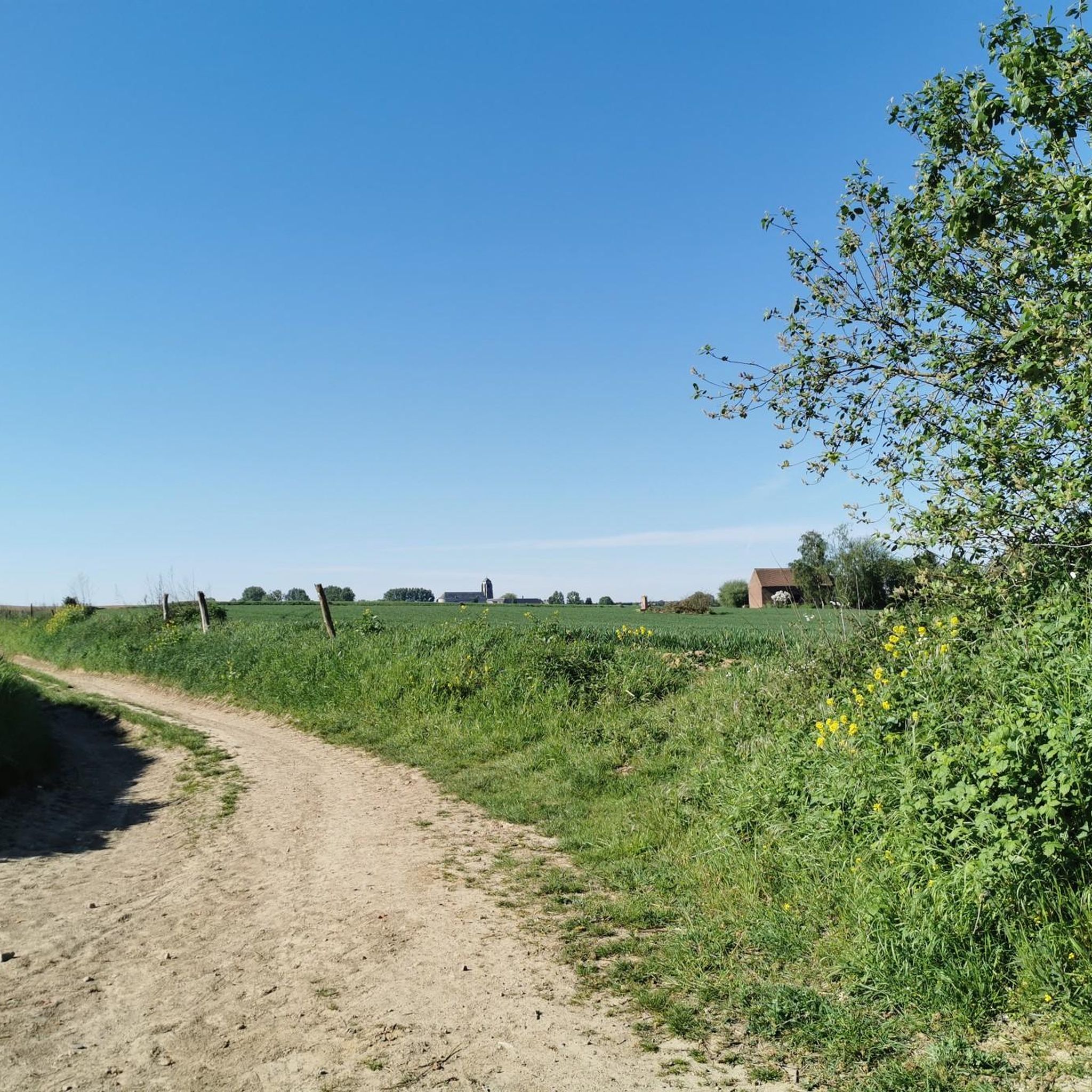
When I was still "able-bodied", I climbed it several times... The climb is also well laid out as a staircase with railway "balls"... Once at the top, you can enjoy a splendid view of Mons (in particular of Sainte Waudru) as well as of Hyon and in particular, its church with its greenish bell tower.
1
2

Hello everyone, very nice course, very practicable, for those who want to climb to the top, they will discover a superb view of all the surroundings, it's worth a look, really happy because it's worth it, good walk to all and make the most of all these beautiful places around us 😉
1
0

Want some super steep gravel climbing? This terril offers 25% or more! Great view on the town of Mons
1
0

The long slope is doable, she also goes straight to straight. The descent, however, is a different soup... Good luck!
5
0
The Calvaire slag heap is covered with beautiful pioneer vegetation.
5
0

It is at the confluence of the Trouille and the Nouvelles river that this waterfall bridge was born. Originally there was a mill, which was turned into a tannery after the First World War. Today it is a bucolic place surrounded by nature.
2
0
By definition, a menhir is a vertical standing stone during the Neolithic era. The menhir of Saint-Symphorien, 2m50 high, 1m30 wide, weighing 2500 kg, also served as a Neolithic ribbon brush for flint tools. It was discovered in 1860 by Mr. Piscart, a farmer who broke his ploughshare while plowing his field, located at the end of the Violette path, on the border of Harmignies. The menhir was then excavated to stand in the park of the Maigret de Priches castle, where it remained for 90 years. On October 17, 1951, the megalith was presented by Miss Emmy Maigret de Priches to the city of Mons. At the request of the Sint-Symphorien Brotherhood, he was reinstalled on March 20, 2007 in the village. http://www.confrerie-saint-symphorien.be/?page_id=307
8
0
If you've been dreaming of climbing a slag heap all your life, go to the Héribus slag heap... It was the last mine in the Borinage that opened its doors (1918) only to close them 50 years later. Nothing remains of the factory chimneys and shaft trestles. Below you can see a concrete transport tower. The slag heap – 138 meters high – is a beautiful piece of nature. Several hiking trails lead to the top. First you stroll between the birch trees. Then the color of the soil changes and it becomes increasingly spicy. Only do the walk with sturdy footwear and preferably not alone. Above, a coal car rests on a rusted rail. You have a 360° view of the surroundings. The belfry of Mons and the boat lift of Strépy-Thieu are at your feet. A nice spot to relax or have a picnic. If you get hot, it's not just because of the effort. The coal remains still radiate heat. Insiders claim that the temperature in a slag heap can reach up to 2,000° C and that - after digging a well - you can boil an egg there without blinking. https://www.parkoers.be/terril-van-heribus/
5
0
Frequently Asked Questions
What kind of natural features can I discover around Estinnes?
Estinnes offers a variety of natural features, including significant nature reserves, ancient forests, and unique historical sites with natural elements. You can explore wetlands, reed beds, and woodlands, which are home to diverse plant and animal life. Highlights include the Hyon Waterfall and Ponds, a bucolic spot with a water cascade, and the Hanging gardens, a historical site with a unique microclimate supporting special flora.
Are there good spots for birdwatching in Estinnes?
Yes, Estinnes is an excellent area for birdwatching, particularly within the Estinnes Nature Reserve. The Étang de la Marlière is a vital breeding, migratory stopover, and wintering ground for numerous bird species like coots, mallards, and little grebes. The Roselière du Ruisseau d'Estinnes is a haven for warblers, sedge warblers, and reed buntings, especially in spring.
Where can I experience ancient forests in the Estinnes region?
You can experience an ancient, relatively undisturbed ecosystem at the Bois de Pincemaille. This extensive forest, a remnant of the ancient 'forêt charbonnière,' offers opportunities for hiking and appreciating the region's historical natural landscape. It's largely untouched by human disturbance and features mixed oak forests with bluebells.
What are some family-friendly natural monuments to visit in Estinnes?
For families, the Hyon Waterfall and Ponds provides a beautiful spot for a break with a small park and benches. The Mayeur Garden, located behind the town hall, is another pleasant, relaxing place. Additionally, the Neolithic Menhir offers an interesting historical natural monument that can be enjoyed by all ages.
Are there any viewpoints offering panoramic views of the area?
Yes, the View from the Terril de l'Héribus is an exceptional slag heap with steep but well-equipped paths. From the top, you can experience a 360° view of the surroundings, including the belfry of Mons and the boat lift of Strépy-Thieu.
What kind of plant life can I expect to see in Estinnes's natural monuments?
Estinnes is rich in diverse plant life. At the Étang de la Marlière, you might find remarkable species like aquatic hemlock, reddish foxtail, and sea dock during dry periods. The Bois de Pincemaille is known for its mixed oak forests with bluebells and hosts the rare and strictly protected bulbous plant, Gagea spathacea.
What outdoor activities can I do near these natural monuments?
Beyond exploring the natural monuments themselves, the Estinnes region offers various outdoor activities. You can find numerous routes for road cycling, running, and general cycling. For example, there are moderate road cycling loops like the "Abbey of Bonne-Espérance – Bois de Peissant loop" and running trails such as the "Abbey of Bonne-Espérance loop from Estinnes." You can find more details on these activities in the Road Cycling Routes around Estinnes, Running Trails around Estinnes, and Cycling around Estinnes guides.
Is there a good time of year to visit the natural monuments in Estinnes?
Spring is particularly rewarding for birdwatching, as many species nest in the reed beds of the Estinnes Nature Reserve. Autumn and winter also offer opportunities to observe migratory birds. For appreciating the unique flora like bluebells, spring is ideal. The Bois de Pincemaille is suitable for hiking throughout the year, though sturdy footwear is recommended, especially in wetter conditions.
Are there any historical natural monuments in the area?
Yes, the Hanging gardens in Thuin are a unique historical site in Belgium, featuring terraces that create a microclimate for special fauna and flora. The Neolithic Menhir is another significant historical natural monument, a vertical standing stone from the Neolithic era.
What do visitors enjoy most about the natural attractions in Estinnes?
Visitors particularly appreciate the peaceful settings for birdwatching, the opportunity to observe diverse plant life, and the chance to experience remnants of ancient forests. The unique historical elements combined with natural beauty, such as the Hanging gardens and the View from the Terril de l'Héribus, are also highly regarded for their distinct character and views.
Are there any planned developments to enhance accessibility to natural sites?
Yes, there are plans to develop and enhance the banks of the Ruisseau d'Estinnes with a 2 km pedestrian path. This development aims to make the Roselière du Ruisseau d'Estinnes more accessible for tranquil walks and nature observation, further improving the visitor experience in the Estinnes Nature Reserve.
Most popular routes around Estinnes
Most popular attractions around Estinnes

Get inspired with the komoot mobile app


Explore more
Extend your search for the best caves by checking out these guides of the top ones around Estinnes:
