Top 20 Natural Monuments around Hamme
Best natural monuments around Hamme are shaped by the Durme and Scheldt rivers, offering diverse natural areas. The region features unique ecological value, including riverine landscapes, former peat pits, and nature reserves. These areas provide opportunities for outdoor activities and observation of local flora and fauna. Hamme and its surroundings present a blend of geological history and natural features.
Best natural monuments around Hamme
- The most popular natural monuments is Hennenput Pond, Buggenhoutbos, a lake that serves as an…
Last updated: June 28, 2026
Geographical Center of Flanders
Highlight • Monument
Translated by Google •
Tip by

Duck Decoy and Keeper's Cottage Donkmeer
Highlight • Historical Site
Translated by Google •
Tip by

Sign up now to discover places like this
Get recommendations on the best single tracks, peaks, & plenty of other exciting outdoor places.
Sign up for free
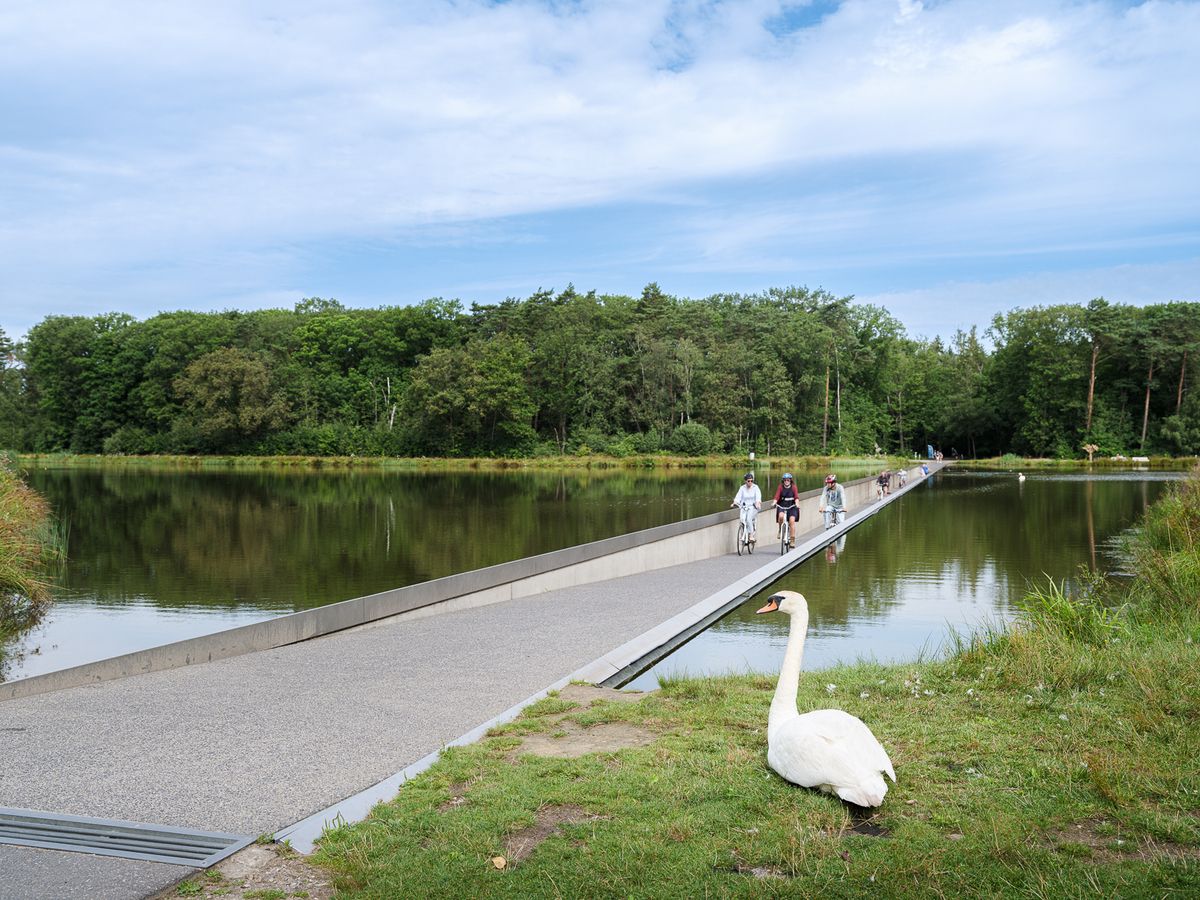
Hennenput Pond, Buggenhoutbos
Highlight • Lake
(Nature point)
Translated by Google •
Tip by
Beautiful view of Hof te Melis
Highlight • Castle
Translated by Google •
Tip by
Hingenewiel
Highlight • Lake
Translated by Google •
Tip by
Sign up for free to discover even more natural monuments around Hamme.
Sign up for free
Already have an account?
Start today with a free account
Your next adventure awaits.
Login or Signup
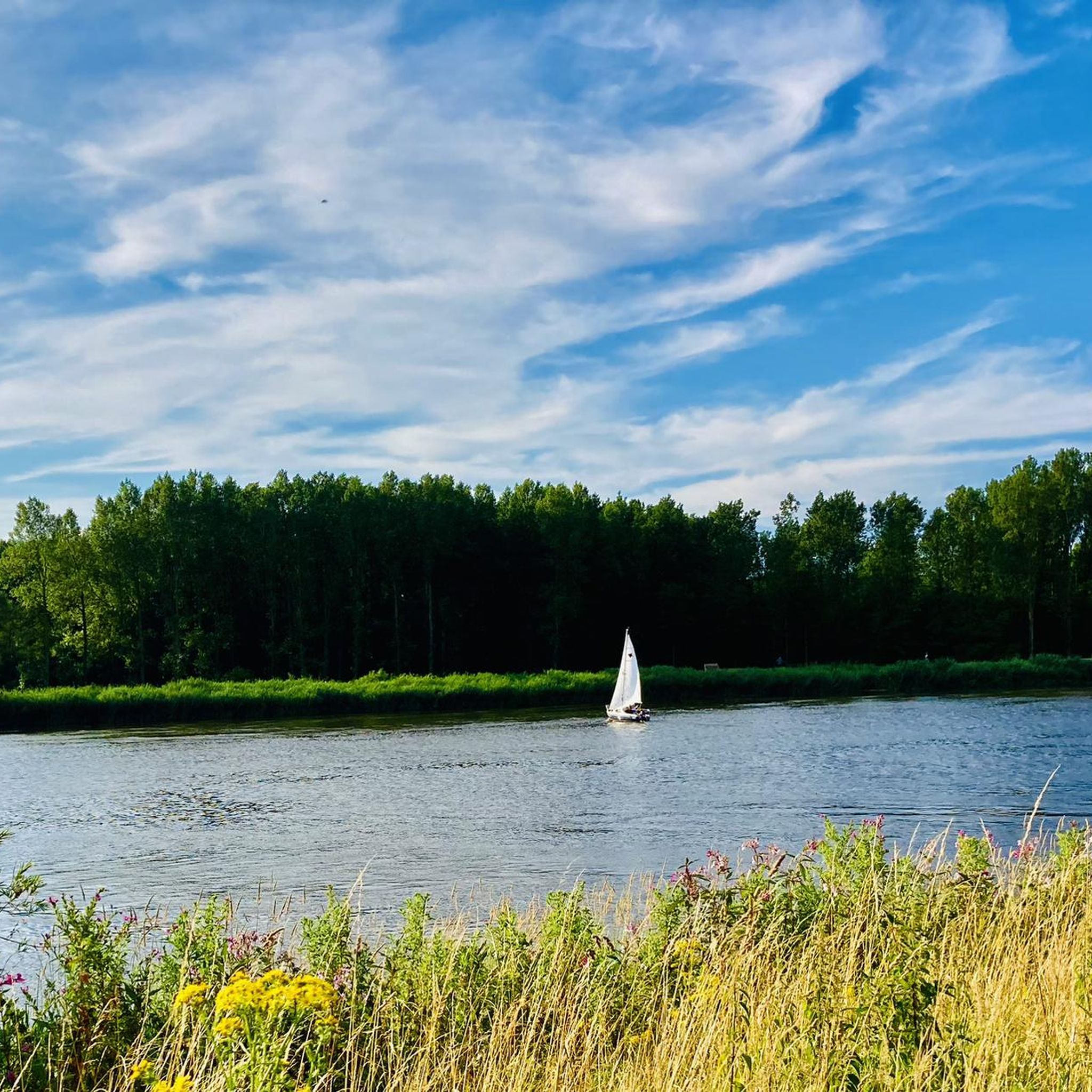
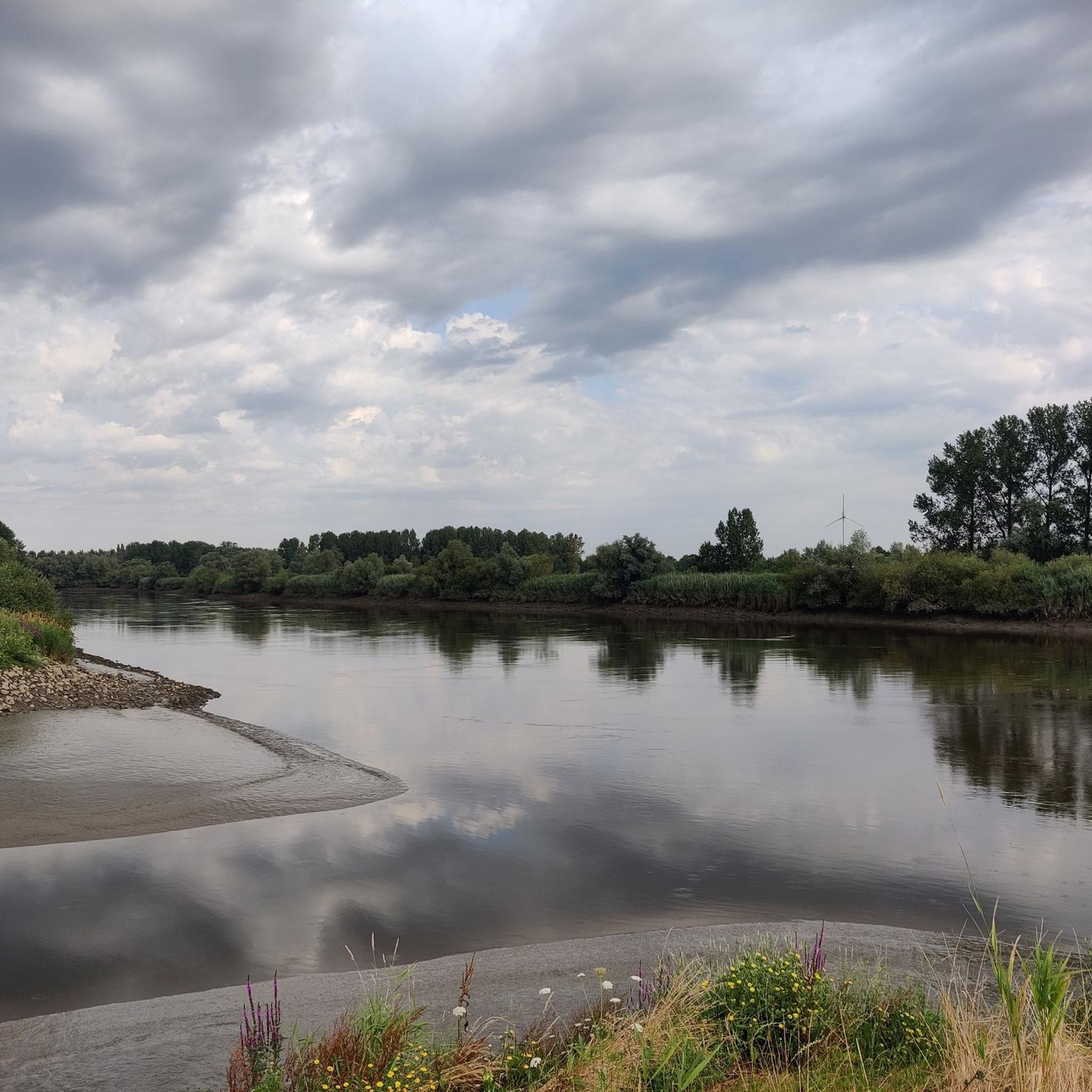

Other adventures around Hamme

Tips from the Community

Simply beautiful castle and forest
2
1

It is good to know where the center is in Flanders. Well, this is not the political center of Flanders, but the geographical center.
5
0

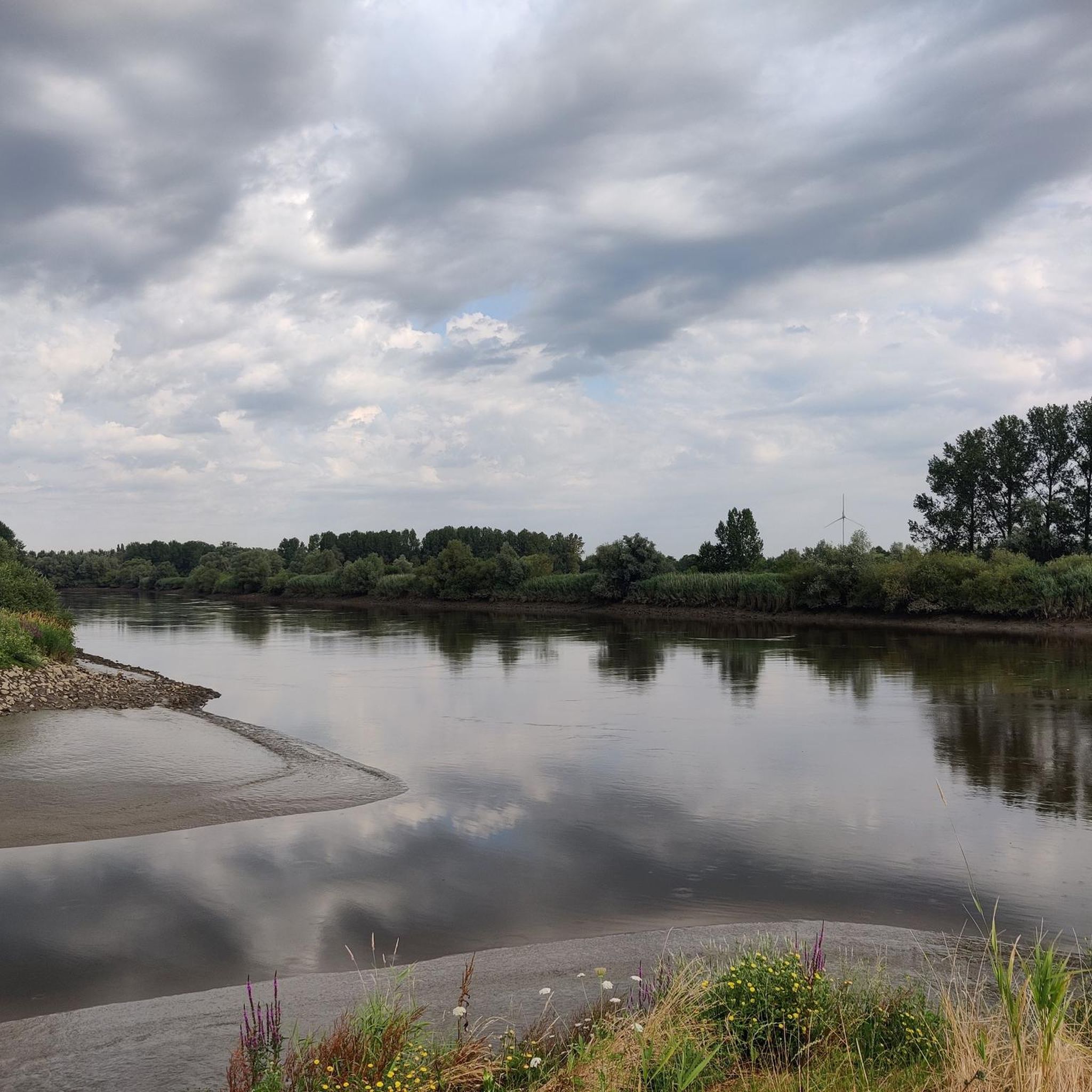
The wheel is privately owned, but you walk right past it (on the Victor De Witstraat). No one knows for sure how the Hingenewiel was formed. We know that the Spierenbroek flooded around 1552. After failed attempts to close the Spierenbroekgat, the other polders flooded in November 1554, because the pladderdijk broke. We suspect that this is how the Hingenewiel was formed. A pladderdijk is a cross dike that runs from the stream through the polder (so not along the river). This large wheel was originally even larger, probably the Ketelwiel used to be part of this wheel. In the middle of this wheel was an island with a tower on it. The Hingenewiel became smaller due to natural silting up. Kingfisher, grebe, coot, moorhen, gadwall and shelduck breed here, among other things. But you can also admire fire damselfly, ostrich fern and yellow water lily here. (Regional Landscape Schelde-Durme)
11
0

The geographical centre of Flanders was determined by students of the Faculty of Applied Sciences of the University of Leuven. Using GPS measurements and with the help of mathematics teacher Prof. Theo Van der Waeteren, the centre was determined in 1999: it is located in the far corner of East Flanders, a few dozen metres from the previously determined "three-province point" (East Flanders, Antwerp and Flemish Brabant). Just a few metres from the territory of Sint-Amands, it is just in Opdorp, a sub-municipality of Buggenhout. The coordinates are: 51° 2′ 16″ N, 4° 14′ 26″ E. A monument was placed at this point in 2003.
2
0
The redevelopment of the duck decoy is part of the Berlare Broek-Donkmeer nature development project. This project fits in with the vision of the Berlare municipal council to give the popular Donkmeer and its surroundings a contemporary look. The site of the duck decoy was given a thorough makeover. It was redeveloped with respect for the most vulnerable zones and remains open to the public. (Public space database)
15
0
Today Komoot was asked to change the name of this Highlight to Hennenput.
12
0
Beautiful view of Hof te Melis. The winter months and spring offer the most beautiful views of the old Hof te Melis. Hof te Melis is a protected landscape due to its scientific, historical, and aesthetic value. It is a castle with a moat. The castle is built in the Neo-Renaissance style. A turbulent historical past... Before the First World War, the castle consisted of a forecourt, surrounded by outbuildings and with access to a courtyard. When the German army entered Lippelo in 1914, the domain was occupied by the invaders. It then came under fire from Fort Bornem. Hof te Melis partially burned down. It was rebuilt in 1920, deviating from the original floor plan. The outbuildings and gatehouse remain intact. At this location, you can thus glimpse a powerful past.
5
0

The small white building near the duck decoy, the cage house, was never a home, but the decoy man could warm himself by the fireplace, store his maintenance materials, temporarily store the captured ducks and possibly also spend the night in a sleeping alcove during a busy fishing period. This cage house burned down in 1995 and was rebuilt in 1997. On an old picture card, depicted on the information board against the wall of the house, published around 1913, we see the cage man Sander Goossens with his dog at the then cage house. The huge poplar near this cage house served as a beacon in the landscape: this way, flying ducks that had previously stayed here could recognize this place from afar. Source: information board on site
10
0
Frequently Asked Questions
What unique natural phenomena can I observe around Hamme?
The Durme River, which flows through Hamme, is known for its rare tidal bore, or 'mascaret'. This impressive natural wave forms when strong rising tidal waters flow upstream over the shallow riverbed. It's best observed from the Mirabrug, especially during summer or early autumn, and can reach up to 30 centimeters in height.
Are there family-friendly natural monuments to visit near Hamme?
Yes, several natural monuments around Hamme are suitable for families. The Hennenput Pond, Buggenhoutbos, is a relaxing spot within a forest, popular with hikers. Additionally, the Duck Decoy and Keeper's Cottage Donkmeer offers an open-air museum experience with a petting zoo, willow tunnel, and bridges over water, making it an engaging visit for all ages.
What kind of natural landscapes can I explore in the Hamme region?
The Hamme region offers diverse natural landscapes shaped by the Durme and Scheldt rivers. You can explore riverine areas, former peat pits, and nature reserves. Highlights include the reed fields of the Oude Durme Nature Reserve, the scenic views from De Koolputten, and the unique alder forests and marshes of the De Bunt Flood Control Area.
What historical sites are integrated with the natural monuments around Hamme?
The Beautiful view of Hof te Melis offers a glimpse of a neo-Renaissance style castle with a moat, set within a protected landscape of scientific, historical, and aesthetic value. The Duck Decoy and Keeper's Cottage Donkmeer is another historical site, dating back to 1678, which now functions as an open-air museum showcasing the area's past.
Are there opportunities for hiking near the natural monuments in Hamme?
Absolutely! The natural areas around Hamme are excellent for hiking. For instance, the Peat Pits of Berlare Broek, near Hamme, feature diverse habitats with hiking trails. You can also find numerous running trails around Hamme, such as the 'Mira Bridge – View of the Durme River loop' or the 'Old Durme Gravel Path – View of the Oude Durme River loop'. Find more options on the Running Trails around Hamme guide.
What cycling routes are available to explore the natural monuments?
Hamme offers various cycling routes that allow you to discover its natural beauty. You can cycle along the Durme River, exploring areas like De Koolputten, or venture further to the Donkmeer. Routes such as the 'Mira Bridge – Koolputten loop' are popular. For more detailed routes, check out the Road Cycling Routes around Hamme guide.
When is the best time to visit the natural monuments around Hamme?
The summer months and early autumn are particularly good for visiting, especially if you wish to witness the tidal bore on the Durme River. These seasons generally offer pleasant weather for outdoor activities like hiking and cycling, allowing you to fully enjoy the diverse natural landscapes.
What can I expect to see at the Oude Durme Nature Reserve?
The Oude Durme Nature Reserve is a young, 3-hectare reserve along the Durme river, known for its extensive reed fields. These fields are actively managed to preserve rare plant species, offering a unique habitat for local flora and fauna. It's a great spot for peaceful walks and observing nature.
Is there a central point of interest related to the region's geography?
Yes, you can visit the Geographical Center of Flanders. Located in Opdorp, a sub-municipality of Buggenhout, this point was determined via GPS measurements and features a monument placed in 2003. It's a unique spot for those interested in regional geography.
Are there any mountain biking trails near Hamme's natural areas?
Yes, there are mountain biking opportunities that allow you to explore the natural surroundings of Hamme. Trails like the 'Old Durme Gravel Path – Old Durme Meander Path loop' offer varied terrain for MTB enthusiasts. You can find more routes and details in the MTB Trails around Hamme guide.
What makes the Peat Pits of Berlare Broek a significant natural area?
The Peat Pits of Berlare Broek, though in a neighboring municipality, are intrinsically linked to Hamme's natural landscape. This reserve is characterized by ancient meander bends of the Scheldt River, forming thick peat layers. It features a variety of ponds, reed marshes, wet hay meadows, and forests, making it a rich ecological area for hiking and wildlife observation.
What kind of wildlife might I encounter in the natural monuments?
The diverse habitats around Hamme support various wildlife. In areas like the Hennenput Pond, you might spot amphibians like toads and frogs, especially in spring. The Duck Decoy and Keeper's Cottage Donkmeer is home to ducks, herons, and storks. The reed fields and wet meadows of reserves like Oude Durme also attract various bird species.
Most popular attractions around Hamme

Get inspired with the komoot mobile app


Explore more
Extend your search for the best caves by checking out these guides of the top ones around Hamme:
