Top 15 Natural Monuments around Musson
Best natural monuments around Musson are situated within the Gaume Natural Park, a region in the Province of Luxembourg, Belgium. This area is characterized by diverse landscapes, including distinct geological formations and a mild micro-climate. The natural heritage features extensive forests, meadows, and unique geological sites. Visitors can explore a variety of natural attractions that highlight the region's biodiversity and geological processes.
Best natural monuments around Musson
- The most popular natural monument is Trou du Pérou Waterfall, a waterfall…
Last updated: August 22, 2026
Fairies' Cave
Highlight • Cave
Translated by Google •
Tip by

Cron de Montauban
Highlight • Natural Monument
Translated by Google •
Tip by

Sign up now to discover places like this
Get recommendations on the best single tracks, peaks, & plenty of other exciting outdoor places.
Sign up for free
Tranchée des Portes Oppidum
Highlight • Historical Site
Translated by Google •
Tip by

Éperons Barrés Viewpoint
Highlight • Viewpoint
Translated by Google •
Tip by
Trou du Pérou Waterfall
Highlight • Waterfall
Translated by Google •
Tip by
Sign up for free to discover even more natural monuments around Musson.
Sign up for free
Already have an account?
Start today with a free account
Your next adventure awaits.
Login or Signup
Tips from the Community

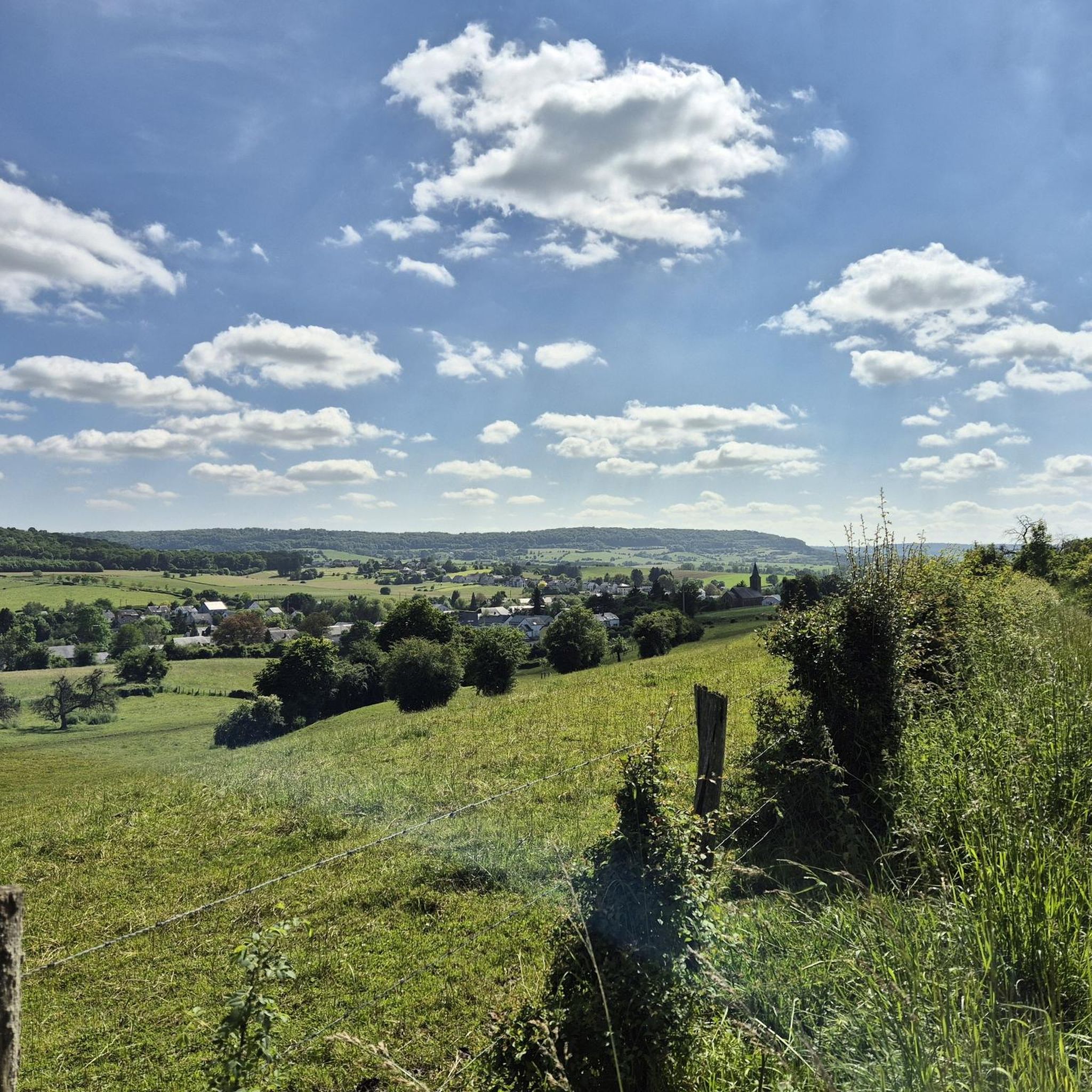
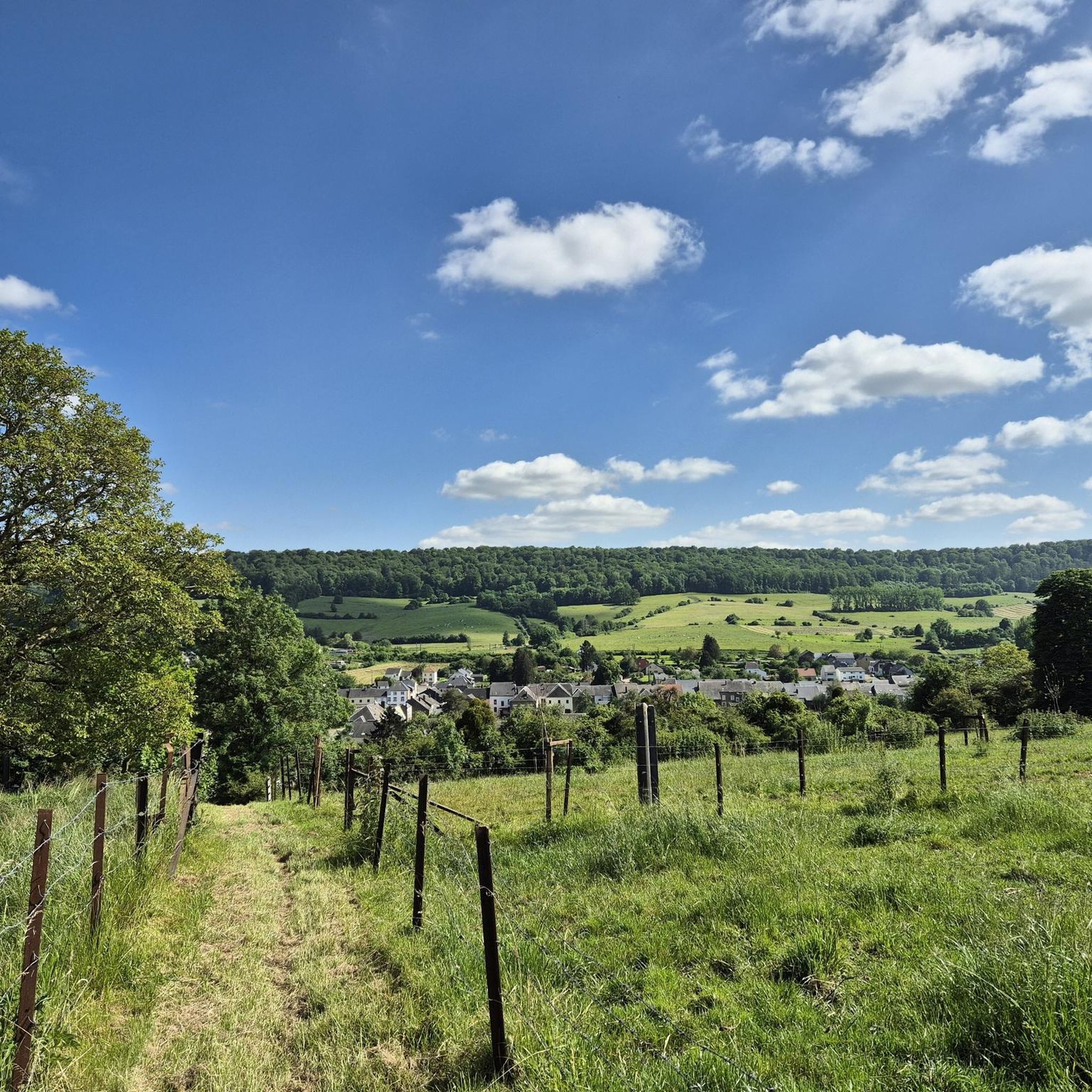
The Trench of Gates: Gateway to Gaume, Gateway to Legends 1. What is it? Physical Description The Trench of Gates is a deep and spectacular rocky gorge, naturally carved by the Vire River (a tributary of the Semois) into the sandstone plateau of the Gaume forest. Located in the village of Dampicourt (commune of Rouvroy), on the French border, it forms a narrow and winding notch, framed by high sandstone walls and strangely shaped rocks. Its name comes from its topography: the site gives the impression of crossing several successive natural "gates." 2. A Strategic Position: Military History The true fame of the Trench of Gates comes from its historical role as a natural fortress and strategic border post. A Gallic Stronghold? : Its easily defensible configuration suggests that it was used as a refuge since the Gallic era. The Roman Fort: Its strategic role became evident during the Roman era. The Romans established a castellum (a fortified camp) there to control the passage between Belgic Gaul and Imperial Trier, and to protect the nearby Roman road. Remains of these fortifications were still visible several centuries ago. A Millennial Challenge: Due to its position on the border, the site has been contested and fortified throughout history, from the Middle Ages to modern wars. It offered an ideal control point over one of the few passable passages through the region's wooded terrain.
1
0

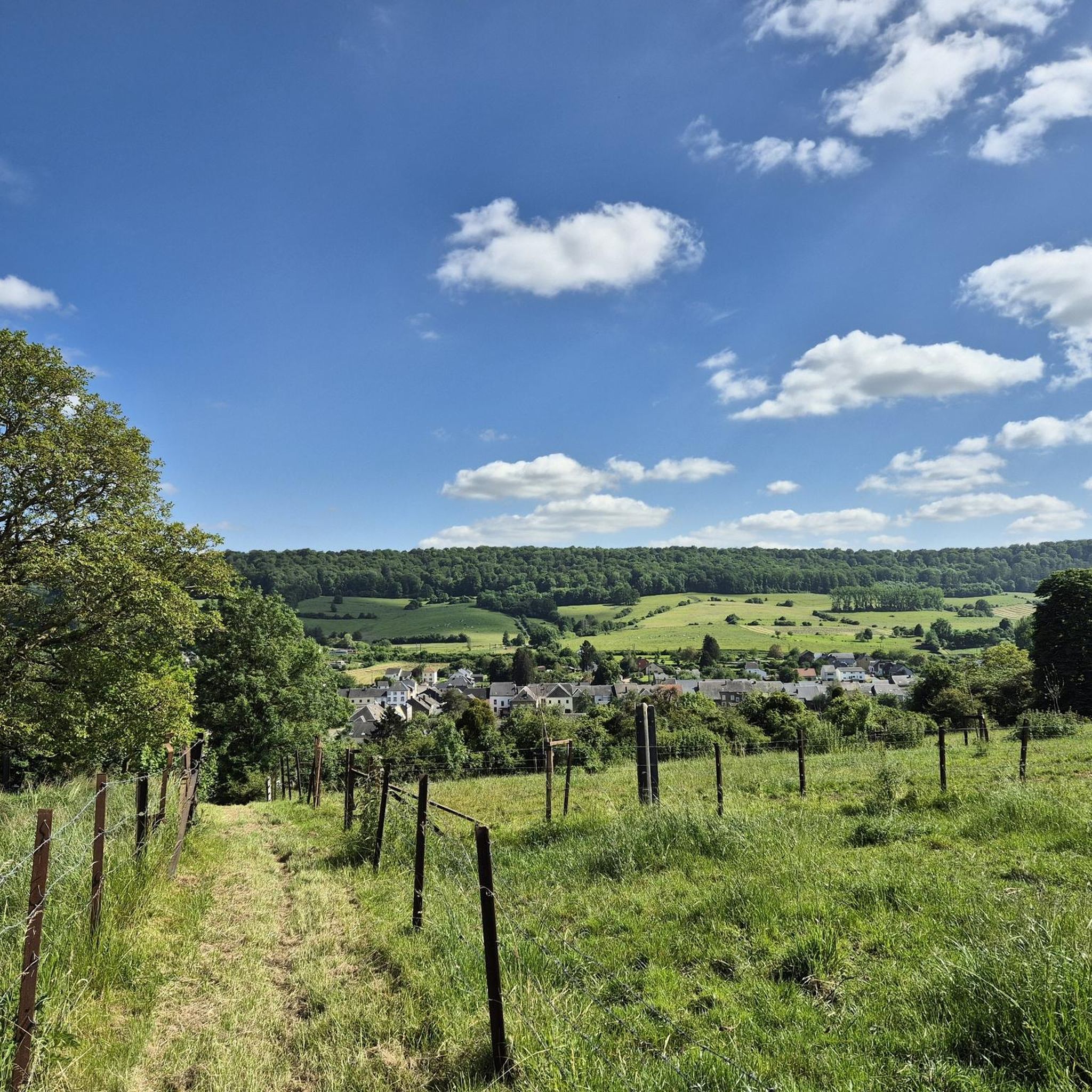
The trail from this viewpoint is a real balancing challenge towards the end, very rocky with large gravel. It seems to me that a few years ago the trail was not so perilous. It is part of the official permanent route "La Croix Renson en Gaume" which advises to do it clockwise, so this uphill trail is impossible! Except for a trialist with Hulk legs and a motorcycle traction. 🙄
0
0

It depends which way... 😀😇
0
0

It stings a little 😂
1
0

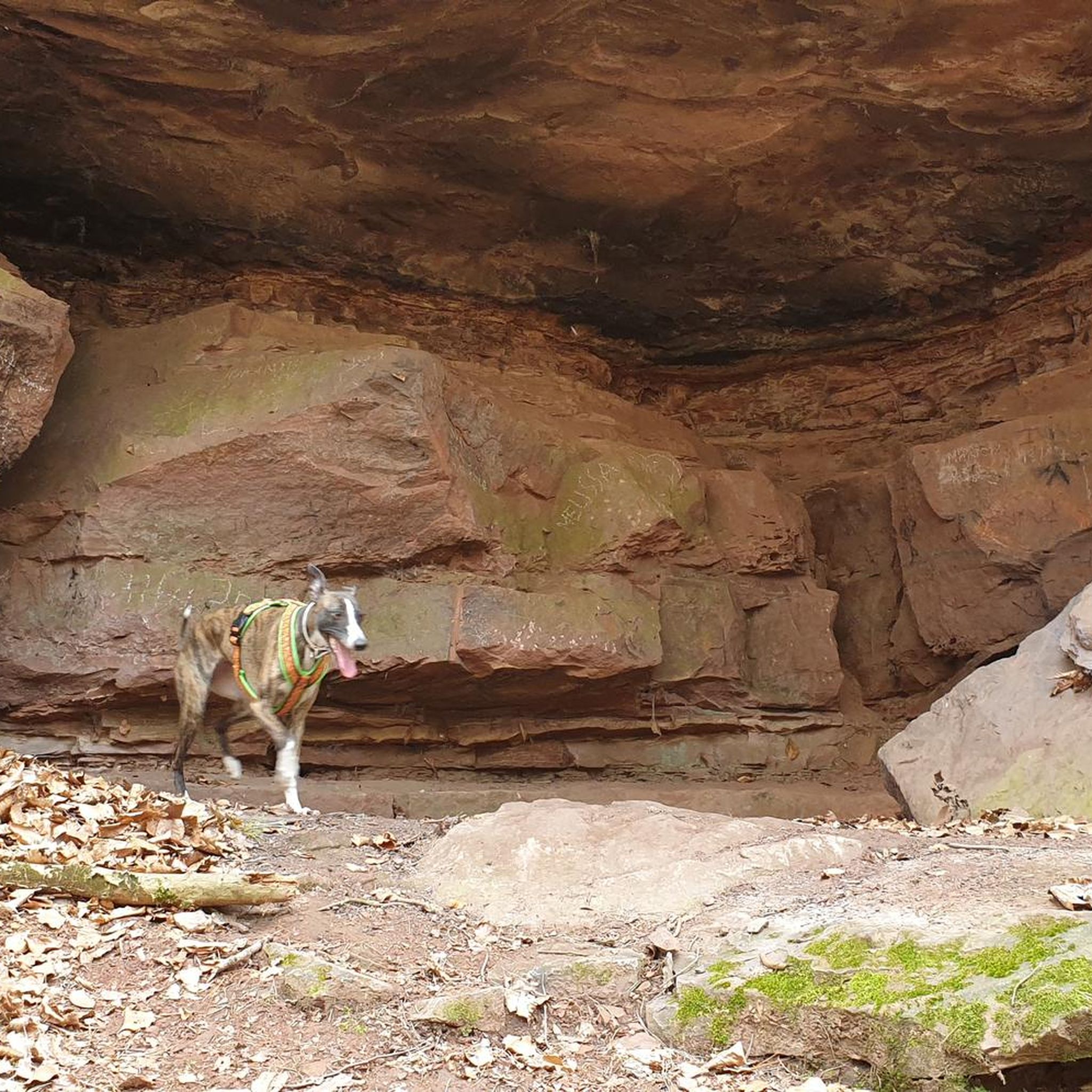
It is between Etalle and Virton, very precisely in Croix-Rouge, that you will find the place called "Trou des Fées". Well known to the inhabitants of the region, this unique site is at the center of many legends relating to the history of D’jean dMady but also and especially to that of the fairies of Gaume.
1
0
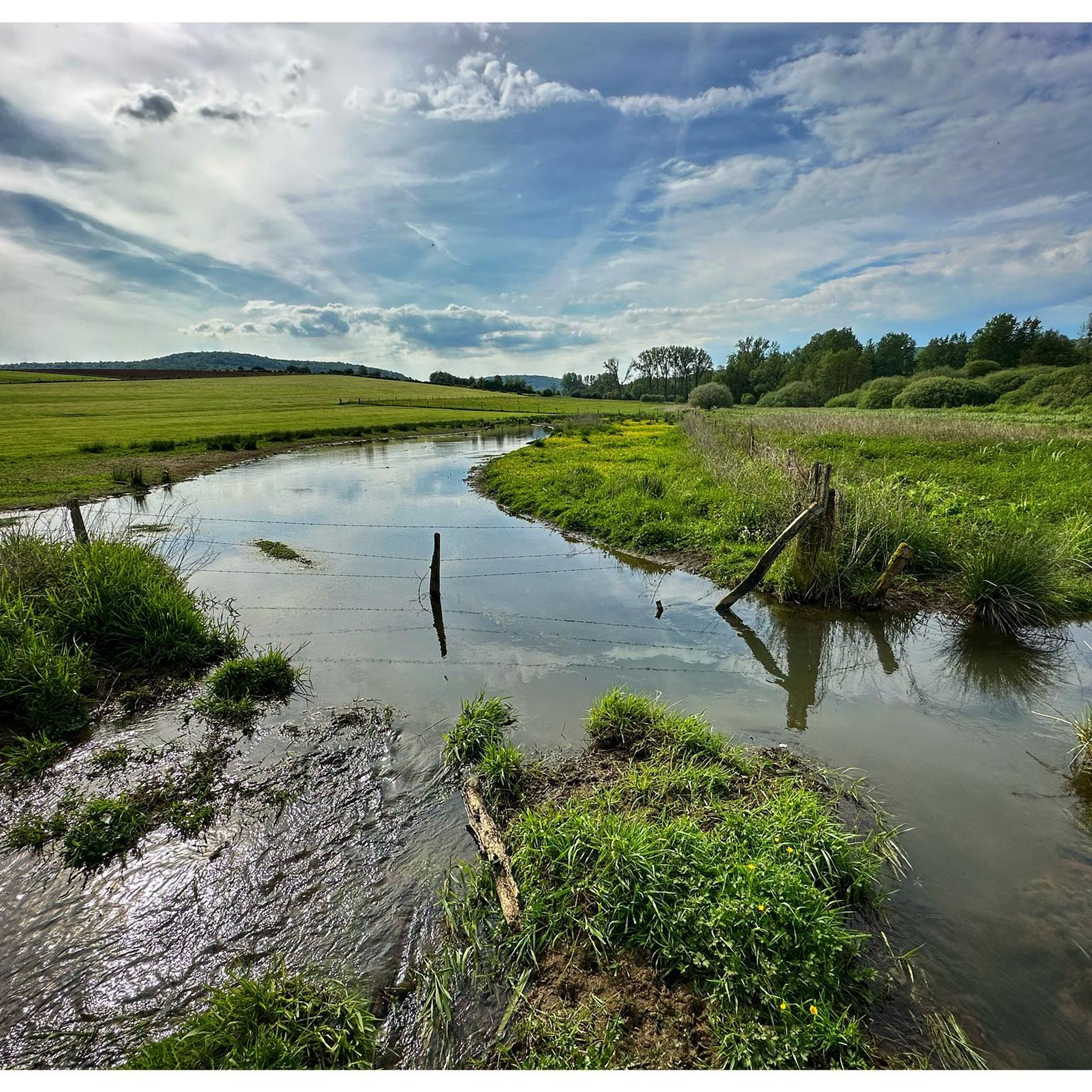
The origin of the place's name is mysterious. According to some, this name comes from a transcription of the name "Trou du Perdu" (Perisher's Hole). Amidst pine trees, heather, and blueberry bushes, this place represents a steep landscape where the Fourneau stream has shaped a gorge with a waterfall. A little higher up, a waterfall has formed and accentuates the erosion downstream. Above, the stream trickles over a slab of black sandstone. This formed above a significant layer of waterproof marl that stopped the infiltration of the sand present here to above it. A beautiful waterfall has formed due to the presence of the stream and the erosion that followed.
2
0
The Tranchée des Portes covers an area of 100 hectares. It is the largest Iron Age stronghold in Belgium. This development required an abundant workforce. The construction and maintenance of the rampart suggest a well-organized social entity. Unlike Montauban, which was occupied occasionally, the Tranchée des Portes is not a refuge but an oppidum, that is to say, a fortified site where people settled for the long term with their livestock and crops. It is a fortification that owes its name to the deep ditch (5 m) that precedes its rampart. Consisting of an earthwork over 3 m high, formerly surmounted by a palisade, this barrier, pierced by 3 gates, extends over 1 km. This type of defensive site is called a barred spur. It was often used in the protohistoric period (Iron Age). We chose a place with 2 or 3 steep and almost impassable sides and we blocked access by building a wall on the vulnerable side with what we found on the site (stones, trees, earth)
2
0
Very beautiful course & very pleasant paths for running!
0
0
Frequently Asked Questions
What unique geological features can I explore around Musson?
Musson and the surrounding Gaume Natural Park offer fascinating geological sites. You can visit the Fairies' Cave, which are natural sandstone caves with a mystical local legend. Another notable site is Cron de Montauban, known for its petrifying limestone springs and the unique formations they create.
Are there any natural monuments around Musson that are suitable for families?
Yes, several natural monuments around Musson are family-friendly. The Fairies' Cave is categorized as family-friendly, offering an intriguing exploration for all ages. Additionally, the Éperons Barrés Viewpoint provides an accessible spot for families to enjoy panoramic views and learn about the region's history.
What kind of biodiversity can I expect to see at these natural sites?
The natural sites around Musson, particularly within the Gaume Natural Park, are rich in biodiversity. At Cron de Montauban, you can find rare flora such as parnassia and flea sedge, both highly threatened in Wallonia. It's also a habitat for the rare bidentate cordulegaster dragonfly. The broader park features extensive beech forests and meadows supporting various species, including orchids.
Can I find hiking trails near the natural monuments around Musson?
Yes, the region offers numerous hiking opportunities. You can explore trails that lead to or pass by these natural monuments. For a comprehensive list of routes, including those near sites like La Cussignière Marsh and Trou des Maquisards, refer to the Hiking around Musson guide.
Are there historical sites combined with natural monuments in the Musson area?
Yes, the Musson area features natural monuments with significant historical context. The Tranchée des Portes Oppidum is an ancient fortified site dating from the Neolithic period, later occupied by Celts and Romans, and is considered the largest Iron Age stronghold in Belgium. The Éperons Barrés Viewpoint also offers views of Iron Age fortifications like the Châtelet and Dent de Chien.
What other outdoor activities are available near Musson's natural monuments?
Beyond hiking, you can enjoy various outdoor activities. The region is excellent for cycling, with options for both road cycling and gravel biking. You can find detailed routes and guides for Cycling around Musson and Gravel biking around Musson, which often pass through scenic natural areas.
What makes the Trou du Pérou Waterfall a unique natural monument?
The Trou du Pérou Waterfall is unique for its dramatic landscape. It's a waterfall that has shaped a gorge amidst pine trees, heather, and blueberry bushes. The Fourneau stream has carved a steep landscape, and a significant layer of waterproof marl beneath black sandstone contributes to its formation, creating a beautiful and rugged natural feature.
What is the best time of year to visit the natural monuments in Musson?
The Gaume Natural Park, encompassing Musson, benefits from a milder micro-climate compared to other parts of the Ardennes. Spring and autumn are generally ideal for visiting, offering pleasant temperatures for hiking and enjoying the diverse flora, such as orchids in spring or the vibrant foliage in autumn. Summer is also suitable, though it can be busier.
Are there any viewpoints offering panoramic vistas of the natural landscape?
Yes, the Éperons Barrés Viewpoint is a belvedere that provides an exceptional panorama of the Neuve Forge valley. From here, you can observe the natural beauty of the landscape, including two ancient Iron Age fortifications, offering both scenic beauty and historical insight.
What are visitors' favorite aspects of the natural monuments around Musson?
Visitors particularly appreciate the unique geological formations, such as the mystical Fairies' Cave and the petrifying springs of Cron de Montauban. The rugged beauty of the Trou du Pérou Waterfall and the historical depth of sites like the Tranchée des Portes Oppidum are also highly valued.
Where can I find more information about the Gaume Natural Park?
Musson is located within the expansive Gaume Natural Park, which actively works to preserve and highlight the region's natural heritage. For more details about the park's features, biodiversity, and conservation efforts, you can visit the official Wallonia tourism site: Gaume Nature Park.
Most popular attractions around Musson

Get inspired with the komoot mobile app


Explore more
Extend your search for the best caves by checking out these guides of the top ones around Musson:
