Top 10 Natural Monuments around Frameries
Best natural monuments around Frameries showcase a landscape transformed by its industrial past into natural havens. The area features reclaimed mining sites, such as former coal spoil tips, now vibrant ecosystems. Frameries is also integrated into the broader Nature Park of 'Les Hauts-Pays', offering a wider expanse of natural beauty and diverse terrain. These sites provide opportunities for exploring unique flora, fauna, and panoramic views.
Best natural monuments around Frameries
- The most popular natural monuments is Hyon Waterfall and Ponds, a waterfall that formed at the confluence of the Trouille and Nouvelles rivers. This bucolic spot features a water cascade, small lake, and is surrounded by nature.
- Another must-see spot is Terril Saint-Antoine, an other man-made natural monument. This slag heap, covering over 33 hectares, offers a challenging climb and panoramic viewpoints.
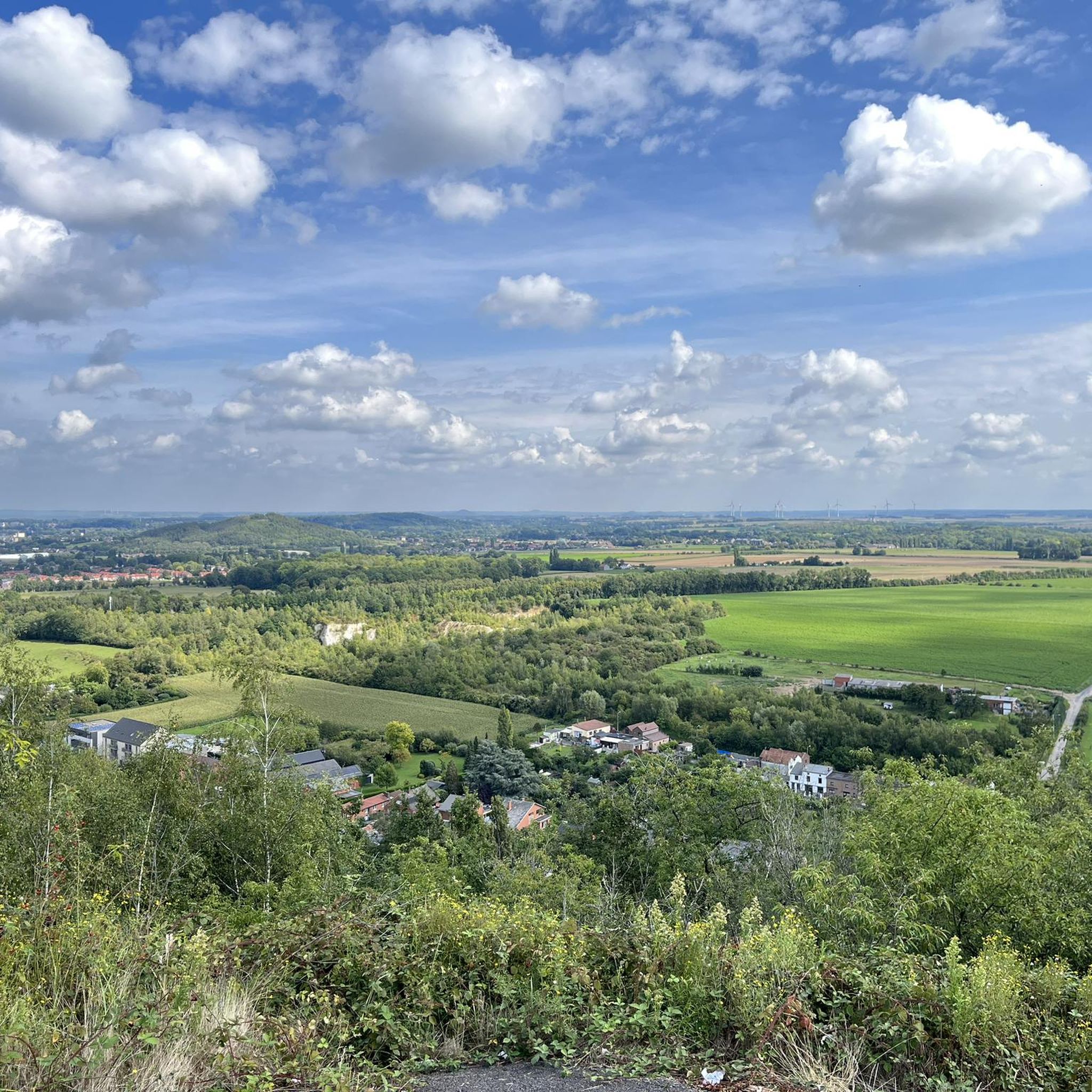
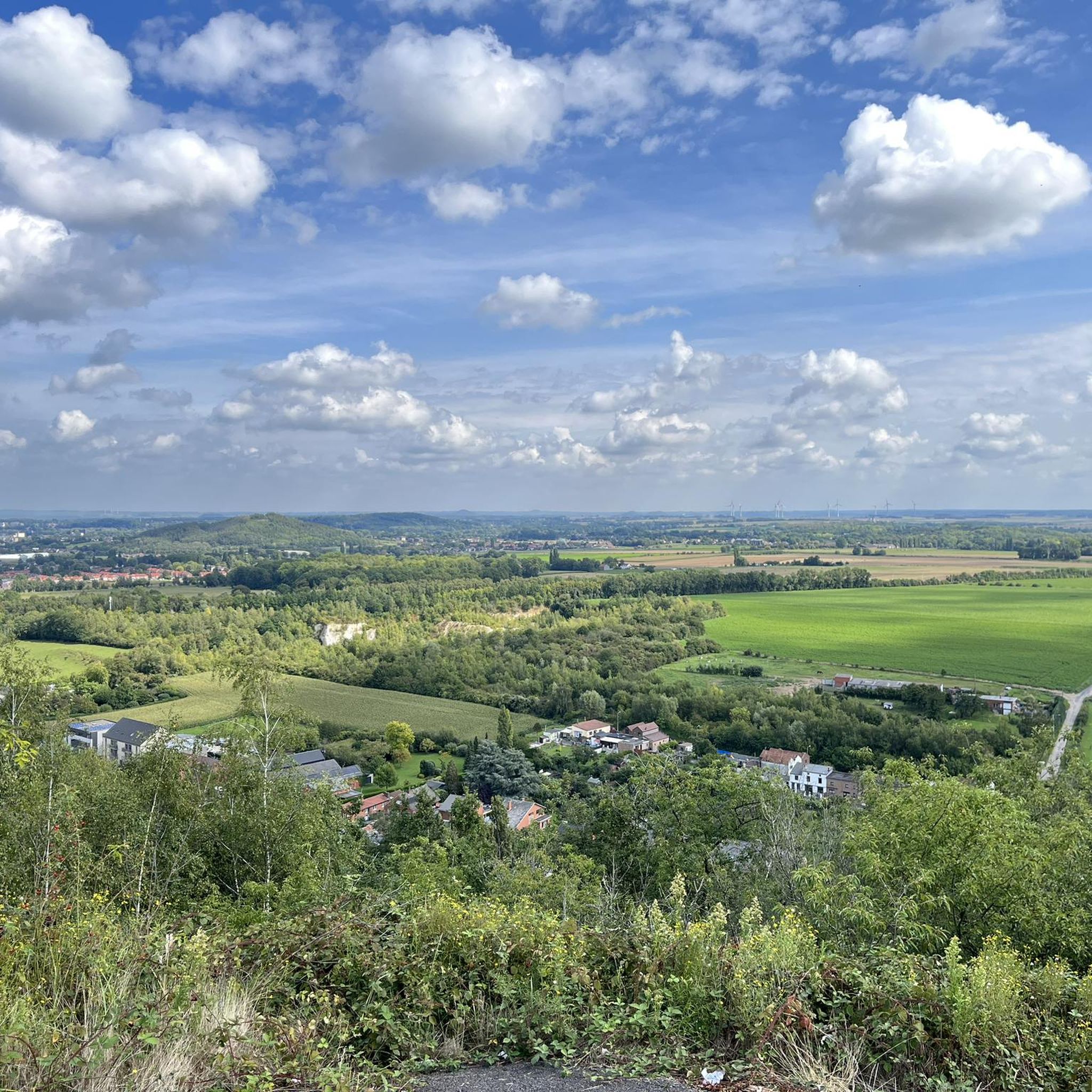
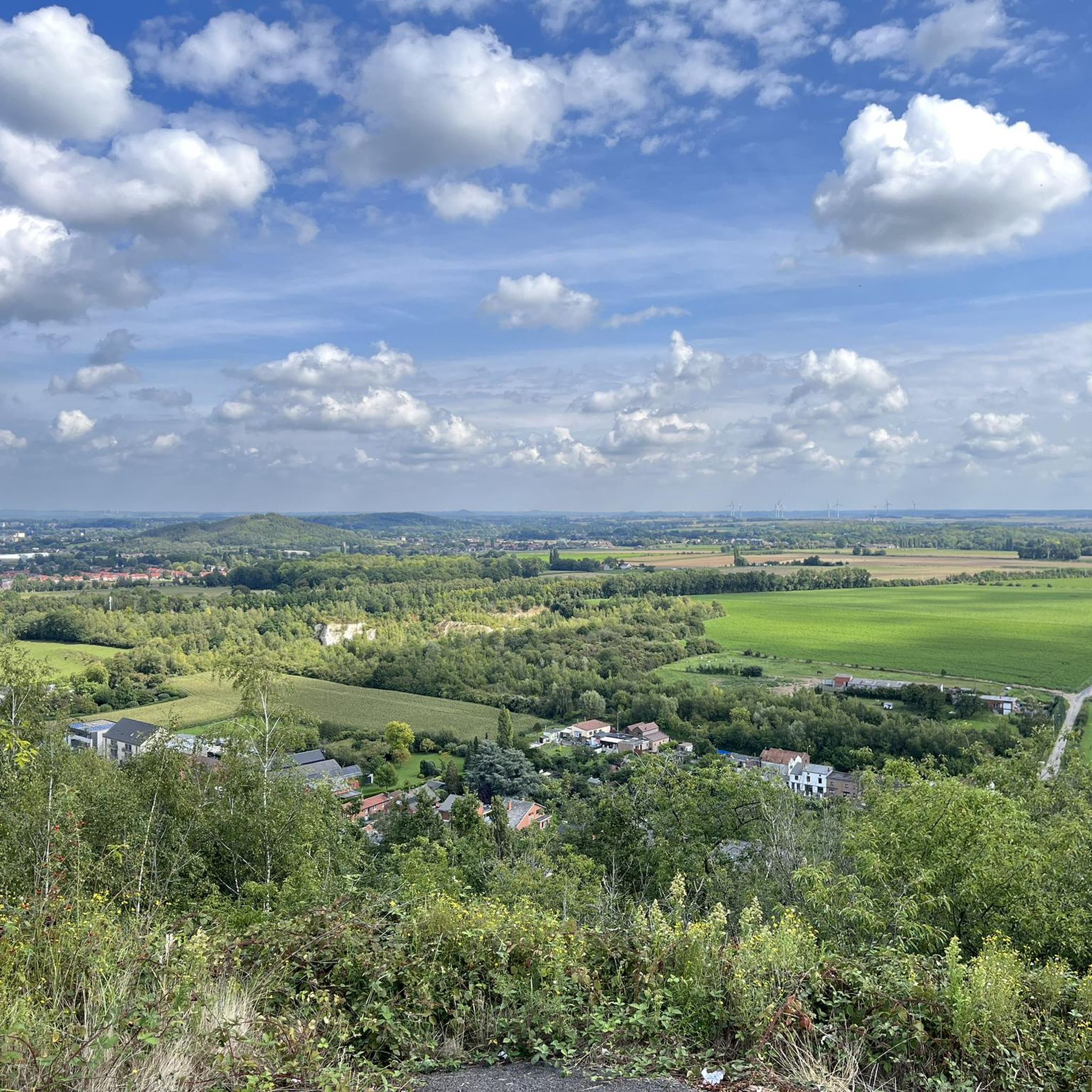
- Visitors also love Crachet slag heap, a natural monument that is a Site of Great Biological Interest. Its summit, at 140 meters, provides a panoramic view of the surrounding slag heaps and the SPARKOH! site.
- Frameries is known for its unique blend of reclaimed industrial sites, waterfalls, and natural park areas. The region offers a variety of natural monuments to see and explore, from former mining landscapes to serene water features.
- The natural monuments around Frameries are appreciated by the komoot community, with over 200 upvotes and 80 photos shared.
Last updated: August 8, 2026
Hyon Waterfall and Ponds
Highlight • Waterfall
Translated by Google •
Tip by

Crachet slag heap
Highlight • Natural Monument
coal mining.
destinationterrils.eu/nl/terril-du-crachet
Translated by Google •
Tip by

Sign up now to discover places like this
Get recommendations on the best single tracks, peaks, & plenty of other exciting outdoor places.
Sign up for free
Terril Saint-Antoine
Highlight • Structure
Translated by Google •
Tip by

Trees with mistletoe
Highlight • Forest
The white, berry-like fruit is spread by birds. The berries are consumed in the axil of a tree branch, the seed sticks and germinates. The root then grows into the tree. Seeds are not digested and have a sticky layer, hence the name 'bird glue'. The seeds are poisonous to humans.
Source: Wikipedia
Translated by Google •
Tip by

The Neolithic Menhir
Highlight • Monument
confrerie-saint-symphorien.be/?page_id=307
Translated by Google •
Tip by
Sign up for free to discover even more natural monuments around Frameries.
Sign up for free
Already have an account?
Start today with a free account
Your next adventure awaits.
Login or Signup

Tips from the Community

like a little trip to the moon...
0
0

It is at the confluence of the Trouille and the Nouvelles river that this waterfall bridge was born. Originally there was a mill, which was turned into a tannery after the First World War. Today it is a bucolic place surrounded by nature.
2
0

By definition, a menhir is a vertical standing stone during the Neolithic era. The menhir of Saint-Symphorien, 2m50 high, 1m30 wide, weighing 2500 kg, also served as a Neolithic ribbon brush for flint tools. It was discovered in 1860 by Mr. Piscart, a farmer who broke his ploughshare while plowing his field, located at the end of the Violette path, on the border of Harmignies. The menhir was then excavated to stand in the park of the Maigret de Priches castle, where it remained for 90 years. On October 17, 1951, the megalith was presented by Miss Emmy Maigret de Priches to the city of Mons. At the request of the Sint-Symphorien Brotherhood, he was reinstalled on March 20, 2007 in the village. http://www.confrerie-saint-symphorien.be/?page_id=307
8
0
This is a summit climb. Especially on the adventurous side. There are ropes there to hoist you up. The other side is a nice wide walking path. In my opinion, the most beautiful slag heap on the GR 412.
6
0
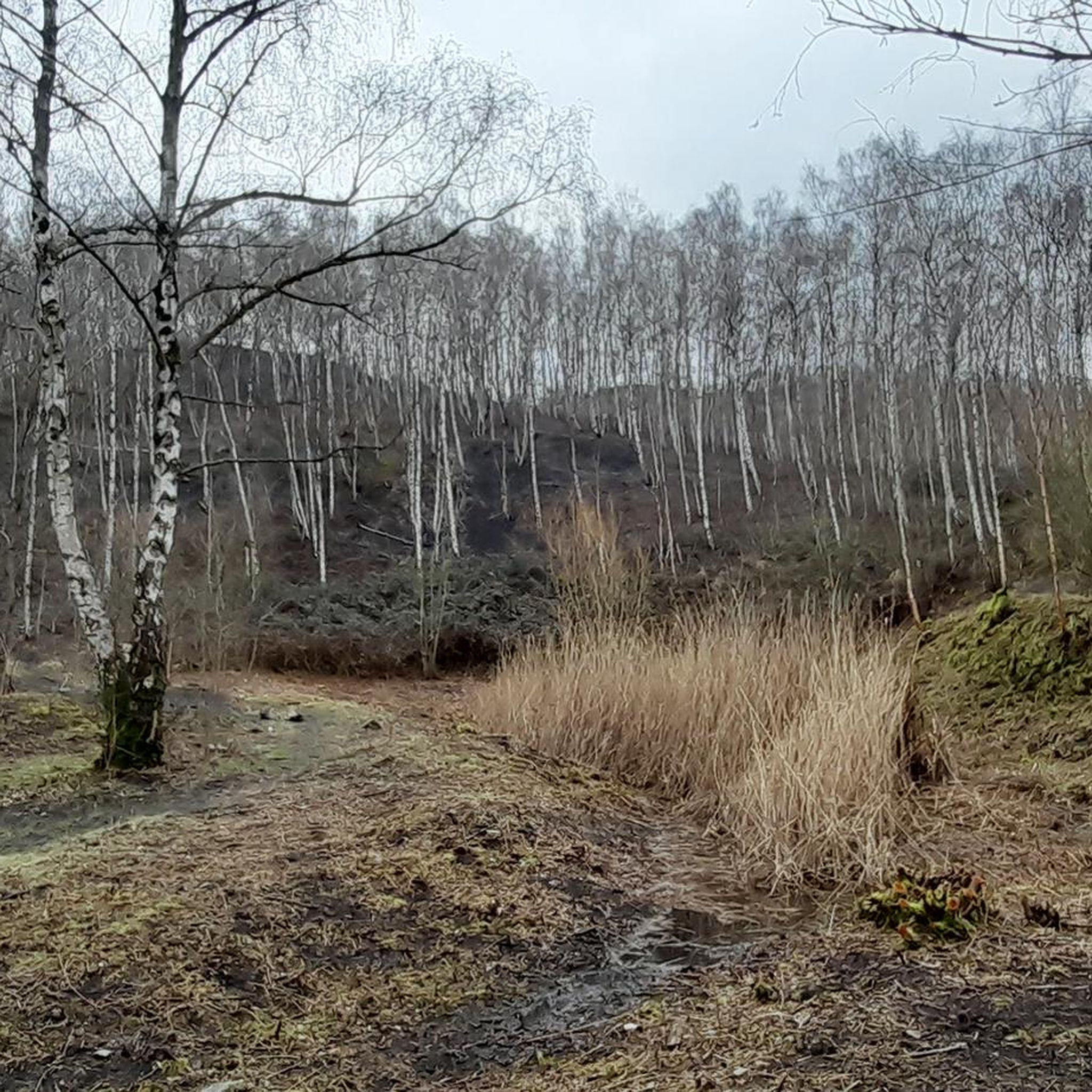
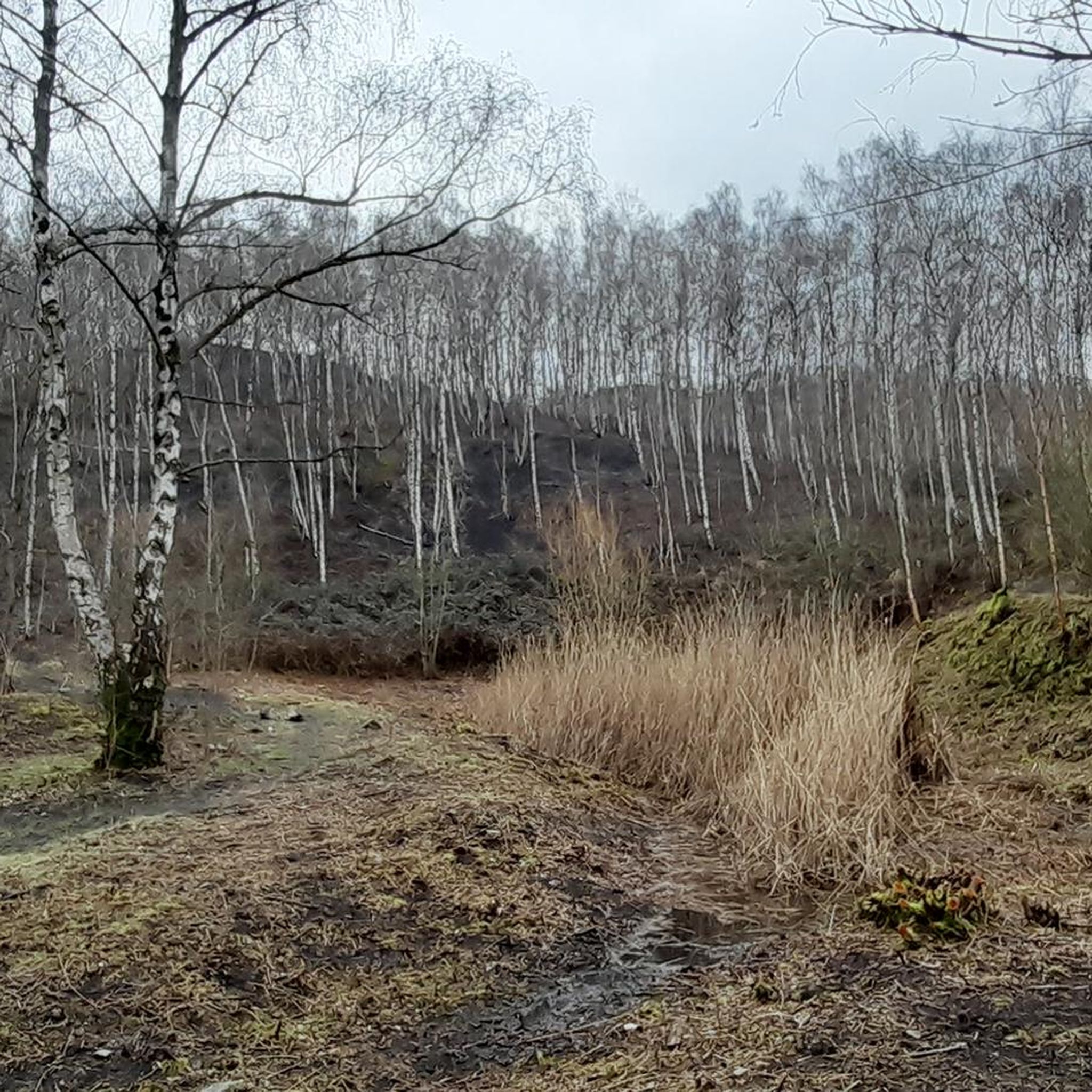
The Crachet slag heap is a Site of Great Biological Interest (SGIB). It is also part of the Natura 2000 network to protect its exceptional fauna and flora. Located a stone's throw from the SPARKOH science museum! (former PASS), the slag heap is a fabulous educational tool which regularly welcomes school visits but also families looking for calm and nature. Thanks to its marked and well-equipped paths with stairs, small bridges, duckboards and ropes, its ascent is easy despite a difference in altitude of around 70 m. Relatively wooded, the Crachet sometimes gives way to magnificent grassy wastelands and a few ponds which encourage the development of great biodiversity. Its summit, located at an altitude of 140 m, offers a beautiful panoramic view of the Borinage slag heap range as well as the SPARKOH! site, built by the architect Jean Nouvel. In this place, the ground is adorned with red and black. Smoke can even be observed in certain places because the heap is still burning more than 60 years after the closure of the site. coal mining. https://www.destinationterrils.eu/nl/terril-du-crachet
8
0

The bridge/waterfall was built at the confluence of the Trouille and the Rivière de Nouvelles. In the early, late 12th century, there was an old domanial mill on the site, the Moulin-au-Bois. Imagine that there was a dike on the site of the current street, a large fish pond on the site of the pasture, and that there were three mill wheels instead of one. This is what the site used to look like. In 1823 the mill was sold by the city of Bergen and after the First World War it was converted into a tannery. The only remnant of the mill that is still visible today is part of the wall along the street, just before the bridge. Still, the waterfall remains one of Hyon's most symbolic places.
3
0
Why kiss under a mistletoe: The mistletoe is usually seen as a symbol of fertility and life. In Scandinavian fairy tales, the mistletoe represents love and friendship. For example, the white berries of the plant represent the tears of Frigg, the Norse goddess of love. She cried tears like berries when Loki, the traitor of the gods, killed her son Badlr with an arrow with the tip of the poisonous mistletoe. The goddess then called the mistletoe the plant of love. Hence the custom of kissing your loved one under a mistletoe! https://buitenleven.nl/waarom-kus-je-onder-een-maretak/
8
1

a very nice site to discover by taking your time.
3
0
Frequently Asked Questions
What makes the natural monuments around Frameries unique?
The natural monuments in Frameries are distinctive because many are reclaimed industrial sites, particularly former coal mining spoil tips like the Crachet slag heap. These sites have transformed into vibrant ecosystems, offering a blend of industrial heritage and rich biodiversity. The region is also part of the broader Nature Park of 'Les Hauts-Pays', providing diverse natural landscapes.
Are there family-friendly natural monuments to visit in Frameries?
Yes, several natural monuments are suitable for families. The Hyon Waterfall and Ponds offer a bucolic spot with a water cascade and small lake. The Mayeur Garden, behind the town hall, is a peaceful place with historical elements. The Crachet slag heap is also used for educational purposes, welcoming school visits and families looking for nature, with well-equipped paths.
What kind of hiking trails can I find near Frameries' natural monuments?
You'll find a variety of trails, from easy walks to more challenging climbs. The Crachet slag heap offers well-maintained paths with stairs, small bridges, and ropes for its ascent. The broader Nature Park of 'Les Hauts-Pays' provides extensive opportunities for discovery on foot with numerous marked trails. For more specific routes, you can explore running trails around Frameries.
Where can I find the best panoramic views of the region?
For impressive panoramic views, head to the summit of the Crachet slag heap. At 140 meters high, it offers a beautiful vista of the surrounding slag heaps and the SPARKOH! site. The Terril Saint-Antoine also provides significant viewpoints after a challenging climb.
Do these natural monuments have a connection to Frameries' industrial past?
Absolutely. Many of Frameries' natural monuments, such as the Crachet slag heap and Terril Saint-Antoine, are former coal mining spoil tips. These artificial hills are direct remnants of the region's rich industrial history, now reclaimed by nature. The red and black soil, sometimes still smoking at Crachet, serves as a fascinating reminder of its mining origins.
What kind of flora and fauna can I expect to see at these sites?
The natural monuments, particularly the Crachet slag heap, are rich in biodiversity. It's a Site of Great Biological Interest (SGIB) and part of the Natura 2000 network. You can find remarkable plant species like the common twayblade, tuberous pea, and nodding thistle. It's also a refuge for local wildlife, especially herpetofauna, with eight species of amphibians (including the rare natterjack toad) and two species of reptiles recorded.
Are there opportunities for cycling near the natural monuments?
Yes, the region offers various cycling opportunities. The Nature Park of 'Les Hauts-Pays' provides extensive areas for discovery by bike. You can find specific routes and guides for road cycling and gravel biking around Frameries, which often pass by or near these natural features.
Are the natural monuments around Frameries dog-friendly?
While specific regulations for each site can vary, many natural areas in the region, including parts of the Nature Park of 'Les Hauts-Pays', are generally welcoming to dogs, often requiring them to be on a leash. It's always recommended to check local signage or specific site guidelines for places like the slag heaps to ensure compliance.
What is the Nature Park of 'Les Hauts-Pays' and how does it relate to Frameries?
The Nature Park of 'Les Hauts-Pays' is an expansive natural area stretching across six municipalities, including parts of Frameries. It's characterized by a mosaic of varied landscapes, including agricultural plateaus, forests, streams, and rich flora and fauna. Frameries' natural monuments, such as the Crachet slag heap, are integrated into this larger park, highlighting its ecological importance and offering extensive outdoor exploration.
What do visitors enjoy most about the natural monuments in Frameries?
Visitors appreciate the unique blend of industrial history and natural beauty. The transformation of former mining sites into biodiverse havens, like the Crachet slag heap, offers an intriguing experience. The well-maintained trails, panoramic views, and the tranquility of places like Hyon Waterfall and Ponds are frequently highlighted. The komoot community has shared over 80 photos and given more than 200 upvotes to these sites.
Are there any natural monuments that are particularly good for photography?
The Crachet slag heap is excellent for photography, especially with its varied landscapes, blue and red-hued rocks, and panoramic views from the summit. The contrast between the reclaimed industrial land and the vibrant nature, along with the unique red and black soil, provides compelling subjects. The bucolic setting of Hyon Waterfall and Ponds also offers picturesque scenes.
Most popular routes around Frameries
Most popular attractions around Frameries

Get inspired with the komoot mobile app


Explore more
Extend your search for the best caves by checking out these guides of the top ones around Frameries:
