Top 16 Natural Monuments around Fontaine-L'Évêque
Best natural monuments around Fontaine-L'Évêque include a landscape shaped by both natural processes and industrial history. This Walloon region of Belgium features re-naturalized slag heaps, which are now recognized for their ecological importance and offer elevated viewpoints. The area provides opportunities for hiking and exploring local nature, with sites showcasing transformed landscapes and green spaces. These sites offer diverse flora and fauna, providing varied terrain for walkers.
Best natural monuments around Fontaine-L'Évêque
- The most popular natural monument is Hanging gardens…
Last updated: October 15, 2026
Hanging gardens
Highlight • Historical Site
Translated by Google •
Tip by

Path of the Trees of the Twelve Nationalities
Highlight • Trail
Translated by Google •
Tip by
Sign up now to discover places like this
Get recommendations on the best single tracks, peaks, & plenty of other exciting outdoor places.
Pétria Spoil Tip No. 1
Highlight • Natural Monument
Translated by Google •
Tip by
Piges Spoil Tip
Highlight (Segment) • Natural Monument
Translated by Google •
Tip by
Rocks in the Bois du Grand Bon Dieu
Highlight • Natural Monument
Translated by Google •
Tip by

Sign up for free to discover even more natural monuments around Fontaine-L'Évêque.
Already have an account?
Start today with a free account
Your next adventure awaits.

Tips from the Community

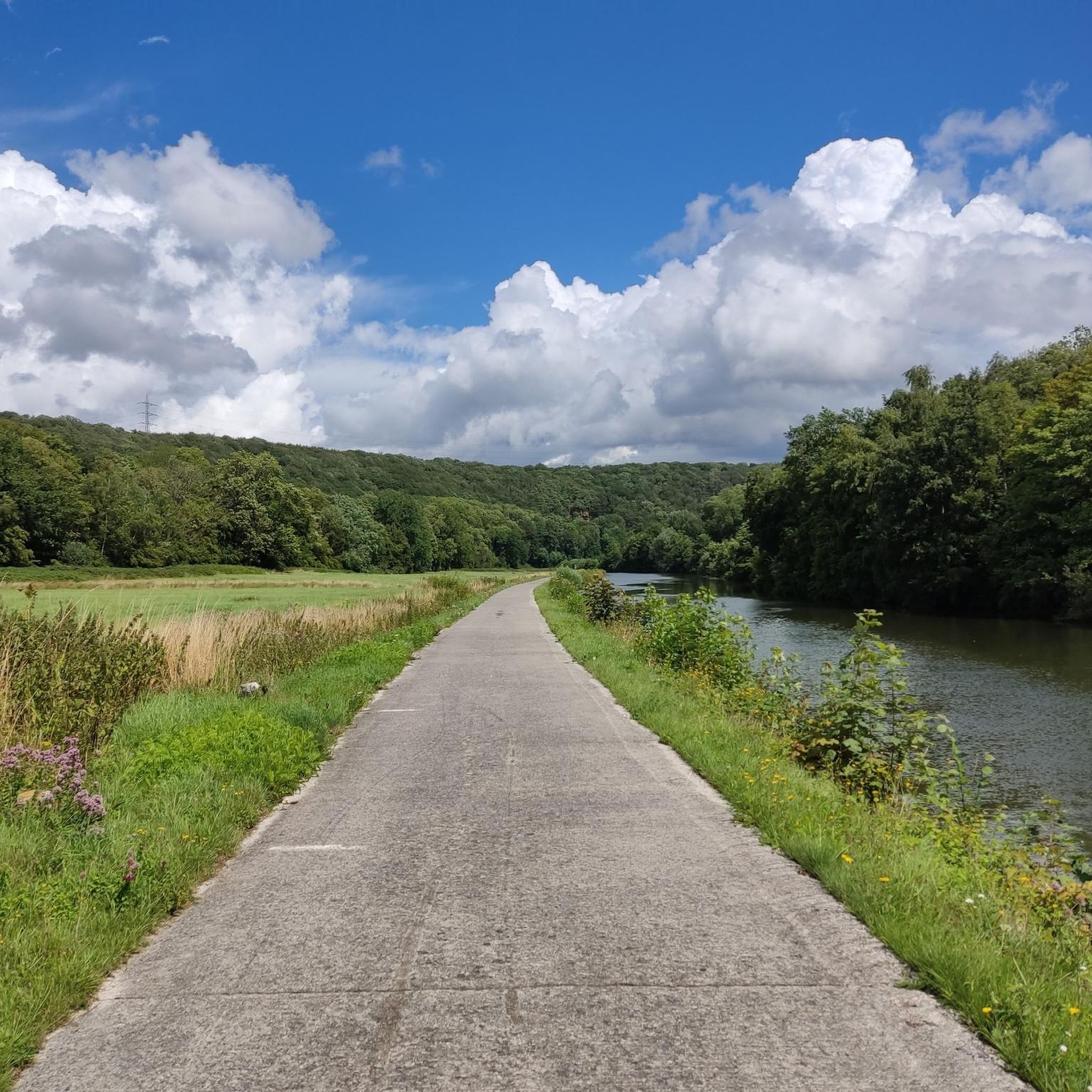
In Thuin, the Bois du Grand Bon Dieu offers a hike with very varied atmospheres. Under the tall trees, the paths alternate between shaded passages, more open paths, and small reliefs that give rhythm to the walk. A simple and authentic nature, far from the major tourist sites, but which is well worth discovering.
1
0
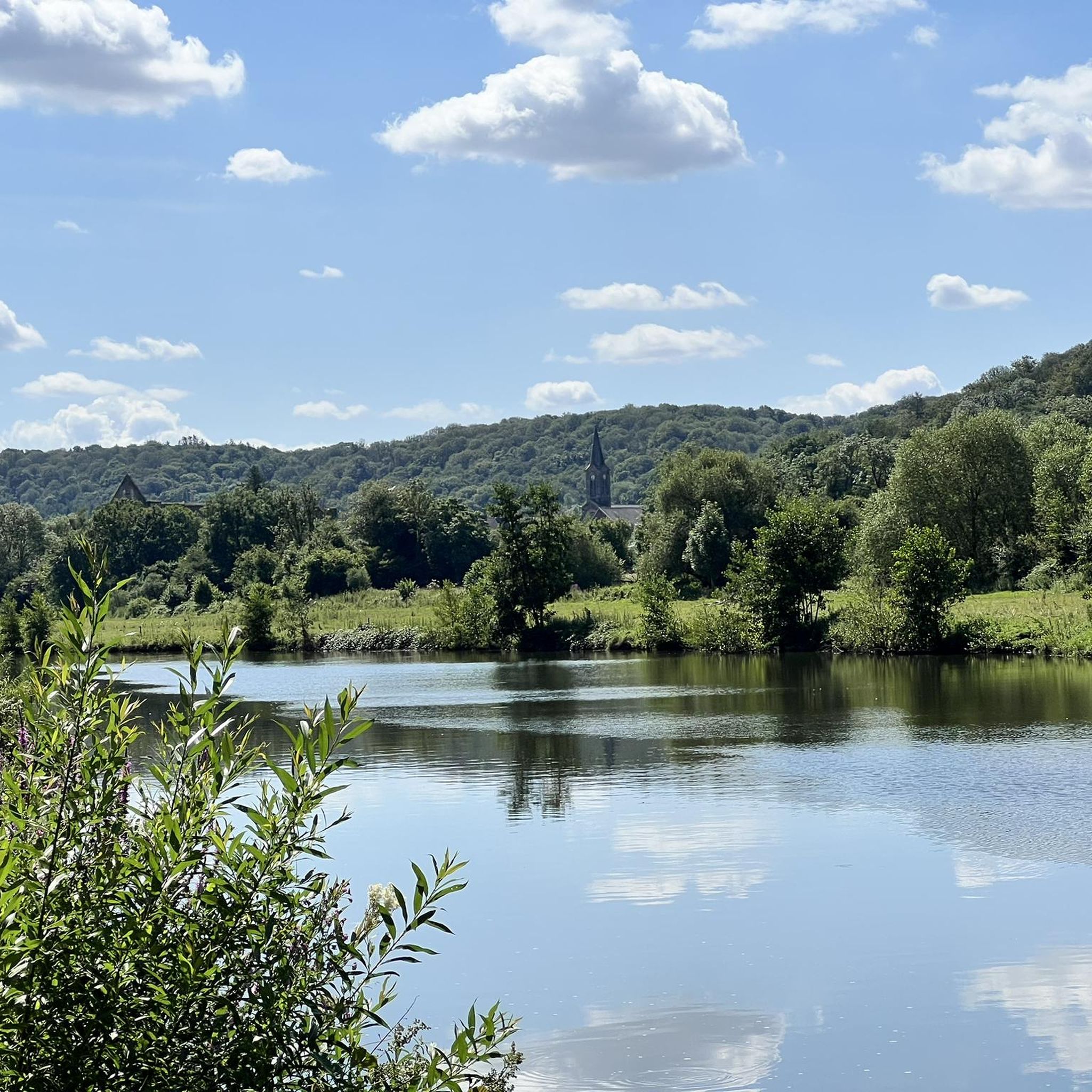
Clinging to the hillside of Thuin, the Hanging Gardens offer a truly unique landscape. These terraces descending the slope of the Biesmelle valley form a real patchwork of gardens, stones, and greenery. A place where one takes as much pleasure in looking at the landscape as in imagining the history of these terraces once cultivated by the inhabitants of the town. One of Thuin's treasures, to be discovered along the hike.
1
0

AI Overview The "Path of the Trees of the Twelve Nationalities," known in French as the Drève de la Mémoire (Avenue of Memory), is located in Marcinelle (Charleroi), near the Bois du Cazier site. Here are the key details: Location: The path leads to the former Bois du Cazier mine, the site of the tragic mining disaster on August 8, 1956. Symbolism: The avenue is lined with twelve different tree species, each symbolizing the twelve nationalities of the miners who perished in the disaster. Remembrance: It is a place of remembrance and reflection, situated in a green, wooded area (Bois du Prince). Accessibility: The Drève de la Mémoire is part of the walking trails around the Bois du Cazier and the Bois du Prince. This path is a living memorial to the victims, mainly immigrants (including 136 Italians), who died in the mine on August 8, 1956.
0
0

Although the place is quite small, with its rocks, it almost feels like the Fontainebleau Forest. A rather unusual environment for Hainaut.
1
0

On the right side of the path, trees of twelve different species have been planted in memory of the 262 miners, of twelve nationalities, who perished in the Bois du Cazier disaster on August 8, 1956.
6
0
The Pétria slag heap, known as “Seat No. 1” was created between 1870 and 1926. It was then exploited and reworked as part of the recovery of coal shale and residual coal. Bought by the City of Fontaine-l'Evêque in 1995, the Pétria slag heap was classified as a "Natura 2000" zone in 2002. In 2020, the site became an approved nature reserve for batrachians following substantial developments aimed at protecting natterjack toads and midwife toads: excavation of temporary ponds, cleaning of sludge tanks to make them a breeding site, cleaning and clearing of the Babelone pond. https://www.destinationterrils.eu/fr/terril-du-petria
5
0

Nice view and nice city park on a slag heap.
2
0

Route in the forest with special trees from different countries, with signs. Not all trees survived.
5
0
Frequently Asked Questions
What unique natural features can I explore around Fontaine-L'Évêque?
The region is characterized by its re-naturalized slag heaps, which are former mining byproducts now recognized for their ecological value. These include sites like Pétria Spoil Tip No. 1, which is a Natura 2000 zone, and Piges Spoil Tip, known for its tree-lined mantle and wild orchids. You'll also find traditional natural spaces like the Bois de Leernes and the serene banks of the Sambre River.
Are there good viewpoints among the natural monuments?
Yes, several natural monuments offer excellent panoramic views. View from Terril Saint-Charles Sud (Bois du Cazier) provides a panoramic observatory at nearly 250 meters above sea level. Similarly, Piges Spoil Tip offers a unique perspective of Charleroi and its city center. Terril Calvaire 2 (204m) also boasts superb views from its summit.
What kind of historical significance do these natural monuments hold?
Many of the natural monuments, particularly the slag heaps, are direct remnants of the region's industrial mining past. Sites like Pétria Spoil Tip No. 1, created between 1870 and 1926, showcase how nature reclaims and transforms these industrial landscapes into new ecological niches. Additionally, the Hanging gardens in Thuin are a historical site, part of the town's fortifications, known for their unique microclimate.
Are there family-friendly natural monuments or activities in the area?
The Parc Communal in Fontaine-L'Évêque is a semi-natural landscape park with recreational areas, vegetable gardens, and children's farms, making it ideal for families. While specific natural monuments might involve some climbing, many offer accessible paths. For hiking, there are several easy routes available, such as those around Aulne Abbey, which are suitable for a family outing. You can find more details on family-friendly hiking options in the Hiking around Fontaine-L'Évêque guide.
What outdoor activities can I do near these natural monuments?
The area around Fontaine-L'Évêque is excellent for various outdoor activities. You can explore numerous hiking trails, including those in the Bois de Leernes and the Eau d'Heure valley. Mountain biking is also popular, with routes like the 'Fallen Tree with Exposed Roots – Forest singletrack loop from Leernes'. For road cyclists, there are scenic routes such as the 'Sambre Valley – Solre Lock loop'. Find detailed routes in the Hiking, MTB Trails, and Road Cycling Routes around Fontaine-L'Évêque guides.
What is the best time of year to visit the natural monuments?
Spring and autumn are generally ideal for visiting, offering pleasant temperatures for hiking and exploring. In spring, you can witness the unique flora, including wild orchids on sites like Piges Spoil Tip, coming to life. Autumn provides beautiful foliage. While winter walks are possible, some paths might be muddy or slippery, especially on the slag heaps.
Are there any natural monuments suitable for beginners or those looking for easy walks?
Yes, many of the re-naturalized slag heaps have paths laid out to facilitate ascent, making them accessible. The Parc Communal offers gentle walks within a semi-natural setting. For dedicated easy hikes, consider routes like 'Aulne Abbey Ruins – Manual Lock at Aulne Abbey loop from Abbaye d'Aulne', which is an easy 6.9 km trail. More options can be found in the Hiking around Fontaine-L'Évêque guide.
Can I bring my dog to the natural monuments and trails?
Many natural areas and trails in the Walloon region are dog-friendly, provided dogs are kept on a leash. The Bois de Leernes and various hiking paths are generally suitable for walks with dogs. Always check local signage at specific sites for any restrictions, especially in nature reserves like the Natura 2000 zone at Pétria Spoil Tip No. 1, to ensure compliance with wildlife protection measures.
What should I wear when visiting the natural monuments?
Comfortable walking shoes or hiking boots are highly recommended, especially if you plan to explore the slag heaps or wooded trails, as terrain can be uneven. Layered clothing is advisable to adapt to changing weather conditions. Don't forget sun protection and rain gear, depending on the forecast, as the weather in Belgium can be unpredictable.
Are there facilities like parking or public transport access near these sites?
While specific parking details vary by site, many natural areas and trailheads around Fontaine-L'Évêque offer parking facilities. Public transport access can be more limited for some of the more remote natural monuments, but the town itself is served by public transport. It's advisable to check specific access information for each natural monument you plan to visit.
What makes the 'Hanging gardens' a unique natural monument?
The Hanging gardens in Thuin are unique because they are built into the fortifications of the city and are known for their distinct microclimate. This special environment supports a unique array of flora and fauna that thrive due to the abundance of sunlight on the southern slope, making them an exceptional heritage site in Wallonia.
What kind of wildlife can I expect to see?
The re-naturalized slag heaps, particularly Pétria Spoil Tip No. 1, are important for their biodiversity. This site is an approved nature reserve for batrachians, protecting species like natterjack toads and midwife toads. The wooded areas, such as the Bois de Leernes and the tree-lined Piges Spoil Tip, also host various local wildlife and unique plant species, including wild orchids.
Most popular routes around Fontaine-L'Évêque
Most popular attractions around Fontaine-L'Évêque

Get inspired with the komoot mobile app


Explore more
Extend your search for the best caves by checking out these guides of the top ones around Fontaine-L'Évêque:
