Top 20 Natural Monuments around Comines-Warneton
Best natural monuments around Comines-Warneton include a diverse range of sites, many shaped by historical events. This region in the Province of Hainaut, Belgium, features significant natural areas dedicated to preserving biodiversity. Visitors can explore varied landscapes, from wooded expanses to unique geological formations. These sites offer opportunities for observing flora and fauna within serene settings.
Best natural monuments around Comines-Warneton
- The most popular natural monuments is Hill 60 preserved Battlefield (World War I), a historical site and natural…
Last updated: October 2, 2026
The Bluff Memorial and Crater
Highlight • Historical Site
Translated by Google •
Tip by

Hill 60 preserved Battlefield (World War I)
Highlight • Historical Site
Translated by Google •
Tip by

Sign up now to discover places like this
Get recommendations on the best single tracks, peaks, & plenty of other exciting outdoor places.
Caterpillar Crater
Highlight • Historical Site
Translated by Google •
Tip by

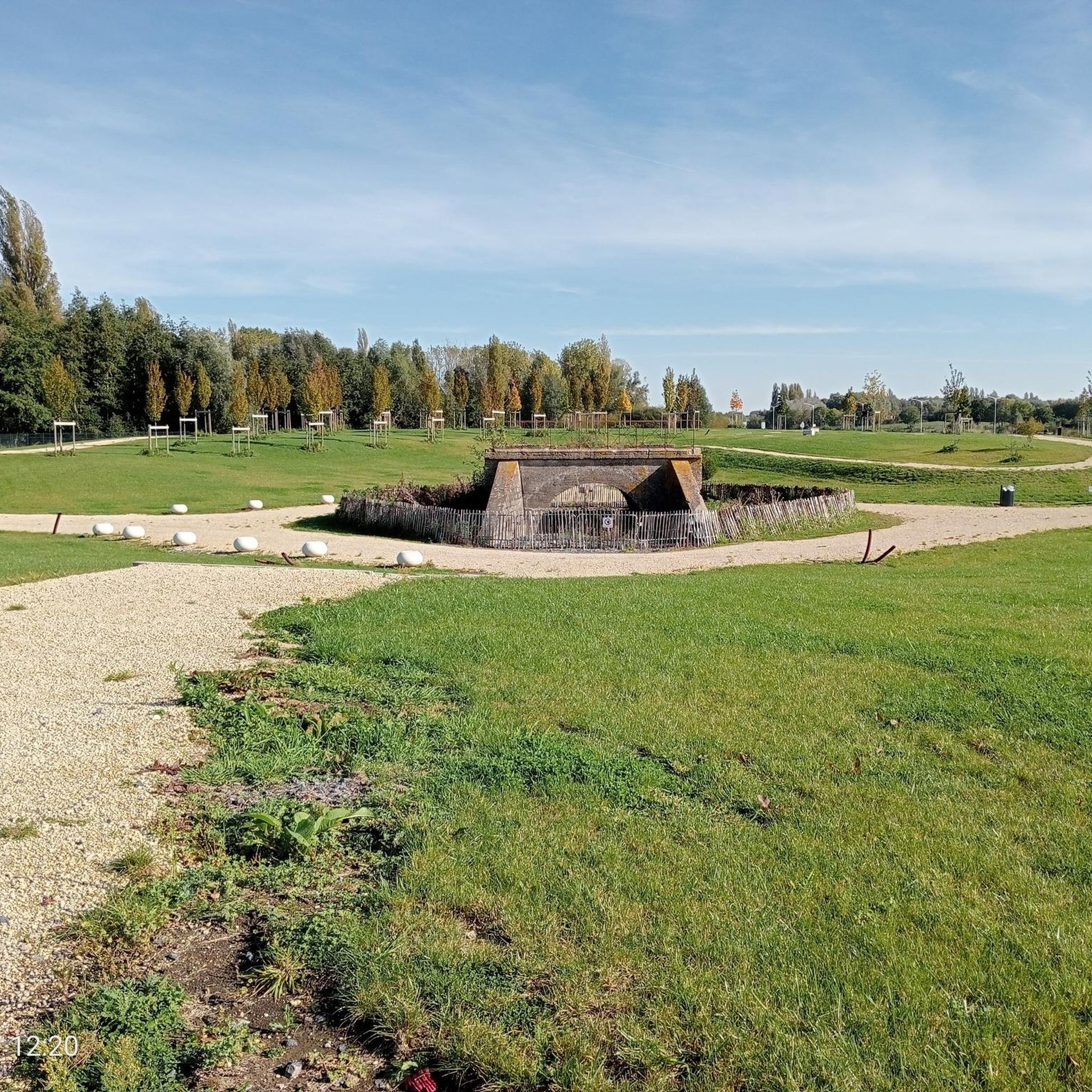
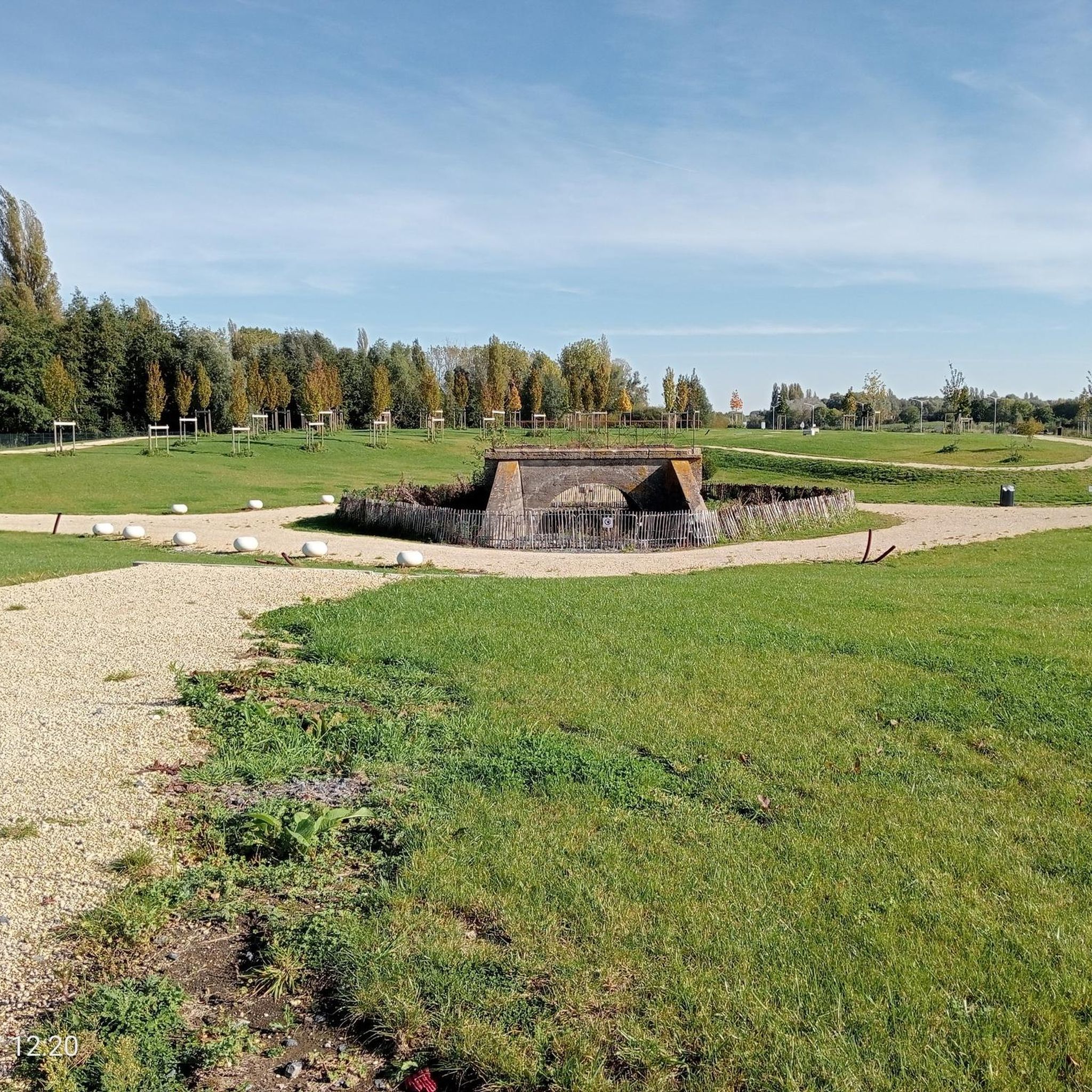
Coming World Remember Me Sculpture
Highlight • Monument
Translated by Google •
Tip by

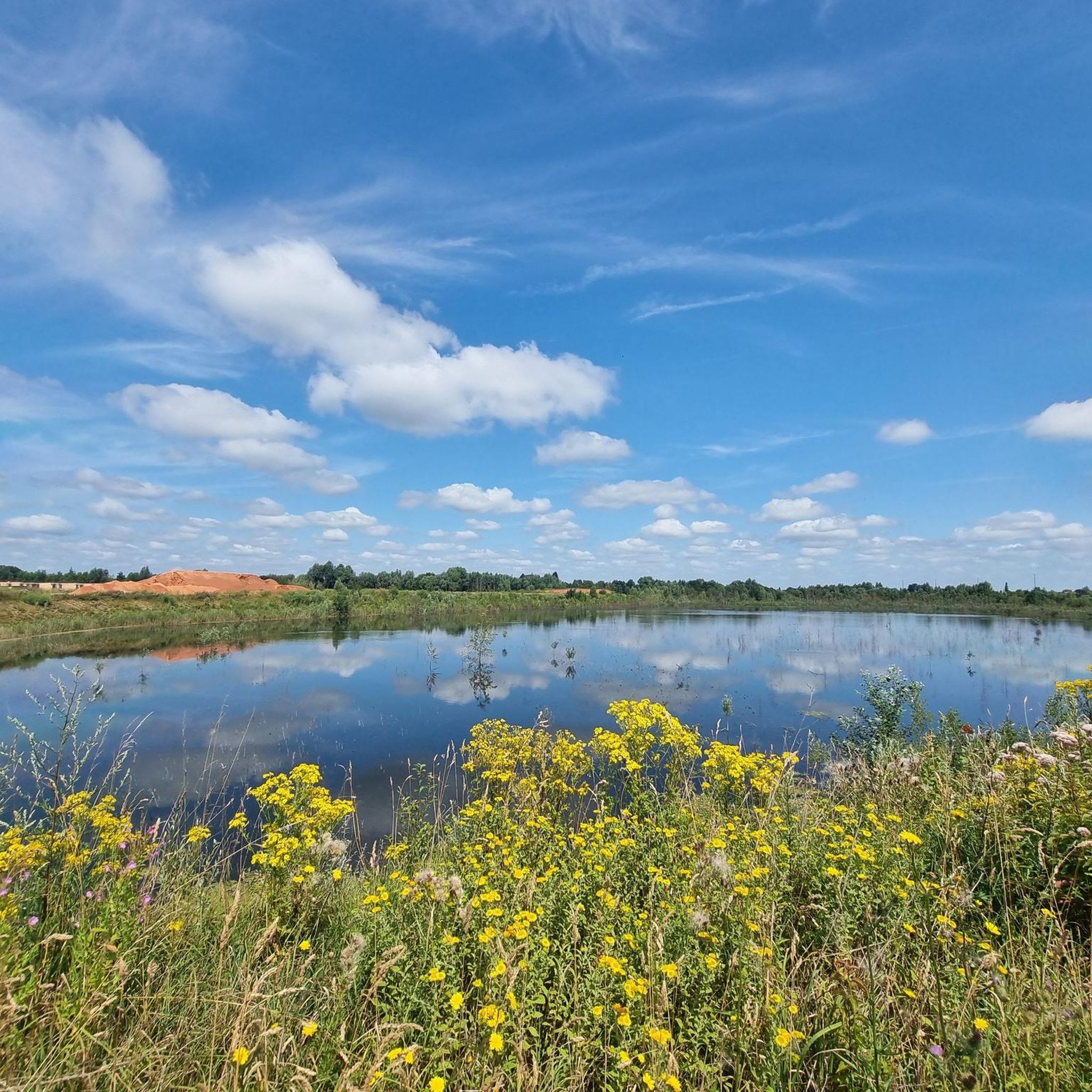
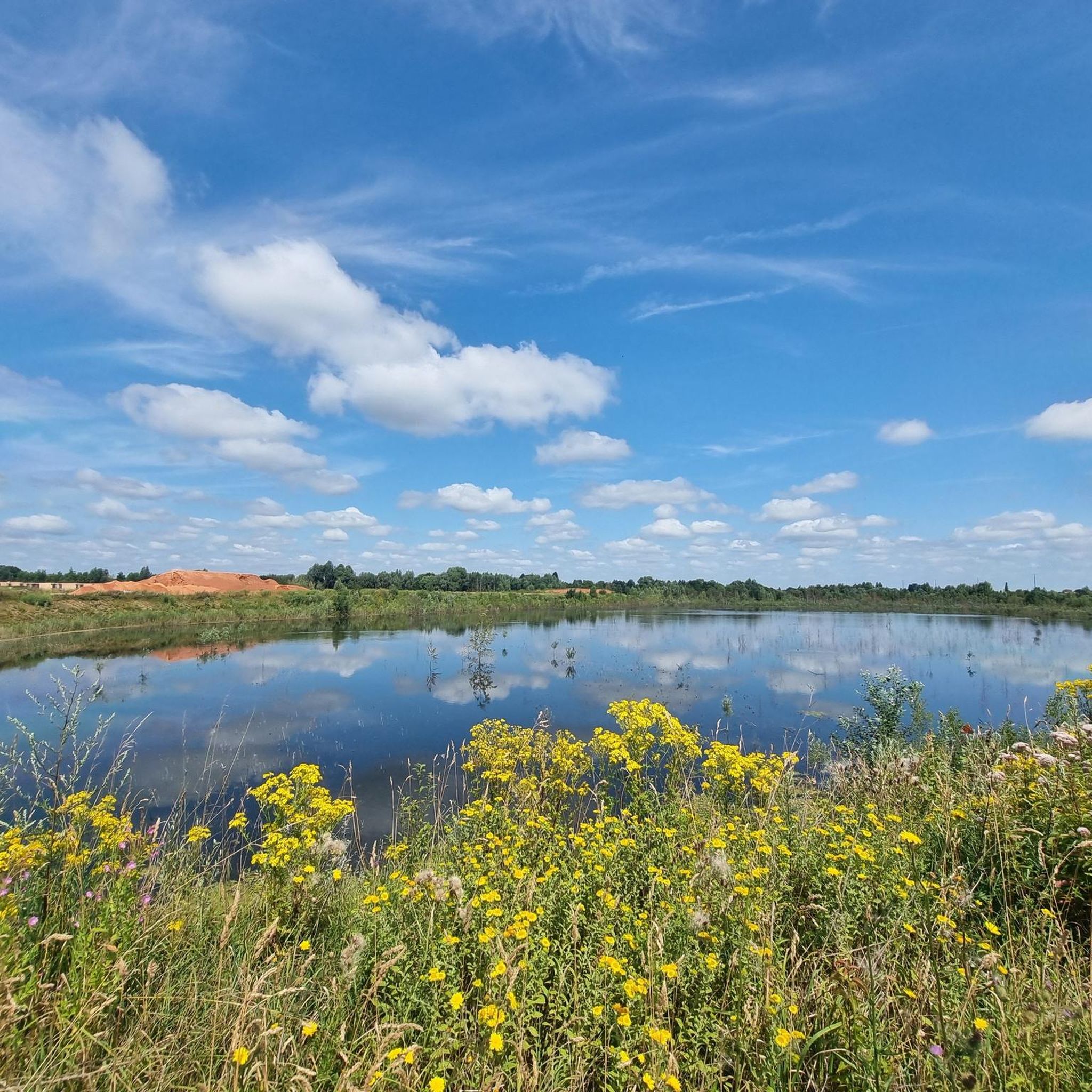
Zillebeke Pond
Highlight • Lake
Translated by Google •
Tip by

Sign up for free to discover even more natural monuments around Comines-Warneton.
Already have an account?
Start today with a free account
Your next adventure awaits.

Tips from the Community

An interesting anecdote concerns the battles around the pond during the war. Soldiers used the pond as a natural barrier and shelter. There are stories of soldiers wading through the water at night to reach enemy lines, which gave the pond strategic significance.
7
0

another very beautiful work
0
0
some very beautiful works on the route
0
0

Strategic hill called Hill 60 in the First World War.
1
0

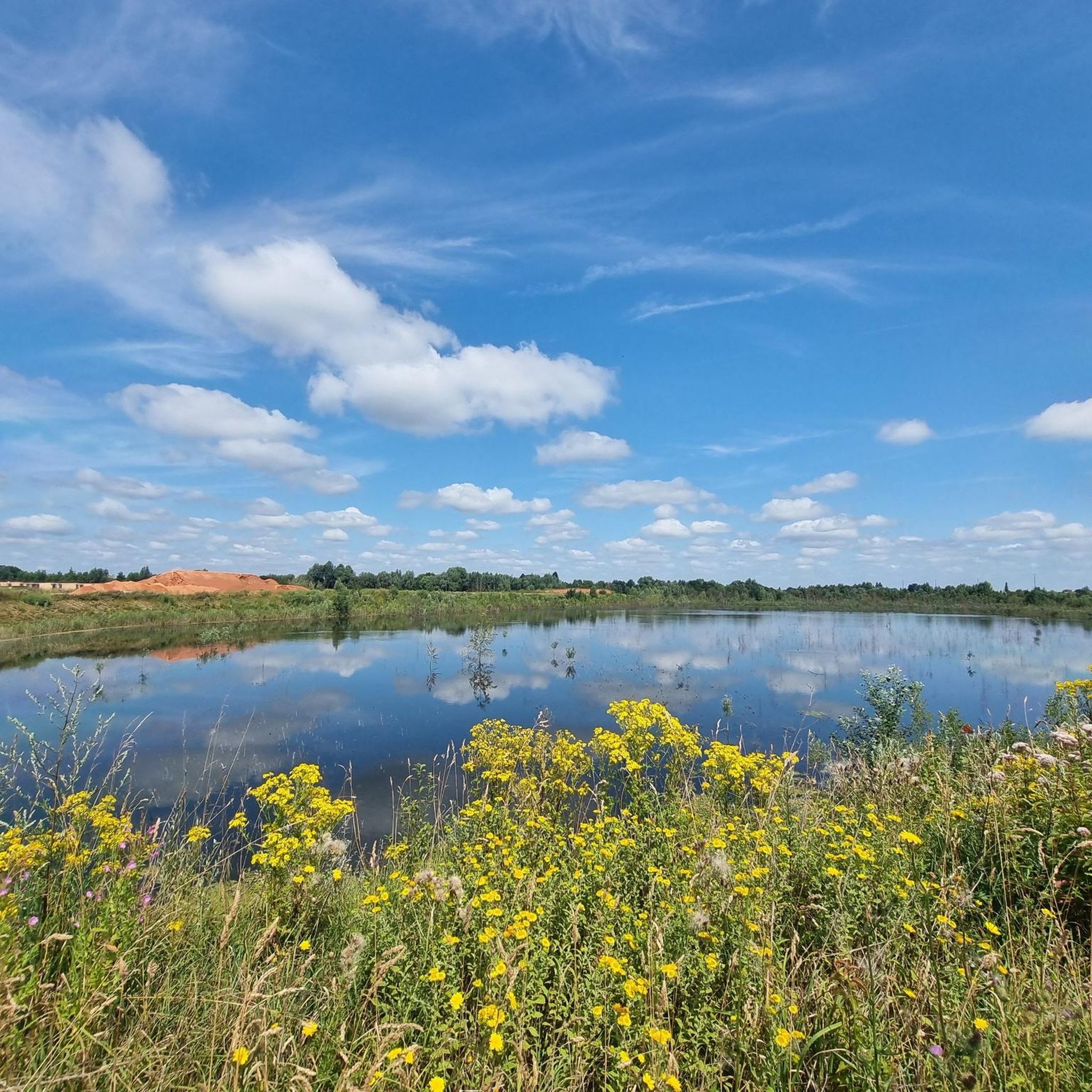
At the beginning of the 14th century, Ypres was a very prosperous and densely populated city. Two ponds were constructed for water supply: one in Dikkebus and one in Zillebeke, and these ponds still provide Ypres with drinking water today. The 28-hectare Zillebeke Pond is fed by the Zillebeek stream. On the western bank lies the pumping and treatment plant, which produces approximately four to five thousand cubic meters of drinking water daily. The pond is surrounded by a beautiful double row of trees. Fishing is permitted with a special permit. The pond is a valuable natural feature. The large fields of water lilies are particularly picturesque. A colony of grebes breeds there, but grey herons, coots, moorhens, mallards, and sandpipers also call the pond home. During the migration season, the pond is frequently visited by numerous bird species. You can cycle and walk around the pond. Source: knooppunter.com/zillebekevijver
2
0
Old pond that supplies fresh water to the city of Ypres. Some explanation: The Dikkebus Pond is a pond near the village of Dikkebus, south of Ypres. On July 23, 1310, the City of Ypres received permission from the Count of Flanders to dig the pond, which, next to the Zillebeke Pond, was intended to ensure sufficient water in the city for fulling and dyeing cloth. The pond was created by damming the Kemmelbeek stream and was excavated on land belonging to the parishes of Vlamertinge, Dikkebus, and Voormezele. The expropriation of the necessary land was arranged by the city of Ypres and took about ten years. The thirty-six-hectare pond was not completed until around 1323. The pond supplied and still supplies Ypres with drinking water, initially via the Ypres canals and later via a system of oak pipes. Since 1926, this has been done via a modern pumping station. The Zillebeke Pond and Bellewaarde Pond were also created this way. Besides providing drinking water, the pond also serves a recreational purpose. Enjoy the shady banks at a moderate pace.
2
0
Old pond that supplies fresh water to the city of Ypres. Some explanation: The Dikkebusvijver is a pond near the village of Dikkebus, south of the city of Ypres. On July 23, 1310, the City of Ypres received permission from the Count of Flanders to dig the pond next to the Zillebeke pond to ensure that sufficient water was available in the city for fulling and dyeing sheets. The pond was created by damming the Kemmelbeek and was excavated on the grounds of the parishes of Vlamertinge, Dikkebus and Voormezele. The expropriation of the necessary land was arranged by the city of Ypres and took about ten years to complete. The pond of thirty-six hectares was not realized until around 1323. The pond provided and supplies Ypres with drinking water, formerly via the Ypres canals and then via a system of oak pipes. Since 1926 this has been done via a modern pumping station. The Zillebeke pond and Bellewaarde pond were also created in this way. In addition to the drinking water supply, the pond also has a recreational function. Enjoy the shaded banks at moderate speed.
4
0
Frequently Asked Questions
What are some other significant natural monuments to explore in Comines-Warneton?
Beyond the historical battlefields, Comines-Warneton offers several other notable natural monuments. These include the extensive Bois du Gheer and Bois de la Hutte, which form the largest wooded expanse between Lille and the Belgian coast, and the Ploegsteert Nature and Bird Sanctuary, a haven for over 220 bird species. Another interesting site is the Vert Digue Nature Reserve, known for its diverse habitats and as a prime nesting site for birds.
Are there family-friendly natural monuments in Comines-Warneton?
Yes, several natural monuments are suitable for families. The Caterpillar Crater and Pool of Peace (Spanbroekmolen Crater) offer accessible historical insights within natural settings. The Bois du Gheer and Bois de la Hutte also provide easily accessible paths for walks, and the Ploegsteert Nature and Bird Sanctuary has a wide path and observation post, making it enjoyable for all ages to spot wildlife.
What kind of wildlife can I expect to see at the natural monuments?
The natural monuments in Comines-Warneton are rich in biodiversity. In the Bois du Gheer and Bois de la Hutte, you might spot deer, squirrels, and various bird species. The Ploegsteert Nature and Bird Sanctuary is particularly renowned for its birdlife, with over 220 species observed, and also hosts the largest population of crested newts in Hainaut. The Vert Digue Nature Reserve and the banks of the River Lys are also excellent for birdwatching and observing aquatic flora and fauna.
Are there hiking opportunities near the natural monuments in Comines-Warneton?
Absolutely. The region is well-suited for hiking. You can find numerous trails, including those around the historical sites like The Bluff Memorial and Crater and Hill 60 preserved Battlefield. The Bois du Gheer and Bois de la Hutte offer extensive paths for walks in any season. For more structured routes, explore the hiking guides for the area, such as the Hiking around Comines-Warneton guide, which includes routes like the 'Royal Berks cemetery – Ploegsteertbos loop'.
What is the historical significance of the natural monuments in the region?
Many natural monuments in Comines-Warneton hold profound historical significance, particularly related to World War I. Sites like Hill 60, Caterpillar Crater, The Bluff Memorial and Crater, and the Pool of Peace are preserved battlefields and mine craters, serving as poignant reminders of the war's impact on the landscape and its human cost. The Bois du Gheer and Bois de la Hutte also contain remnants of shelters and British cemeteries from WWI.
What is the best time of year to visit the natural monuments in Comines-Warneton?
The natural monuments can be enjoyed throughout the year. Spring and summer are ideal for observing lush flora and active wildlife, especially birds in the sanctuaries. Autumn offers beautiful foliage in the woods, while winter provides a serene, reflective atmosphere, particularly at the historical sites. The paths in areas like the Bois du Gheer and Bois de la Hutte are easily accessible in any season.
Are the natural monuments in Comines-Warneton accessible for wheelchairs or strollers?
While specific accessibility details vary by site, some areas offer easier access. The Ploegsteert Nature and Bird Sanctuary features a wide path suitable for exploration, and many of the historical sites have visitor centers or paths designed for general public access. However, given the natural and sometimes rugged terrain, especially around preserved battlefields, it's advisable to check specific site conditions for full accessibility.
Can I bring my dog to the natural monuments?
Many natural areas in Belgium, including some natural monuments, are dog-friendly, often requiring dogs to be kept on a leash to protect wildlife and ensure visitor safety. It's always best to check specific regulations for each site, but generally, areas with marked trails like the Bois du Gheer and Bois de la Hutte are welcoming to leashed dogs.
Where can I find more information about the natural sites in Comines-Warneton?
For more detailed information on the natural sites and walks in the area, you can visit the official tourism website for Comines-Warneton. They provide comprehensive details on various natural attractions and activities. You can find more information at visitcomines-warneton.be.
What cycling opportunities are available near the natural monuments?
The region around Comines-Warneton offers excellent cycling opportunities, often along scenic routes that pass by or through natural monuments. The towpaths along the River Lys are particularly ideal for cycling. You can find various routes in the Cycling around Comines-Warneton guide, including routes like the 'Towpath of the Lys – Pont Rouge loop'.
What makes the Bois du Gheer and Bois de la Hutte special?
The Bois du Gheer and Bois de la Hutte are special as the largest wooded expanse (around 260 hectares) between Lille and the Belgian coast. They are Natura 2000 sites, rich in biodiversity, and offer glimpses of deer and various bird species. Historically, they were occupied by the British during World War I, with remnants of shelters and three British cemeteries still present. Climbing Mont de La Hutte (Hill 63) provides a vast panorama of the Douve valley.
What is unique about the Ploegsteert Nature and Bird Sanctuary?
The Ploegsteert Nature and Bird Sanctuary is unique for its diverse biotopes, including wooded areas, marshes, and large bodies of water, all originating from former clay pits. It's a critical habitat for over 220 bird species and hosts the largest population of crested newts in Hainaut. Rare bat species hunt here, and fossil remains from the last ice age are occasionally discovered, adding to its ecological and scientific interest.
What is the Vert Digue Nature Reserve known for?
The Vert Digue Nature Reserve is known for being a verdant island of biodiversity created during the expansion of the Lys river. It features a variety of habitats, including open water, marshes, wet meadows, and reed beds, making it a prime nesting site for various bird species. Recent developments have enhanced its biodiversity, particularly for aquatic and semi-aquatic flora and fauna, solidifying its status as a Natura 2000 site.
Most popular routes around Comines-Warneton
Most popular attractions around Comines-Warneton

Get inspired with the komoot mobile app


