Top 20 Natural Monuments around Luisago
Best natural monuments around Luisago are found within the Province of Como, Italy, offering access to significant natural areas. The region benefits from its proximity to protected parks such as Parco del Bosco del Rugareto and Lura Park. These areas provide diverse habitats for local flora and fauna, including various tree species and birds. The natural landscape features networks of paths suitable for outdoor activities like walking and hiking.
Best natural monuments around Luisago
- The most popular natural monuments is…
Last updated: June 28, 2026
Voltiano Lighthouse
Highlight • Monument
Translated by Google •
Tip by

Pin Umbrela
Highlight • Viewpoint
Translated by Google •
Tip by

Sign up now to discover places like this
Get recommendations on the best single tracks, peaks, & plenty of other exciting outdoor places.
Sign up for free
Villa Olmo
Highlight • Historical Site
The name of the villa goes back to a huge elm tree (Olmo), which according to legend was planted by Pliny the Younger and once adorned …
Showing Translation
Tip by

Lake Como
Highlight • Lake
Lake Como, with a depth of no less than 410 meters, is one of the deepest lakes in Europe. During the Ice …
Showing Translation
Tip by

Life Electric by Daniel Libeskind
Highlight • Monument
Translated by Google •
Tip by

Sign up for free to discover even more natural monuments around Luisago.
Sign up for free
Already have an account?
Start today with a free account
Your next adventure awaits.
Login or Signup

Tips from the Community

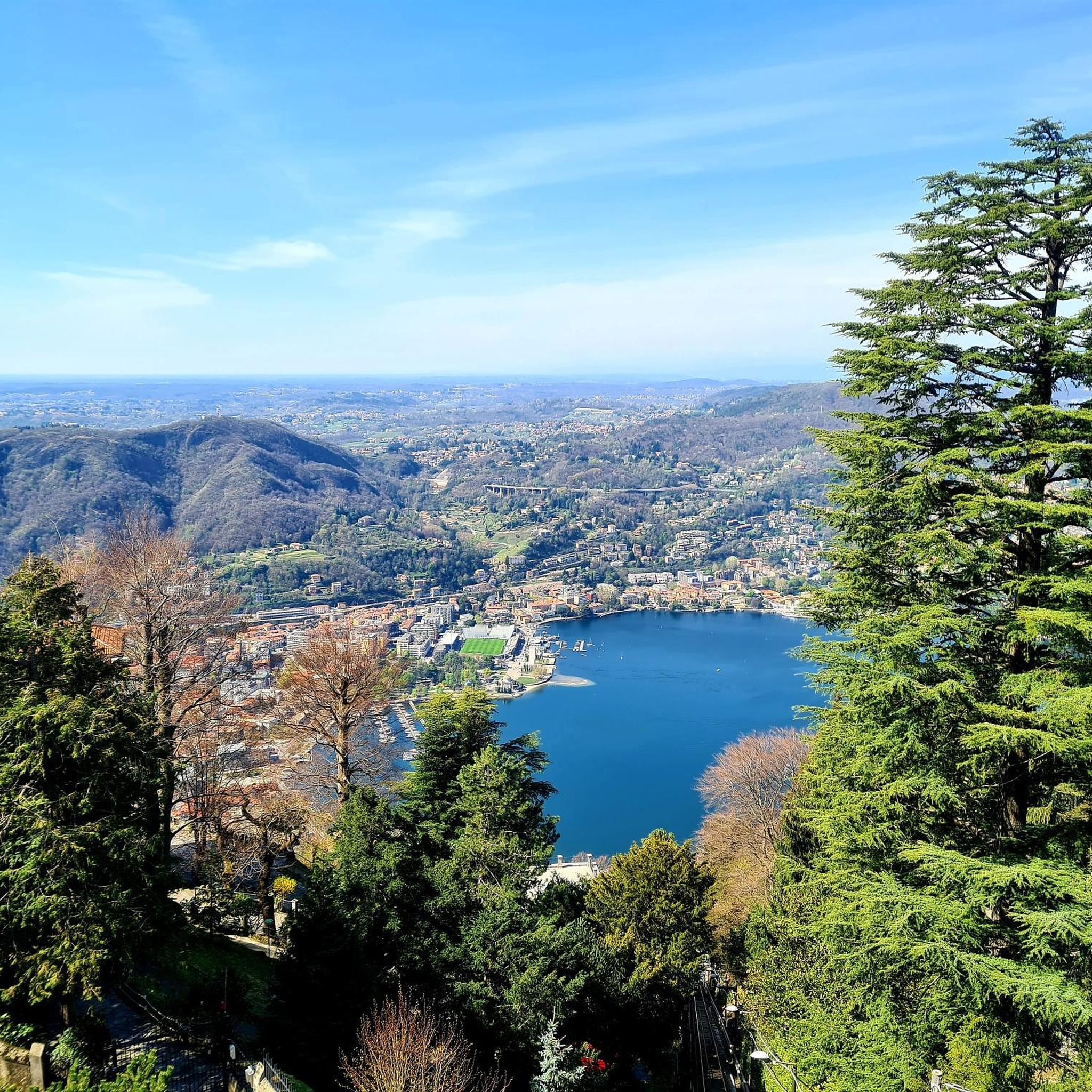
Some facts about Como and its beautiful lake: Lake Como, with a depth of no less than 410 meters, is one of the deepest lakes in Europe. During the Ice Age, the basin was carved out so deeply by glaciers that the lake bed lies more than 200 meters below sea level. In antiquity and the Middle Ages, the lake was a crucial, but dangerous, transport route. Archaeologists still regularly find Roman amphorae and shipwrecks on the bottom, which were used at the time to illegally smuggle goods and silk past customs posts. Isola Comacina, the only island in the lake, was completely destroyed in 1169 after a bloody war. The bishop of Como pronounced a curse: anyone who built or ate there would die a horrible death. Only in 1947 was the "curse" ritually broken by a restaurant owner, whose restaurant still operates successfully today. Does a secret Nazi treasure lie in the waters of Lake Como? Shortly before his arrest in 1945, Benito Mussolini tried to flee to Switzerland with a column of German army vehicles. According to legend, the "Treasure of Dongo" – millions in gold, jewels, and government money – was thrown into Lake Como at the time and has never been fully recovered. Finally, the world-famous physicist Alessandro Volta, inventor of the electric battery (volt), was born and raised in Como. The iconic neoclassical temple Tempio Voltiano on the shore in Como was built specifically to protect his earliest scientific instruments.
3
0

Artwork by Daniel Libeskind. The work brings together the elements – light, wind, and water. It is an installation and an ideal and physical gateway.
0
0


Lake Como, or "Il Lago di Como" in Italian, is the third-largest lake in northern Italy, with a surface area of 146 km². It is surrounded by the peaks of the Alps, including the highest mountain, Monte Legnone, on the northwestern shore at 2,615 meters.
1
0

Lighthouse currently under maintenance (01/2025) - Ascent not possible
1
0

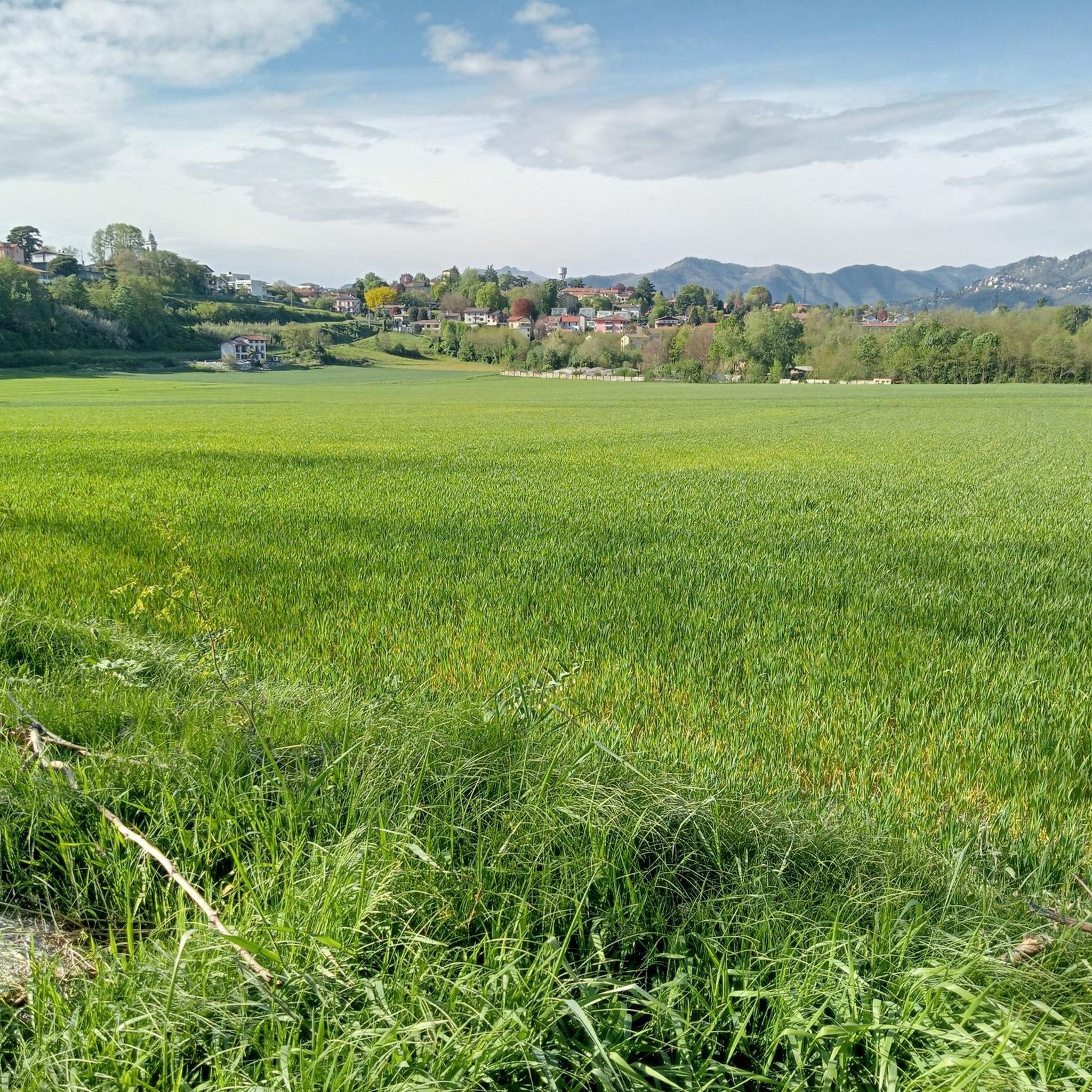
At the end of the beach promenade there is "suddenly" a huge building: Villa Olmo. Imposing park with a panoramic view of Como. The bike has to be pushed.
1
0
The monument “The Life Electric”, in honor of Alessandro Volta, will be erected in the middle of the first basin of Lake Como, on the last circular part of the breakwater opposite Cavour Square. Star architect Daniel Libeskind is the man behind the work: sleek, linear and deeply context-driven. At approximately 16.50 m tall, it resembles two sine waves opposing each other as they play on reciprocating curves and movements. The work itself interweaves energetic and scientific elements with natural elements. It marks the third pole of the area, as it is located between the Brunate Lighthouse and the Temple with Public Gardens, two other works dedicated, not coincidentally, to Volta. "Life Electric is inspired by the electrical voltage that occurs between the two poles of a battery, Volta's great gift to humanity. The form of this work emerged from my in-depth research into the representation of architectural energy. The piece combines the natural elements of light, wind and water. An installation, a physical and ideal gateway to the 21st century. Source: https://www.visitcomo.eu/en/discover/monuments/monuments-from-900/life-electric/index.html
5
0

Villa Olmo is a perfect example of Italian neoclassical style. Its elegance and charm didn’t go unnoticed by Napoleon Bonaparte and Giuseppe Garibaldi, who were two of the most notable guests of the villa. The villa began restoration work in early 2024, so its interior will not be open to visitors for about a couple of years. The gardens that surround it are open all throughout the year. Learn more here: https://lakecomotravel.com/villa-olmo-lake-como/
3
0
Frequently Asked Questions
What are some prominent natural monuments to visit around Luisago?
The region around Luisago offers several notable natural monuments. You can enjoy the panoramic views from Pin Umbrela, explore the trails and swim at Lake Montorfano, or take in the expansive vistas of Lake Como and the Western Alps from Voltiano Lighthouse.
Are there any protected natural parks near Luisago?
Yes, Luisago is situated near significant protected natural areas. The Parco del Bosco del Rugareto is a large protected area known for its diverse flora like Scots pine, common oak, and hornbeam, and fauna including European squirrels and various bird species. Lura Park is another nearby green space offering various route options.
What kind of natural features can I expect to see in the Luisago area?
The natural monuments around Luisago feature a variety of landscapes. You'll find serene lakes like Lake Montorfano, offering opportunities for swimming and lakeside walks. There are also numerous viewpoints, such as Pin Umbrela and Voltiano Lighthouse, providing stunning panoramas. Forested areas are also prevalent, especially within parks like Parco del Bosco del Rugareto and Lura Park.
Are there hiking opportunities near these natural monuments?
Absolutely. The natural areas around Luisago, including Parco del Bosco del Rugareto and Lura Park, offer extensive networks of paths ideal for hiking and walking. For more specific routes, you can explore the Running Trails around Luisago guide, which includes routes through these natural settings.
What other outdoor activities are available near Luisago's natural monuments?
Beyond hiking, the region is excellent for cycling. You can find various routes for road cycling and mountain biking. Check out the Road Cycling Routes around Luisago or the MTB Trails around Luisago guides for detailed options, including routes through Lura Park.
Are there family-friendly natural monuments or activities in the area?
Yes, several natural monuments are suitable for families. Lake Montorfano is considered family-friendly, offering a small beach for swimming in summer and easy trails around the lake. The paths within Parco del Bosco del Rugareto are also generally accessible for family walks.
Can I bring my dog to these natural areas?
Many natural areas around Luisago are dog-friendly. For instance, Lake Montorfano is a recommended spot to bring your four-legged friends for a swim. When visiting parks and trails, always ensure your dog is on a leash and follow local regulations regarding pet access.
What is the best season to visit the natural monuments around Luisago?
Spring and autumn are generally ideal for visiting the natural monuments around Luisago. The weather is pleasant for outdoor activities like hiking and cycling, and the natural scenery is vibrant with spring blooms or autumn colors. Summer offers opportunities for swimming at places like Lake Montorfano, though it can be warmer.
What do visitors enjoy most about the natural monuments around Luisago?
Visitors frequently praise the stunning panoramic views, especially from spots like Pin Umbrela and Voltiano Lighthouse. The tranquility and natural beauty of places like Lake Montorfano and the extensive trail networks in the protected parks are also highly appreciated for immersive nature experiences.
Are there any cultural or historic sites near the natural monuments?
Yes, the region blends natural beauty with historical significance. While not strictly a natural monument, Voltiano Lighthouse is a historic structure built to commemorate Alessandro Volta. Additionally, Villa Olmo, a neoclassical villa with a beautiful park, is nearby and hosts cultural events, offering a glimpse into the area's rich heritage.
How much time should I allocate to explore these natural monuments?
The time needed varies depending on the monument and your activity. A visit to a viewpoint like Pin Umbrela or Voltiano Lighthouse might take 1-2 hours. Exploring Lake Montorfano or hiking within Parco del Bosco del Rugareto could easily fill half a day or more, especially if you plan to combine it with other activities.
What are the geological characteristics of the natural monuments in the Luisago region?
The natural areas around Luisago, particularly within parks like Parco del Bosco del Rugareto, are characteristic of the Lombard plateau. The terrain is generally gentle, featuring woodlands and the presence of torrents like the Fontanile di Tradate, Gradeluso, and Bozzente. These waterways contribute to the local ecosystem and landscape, with the Bozzente maintaining a constant flow even during dry periods.
Most popular routes around Luisago
Most popular attractions around Luisago

Get inspired with the komoot mobile app


Explore more
Extend your search for the best caves by checking out these guides of the top ones around Luisago:
