Top 6 Natural Monuments around Breme
Best natural monuments around Breme offer diverse natural landscapes, from river confluences to unique geological formations and protected marshlands. The region's terrain, shaped by ancient river paths, features a mix of flat countryside and subtle elevations. These sites provide opportunities to observe varied ecosystems and significant natural features within the Lomellina area.
Best natural monuments around Breme
- The most popular natural monuments is View of the Po River at the confluence with the Grana., a viewpoint that offers expansive…
Last updated: June 28, 2026
Dosso of Lomellina
Highlight • Natural Monument
Translated by Google •
Tip by

View of the Po River at the Iron Bridge
Highlight • Viewpoint
Translated by Google •
Tip by
Sign up now to discover places like this
Get recommendations on the best single tracks, peaks, & plenty of other exciting outdoor places.
Sign up for free
Loja Marsh
Highlight • Natural
Translated by Google •
Tip by
Sesia–Po Confluence
Highlight • River
Translated by Google •
Tip by

Agogna Waterfalls
Highlight • Waterfall
Translated by Google •
Tip by
Sign up for free to discover even more natural monuments around Breme.
Sign up for free
Already have an account?
Start today with a free account
Your next adventure awaits.
Login or Signup



Tips from the Community

Nice reserve for off-roading.
16
0

Beautiful view along the Po
3
0

the great river; in front, further upstream, the area of the confluence of the Sesia and the Po, where between November and February thousands of cranes stop; in the distance, Monte Rosa
0
0

The Po river From where it originates to where it dies, 6000,000 inhabitants, fantastic natural beauty
5
0
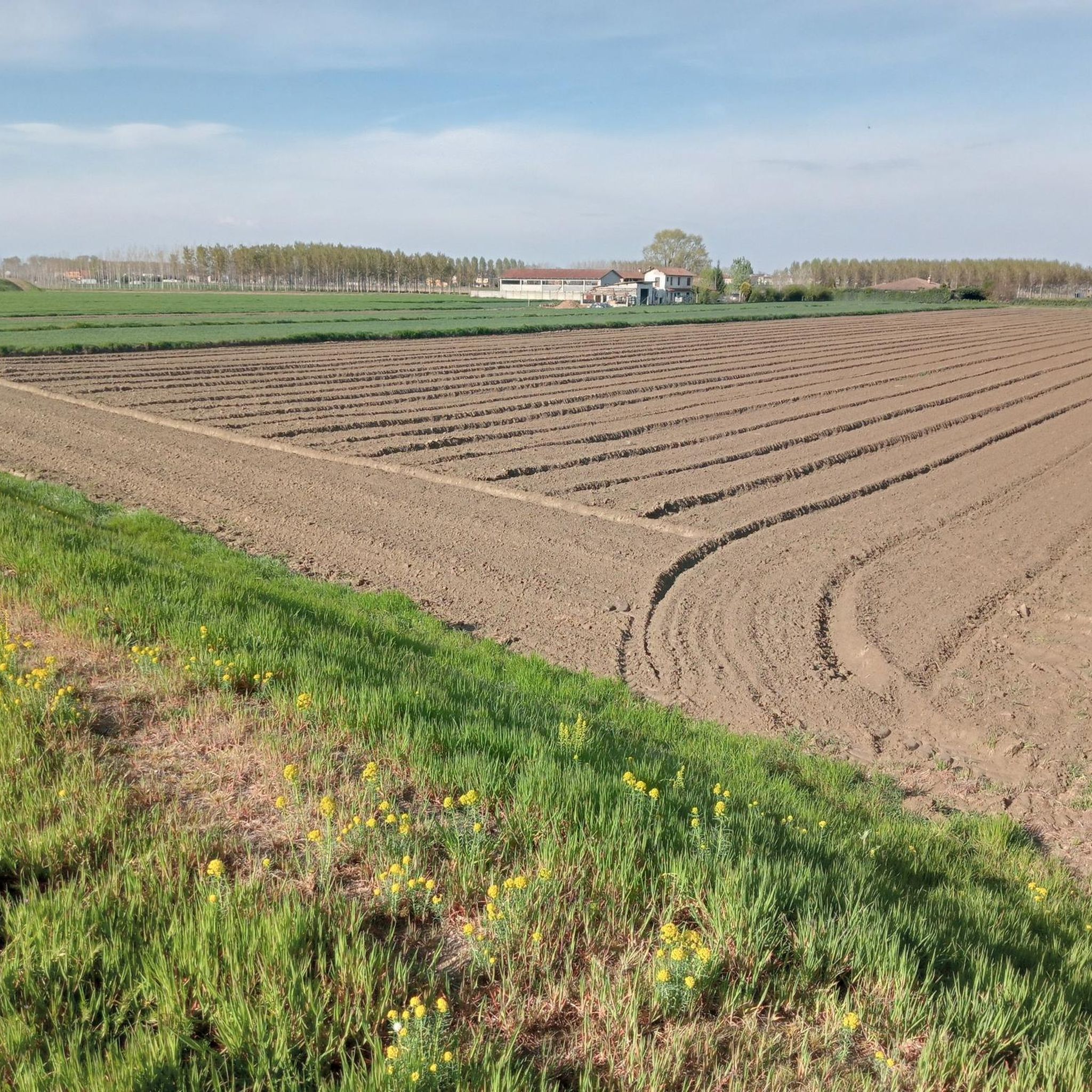
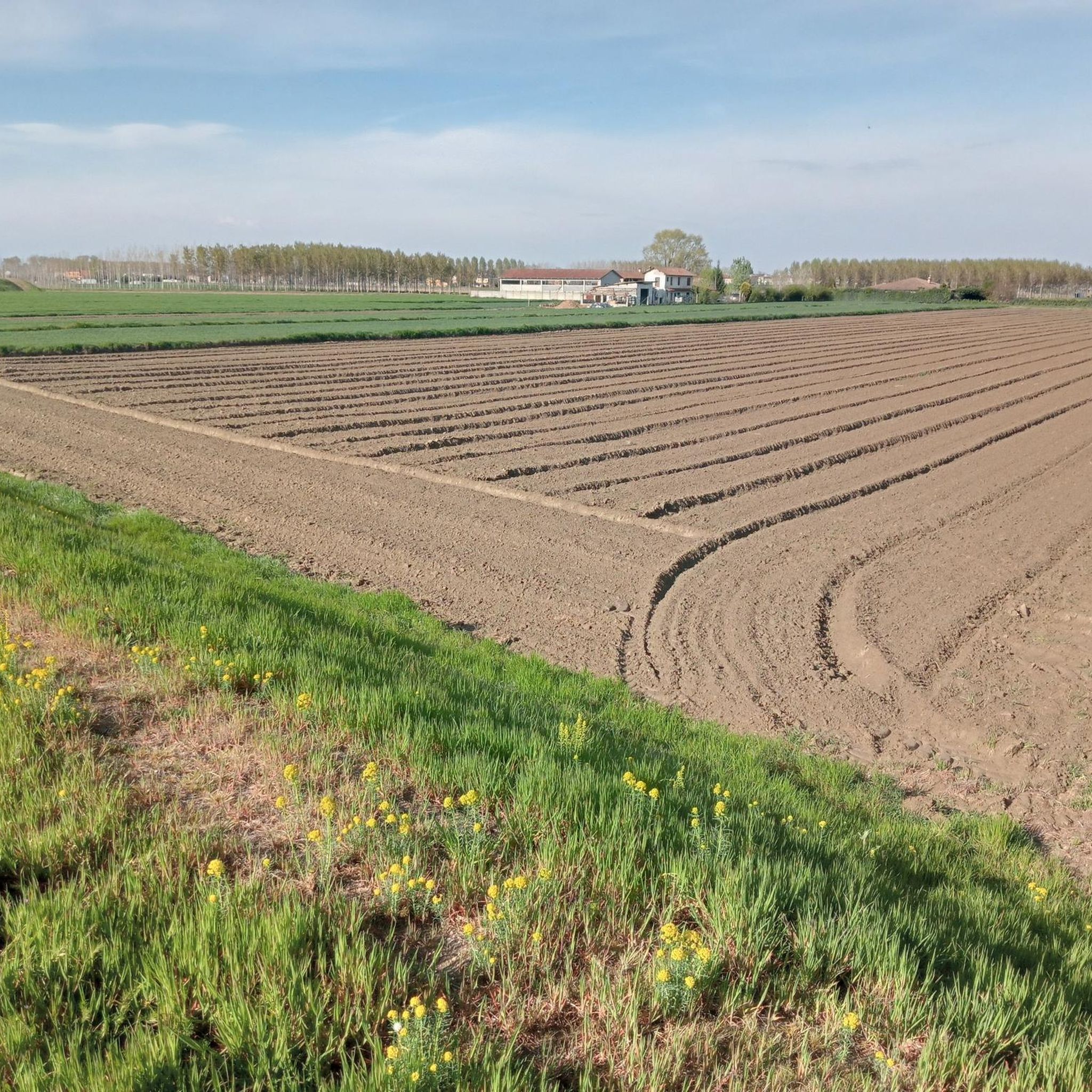
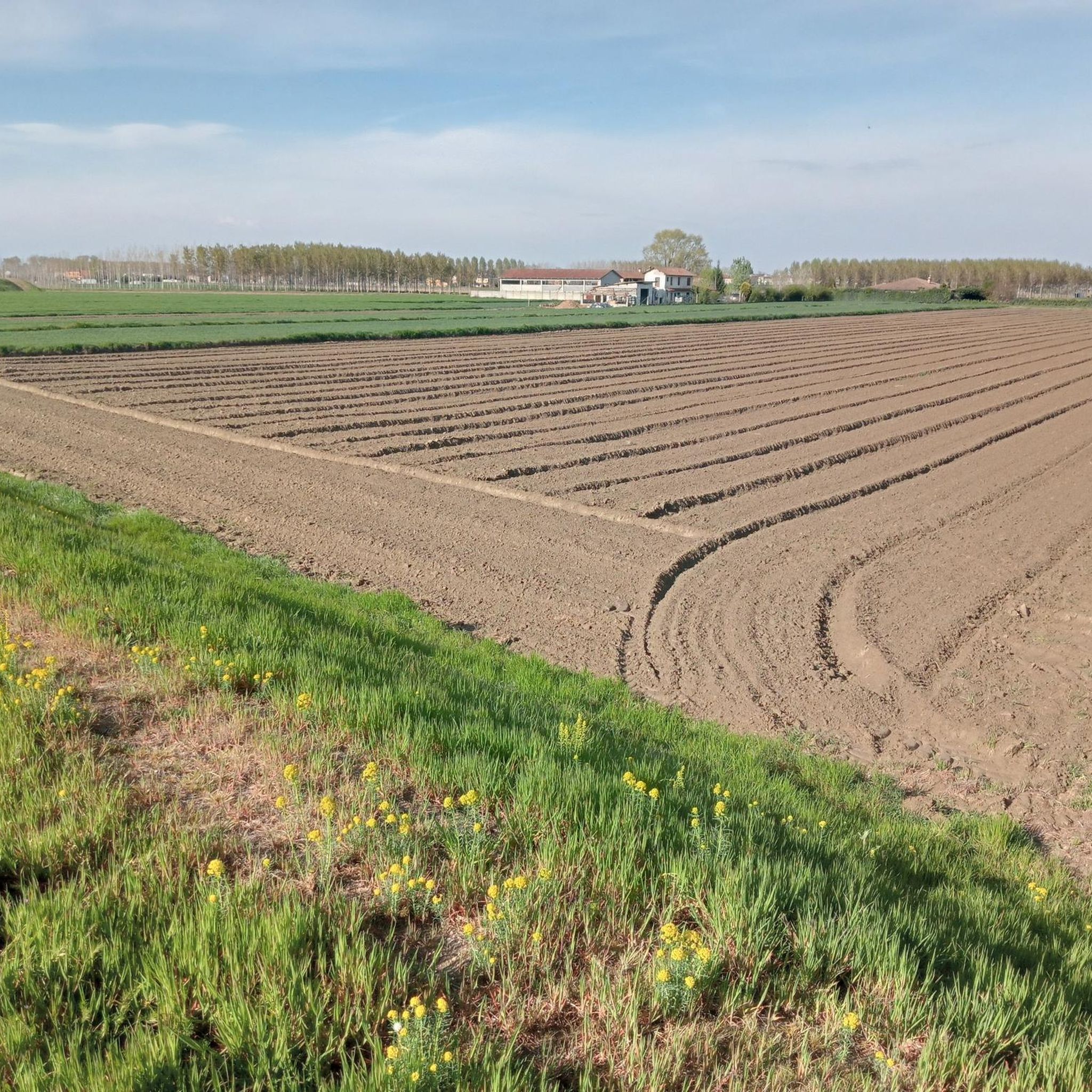
The bumps are tiny hills, generally sandy, which until a few decades ago characterized the landscape of our Lomelline countryside. Most of these very modest reliefs have been leveled to make way for poplar groves and rice fields and the only testimony that remains of them is, in many cases, the ups and downs of the country roads which gives those who walk them the amazement of finding some meters above the level of the cultivated countryside. In the area of the bumps, the alternation of hollows and ridges is visible which testifies to how the surface of our plain has been shaped by the continuous changes in the paths of the rivers, by the incessant work of streams, as well as by the erosion caused by atmospheric agents. Those who pass through Lomellina, after having crossed long stretches of very flat countryside, are pleasantly surprised to discover, in the heart of these centers, small hills flanked by old houses or ancient churches overlooking gently sloping churchyards.
51
0
Once at the foot of these waterfalls two beached beaches emerged on both banks of the stream, unfortunately a flood occurred in 2003 irreparably changed the course of the stream by destroying and modifying its conformation, after these events it took human intervention to secure the whole area.
18
0
In the immense expanse of paddy fields of the Pavese and Novara areas, a biological entity of extraordinary interest has survived, saved from the dangers of destruction that instead hit the nearby area of the Rogge Guida and Raina springs, which still retain considerable environmental values. Sensitive to the solicitations of the scientific and environmental world, the Lombardy Region has established an oriented nature reserve in the central part of the area since 1984, entrusting its management to the Province of Pavia. The Loja Swamp is located in Lomellina, between the municipalities of S. Angelo and Zeme Lomellina and represents a flooded forest relic with black Alder, once a widespread habitat in swampy depressions with still waters, in the sortuminous soils and in the lower fluvial terraces of the old waterways, throughout the area. The dominant tree species is the black alder rarely associated with English oak, white poplar, white willow, willow, field maple, white hornbeam, pear and wild apple and some specimens of elm, a species decayed by graphiosis. In the undergrowth among the most significant species the Hawthorn, the Hazel, the Blackthorn, the Sanguine, while the herbaceous vegetation has among the most important species the Salcerella, the Water Yarrow, the yellow iris, the Reed of the marsh, the Mazzasorda greater or Tifa, the Nannufaro and some species of Sedge. The fauna includes about fifteen species of mammals including the Shrew, the Moscardino, the Weasel, the Polecat and the Nutria, rodent of South American origin which probably escaped some breeding. The varied environment determines a truly extraordinary presence of birds, with species linked to running waters, woods and uncultivated or arable land. We report only some of them, from the Ardeidae to the Kingfisher, from the numerous Anatidae to the Cavaliere d'Italia, to the Canareccione, to the Moorhen, to the Greater Spotted Woodpecker. The reptiles and amphibians are noted, among others, with the presence of the Grass Snake, the Snake, the Triton, the Frog of Lataste. In the waters live the brook lamprey and the crayfish, while among the fish one can observe the Pike, the Tench, the Carp, the Rudd, the Bleak, the Common Cobite and the Masked Cobite. Thousands of insect species, including the now rare Carabus clathratus. The Pro Natura oasis extends over 10 hectares made up of the wood that develops along the outflow shaft of the Cavo Solero and Roggia Raia.
36
0
Frequently Asked Questions
What are the most popular natural monuments to visit around Breme?
Among the most popular natural monuments around Breme, visitors highly appreciate the View of the Po River at the confluence with the Grana for its expansive river views. Another favorite is the Dosso of Lomellina, known for its unique sandy hills that are remnants of ancient river paths.
What unique natural features can I expect to see in the Breme area?
The Breme area offers diverse natural features. You can explore the unique sandy hills of the Dosso of Lomellina, which showcase how ancient rivers shaped the landscape. The Loja Marsh is a significant flooded forest relic with black Alder and rich biodiversity, while the View of the Po River at the confluence with the Grana provides stunning river vistas.
Are there family-friendly natural monuments around Breme?
Yes, several natural monuments around Breme are suitable for families. The View of the Po River at the confluence with the Grana and the Dosso of Lomellina are both categorized as family-friendly, offering accessible natural beauty. The Sesia–Po Confluence is also a great spot for families to enjoy the river landscape.
What kind of wildlife can be observed at the natural monuments near Breme?
The Loja Marsh is a prime location for wildlife observation. This nature reserve is home to numerous bird species, mammals like shrews and polecats, reptiles, and amphibians. Its diverse ecosystem supports a wide array of fauna, including various fish in its waters and thousands of insect species.
What outdoor activities can I do near the natural monuments around Breme?
The area around Breme offers various outdoor activities. You can find numerous routes for hiking, including trails like the 'Po River wetlands trail'. For cyclists, there are options for gravel biking, such as the 'Giro Villanova'. If you prefer running, explore the running trails available, like the 'Railway bridge loop from Zeme'.
Are there hiking trails near the natural monuments in Breme?
Yes, there are several hiking trails available near the natural monuments. For example, you can explore the 'Po River wetlands trail' or the 'Abbey of San Pietro, Breme – Beach on the Po River loop from Sartirana'. More options can be found in the hiking guide for Breme.
What is the best time of year to visit the natural monuments around Breme?
While specific seasonal tips for Breme's natural monuments are not detailed, generally, spring and autumn offer pleasant weather for exploring natural areas. These seasons often provide comfortable temperatures for outdoor activities and opportunities to observe flora and fauna in their active periods. Winter walks can also be enjoyed, especially along the rivers.
What do visitors enjoy most about the natural monuments in Breme?
Visitors particularly enjoy the expansive and beautiful views along the Po River, especially from the View of the Po River at the confluence with the Grana. The unique landscape of the Dosso of Lomellina with its sandy hills also provides a pleasant surprise after traversing the flat countryside. The tranquility and biodiversity of places like the Loja Marsh are also highly valued.
Can I visit the confluence of the Sesia and Po rivers near Breme?
Yes, the Sesia–Po Confluence is a notable natural monument near Breme. This area is particularly interesting between November and February when thousands of cranes stop there, offering a unique birdwatching opportunity. You can also enjoy views of Monte Rosa in the distance from this location.
Are there any waterfalls to see near Breme?
Yes, the Agogna Waterfalls are a natural monument located near Breme. While a flood in 2003 significantly altered the stream's course, human intervention has secured the area, allowing visitors to still appreciate these waterfalls.
How long should I plan for a visit to the natural monuments around Breme?
The duration of your visit depends on which natural monuments you choose to explore and what activities you plan. For a leisurely stroll and appreciation of a single site like the View of the Po River or the Dosso of Lomellina, a few hours might suffice. If you plan to hike or cycle, or visit multiple locations like the Loja Marsh for wildlife observation, you might want to dedicate a full day.
What should I wear when visiting the natural monuments in Breme?
Given the natural and often riverside environments, it's advisable to wear comfortable walking shoes suitable for varied terrain, which might include sandy paths or marshy areas. Layered clothing is recommended to adapt to changing weather conditions, and insect repellent could be useful, especially when visiting areas like the Loja Marsh.
Most popular attractions around Breme

Get inspired with the komoot mobile app


Explore more
Extend your search for the best caves by checking out these guides of the top ones around Breme:
