Top 6 Natural Monuments around Mantova
Best natural monuments around Mantova are characterized by a landscape shaped by water and green spaces. The city is surrounded by three artificial lakes, Lago Superiore, Lago di Mezzo, and Lago Inferiore, which were created by diverting the Mincio River. These natural features provide diverse habitats and recreational opportunities. The region offers a blend of ecological richness and historical context within its natural areas.
Best natural monuments around Mantova
- The most popular natural monuments is Bosco Fontana Nature Reserve,…
Last updated: June 28, 2026
Bosco Fontana Nature Reserve
Highlight • Forest
Bosco Fontana …
Translated by Google •
Tip by

Vallazza Nature Reserve
Highlight • Natural
Translated by Google •
Tip by

Sign up now to discover places like this
Get recommendations on the best single tracks, peaks, & plenty of other exciting outdoor places.
Sign up for free
Lotus Flower on Lake Superiore, Mantua
Highlight • Lake
Translated by Google •
Tip by

Stork nest
Highlight • Natural Monument
Translated by Google •
Tip by
Entrance to Bosco della Fontana
Highlight • Forest
Translated by Google •
Tip by

Sign up for free to discover even more natural monuments around Mantova.
Sign up for free
Already have an account?
Start today with a free account
Your next adventure awaits.
Login or Signup
Popular around Mantova
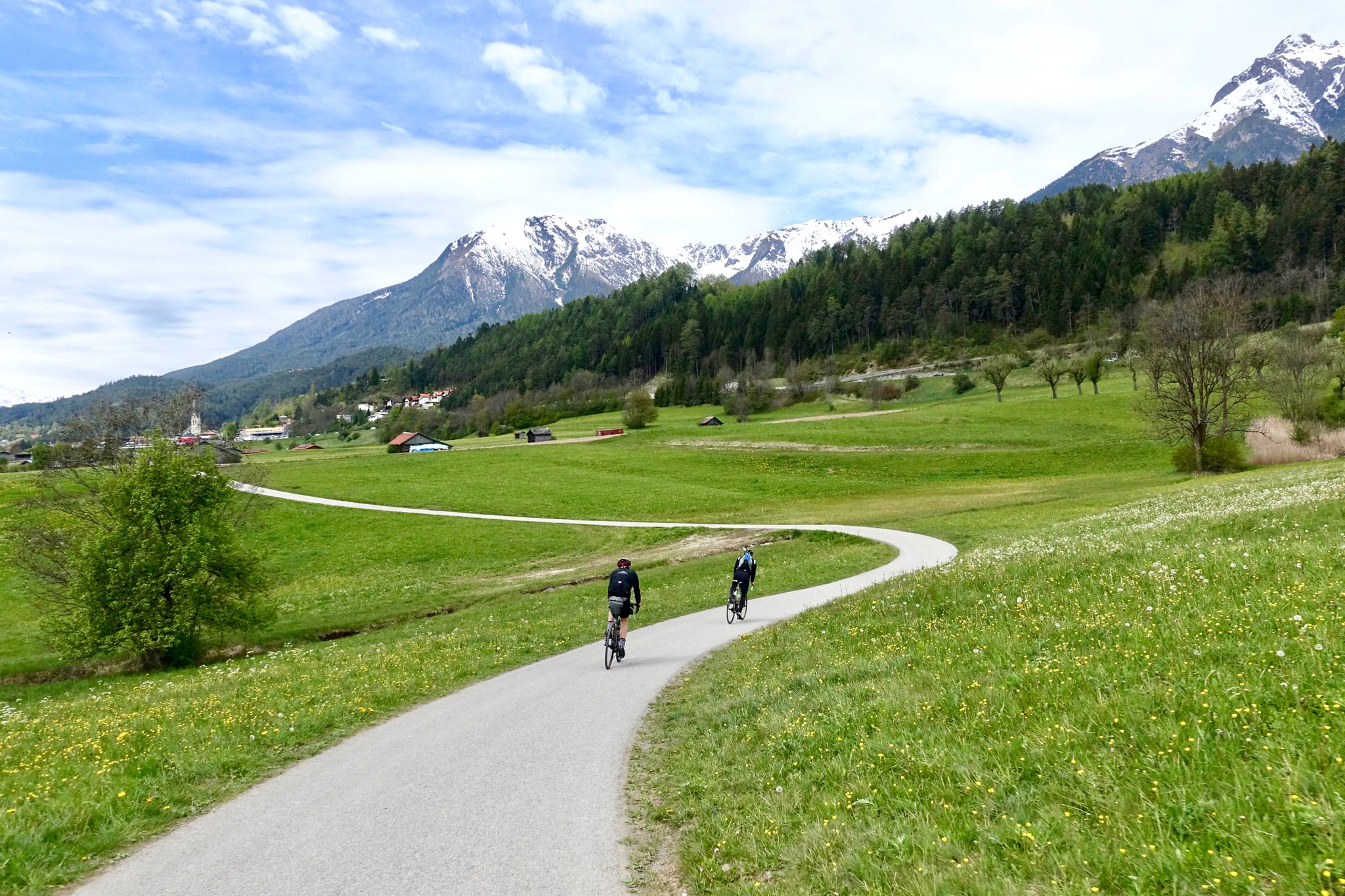
Rando Imperator — a road bike dream with gravel
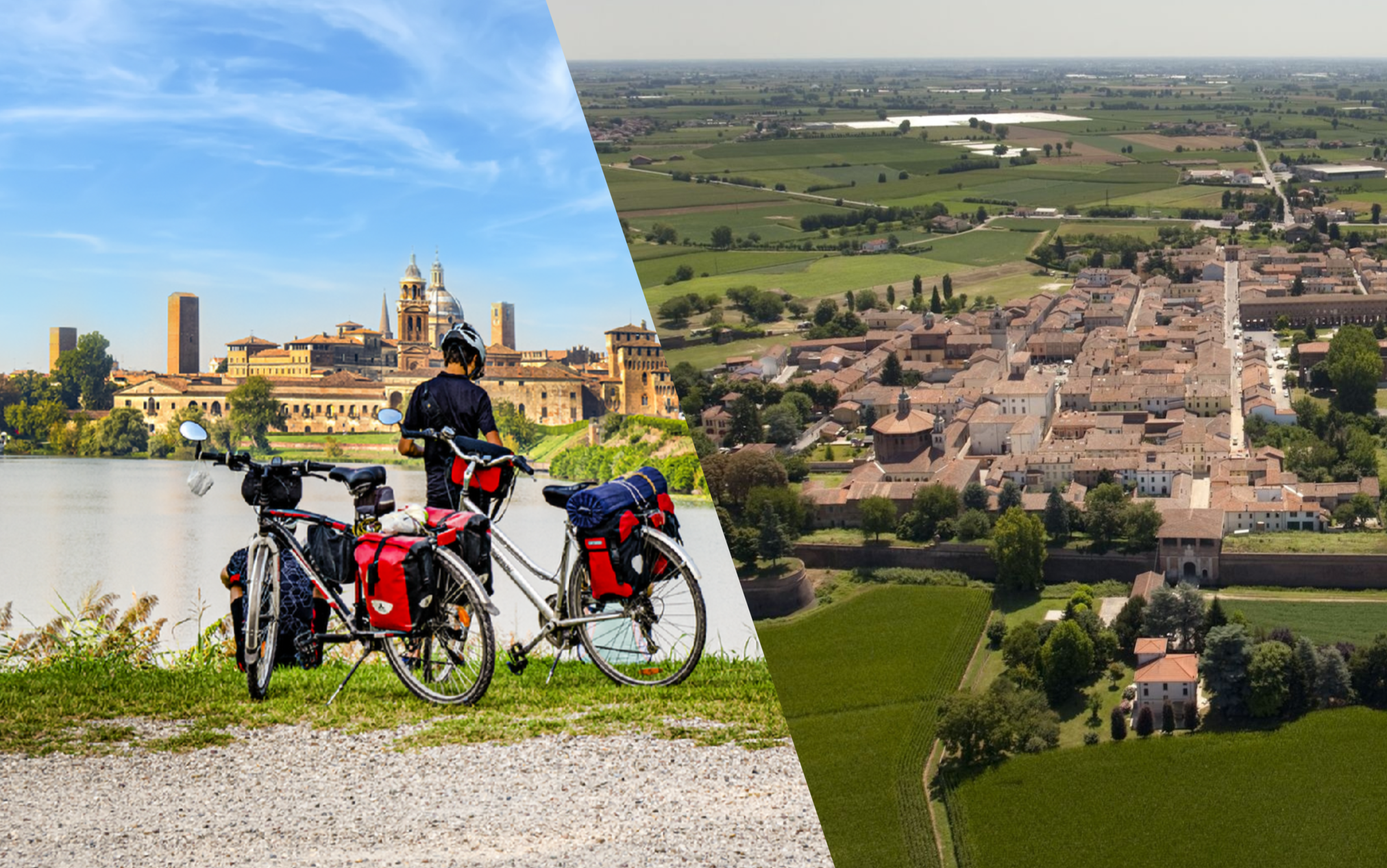
Cycling between the UNESCO towns of Mantua and Sabbioneta
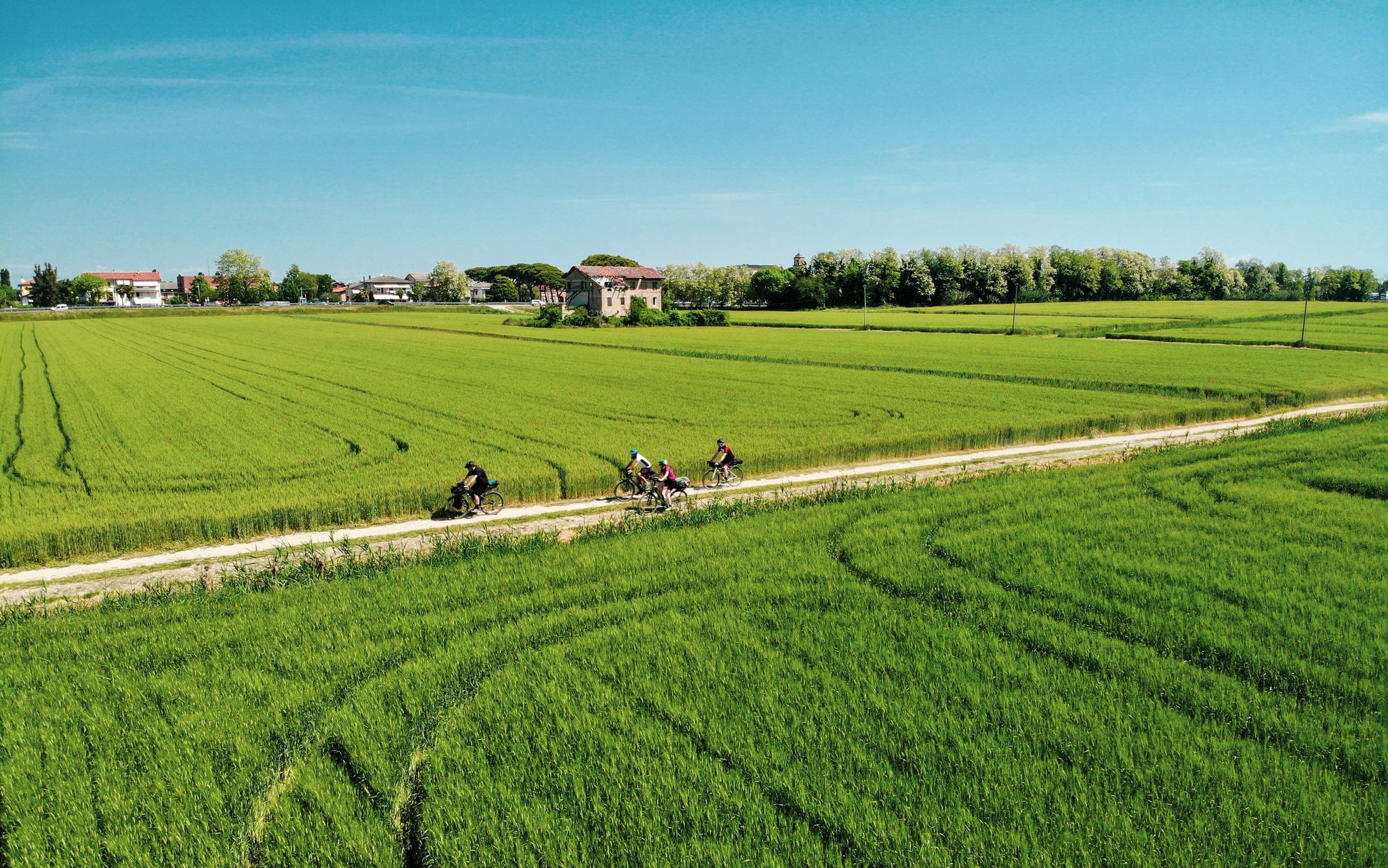
Ride through Italy’s Po Valley – a pilgrimage on the Via Postumia
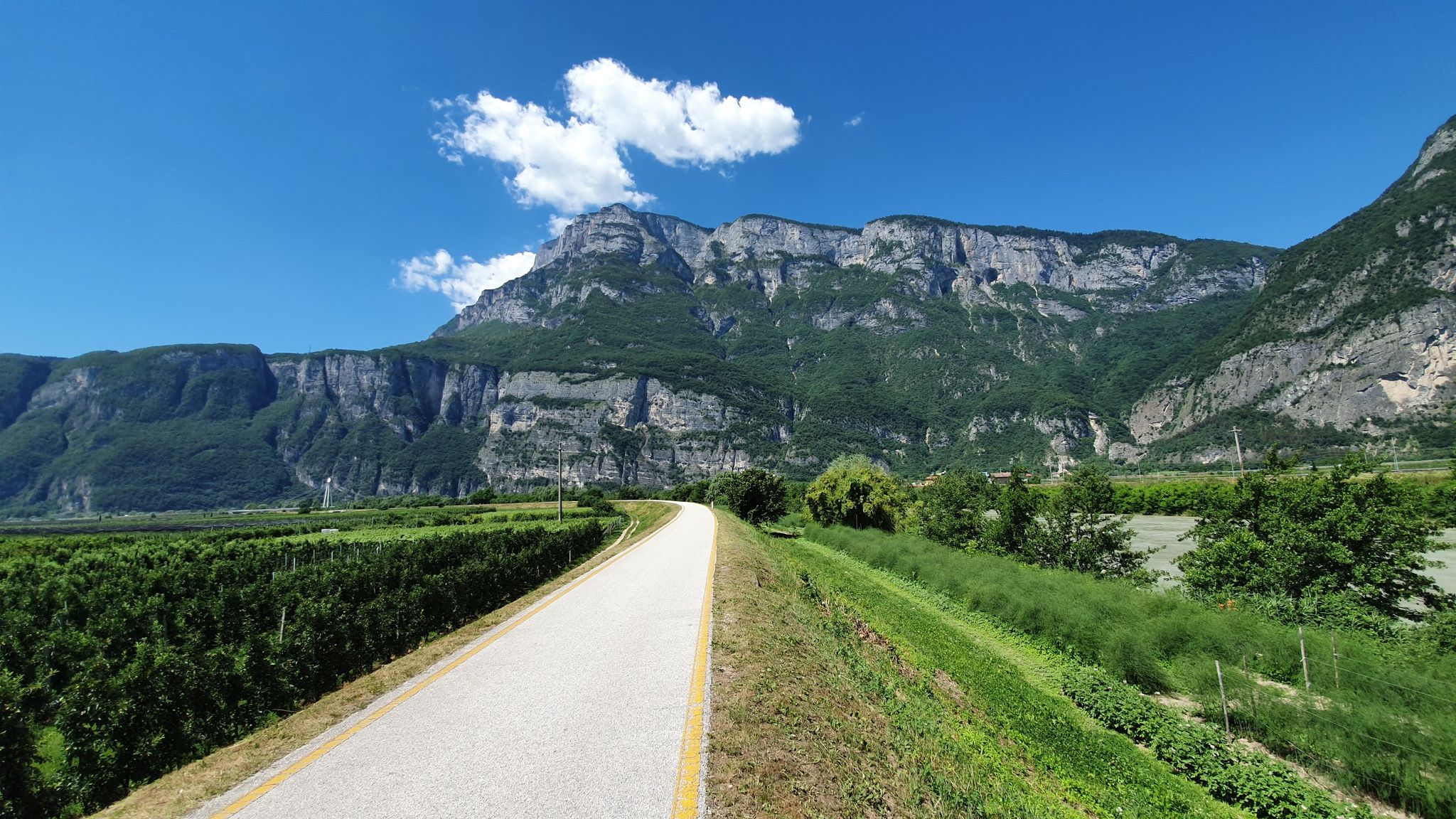
Ciclopista del Sole – Brenner Pass to Florence by bike
Florence to Bolzano – from the heart of Italy to the foot of the Dolomites
Mountains, plains, rivers and lakes — cycling in Italy’s Lombardy region

Gravel biking around Mantova
Other adventures around Mantova


Tips from the Community

No fees at Lake Mantua
0
0
Water lilies at Lake Mantua
0
0
Upper Lake
0
0
Lake Mantua
0
0

A romantic legend revolves around the presence of the lotus flower in the waters of Lake Superior, which tells of the sad end of a young oriental woman who drowned while looking at herself in the lake. Her boyfriend, devastated by grief, sprinkled the lake with lotus flower seeds, so that the delicacy of the flowers, in the summer season, would recall the scent and sweetness of his beloved. In reality, this splendid oriental flower was imported from the countries of South-East Asia in 1921 by the botanist Maria Pellegreffi. It was she who transplanted some bulbs she had received as a gift into these waters, creating a small island where she placed them and studied their growth. Over time, the inhabitants of the towns overlooking the Mincio began to pull them out and plant them on the banks, to embellish their gardens and ports. It was in this way that this splendid weed spread beyond measure, creating a wonderful spectacle.
0
0

It is forbidden to: enter with bicycles, motorcycles, horses or other means of transport, enter with dogs or other animals, introduce or abandon any animal or plant species into the environment, light fires, disturb the peace with games or noise-making devices, collect or damage mushrooms, plants, animals, fly over with aircraft and drones, enter outside of opening hours.
1
0
Opening hours to the public: 9 am to 7 pm (from March 1st to October 31st) and 9 am to 5 pm (from November 1st to February 28th Opening days: every day, except Tuesdays and Fridays;
1
0

Beautiful route that continues to Bosco Virgiliano
0
0
Frequently Asked Questions
What are some of the most popular natural monuments to visit around Mantova?
Visitors frequently enjoy the Bosco Fontana Nature Reserve, known for being one of the few remaining old-growth forests in the region and a former hunting lodge for the Gonzaga family. Another favorite is the Vallazza Nature Reserve, offering diverse wildlife and paths leading to the Pietole Fort. The Lotus Flower on Lake Superiore, Mantua is also highly appreciated for its vibrant summer blooms and picturesque views.
Are there family-friendly natural monuments around Mantova?
Yes, several natural monuments are suitable for families. The Bosco Fontana Nature Reserve, Vallazza Nature Reserve, and the area around the Lotus Flower on Lake Superiore, Mantua are all marked as family-friendly. These spots offer opportunities for leisurely walks, observing nature, and enjoying the outdoors together.
Can I bring my dog to the natural monuments in Mantova?
Yes, some natural monuments are dog-friendly. For instance, the area around the Lotus Flower on Lake Superiore, Mantua is suitable for dogs. When visiting, always ensure your dog is on a leash and that you clean up after them to preserve the natural environment for everyone.
What kind of outdoor activities can I do near Mantova's natural monuments?
The region around Mantova's natural monuments is excellent for various outdoor activities. You can enjoy cycling along the Mantova-Peschiera cycle path, which passes near Bosco Fontana Nature Reserve. The Parco del Mincio offers opportunities for leisurely strolls, bike rides, and birdwatching. For more structured routes, consider exploring gravel biking tours like the 'Vallazza Nature Reserve – View of the Forte di Pietole loop from Mantova' or the 'Mantua Lakes Cycle Path – Sun Cycle Path' which can be found in the Gravel biking around Mantova guide.
Are there hiking or cycling trails available at these natural monuments?
Yes, there are trails for both hiking and cycling. The Bosco Fontana Nature Reserve is easily accessible via the Mantova-Peschiera cycle path, with a detour to Marmirolo. The Vallazza Nature Reserve features suggestive paths that immerse you in vegetation and lead to the Pietole Fort. The Parco del Mincio also offers extensive cycling paths and walking routes along the river.
What is the best time of year to visit the natural monuments in Mantova?
The best time to visit depends on your interests. For witnessing the spectacular bloom of lotus flowers, late summer (typically July and August) is ideal, especially around Lake Superiore. Spring and autumn offer pleasant temperatures for cycling and walking, with lush greenery or vibrant fall colors. Birdwatching is rewarding throughout the year, with migratory species present during spring and autumn.
What unique natural features can I expect to see around Mantova?
Mantova's natural landscape is uniquely shaped by its three artificial lakes (Lago Superiore, Lago di Mezzo, and Lago Inferiore), which were created by diverting the Mincio River. These lakes are famous for the vibrant summer blooms of lotus flowers on Lake Superiore. You can also find one of the few remaining old-growth forests in the region at Bosco Fontana Nature Reserve, and diverse wildlife, including pheasants, hares, and various bird species, in the Vallazza Nature Reserve.
Are there any historical sites integrated with the natural monuments?
Yes, history is intertwined with nature in Mantova. The Bosco Fontana Nature Reserve was once a hunting lodge for the Gonzaga family, with the 16th-century Villa dei Gonzaga at its center. The Vallazza Nature Reserve features paths leading to the Pietole Fort, one of the largest Napoleonic bastions in Northern Italy.
What kind of wildlife can be observed in Mantova's natural areas?
Mantova's natural areas are rich in wildlife, especially birds. The three lakes attract a diverse range of bird species, including migratory ones, making them excellent for birdwatching. In the Vallazza Nature Reserve, it's common to encounter pheasants, hares, and numerous bird species. The Mincio park also protects and safeguards storks, which can be easily seen nesting on pylons and roofs in the countryside, particularly around the Bertone Park.
Are the natural monuments around Mantova generally flat or do they have significant elevation changes?
The natural monuments around Mantova are generally characterized by a low, flat landscape, especially those associated with the lakes and the Mincio River. This makes them ideal for leisurely walks and cycling for all skill levels. While specific trails might have minor undulations, significant elevation changes are not typical for this region's natural areas.
Where can I find information about guided excursions or boat tours on the Mincio River?
A small port within the Vallazza Nature Reserve serves as a starting point for guided excursions in the area. These excursions often include boat tours on the Mincio River, offering a unique perspective of the city and the opportunity to witness the 'lift on the water' basins connecting the Mincio and Po rivers. You can find more information on the Parco del Mincio's official website.
What do visitors enjoy most about the natural monuments around Mantova?
Visitors particularly appreciate the tranquil atmosphere and scenic beauty of the natural monuments. The vibrant lotus blooms on Lake Superiore are a highlight, as are the opportunities for birdwatching and peaceful walks or bike rides through areas like the Bosco Fontana Nature Reserve. The blend of ecological richness with historical context, such as the Pietole Fort near Vallazza Nature Reserve, also adds to the appeal.

Get inspired with the komoot mobile app


Explore more
Extend your search for the best caves by checking out these guides of the top ones around Mantova:
