Top 4 Natural Monuments around Cappella Cantone
Best natural monuments around Cappella Cantone are found within the Lombardy region of Italy, characterized by the Po Valley's blend of natural landscapes and human-engineered features. The surrounding province of Cremona offers sites that showcase significant natural elements, often intertwined with historical human interaction for purposes like irrigation and transport. These locations provide insights into local ecology and history, offering diverse experiences for outdoor exploration.
Best natural monuments around Cappella Cantone
- The most popular natural monuments is Stork Visitor Center…
Last updated: June 28, 2026
The Dragonfly Garden
Highlight • Rest Area
Translated by Google •
Tip by

Confluence of the Adda and Po rivers
Highlight • River
Translated by Google •
Tip by

Sign up now to discover places like this
Get recommendations on the best single tracks, peaks, & plenty of other exciting outdoor places.
Sign up for free
Stork Visitor Center of the Adda Sud Park
Highlight • Natural
parcoaddasud.it/nel-territorio/centri-parco/centro-visite-di-castiglione-dadda
Translated by Google •
Tip by

Adda Morta - Lanca della Rotta Oriented Nature Reserve
Highlight • Natural
Translated by Google •
Tip by

Lanca Adda Morta
Highlight • Natural Monument
Translated by Google •
Tip by
Start today with a free account
Your next adventure awaits.
Login or Signup

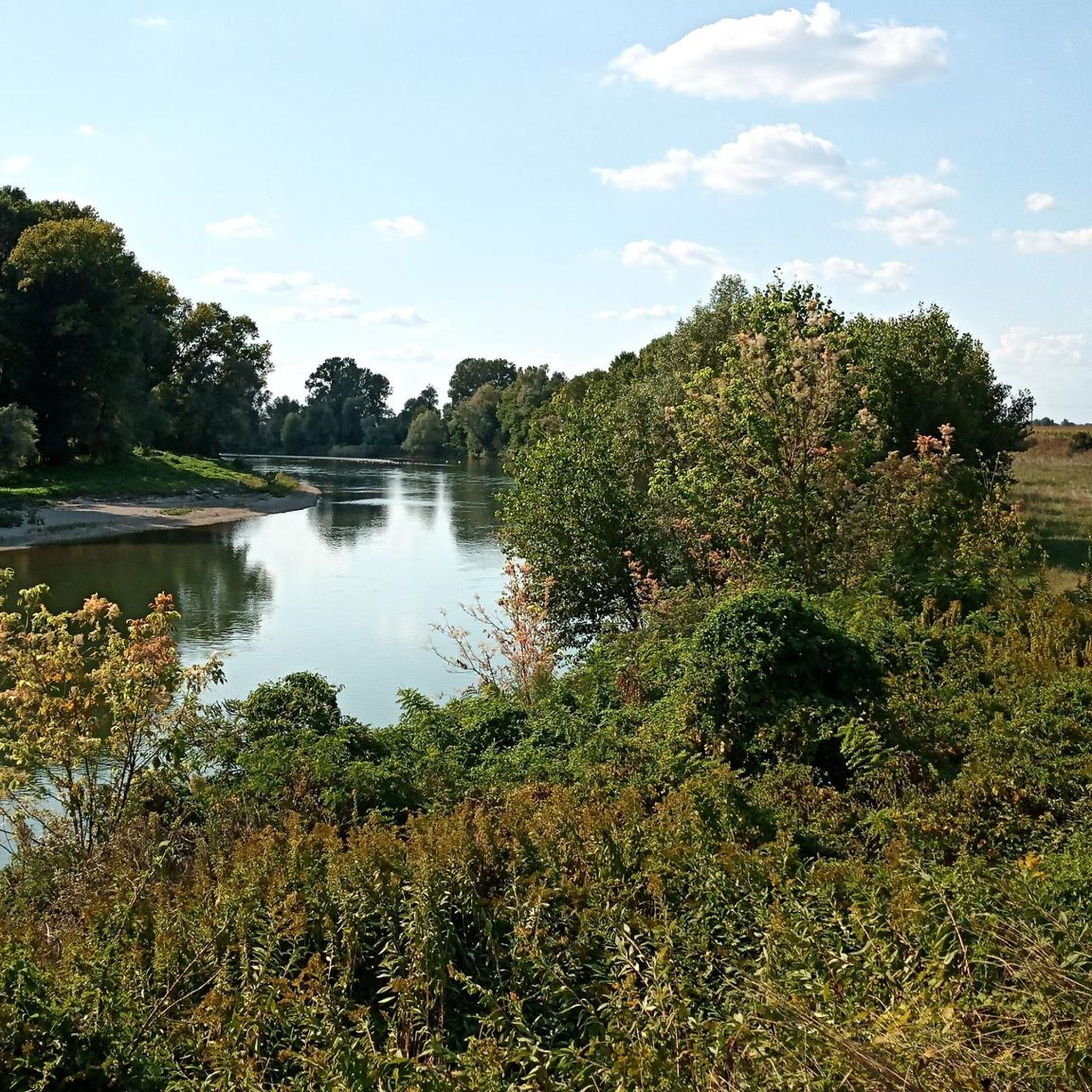
Tips from the Community

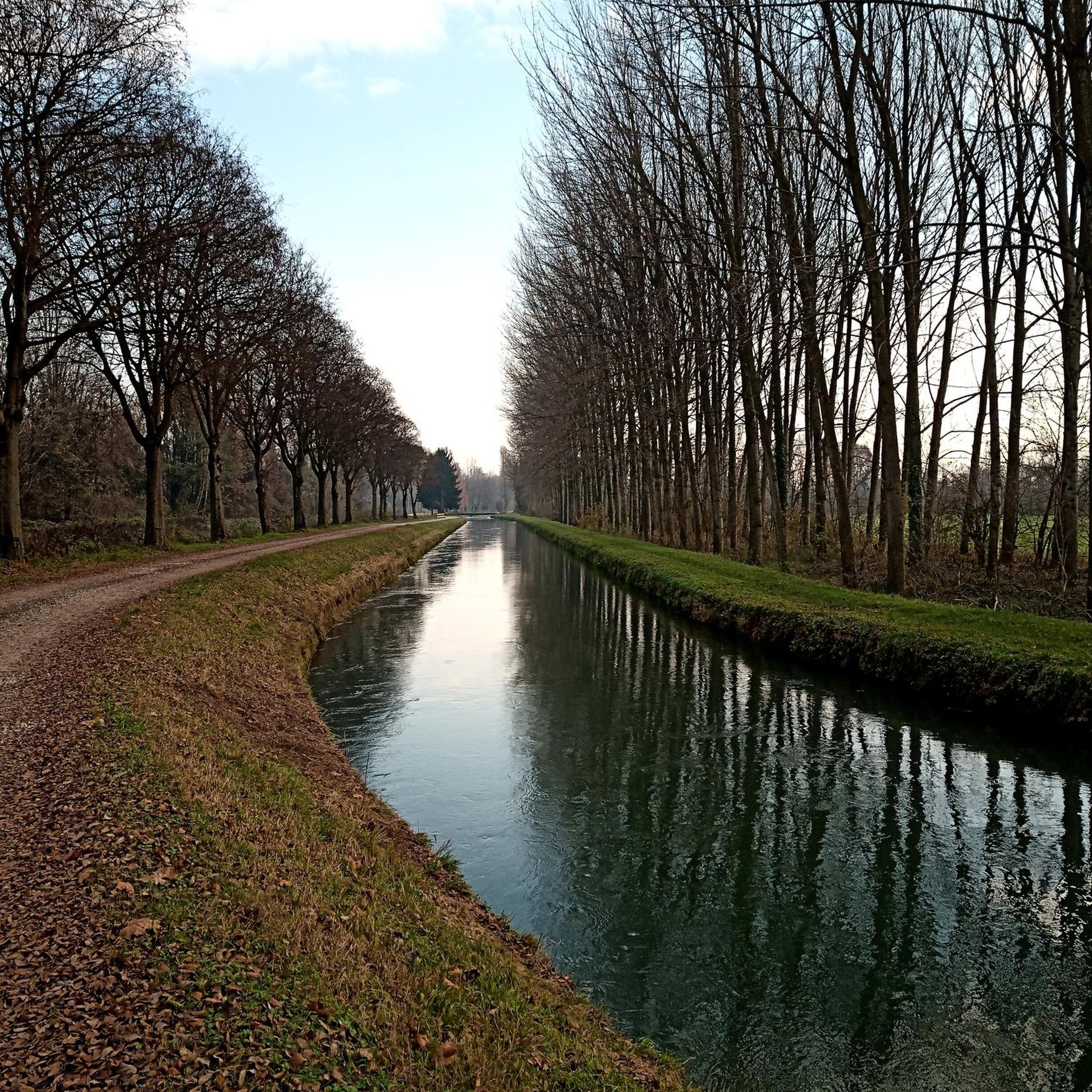
On trails immersed in greenery, very shaded
0
0

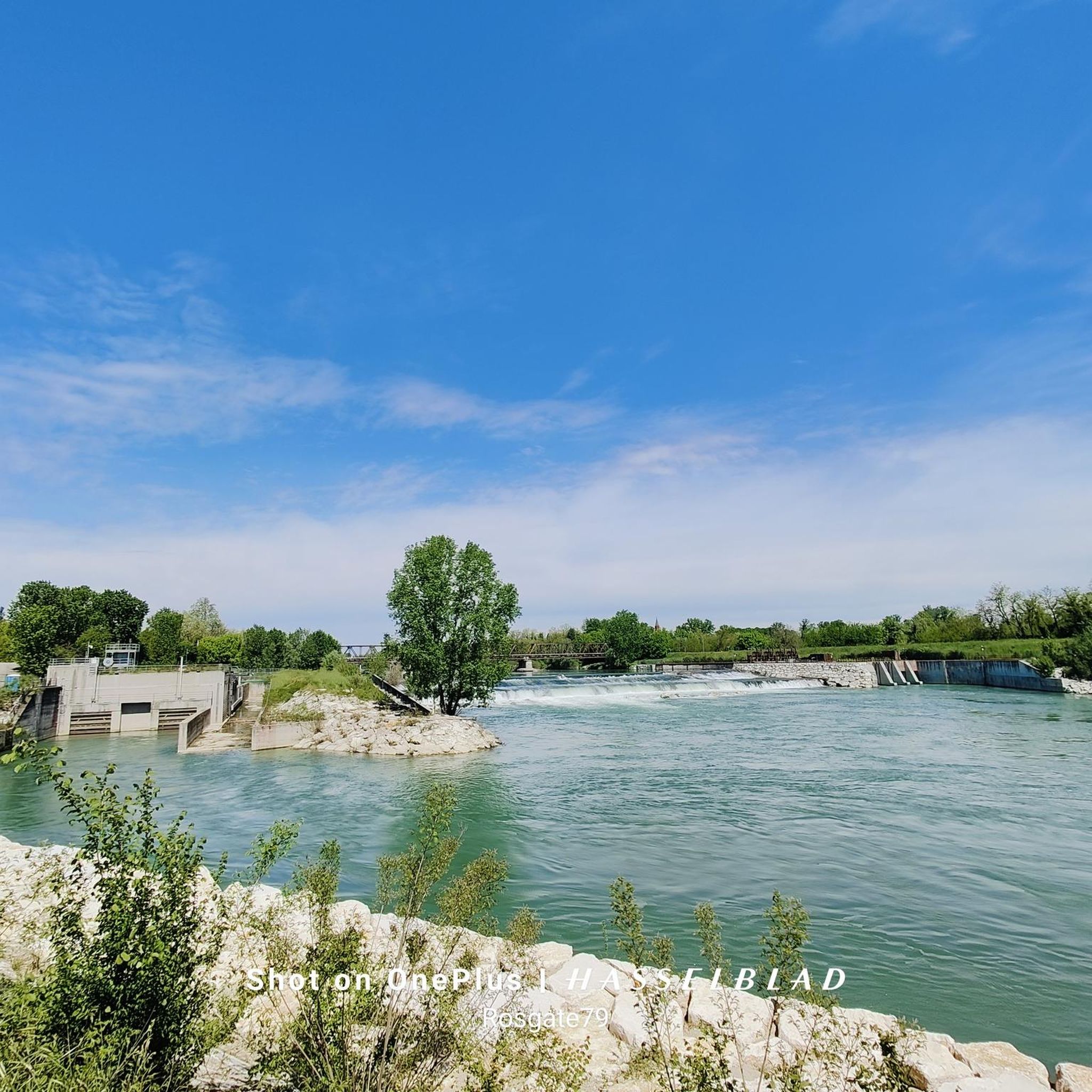
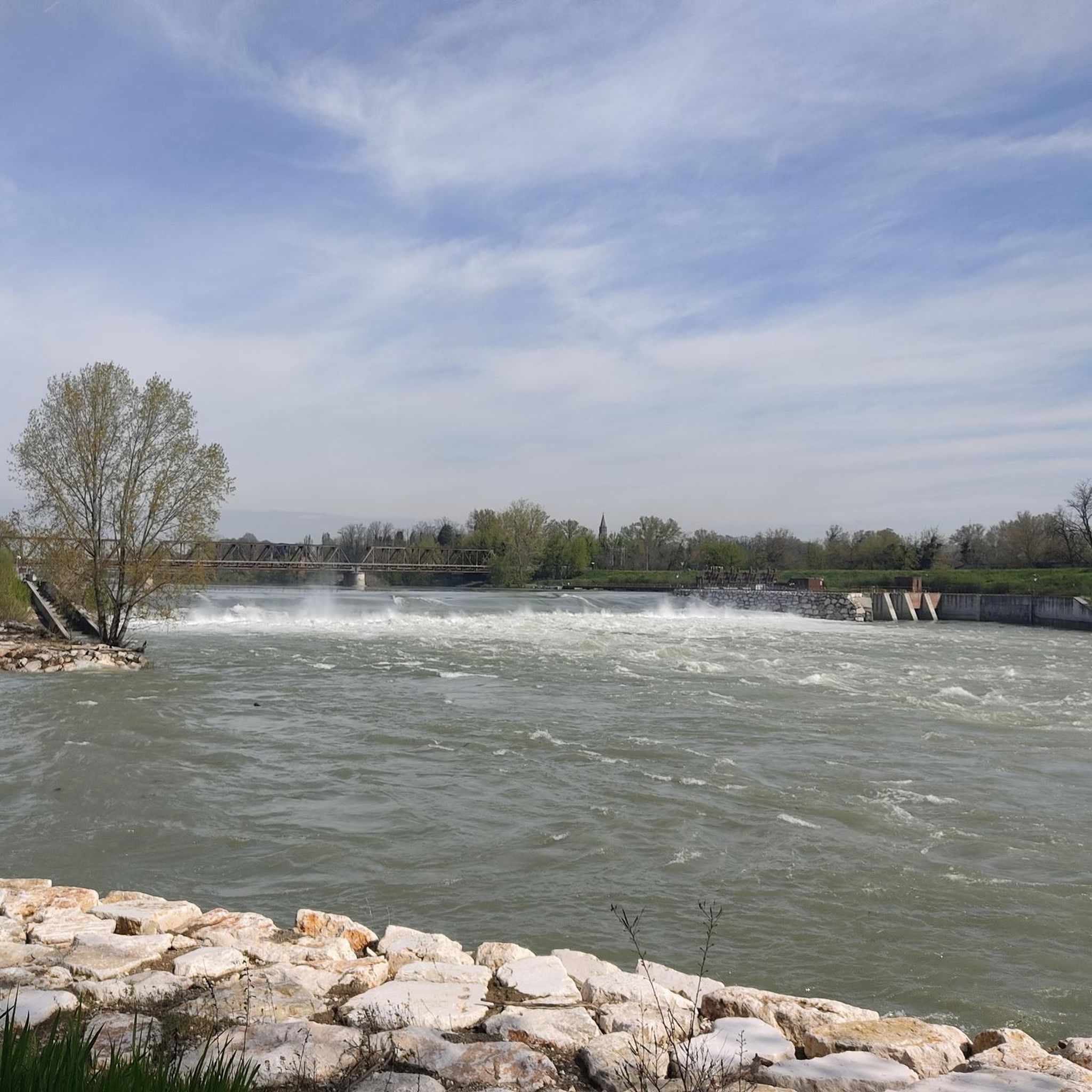
Where the Adda River joins the great Po
0
0

Many pairs of storks have been nesting at the Centre for many years now.
0
0

It is suggestive to think that the Adda crossed the whole of Lombardy before flowing into the Po
1
0

Where two of Italy's longest rivers meet
2
0

The enormous amount of water is impressive
4
0

With a course that extends for 313 km, the Adda is the longest Italian tributary. As indicated by the signs, at this point the sum of the water flow of the two rivers would be able to fill an Olympic swimming pool in just 8 seconds.
10
0

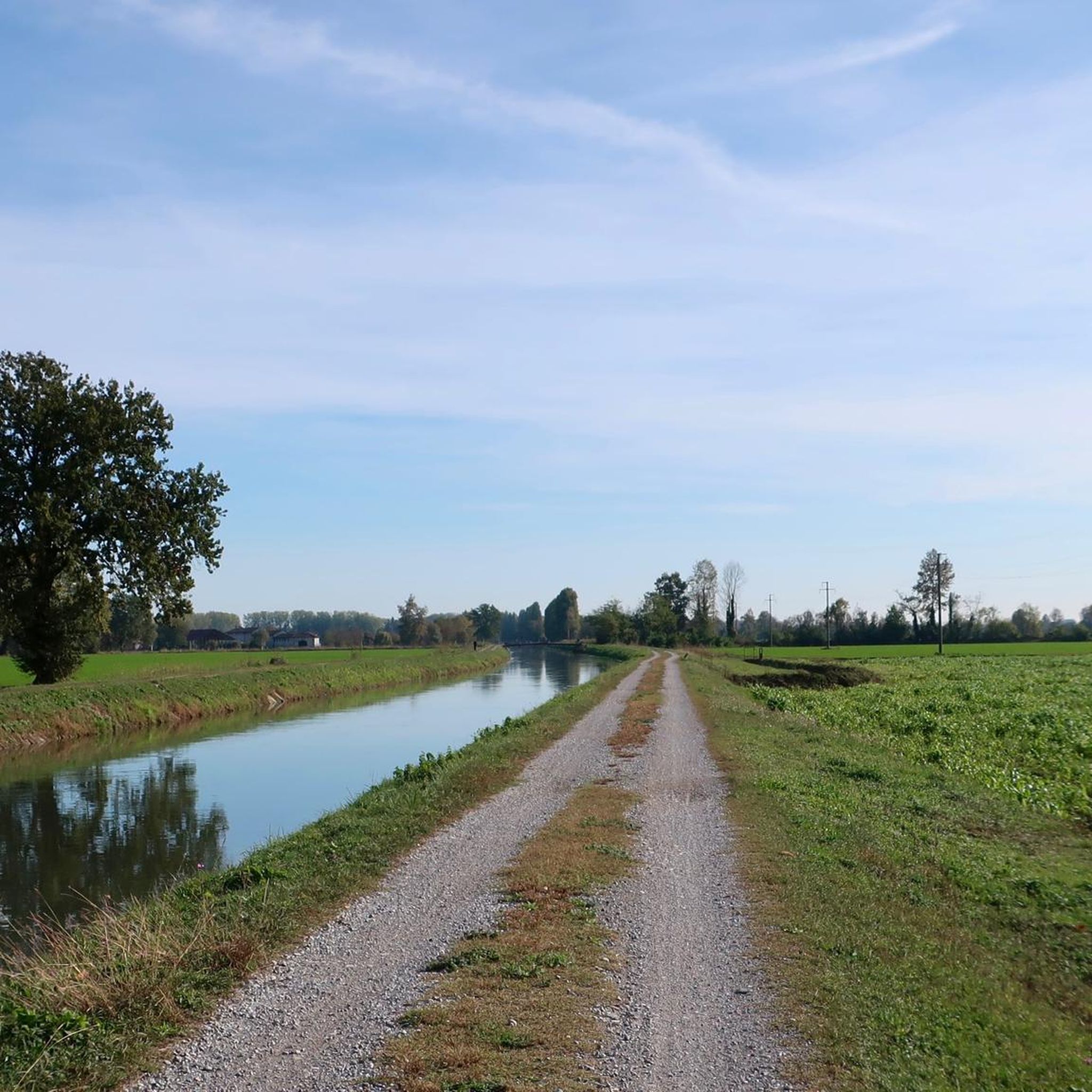
The garden is a common space created by the volunteers of the La Libellula association to encourage socialization and sharing between people, animals and nature.
0
0
Frequently Asked Questions
What are some of the most popular natural monuments around Cappella Cantone?
Visitors frequently enjoy the Stork Visitor Center of the Adda Sud Park, a significant naturalistic area where several stork families nest in spring. Another favorite is The Dragonfly Garden, a peaceful spot with a refreshment point, featuring the Gorgo della Ghiacciaia. The Adda Morta - Lanca della Rotta Oriented Nature Reserve, a wetland detached from the Adda river, is also highly appreciated for its ecological value.
What unique natural features can I expect to see in this region?
The area is characterized by a blend of natural landscapes and human-engineered features, typical of the Po Valley. You can find river confluences, oxbow lakes, and naturalistic areas often linked to historical waterways. Notable features include the intricate hydraulic junction at Tombe Morte, the tranquil waters of the Gorgo della Ghiacciaia, and the rich biodiversity of rehabilitated quarry sites like Oasi Ca' Rossa.
Are there family-friendly natural monuments around Cappella Cantone?
Yes, several natural monuments are suitable for families. Stork Visitor Center of the Adda Sud Park offers a chance to observe nesting storks, which is often a hit with children. The Dragonfly Garden provides a peaceful setting with tables and benches, perfect for a family stop. Additionally, the Adda Morta - Lanca della Rotta Oriented Nature Reserve can be explored via dirt paths, offering an engaging outdoor experience.
What outdoor activities can I do near these natural monuments?
The region offers various outdoor activities. You can explore the area by bike or on foot along dirt paths, especially around sites like Tombe Morte. Cycling is particularly popular along the Canale Vacchelli Cycle Path. For more structured routes, you can find numerous options for cycling, mountain biking, and running in the guides for Cappella Cantone.
What is Tombe Morte and why is it significant?
Tombe Morte, located near Genivolta, is a fascinating hydraulic junction where three important artificial waterways—the Naviglio Civico di Cremona, the Naviglio Grande Pallavicino, and the Canale Vacchelli—converge. It represents a significant historical example of human interaction with nature for irrigation and transport, built within the ancient Morbasco river valley. The area is considered the 'first nucleus of the ecomuseum of the territory of the province of Cremona' and offers a unique landscape for exploration. You can learn more about its history on Wikipedia.
What kind of wildlife can I observe in the natural monuments?
The natural monuments around Cappella Cantone are important for biodiversity. At the Stork Visitor Center of the Adda Sud Park, you can observe several families of storks nesting in spring. The Oasi Ca' Rossa e Bodrio di Ca' de' Gatti, a rehabilitated quarry, is particularly important for nesting birds and aquatic species. The Adda Morta - Lanca della Rotta Oriented Nature Reserve is also a valuable nesting area, especially for marsh birds.
Are there cycling paths near the natural monuments?
Yes, the region is well-suited for cycling. The Canale Vacchelli Cycle Path runs alongside the Pietro Vacchelli canal, offering a peaceful ride through agricultural landscapes and allowing you to observe local flora and fauna. Many other cycling routes are available that pass by or near various natural monuments and points of interest.
What is the best time to visit the natural monuments around Cappella Cantone?
The spring and autumn months generally offer the most pleasant weather for exploring the natural monuments, with milder temperatures ideal for walking and cycling. Spring is particularly special for observing nesting birds, such as the storks at the Stork Visitor Center. Summer can be warm, but water-related sites offer refreshing stops. Winter visits are possible, but some paths might be muddy, and wildlife observation may be different.
Are there any natural monuments with historical or cultural ties?
Absolutely. The Santuario della Madonna delle Fontane in Casaletto Ceredano has historical ties to a natural spring, which, according to legend, performed a miracle. While the spring is now supplied by the city aqueduct, its historical connection to a marshy, water-rich environment highlights a blend of cultural heritage and the natural landscape of the past. Tombe Morte also showcases significant historical human engineering in managing natural waterways.
What do visitors enjoy most about the natural monuments around Cappella Cantone?
Visitors often highlight the peaceful atmosphere and the opportunity to connect with nature. Specific tips mention the beauty and tranquility of places like The Dragonfly Garden, which offers a pleasant stop amidst greenery and water features. The impressive amount of water at the Confluence of the Adda and Po rivers is also a frequently noted highlight, as is the unique experience of observing nesting storks.
Can I find places to rest or get refreshments near these natural monuments?
Yes, some natural monuments offer facilities. The Dragonfly Garden, for instance, has a refreshment point with a fountain, as well as tables, chairs, and benches in the shade. While not all sites have dedicated facilities, many are located within or near rural areas where local cafes or restaurants might be found in nearby villages.
Are there any natural monuments that are good for birdwatching?
Definitely. The Stork Visitor Center of the Adda Sud Park is an excellent spot, especially in spring, to observe nesting storks. The Oasi Ca' Rossa e Bodrio di Ca' de' Gatti is recognized as a naturalistic area important for its biodiversity, particularly for nesting birds. The marshy lake of Lanca Adda Morta is also a beautiful nesting area, easily accessible by path.
Most popular routes around Cappella Cantone
Most popular attractions around Cappella Cantone

Get inspired with the komoot mobile app


Explore more
Extend your search for the best caves by checking out these guides of the top ones around Cappella Cantone:
