Top 10 Natural Monuments around Monteviale
Best natural monuments around Monteviale are characterized by diverse geological features and unique ecosystems. Monteviale, situated in Italy, offers a landscape shaped by ancient volcanic activity and alluvial plains. This region provides opportunities to explore natural springs, distinctive hills, and varied plant life. It is an area where visitors can experience both serene natural reserves and geologically significant sites.
Best natural monuments around Monteviale
- The most popular natural monuments is Bacchiglione Springs Nature Reserve, a natural monument that features…
Last updated: August 22, 2026
Bacchiglione Springs Nature Reserve
Highlight • Natural Monument
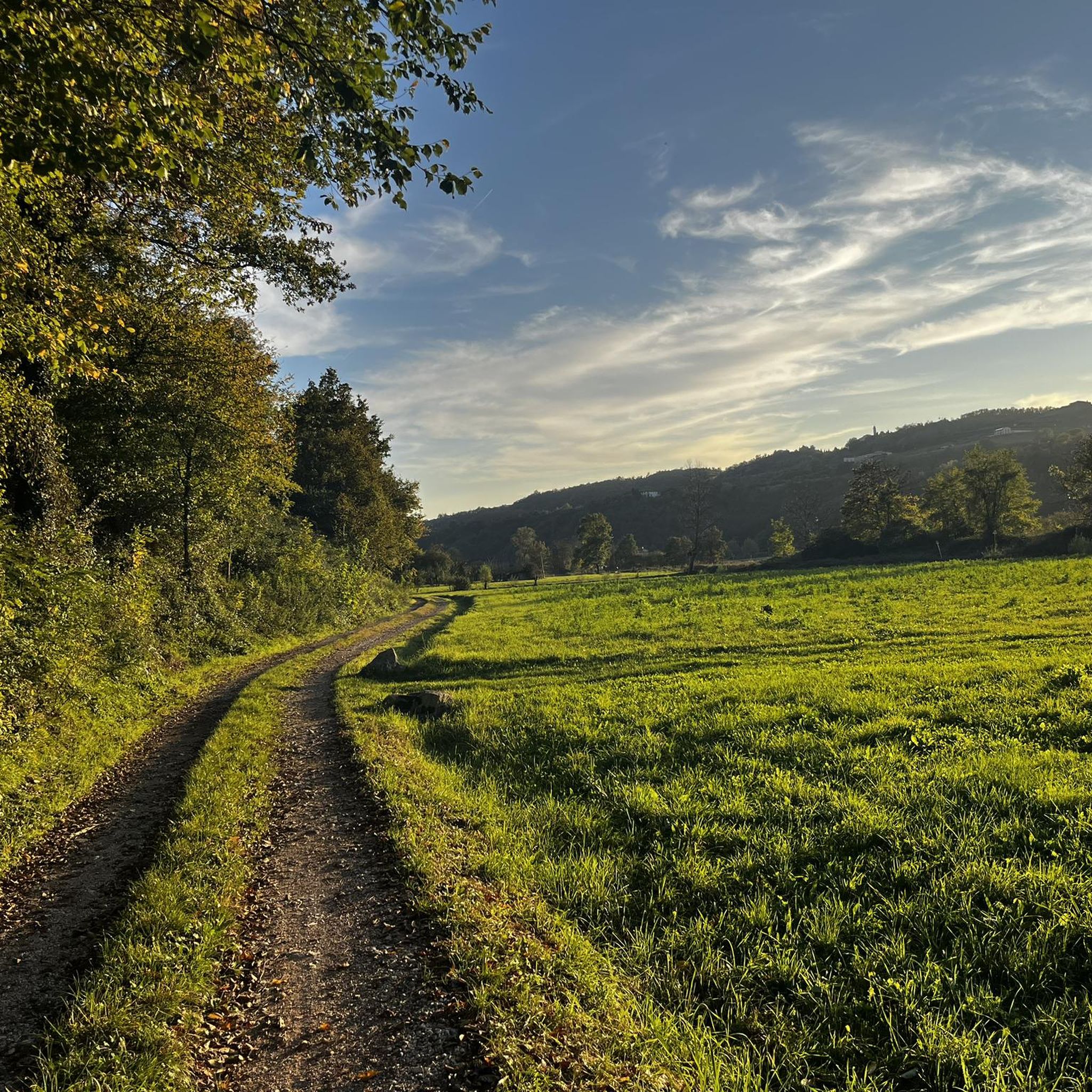
For the gravel it is a paradise!
DESCRIPTION:
A resurgence, or fountain, is a source of fresh water of natural origin, sometimes made to …
Translated by Google •
Tip by

Bacchiglione Springs
Highlight • River
Translated by Google •
Tip by

Sign up now to discover places like this
Get recommendations on the best single tracks, peaks, & plenty of other exciting outdoor places.
Sign up for free
Monte Nero
Highlight • Natural Monument
Translated by Google •
Tip by


San Bernardino drinking fountain in Perarolo
Highlight • Rest Area
Translated by Google •
Tip by

Sign up for free to discover even more natural monuments around Monteviale.
Sign up for free
Already have an account?
Start today with a free account
Your next adventure awaits.
Login or Signup
Tips from the Community

it is worth visiting these places for the tranquility and the scenery
0
0

Great ride for a bit of training
0
0

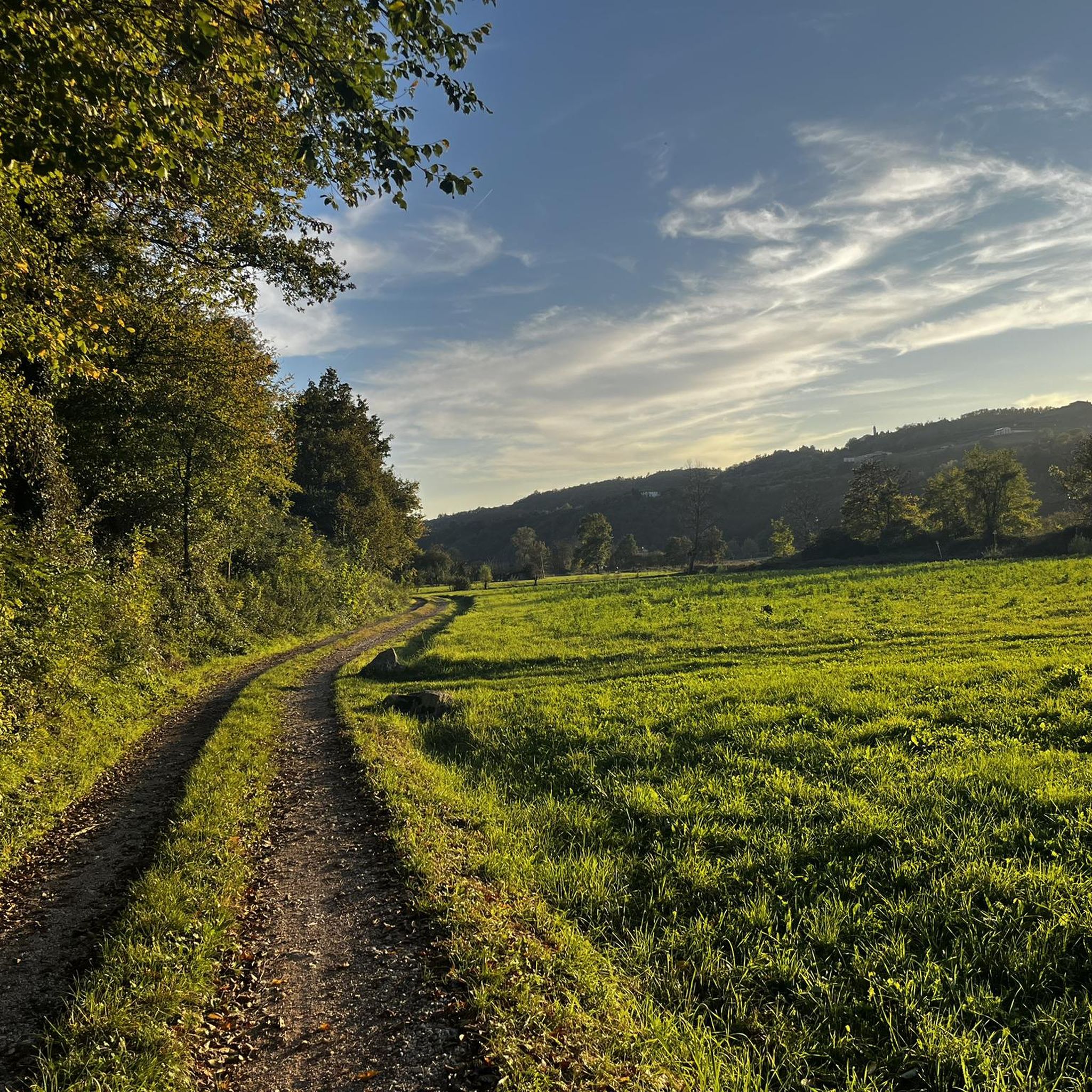
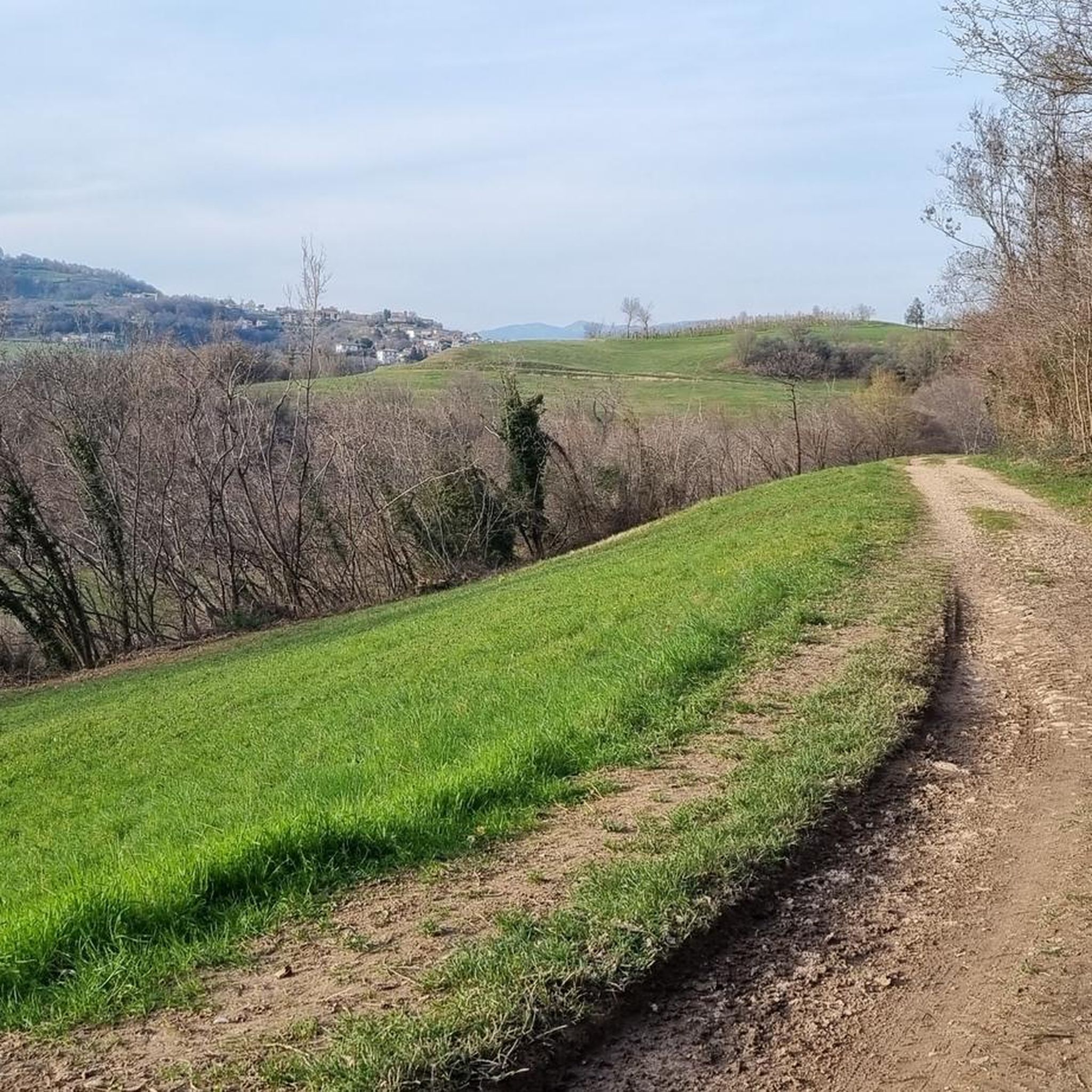
The set of springs that make up the Bacchiglione stream are enclosed in a splendid naturalistic area. It is possible to access it from different points and in different ways, but in any case cycling here is wonderful. There is a refreshment point: to check its opening I recommend you visit the official website of the place, https://www.risorgivedelbacchiglione.it.
1
0

Monte Nero, above Montecchio Maggiore, is actually a hill: despite its modest size, it is quite unique in terms of its geology, morphology, and botanical rarities! Thirty million years ago, Monte Nero was a volcanic island emerging from the waters. This gave rise to the current peak, which, with its bare, arid, and dark basalt (hence the name "Nero"), stands out clearly from the surrounding limestone hills. It is a unique (micro)environment: you walk on the primitive, solidified lava flow; you encounter rare plants, including exotic and Mediterranean ones, which are, to say the least, unusual to find in these places. A short educational trail (also suitable for children) starts from the Church of San Pietro and illustrates the peculiarities of Monte Nero in six stages/panels. https://www.prolocoaltemontecchio.it/cosa-vedere/percorsi/naturalistici/
2
0
The resurgences are spontaneous outcrops of water, typical of the Po Valley: in this particular case, in the mountains the water of rain or snow origin is not retained by the karst soil of the Asiago Plateau and the Little Dolomites; instead of remaining on the surface and descending through the valleys, it infiltrates the rocks, forming cracks, tunnels and caves; after this slow journey underground, which can last 10 years, in the low plain it encounters waterproof clay layers which force it to re-emerge. It comes out very pure, very clear, full of mineral salts and at a constant temperature of 10-13°. This is how the Bacchiglione river originates, in the middle of the countryside as if by magic, and then flows through Vicenza, Padua and finally flows into the Adriatic. The Bacchiglione Resurgences are a nature reserve which, thanks to the aforementioned peculiarities of the water, create an ideal habitat to host animal and plant species not common in the surrounding areas. They are a resting place for migratory birds and there is in fact a hut for birdwatching. This oasis of peace is open on weekends and divided into three areas: the first accessible for free; the second only with a guided tour (for a fee, booking on the site a few days in advance); the last area is a complete reserve and can only be used for scientific purposes. https://www.risorgivedelbacchiglione.it
2
0

To admire this curious phenomenon, a detour from the main road is necessary. Once you reach the place, just look out into the well (with a diameter of about 50 cm) from which what is sometimes called "dragon's breath" seems to emerge from. It is nothing more than a karst cavity (characteristic of the Faedo-Casaron plateau) from which fresh air comes out (which varies between 7 and 13 degrees). Especially in the summer period, the typical rustle of the exchange of hot and cold air masses at the mouth of the cave is clearly audible. The cavity, commonly called "Buso del Lucio", was discovered by the Maladense speleologist Lucio Zanini. The valley that you travel along following the Campipiani-Faedo path is called “Valle dei Vischi”. The origin of this name is not known but it probably refers to the sound effects (breathing, hissing, moaning) that the blowing caves produce in particular climatic conditions.
0
0

Perarolo di Arcugnano is a splendid village, dominated by the splendid church of San Bernardino with its particular bell tower designed at the end of the 19th century by the architect Vittorio Barichella. From here there are some beautiful paths that lead towards the woods of Brendola.
1
0

The best drinking fountain in the area. Unmissable charging stage
0
0
Frequently Asked Questions
What unique geological features can I explore around Monteviale?
Monteviale offers diverse geological features. You can visit Monte Nero, a former volcanic island with a distinctive dark basalt peak where you can walk on solidified lava flows. Another fascinating site is Lucio's Hole, a karst cavity known for emitting cool air, sometimes referred to as 'dragon's breath'.
Are there natural monuments suitable for families with children in the Monteviale area?
Yes, several natural monuments are family-friendly. Monte Nero features a short educational trail with panels explaining its unique geology and plant life, which is suitable for children. The Bacchiglione Springs Nature Reserve is also ideal for family walks and cycling, offering a serene natural setting.
Where can I find natural springs and clear water sources near Monteviale?
The Bacchiglione Springs Nature Reserve is the primary location for natural springs. It features numerous resurgences, which are natural springs of fresh, remarkably clear water, marking the origin of the Bacchiglione river. It's a beautiful area for exploring the naturalistic setting.
What kind of rare plant life can be found at Monte Nero?
Monte Nero is known for its unique micro-environment, which allows for the growth of unusual exotic and Mediterranean plants not commonly found in the region. Its arid, basaltic terrain, a remnant of its volcanic past, creates specific conditions for these botanical rarities.
Are there any viewpoints offering scenic vistas of the surrounding area?
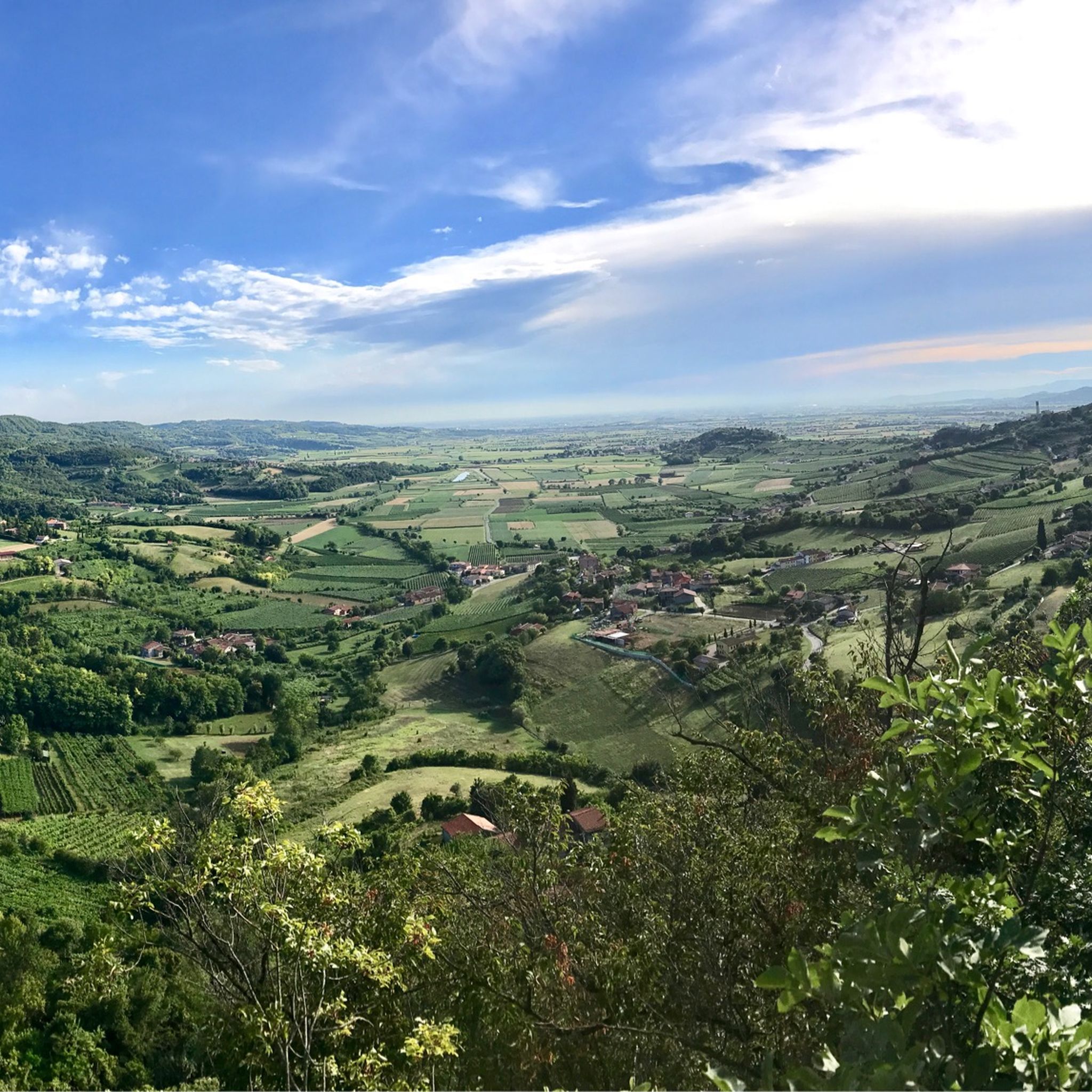
Yes, the View of Vicenza and the Berici Hills provides an excellent vantage point. From this highlight, you can enjoy expansive vistas of Vicenza and the beautiful surrounding countryside from the Berici mountains.
What outdoor activities can I do near the natural monuments around Monteviale?
The area around Monteviale offers various outdoor activities. You can enjoy cycling, especially on gravel paths, in the Bacchiglione Springs Nature Reserve. Hiking is also popular, with trails leading towards the woods of Brendola near the San Bernardino drinking fountain in Perarolo. For more options, explore the hiking and cycling routes available in the Hiking around Monteviale and Cycling around Monteviale guides.
Is there a place to refill water bottles while exploring the natural monuments?
Yes, the San Bernardino drinking fountain in Perarolo is a convenient stopping point for water supply. It's located in the scenic village of Perarolo di Arcugnano, near paths leading to the woods of Brendola.
What do visitors particularly enjoy about the natural monuments in Monteviale?
Visitors appreciate the diverse natural beauty and unique features. The Bacchiglione Springs Nature Reserve is loved for its clear waters and excellent walking and cycling opportunities on gravel paths. The geological uniqueness of Monte Nero and the expansive views from the View of Vicenza and the Berici Hills are also highly regarded.
Are there any historical or cultural elements integrated with the natural sites?
While primarily natural, some sites have historical context. The San Bernardino drinking fountain in Perarolo is situated in a splendid village known for the distinctive bell tower of the San Bernardino church, offering a blend of natural and historic settings. Additionally, the educational trail at Monte Nero starts from the Church of San Pietro.
Can I find trails for running near the natural monuments?
Yes, there are several running trails in the Monteviale area. For example, you can find routes like the 'Retrone Bike Path loop from Monteviale' or the 'Chiesetta di San Zeno loop from Monteviale'. You can explore more options in the Running Trails around Monteviale guide.
What is the best way to explore the Bacchiglione Springs Nature Reserve?
The Bacchiglione Springs Nature Reserve is highly recommended for walking and cycling, especially on its gravel paths. It's an excellent way to immerse yourself in the naturalistic setting and observe the clear spring waters where the Bacchiglione river originates.
How can I learn more about the geology of Monte Nero?
To learn more about the geology of Monte Nero, follow the short educational trail that starts from the Church of San Pietro. This trail features six stages with panels that explain the peculiarities of this unique hill, which was once a volcanic island.
Most popular routes around Monteviale
Most popular attractions around Monteviale

Get inspired with the komoot mobile app


Explore more
Extend your search for the best caves by checking out these guides of the top ones around Monteviale:
