San Dorligo Della Valle / Dolina
San Dorligo Della Valle / Dolina
Top 20 Natural Monuments around San Dorligo Della Valle / Dolina
Best natural monuments around San Dorligo Della Valle / Dolina are characterized by a diverse landscape, including the significant Val Rosandra Nature Reserve. This region features a wild valley, historical railway tunnels, and unique geological formations such as dolinas and Karst caves. The area offers a blend of natural beauty and historical intrigue, providing various natural features for exploration. Visitors can engage in outdoor activities along its marked trails, discovering natural landmarks and geological interests.
Best natural monuments around San…
Last updated: October 15, 2026
Giordano Cottur Cycle and Pedestrian Path
Highlight • Cycleway
Translated by Google •
Tip by

Škocjan Caves Entrance
Highlight • Cave
Translated by Google •
Tip by

Sign up now to discover places like this
Get recommendations on the best single tracks, peaks, & plenty of other exciting outdoor places.
Great Skocjan Valley Park
Highlight • Gorge
Translated by Google •
Tip by

Rosandra Valley
Highlight • Gorge
Translated by Google •
Tip by

Napoleon Oak
Highlight • Natural Monument
According …
Translated by Google •
Tip by
Sign up for free to discover even more natural monuments around San Dorligo Della Valle / Dolina.
Already have an account?
Start today with a free account
Your next adventure awaits.
Popular around San Dorligo Della Valle / Dolina
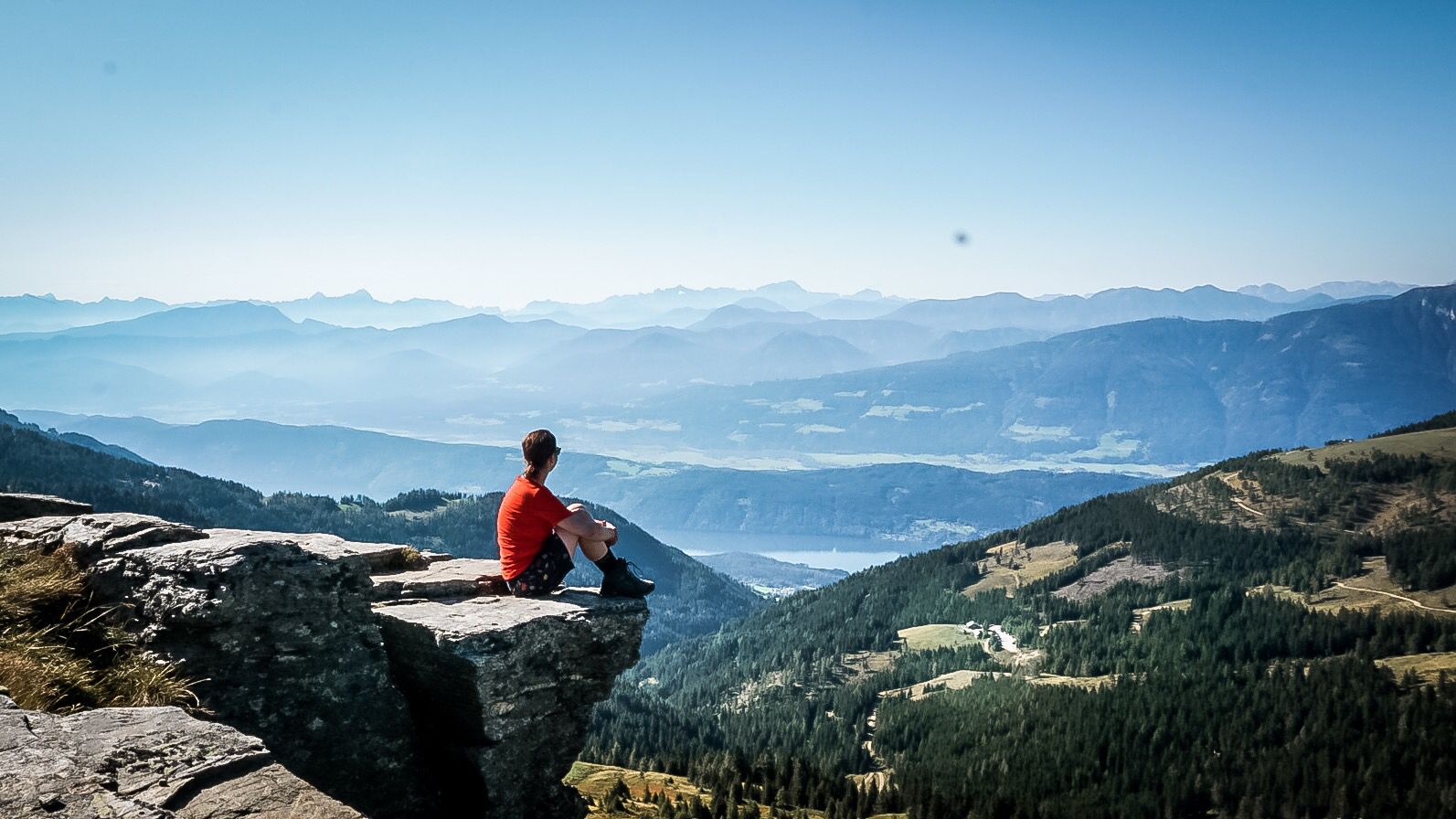
Alpe-Adria-Trail: My long-distance hike from the glacier to the sea
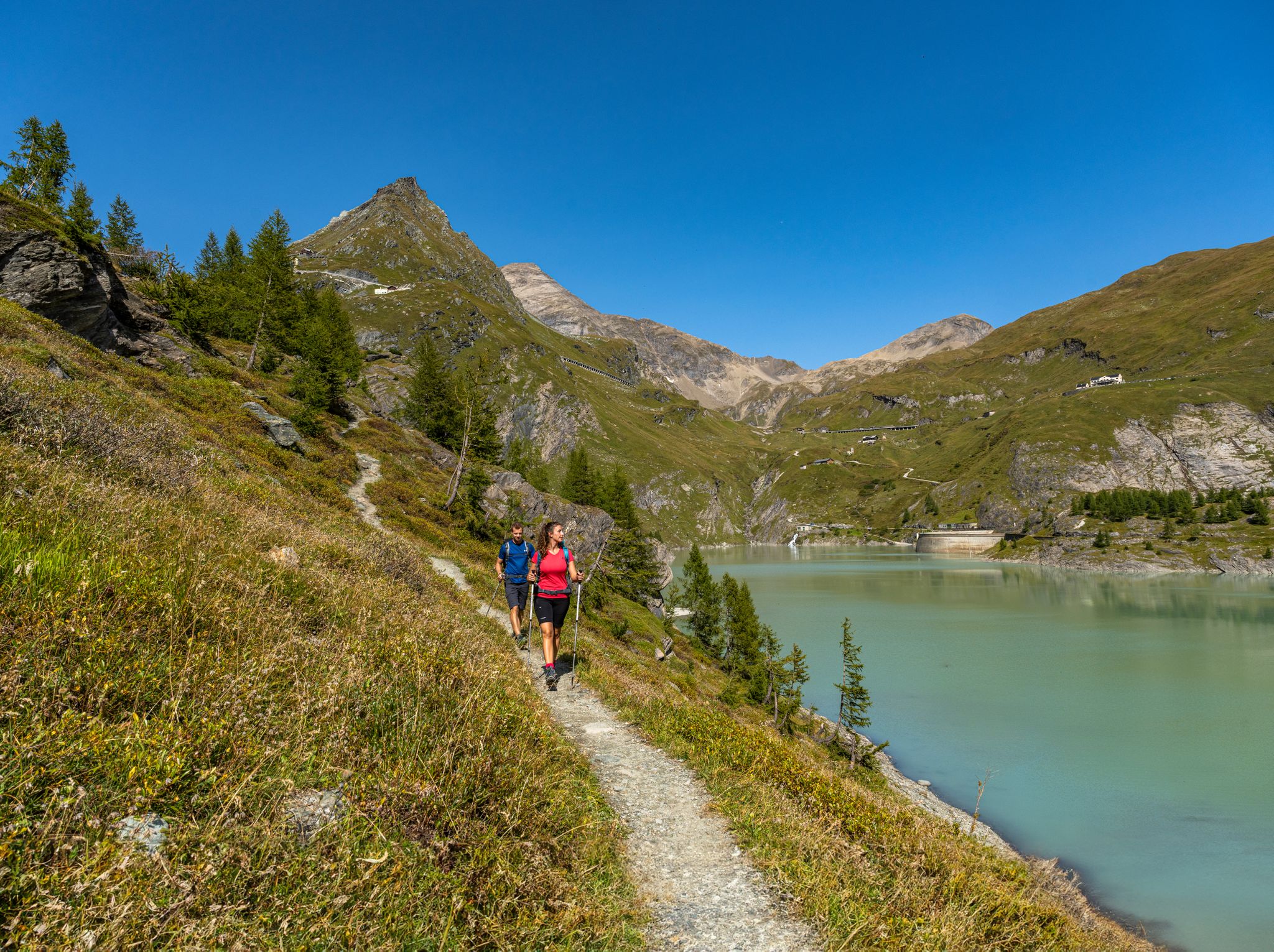
From the Grossglockner to the sea on the Alpe Adria Trail
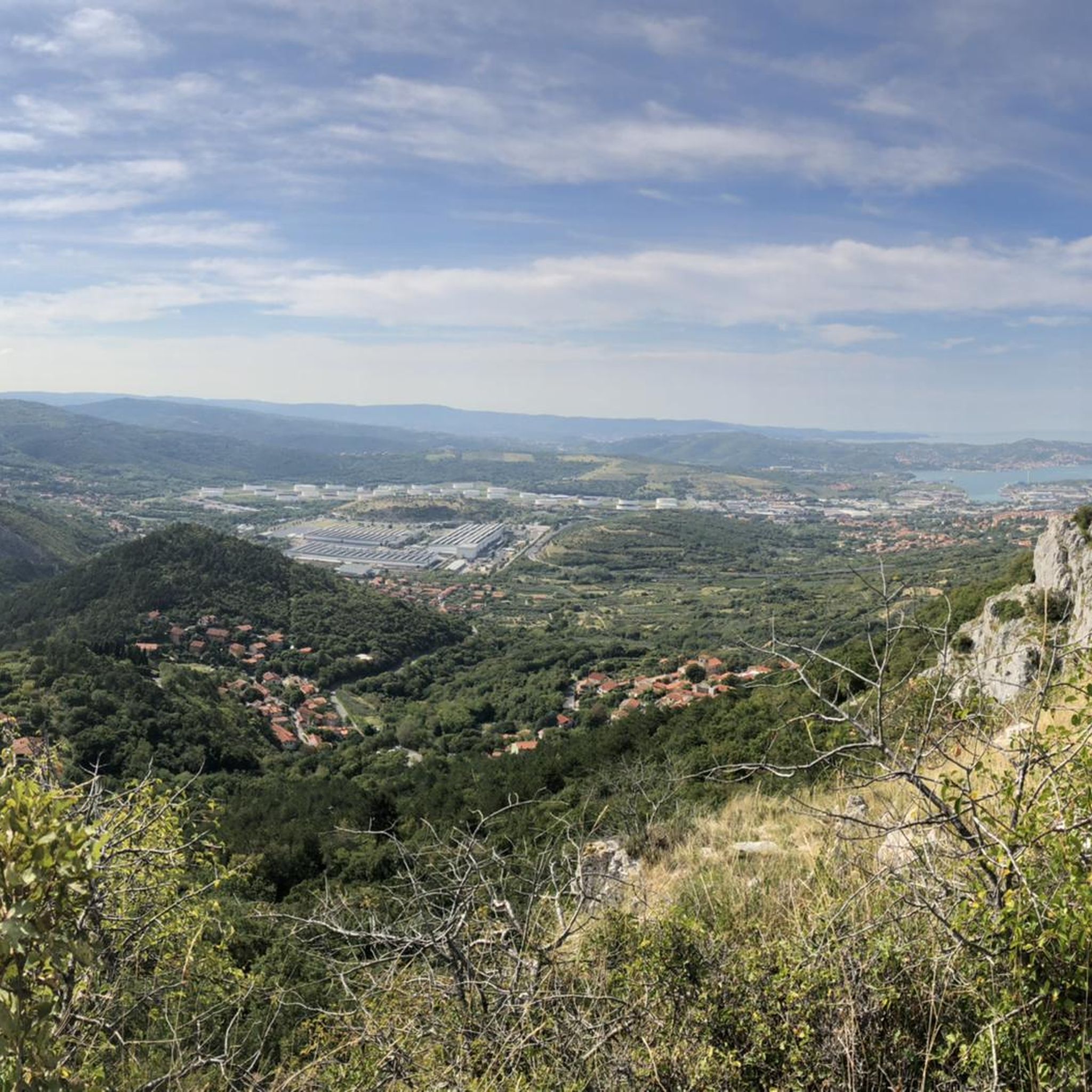
Hiking around San Dorligo Della Valle / Dolina
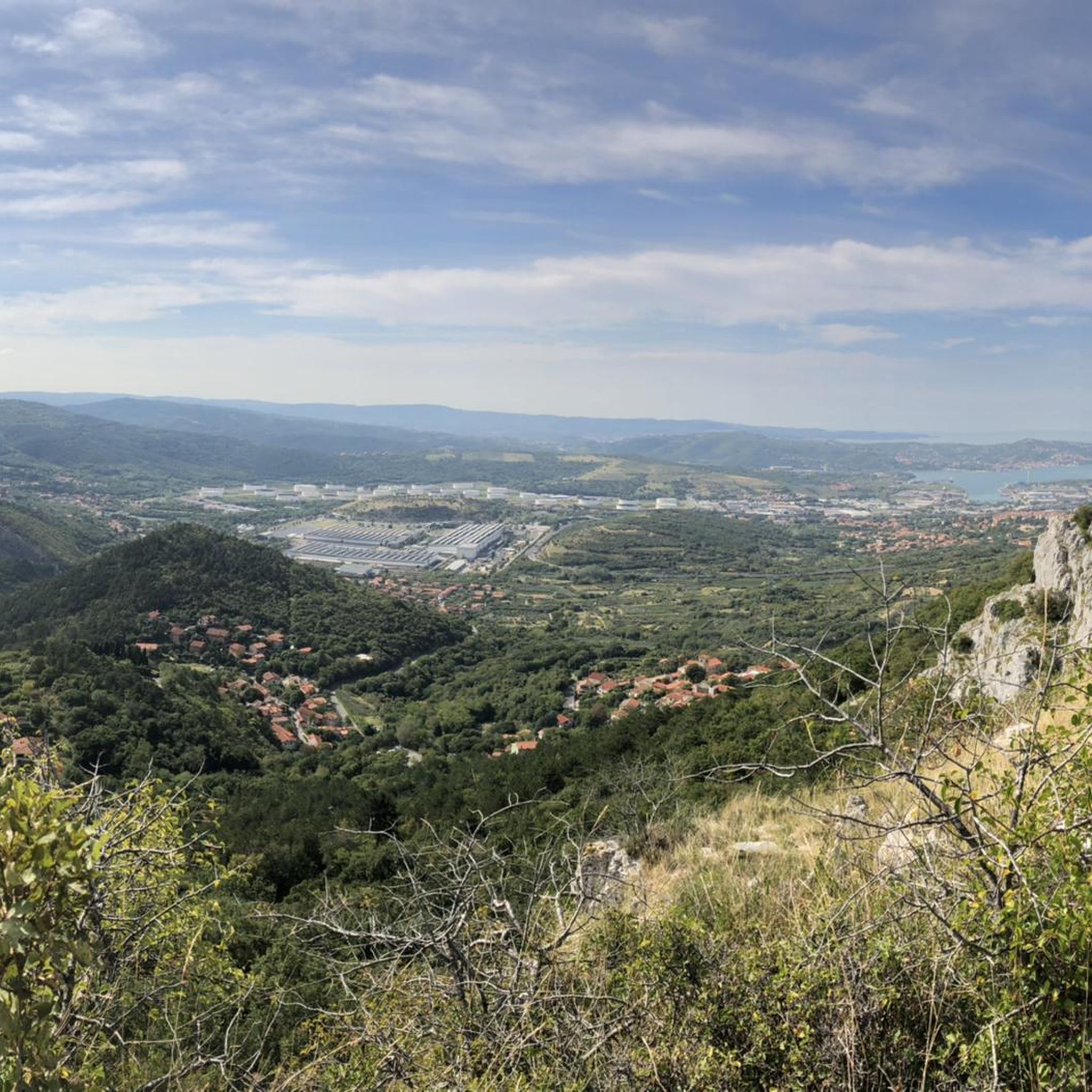
Road Cycling Routes around San Dorligo Della Valle / Dolina
Running Trails around San Dorligo Della Valle / Dolina
MTB Trails around San Dorligo Della Valle / Dolina
Cycling around San Dorligo Della Valle / Dolina

Gravel biking around San Dorligo Della Valle / Dolina

Mountain Hikes around San Dorligo Della Valle / Dolina
Other adventures around San Dorligo Della Valle / Dolina


Tips from the Community

Located behind Trieste, Val Rosandra is a unique nature reserve where the homonymous stream has carved the only deeply incised valley of the Trieste Karst. The landscape is dominated by rugged limestone cliffs, white scree slopes, and vegetation that blends Mediterranean and continental species. Famous for its 36-meter-high waterfall, the valley is a sanctuary of biodiversity and history: it hosts the remains of a 1st-century AD Roman aqueduct and the ancient church of Santa Maria in Siaris. A prime location for Trieste's mountaineering, its cliffs were the school of Emilio Comici. Between arduous trails and views of the Gulf, Val Rosandra represents a concentration of wild nature and millennia-old testimonies, suspended between the Karst plateau and the Adriatic Sea.
0
0


Not reachable by road bike, you need a gravel, trekking or MTB bike
0
0

Napoleon's Oak. The name seems to derive from the fact that it was used by French soldiers to tie their horses to (which is at least plausible, considering that the tree is certainly centuries old). According to another legend, less plausible, Napoleon Bonaparte himself stopped to rest in its shade (but in the last century throughout Europe there was an inflation of houses, hotels, castles and convents in which it was claimed that Napoleon would have stopped to sleep... a number so high as to be unlikely, and probably the result above all only of popular rumours).
0
0
The name seems to derive from the fact that it was used by French soldiers to tie their horses to (which is at least plausible, considering that the tree is certainly centuries old). According to another legend, less plausible, Napoleon Bonaparte himself stopped to rest in its shade (but in the last century throughout Europe there was an inflation of houses, hotels, castles and convents in which it was claimed that Napoleon would have stopped to sleep... a number so high as to be unlikely, and probably the result above all only of popular rumours).
0
0

One of the most popular places for trekking enthusiasts in Trieste. It offers numerous routes to reach the waterfall of over 40 m, the heart of the valley, of different lengths and difficulties, from the "Sentiero dell'Amicizia" to the more complex "Via delle Acque"
0
0

…an impressive natural spectacle and rightly a UNESCO World Heritage Site 👀
3
0
Frequently Asked Questions
What unique natural features can I explore around San Dorligo Della Valle / Dolina?
The region is rich in diverse natural features, primarily centered around the significant Val Rosandra Nature Reserve. You can explore wild valleys, historical railway tunnels, and unique geological formations such as dolinas and Karst caves. Notable natural monuments include the dramatic Rosandra Valley, known for its cliffs, scree, and a waterfall, and the impressive Škocjan Caves Entrance, part of a UNESCO World Heritage site with vast underground canyons and stalactites.
Are there family-friendly natural monuments or trails in the area?
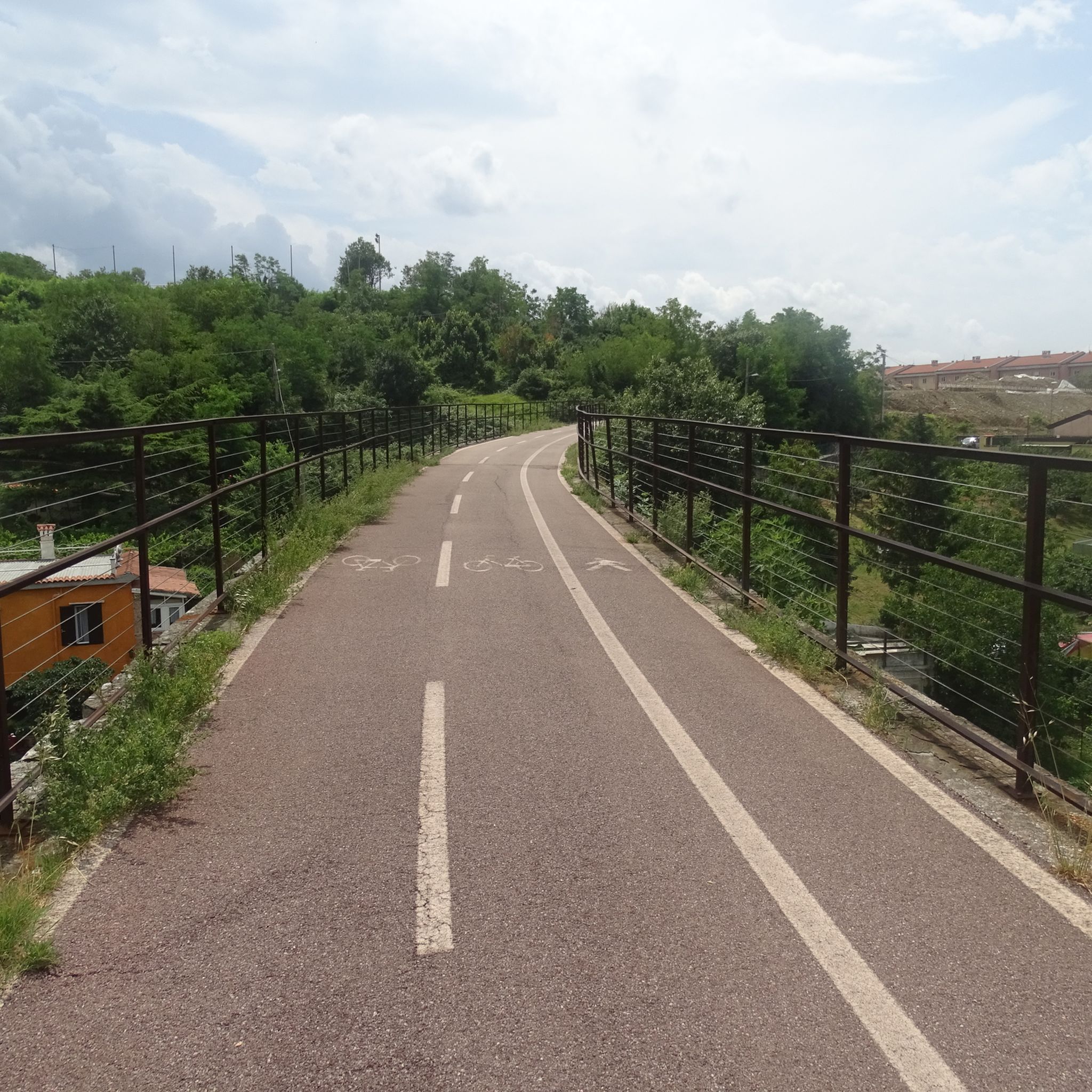
Yes, several natural monuments and paths are suitable for families. The Napoleon Oak is a monumental, centuries-old tree that makes for an interesting and accessible stop. Additionally, the Giordano Cottur Cycle and Pedestrian Path, an old railway route, offers an easy and scenic experience for all ages, with benches and tables for picnics.
What kind of outdoor activities can I do near these natural monuments?
The area around San Dorligo Della Valle / Dolina is excellent for various outdoor activities. You can enjoy hiking, cycling, and mountain biking. For detailed routes and trails, explore the Mountain Hikes, MTB Trails, and Cycling guides for the region.
Are there any historical natural monuments or sites with historical significance?
Absolutely. The Val Rosandra Nature Reserve itself is characterized by historical railway tunnels and Roman ruins, blending natural beauty with historical intrigue. The Giordano Cottur Cycle and Pedestrian Path follows the route of an old Austro-Hungarian railway, complete with bridges and tunnels, offering a journey through the region's past. The Napoleon Oak also carries historical associations, with legends linking it to French soldiers and even Napoleon Bonaparte himself.
What is the best time of year to visit the natural monuments in San Dorligo Della Valle / Dolina?
Spring and autumn are generally ideal for visiting the natural monuments. The weather is milder, making outdoor activities like hiking and cycling more comfortable. In spring, the landscape is lush and green, while autumn offers beautiful foliage. Summer can be warm, but still enjoyable, especially in the shaded valleys and caves. Winter offers a different, quieter beauty, though some paths might be less accessible.
Are there any caves to explore near San Dorligo Della Valle / Dolina?
Yes, the region is part of the broader Karst area, known for its unique geological formations including numerous caves. The most prominent are the Škocjan Caves Entrance, a UNESCO World Heritage site offering tours through immense underground canyons and impressive stalactites. The Rosandra Valley also features a large number of caves, making it a destination for caving exploration.
What kind of terrain can I expect on hiking trails around the natural monuments?
The terrain varies, offering a mix of experiences. In areas like the Val Rosandra, you'll find wild aspects with cliffs, scree, and overhanging walls. Paths can range from easy, converted railway lines like the Giordano Cottur Cycle and Pedestrian Path to more challenging trails within gorges and valleys. Sturdy shoes are recommended, especially when exploring areas with uneven surfaces or cave systems.
What do visitors enjoy most about the natural monuments in this region?
Visitors frequently appreciate the blend of natural beauty and historical elements. The wild landscapes of the Val Rosandra, with its panoramic views, cliffs, and waterfalls, are highly praised. The unique geological formations, such as dolinas and the vast Karst caves, also draw significant interest. Many enjoy the well-maintained paths, like the Giordano Cottur Cycle and Pedestrian Path, for their accessibility and scenic beauty.
Are there any viewpoints offering scenic panoramas of the natural monuments?
Yes, the region offers several excellent viewpoints. The Rosandra Valley is particularly noted for providing wonderful panoramic views of its wild landscape, including cliffs and gorges. The Great Skocjan Valley Park also offers breathtaking canyon views, especially after exploring the caves.
Is public transport available to reach the natural monuments?
While specific public transport routes directly to every natural monument might be limited, the main access road for the Val Rosandra Valley paths is from the town of Bagnoli della Rosandra (Boljunec), which can be reached by local transport. For the Škocjan Caves, there are usually bus connections from nearby towns. It's advisable to check local bus schedules for the most up-to-date information on reaching specific locations.
Are there any circular walks or trails around the natural monuments?
Yes, the region offers several circular routes that allow you to experience the natural monuments. For example, within the Val Rosandra Nature Reserve, you can find various loops that take you through the valley, past waterfalls, and along historical paths. You can find detailed circular routes and their difficulty levels in the Mountain Hikes and MTB Trails guides for the area.
What should I wear when visiting the natural monuments, especially in spring?
In spring, the weather can be variable. It's best to dress in layers, allowing you to adapt to changing temperatures. Sturdy, comfortable hiking shoes are essential, especially if you plan to explore trails with uneven terrain or visit caves, where temperatures can be cooler (around 12 degrees Celsius in the Škocjan Caves). A light waterproof jacket is also advisable for unexpected showers.
Most popular routes around San Dorligo Della Valle / Dolina
Most popular attractions around San Dorligo Della Valle / Dolina

Get inspired with the komoot mobile app


Explore more
Extend your search for the best caves by checking out these guides of the top ones around San Dorligo Della Valle / Dolina:
