Top 15 Natural Monuments around Sternatia
Best natural monuments around Sternatia are found within a landscape characterized by extensive olive groves and dry stone walls, typical of the Salento countryside. The town is situated in a wide valley, sheltered by the Serre Salentine hills, specifically the Serra of Martignano and Serra of Soleto. This cultivated environment reflects centuries of human interaction with the land, highlighting the region's agricultural heritage. The broader area offers several notable natural monuments that showcase the diverse natural features of Salento.
Best natural monuments around Sternatia
- The most popular natural monuments is Park of Poetry, a forest that features a beautiful pine forest with wide roads and numerous paths. It is known for its stands with lecterns containing excerpts of poems by famous authors, accompanying visitors on a journey through nature.
- Another must-see spot is Menhir Staurotomea, a man-made monument. Its name, borrowed from the griko, means "Big Cross," and it was described as impressive in size (4.10 m) in 1880.
- Visitors also love Menhir Croce di Marrugo, a man-made monument found outside the outskirts of Serrano. It is notable for being hidden in plain sight, protected by a pile of stones and two trees.
- Sternatia is known for its ancient megalithic structures like menhirs and dolmens, alongside natural parks and forests. These natural monuments offer a variety of historical and natural sites to explore.
- The natural monuments around Sternatia are appreciated by the komoot community, with 22 upvotes and 13 photos shared by visitors.
Last updated: August 22, 2026
Menhir Staurotomea
Highlight • Monument
It was described as impressive in size (4.10 m), on March 4, 1880, by Cosimo De Giorgi.
After the numerous demolitions in search of the Acchiatura (treasure), today what remains of it looks like the upper part due to a deep groove on the top.
The legend collected by De Giorgi tells of a treasure of gold and silver coins protected from evil spirits, hidden at the base of this menhir. «Two sisters, one single and the other married, will one day come to rest at the foot of this column; this one will fall and mate one, the married one; and the other will find the hidden treasure under the pietrafitta ».
Translated by Google •
Tip by

Dolmen Placa
Highlight • Historical Site
To visit 😉
Translated by Google •
Tip by
Sign up now to discover places like this
Get recommendations on the best single tracks, peaks, & plenty of other exciting outdoor places.
Sign up for free
Park of Poetry
Highlight • Forest
Translated by Google •
Tip by
Menhir Croce di Marrugo
Highlight • Monument
A pile of stones and two trees to protect and enhance the beauty of this wonderful Menhir
Translated by Google •
Tip by
The Brigands' Clearing
Highlight • Natural Monument
Translated by Google •
Tip by

Sign up for free to discover even more natural monuments around Sternatia.
Sign up for free
Already have an account?
Start today with a free account
Your next adventure awaits.
Login or Signup

Tips from the Community

Unfortunately, to enter you have to go through a barrier. It is located on private property. Enchanting.
0
0
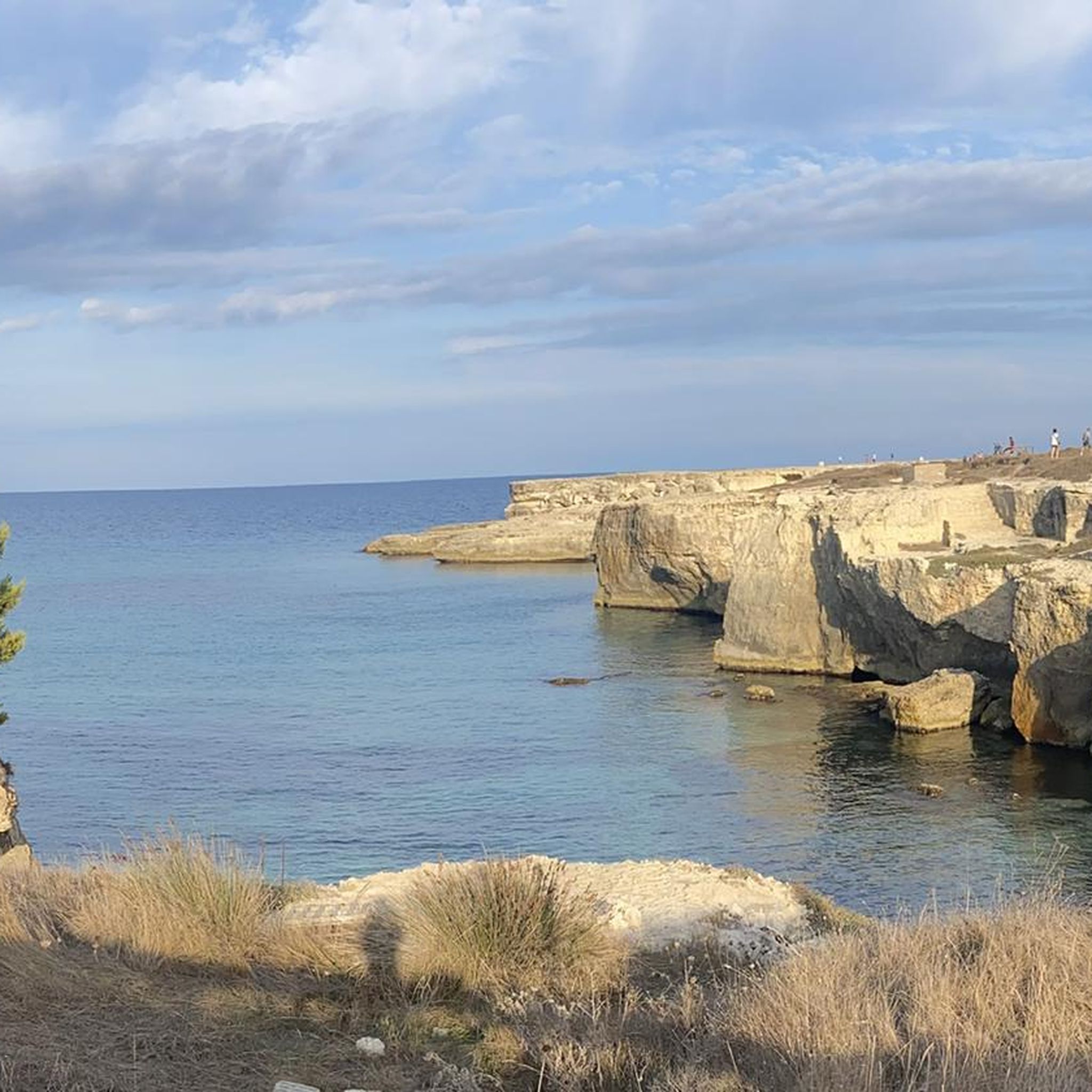
One of the two dolmens of Melendugno: the Dolmen Placa
0
0
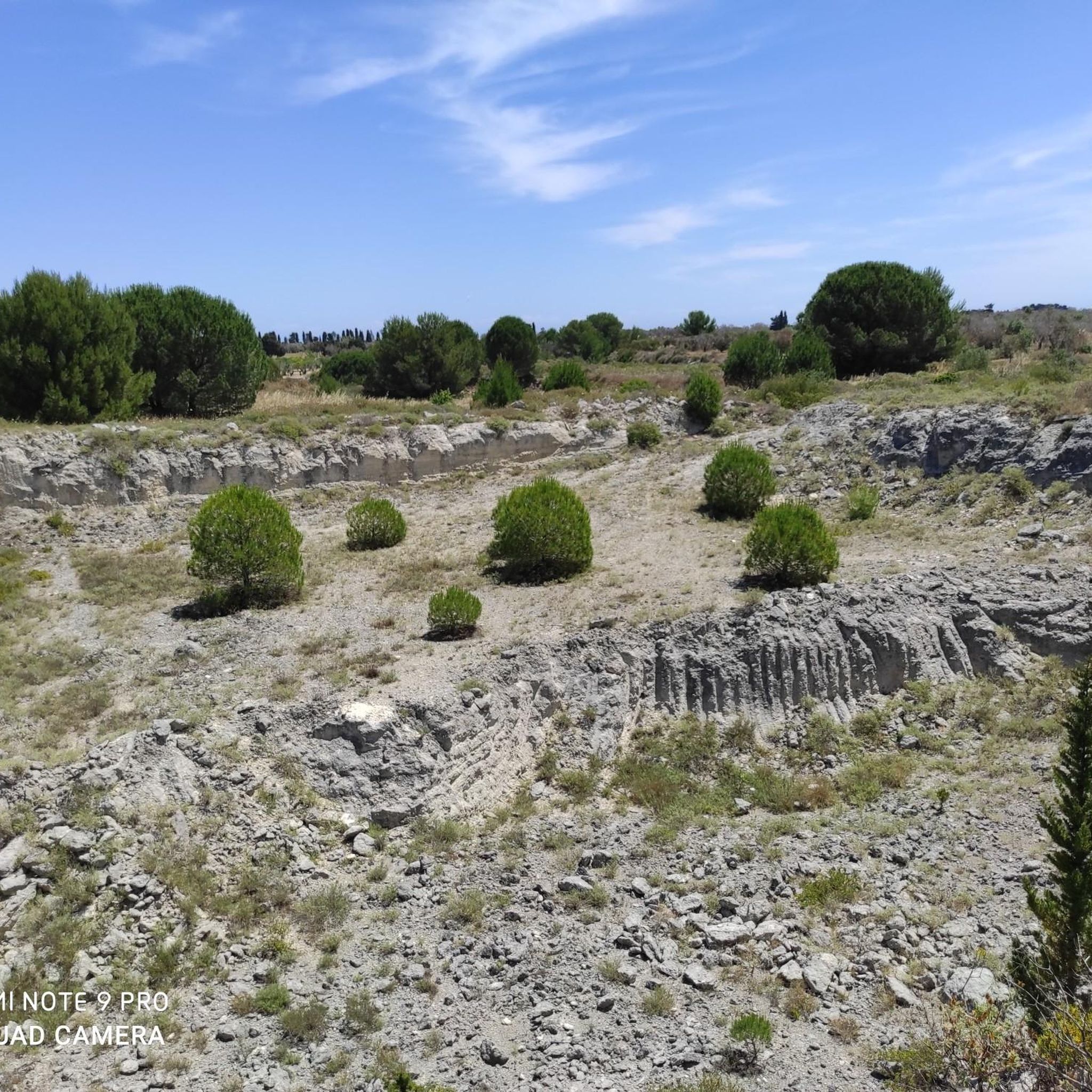
It is about 300 years old. It seems that during the Bourbon domination the bandits used to meet under its branches. It is 23 meters high with a circumference of 41 meters
0
0

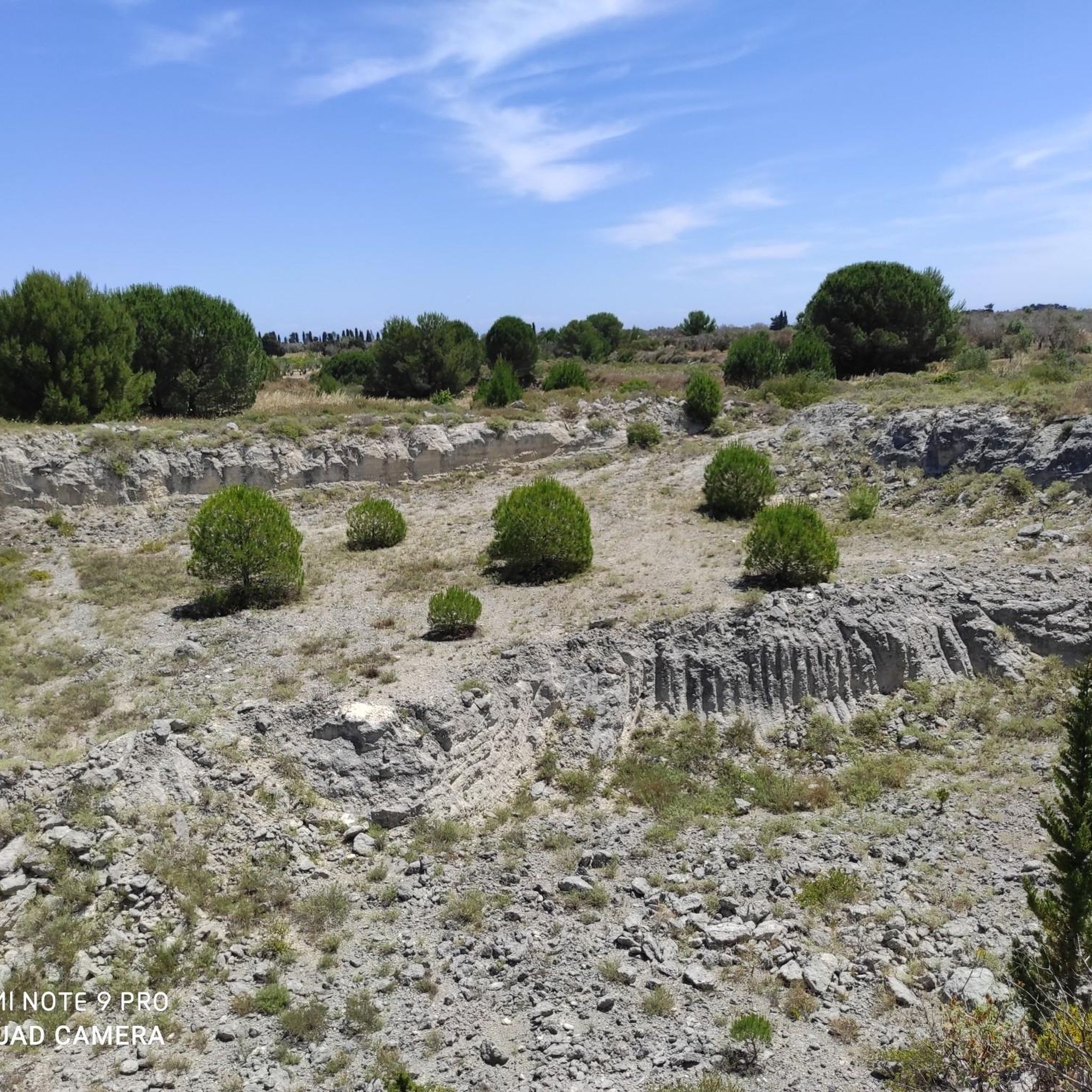
The grooves present on the Dolmen Placa and the small hole at the center of the covering slab of the Dolmen Gurgulante (located a few meters in the direction of Melendugno), immediately make one think of a place dedicated to ritual sacrifices, rather than a burial place as has often been hypothesized.
0
0

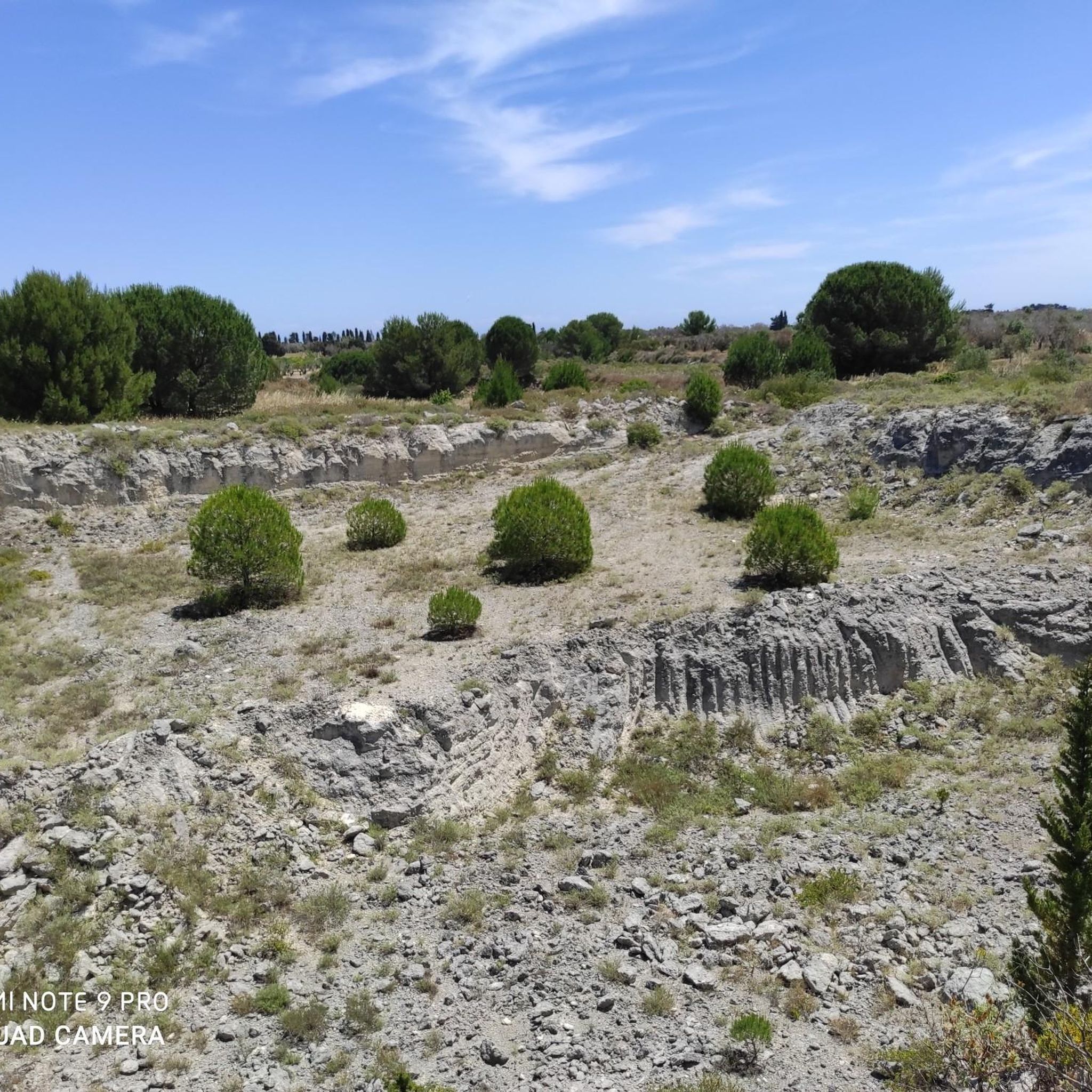
Centuries-old holm oak which, according to legend, was used as a refuge from local brigandage
0
0
there is a gate that is always open. entering 200 meters on the left
0
0
The name of the Menhir derives from the griko and means "Big Cross". In 1880 Cosimo De Giorgi described it with larger dimensions than its current one. It was demolished several times due to an ancient legend linked to a treasure hidden at the foot of the monolith.
0
0
The Menhir was discovered by Oreste Caroppo in 1993. The monolith is distinguished from other Menhirs by two quite evident characteristics, its bicuspid top and a square cavity on one of the main facades. Height: 1.25 meters
0
0
Frequently Asked Questions
What are some of the most notable natural monuments to visit around Sternatia?
Beyond Sternatia's olive groves and dry stone walls, the wider Salento region offers several significant natural monuments. You can explore the breathtaking Park of Poetry, a beautiful pine forest with paths featuring poetic excerpts. For a unique natural swimming experience, the Grotta della Poesia (Cave of Poetry) near Roca Vecchia is a must-see, known for its crystalline waters and sea-sculpted cliffs. Another important site is the Riserva Naturale Oasi WWF Le Cesine, a vital wetland near Vernole, rich in diverse habitats and migratory birds.
Are there family-friendly natural monuments to visit around Sternatia?
Yes, several natural monuments are suitable for families. The Park of Poetry is particularly family-friendly, offering wide roads and games for children amidst a beautiful pine forest. The Brigands' Clearing, with its ancient holm oak and intriguing legend, also offers an engaging experience for all ages. Additionally, the Menhir Staurotomea and Dolmen Placa are accessible historical sites that can be interesting for families.
What kind of outdoor activities can I do around the natural monuments near Sternatia?
The area around Sternatia and its natural monuments offers various outdoor activities. You can enjoy nature walks and hiking, especially within the Park of Poetry or the Riserva Naturale Oasi WWF Le Cesine, which has a network of paths for 'slow tourism.' For cycling enthusiasts, there are numerous routes available, including road cycling, mountain biking, and gravel biking. You can find detailed routes in guides like Road Cycling Routes around Sternatia, MTB Trails around Sternatia, and Gravel biking around Sternatia.
What is the best time of year to visit the natural monuments around Sternatia?
The best time to visit the natural monuments around Sternatia is generally during spring (April-May) and autumn (September-October). During these seasons, the weather is pleasant, making it ideal for outdoor activities like hiking and cycling. Summer (June-August) can be very hot, but it's also the most popular time to visit coastal attractions like the Grotta della Poesia for swimming, though access might be limited due to popularity. Winter offers a quieter experience, but some facilities might have reduced hours.
Are there any historical or man-made monuments considered natural monuments in the area?
Yes, the region around Sternatia is rich in ancient megalithic structures that are often considered natural monuments due to their integration with the landscape and historical significance. These include the impressive Menhir Staurotomea, whose name means 'Big Cross' in Griko, and the Menhir Croce di Marrugo, notable for being hidden in plain sight. You can also visit the Dolmen Placa, a well-preserved dolmen in the open countryside.
What unique natural features can I expect to see near Sternatia?
The immediate surroundings of Sternatia are characterized by vast olive groves and traditional dry stone walls, reflecting centuries of agricultural heritage in the Salento countryside. The town itself is nestled within a wide valley, sheltered by the Serre Salentine hills. Beyond this cultivated landscape, the broader region offers diverse features such as the dramatic sea-carved cliffs and natural pools of the Adriatic coast, and the rich wetland ecosystems of reserves like Le Cesine, which hosts rare vegetation and migratory birds.
What do visitors enjoy the most about the natural monuments around Sternatia?
Visitors particularly appreciate the blend of natural beauty and historical intrigue. The Park of Poetry is loved for its serene pine forest and the unique experience of reading poems amidst nature. The ancient menhirs, like Menhir Staurotomea, captivate with their legends and historical significance. The Brigands' Clearing is cherished for its centuries-old holm oak and the stories it holds. The overall appeal lies in discovering these unique sites, often hidden in plain sight, and experiencing the tranquil Salento landscape.
Are there opportunities for wildlife spotting at natural monuments near Sternatia?
Yes, particularly at the Riserva Naturale Oasi WWF Le Cesine. This nature reserve is one of the most important wetlands in Southern Italy and provides a habitat for diverse wildlife, especially migratory birds. It's an excellent location for birdwatching and observing the unique flora and fauna of the region. While other sites like the Park of Poetry offer a more cultivated natural experience, Le Cesine is specifically dedicated to ecological preservation and wildlife observation.
How accessible are the natural monuments around Sternatia by car or public transport?
Many natural monuments in the Salento region are best accessed by car, offering the most flexibility to explore. Sites like the Menhir Staurotomea are easily visible and accessible, often located near roads or intersections. For places like the Grotta della Poesia or the Riserva Naturale Oasi WWF Le Cesine, driving allows for convenient travel to their respective locations. Public transport options might be limited for reaching some of the more secluded natural sites, so checking local bus schedules or considering a rental car is advisable.
Are there any lesser-known natural monuments worth exploring near Sternatia?
Beyond the more popular sites, the area holds several intriguing, perhaps lesser-known, natural monuments. The Menhir Croce di Marrugo, for instance, is described as being 'hidden in plain sight' outside Serrano, protected by a pile of stones and trees, offering a sense of discovery. The Dolmen Placa, located in the open countryside, is another example of a well-kept ancient structure that provides insight into the region's past and its interaction with the natural environment.
What should I wear when visiting the natural monuments and trails around Sternatia?
When visiting the natural monuments and trails around Sternatia, it's advisable to wear comfortable walking shoes, especially if you plan to explore sites like the Park of Poetry or the Riserva Naturale Oasi WWF Le Cesine. Layers are recommended, particularly during spring and autumn, as temperatures can vary. In summer, light clothing, a hat, sunglasses, and sunscreen are essential due to the strong sun. If visiting coastal areas like the Grotta della Poesia, swimwear and a towel would be appropriate.
Most popular attractions around Sternatia

Get inspired with the komoot mobile app


Explore more
Extend your search for the best caves by checking out these guides of the top ones around Sternatia:
