Top 6 Natural Monuments around Chions
Best natural monuments around Chions are found within its rural landscape in the Friuli-Venezia Giulia region of Italy. The area is characterized by its agricultural nature and the orthogonal structures of its streets and fields, a legacy of Roman centuriation. This provides a peaceful setting for exploring the local countryside, offering a blend of historical context and natural tranquility.
Best natural monuments around Chions
- The most popular natural monuments is Confluence of the Monticano and Livenza Rivers, a river confluence that marks the end of the Monticano river's descent. This location offers a well-beaten track suitable for a peaceful tour.
- Another must-see spot is Fontana di Venchieredo, a natural monument and historical site. This fountain is known for its clear water and is surrounded by meadows, woods, and alders, creating a picturesque setting.
- Visitors also love Locks on the Noncello River in Seminario Park, a river feature with a cycle and pedestrian path. This area provides access to a naturalistic zone along the Noncello river.
- Chions is known for its rivers, lakes, and natural springs. The area offers a variety of natural features to see and explore, including waterways and tranquil rural settings.
- The natural monuments around Chions are appreciated by the komoot community, with 15 upvotes and 6 photos shared by visitors.
Last updated: June 28, 2026
Palù del Bandiziol
Highlight • Lake
However, the lagoons were also a huge reservoir of biodiversity with many species of animals and plants that were largely destroyed during the land reclamation operations.
It is also for this reason that, within the project for the historical reconstruction of the Bandiziol and Prassaccon woods, it was desired to leave a further mark of what the territory and landscape of S. Stino once were, by creating a wetland area, partly similar to the numerous wetlands once present even within the woods, called "bassone". This intervention is not only an operation of "philological" recovery of the pre-reclamation hydraulic system but, above all, presents a significant environmental value as it reconstructs the natural habitat of various bird species. The small lake is located in the eastern part of the Bosco di Bandiziol, covers an area of approximately 10,000 sq m and has a rounded shape with small islands within it.
To better reproduce different lake habitats, the small lake has varying depths, from a few centimeters to over 2 meters, thus offering many bird species the opportunity to find a suitable environment to stay. In fact, in the shallower waters and marginal areas, it is possible to see herons, egrets, plovers, mallards, and other surface ducks. In the rest of the lake, there are divers, cormorants, and diving ducks that find food in open water or on deep bottoms.
The islands and the winding perimeter shapes were created specifically to allow the avifauna to hide and find refuge, so that it can be disturbed as little as possible by human presence. In fact, the conformation of the banks and the vegetation (reeds, herbaceous and shrubby vegetation) offer all the necessary environments for the rest, feeding, and nesting of birds.
Showing Translation
Tip by

San Pietro Ford on the Versiola
Highlight (Segment) • River
Translated by Google •
Tip by

Sign up now to discover places like this
Get recommendations on the best single tracks, peaks, & plenty of other exciting outdoor places.
Sign up for free
Fontana di Venchieredo
Highlight • Natural Monument
"Between Cordovado and Venchieredo, one mile between the two towns, there is a large and clear fountain that also has the voice of containing many cooling and healthy qualities in its water. But the nymph of the fountain did not believe that she only trusted the virtues of water to lure the devotees and surrounded herself with such a beautiful horizon of meadows, woods and sky, and with such a hospitable shade of alders and willows that it is in truth a recess worthy of Virgil's brush this where she liked to place her room.
Hidden and meandering paths, the whisper of rivulets, sweet and mossy slopes, nothing is missing all around. It is precisely the mirror of a sorceress, that clear blue water that, gushing insensibly from a bottom of tiny gravel, rose to double in her womb the image of such a picturesque and pastoral scene.
They are places that make one think of the inhabitants of Eden before sin; and they also make us think without disgust about sin now that we are no longer inhabitants of Eden.
There, therefore, around that fountain, the vague girls of Cordovado, Venchieredo and even Teglio, Fratta, Morsano, Cintello and Bagnarola, and other nearby villages, have used to gather on festive evenings since time immemorial. And they stay there for a long time in songs in laughter in conversations in snacks until the mother, the lover and the moon lead them back home. I did not even want to tell you that young men also compete with girls, because it was already something to imagine. But what I intend to note is that, having made the accounts at the end of the year, I believe and affirm that people come to the Venchieredo fountain more to make love than to drink; and besides, more wine is drunk there than water. You know; in these cases it is necessary to obey the sausages and ham of the snacks more than the superstition of passing water.
I for myself there were the beautiful vaults to that enchanting fountain; but once only once did I dare to profane with my hand the virgin crystal of her sap. The hunt had led me there, broken by fatigue and burned with thirst; more, my flask of white wine no longer wanted to cry. If I went back now, maybe I would drink it in large sips as if to rejuvenate myself ... "
Translated by Google •
Tip by

Confluence of the Monticano and Livenza Rivers
Highlight • River
Translated by Google •
Tip by

Laghetti di Coscena and Tafjord
Highlight • Lake
They were originally pools of water surrounded by a marshy environment; they became as we see them today following the construction of the A28 motorway; in fact, the materials for the construction of the road were obtained from the area of the lakes and then the natural area was completely redeveloped;
the last step was the mural that decorates the underpass of the A28 that leads to the lakes in the municipality of Chions, created by Arianna Garlatti, of the Galvani State Institute of Art in Cordenons.
ilgazzettino.it/pay/udine_pay/azzano_valorizzare_i_laghetti_di_taiedo_e_cesena_e_uno_degli_obiettivi_primari-3528587.html
Translated by Google •
Tip by

Sign up for free to discover even more natural monuments around Chions.
Sign up for free
Already have an account?
Start today with a free account
Your next adventure awaits.
Login or Signup

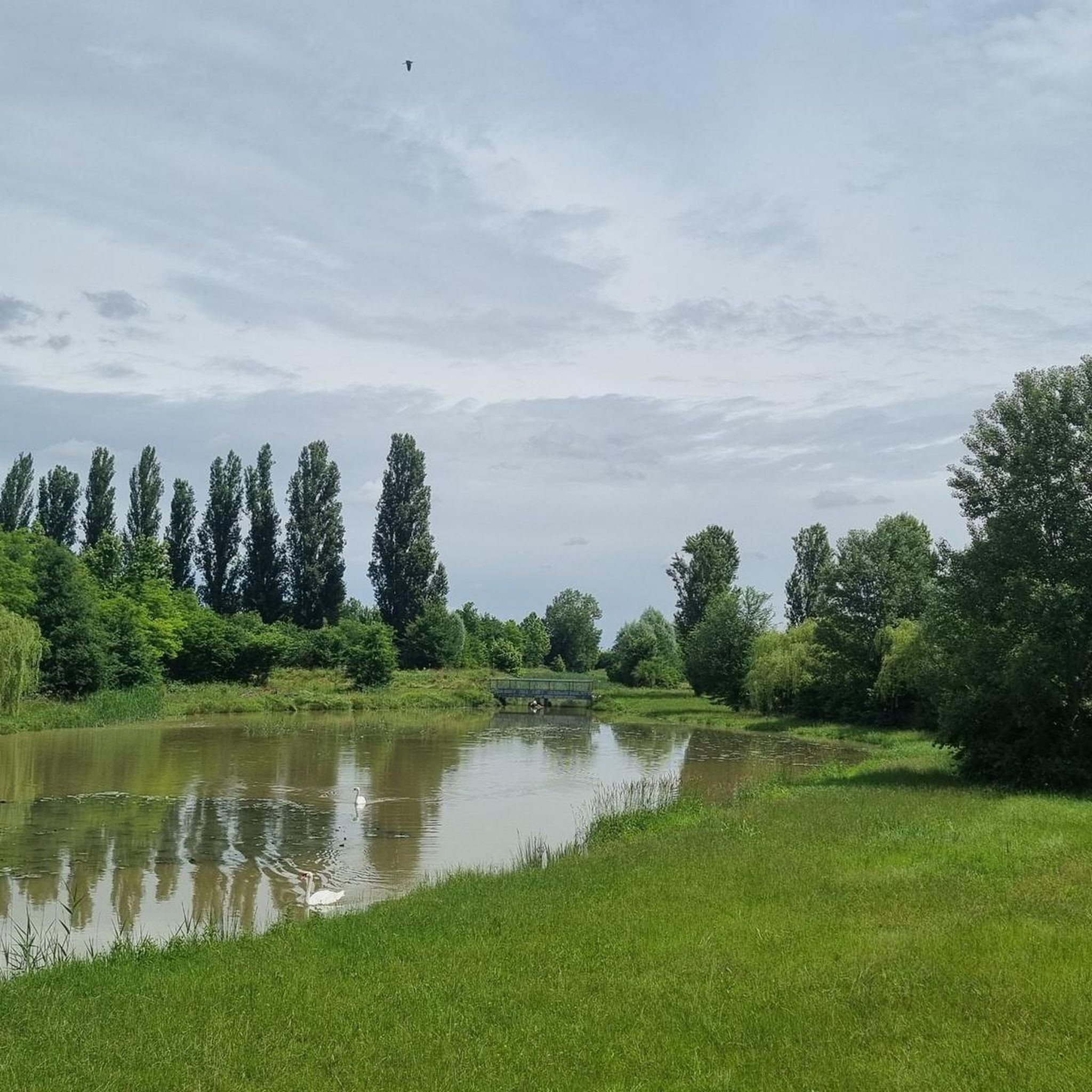
Tips from the Community

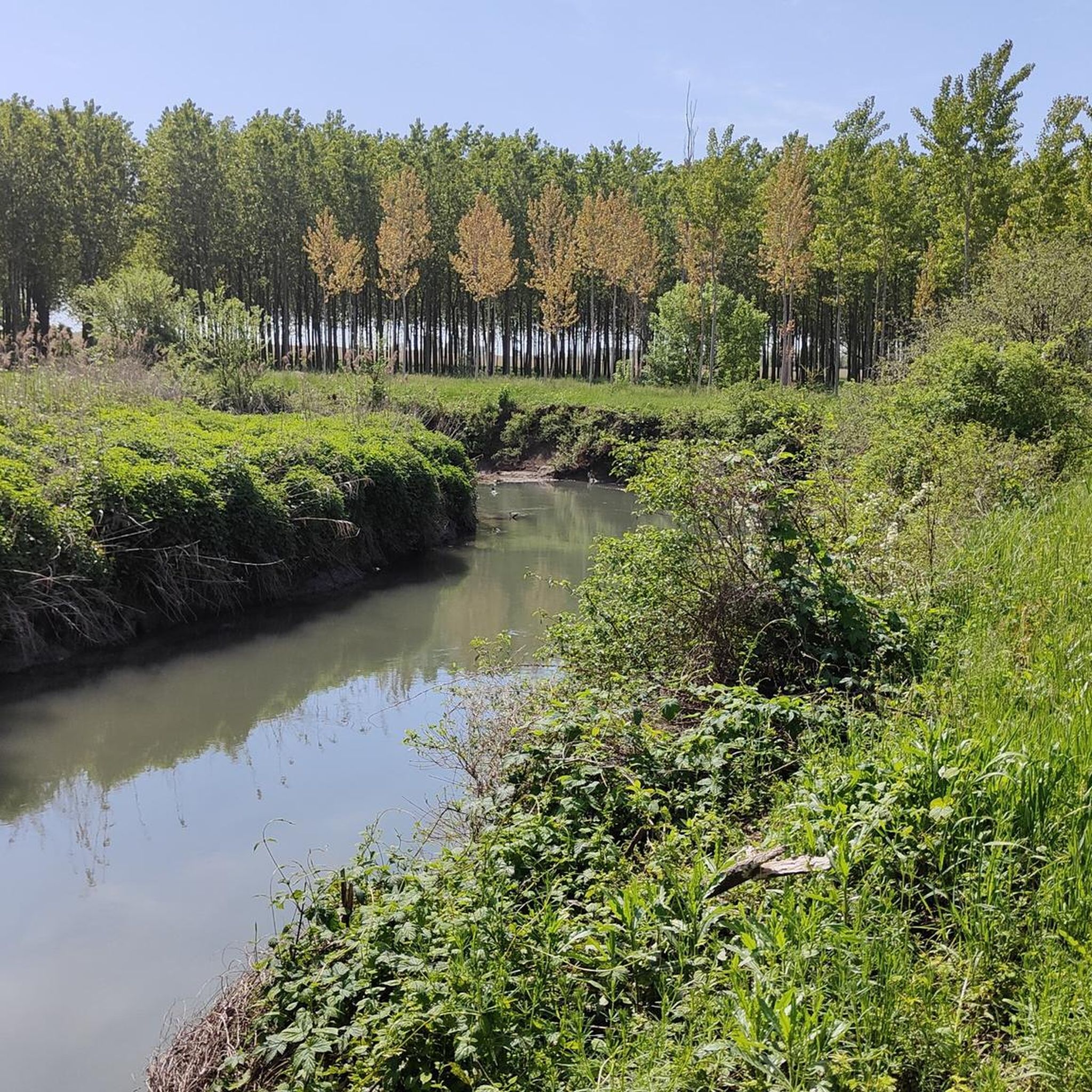
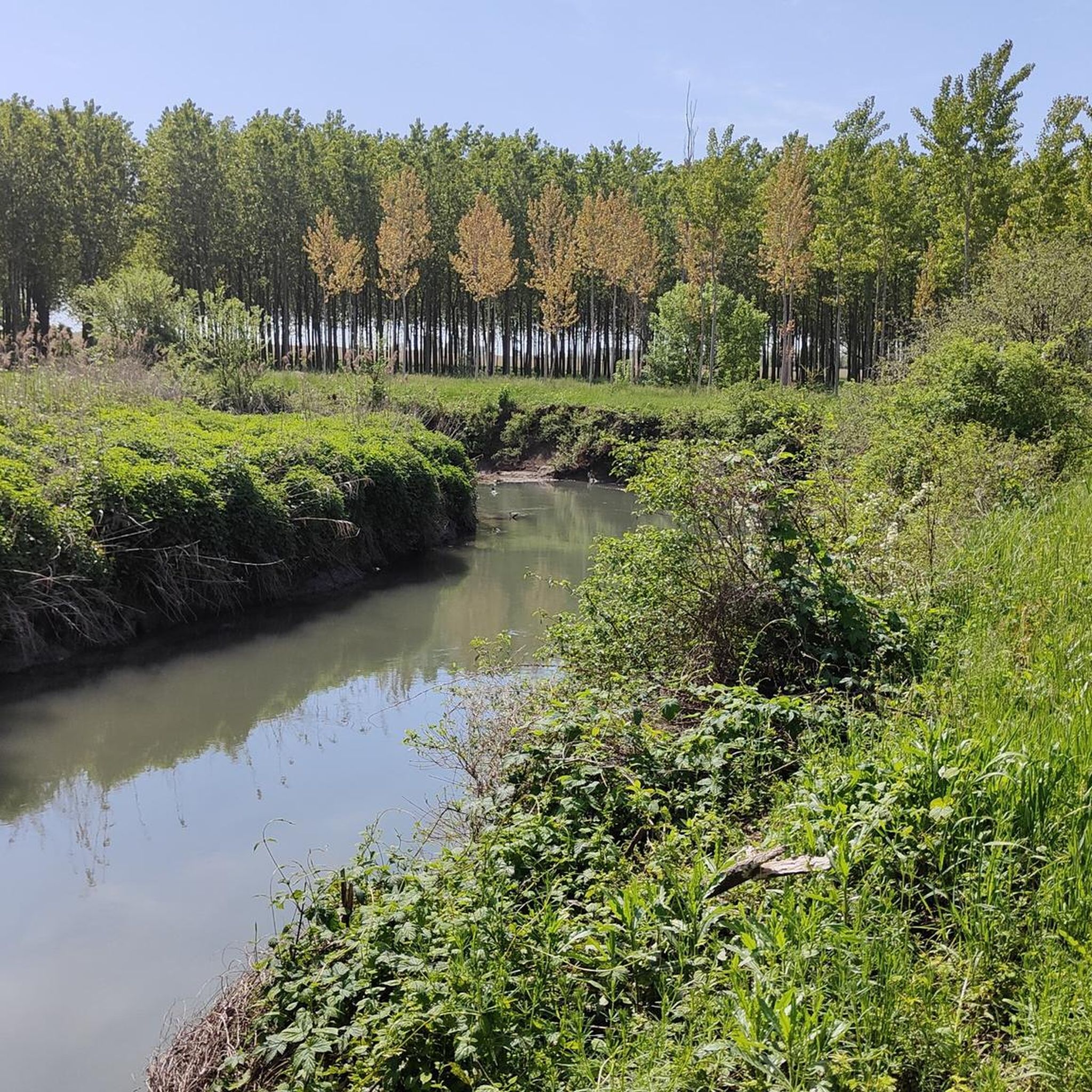
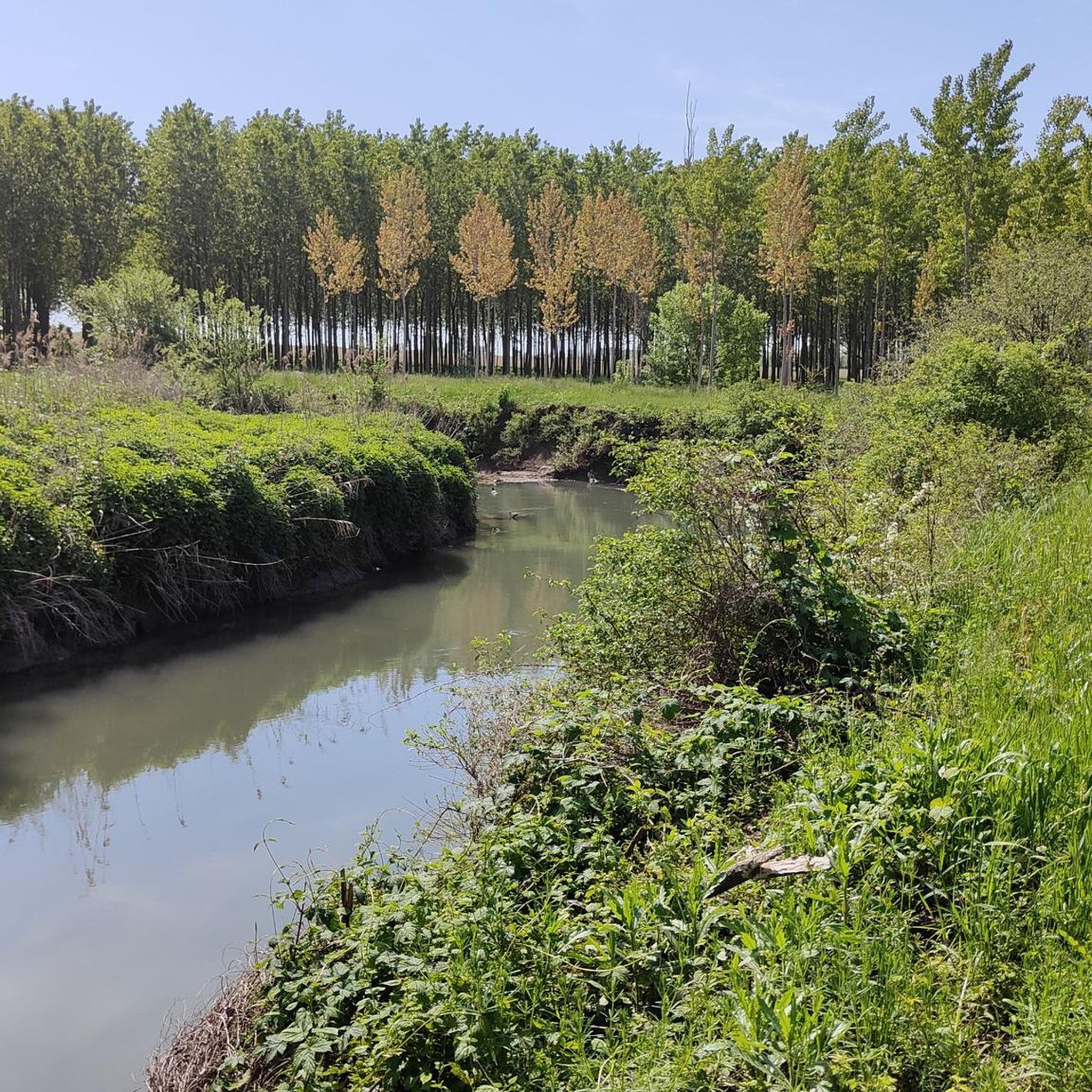
Il Guado di San Pietro, located near Bagnarola, is a place where history blends with the nature of the springs. This ancient crossing on the Versiola canal owes its name to the nearby church of San Pietro, a Romanesque jewel mentioned as early as the 12th century. In the past, the ford represented a fundamental transit point for wayfarers and pilgrims heading to the Abbey of Sesto, offering a safe passage in a territory dominated by water. Today, the area retains a suspended and evocative atmosphere, immersed in lush vegetation of alder and willow trees. The small church, with its fifteenth-century frescoes, testifies to the deep rural spirituality of Friuli. It is an essential stop for those who travel along the nature trails connecting the village to the Mulini di Stalis.
0
0

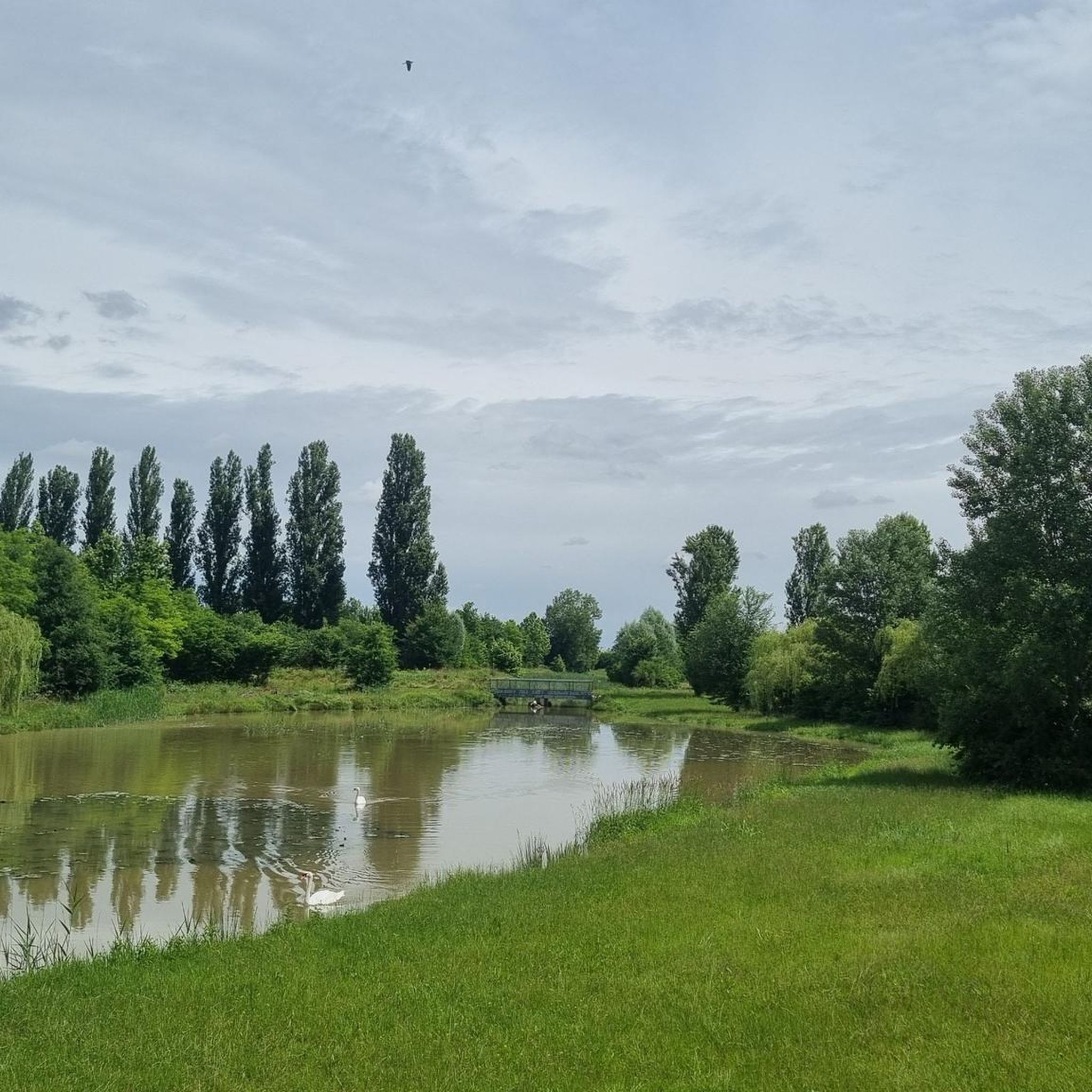
The Sanstino territory was characterized in its southern part by large lagoons and marshes until a few decades ago. Until the first half of the 20th century, these environments proved very harmful to humans, in various aspects, as they were a source of diseases, such as malaria, and were not sufficiently productive. Thus, with major land reclamation works, the land was taken from the water to make it cultivable and to obtain products that allowed many families to live. However, the lagoons were also a huge reservoir of biodiversity with many species of animals and plants that were largely destroyed during the land reclamation operations. It is also for this reason that, within the project for the historical reconstruction of the Bandiziol and Prassaccon woods, it was desired to leave a further mark of what the territory and landscape of S. Stino once were, by creating a wetland area, partly similar to the numerous wetlands once present even within the woods, called "bassone". This intervention is not only an operation of "philological" recovery of the pre-reclamation hydraulic system but, above all, presents a significant environmental value as it reconstructs the natural habitat of various bird species. The small lake is located in the eastern part of the Bosco di Bandiziol, covers an area of approximately 10,000 sq m and has a rounded shape with small islands within it. To better reproduce different lake habitats, the small lake has varying depths, from a few centimeters to over 2 meters, thus offering many bird species the opportunity to find a suitable environment to stay. In fact, in the shallower waters and marginal areas, it is possible to see herons, egrets, plovers, mallards, and other surface ducks. In the rest of the lake, there are divers, cormorants, and diving ducks that find food in open water or on deep bottoms. The islands and the winding perimeter shapes were created specifically to allow the avifauna to hide and find refuge, so that it can be disturbed as little as possible by human presence. In fact, the conformation of the banks and the vegetation (reeds, herbaceous and shrubby vegetation) offer all the necessary environments for the rest, feeding, and nesting of birds.
11
0

The Palù del Bandiziol is a wetland formed by a sulfur spring that, at its source, gives off the characteristic smell of rotten eggs. This wetland is of great naturalistic value due to the presence of numerous bird species.
1
0

peace and quiet, a tour for everyone.
0
0

Now, next to the ford, there is a comfortable metal walkway
0
0
where the Monticano flows into the Livenza. The track is new, just widened and well beaten
0
0

On the border between Veneto and Friuli Venezia Giulia there is a very beautiful path immersed in nature, which starts from Gruaro and crosses the Versiola river, until reaching the Stalis mills. A historical and naturalistic path in the countryside full of canals and bodies of water.
1
0
Bosco Bandiziol, a green lung between San Stino di Livenza and Loncon
0
0
Frequently Asked Questions
What kind of natural monuments can I expect to find around Chions?
The natural monuments around Chions are primarily characterized by the region's tranquil rural landscape, featuring rivers, natural springs, and redeveloped lake areas. You'll discover serene spots like the Confluence of the Monticano and Livenza Rivers, picturesque springs such as Fontana di Venchieredo, and the unique Laghetti di Coscena and Tafjord, which are ten stretches of water surrounded by vegetation.
Are there any family-friendly natural monuments in the Chions area?
Yes, several natural monuments around Chions are suitable for families. The Confluence of the Monticano and Livenza Rivers offers a well-beaten track perfect for a peaceful tour for everyone. Fontana di Venchieredo is also family-friendly, set amidst meadows and woods. Additionally, the Locks on the Noncello River in Seminario Park provide a cycle and pedestrian path, making it accessible for families to explore the naturalistic zone.
What historical context can be found alongside the natural beauty in Chions?
Chions itself has a rich historical context, marked by the orthogonal structures of its streets and fields, a legacy of Roman centuriation. Beyond this, natural sites like Fontana di Venchieredo are not just natural monuments but also historical sites, known for being a traditional gathering place. The area around the Versiola River, including the path leading to the Stalis Mills, offers a historical and naturalistic experience with its waterways and countryside.
What outdoor activities can I do near these natural monuments?
The Chions area is excellent for various outdoor activities. You can enjoy running on trails like the 'Running loop from Comunità Sile' or 'Via Cesena Scorz loop from Chions'. For cycling enthusiasts, there are numerous gravel biking routes, such as the 'Prà dei Gai South Entrance – Ponti di Tremeacque loop'. Mountain biking is also popular, with trails like the 'Tagliamento River – Gravel path through the fields loop'. You can find more details on these activities in the dedicated guides for Running Trails around Chions, Gravel biking around Chions, and MTB Trails around Chions.
Are there any trails or paths suitable for cycling near the natural monuments?
Yes, the area offers paths suitable for cycling. The Locks on the Noncello River in Seminario Park feature a new cycle and pedestrian path that connects the park to the Roman baths of Torre, allowing access to a naturalistic zone along the Noncello river. Additionally, the track leading to the Confluence of the Monticano and Livenza Rivers is described as new, widened, and well-beaten, suitable for a peaceful tour which can include cycling.
What are the Laghetti di Coscena and Tafjord?
The Laghetti di Coscena and Tafjord are a unique natural monument consisting of ten stretches of water surrounded by vegetation. Originally pools in a marshy environment, they were redeveloped following the construction of the A28 motorway. Today, they are frequented by fishermen and nature lovers, offering a tranquil spot to enjoy the local environment.
Can I find any natural areas with water features like rivers or lakes?
Absolutely. Chions is known for its rivers, lakes, and natural springs. Key natural monuments include the Confluence of the Monticano and Livenza Rivers, the clear waters of Fontana di Venchieredo, and the Laghetti di Coscena and Tafjord. The San Pietro Ford on the Versiola also highlights a beautiful path immersed in nature along the Versiola river, rich with canals and bodies of water.
What do visitors appreciate most about the natural monuments around Chions?
Visitors particularly appreciate the peace and quiet offered by these natural settings. The well-beaten tracks and serene environments, such as those found at the Confluence of the Monticano and Livenza Rivers, are often highlighted. The picturesque scenery, with meadows, woods, and clear waters like at Fontana di Venchieredo, also receives high praise for its beauty and tranquil atmosphere.
Are there any natural monuments that are wheelchair accessible?
Yes, the Confluence of the Monticano and Livenza Rivers is noted as being wheelchair accessible, offering a peaceful tour for everyone on its new, widened, and well-beaten track.
What is the San Pietro Ford on the Versiola?
The San Pietro Ford on the Versiola is part of a beautiful naturalistic and historical path located on the border between Veneto and Friuli Venezia Giulia. This trail starts from Gruaro and crosses the Versiola river, leading towards the Stalis mills. It's characterized by its immersion in nature, featuring numerous canals and bodies of water, and now includes a comfortable metal walkway next to the ford.
What is the best time of year to visit the natural monuments in Chions?
The natural monuments around Chions, with their rural landscapes, rivers, and springs, are generally pleasant to visit during spring and autumn when the weather is mild and the natural scenery is vibrant. Summer also offers warm conditions for outdoor activities, while winter can provide a different, quieter charm, though some paths might be less accessible depending on conditions.
Most popular attractions around Chions

Get inspired with the komoot mobile app


Explore more
Extend your search for the best caves by checking out these guides of the top ones around Chions:
