Top 6 Natural Monuments around Vazzola
Natural monuments around Vazzola showcase the region's diverse riverine landscapes and protected natural environments within the Province of Treviso. The area features significant waterways and unique ecosystems, offering opportunities to experience local flora and fauna. These natural attractions often incorporate historical pathways, blending ecological significance with recreational activities.
Best natural monuments around Vazzola
- The most popular natural monuments is Parco delle Grave and Murazzi of Spresiano, a river area. This park offers trails along the river, providing opportunities to…
Last updated: June 28, 2026
Source of the Meolo River
Highlight • River
Translated by Google •
Tip by

Prà dei Gai
Highlight • Natural
Translated by Google •
Tip by

Sign up now to discover places like this
Get recommendations on the best single tracks, peaks, & plenty of other exciting outdoor places.
Sign up for free
Confluence of the Lia and Monticano Rivers
Highlight • River
Translated by Google •
Tip by

The Lone Tree of San Salvatore
Highlight • Natural Monument
Translated by Google •
Tip by

Parco delle Grave and Murazzi of Spresiano
Highlight • River
passeggiatetreviso.it/itinerari-fiumi-laghi-treviso/222-il-parco-delle-grave-di-spresiano-e-i-murazzi
Translated by Google •
Tip by

Sign up for free to discover even more natural monuments around Vazzola.
Sign up for free
Already have an account?
Start today with a free account
Your next adventure awaits.
Login or Signup

Tips from the Community

The Grave Park and the Murazzi https://www.passeggiatetreviso.it/itinerari-fiumi-laghi-treviso/222-il-parco-delle-grave-di-spresiano-e-i-murazzi
0
0

The old name of the Meolo river is Pero. This is why, in these parts, river and place names blend together
0
0

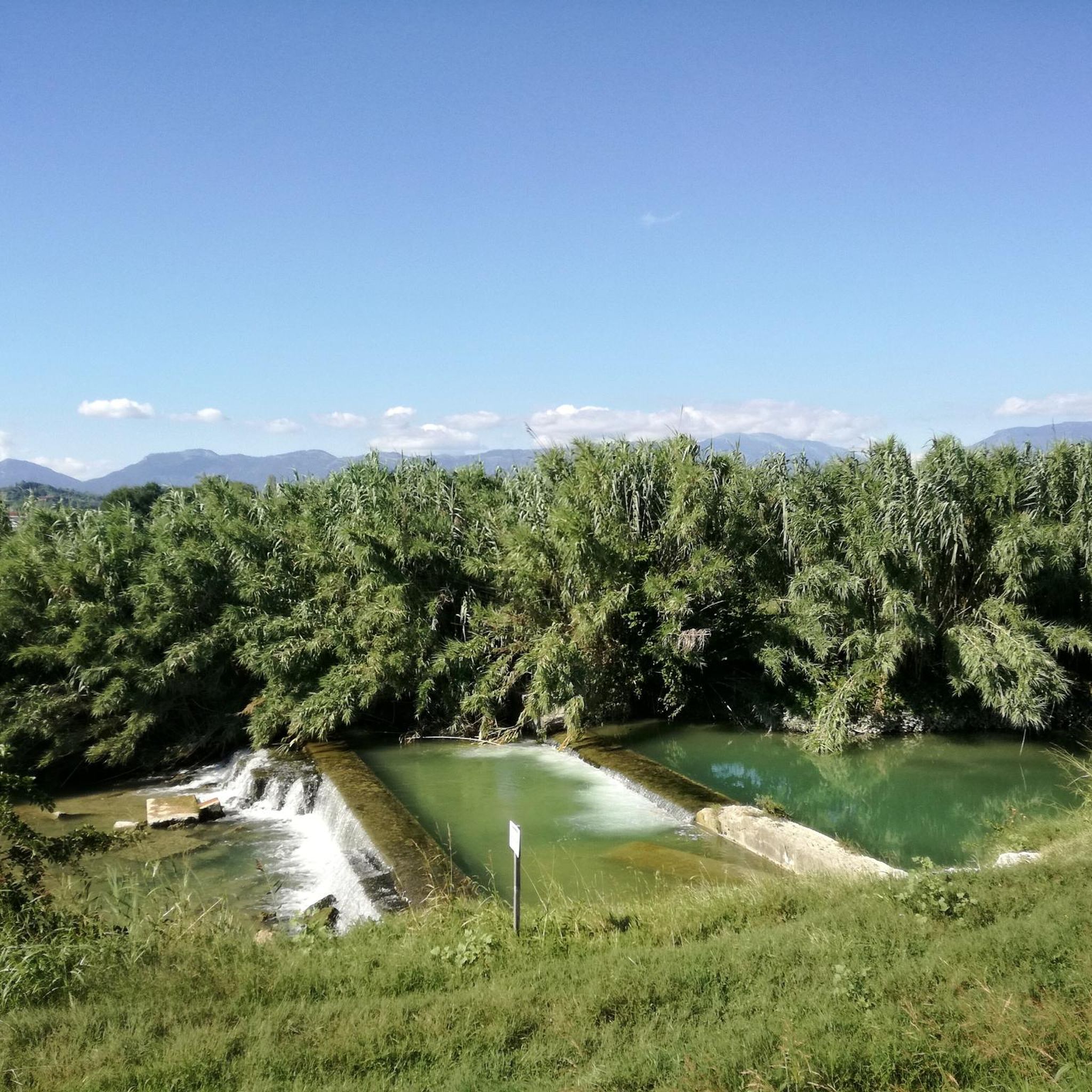
The sources of the Meolo river are about 200 m away. from the bridge, unfortunately it was not possible to approach them because they were fenced off. It originates east of Breda di Piave, in the Campagne area, and flows for about twenty kilometers in the provinces of Treviso and Venice, crossing, among others, San Biagio di Callalta and Monastery of Treviso. At the town of the same name, the river bifurcates: the new main axis, maintaining the name of the Meolo river, heads south and flows shortly afterwards into the Vallio; the historic course, called the Meolo flowway, moves towards the south-east and its waters flow partly into the Colatore Principale reclamation canal and partly, by means of a structure that bypasses the previous watercourse, into the Fossetta canal. This situation is the result of the reclamation that affected the Lower Piave and was completed in the 1930s. Along its course there are country residences built by Venetian families between the 15th and the 19th centuries as well as the former Abbey of Santa Maria di Pero
11
0
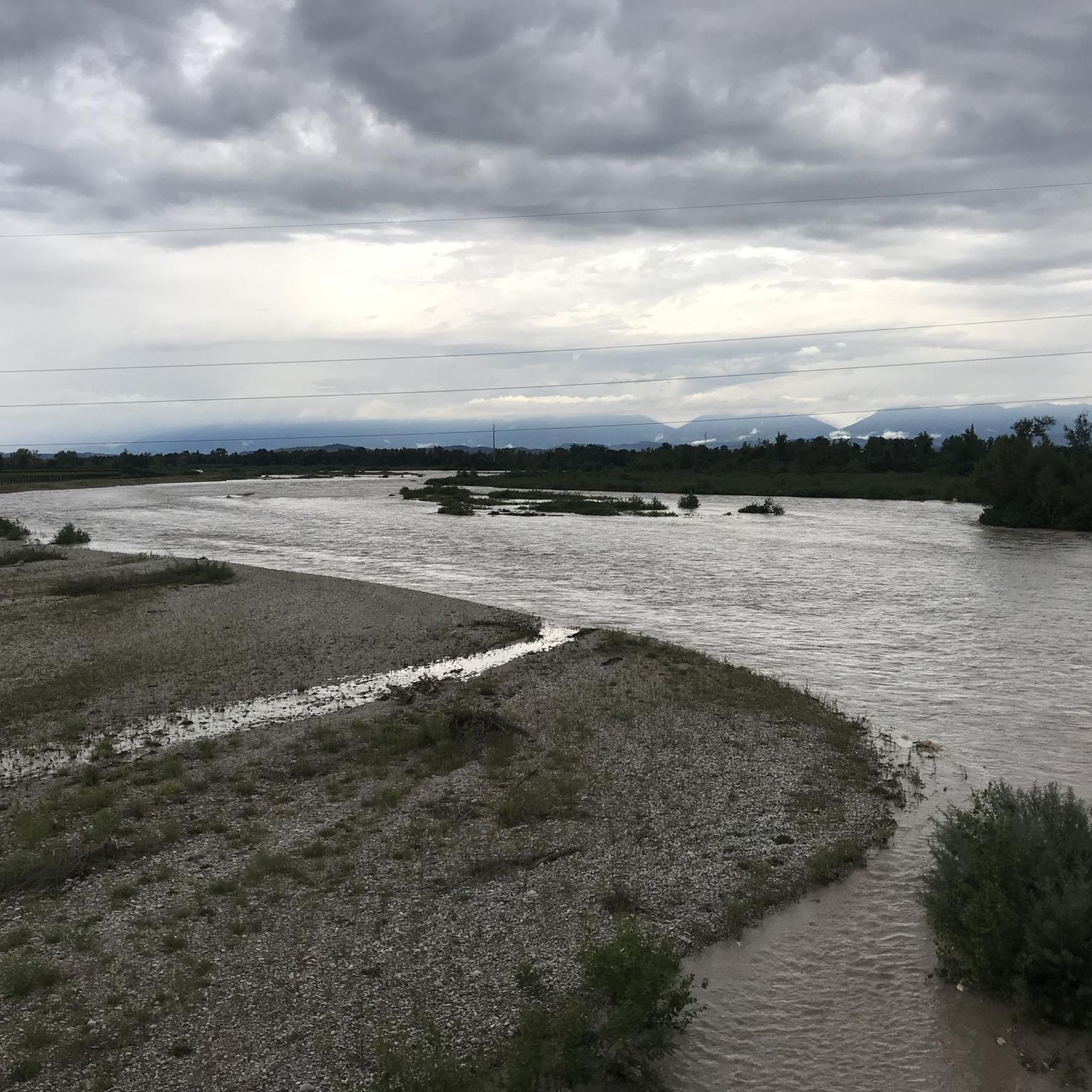
The Lia river ends here: it delivers its waters to the Monticano and in turn leaves them to the Livenza to reach the sea. The Lia is an ancient river that marks the territory. Born in what is now the Gambrinus park (that of the shrimp of this river), you can cross it under the bridge of the Church of the Templars of Ormelle and you can hardly follow its meanders in Colfrancui. Here you can greet its waters and its millenary memory of this territory
0
0

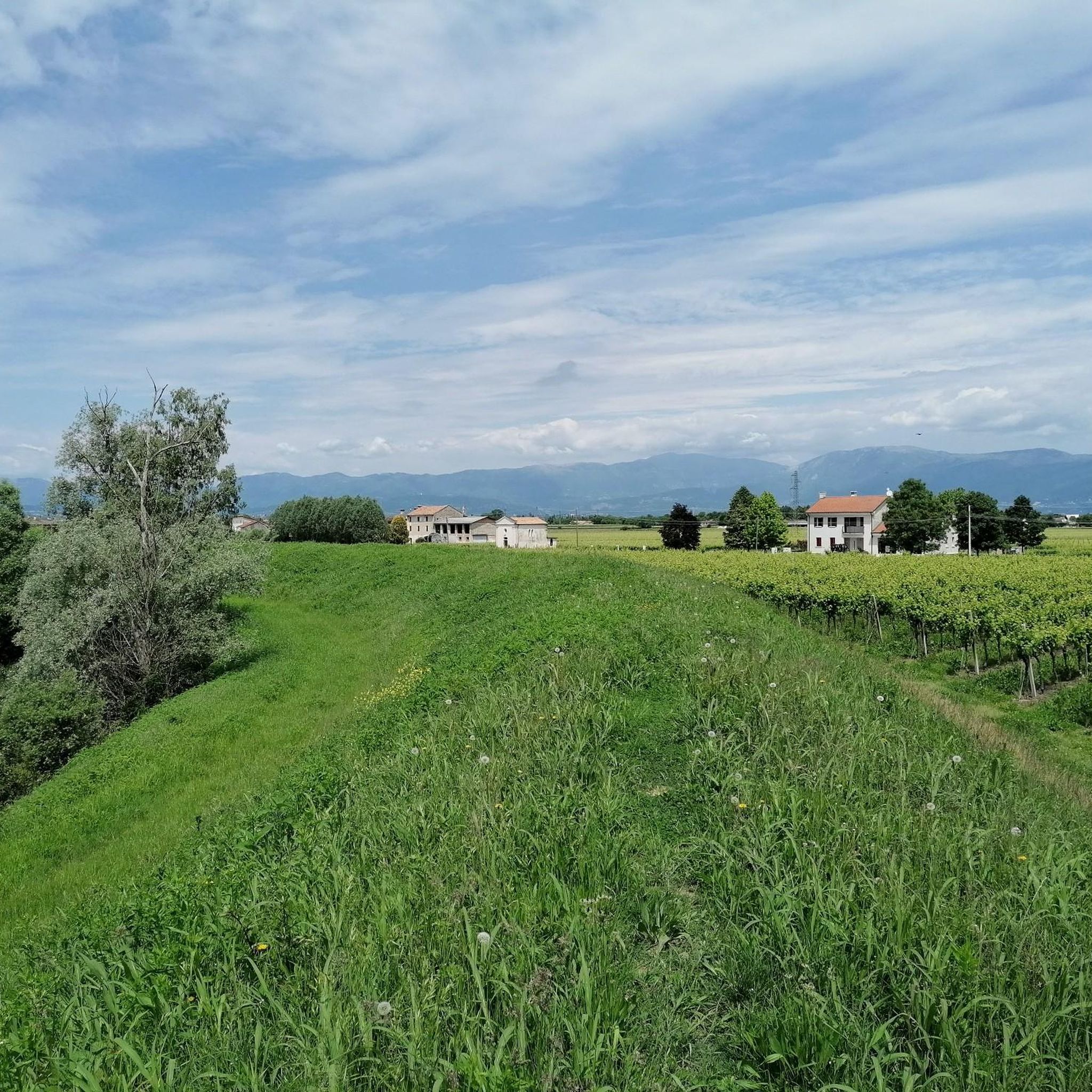
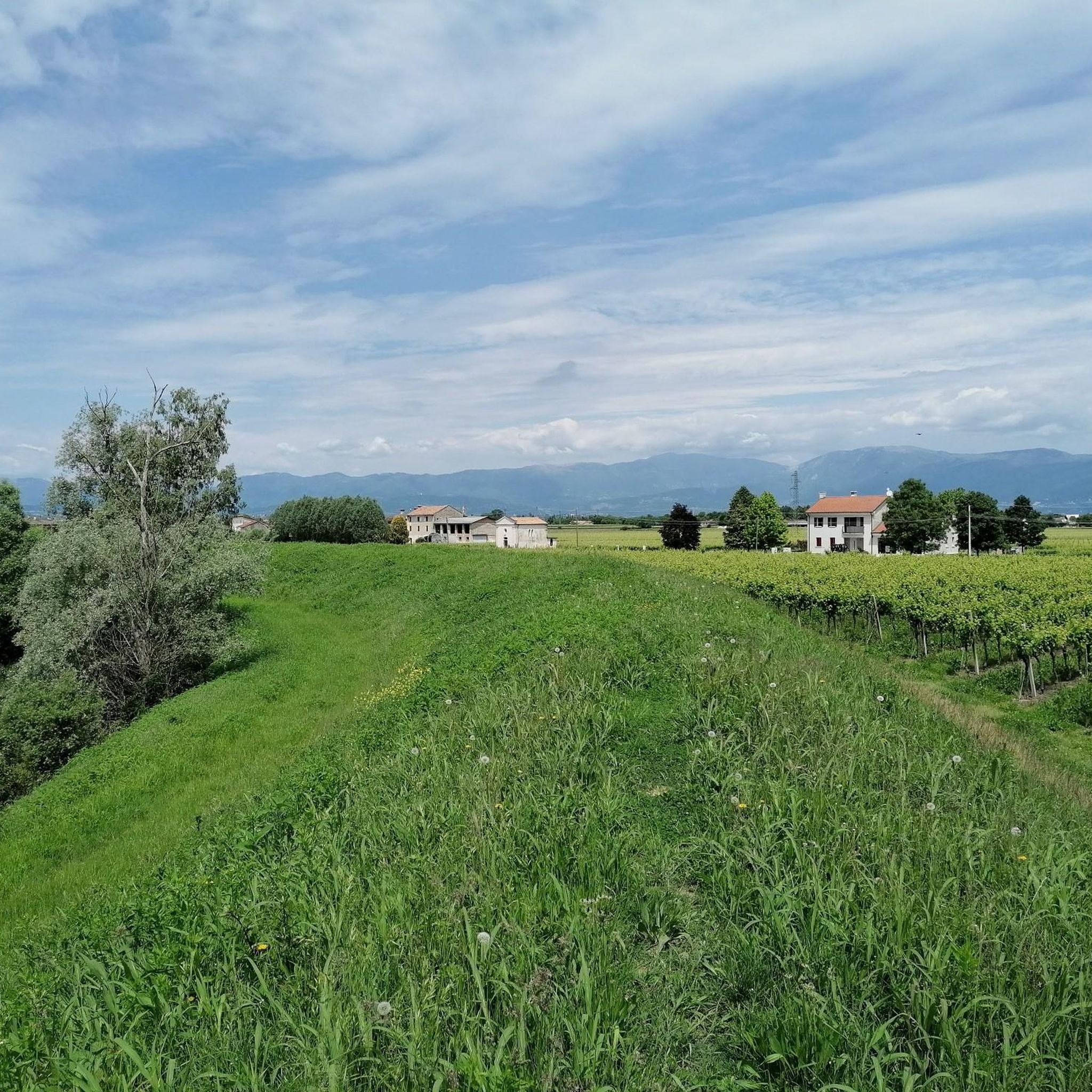
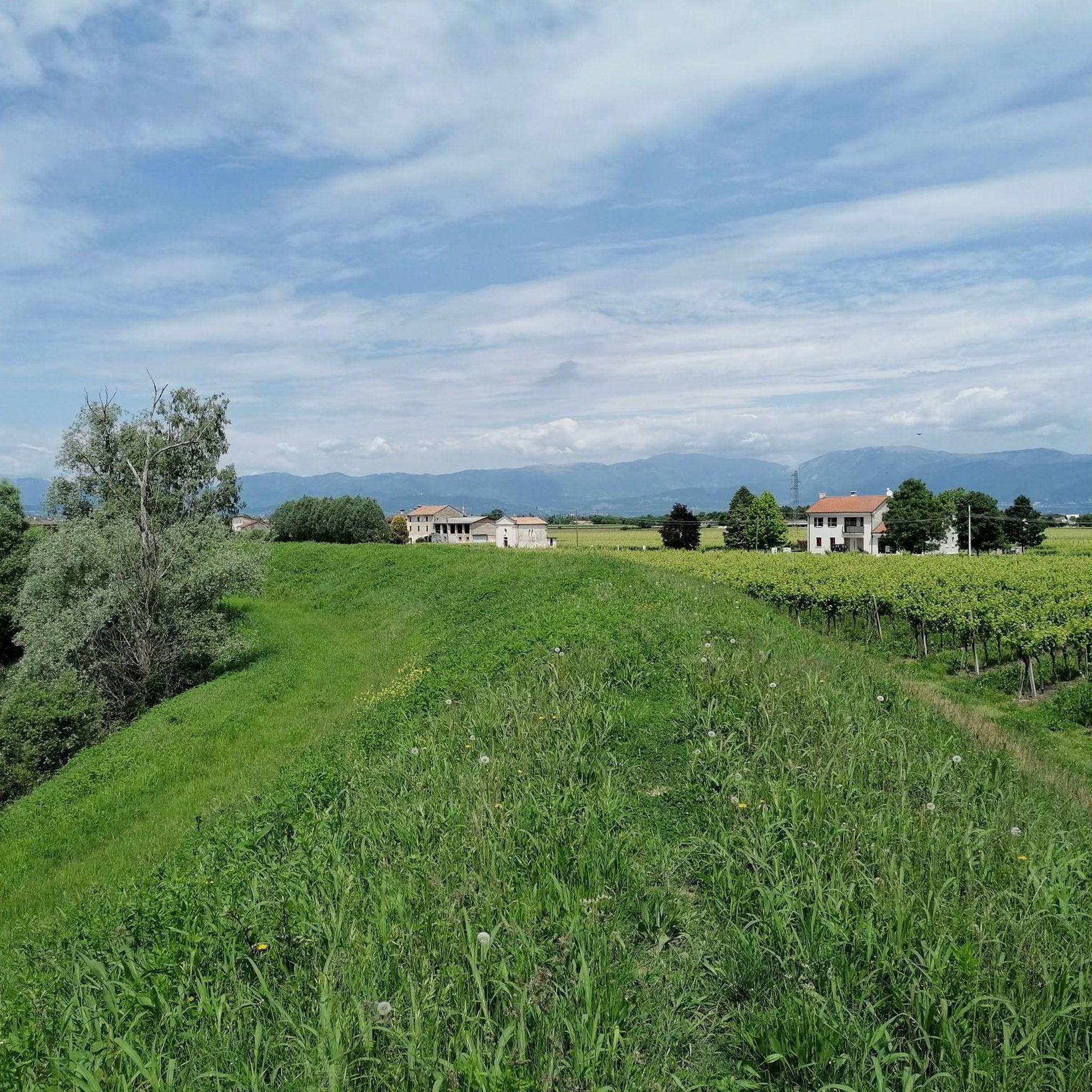
Majestic isolated tree in the middle of the countryside from which it is possible to see the plain looking from one side and a wonderful view of the castle of San Salvatore and the hills looking from the top side.
0
0

An extraordinary natural floodplain spread over six hundred hectares of stable lawn. Considering their naturalistic and faunal value, the Prà dei Gai have been declared a protected area by the European Community and included in the territorial development project of the LAG 5. In the past decades, the Prà lands were municipal and at the dawn of spring, with a public auction, the local farmers won small plots for grazing and harvesting hay.
3
0
Frequently Asked Questions
What types of natural monuments can I explore around Vazzola?
Around Vazzola, you can explore a variety of natural monuments, primarily focusing on riverine landscapes and protected natural environments. These include significant floodplains like Prà dei Gai, river areas such as Parco delle Grave and Murazzi of Spresiano, and the Source of the Meolo River. You can also find unique landmarks like The Lone Tree of San Salvatore, which offers panoramic views.
Are there any significant river areas to visit near Vazzola?
Yes, the region around Vazzola is rich in river areas. Besides the Source of the Meolo River and Parco delle Grave and Murazzi of Spresiano, you can visit the Confluence of the Lia and Monticano Rivers, a historically significant spot. Further afield, the Natural Park regionale del Fiume Sile offers extensive wetlands and riparian forests for exploration.
Where can I find protected natural areas for wildlife observation near Vazzola?
For wildlife observation, Prà dei Gai is an excellent choice. It's an extraordinary natural floodplain and a protected area recognized for its naturalistic and faunal value. Additionally, the broader region includes the Natural Park regionale del Fiume Sile, known for its rich biodiversity and opportunities for birdwatching, and the Zps Prai Di Godego, a Special Protection Area important for bird conservation.
Are the natural monuments around Vazzola suitable for families?
Many natural monuments around Vazzola are family-friendly. For instance, Prà dei Gai, the Source of the Meolo River, the Confluence of the Lia and Monticano Rivers, The Lone Tree of San Salvatore, and Parco delle Grave and Murazzi of Spresiano are all noted as suitable for families. The flat terrain of paths like the La Tradotta Cycle and Pedestrian Path also makes them ideal for all ages.
What outdoor activities can I do near these natural monuments?
The area around Vazzola offers various outdoor activities. You can explore trails along the river at Parco delle Grave and Murazzi of Spresiano. For cycling, the La Tradotta Cycle and Pedestrian Path provides a pleasant, flat route. You can also find numerous routes for mountain biking, cycling, and running. For more detailed routes, check out the MTB Trails around Vazzola, Cycling around Vazzola, and Running Trails around Vazzola guides.
Are there cycling paths near Vazzola's natural monuments?
Yes, the La Tradotta Cycle and Pedestrian Path is a notable option. This 18.5 km path, built on an old railway line, connects Montebelluna to Nervesa della Battaglia and offers a pleasant, flat way to experience the local landscape. You can also find other cycling routes in the area, detailed in the Cycling around Vazzola guide.
What do visitors enjoy most about the natural monuments around Vazzola?
Visitors appreciate the diverse riverine landscapes and the tranquility of the protected natural environments. The extraordinary natural floodplain of Prà dei Gai is particularly popular for its naturalistic and faunal value. The scenic trails along the river at Parco delle Grave and Murazzi of Spresiano and the historical context of the Source of the Meolo River are also highly valued.
Can I find hiking or walking trails near these natural monuments?
Yes, there are various opportunities for walking and hiking. Parco delle Grave and Murazzi of Spresiano offers trails along the river. The Natural Park regionale del Fiume Sile also features numerous pathways ideal for serene walks. For more specific running and walking routes, you can consult the Running Trails around Vazzola guide.
Are there any natural monuments that offer good viewpoints?
Yes, The Lone Tree of San Salvatore is a notable natural monument that serves as an excellent viewpoint. From this majestic isolated tree, you can enjoy views of the plain on one side and a wonderful vista of the castle of San Salvatore and the surrounding hills on the other.
What is the best time of year to visit the natural monuments around Vazzola?
The natural monuments around Vazzola are generally enjoyable throughout the warmer months, from spring to early autumn, when the weather is mild and the flora is lush. Spring offers blooming landscapes, while autumn provides pleasant temperatures and changing foliage. Summer is also suitable, though it can be warmer. Winter visits are possible, but some activities might be limited, and the scenery will be different.
Are there any specific natural monuments that are particularly easy to access?
Many of the natural monuments around Vazzola are relatively easy to access. The La Tradotta Cycle and Pedestrian Path, while not a monument itself, provides easy access to the surrounding natural environment due to its flat terrain. Sites like Prà dei Gai and the Source of the Meolo River are also generally accessible for visitors looking for a gentle experience.
Most popular routes around Vazzola
Most popular attractions around Vazzola

Get inspired with the komoot mobile app


Explore more
Extend your search for the best caves by checking out these guides of the top ones around Vazzola:
