Top 17 Natural Monuments around Amelia
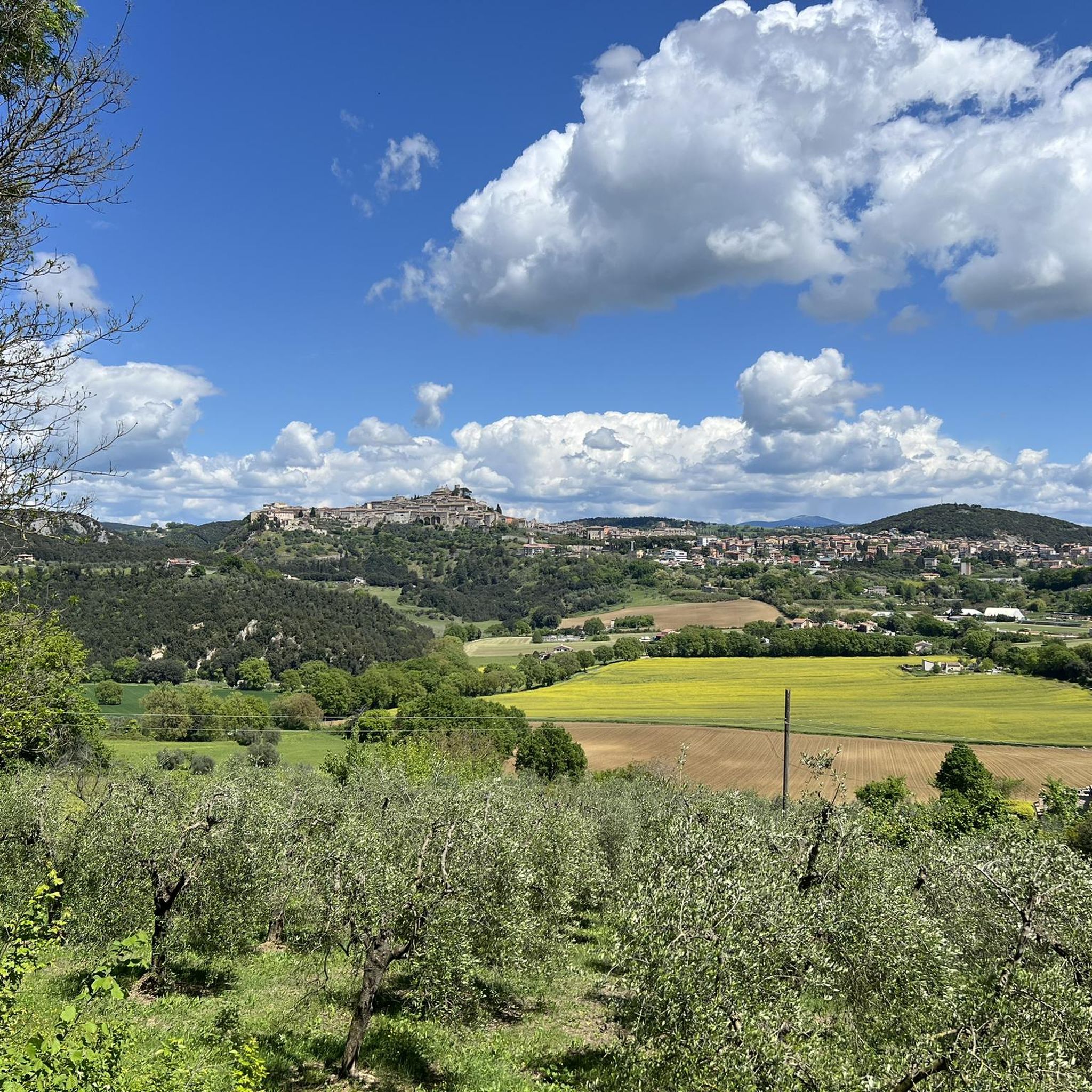
Best natural monuments around Amelia, Italy, are found in a region rich in history and diverse landscapes. This ancient hill town in Umbria offers a unique blend of natural beauty and archaeological significance. Visitors can explore a variety of natural settings, from mountain summits with panoramic views to river gorges and ancient sites integrated into the natural environment. The area provides opportunities for hiking, nature appreciation, and discovering historical landmarks within a picturesque setting.
Best natural monuments around Amelia
- The…
Last updated: June 28, 2026
Etruscan Pyramid of Bomarzo
Highlight • Historical Site
Translated by Google •
Tip by

Rio Grande Waterfalls
Highlight • Waterfall
Translated by Google •
Tip by

Sign up now to discover places like this
Get recommendations on the best single tracks, peaks, & plenty of other exciting outdoor places.
Sign up for free
Ocriculum Archaeological Park
Highlight • Historical Site
Translated by Google •
Tip by

Geographical Center of Italy Monument
Highlight • Monument
Translated by Google •
Tip by

Necropolis of San Lorenzo
Highlight • Historical Site
Translated by Google •
Tip by

Sign up for free to discover even more natural monuments around Amelia.
Sign up for free
Already have an account?
Start today with a free account
Your next adventure awaits.
Login or Signup
Tips from the Community

The Rio Grande Basin is located about two kilometers from Amelia, nestled in the Monti Amerini area. The Rio Grande is a stream flowing into the Tiber, and the area is described as an urban river park and a site of naturalistic and landscape interest. Its historical importance depends mainly on two dams: the upstream dam, called Para, which formed the Lago Vecchio (Old Lake), and the downstream dam, called dei Finestroni or Ponte Grande. For centuries, this hydraulic system has guaranteed a water reserve for the territory and has powered mills for grinding oil and grain, still remembered along the course of the basin.
0
0

Gorgeous place! Too bad it takes so many rainy days to see any water!
0
0
It is a large boulder of shaped and carved peperino stone, located in a forest between Bomarzo and Chia; It was rediscovered in 2001 by the Archeotuscia association and the archaeological company Pro-Ferento. The structure has 26 steps carved into the volcanic rock, with a height of 8 meters in the upstream part and 16 meters in the downstream part. It is believed to have been an Etruscan rock altar, probably dating back to the 6th-7th century BC, although some hypotheses suggest even older origins.
0
0
"There are several locations between Umbria and Lazio that claim its exact location. According to Giuseppe Angeletti, a scholar and passionate geographer from Perugia, and the Military Geographic Institute (I.G.M.), the geographic center of peninsular Italy would be positioned along the route of the Roman aqueduct of Formina, near one of the most evocative Roman bridges in the city of Narni, the Cardona bridge.".
0
0

The remains of the ancient Roman city, crossed by the Via Flaminia and lapped by a bend of the Tiber, are set in a natural landscape of remarkable beauty, a perfect synthesis of archeology and nature with a centuries-old history.
0
0

Geographic coordinates of central Italy
0
0

Fascinating place, full of history
0
0

This splendid archaeological park from the Roman era can be visited all year round for free. The park extends for 36 hectares from the nearby bend of the Tiber to under the modern Otricoli. Right on the Tiber river there are still the remains of the used Oil Port active until the 16th century. The remains of what were once thermal baths, amphitheaters and villas are perfectly preserved and extraordinarily integrated into the natural context of the area.
2
0
Frequently Asked Questions
What are the most popular natural monuments around Amelia, Italy?
Among the most appreciated natural monuments are Monte Croce di Serra Summit, offering spectacular panoramic views, and the enigmatic Etruscan Pyramid of Bomarzo, a unique carved rock formation. Visitors also enjoy the Geographical Center of Italy Monument for its easy, suggestive walk in the Narni forest.
Are there family-friendly natural monuments in the Amelia region?
Yes, the Ocriculum Archaeological Park is considered family-friendly, offering a unique blend of ancient Roman ruins integrated into a natural setting. The Geographical Center of Italy Monument also provides an easy and pleasant walk suitable for families in the Narni forest.
What kind of natural features can I expect to see around Amelia, Italy?
The Amelia region in Umbria offers diverse natural features. You can explore mountain summits like Monte Croce di Serra Summit with expansive views, dramatic river landscapes such as Stifone and the Nera Gorges with their rocky cliffs and turquoise waters, and ancient forests surrounding sites like the Geographical Center of Italy Monument.
What historical or archaeological sites are integrated with nature in Amelia, Italy?
The Ocriculum Archaeological Park is a prime example, where ancient Roman remains like thermal baths and villas are remarkably preserved within a natural landscape near the Tiber River. Another significant site is the Necropolis of San Lorenzo, an Umbrian-Etruscan necropolis nestled along the slopes towards the San Lorenzo stream.
What outdoor activities can I do near the natural monuments around Amelia?
The Amelia region is excellent for various outdoor activities. You can enjoy hiking, road cycling, gravel biking, and mountain biking. For cycling, explore routes like 'I Colli Amerini between the rivers Tevere and Nera' or 'The terrace on the Tiber of the Amerini Mountains'. Mountain bikers can tackle trails such as 'Rio Grande Waterfalls – Capuchin Friars Convent loop'. Find more details on these activities in the Road Cycling Routes around Amelia, Gravel biking around Amelia, and MTB Trails around Amelia guides.
Are there hiking trails near the natural monuments in Amelia, Italy?
Yes, several natural monuments are accessible via hiking trails. For instance, reaching the Monte Croce di Serra Summit involves hiking to enjoy its panoramic views. The Geographical Center of Italy Monument is reached via an easy and scenic walk in the Narni forest. You can find more hiking opportunities and detailed routes in the various komoot guides for the Amelia area.
What is the best time to visit the natural monuments around Amelia, Italy?
The best time to visit Amelia for outdoor activities and exploring natural monuments is generally during the spring (April-June) and autumn (September-October) months. During these periods, the weather is pleasant for hiking and cycling, and the landscapes are particularly beautiful. Summers can be hot, while winters are cooler and may have some rain.
What unique natural landmarks or viewpoints can I find in Amelia, Italy?
The Monte Croce di Serra Summit is a prominent viewpoint, offering a wide and spectacular panorama of the Umbrian territory. Additionally, the ancient hill town of Amelia itself provides picturesque panoramas from various points in its historic center, overlooking the Rio Grande.
Are there any hidden natural monuments or less-known spots worth exploring near Amelia?
While not 'hidden' in the sense of being unknown, the Necropolis of San Lorenzo offers a fascinating blend of history and nature in a serene setting along the San Lorenzo stream, providing a deeper dive into the region's ancient past beyond the more popular sites. The natural setting of Stifone and the Nera Gorges, with its intense turquoise waters, also offers a captivating experience away from the main tourist trails.
What should I wear when visiting natural monuments in Amelia, Italy?
For exploring the natural monuments and trails around Amelia, it's advisable to wear comfortable walking or hiking shoes, especially if you plan to visit sites like Monte Croce di Serra Summit or the Etruscan Pyramid of Bomarzo. Layered clothing is recommended, as temperatures can vary, particularly during spring and autumn. Don't forget sun protection, such as a hat and sunscreen, during warmer months.
Can I find wildlife at the natural monuments around Amelia, Italy?
While the Amelia region in Italy is not primarily known for large wildlife reserves like some other 'Amelias', you can still observe various bird species and smaller animals in the natural areas. The integration of ancient sites like Ocriculum Archaeological Park into the natural environment means you'll be surrounded by local flora and fauna, especially along the Tiber River and in forested areas.
How long does it typically take to visit the natural monuments near Amelia?
The duration of your visit depends on the specific monument and your activity. An easy walk to the Geographical Center of Italy Monument might take an hour or two. Exploring the Ocriculum Archaeological Park could take half a day to fully appreciate its extent. A hike to Monte Croce di Serra Summit could be a half to full-day excursion, depending on the chosen route and your pace.
Most popular attractions around Amelia

Get inspired with the komoot mobile app


Explore more
Extend your search for the best caves by checking out these guides of the top ones around Amelia:
